

Most people have felt it at some point: that shift in the air, the moment when something in the atmosphere tells you rain is coming before a single drop has fallen. It’s not imagination. The smells you notice around a rainstorm are real, chemically distinct, and produced by entirely different processes depending on where you are in the storm’s timeline.
Scientists say it’s a combination of ozone, petrichor, and geosmin that accounts for the distinct smells people detect before, during, and after a rainfall. Each one arrives at a different moment, created by a different interaction between the sky, the ground, and the biology living quietly beneath your feet.
The Sharp, Electric Smell Before Rain: Ozone
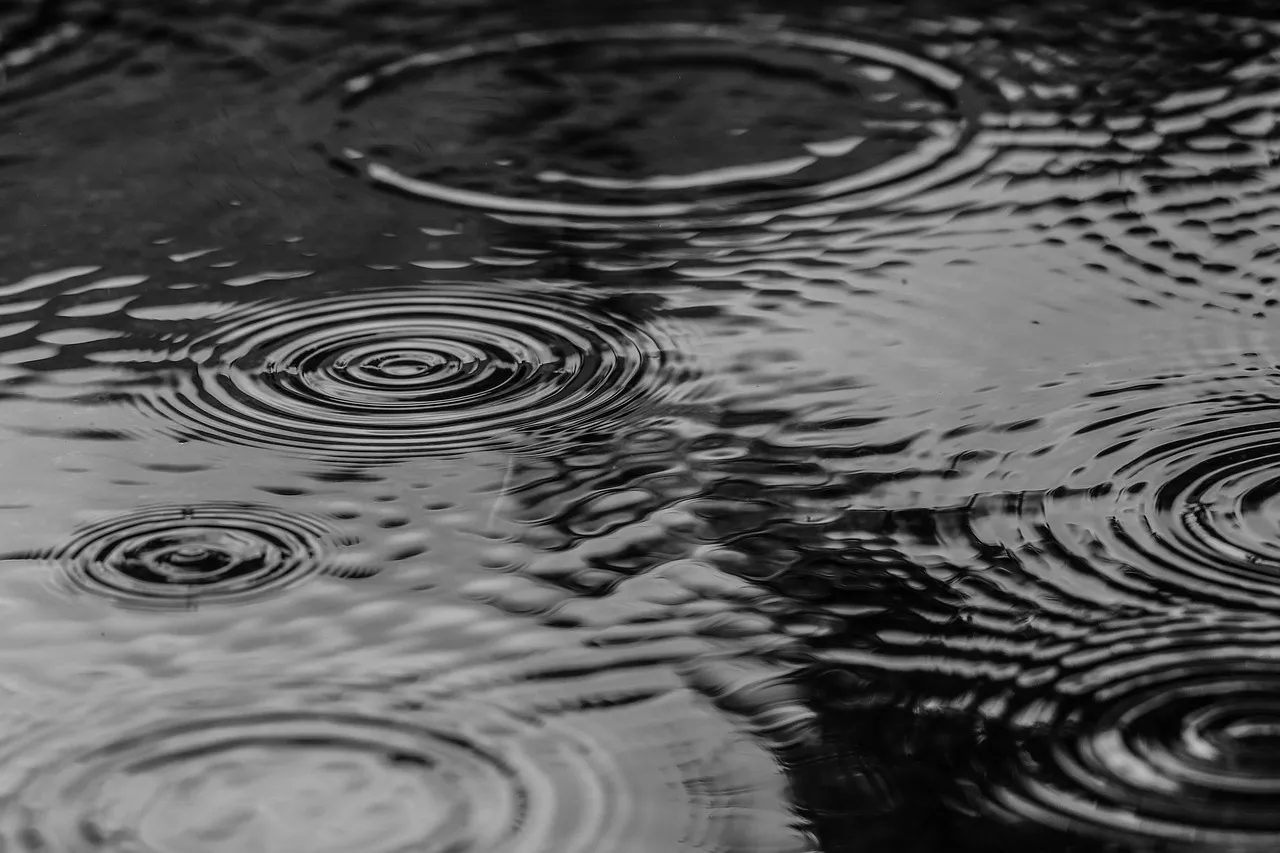
If you’ve ever stepped outside ahead of a summer thunderstorm and caught something clean, almost metallic in the air, you’ve already met ozone. This pre-rain smell is attributed to ozone, which is created when lightning within storm clouds splits oxygen apart into separate atoms, and some of those atoms recombine to form ozone instead of ordinary oxygen.
As the storm winds blow, the ozone is pushed out ahead of the storm, which is why you can sometimes smell an approaching thundercloud before it ever arrives overhead. Storm winds push the ozone ahead of the front, which is why that sharp, metallic smell can arrive minutes before the rain.
What Petrichor Actually Is
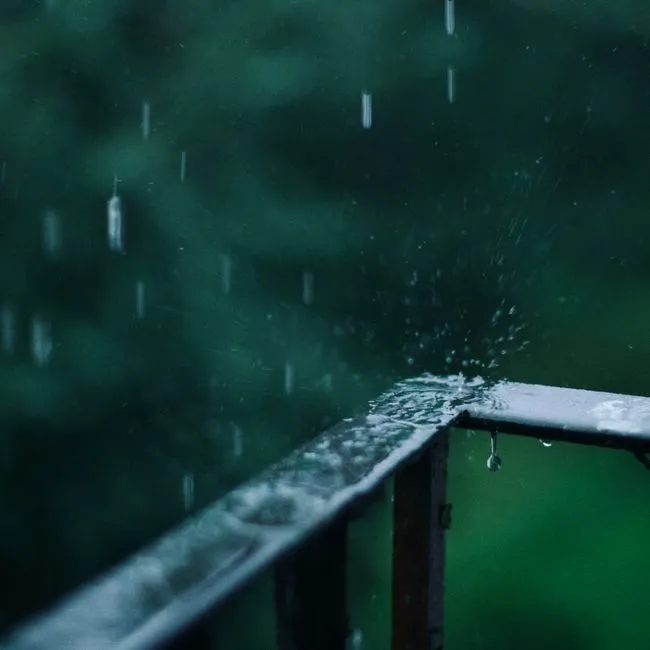
The smell of rain is known as petrichor, a term derived from “petro,” meaning rock, and “ichor,” meaning tenuous essence. The word sounds poetic, but the science behind it is grounded and specific. Australian scientists first documented the process of petrichor formation in 1964, and scientists from the Massachusetts Institute of Technology further studied the mechanics of the process in the 2010s.
The reason rain smells has to do with biology, chemistry, and timing. It’s not a single compound drifting through the air. It is four factors combined: mineralized organics, oils from plants, actinobacteria spores, and geosmin, that mix together to create petrichor.
How Plants Contribute to the Scent
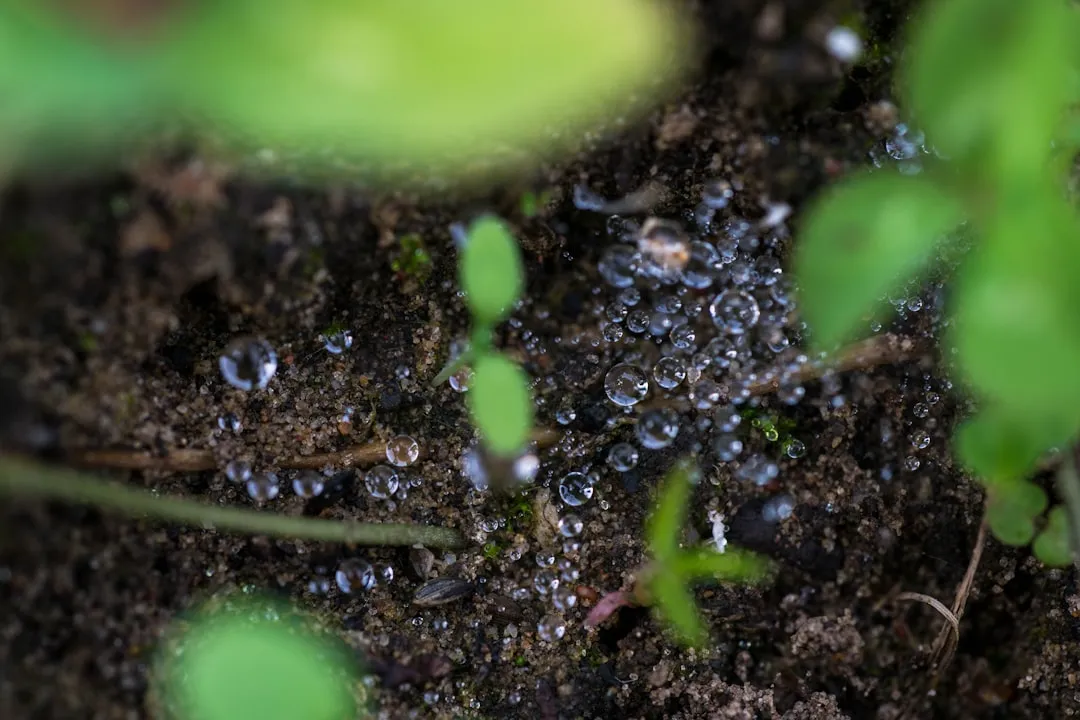
Researchers found that during dry weather, plants produce and secrete oils that signal seed germination and root growth to stop, and these oils then accumulate between rocks and combine with chemicals produced by bacteria in the surrounding soil. The oils sit quietly in the soil through a dry spell, essentially building up like a reservoir waiting to be released.
Plants secrete these oils in dry periods, where they accumulate in rocks and soil, and rain then causes smaller, volatile compounds within them, likely created by oxidation of fats, to be released. Plants secrete aromatic oils in part to suppress seed germination and early plant growth, holding it back until the rainy season ensures their survival. It’s a biological strategy dressed up as a pleasant smell.
The Role of Geosmin, the Earthy Core of the Scent
One of the primary molecules responsible for petrichor’s earthy character is called geosmin, produced by a bacteria called Streptomyces, the same organism commonly used to create antibiotics. The scent of petrichor comes from a chemical compound called geosmin, which has a chemical structure similar to alcohol, but its scent is more pleasant, according to atmospheric scientist Timothy Logan of Texas A&M University.
We’re so sensitive to geosmin that we can detect very, very low concentrations of it, perhaps as low as one hundred parts per trillion. That’s an extraordinarily refined sensitivity. Humans are able to pick up just a few parts per trillion of geosmin in the air, which explains why that earthy note can hit you even on a light, barely-there drizzle.
Why a Dry Spell Makes the Smell So Much Stronger
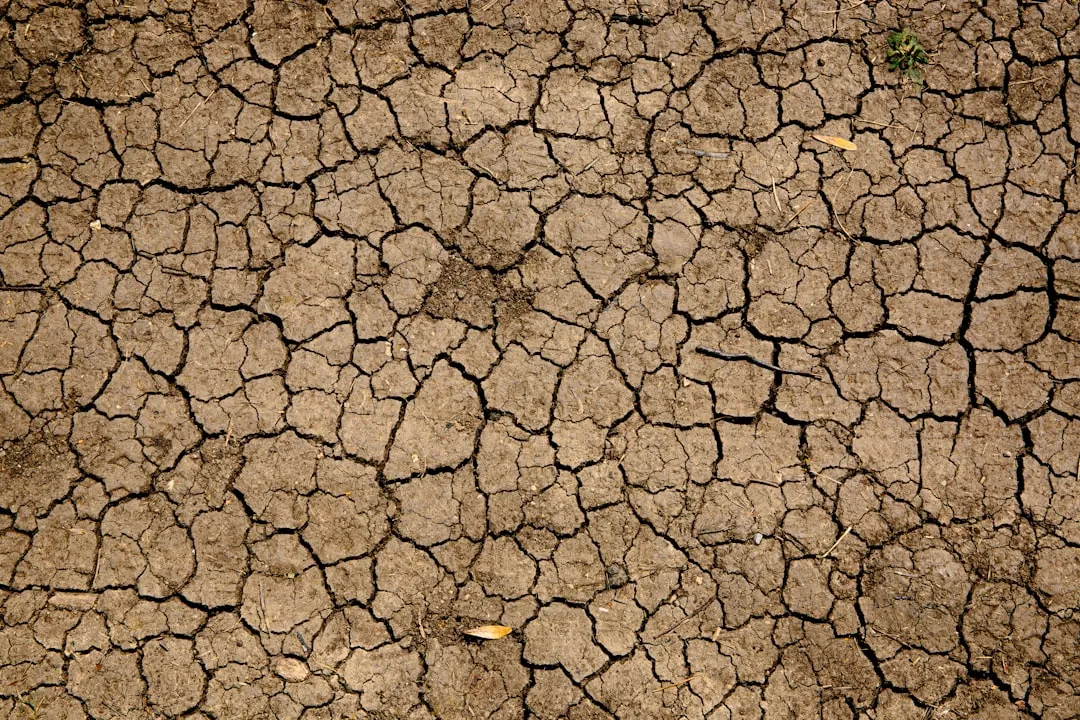
A rainstorm that occurs after rain has recently fallen doesn’t produce that sought-after smell so many people have come to love. We are most likely to smell rain when it falls after a dry period. This is because the source compounds need time to accumulate. As the air becomes more humid just before a rainstorm, the soil begins to moisten and the speed at which geosmin is produced increases.
The scent is powerful, but not very durable. It blooms when dry ground is moistened by the first few drops of rain or even in response to an increase in humidity that precedes rain. This is why the smell feels most vivid and almost startling after a long stretch of hot, dry weather. Everything needed for the reaction has had time to build.
The Physics of How Rain Launches Scent Into the Air

In 2015, MIT researchers identified a mechanism by which rain produces aerosols: as a falling droplet makes contact with the ground, it traps tiny air bubbles at the ground’s surface, which rise up and burst through the droplet, creating a spray of much smaller water droplets, or aerosols. Think of it like a miniature champagne fizz happening on the soil surface, invisible to the naked eye but measurable with high-speed cameras.
High-speed photography from MIT in 2015 showed that each raindrop on porous soil creates dozens of tiny bubbles that pop and launch the scented aerosol upward. More aerosols are produced by light or moderate rainfall than during heavy rainfall, which is why the familiar petrichor odor is more commonly apparent after a light shower. Heavy rain, it turns out, is actually less fragrant than a gentle one.
During the Storm: When the Smell Peaks
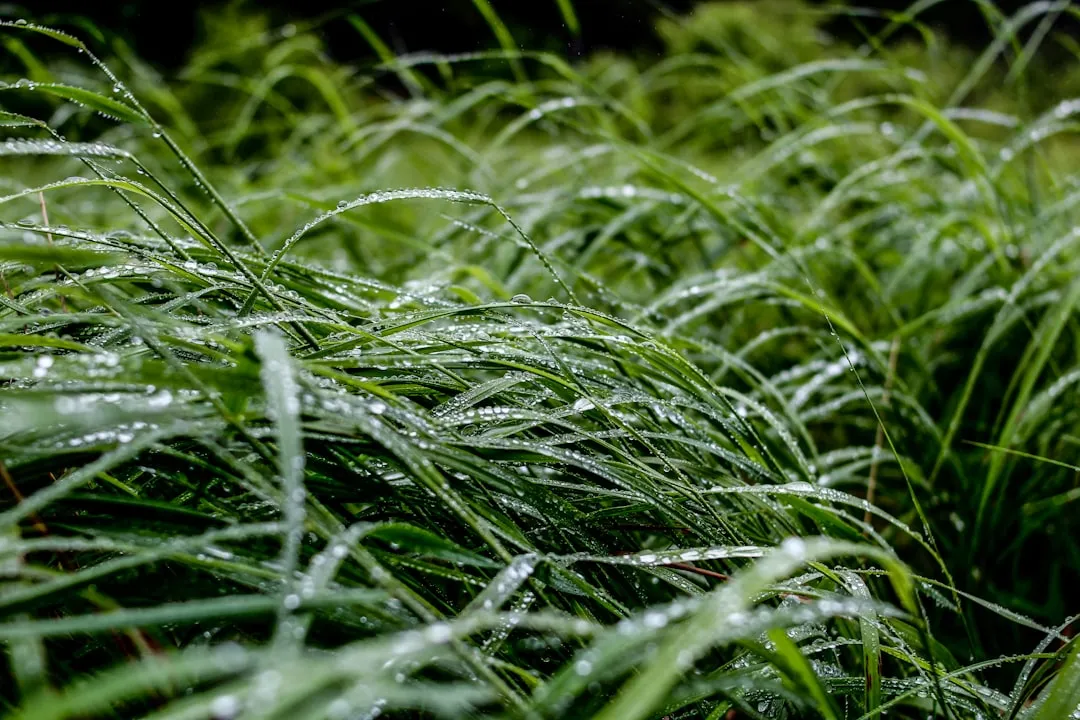
MIT scientists found that when raindrops hit soil surfaces, they pick up air and organic compounds such as geosmin on impact, then splatter and eject them as fizzy aerosols that travel downwind, carrying the familiar scent of rain. The peak of the storm’s smell tends to arrive in that opening window, the first minutes of rainfall after a dry period, when the aerosol release is highest and the ground still has reserves of scent-producing compounds.
You need just enough rain to distribute the aerosol. If it rains all week, the scent of petrichor will be strong after the first shower, but after an entire day or week of storms, the compounds that create petrichor will wash away. There’s a point of saturation, literally, after which the chemistry simply runs out of material to work with.
Urban vs. Rural Rain Smells
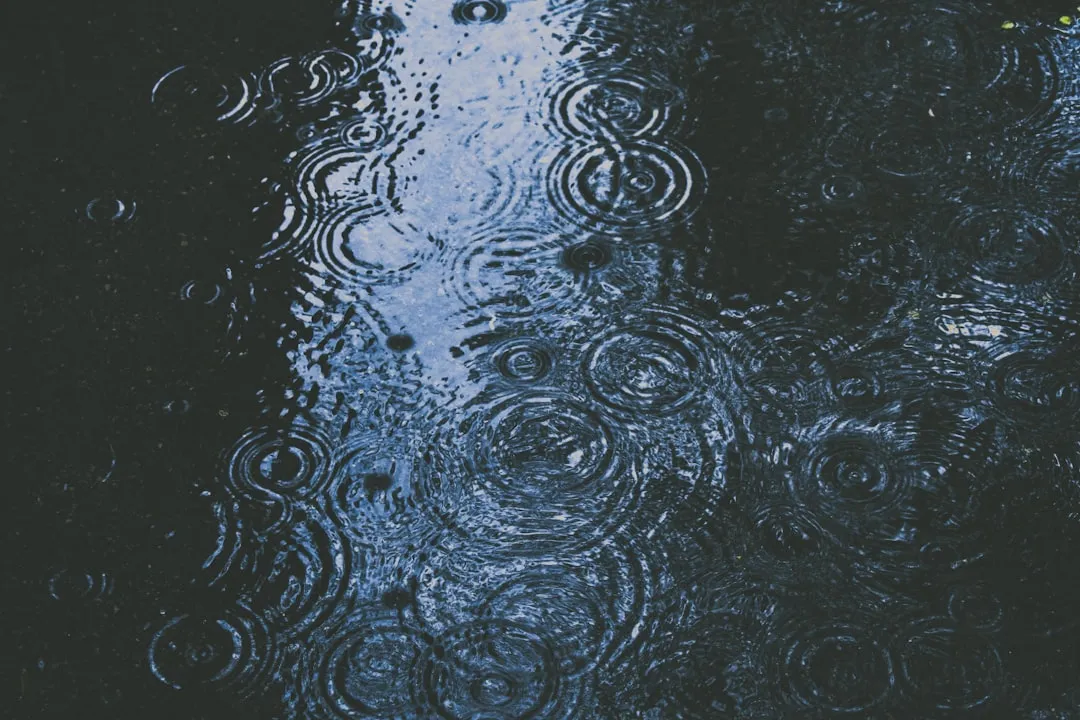
There’s another distinctive scent caused by the acidity of rain. Because of chemicals in the atmosphere, rainwater tends to be somewhat acidic, especially in urban environments, and when it comes in contact with organic debris or chemicals on the ground, it can cause some particularly aromatic reactions. Cities don’t have much dry soil packed with geosmin-producing bacteria, so the smell of rain there draws from a different palette entirely.
Rain breaks apart soil and releases minerals trapped inside, which react with chemicals such as gasoline, giving them a stronger smell. These reactions generally produce more unpleasant smells than bacteria spores, which is why the after-the-rain smell isn’t always a good one. If you’ve ever noticed that city rain smells sharper or slightly acrid compared to rain on a country road, that’s exactly what you’re detecting.
Why the Smell Fades After the Storm Passes

The scent eventually goes away after the storm has passed and the ground begins to dry. The moment the aerosol production slows, the wind disperses what’s already in the air, and the compounds break down or get diluted. Like the smell caused by the bacteria spores, the smell of chemical reactions is most noticeable when it rains following dry periods. Once the chemicals on the dry ground have been diluted by one downpour, they don’t have the same reaction with the rainwater.
This leaves the actinobacteria lying in wait, ready to help us know when it might rain again. In a way, the soil resets itself after each storm, slowly building up geosmin and oils through the next dry stretch, preparing the next batch of that scent we keep coming back to.
Why Humans Evolved to Love This Smell
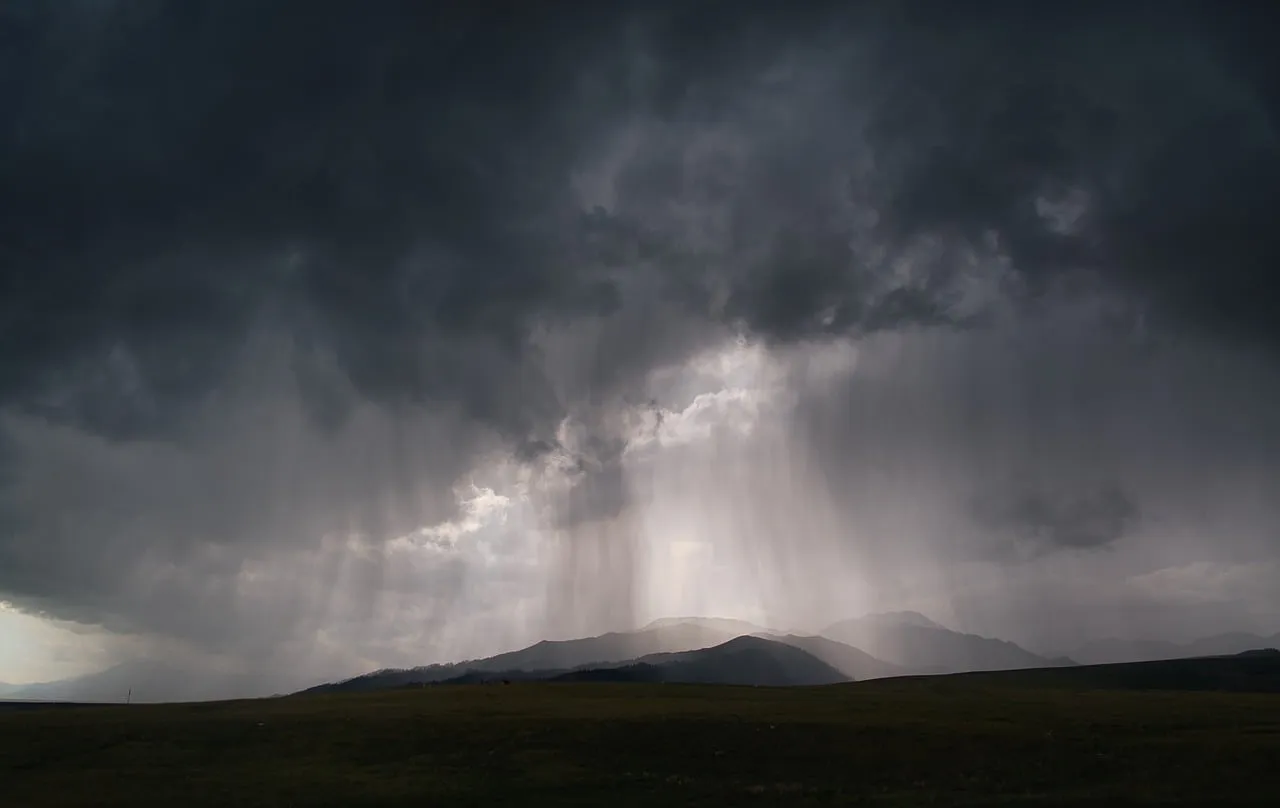
Petrichor is not only a pleasant olfactory experience but also serves as an environmental cue. It can signal to certain animals and plants that water is available, which may trigger specific behaviors like emergence, mating, or germination. Our own sensitivity to it is likely no accident. The aroma of petrichor can remind us of the life-sustaining properties of rain, promoting a sense of well-being and reinforcing our connection to the natural world.
For most of human history, knowing rain was coming meant knowing when crops might survive, when rivers might flood, when to seek shelter. We can detect geosmin at perhaps as low as one hundred parts per trillion, a sensitivity that almost certainly had survival value long before anyone thought to give the smell a name. The fact that most people find it genuinely pleasant is probably not coincidence.
The Takeaway

The three-act smell of a rainstorm tells a surprisingly complete story. First, the electric edge of ozone signals lightning in the distance. Then, the earthy bloom of petrichor rises from the ground as the first drops hit. Finally, the scent fades as the soil runs dry of the compounds that made it possible.
Each phase has its own chemistry, its own geography, and its own set of conditions. What feels like one single, familiar smell is actually three separate phenomena layered over one another across the span of a storm. The next time you catch that first whiff of something sharp and clean on the wind, you’re not just sensing weather. You’re reading a chemical signal that soil, plants, and bacteria have been sending for longer than our species has been around to notice it.
AI Disclaimer: This article was created with the assistance of AI tools and reviewed by a human editor.