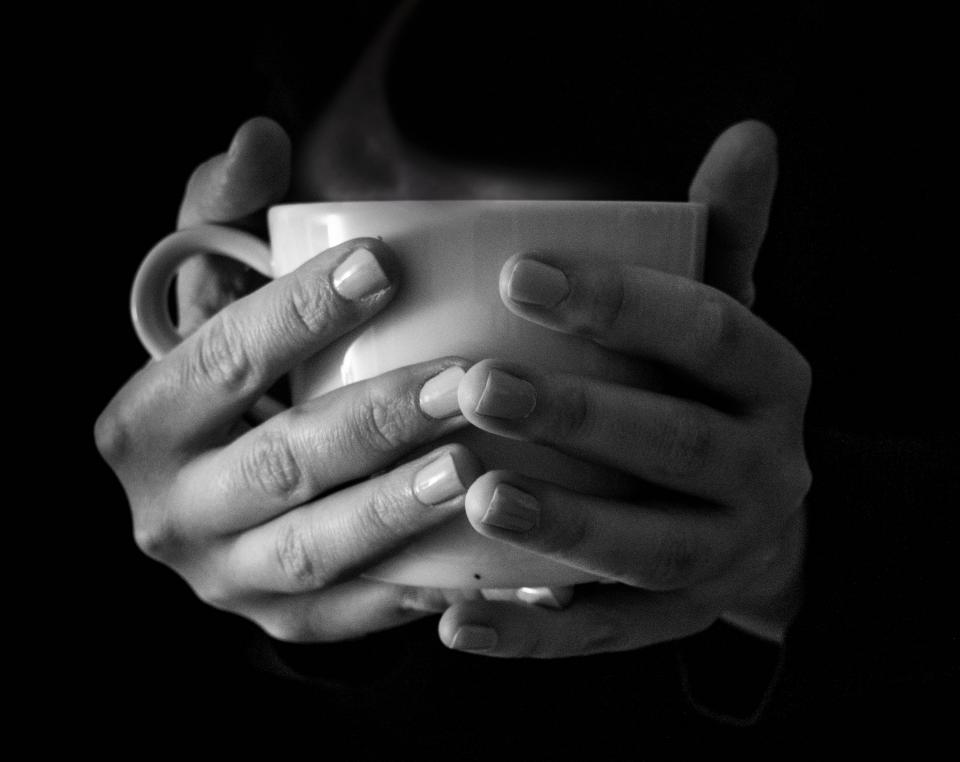

Most people own a dozen mugs. There’s the mismatched ones shoved to the back of the cabinet, the branded freebies from conferences, the seasonal ones that come out once a year. Yet somehow, one mug rises above all of them. It sits at the front. It’s the one you actually reach for.
This isn’t random. There’s real psychology behind it, a mix of memory, habit, ownership, and sensory comfort that turns an ordinary ceramic object into something quietly irreplaceable. The science is more interesting than you’d think.
The Endowment Effect: Why It Feels Like Yours
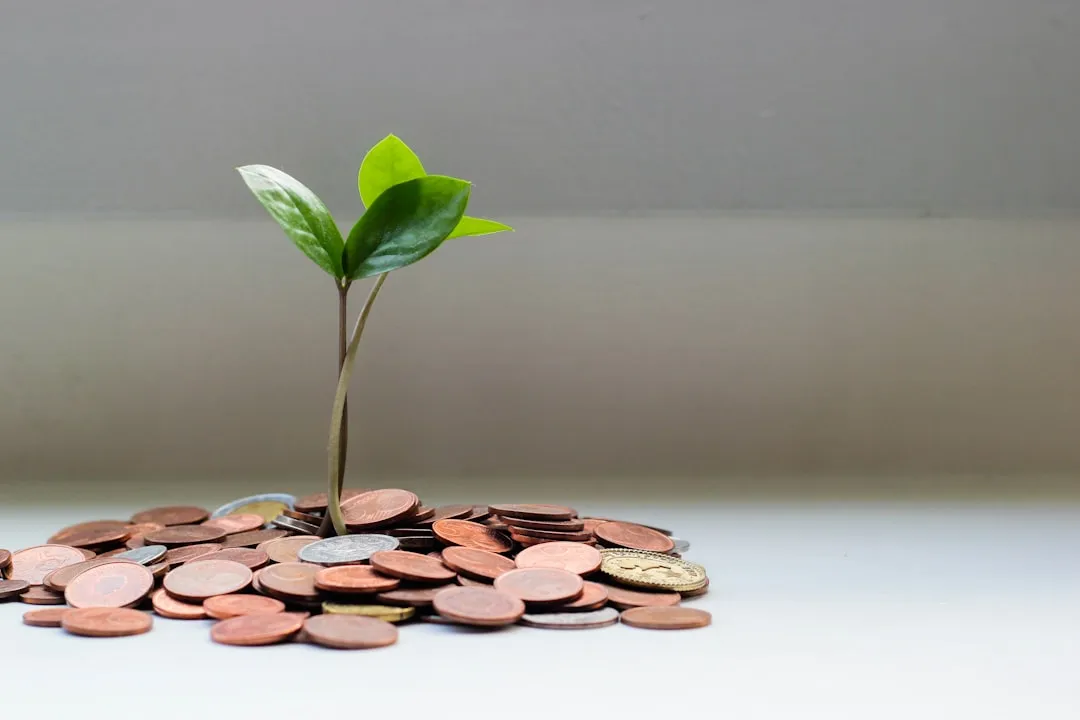
The endowment effect is the psychological phenomenon where individuals ascribe higher value to things they own compared to identical items they don’t own. It sounds simple, almost too simple, but it explains a lot about why a mug you paid four dollars for at a gift shop suddenly feels precious.
Several studies of the endowment effect actually looked at people’s valuations of their coffee mugs specifically, and researchers found that people ascribed greater value to a mug when they owned it. The mug didn’t change. The owner’s perception of it did.
Research has found that the endowment effect is not based on factual ownership, but on subjective feelings of ownership induced by physical possession of the object. You don’t need a receipt to feel like something belongs to you. Repeated use is enough.
Memory Stored in an Object
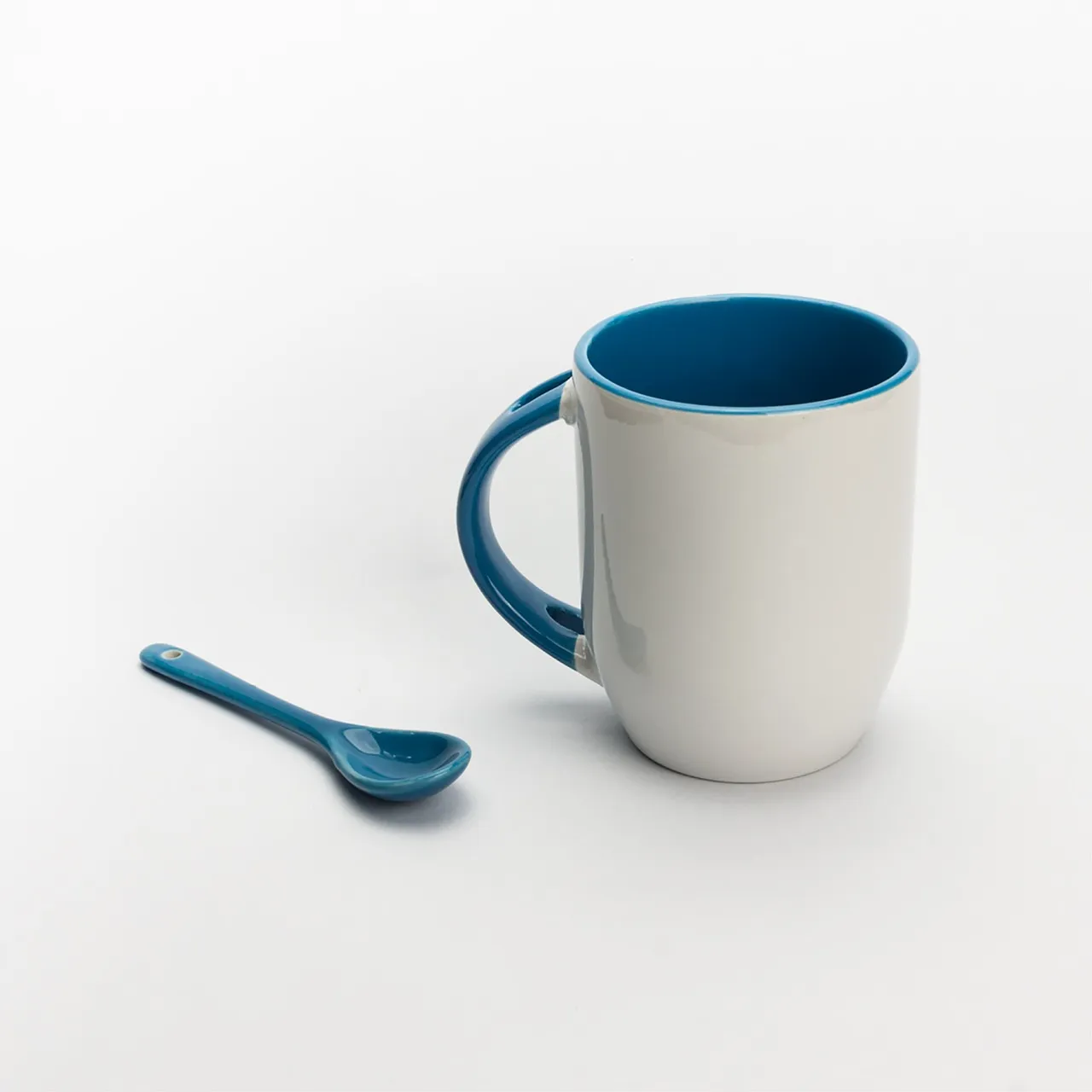
Most mugs hold memories of specific individuals, places, and events. A mug received as a gift from a loved one or bought on an eventful journey can readily transform from something purely useful into a physical artifact of pleasant experiences.
People are more likely to be obsessed with a favorite mug than, say, a favorite fork. One reason is that mugs are common gifts, souvenirs, and keepsakes, so we often associate them with a beloved person, place, or time. A fork rarely comes with a story. A mug almost always does.
Memory plays an outsized role here. An object’s market value and its sentimental value are calculated by entirely different parts of the brain, and the endowment effect emerges when those two valuations get confused with one another. That confusion, it turns out, is the whole point.
The Feel of It in Your Hand
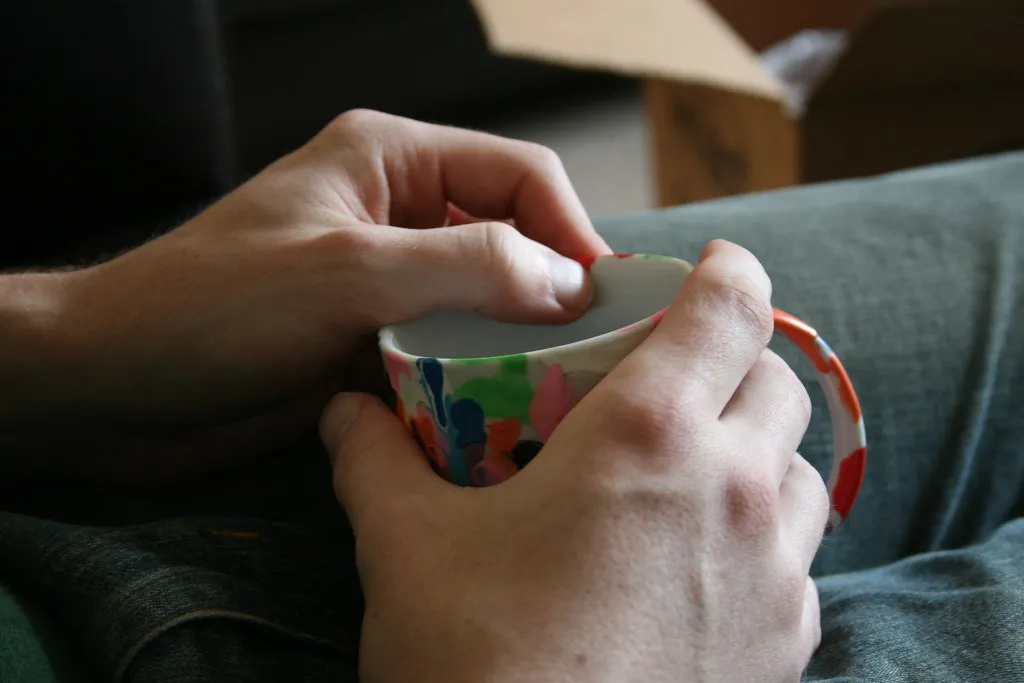
Ask someone why they love their favorite mug and listen to their words. Most describe a physical experience before appearance. It’s rarely “I love the color.” It’s almost always about how it sits in the hand.
Grip geometry, handle clearance, curvature, rim thickness, and weight distribution all influence satisfaction. The hand is highly sensitive to proportion and balance, and small design differences create large comfort differences.
When interaction feels natural, the mug begins to feel like an extension of the hand. That embodied familiarity strengthens attachment. Physical satisfaction is one of the most underestimated drivers in the psychology behind favorite mugs.
Habit Turns Preference Into Loyalty
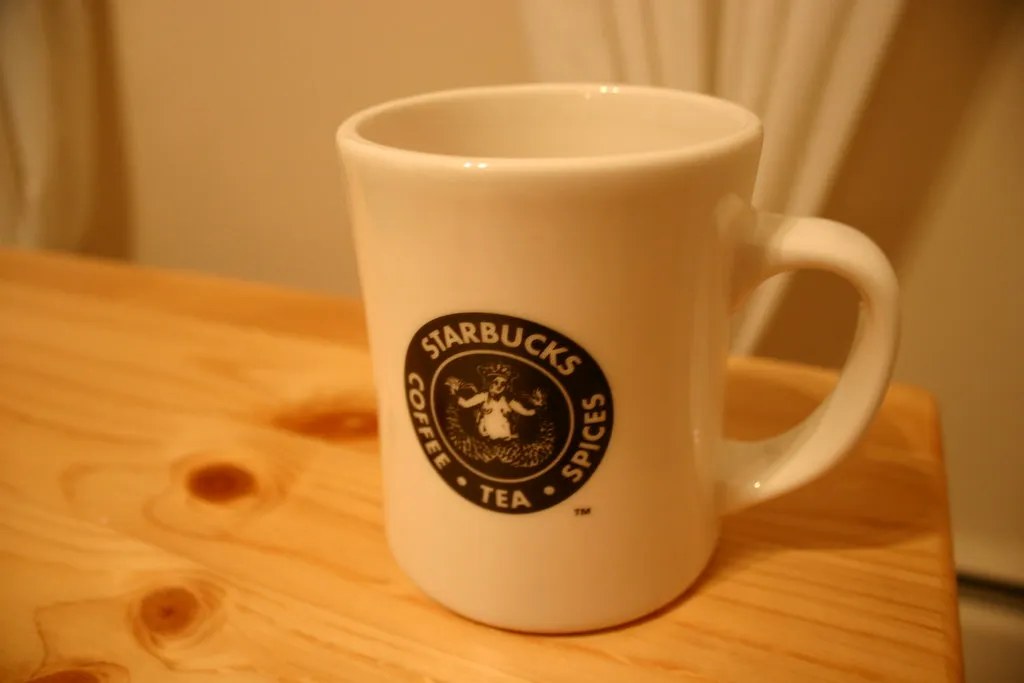
For most people, the process of drinking coffee or tea becomes a comforting ritual when one continues drinking from the same mug every single day. Familiarity between routine and mug reinforces the bond. Because habits crystallize from repetition, using the very same mug every day can, with time, become a source of stability and predictability.
Familiarity breeds comfort, and in a world full of uncertainties, having a reliable, unchanging element like a favorite mug can provide a small but significant sense of control and stability. That’s not a small thing, especially on difficult mornings.
Habituation turns liking into loyalty, and that loyalty is a core mechanism in the psychology behind favorite mugs. Over time, the choice to reach for that specific mug stops being a choice at all. It becomes automatic.
Rituals of Presence: A 2025 Cultural Trend
From making coffee the same way each morning to weekly screen-free evenings, people are using repetition and symbolism to mark time, reclaim agency, and cultivate mindfulness. A 2024 report by WGSN notes that “rituals of presence” are trending in wellness, hospitality, and product design as consumers seek more intentional experiences.
Everyday acts are being reframed as sacred, showing that modern rituals can be small, personal, and powerful. A morning coffee in your specific mug fits this description exactly. It’s a micro-ritual, small in scale but surprisingly grounding.
In 2025, rituals are returning not as relics of tradition, but as tools for resilience, connection, and meaning-making. As modern life accelerates and digital saturation deepens, individuals and communities are reclaiming ritual as a counterbalance to fragmentation and flux. Your mug is quietly part of that movement.
The Mug as an Extension of Identity
A favorite mug choice could represent elements of our personal identity and personality. The image on it, the size of it, whether it’s chipped or pristine – these details communicate something about who you are, at least to yourself.
Objects like coffee mugs can boost confidence and, therefore, performance. Research by Christian and colleagues at Stanford, together with Leilei Gao from the Chinese University of Hong Kong, found that when our sense of identity falters, we choose products that bolster our original self-perception. For instance, if someone who perceives herself as creative starts to have doubts about it, she will be motivated to choose products that reinforce her previous self-perception as a creative person.
Possessions often function as extensions of the self, and our preferences and attachments to particular possessions reveal how specific items become woven into someone’s personal narrative in ways that are hard to rationally price. That battered mug you keep repairing rather than replacing is saying something about you that a brand-new one simply cannot.
Psychological Ownership Happens Fast
Experiments have demonstrated that participants develop an attachment to items after only a few minutes of possession, leading them to value those items more highly. You don’t need years of history with a mug for it to start feeling like yours.
Researchers have also found that simply touching or holding an object, even briefly, can increase how much people feel they own it and how reluctant they are to give it up. The act of holding a mug of warm coffee, repeated daily, accelerates this process significantly.
Psychological ownership can arise from simply touching an item, having it in one’s immediate vicinity, or the mere act of choosing it. Once a sense of psychological ownership is established, the item becomes integrated into the individual’s self-concept, and parting with it is perceived as a diminishment of self.
The Office Mug Politics Are Very Real

If you’ve ever grabbed another person’s prized mug in the break room or at a relative’s house, you know how intensely possessive mug owners can be. In a Heinz survey, one-sixth of participants admitted that they would sulk if someone else used their mug. That’s not petty – that’s the endowment effect playing out in a shared kitchen.
Having a favorite mug at your desk isn’t just about function – it’s part of your ritual. That first sip in the morning, a warm refill during an afternoon slump, or even using it as a pen holder when empty brings comfort, consistency, and a little joy to your workspace. When someone else uses it, all of that is briefly disrupted.
Research published in 2025 demonstrates that purposefully designed group rituals can foster feelings of togetherness, joy, and energy in organizational settings. A personal mug functions as the individual version of this: a private ritual object that quietly anchors the workday.
Warmth Is More Than Metaphor
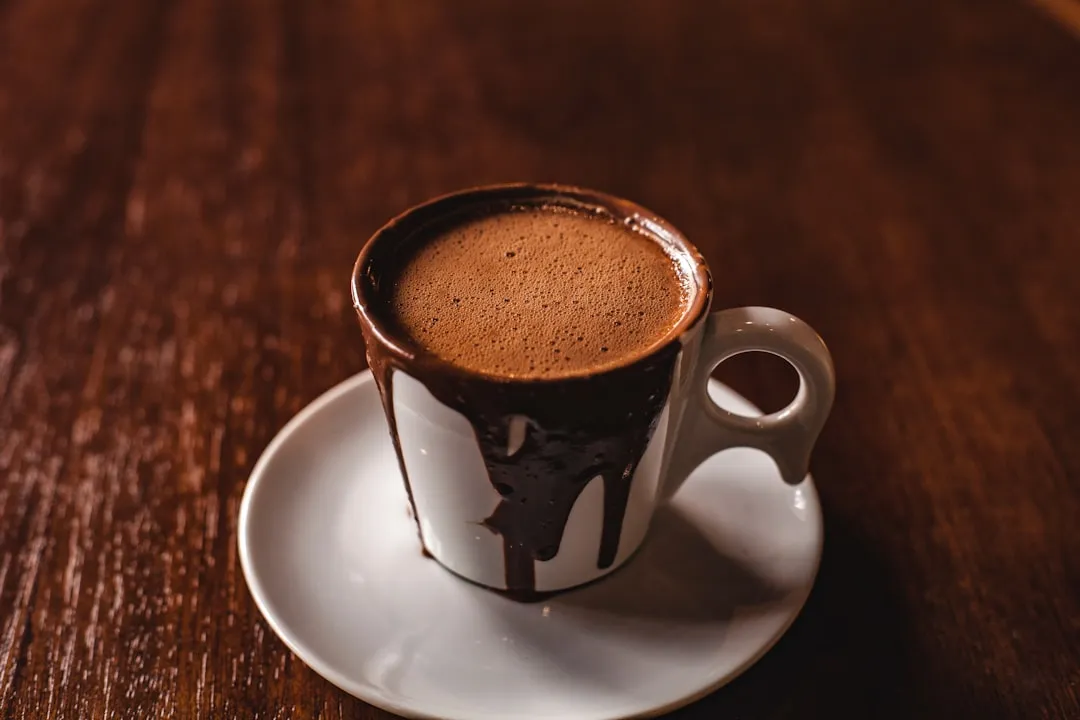
Mugs situate themselves simultaneously in daily life and as an ambience: coffee, tea, or even something so warmly comforting in a mug filled with hot chocolate. There’s a reason we describe good people as warm. The physical sensation and the emotional one are processed in surprisingly overlapping ways in the brain.
A favorite mug can represent warmth, comfort, or empowerment. At times when things are hard, the action of holding a familiar mug itself can be emotionally grounding. Not every coping mechanism needs to be elaborate. Some of the most effective ones fit in one hand.
Personalization Deepens the Bond
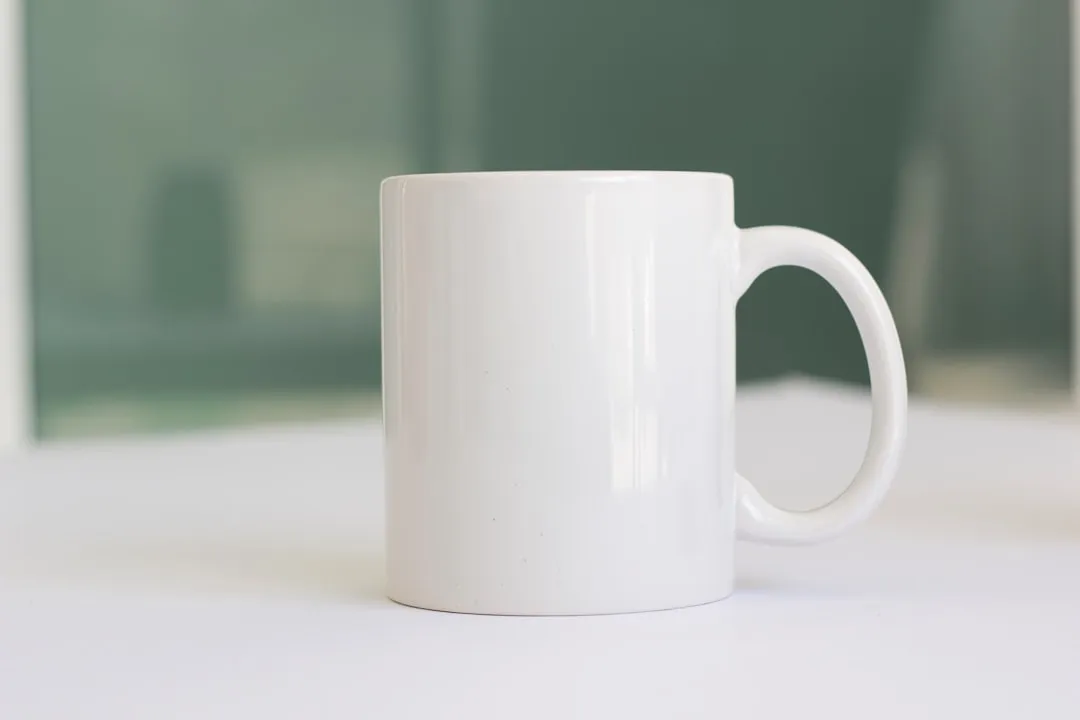
Custom mugs, where customers can place their names, photos, or anything meaningful, work very well to ensure attachment. Personalization provides a person with the view that this is uniquely their mug in a personal sense. Something about seeing your own name on an object shifts how you relate to it.
Factors that enhance psychological ownership, such as physical interaction with an item or personal customization, tend to strengthen the endowment effect. A personalized mug isn’t just more sentimental. It’s psychologically harder to let go of, regardless of its monetary value.
Design that respects human behavior and follows mindful design principles creates stronger long-term attachment. Whether a mug was bought, gifted, or custom-made, the ones that stay in our lives tend to be the ones that were chosen with some intention behind them, even if that intention was just a gut feeling at the time of purchase.
The Quiet Logic of Keeping It
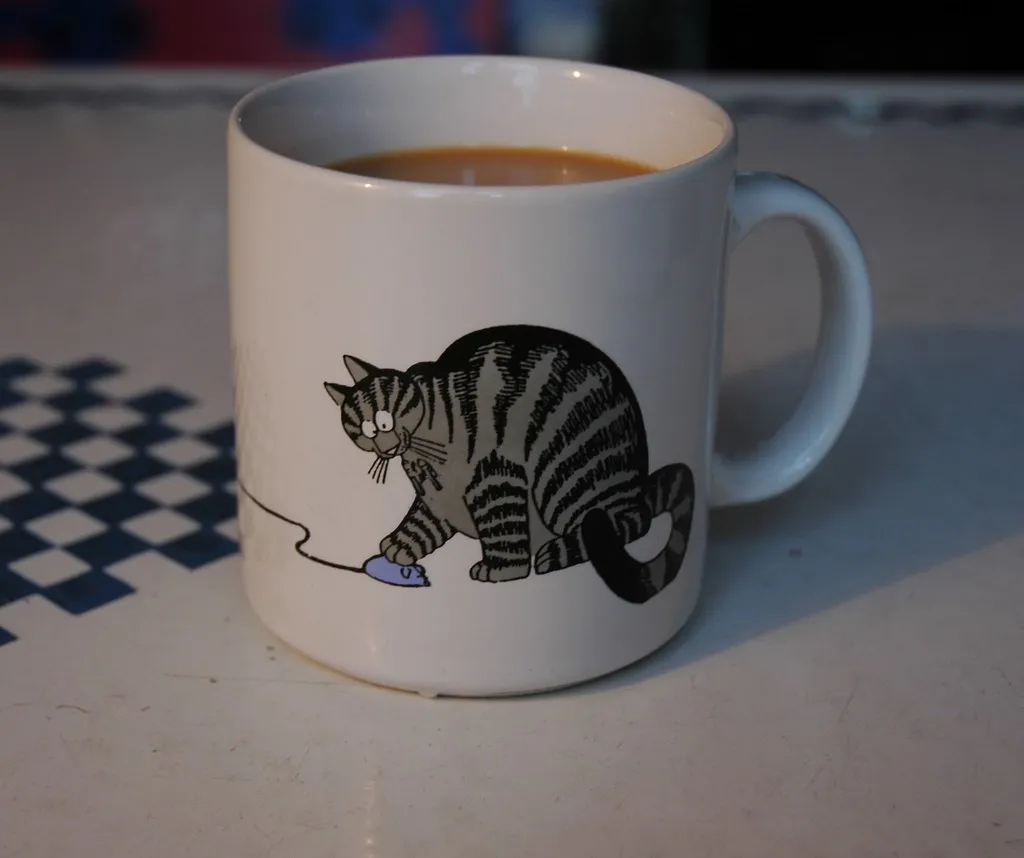
None of this is irrational, despite how it might look from the outside. The attachment people feel toward a specific mug is backed by well-documented psychological mechanisms: ownership bias, sensory comfort, memory encoding, and the stabilizing power of everyday ritual. The psychology behind favorite mugs shows that simple objects can carry emotional and behavioral importance. Preference is shaped by ritual, familiarity, memory, warmth, identity, and touch.
Research has found that valuation of an object can increase with duration of ownership, possibly due to increased adaptation, the psychological accustoming to the new material situation. The longer you use a mug, the more your brain adapts it into your baseline sense of normal. Taking it away feels like a loss disproportionate to its actual value.
So the next time someone reaches for your mug in the office kitchen, the mild flash of irritation you feel isn’t pettiness. It’s your brain doing exactly what it was built to do: protecting something it has quietly decided belongs to you.
AI Disclaimer: This article was created with the assistance of AI tools and reviewed by a human editor.