

It Starts With Sound: Dogs Are Fine-Tuning Their Hearing
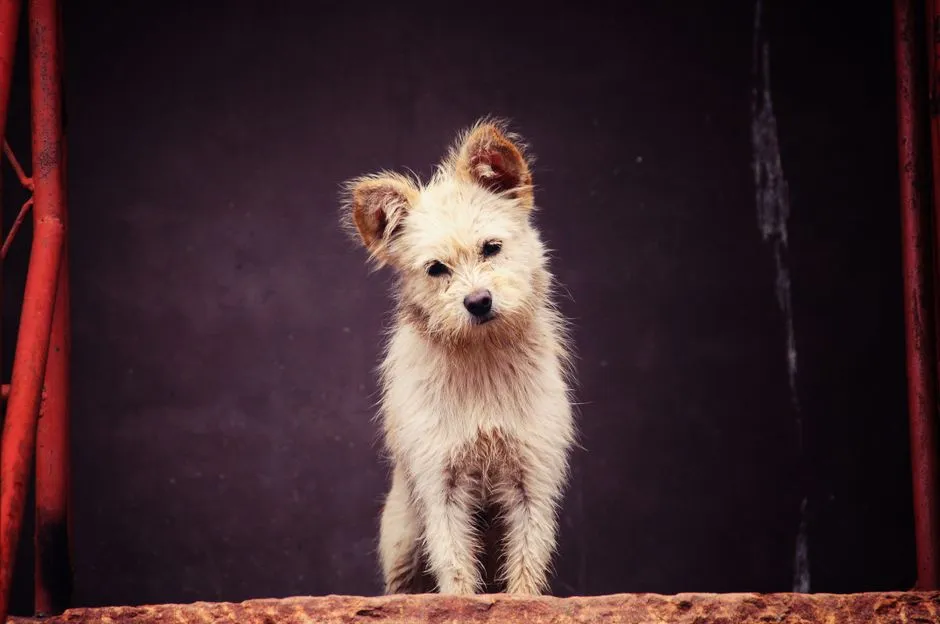
When a dog hears an unfamiliar or high-pitched sound, especially human speech, they may tilt their head to adjust the position of their ears relative to the sound source, which helps them pinpoint where the sound is coming from and improves sound localization. Dogs have a far wider hearing range than humans, capable of detecting pitches we completely miss, but that range comes with a tradeoff in precision.
To compensate for the interference of their ear flaps, dogs will adjust the position and direction of their flaps in order to determine where a sound is coming from, and they may also tilt their heads to improve this directional hearing. It’s a subtle physical recalibration, much like cupping your hand behind your ear when you’re straining to hear someone across a noisy room.
Breed ear shape matters here too. A German Shepherd’s ear flap covers only the back side of the ear canal, limiting detection of sounds from behind, while breeds like Cocker Spaniels have heavy ear flaps that entirely cover the ear canals, interfering with sound wave transmission from all directions. These breeds may need to tilt their heads more frequently to hear clearly.
Seeing Past the Snout: A Surprisingly Practical Reason
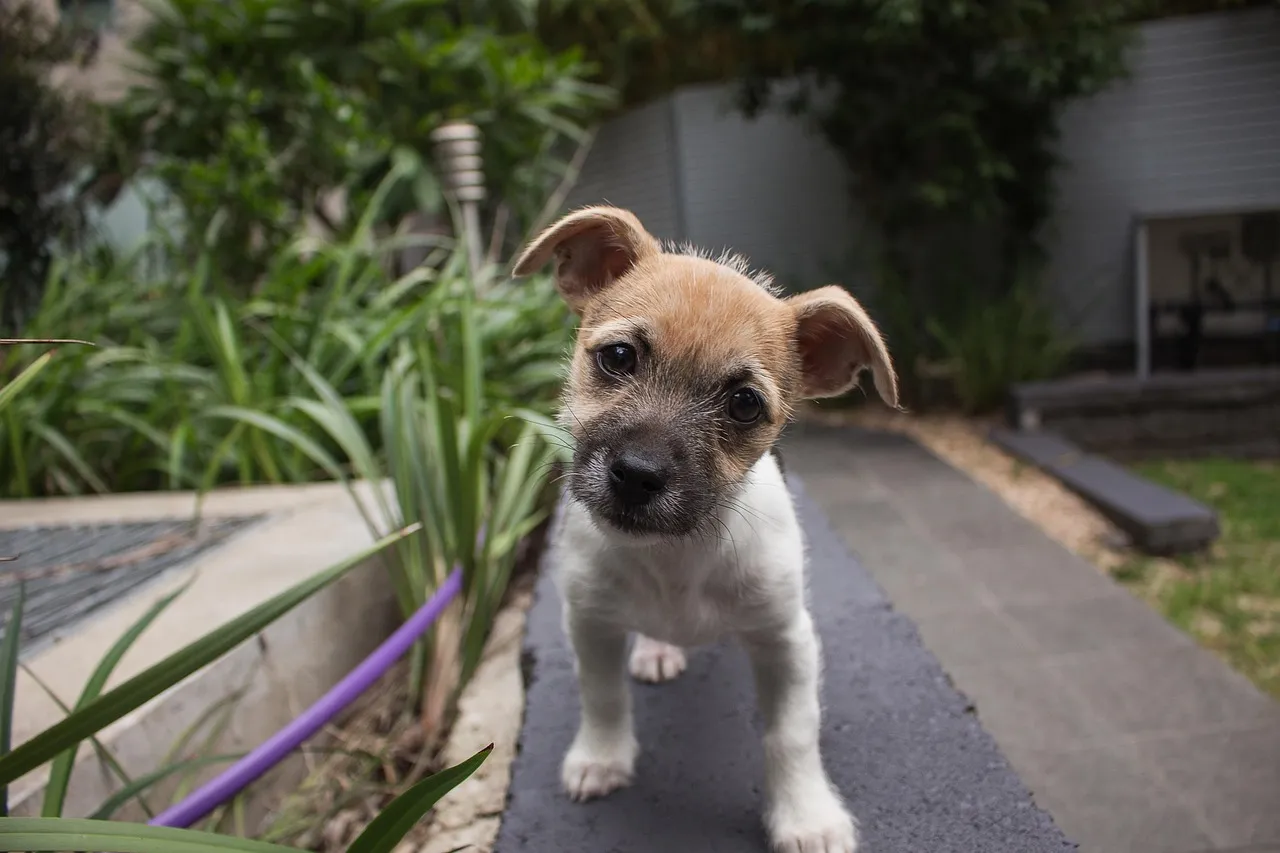
A dog with a long muzzle can have its snout actually block its lower field of vision, including parts of the human face and the mouth. Dogs rely heavily on reading human facial expressions to understand intent and emotion. The tilt, then, is partly a way of getting a better look at you.
A study published in Animal Cognition found that dogs tilt their heads not only to hear better but also to get a clearer view of a speaker’s face. By shifting their head to one side, they minimize obstruction from their own muzzle and gain a better line of sight to the mouth and eyes.
Research based on owner surveys by Stanley Coren found that roughly seven in ten long-nosed dogs frequently tilt their heads, compared to just over half of flat-faced breeds. That gap is telling. The less your snout gets in the way, the less you need to compensate for it.
The Cognition Connection: More Than Just Listening
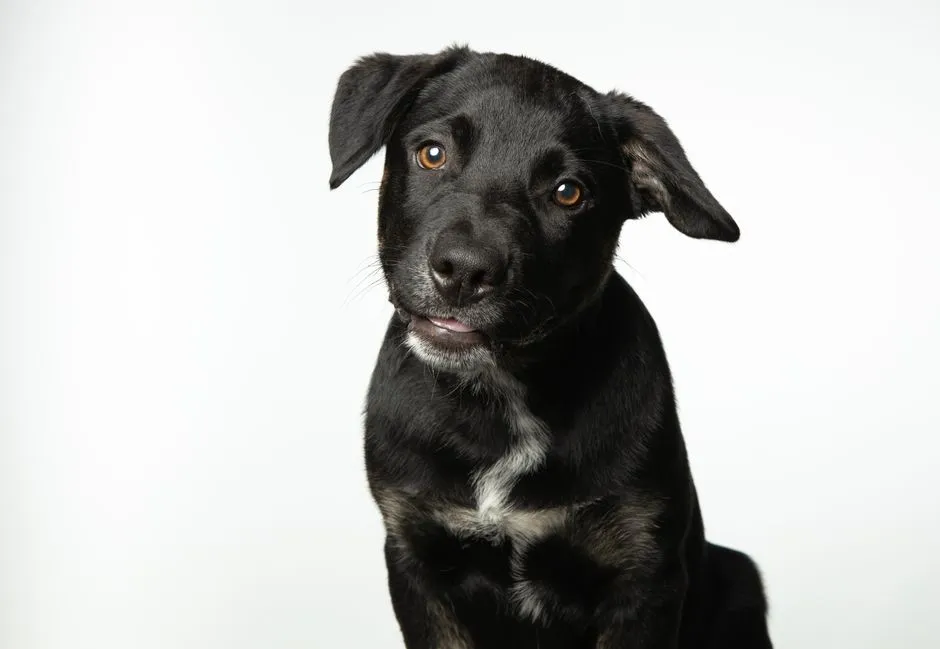
One theory is that head tilting may help dogs identify and connect spoken words with stored memories or visual images. A dog may tilt its head when hearing a familiar phrase such as “Want to go for a ride?” because it is retrieving a learned association and anticipating a meaningful event.
Because the tilt direction does not shift with the owner’s position, it is probably not about locating the sound, but about processing it and matching a familiar word to a remembered object. Lead researcher Andrea Sommese compares it to the way people tilt their head while recalling a memory and picturing it in their mind. In other words, the tilt seems to surface when a dog hears something meaningful and sets about understanding it, a visible flicker of concentration.
The Gifted Dog Study: Word Learners Tilt Far More Often
While conducting a study on dogs’ ability to learn words, scientists at Eötvös Loránd University in Budapest stumbled upon a potential link between dogs’ memory and their head tilt, according to a paper published in Animal Cognition. The findings were striking in their specificity.
When researchers compared the dogs’ responses to a command from their owner, gifted dogs cocked their heads roughly forty-three percent of the time over dozens of trials, compared with just two percent of the time in typical dogs. That is an enormous gap for what is supposedly a casual, reflexive behavior.
Head tilting isn’t just a sign of familiarity with particular sounds. If it were, all forty dogs in the study would be equally likely to do it. The tilt appears to be reserved for moments of genuine mental effort, not mere recognition of a familiar voice.
The 2025 Study: Language Processing and Brain Lateralization
A more recent study used the DogFACS coding system coupled with AI analyses to review video recordings of household dogs responding to communication from their human owners, examining head tilts to determine when and how dogs exhibit this behavior and whether it may be related to language processing. Researchers found that communicative cues from people elicit more head tilting from dogs, and that there may be sex differences related to tilt frequency and directionality.
In a sample of 103 dogs representing seven breed groups and mixed-breed dogs, researchers found significant differences in the number of head tilts occurring between conditions, with the most communicative condition eliciting the most head tilts.
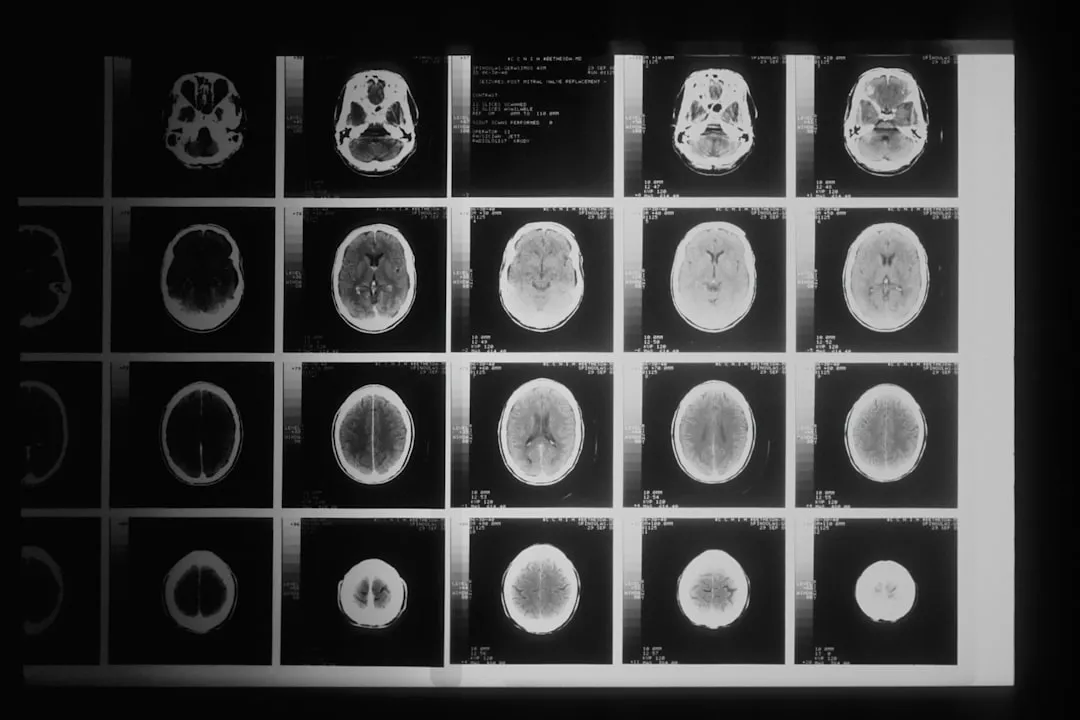
MRI brain images from the same study show that dogs activate the left hemisphere of their brain when processing familiar words, regardless of the tone they’re spoken in. Left-brain lateralization in dogs, alongside hemispheric lateralization patterns seen in the human literature, suggests that dogs process familiar words not just as affective cues but similarly to how humans process non-emotive language.
Sex Differences: Male Dogs Tilt More, and Further Right

Male dogs in the 2025 study tilted more overall, and with a stronger rightward lean than females. This finding was unexpected, and researchers are still working out what it means in terms of underlying brain organization.
Researchers also discovered that dogs usually cock their head in the same direction regardless of where the owner was standing. These so-called “right-tilters” and “left-tilters” may be a matter of individual preference, something scientists say they want to investigate further.
It’s a reminder that the head tilt, for all its adorable simplicity on the surface, involves consistent and lateralized brain activity. Individual dogs are not just tilting randomly.
Is Your Dog Doing It to Look Cute? Probably Not.
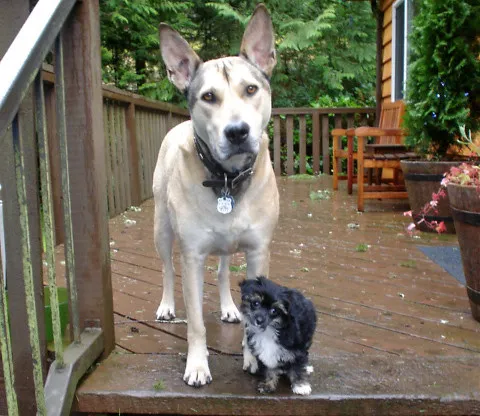
Researchers in the Animal Cognition study do not believe that dogs intentionally tilt their heads to look cuter or more attractive to humans. The timing of the behavior, occurring specifically during word recognition and meaningful speech, points away from social performance.
Researchers don’t think cognitive offloading is the full explanation, though they haven’t ruled it out. The head tilt is the outward sign of active thinking. It’s not just cute. It’s a dog actually trying to work out what you said.
That said, in studies, people rate head-tilting dogs as cuter. So while the tilt isn’t performed for our benefit, it does have a social effect, which may have reinforced the behavior over thousands of years of domestication.
Three Distinct Types of Head Tilts and What They Signal
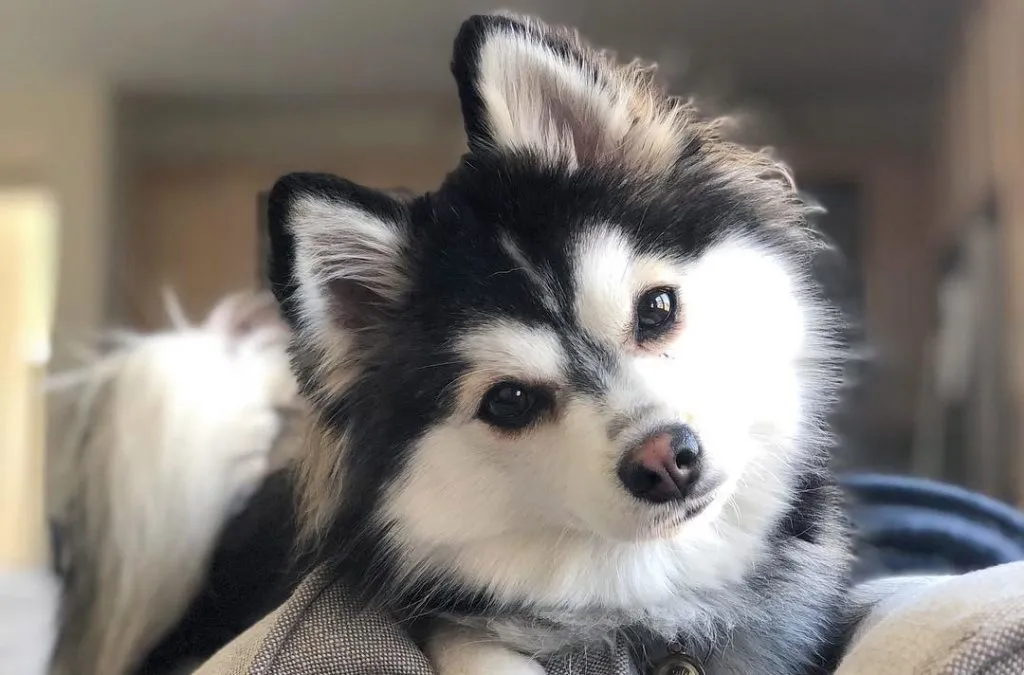
A slow, gentle head tilt is the most common and is often seen when a dog is carefully listening to a familiar voice or trying to pinpoint where a sound is coming from. Trainers often link this to concentration and sound processing.
A repeated or side-to-side head tilt can suggest higher curiosity or mild confusion, with dogs actively trying to interpret tone, unfamiliar words, or new sounds. It’s often seen when you use a new command or an excited voice.
A sharp or quick head tilt is usually more reflexive and can happen when a sound suddenly grabs a dog’s attention. This type is more about alertness than emotional meaning, often tied to environmental awareness. Paying attention to which type your dog is doing can actually tell you something about what they’re processing.
Breed Differences Go Beyond Muzzle Length
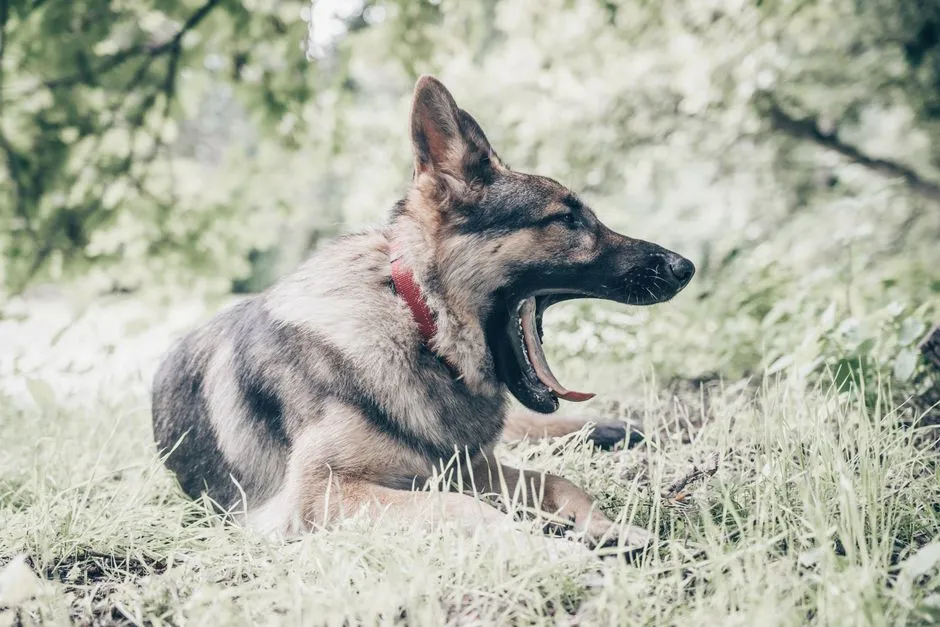
The variation in head-tilting behavior across dog breeds may be related to physical characteristics like ear shape and skull structure, as well as behavioral traits that have been selectively bred over generations.
Dogs with erect ears, such as German Shepherds or Siberian Huskies, might tilt their heads differently than those with pendulous ears like Basset Hounds or Cocker Spaniels. Breeds that have been historically selected for high responsiveness to human cues, such as Border Collies or Labrador Retrievers, often display more pronounced head-tilting behavior. These breed-specific differences highlight the complex interplay between genetics, physical characteristics, and behavior.
When a Head Tilt Is a Medical Warning Sign
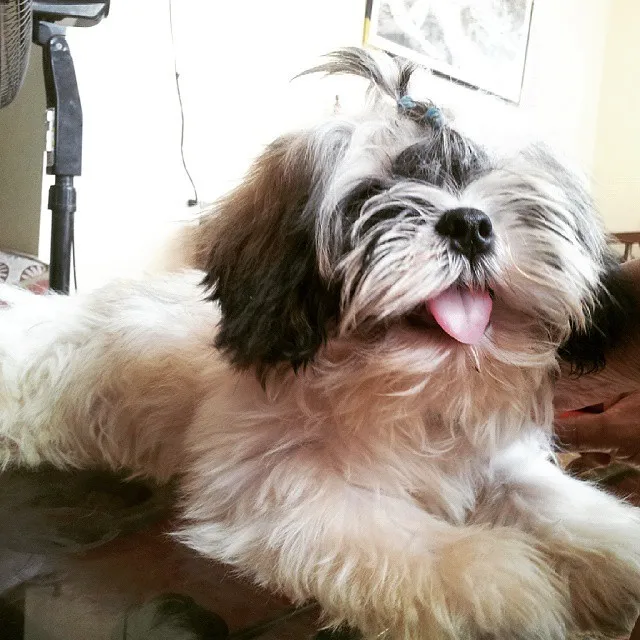
Not every head tilt is a sign of curiosity or intelligence. A persistent head tilt accompanied by other symptoms may indicate a medical condition and should be evaluated by a veterinarian. There is a clear difference between the alert, responsive tilt a dog offers mid-conversation and a tilt that stays fixed regardless of context.
Conditions such as vestibular disease, ear infections, and neurological issues can all cause involuntary, constant tilting. If a dog suddenly begins tilting and shows signs of disorientation, loss of balance, or unusual eye movement, it warrants prompt attention from a vet rather than a reassured smile.
The behavioral tilt and the medical tilt look different once you know what to watch for. One comes and goes with attention. The other doesn’t resolve, and it often comes paired with distress the dog cannot hide.
Final Thoughts
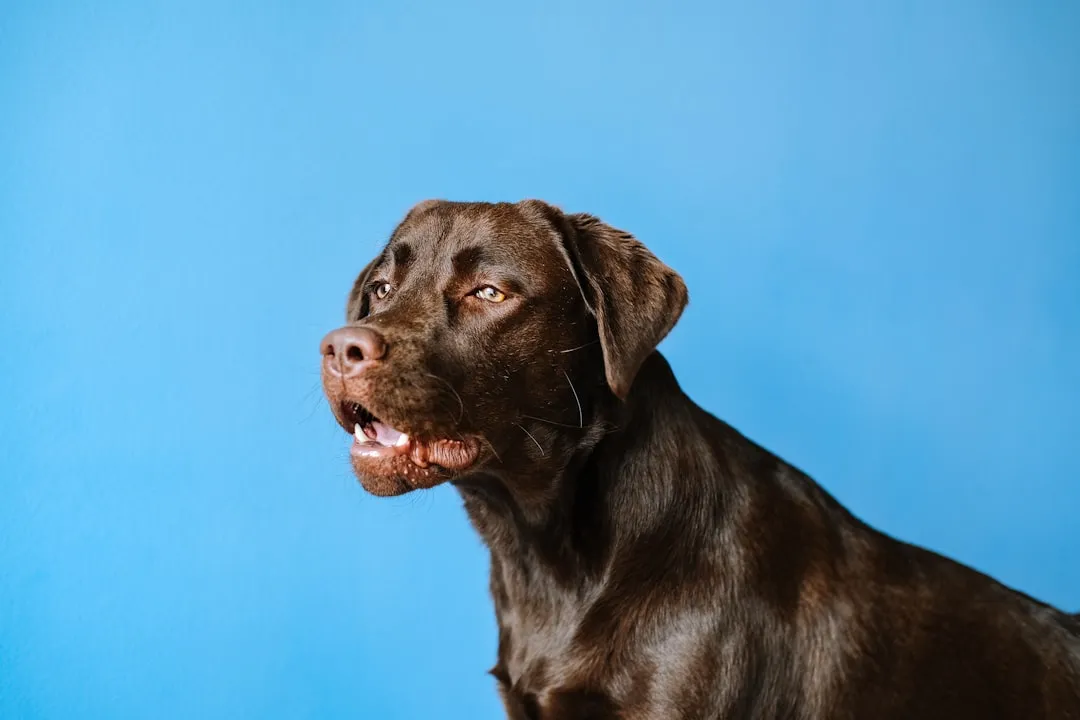
The head tilt is one of those small dog behaviors that turns out to be genuinely interesting the more closely scientists look at it. It is tied to hearing, vision, memory retrieval, word recognition, and brain lateralization, all in one small, effortless movement. It’s not a trick. It’s thinking made visible.
What’s worth appreciating is that the research is still evolving. Despite being a commonly observed behavior, the origin and purpose of head-tilting in dogs is not yet fully understood. Studies from 2025 and ongoing work in canine cognition continue to add detail to a picture that started with a simple observation: dogs tilt their heads more when what you’re saying actually means something to them.
The next time your dog tilts its head while you speak, there’s a reasonable chance something in your words just triggered a memory. That little gesture is a window into a mind doing more work than it looks like.
AI Disclaimer: This article was created with the assistance of AI tools and reviewed by a human editor.