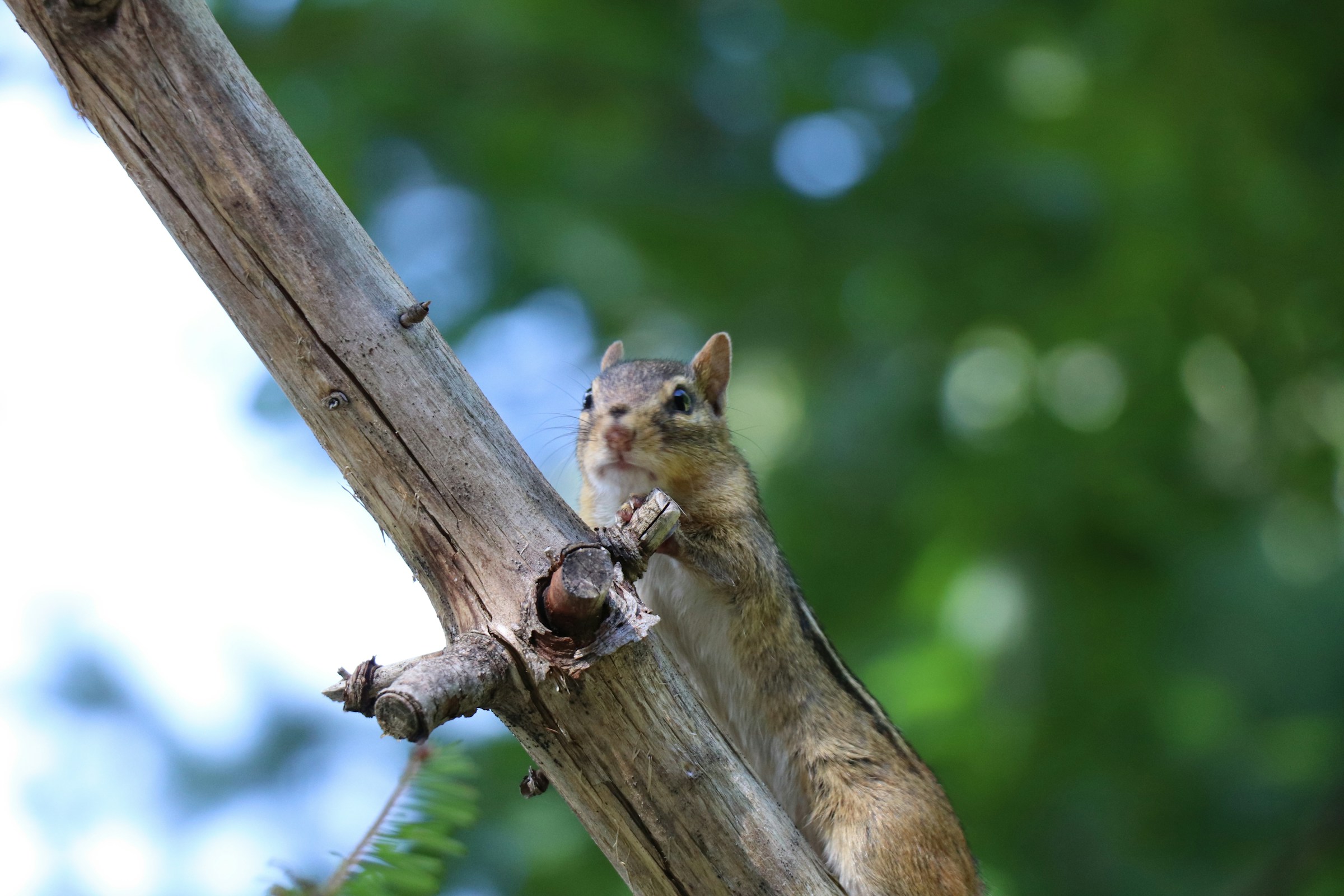

Built-In Grocery Bags: The Anatomy of Chipmunk Cheek Pouches
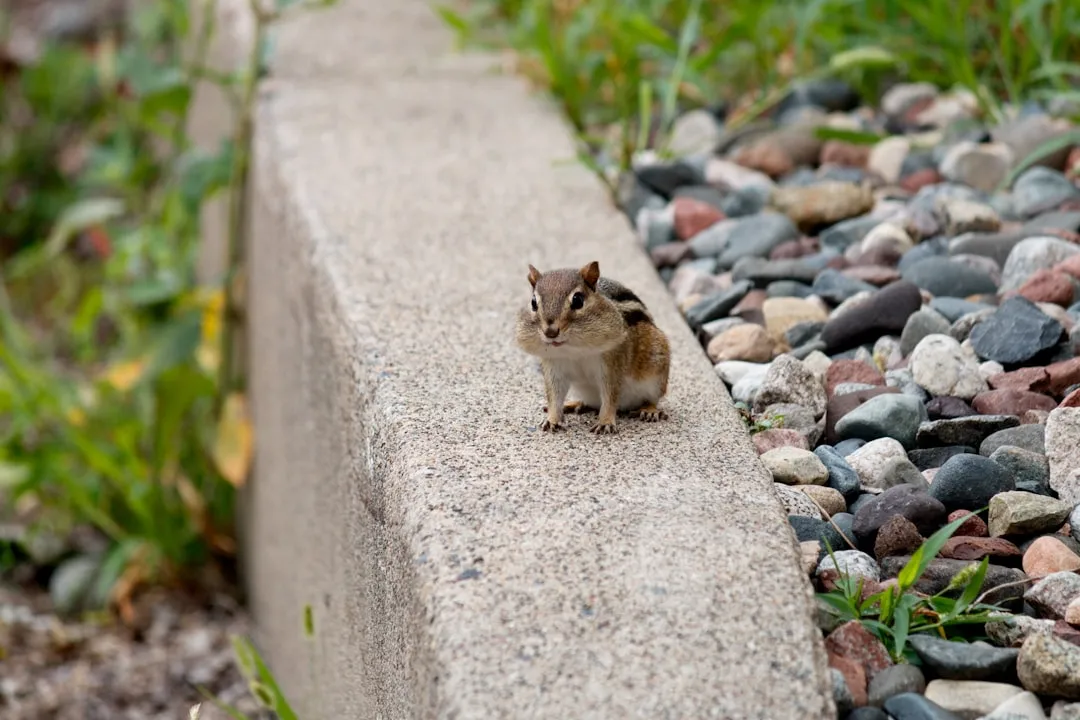
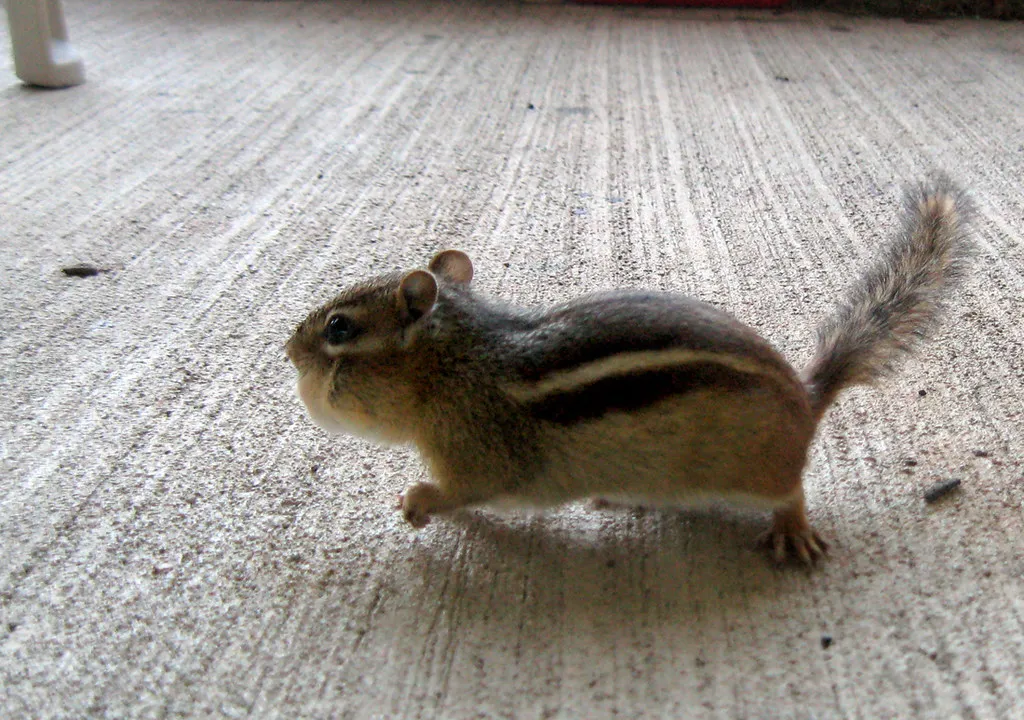
Chipmunks have specialized cheek pouches that function almost like built-in grocery bags. These are pouches inside the mouth that extend backward toward the shoulders. They aren’t simply inflated cheeks in the way a squirrel puffs food against its teeth.
Unlike hamsters’ pouches that are lined with fur, chipmunk pouches are lined with mucous membranes similar to the inside of your mouth. The cheeks are lined with skin that is thinner and more durable than the rest of the chipmunk’s body. The tissue contains elastic fibers and is designed to stretch so that the animal can carry large loads of food back to its home.
Each pouch operates independently, meaning a chipmunk can fill one side while keeping the other empty or less full, depending on their immediate needs. That level of muscular control, in an animal this small, is genuinely impressive.
How Much Can Actually Fit in There
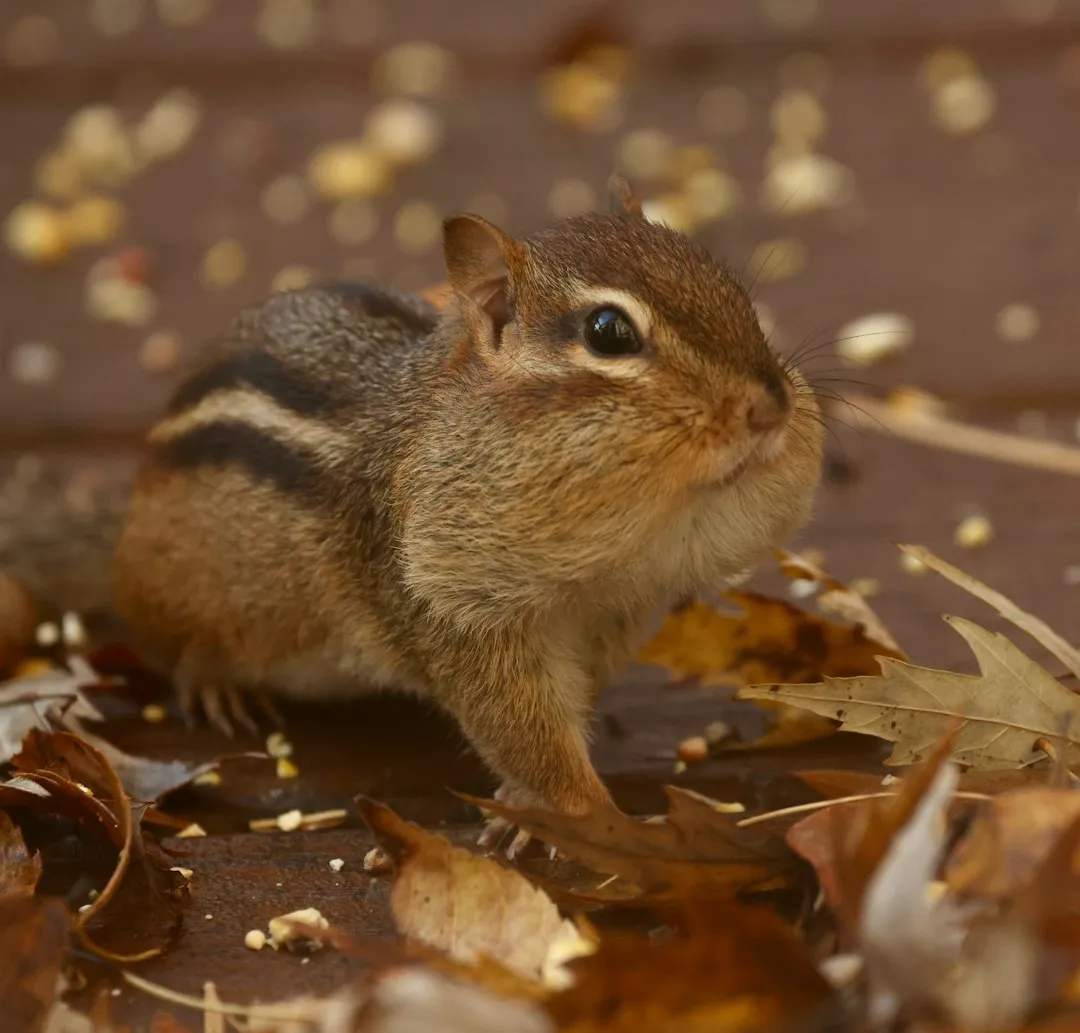
Their cheek pouches can stretch to hold as much as 70 sunflower seeds, 32 beechnuts, or 6 acorns at a time. By cramming their mouths as full as possible, chipmunks minimize the number of trips it takes to fill their larders, or underground storage chambers, which can hold half a bushel of food.
These expandable sacs can stretch to an astonishing capacity – when fully extended, they can triple the size of the chipmunk’s head. By weight, this is equivalent to a human carrying approximately 50 pounds of groceries.
Being able to hold a lot of food at once is useful because of how much time chipmunks spend foraging. They can collect as many as 165 acorns a day, so being able to carry a dozen at a time allows them to be more efficient.
The Energy Maximizer Strategy
Chipmunks have evolved to be energy maximizers. They seek to strike the optimal balance between the energy gain per cheek pouch load and the highest possible number of trips back to the burrow. This isn’t guesswork – it’s a finely tuned biological calculation.
Experiments have demonstrated that a chipmunk’s choosiness about what food it collects, how fully it stuffs its cheek pouches, and even how quickly it stuffs food in there all relate to the distance between a foraging site and a home burrow.
In the absence of other variables, a chipmunk that is near its burrow will have smaller pouch loads and make more frequent trips than a chipmunk from a distant burrow, which will stuff its cheeks full before heading back home. The distance calculation happens in real time, every single trip.
The Loading Curve and the Risk of Overstuffing
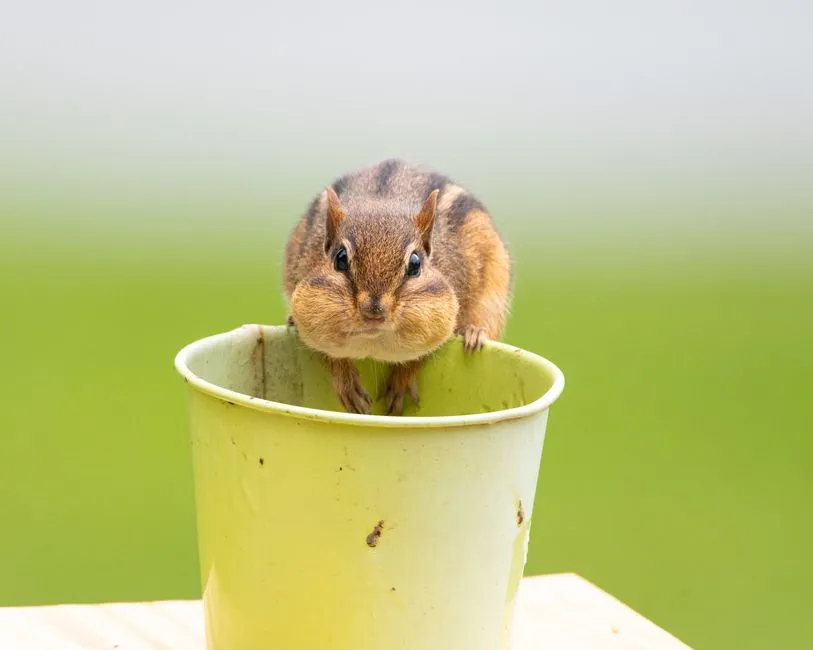
There is a “loading curve” consideration. In general, the more food a chipmunk stuffs in its cheek pouches, the slower its subsequent stuffing, and therefore the greater its overall risk of predation. This is the paradox at the heart of the behavior: more food means more exposure.
Full pouches can increase a chipmunk’s head weight by up to 30%, potentially affecting balance and reducing maximum running speed by as much as 15%. A heavily loaded chipmunk is, quite literally, a slower one.
Chipmunks typically aren’t hurt by carrying so much food in their cheeks. Chipmunks know their limits and understand that overstuffing can cause physical damage or make movement difficult. So the stuffing is aggressive, but not reckless.
Not All Food Is Treated Equally
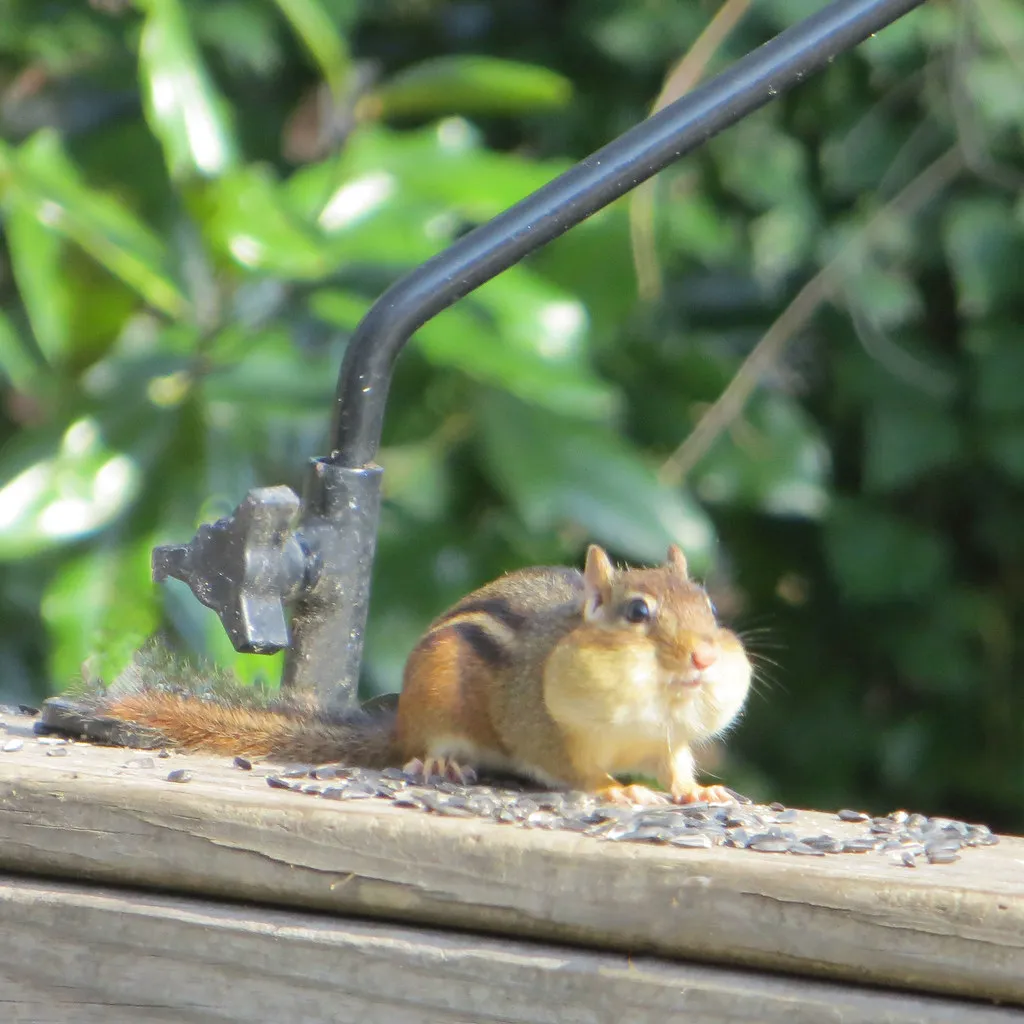
Not every food item is created equal. In addition to issues of durability and nutritive value, some food is simply easier to harvest and stuff than other food. A small, smooth sunflower seed packs efficiently; a lumpy, irregular nut does not.
The food that chipmunks store in their cheeks stays relatively dry, so it can be consumed later. Surprisingly, when a chipmunk spits out the food from its cheeks, it’s not as soggy as you might think. That dryness matters enormously for long-term storage quality.
Chipmunks are also selective about what they prioritize based on caloric density. A food source that is energy-rich but hard to pack gets deprioritized relative to one that fills the pouch quickly and efficiently. The animal is, in effect, calculating nutrition per unit of time and risk.
The Underground Pantry: Where All That Food Goes
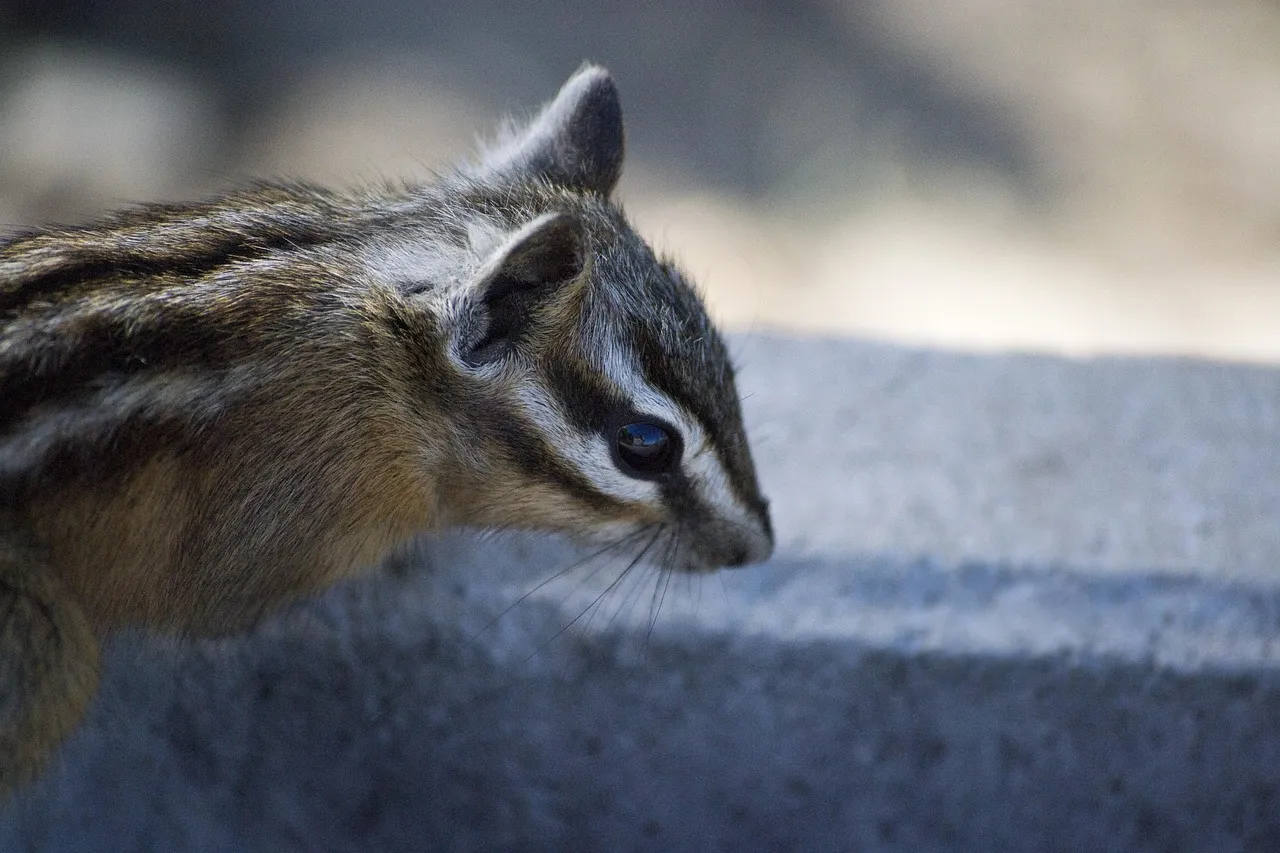
Their well-designed burrows are one and a half to three feet underground and can run 10 to 30 feet long. The entrance is camouflaged. Inside, they have different chambers for food storage and sleeping, and all is kept tidy.
Larder hoarders, chipmunks store all their food in a centralized location: their burrow. This is distinct from scatter hoarders like squirrels, who bury food in many small, spread-out caches. The chipmunk puts everything in one well-defended place.
When the cheek pouches become full, the chipmunk deposits the seeds in its nest or buries them in shallow holes that it digs in the ground around its burrow, then covers them with earth, leaves, and other litter. The organization of these stores is more deliberate than it might appear from the outside.
Torpor, Not True Hibernation: Why the Stockpile Matters So Much
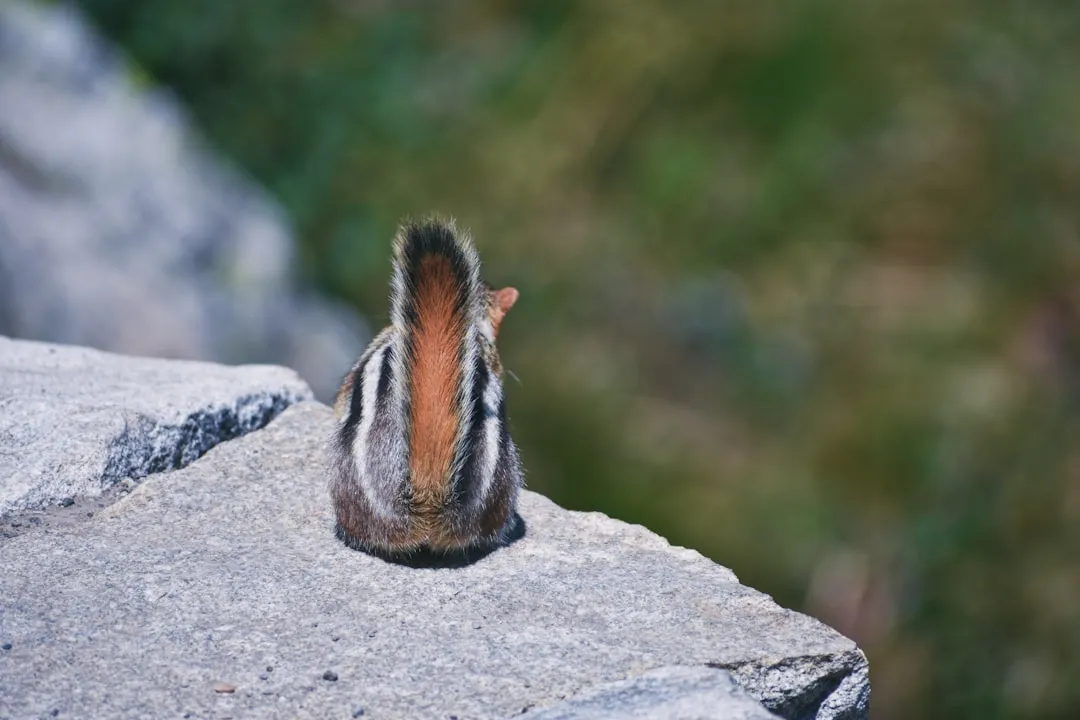
Chipmunks rely on external energy storage (a hoard of seeds) and on prolonged bouts of hypometabolism to survive the four to seven months of cold, boreal winter. They can’t simply sleep straight through on body fat alone the way a bear can.
Unlike true hibernators, chipmunks don’t sleep through the winter. Instead, they enter a state of torpor, waking periodically to nibble on their stored provisions. That means the size of the hoard directly determines how well they survive.
Food-supplemented individuals postponed the seasonal transition to normal torpor use by one to two months, spent four times less time torpid, and exhibited minimal skin temperature six degrees Celsius higher than control animals. In plain terms: bigger hoard, more comfortable winter.
The Predation Calculation Behind Every Foraging Trip
Every moment a chipmunk spends above ground is a moment it could be taken by a hawk, a fox, or a snake. The cheek pouches are, in part, a solution to that constant pressure. Fewer trips above ground means less total exposure.
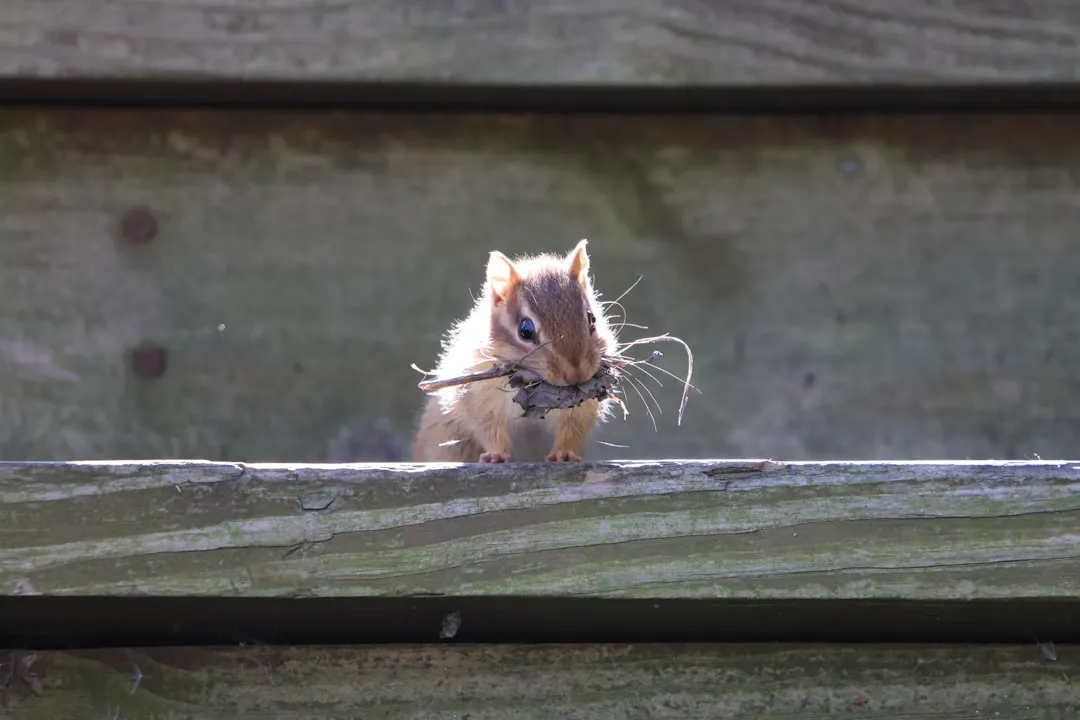
Another great advantage of cheek pouches is that chipmunks can run away from predators if needed without leaving their food behind. The pouches essentially function as a mobile pantry that travels with them everywhere they go.
Research has shown that chipmunks with damaged or less efficient cheek pouches gather significantly less food for winter storage, substantially reducing their survival chances. The pouch isn’t incidental to survival – it is central to it.
Scatter Hoarding as a Backup Plan
The adaptive significance of alternative patterns of dispersing hoarded food was examined by determining which factors influence the occurrence of scatter-hoarding in the eastern chipmunk, a species that typically larder-hoards food to its burrow. Not every chipmunk plays it the same way.
Research links summer foraging and scatter-hoarding to winter larder-hoarding and winter survival in yellow pine chipmunks, comparing patterns of time allocation and winter larder contents in years with very different levels of resource availability. When food is scarce, the strategy shifts.
Some chipmunks scatter-hoard as a hedge against catastrophic loss, spreading risk across multiple small caches rather than betting everything on one burrow. This behavioral flexibility, the ability to switch modes depending on conditions, is part of what makes chipmunks resilient in unpredictable environments.
Why They Hoard More Than They Strictly Need
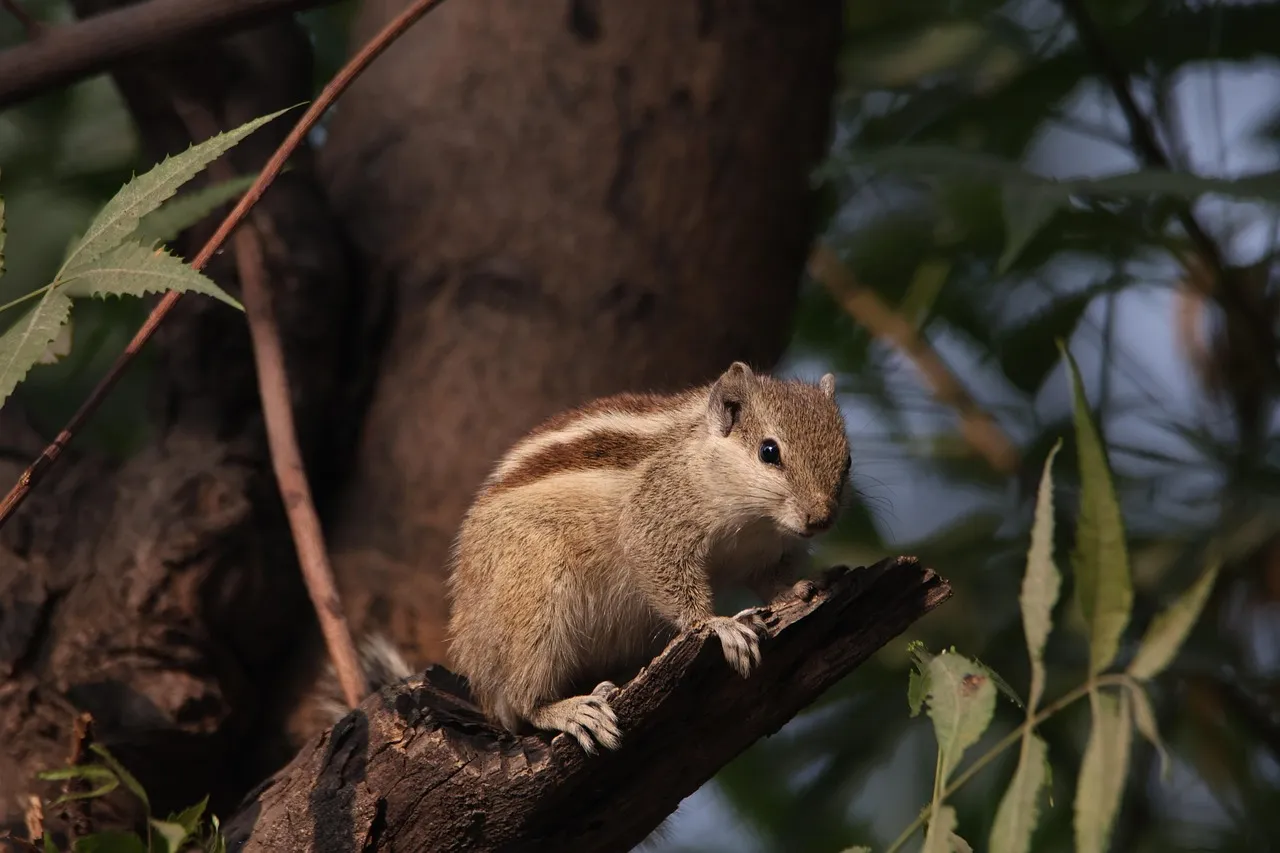
Chipmunks typically hoard much more food than necessary to last an entire winter. This isn’t a glitch in their programming. It’s a buffer against uncertainty, and evolution has rewarded it consistently.
The timing and basis of the transition from energy reserve accumulation to reserve utilization in autumn may be a key determinant of winter survival in endotherms. Research has quantified the energetics of autumn mast hoarding in eastern chipmunks to document the degree to which larder hoarding permits capitalizing on brief pulses of resource abundance. When the acorns are falling, you collect as many as physically possible. There’s no guarantee they’ll still be there tomorrow.
Field studies on eastern chipmunks showed that the amount and composition of food resources available before hibernation significantly influenced, at both individual and population levels, the intensity of winter torpor expression. Over-hoarding isn’t waste – it’s insurance written in seeds and beechnuts.
A Small Animal Running a Very Precise Calculation
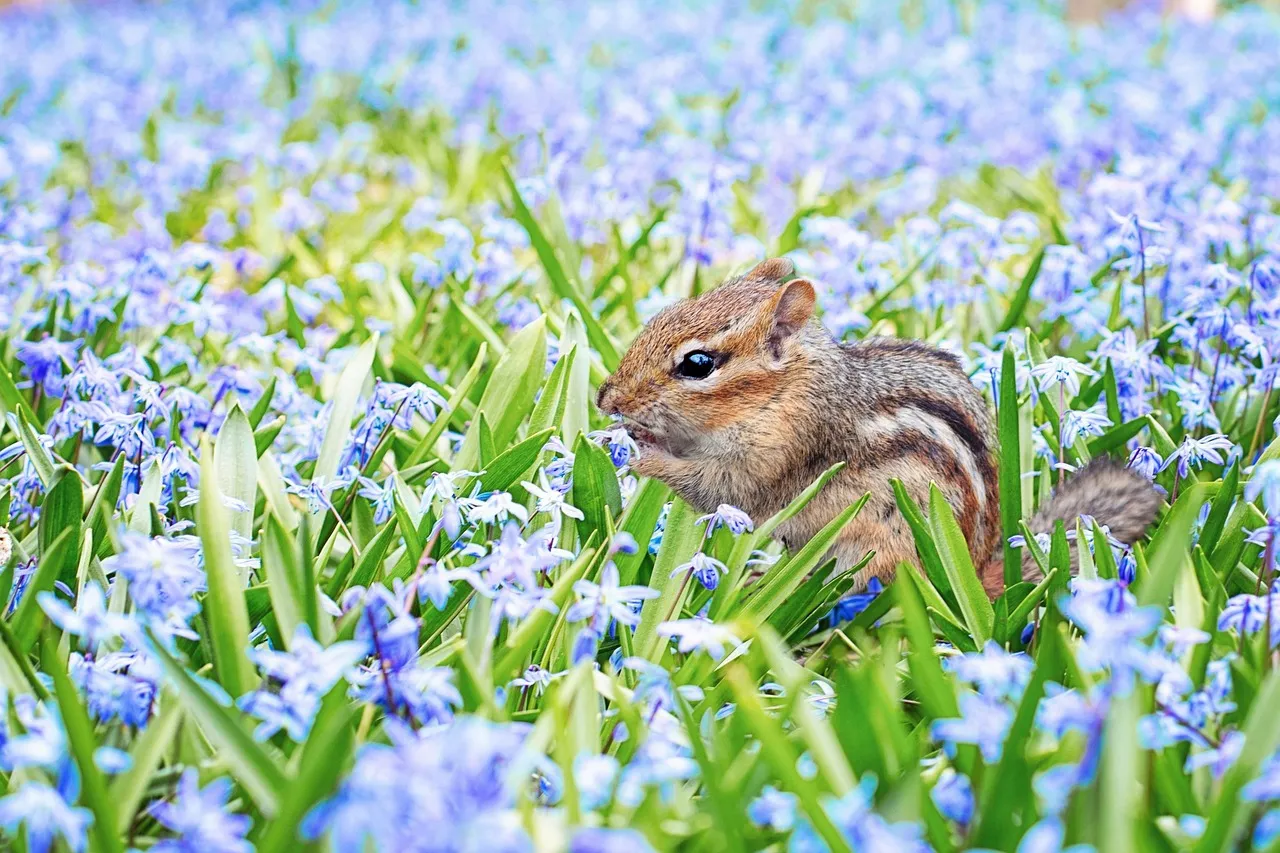
What looks like impulsive gorging is, under closer examination, a tightly calibrated system. Distance to the burrow, predator risk, food quality, pouch capacity, caloric return – a chipmunk weighs all of it, implicitly, on every single trip. The stuffed cheeks are the visible output of that calculation.
The animal doesn’t hoard beyond its needs out of compulsion. It hoards beyond its immediate needs because the future is uncertain, winters are long, and a half-empty larder in February is a death sentence. The cheek pouches evolved precisely to make sure that doesn’t happen.
There’s something almost clarifying about it. In a creature that weighs a few ounces, you can watch an entire survival strategy play out in real time – one acorn at a time.
AI Disclaimer: This article was created with the assistance of AI tools and reviewed by a human editor.