

You didn’t ask for it. You didn’t choose it. Yet there it is, the same eight-bar fragment of a pop song looping in your head for the third morning in a row. It’s one of those strange mental experiences that almost everyone recognizes but few people stop to examine.
Scientists actually have a name for it, and a growing body of research to go with it. What happens in your brain during these moments turns out to reveal quite a lot about how memory, emotion, and music are wired together.
What Exactly Is an Earworm?

Involuntary musical imagery, known in research as INMI, refers to a conscious mental experience of music that occurs without deliberate efforts to initiate or sustain it. Most people know it by the more colorful term: earworm. The term itself, translated from the German “öhrwurm,” was coined over 100 years ago by German psychiatrist Cornelius Eckert.
Earworms are typically fragments of music, about 15 to 30 seconds long, heard internally on repeat. INMI generally comprises the repetitive looping of short fragments of music, rather than whole songs, and is often subjectively reported to be an authentic mental replication of the musical content of the original tune.
How Common Is This, Really?
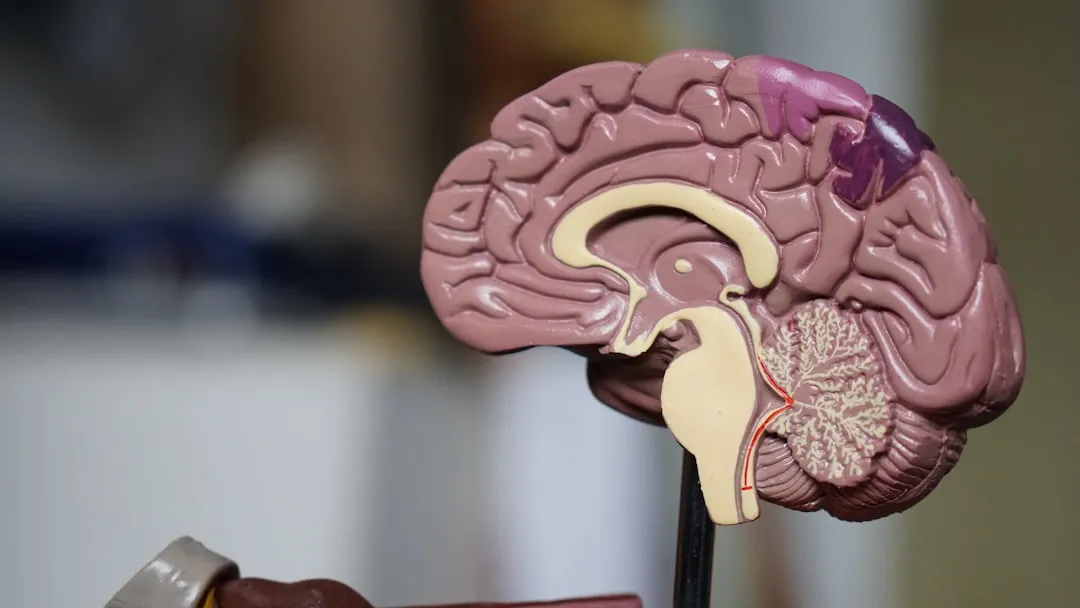
More than 90 percent of the population experience earworms, and researchers are beginning to understand how they work, why they happen, what they tell us about the brain, and even how to get rid of them. That figure alone is striking. This isn’t a quirk of the musically obsessed.
One Finnish study found more than 90 percent of people report experiencing earworms at least weekly, and about 60 percent of people experienced them daily. Research also shows up to 98 percent of the Western population has experienced earworms at some point in their lives, making it one of the most universally shared cognitive experiences there is.
The Brain Regions Behind the Loop
The science behind earworms is rooted in how our brains process and store music. Various parts of the brain are involved when we listen to music, spanning the auditory cortex, motor areas, and other regions responsible for memory and emotional processing. With all of these areas lighting up, this creates a complex overlay of neural activity that makes music one of the most memorable stimuli.
Research shows brain function is broadly similar when people listen to music and when they experience musical imagery like earworms. The word “imagery” here refers to the imagined nature of the earworm. Part of the brain called the auditory association cortex, which does more complex brain tasks related to music listening, seems to be playing a bigger role in musical imagery than the primary auditory cortex.
Neuroimaging research supports this: the auditory cortex activates during earworms even in complete silence, as though the music is playing externally. Your brain, in other words, genuinely believes it is hearing something.
Repetition: The Main Ingredient

The most earworm-inducing feature is “contiguous” repetition: a fragment of the music that repeats immediately and without delay, like the repeating chorus of a pop song. This kind of tight looping gives the brain exactly the kind of pattern it loves to grab onto and replay.
Repetitive music can create neural loops, which reinforce memory and familiarity, making such songs prone to earworms. Think of advertising jingles, which are designed to stick in our heads. Songs like “Baby Shark” and Kylie Minogue’s “Can’t Get You Out of My Head” contain such repetition, and have gone through periods of mass exposure, another important ingredient for earworms because it increases familiarity.
The Role of Memory and Emotional Triggers

Although earworms seem to pop up out of nowhere, research shows they are almost always linked to a memory subconsciously triggered by emotions, an association, or just by hearing a melody. The connection between music and autobiographical memory runs deep in the brain.
The hippocampus forms associations between the music you hear and memories, emotions, or even routines. That’s why a song can become linked to walking to school, hanging out with friends, or even a specific moment from years ago. Songs that evoke strong emotions, either positive or negative, are more likely to become earworms. Think nostalgia, sadness, joy, or any kind of personal association.
Why Idle Minds Are More Vulnerable

Earworms are more likely to start their musical wriggles when a particular set of brain regions is activated, called the default mode network. This network is associated with daydreaming and mind-wandering, allowing intrusive and repetitive thoughts to surface more easily.
Research supports the hypothesis that INMI occurrence, frequency, and duration relate to spare cognitive capacity. In plain terms: the less your mind has to focus on, the more room an earworm has to move in. Boredom, stress, and low mental engagement all increase how often earworms strike.
Dopamine and the Unfinished Loop

Neuroscience research on musical pleasure has shown that the brain’s reward circuitry, particularly regions tied to dopamine release, activates when we anticipate a familiar musical phrase resolving the way we expect. That anticipation-reward loop is part of why catchy songs feel so good to replay, and also why an unfinished loop nags at you until it resolves.
Musical earworms come from an interaction between the auditory cortex, which processes sound, and memory and motor regions that keep replaying familiar patterns even after the music has stopped. Your brain doesn’t just hear music, it predicts it, and that predictive habit is central to why fragments loop. It’s essentially a prediction machine waiting for a payoff that never fully arrives.
When Earworms Connect to Anxiety and OCD

Earworms are a form of rumination, in which our memory systems become stuck on a loop. This makes those with mood disorders such as anxiety, post-traumatic stress disorder, and obsessive compulsive disorder more vulnerable to earworms, as their brains are wired to ruminate and reflect.
Some researchers believe that the mental load carried during stressful times can open the door for earworms to take the stage. The harder you try to force a song out of your head, the more your brain clings to it. Suppression research consistently shows that actively pushing a thought away makes it resurface more often, not less, which is the same trap that drives obsessive rumination in OCD.
Who Gets Them Most

Research suggests earworms are more common among people who listen to a lot of music. Musicians and heavy music listeners tend to experience them with greater frequency, likely because their brains have built more detailed auditory memory networks. Years of musical training build richer, more detailed auditory memory networks, giving the brain more material to replay on a loop. If music is deeply wired into how you process the world, your brain has more hooks for a tune to grab onto.
Research points to two personality traits in particular: openness to experience and neuroticism. People who score high on openness tend to engage more emotionally with music, which may make songs stickier. People with higher neuroticism, which often overlaps with anxiety symptoms, report earworms more frequently and find them harder to shake.
How to Actually Get Rid of One

To evict an unwanted earworm, you need to disengage your default mode network. One method is to sing the song aloud to other people. The social engagement deters the network from activating, but at the expense of some embarrassment. It works, even if it earns you a few odd looks.
Research-backed strategies include mentally finishing the song, chewing gum, which disrupts auditory working memory, engaging in cognitively demanding tasks, or listening to a different song intentionally. Australian researchers have found that people doing tasks that test their working memory aren’t as accurate at remembering things if they have a song stuck in their head, because the earworm crowds out other information in working memory. Turning that dynamic around, by filling that working memory deliberately, is precisely why a good puzzle or an absorbing conversation can quiet things down.
The Bigger Picture
Earworms aren’t a glitch. They’re a side effect of the brain doing something it’s remarkably good at: storing, predicting, and replaying patterns that carry emotional weight. The same machinery that makes music meaningful is the machinery that occasionally refuses to stop.
Some people report dealing with earworms for days, and some researchers have found that people actually enjoy their earworms, though there are also reports of song fragments being stuck in people’s heads for hours and even days. Whether the experience is pleasant or maddening often depends on the song and the mood you’re in when it arrives.
Understanding the mechanism behind earworms won’t always make them stop faster. Still, there’s something quietly reassuring about knowing that the uninvited song looping in your head is not a sign of something wrong. It’s a sign that your brain is paying attention, storing things, and doing its job, possibly just a little too well.
AI Disclaimer: This article was created with the assistance of AI tools and reviewed by a human editor.