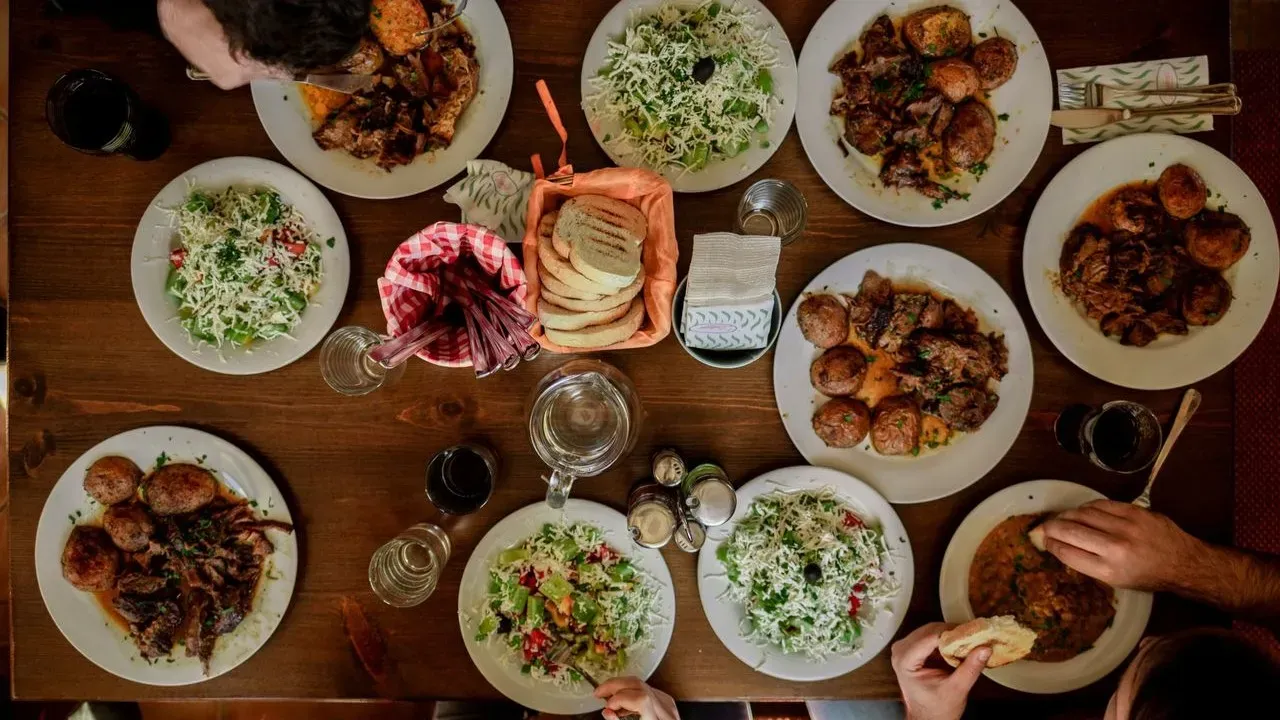

Summer evenings often spark visions of friends gathered around a backyard table, string lights overhead and conversation stretching late into the night. Those scenes feel within reach at the start of the season, yet weeks later the same people find themselves asking why the gatherings never happened. The gap between intention and reality rarely comes down to packed schedules alone.
The Excuse That Masks Something Deeper
Many assume a full calendar is the main obstacle. In practice, the hesitation runs quieter and more personal. People picture an ideal evening, then immediately list the ways their home or menu falls short. Those internal objections grow louder than the simple wish to connect, and the invitation never leaves the drafts folder. The pattern repeats across seasons. A friend texts about weekend plans, and the reply stays vague instead of open-ended. The result is fewer shared meals, fewer spontaneous evenings, and a lingering sense that something meaningful keeps slipping away.
Why the Invitation Itself Matters Most
Hospitality at its core is less about flawless execution and more about the decision to open the door. Guests rarely arrive expecting perfection. They respond to the gesture of being included, especially when the setting feels lived-in rather than staged. That shift in perspective removes much of the pressure that keeps plans from forming. Over years of hosting, the most memorable nights have often been the least rehearsed. A last-minute text, a table set with whatever is already on hand, and an atmosphere that values presence over presentation tend to create the strongest connections. The food and surroundings become background rather than the main event.
Letting Go of Performance
The shift begins with treating hosting as an attitude rather than a production. When the focus moves away from impressing others and toward simply being together, the logistics become far less daunting. Cooking what is fresh and unfussy, rather than following elaborate recipes, aligns the evening with everyday life instead of an imagined standard. This approach also builds resilience against the small obstacles that once derailed plans. A half-stocked refrigerator or an unexpectedly warm evening no longer feels like a reason to cancel. Instead, those conditions become part of the evening’s character, encouraging creativity with what is already available.
Carrying the Habit Forward
The most reliable gatherings grow from repeated small acts rather than grand occasions. Keeping a few versatile staples on hand makes it easier to respond to a casual “what are you up to” with an actual invitation. Over time, that ease becomes its own rhythm, turning the occasional dinner into a more regular part of life. Ultimately, the evenings people remember are the ones where someone chose to send the text anyway. The details fade, but the decision to gather remains the part that matters.
AI Disclaimer: This article was created with the assistance of AI tools and reviewed by a human editor.