
It All Comes Down to Nerve Compression, Not Blood Flow
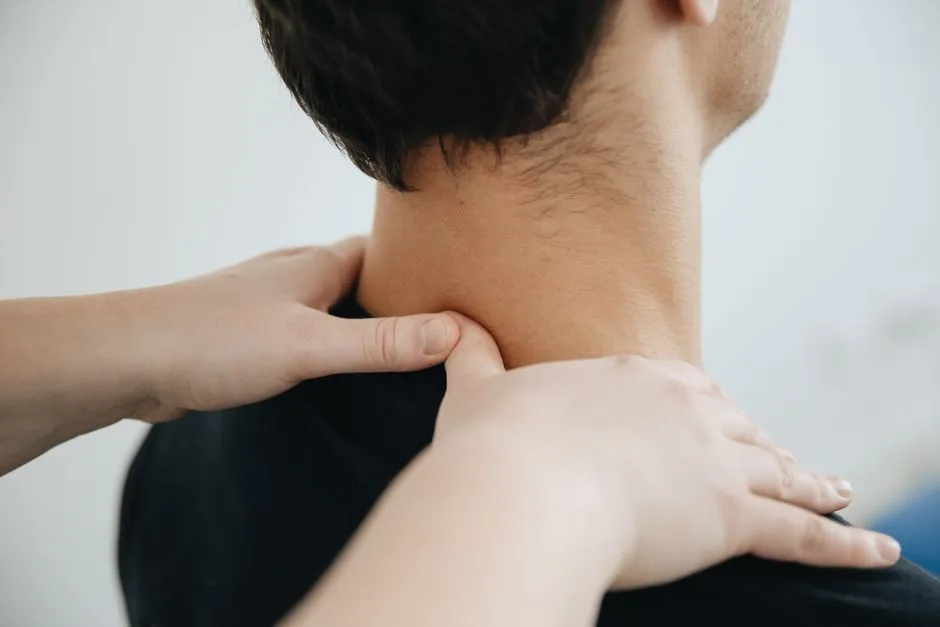
Your foot keeps falling asleep because of temporary nerve compression or a disruption in nerve signaling, a medical condition known as transient paresthesia. The word sounds clinical, but the experience is instantly familiar to almost everyone. Contrary to popular belief, that tingling sensation in your foot is rarely caused by a lack of blood flow. While “poor circulation” is the most common self-diagnosis, the biological reality usually involves neural communication being physically obstructed.
The loss of feeling is caused by the temporary compression of nerves, which disrupts how the nerve communicates signals to the spine and brain. The blood-flow story is a persistent myth, and understanding the difference matters more than most people realize.
The Nervous System’s Long-Distance Problem
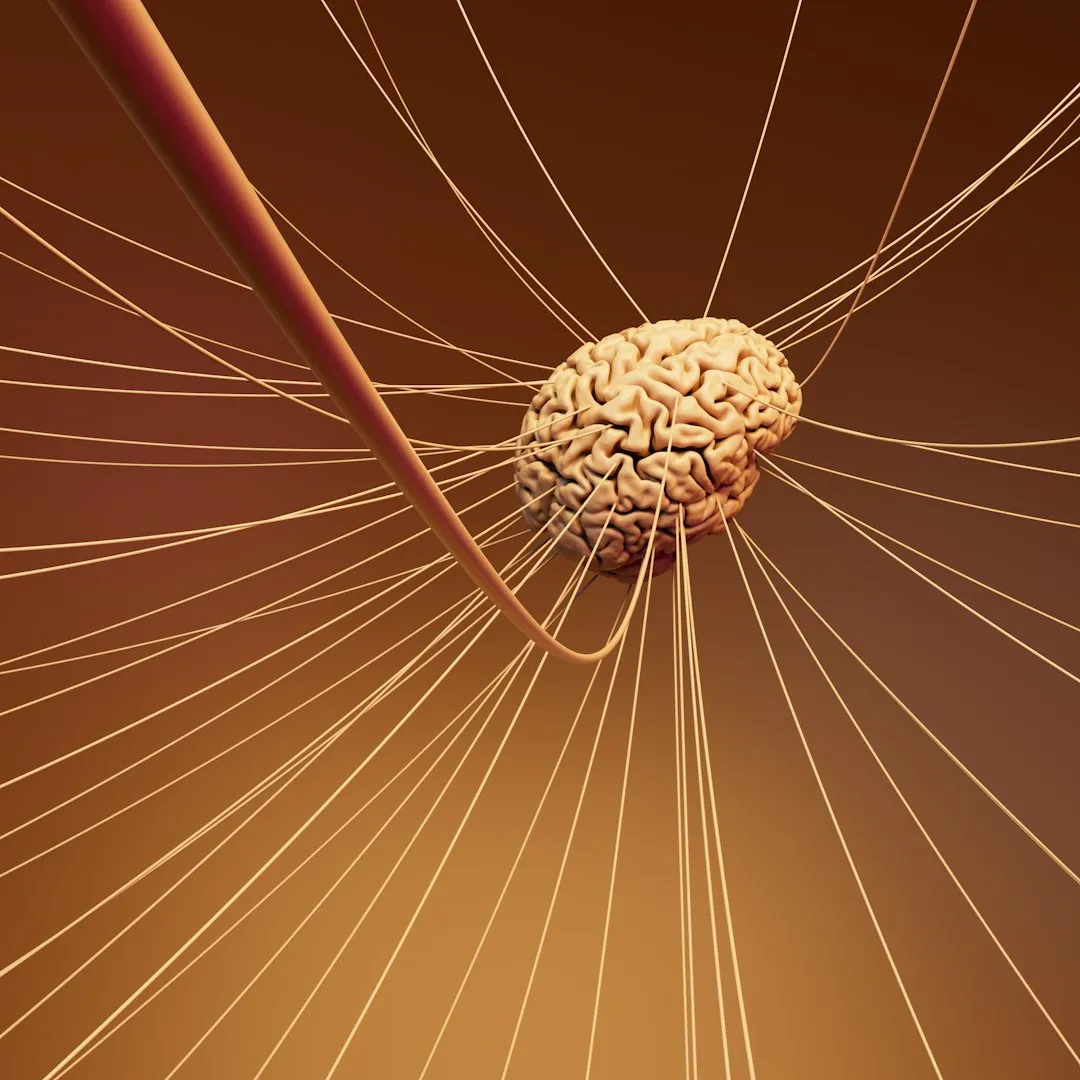
You can think of peripheral nerves as tiny wires running throughout your body, carrying signals from your brain to a distant body part or from that body part back to your brain. The foot is at the very end of that wire. Signals traveling to and from the foot have one of the longest round trips in the human body.
Nerves of the legs and arms are part of the peripheral nervous system, and tend to be the first ones affected by diseases of peripheral nerves. That length creates vulnerability. The further a nerve runs, the more opportunities there are for compression, kinking, or disruption along the way.
Meet the Peroneal Nerve: The Usual Suspect
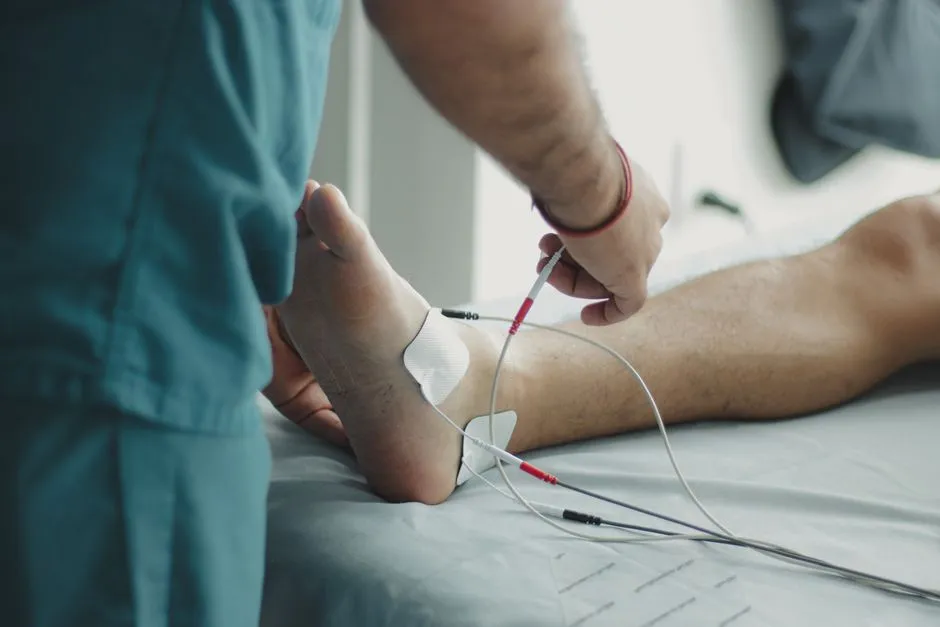
The foot falls asleep when pressure is put on the nerve that supplies it, and the affected nerve is usually the peroneal nerve or the sciatic nerve. Most people have never heard of the peroneal nerve, but it is central to this story. The common peroneal nerve is a branch of the sciatic nerve that winds around the fibular neck, the bony prominence on the outer side of the knee, before dividing into the superficial and deep peroneal nerves that supply sensation and motor function to the lateral leg and entire dorsal foot.
This anatomical position makes it the most commonly injured peripheral nerve in the lower extremity. At the fibular neck, the nerve sits directly against bone with only skin and a thin layer of fascia protecting it. There is no muscle padding. That is a remarkably exposed position for such an important nerve.
Why Your Foot Is Uniquely Vulnerable

The funiculi of the peroneal nerve are larger and have less protective connective tissue than those of the tibial nerve, making the peroneal nerve more susceptible to trauma. This is a structural reality, not bad luck. The peroneal nerve was simply built with less cushioning than its neighbors.
The peroneal nerve’s anatomical course makes it vulnerable to compression and injury, as it directly contacts the periosteum of the fibular neck over a 10-mm length and remains subcutaneous for approximately 4 cm. That means a meaningful stretch of this nerve runs right beneath the skin with almost no protection. Pressure from a crossed leg, a chair edge, or even tight pants can reach it easily.
Why the Numbness Doesn’t Happen Instantly
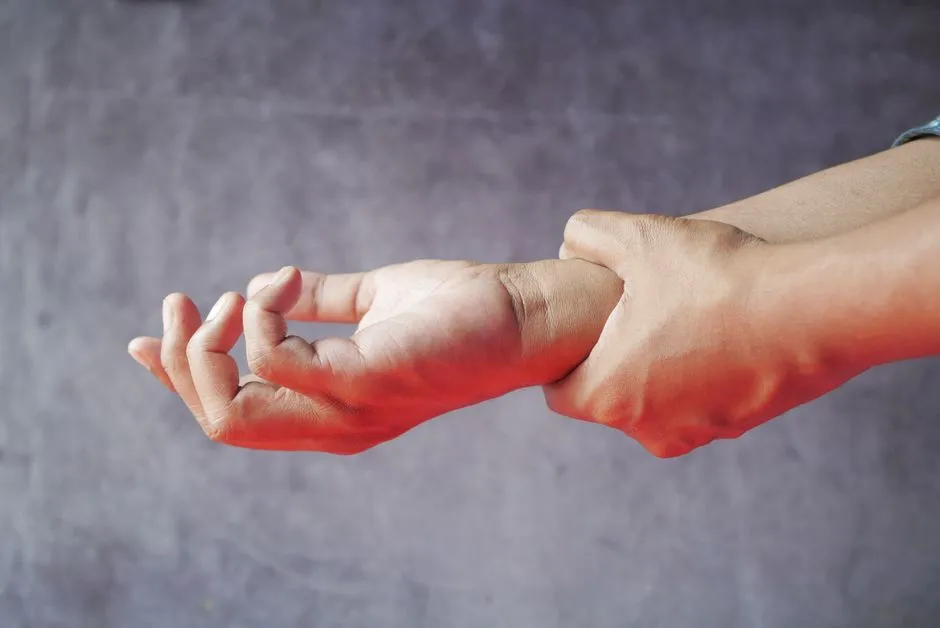
Nerve compression builds over time. Initially, the nerve can still transmit signals effectively, but as the pressure continues, its ability diminishes progressively. This gradual onset is actually part of what makes the experience so surprising. You don’t notice the slow fade.
Nerves rely on a steady supply of oxygen and nutrients delivered through the bloodstream, and compression reduces this supply gradually rather than cutting it off instantly, leading to a slower onset of symptoms. By the time you feel the first tingle, the compression has typically been building for several minutes already.
What “Pins and Needles” Actually Means
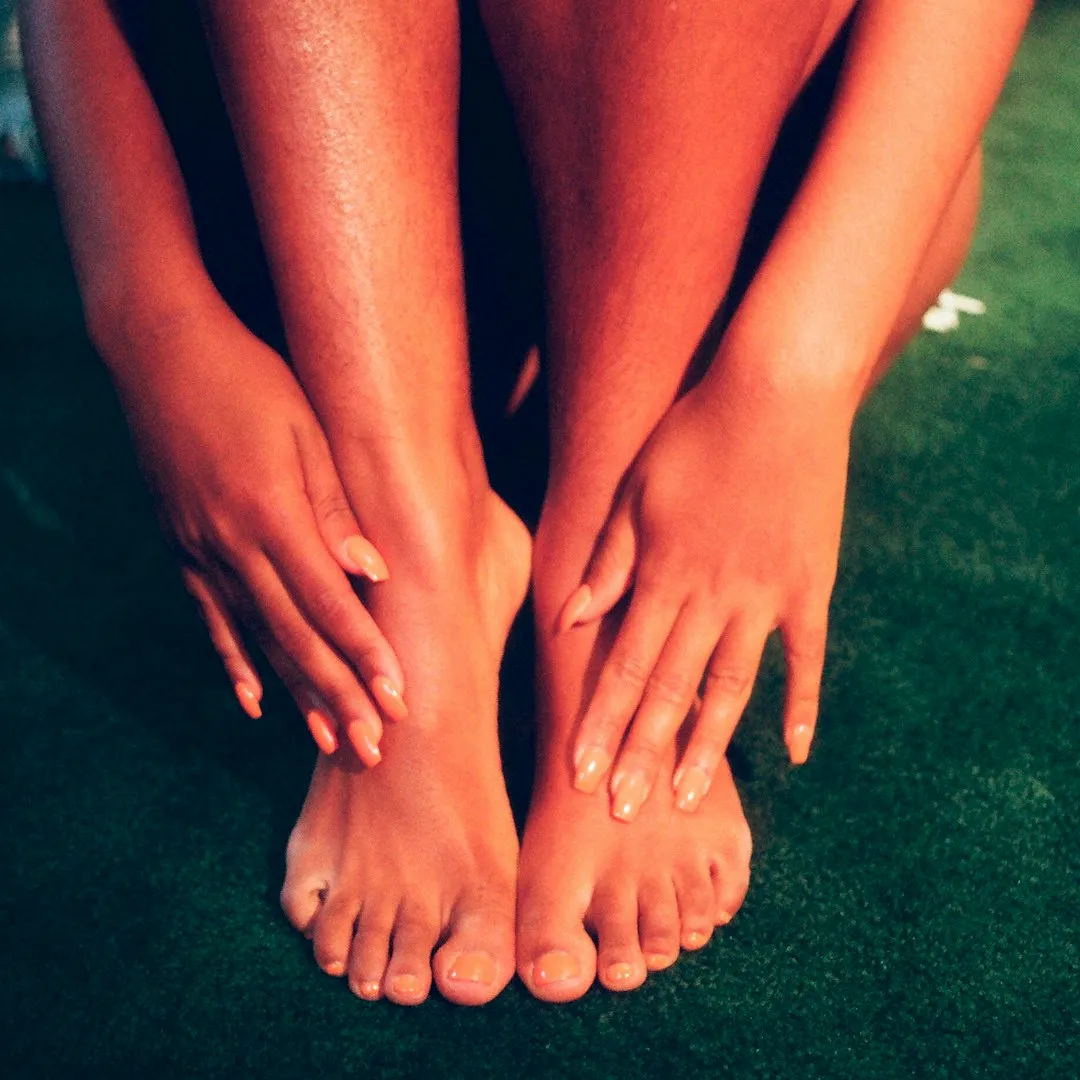
The tingling or “pins and needles” feeling that people experience happens as the nerves are regaining function. Your foot or limb is “waking up.” It’s not pleasant, but it is a sign that things are returning to normal. The sustained pressure on a nerve blocks signals from the brain traveling to other parts of the body. The nerves then become hypersensitive, and that’s what causes the feeling of “pins and needles.”
Without a proper blood supply, nerves cannot transmit a message from your body to your brain. In the end, the nerves just send messages that the brain can’t make any sense of, so the brain starts producing different sensations in the affected limb. The chaotic buzzing sensation is essentially your nervous system rebooting.
The Postures Most Likely to Trigger It

Sitting with your legs crossed for extended periods is the leading culprit for temporary paresthesia. This position specifically compresses the peroneal nerve near the knee, leading to a total loss of sensation in the lower foot and toes. The classic sitting cross-legged position is almost designed to hit that anatomical weak point.
Common causes include sitting with legs crossed for an extended period, sleeping in an awkward position, or prolonged kneeling and squatting. These actions can compress nerves in the leg or foot. Additionally, tight footwear, socks, or constrictive pants can restrict nerve pathways. Even the wrong pair of boots can do it.
Your Brain Is Actually Trying to Protect You
When your foot falls asleep, there is something wrong with the communication between your brain and the muscles in that area. When the brain is unable to talk with a muscle or groups of muscles, some strange things can happen, including that part of your body getting that falling-asleep sensation. The discomfort is not just an inconvenience. It is functional.
The discomfort, which is sometimes painful, generally causes you to change your position. Most people can then move around and relieve the pressure on their nerves. By forcing you to move or shift your weight, your brain prevents permanent damage to the delicate neural fibers. Annoyance, it turns out, is a feature rather than a bug.
When It Becomes Something Worth Watching

While a foot “falling asleep” is usually harmless and temporary, it can indicate a more significant underlying issue. Seek medical attention if numbness or tingling becomes persistent, occurs frequently without an obvious cause, or affects both feet. Frequency and symmetry are the key warning signs. One foot, occasionally, after sitting oddly? That’s normal. Both feet, regularly, without a clear postural cause? That deserves attention.
Peripheral neuropathy is a common cause, involving nerve damage outside the brain and spinal cord. This condition is often associated with diabetes, where high blood sugar levels impair nerve function, frequently affecting the feet and hands first. Nutritional deficiencies, particularly a lack of B vitamins like B12, can also impair nerve function.
The Fall Risk You Probably Haven’t Considered

Your brain isn’t receiving clear signals about the position of your foot, making it harder to balance. Without proper nerve signals, your muscles may not respond quickly enough to adjust your movements. This temporary disconnect is why your foot might feel clumsy or uncoordinated until normal nerve function returns. That split second of instability when you stand up is genuinely risky.
Peroneal pathology was found to be consistently associated with falls. The peroneal nerve is an important nerve whose dysfunction can result in falls. Most people laugh it off and hobble to the kitchen. Older adults, however, face real injury risk during those disorienting seconds of nerve recovery.
The Takeaway
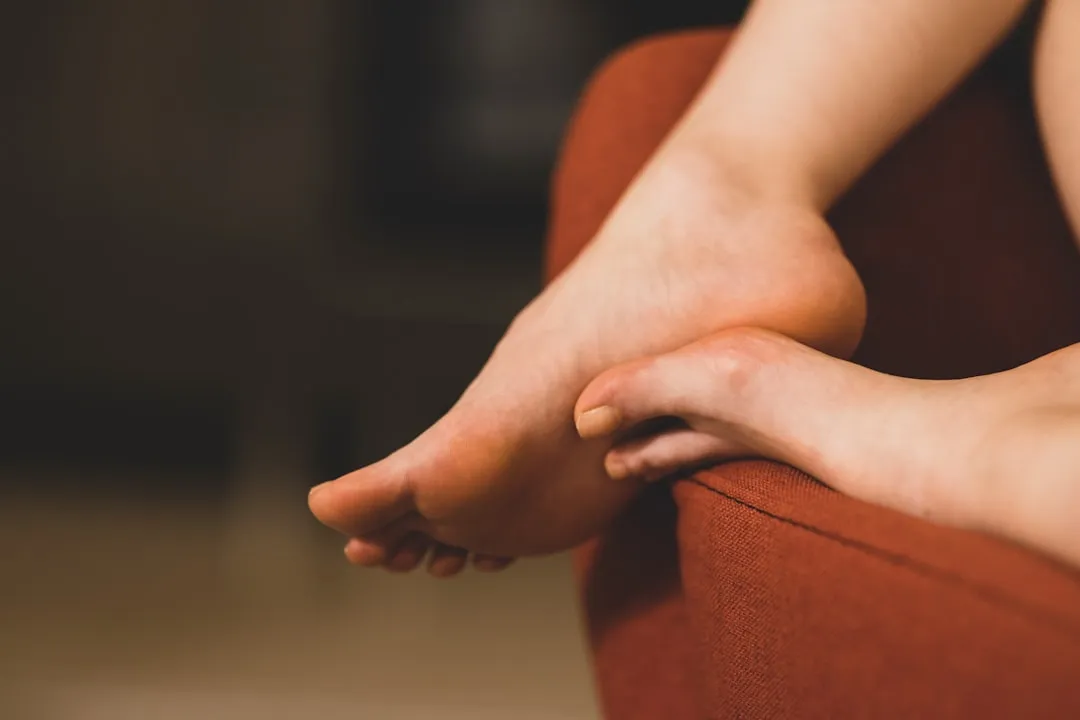
Your foot doesn’t fall asleep because it’s weak or poorly made. It falls asleep because of a very specific anatomical reality: a large, lightly protected nerve runs right past the outer knee with almost nothing cushioning it from the world. Pressure finds it easily. The brain notices quickly. The pins and needles that follow are your nervous system doing exactly what it should.
Most of the time, the fix is as simple as changing position. If your foot “wakes up” quickly after you move, that is one story. If this happens every day, affects how you walk, or wakes you from sleep, that is a different situation that deserves a proper evaluation. Knowing the difference is genuinely useful, which is more than most anatomy lessons can claim.
AI Disclaimer: This article was created with the assistance of AI tools and reviewed by a human editor.