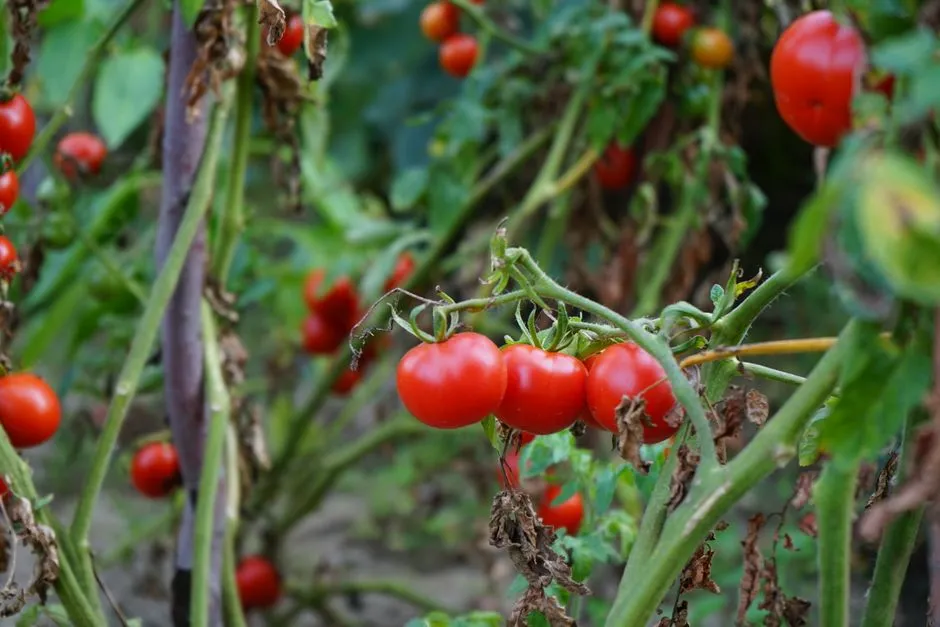

Most home gardeners reach for their pruning shears and start cutting at the top of the plant, trimming back the tallest growth and pinching off the uppermost shoots. It feels intuitive. The top is where things look overgrown, where stems stretch toward the sun, where you feel like you’re taming something wild. The problem is, that approach leaves the most dangerous part of the plant completely untouched.
The real action, the part that determines whether your plants stay healthy or collapse under disease pressure mid-season, starts at ground level. Working from the bottom up isn’t a gardening trend. It reflects what’s actually happening to your tomato plant from a disease and energy standpoint.
Disease Almost Always Starts at the Bottom
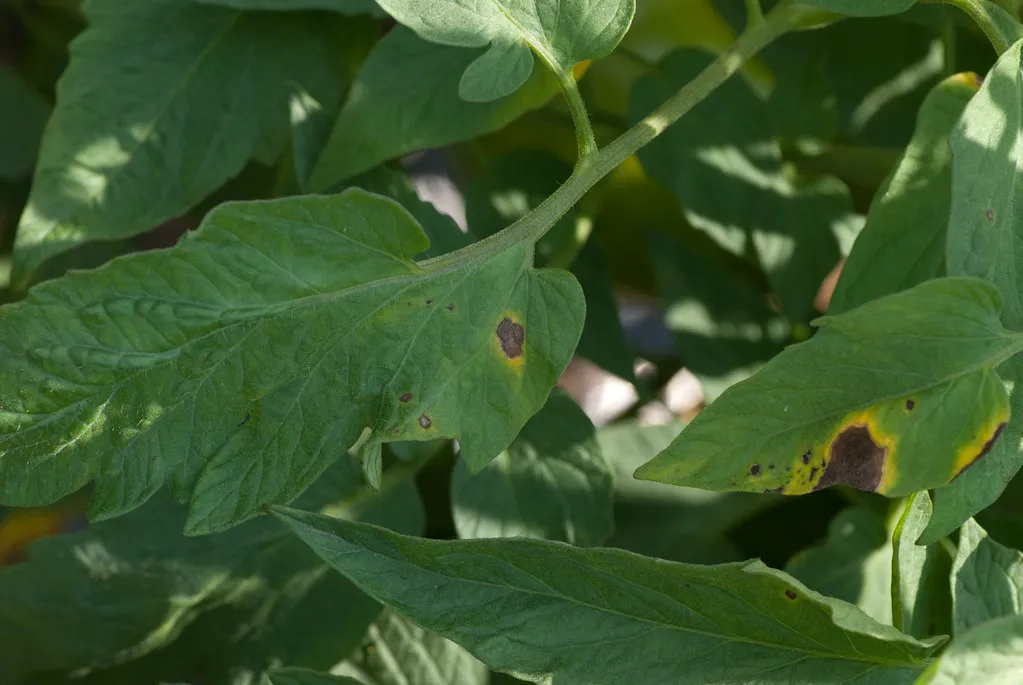
Early blight starts at the bottom of the plant, with the lowest leaves first, and works its way up from there. This isn’t random. Fungal spores surviving in the soil or plant debris are splashed onto lower leaves during rain or sprinkler irrigation. Once those lower leaves get coated in moisture carrying spores, the countdown begins.
Spores germinate in the presence of even a thin film of water on foliage, and if that foliage remains wet for five to ten hours, the infection takes hold. By the time you notice yellowing or dark lesions forming, the damage is already well underway. Pruning from the top in this scenario does absolutely nothing to interrupt that cycle.
Lower Leaves Are the Entry Point for Soil-Borne Pathogens
Lower leaves are more susceptible to soil-borne diseases and fungal infections since they are closer to the ground where pathogens thrive, and removing them reduces the risk of diseases spreading to the rest of the plant. This matters because some of the most common and destructive tomato diseases, including Septoria leaf spot and early blight, live in the soil from one season to the next.
Septoria leaf spot overwinters on old plant material left in the garden and usually shows up first on the lower leaves as small, dark brown or black spots with a gray center. If those lower leaves are still present when the first rain hits, your plant is already vulnerable.
Airflow at the Base Is What Actually Prevents Fungal Disease
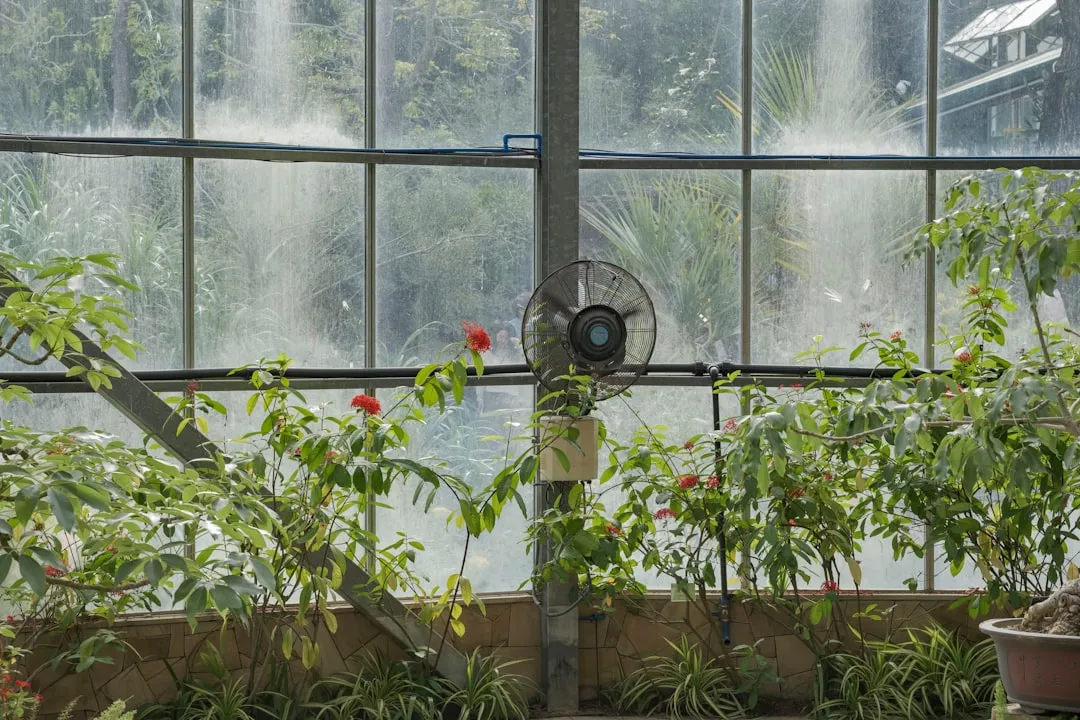
When leaves crowd the base of the plant, airflow is reduced. This traps moisture and creates the perfect environment for fungal diseases such as blight, botrytis, and leaf mold. These aren’t rare conditions. They’re what happens in most gardens during summer, especially after watering or a rainy stretch.
By carefully removing some of the lower leaves, you improve circulation around the stem, which means the plant stays drier and healthier. This is especially helpful if you’re growing in a greenhouse or polytunnel where humidity can build up quickly. For outdoor growers, the principle holds just as strongly in humid climates or densely planted beds.
Removing Lower Leaves Stops the Spread of Spores Upward
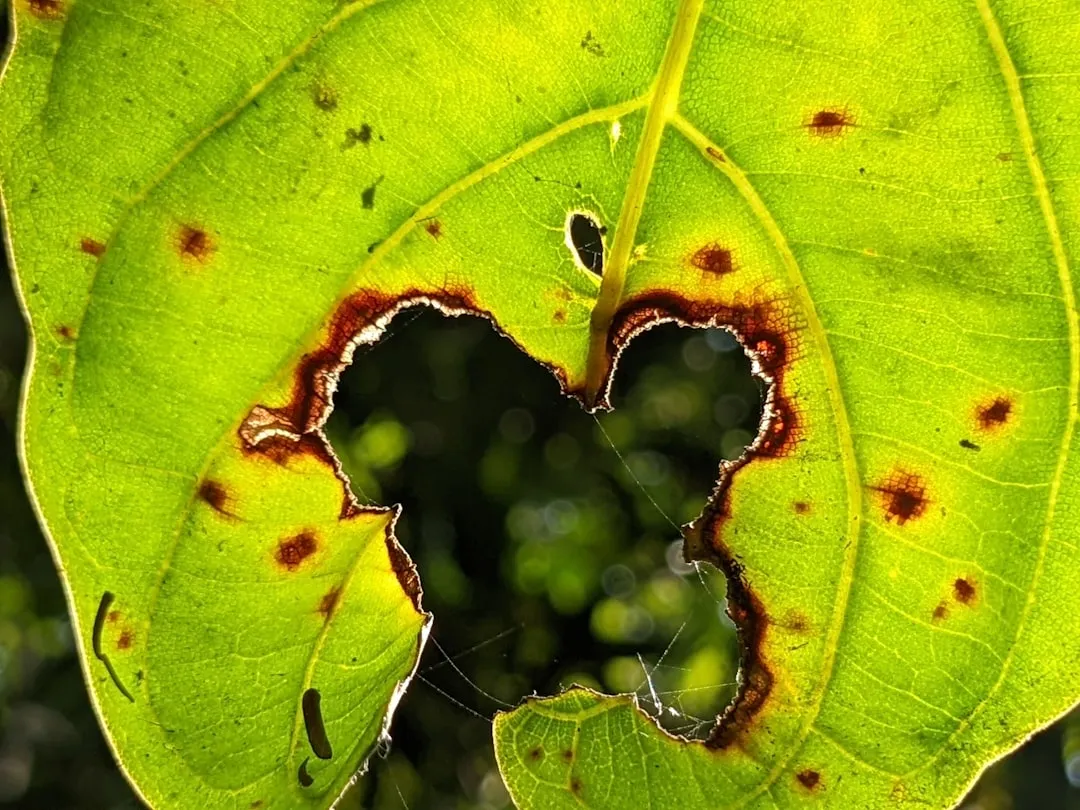
Foliar diseases that transfer through soil splashing onto lower leaves are likely to begin on lower leaves and move up the plant, and removing these lower leaves reduces new spores produced that can move up and infect newer growth. Think of the lower canopy as a staging area for infection. If you eliminate it, you shrink the surface area available for the disease to amplify itself.
Disease spreads upward and lesions develop on newer growth as it progresses, and lesions may merge together resulting in a rapid dieback of plant tissue. Keeping the lower portion of the plant open and clean is the most direct way to interrupt that upward march before it gains momentum.
The Science Behind Basal Leaf Removal and Fruit Production
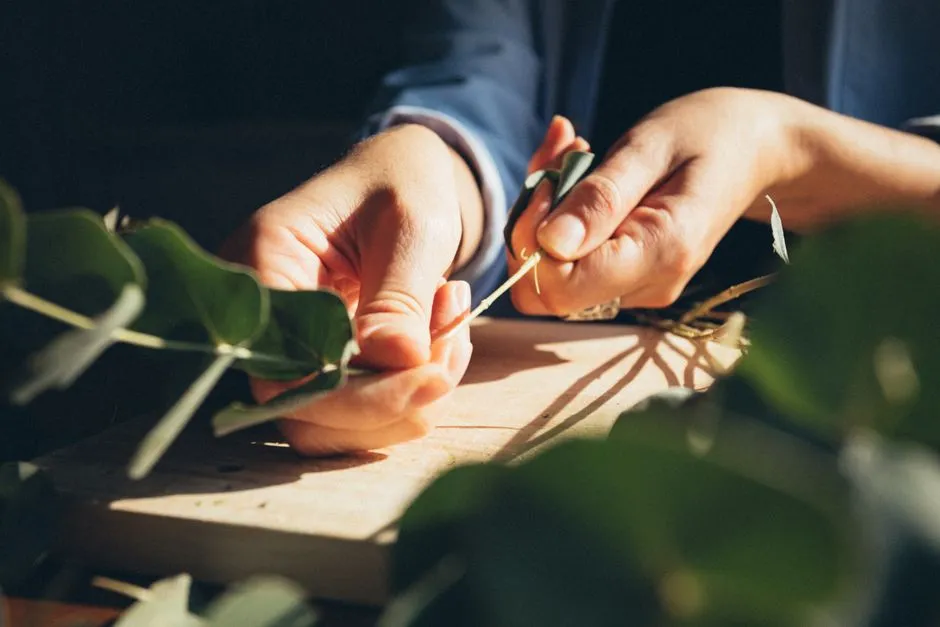
Moderate removal of young leaves promotes the translocation of assimilates to the fruit and increases yield, provided that a minimum leaf area index is maintained. A 2024 study published in the journal Horticulturae examined exactly this question across multiple growing seasons. The aim was to assess the impact of different intensities and frequencies of basal leaf removal on dry matter production and yield of a greenhouse tomato crop, in order to establish a minimum leaf area index below which yield losses occur.
Defoliation is a common practice in tomato production that makes crops more manageable, prevents conditions conducive to fungal attack, and increases the exposure of the fruit to light. The evidence from research consistently supports starting this process at the base, not the crown of the plant.
Upper Leaves Do the Real Photosynthesis Work
The upper leaves do most of the photosynthesis. Lower leaves are often shaded and less efficient. This is a critical point that many gardeners overlook. Cutting at the top of the plant removes the most productive foliage, while leaving the least useful leaves in place.
Leaf pruning plays an important role in maintaining an optimum number of leaves for canopy photosynthesis while removing leaves that are senescing or not contributing to photosynthesis. Targeting basal leaves that are already shaded and past their productive peak is simply a more rational approach. You keep what works and remove what’s becoming a liability.
How Much to Remove, and When to Start
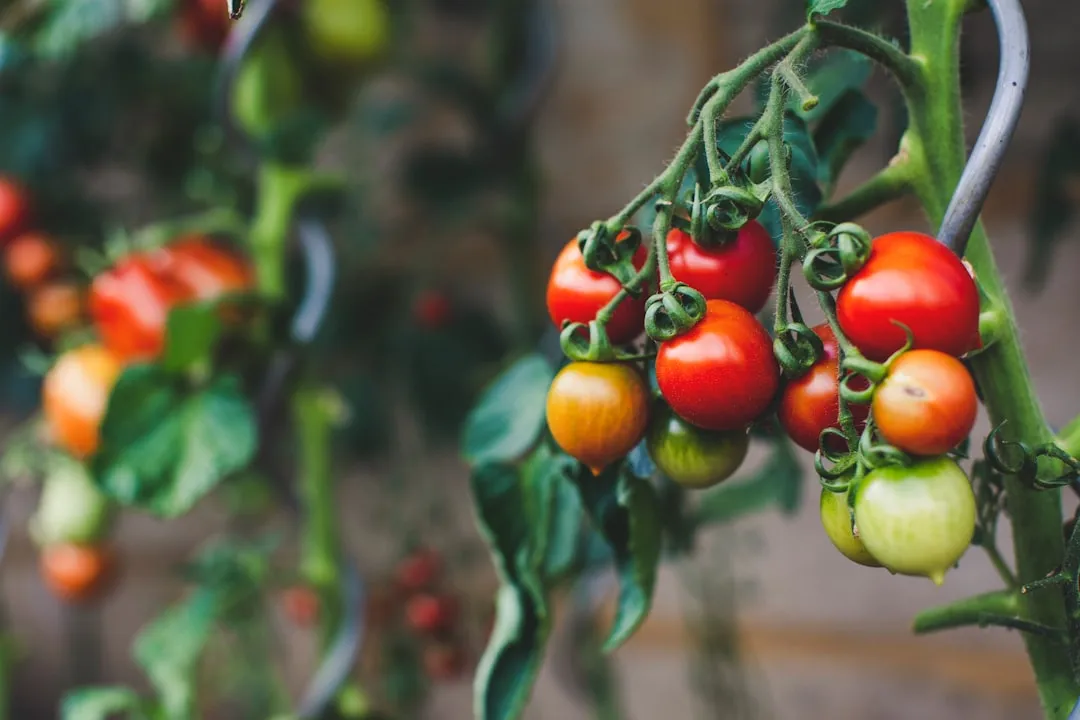
To help improve airflow and cut down on the chance of disease, remove the leaves along the bottom twelve inches of the stems of indeterminate tomato plants. That’s a practical benchmark most gardeners can work with, regardless of variety. Removing lower leaves is typically done during the growing season, especially as the plants start to mature and develop fruit, and it’s best to begin once the plants have established themselves, usually around six to eight weeks after planting.
Remove no more than one or two leaves per week on outdoor plants, as this prevents stress and encourages steady growth. Stripping too much at once can shock the plant. A gradual, consistent approach is far more effective than one aggressive pruning session.
Determinate vs. Indeterminate Varieties Require Different Approaches
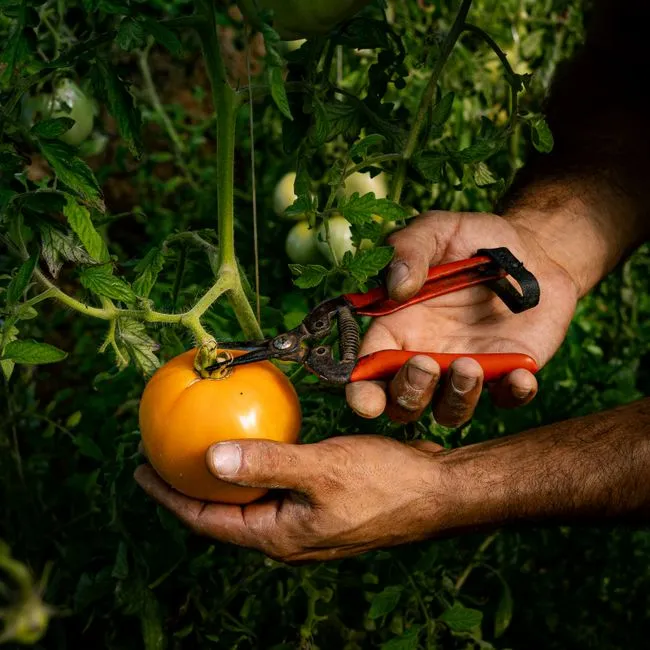
Determinate or bush varieties of tomato plants grow to only about three feet and then put energy into leaf and fruit production. The fruit will form on clusters between leaves and at the end of stems. Many determinate varieties require little pruning. For these plants, bottom-up leaf removal is still beneficial for disease prevention, but aggressive suckering above the lowest flower cluster isn’t necessary.
For indeterminate tomatoes, continue to remove suckers as they form all along the main stem throughout the growing season. For determinate plants, removing suckers actually reduces yield, as these compact varieties set fruit on side branches. Knowing your variety type is the first step before you make any cut.
Tool Hygiene Matters More Than Most People Realize
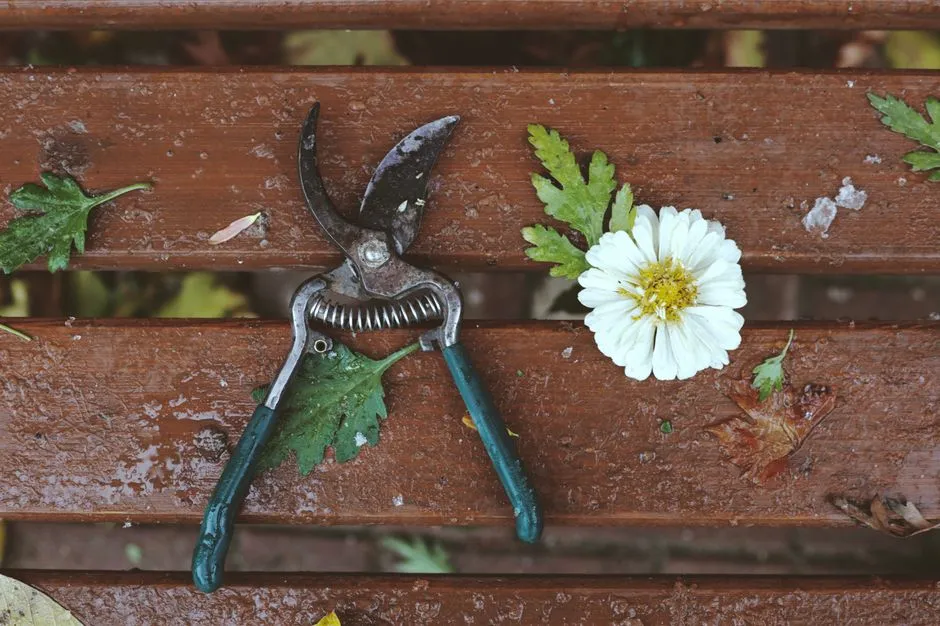
It is best to prune when plants are dry and on a dry, sunny day. This reduces disease transfer during the pruning process, reduces the potential for infection at plant wounds, and hastens the healing process in the wounds created through suckering. Wet foliage is already primed for fungal spread, and cutting into it with dirty tools just accelerates the problem.
Disinfect your hands and pruning equipment, especially if you smoke or use tobacco, and clean your hands or tools in between plants or every few plants to help prevent the accidental spread of diseases. This step costs almost nothing in time, but skipping it can transfer a pathogen from one plant to every plant in a row.
The Bigger Picture: Pruning for Structure, Not Just Habit
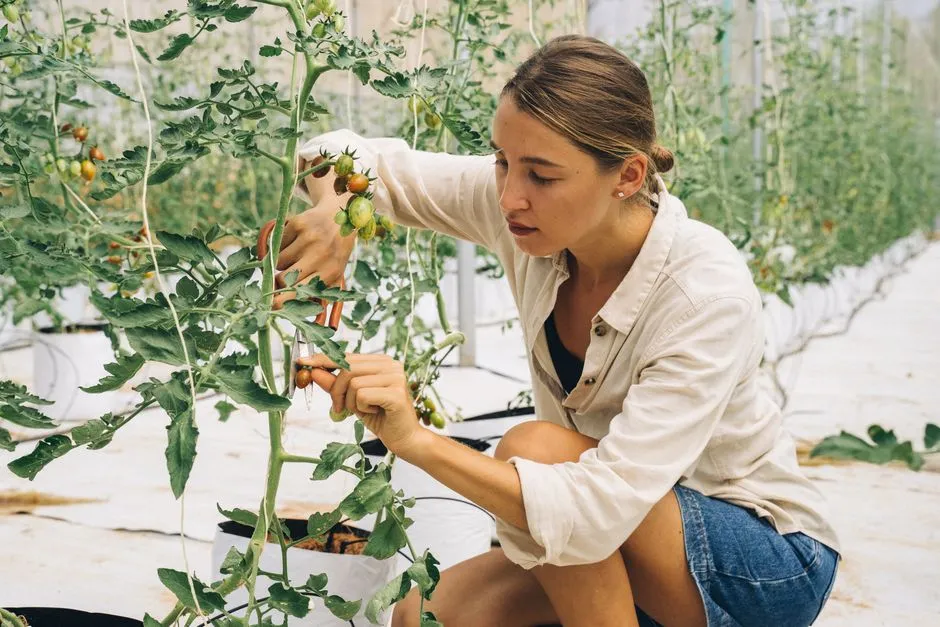
Pruning helps maintain balance between vegetative and reproductive growth, improves airflow to prevent disease, and can even help your plants produce larger fruit. The goal is never to prune for its own sake. Every cut should serve a clear purpose, whether that’s clearing diseased tissue, opening up the base for airflow, or redirecting energy toward fruiting.
The key takeaway is to prune for airflow and structure, not out of habit. If you can’t explain why you’re pruning a certain branch, don’t prune it. Starting from the bottom forces you to engage with the real risks your plant faces: wet soil, fungal spores, and dense low foliage that keeps everything damp. The main goal of pruning and staking tomatoes is to keep the fruits off the soil and promote air circulation within the foliage, and pruned plants produce bigger and earlier fruits because more plant energy is channeled into fruit production and ripening.
Working from the bottom up isn’t a dramatic revision of everything you know about growing tomatoes. It’s just a more honest read of where the real problems begin. The ground is where disease waits. The lower leaves are where it gets its foothold. Start there, and you stay ahead of it.
AI Disclaimer: This article was created with the assistance of AI tools and reviewed by a human editor.