
It Was Never Really About Halloween Spooks
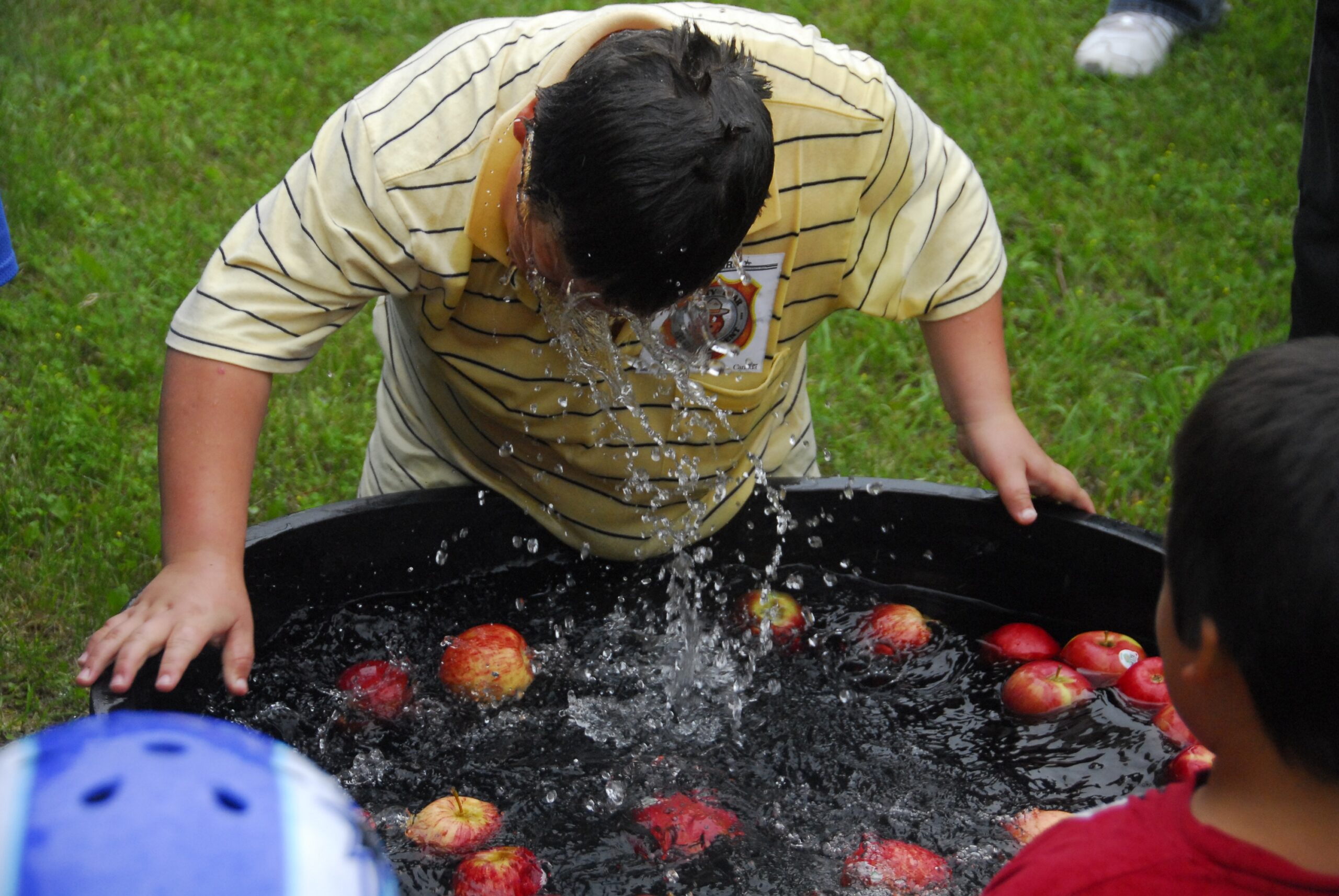
For many Americans, bobbing for apples is a beloved childhood pastime tied to Halloween. The origins, however, are actually rooted in love and fate rather than ghosts or goblins. That distinction matters, because the entire logic of the game shifts once you know what it was originally for.
The game traces back to a courting ritual that was part of a Roman festival honoring Pomona, the goddess of agriculture and abundance. Multiple versions existed, but the core idea was consistent: young men and women would predict the future of their relationships based on how they played.
The Roman Goddess at the Heart of It All
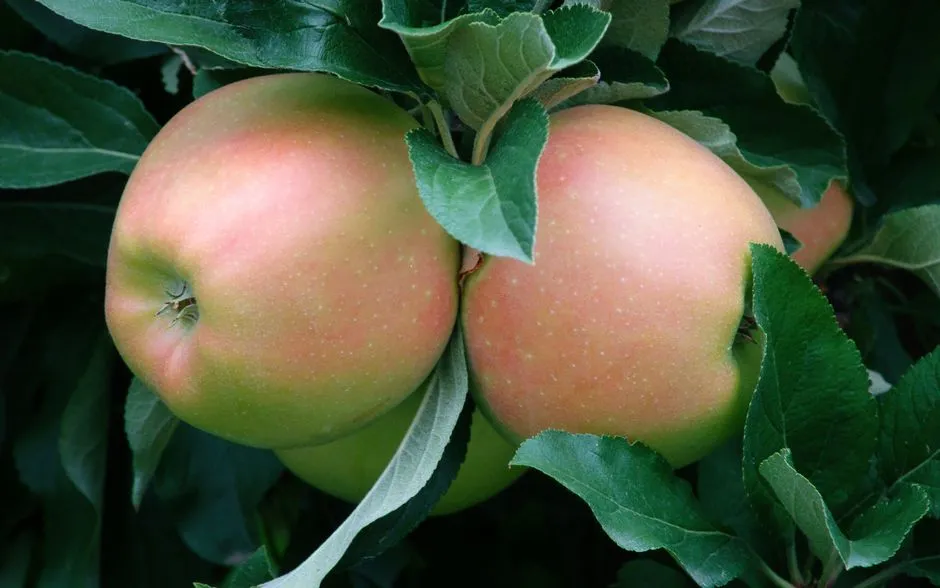
In October, Romans celebrated Pomona, the goddess of fruit trees, gardens, and orchards. Unlike Ceres, who was associated with grain, Pomona embodied the abundance of orchards and harvest fruits, especially the apple.
During the Roman festival of Pomona, the goddess was often represented by and associated with apples; her name derives from the Latin word for apple, “pomum,” and the fruit was at the heart of harvest celebrations. To honor Pomona, the Romans held festivals that included offerings of apples, nuts, and other harvest produce. Apples were considered sacred to her, and games involving apples grew naturally from these harvest celebrations.
When Rome Conquered Britain, the Traditions Merged
When the Romans conquered the British Isles in 43 AD, the Pomona festival blended with the similarly timed Samhain, a precursor to Halloween. This cultural collision is arguably the single most important moment in the history of apple bobbing.
During the roughly 400 years the Romans ruled Celtic lands, two Roman festivals were combined with the traditional Celtic celebration of Samhain. One honored Pomona, the Roman goddess of fruit and trees, whose symbol was the apple. The incorporation of her celebration into Samhain likely explains the Halloween tradition of bobbing for apples.
Samhain: The Celtic Festival That Changed Everything
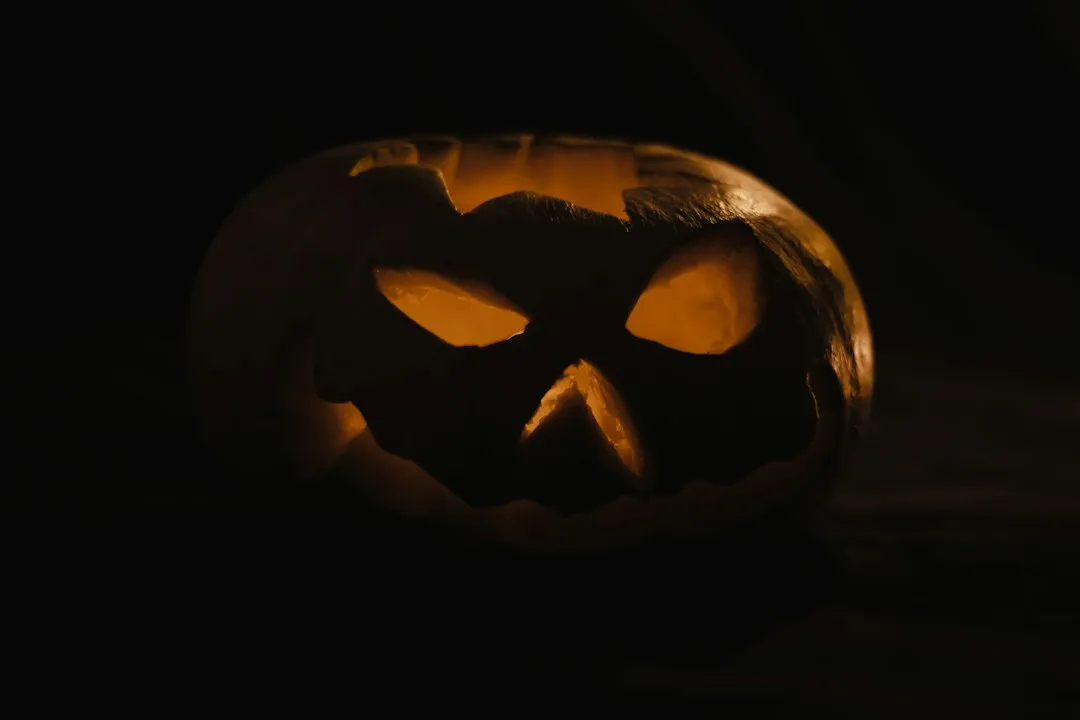
The Celtic holiday Samhain, pronounced “sow-win,” was normally celebrated from October 31 to November 1 to signify the end of summer and welcome in the new fall harvest and “the dark half of the year.”
On November 1, the festival of Samhain marked the boundary between summer and winter, life and death. Believing the veil between the worlds was thin on this date, and that otherworldly spirits walked the earth, villagers wore disguises and offered food to appease roaming phantoms. Apples were offered to the gods during this festival as a form of sacrifice.
The Apple Was a Sacred Symbol, Not Just a Snack
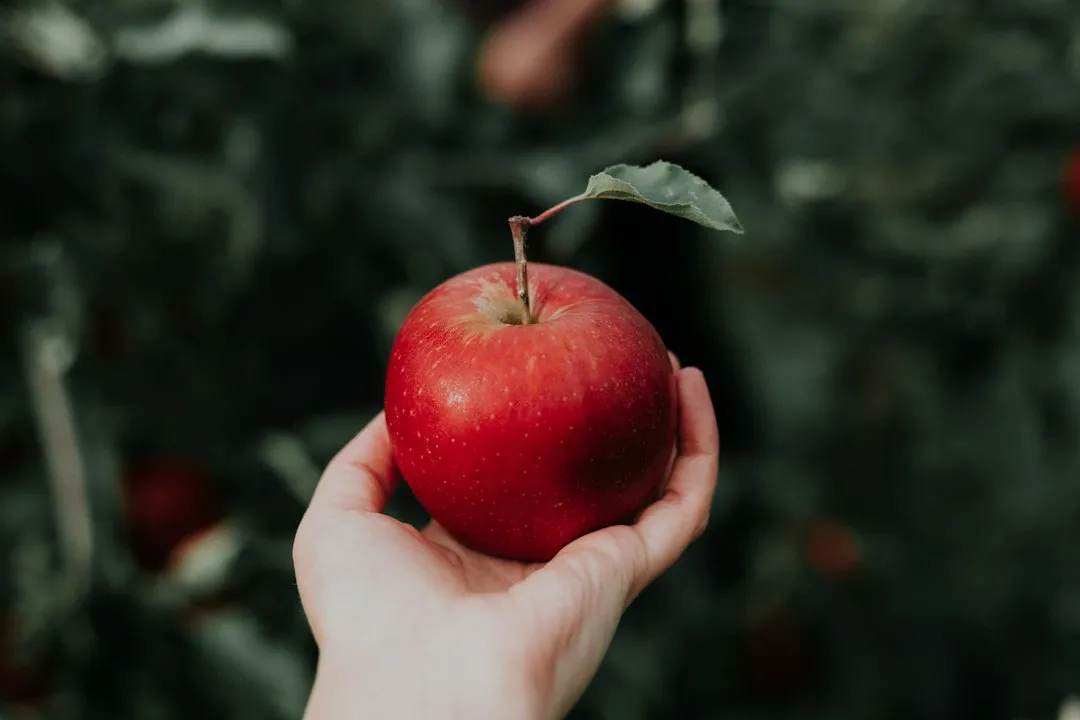
Since ancient times, apples carried a wealth of symbolism, including love, regeneration, wealth, vitality, knowledge, wisdom, death, the afterlife, and even fairy magic. That made them a natural focal point for rituals designed to peek into the future.
When the Celts first encountered apples, they noticed that cutting an apple in half reveals seeds arranged in a pentagram shape. The pentagram in Celtic culture was a fertility symbol, and since Pomona, the Roman goddess represented by the apple tree, was also a fertility goddess, apples became a potent symbol for both cultures.
It Was a Divination Game for the Unmarried
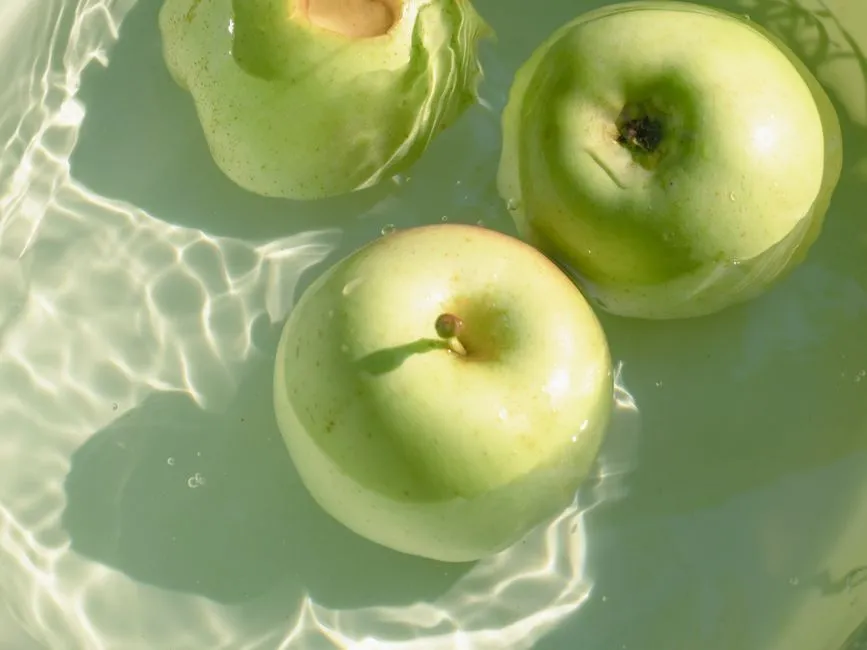
During Samhain, bobbing for apples functioned as a divination tool. The game was specifically for unmarried young people. They would try to bite into an apple floating in water or hanging from a string, and it was said the first person to bite into an apple would be the next to marry.
Each floating apple represented a potential husband. With one successful try, a young woman was destined to marry her desired mate. Two attempts meant that her love interest would court her, but the relationship would be ill-fated. If it took three or more tries to snag an apple, the marriage was simply not meant to be.
The Apple Peel, the Pillow, and Other Love Rituals
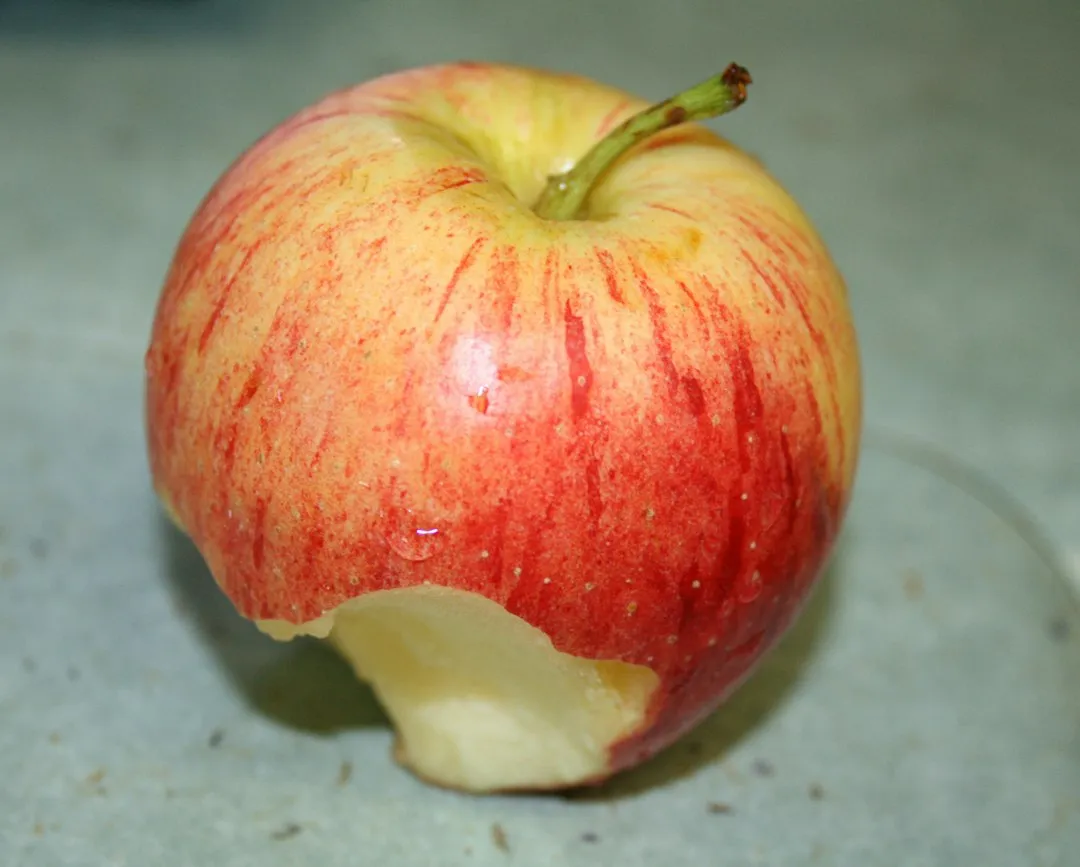
In years gone by, Scottish and Irish women peeled the apples they won while bobbing. They would twirl the peel over their heads and throw it, and according to lore, the shape of the peel upon landing would reveal the first initial of their future husband’s name.
Girls who wanted to double down on their luck believed that putting their bitten apple under their pillow at night would allow them to see their soulmate in their dreams. Other practices included peeling an apple in front of a candle-lit mirror to produce the image of one’s future spouse, or trying to produce a long, unbroken apple peel, which was said to estimate the number of years a person had left to live.
The Earliest Recorded Evidence of Apple Bobbing
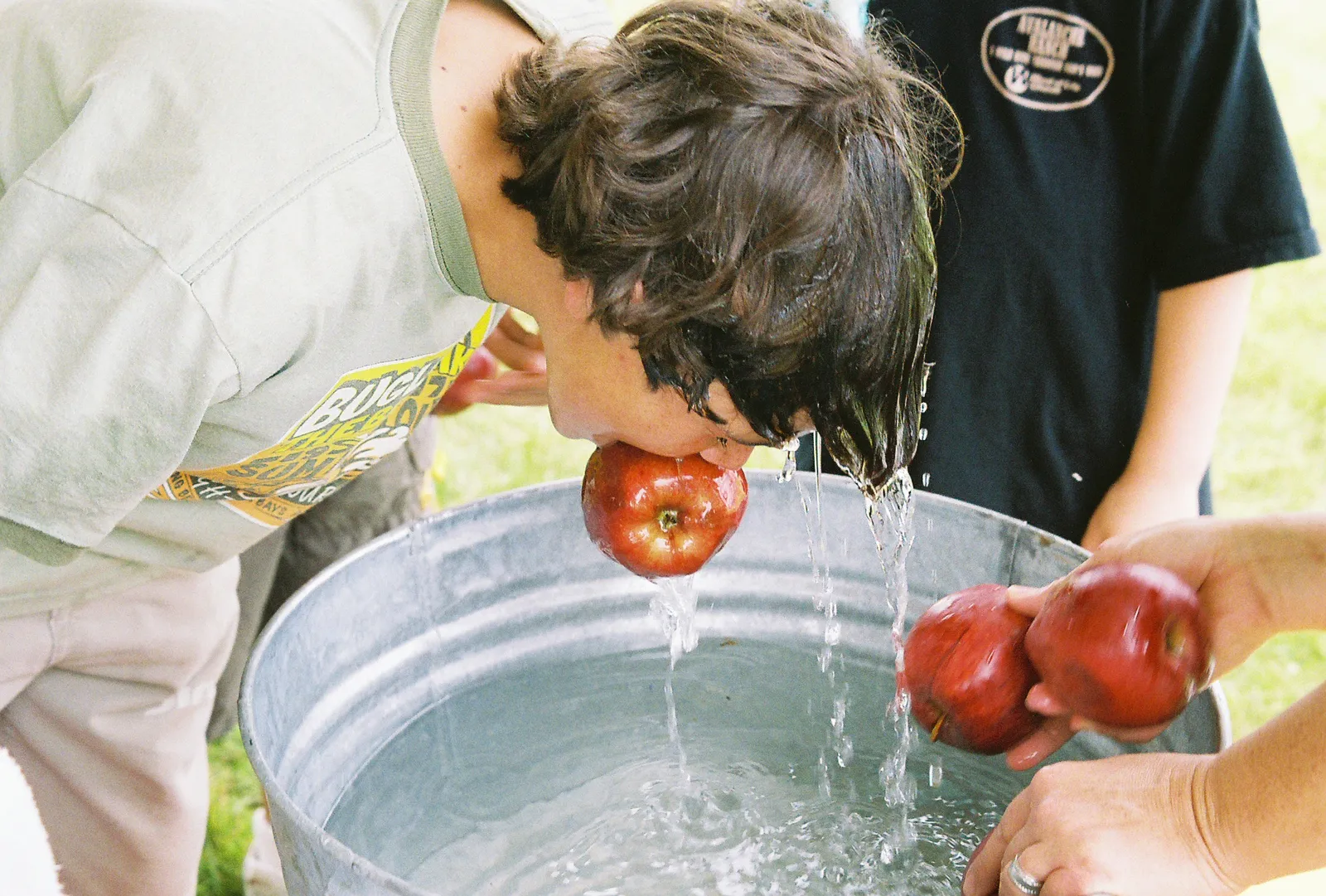
Halloween historian and author Lisa Morton noted that apple bobbing “has been around since at least the 14th century, when an illuminated manuscript called ‘The Luttrell Psalter’ depicted it in a drawing.” That’s the earliest clear visual record we have, though the tradition almost certainly predates it.
In October 1832, Irish artist Daniel Maclise attended a Halloween party in Blarney, Ireland, and the following summer exhibited a painting at London’s Royal Academy of Arts titled “Snap Apple Night, or All Hallow Eve.” Also known as “ducking” or “dooking” in Scotland, the game became so associated with Halloween that in Ireland and Newfoundland, “Snap Apple Night” became a synonym for Halloween itself.
How the Tradition Crossed the Atlantic
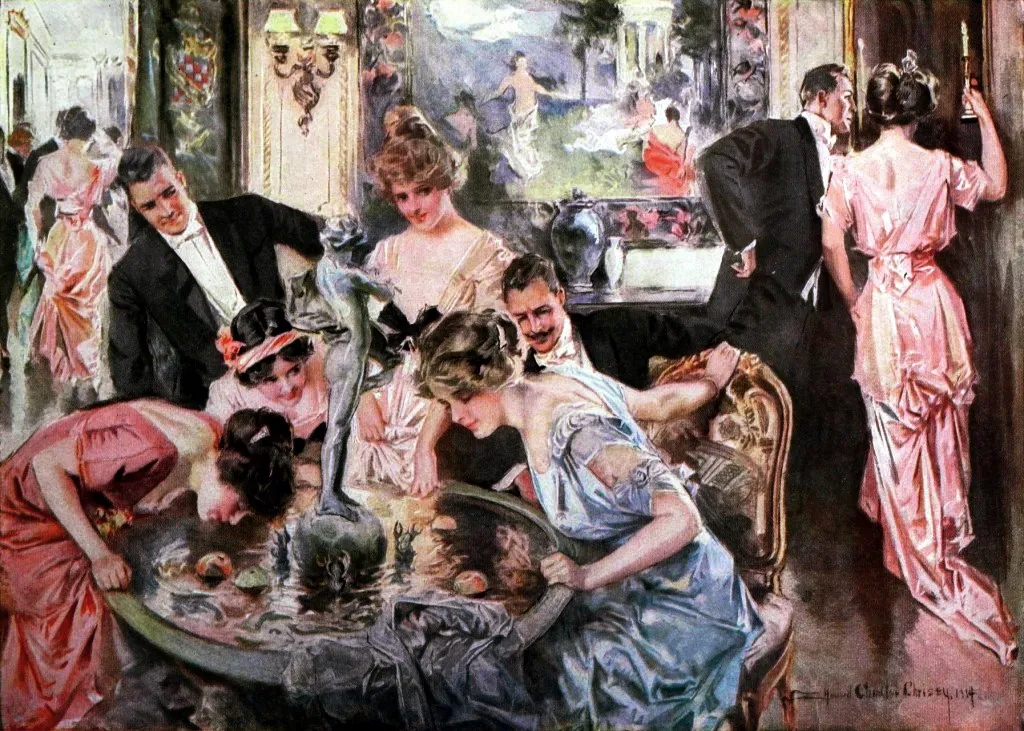
While apple bobbing had lost some popularity in Ireland and England by the 1800s, it picked back up again by the end of the century when Americans who were descendants of these communities revived the tradition for Halloween gatherings in the United States.
As Halloween historian Lisa Morton has explained, “Part of Halloween’s allure is that it’s also tied to harvest since crops like corn, pumpkins, turnips, wheat, and apples were all traditionally harvested in the fall.” Apple bobbing became so closely tied to the holiday that many communities called October 31 “Snap-Apple Night” or “Snotching Night.”
From Sacred Ritual to Childhood Game
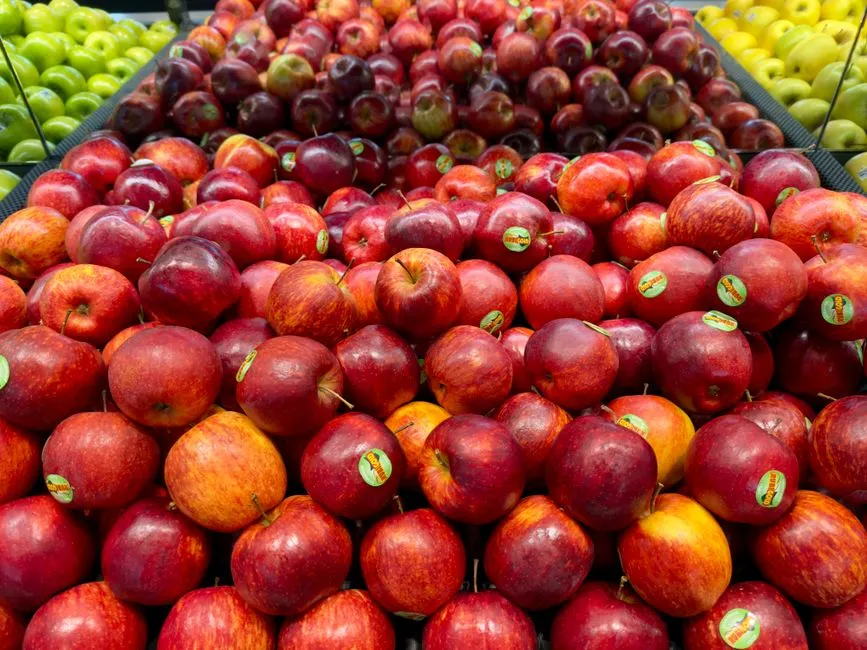
The most familiar form of love divination still connected to Samhain is the act of apple bobbing. Though now regarded as a lighthearted, if somewhat splashy, children’s game, this tradition is based in ancient rituals of love and prophecy, rooted in Celtic and Roman practices when the veil between worlds was considered thinnest.
Apple bobbing was once used as a way to weed out potential marriage suitors. Since then, it has become a fun Halloween party game primarily for children. The courtship stakes have been replaced by the simple satisfaction of catching a soggy apple with your teeth.
Why It Still Lingers Every October
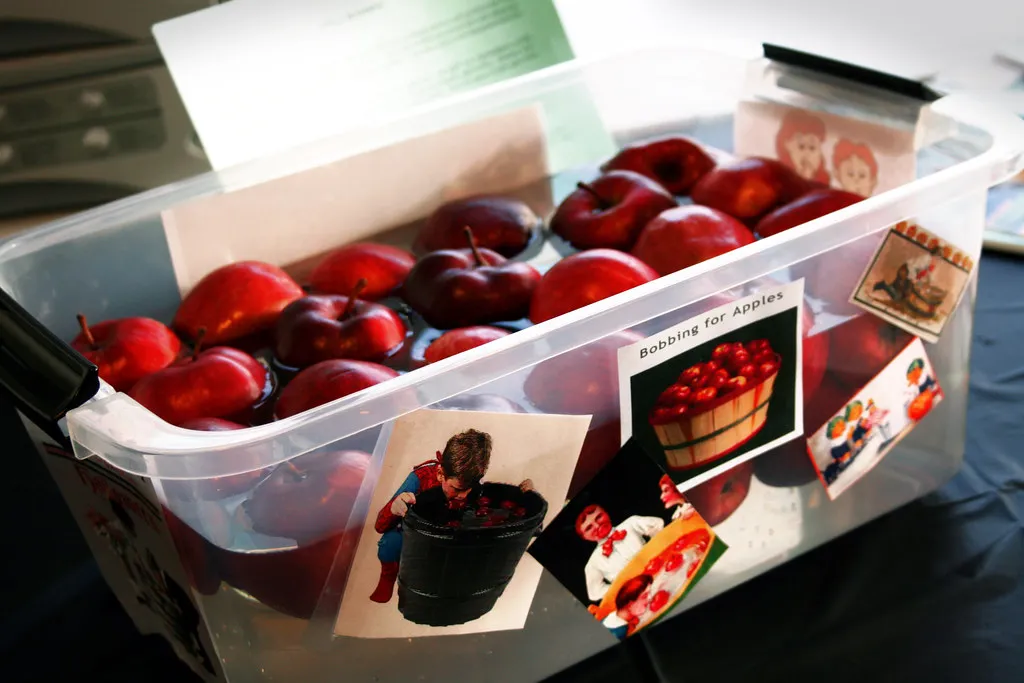
Most Halloween customs have shed their ritual origins entirely, surviving purely on the strength of tradition and nostalgia. Apple bobbing is unusual in that its symbolic roots, harvest, fertility, the search for a life partner, still feel loosely visible beneath the surface if you look for them.
Apple trees are typically heavy with fruit between late summer and late fall, making the apple a natural emblem of the season. While apples are now easy to find in any grocery store year-round, they were once only available during the fall months. That seasonal scarcity gave the apple a weight it no longer carries for most people, which is probably why the ritual itself has grown lighter over time.
The Takeaway
What started as a deeply serious form of love divination, woven together from Roman harvest worship and Celtic seasonal ritual, has survived for over two thousand years in the form of a game most people play without a second thought. That arc is actually remarkable.
The tub of water and floating apples at a modern Halloween party is, in its own quiet way, a fragment of ancient European life. The stakes are much lower now. Nobody is predicting a marriage or consulting the spirits of the harvest. Still, the fact that this particular tradition held on, across empires, centuries, and oceans, says something worth noticing about how deeply harvest, community, and the search for connection are wired into human culture.
AI Disclaimer: This article was created with the assistance of AI tools and reviewed by a human editor.