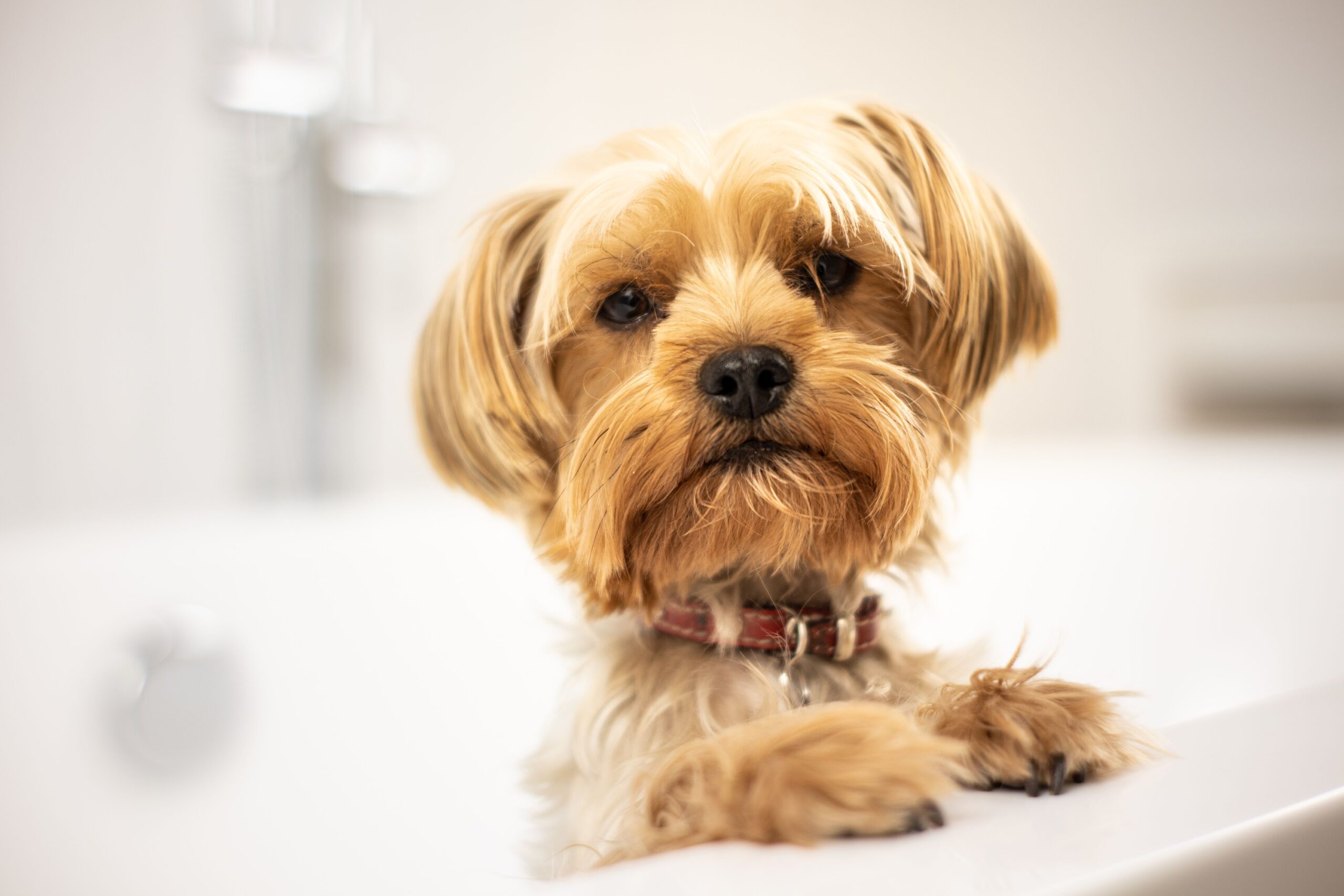

What Are “Zoomies,” Exactly?
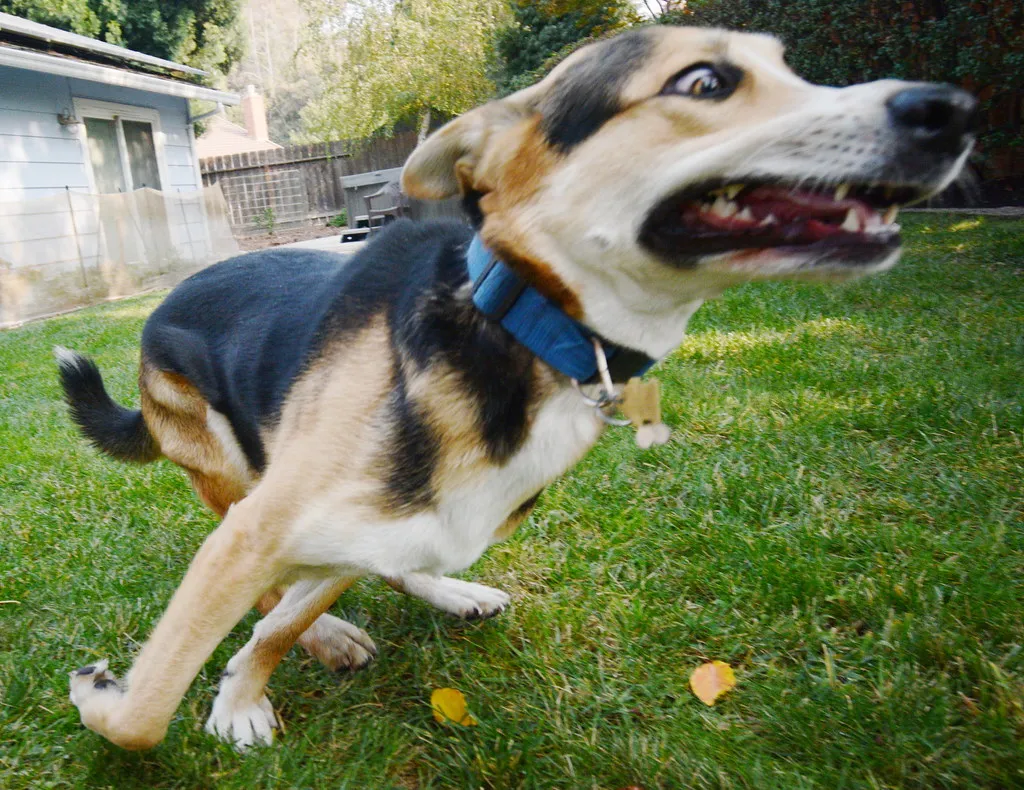
The zoomies are scientifically known as Frenetic Random Activity Periods, or FRAPs. They are sudden bursts of energy that cause dogs to run around wildly, often in circles or back and forth. The name alone tells you a lot. “Frenetic” and “random” pretty much capture the experience of watching your dog bounce off the couch cushions at full speed.
FRAPs are random bursts of energy occurring in dogs in which they run frenetically, commonly in circles, and they usually last only a few minutes or less. They can look alarming if you haven’t seen them before, but they’re a recognized and well-documented behavior across veterinary science.
Animal behaviorists have studied FRAPs across multiple species, not just dogs. Similar burst-activity patterns appear in cats, horses, ferrets, and other mammals. That consistency across the animal kingdom suggests this isn’t some quirk unique to domesticated dogs.
The Stress-Release Theory
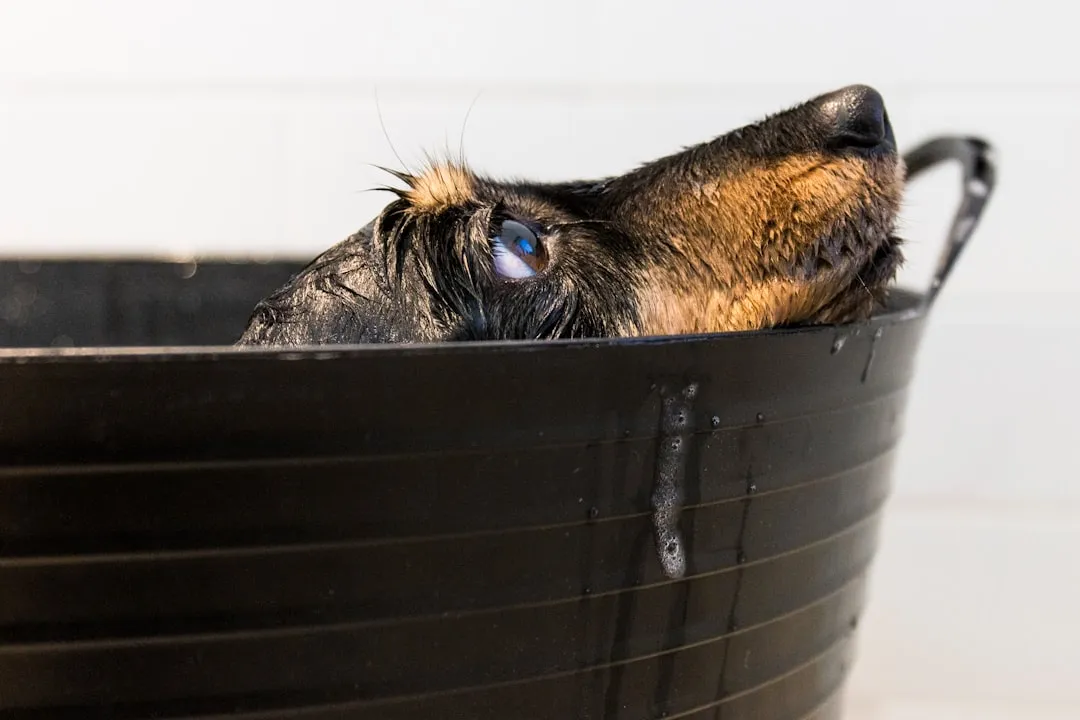
For many dogs, bath time is not a relaxing experience. The unfamiliar environment, the sensation of water, and the confinement in a bathtub can all contribute to stress and anxiety. When a dog is stressed, their body releases adrenaline, a hormone that prepares them for a fight-or-flight response. Once the bath is over, this adrenaline can manifest as hyperactivity as the dog tries to burn off the excess energy.
Once the bath is over, dogs often experience a sense of relief and release. This sudden shift from tension to freedom can trigger a burst of energy, manifesting as the zoomies. It’s their way of shaking off the stress and reclaiming their comfort zone.
The Neurochemical Shift
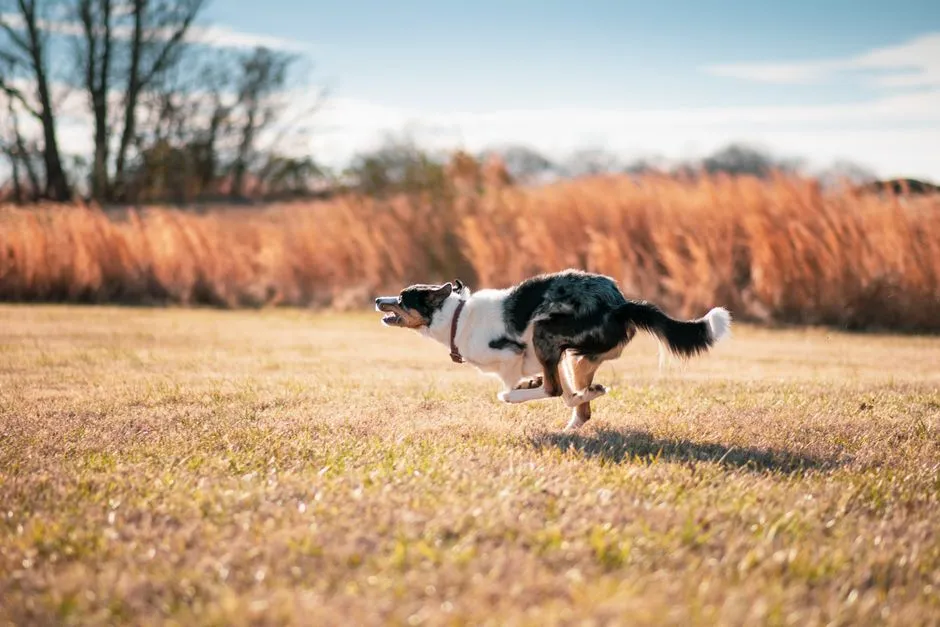
From a neurological perspective, zoomies are linked to the release of endorphins and dopamine, neurochemicals associated with pleasure and reward. After a bath, which many dogs find stressful due to water exposure, handling, and unfamiliar scents, the body may respond by releasing these feel-good chemicals once the perceived threat has passed.
This neurochemical shift can trigger an impulsive need to move, jump, and run, a physical manifestation of relief and renewed freedom. Think of it as the canine equivalent of exhaling after a dentist appointment. The body was braced, and now it suddenly doesn’t have to be.
Sensory Overload Plays a Real Role
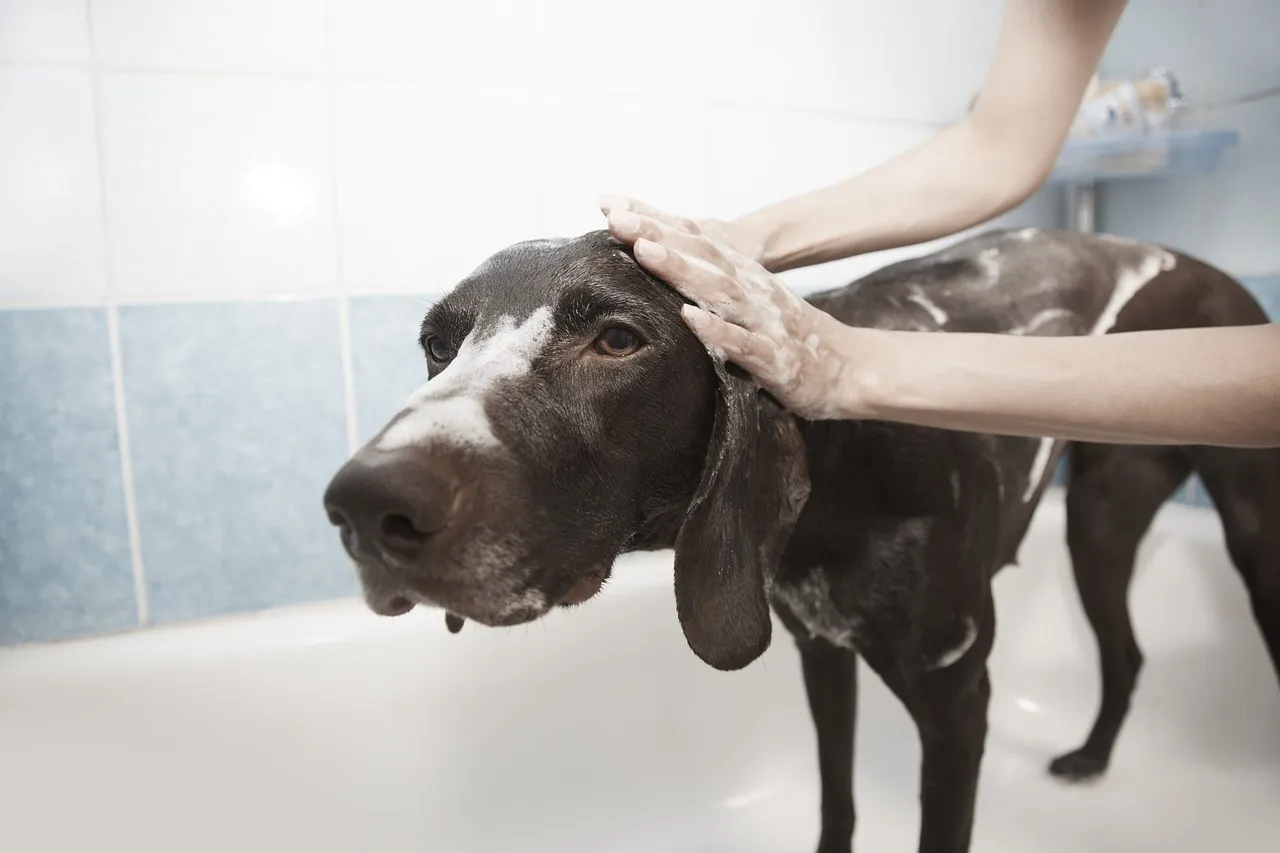
During a bath, dogs are exposed to a variety of sensory stimuli, from the sound of running water to the feel of shampoo on their fur. This sensory overload can be overwhelming, and once the bath is over, dogs may feel the need to expel this pent-up energy. The zoomies act as a physical outlet, allowing them to process and recover from the sensory experience.
Baths can be overwhelming for dogs due to the combination of different sensations, such as the feel of water, the smell of shampoo, and the sound of the hairdryer. For an animal wired to process smell above almost everything else, this is a genuinely disorienting cocktail of inputs arriving all at once.
Their Scent Identity Gets Erased
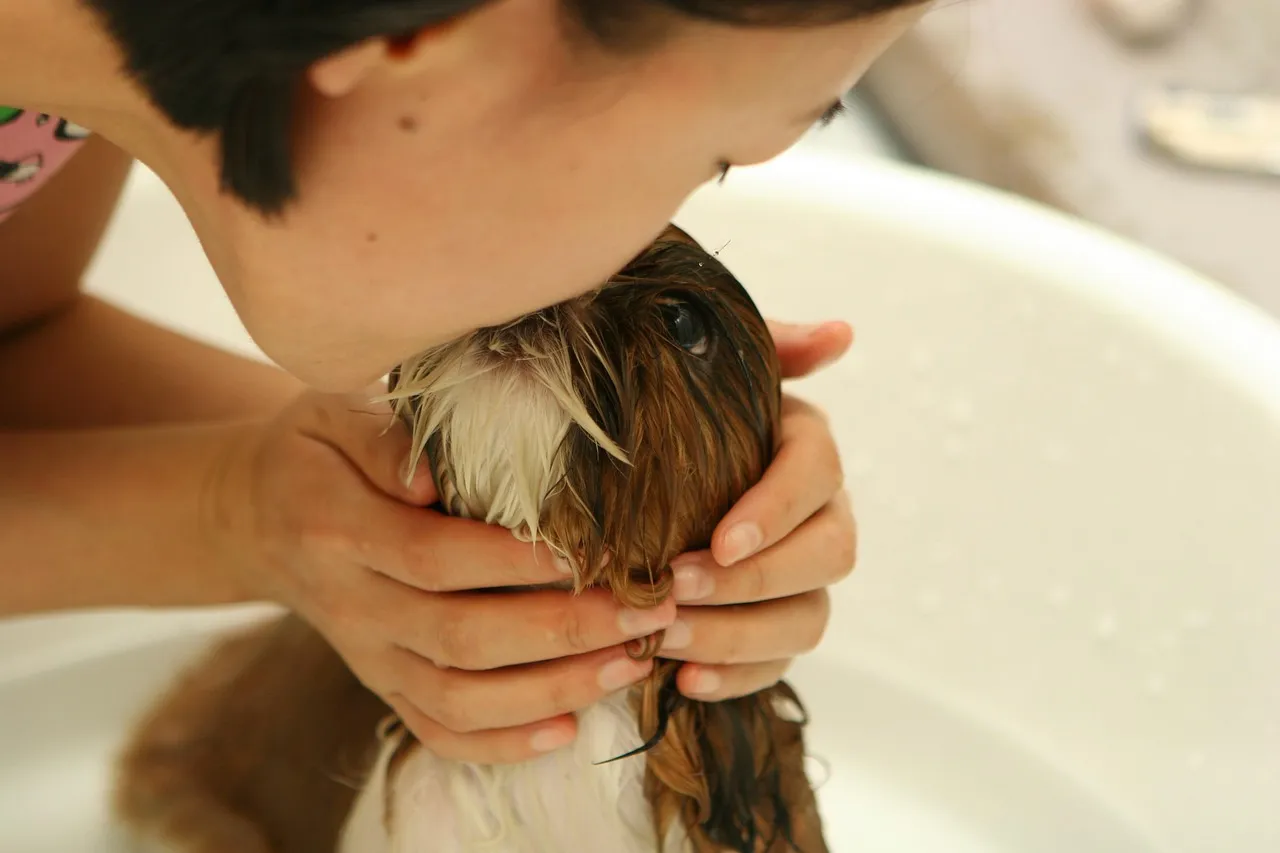
One of the biggest reasons a dog goes hyper after a bath is because their natural scent has changed. Dogs don’t just like how they smell. Their scent is how they identify themselves. This is more than vanity. For a dog, scent is their social signature, their sense of self in the world.
Shampoos, conditioners, and even clean water alter a dog’s natural scent profile. Since smell is central to canine identity and communication, this change can be disorienting. The zoomies, rolling on the carpet, and rubbing on the couch after a bath? Much of that is a dog trying urgently to smell like themselves again.
Ancient Instincts at Work
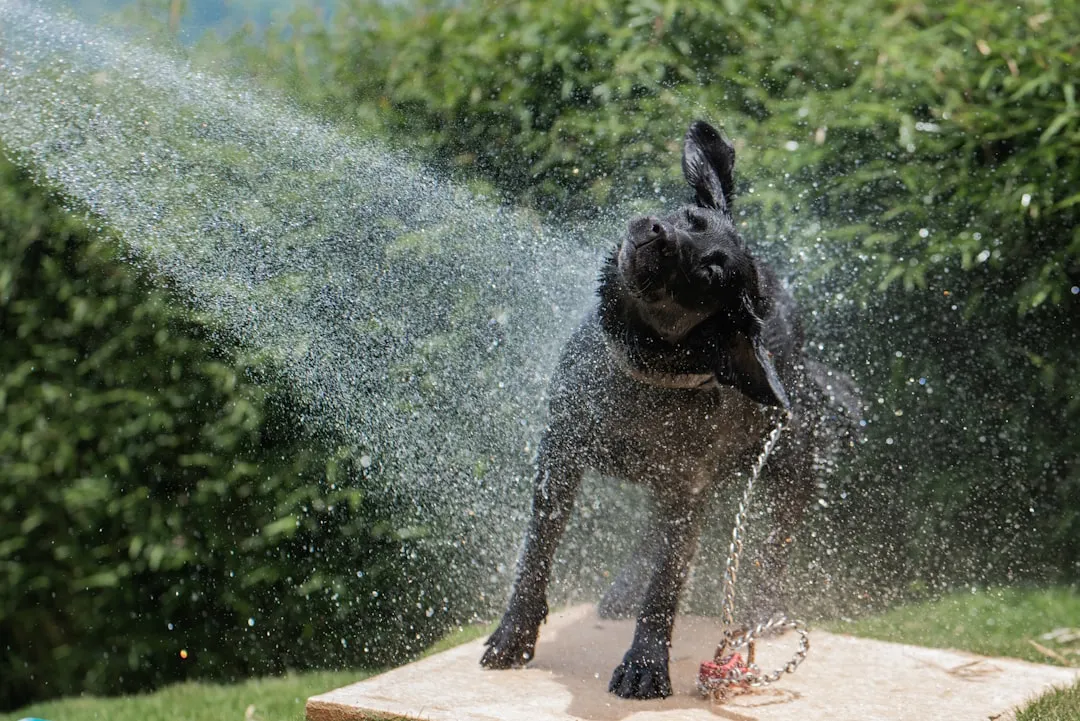
In the wild, animals often engage in vigorous movements to dry off or remove foreign substances from their fur. While domesticated dogs no longer need to rely on such behaviors for survival, the instinct to shake off water and debris remains. The zoomies could be a modern-day manifestation of this primal urge.
Dogs have a natural instinct to shake off water after getting wet. This behavior is rooted in their wild ancestors, who needed to dry off quickly to avoid hypothermia. The zoomies may be an extension of this instinct, as a dog tries to shake off the water and regain a sense of normalcy.
Age and Breed Make a Difference
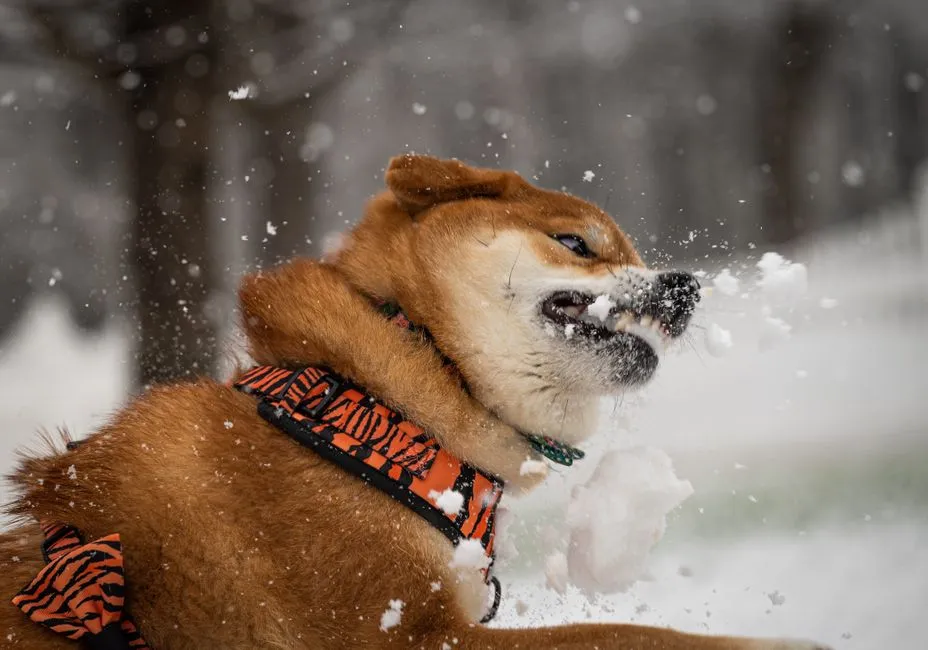
Zoomies are a fun and harmless way a dog expends excess energy, and puppies and young dogs get them more often than adult dogs. If your older dog barely bats an eye after a bath, that tracks perfectly with what vets observe across age groups.
Puppies and young dogs often get zoomies after a bath, but some dogs keep this playful habit even as they get older. A dog’s breed and personality play a big role, so some dogs may always enjoy their silly post-bath zoomies. High-energy working breeds tend to be especially prone to the full dramatic production.
When It’s Excitement Rather Than Stress
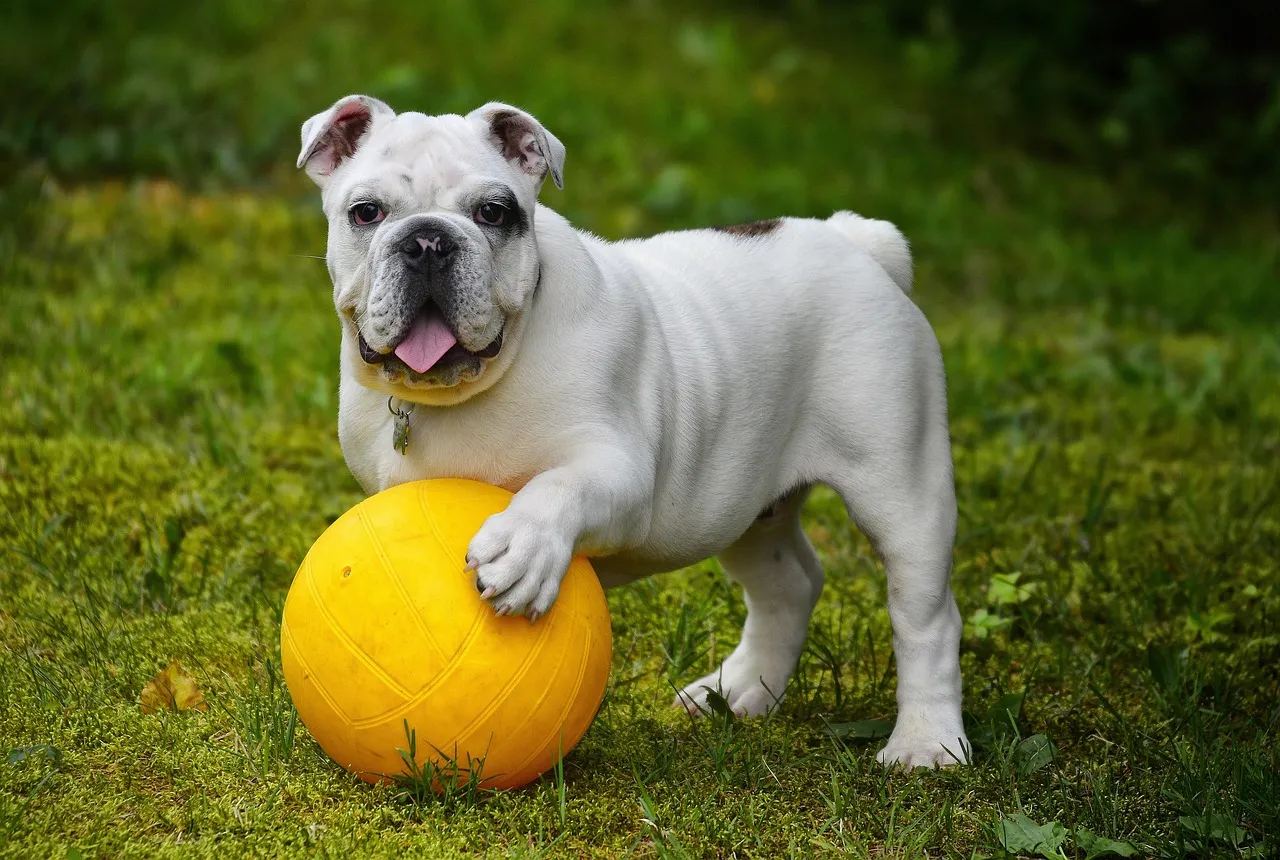
Some dogs simply find bath time to be an exciting and playful experience. After the bath, they may be filled with energy and excitement, leading to the zoomies as a way to express their joy. Not every dog dreads the tub. Some seem to genuinely enjoy the attention and the sensory input of the whole process.
The feeling of water evaporating from their fur or the sensation of being towel-dried can be stimulating, prompting a dog to move around energetically. If they associate bath time with positive experiences, such as treats or praise, they may feel excited and happy afterward, leading to a burst of energy. Whether it’s relief or joy, the physical outlet is the same.
Is It Safe to Let Them Zoom?
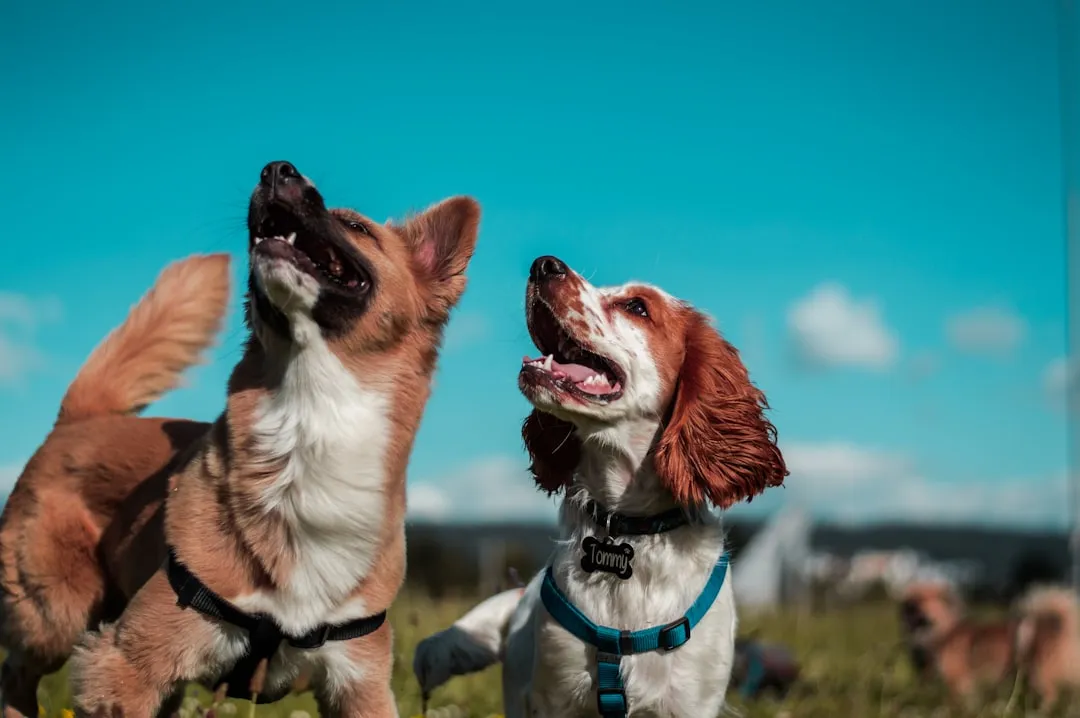
Ethologist Marc Bekoff has suggested that dogs should be allowed to freely engage in FRAPs as long as the dog is in a safe area and will not harm others or themselves. The main practical concern is slippery floors, sharp furniture corners, and other dogs or small children in the path of a very fast, very wet animal.
However, if a dog’s zoomies are accompanied by signs of distress, such as excessive panting, trembling, or aggression, it may be worth consulting a veterinarian. These symptoms could indicate underlying issues, such as anxiety or discomfort. Normal post-bath zoomies should look energetic and loose, not frantic or fearful.
What Triggers Them Beyond the Bath
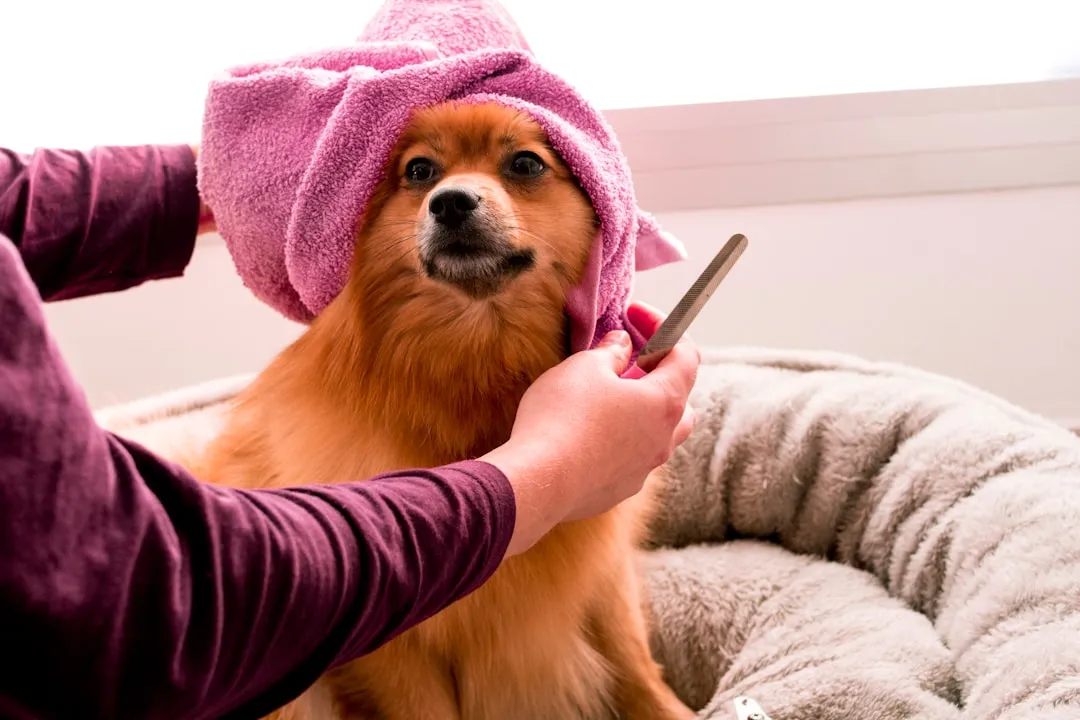
Some veterinary experts have noticed that FRAPs are often associated with times of transition, such as the return of an owner. The bath is just one of several transition moments in a dog’s day that can flip the switch. Coming out of a crate, finishing a walk, mealtime approaching, all of these can do it.
FRAPs may appear random, but a few triggers are common for dogs. When an owner lets a dog out of its crate, the pup may zoom around to let out energy it built up throughout the day. Similarly, an owner coming home after work can trigger a dog to run around in a brief stint of exercise after an hours-long nap. Another frequent time for FRAPs is after a bath, possibly to release nervous energy or excitement from getting bathed.
The Takeaway
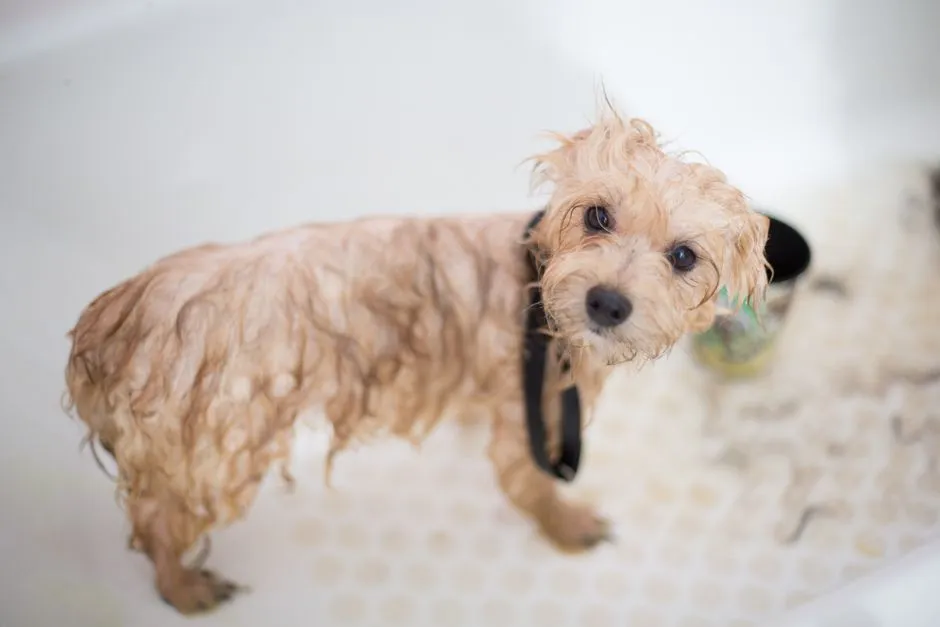
Post-bath zoomies are not random chaos. They’re a predictable, well-documented response to a combination of stress relief, neurochemical release, sensory overload, instinctual drying behavior, and a deep-seated need to smell like themselves again. The behavior has been observed across species and studied by animal behaviorists for years, and the consensus is clear: it’s normal, it’s healthy, and it’s worth letting happen safely.
The next time your dog bolts from the bathroom like their life depends on it, leaving a trail of wet paw prints across the floor, you can watch with a little more appreciation. They’re not being ridiculous. They’re just being a dog, doing exactly what dogs have done for thousands of years the moment the water stops.
AI Disclaimer: This article was created with the assistance of AI tools and reviewed by a human editor.