
Walk into any serious gardener’s shed and there’s a decent chance you’ll find a well-thumbed planting calendar wedged between the seed packets and the gardening gloves. For casual observers, that might look like harmless tradition, maybe a bit of folklore dressed up as method. The reality, though, is considerably more interesting.
Planting calendars sit at a crossroads between ancient agricultural practice, plant biology, and a genuinely unresolved scientific debate. Whether you follow the Farmers’ Almanac, a biodynamic guide, or your local university extension calendar, the underlying principle is the same: timing matters. The question worth asking is why.
Plants Have Their Own Internal Clocks
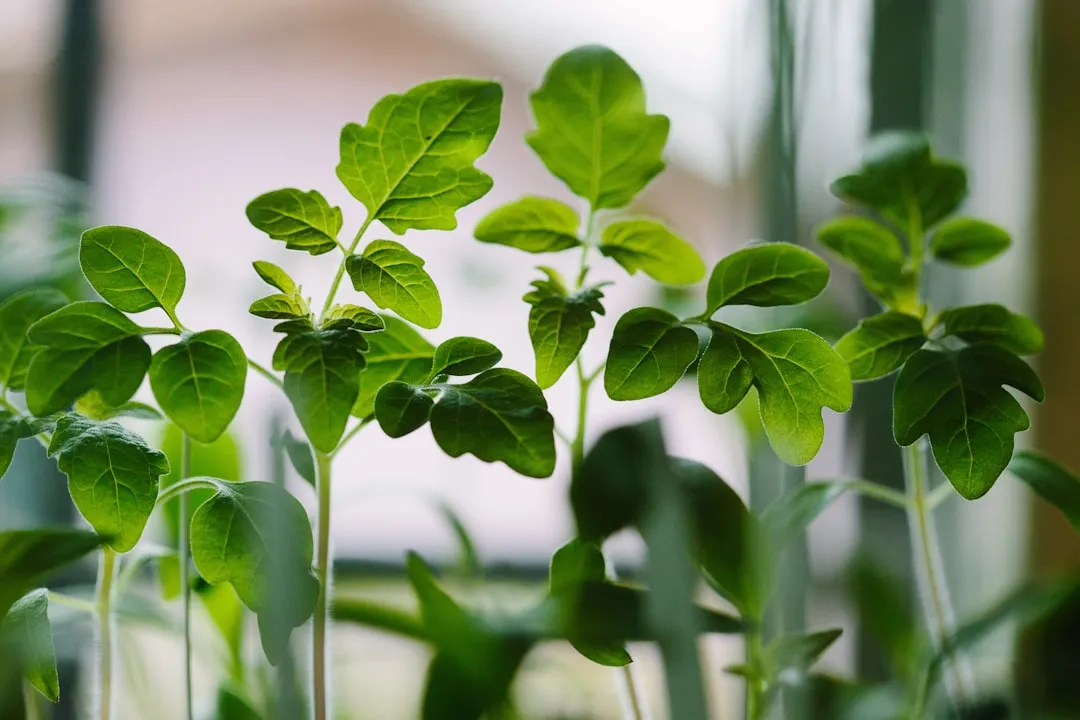
Before getting into lunar cycles or frost dates, it helps to start with what botanists now understand about plants themselves. Biological activities that cycle in approximately twenty-four-hour intervals are called circadian rhythms, and they allow plants to anticipate environmental cycles and coordinate their activities with them. This is not a metaphor. Plants possess a genuine molecular timekeeping system.
Circadian rhythms are not simply responses to changing external conditions, as they continue even when a plant is placed under constant conditions, indicating that they are controlled by endogenous, or internal, timing mechanisms collectively referred to as the biological clock. Plant circadian rhythms include cycles in gene regulation, enzyme activity, leaf movements, flower opening, and stomatal opening. These are not small effects. They are foundational to how a plant grows at all.
Photoperiodism: Why Day Length Changes Everything
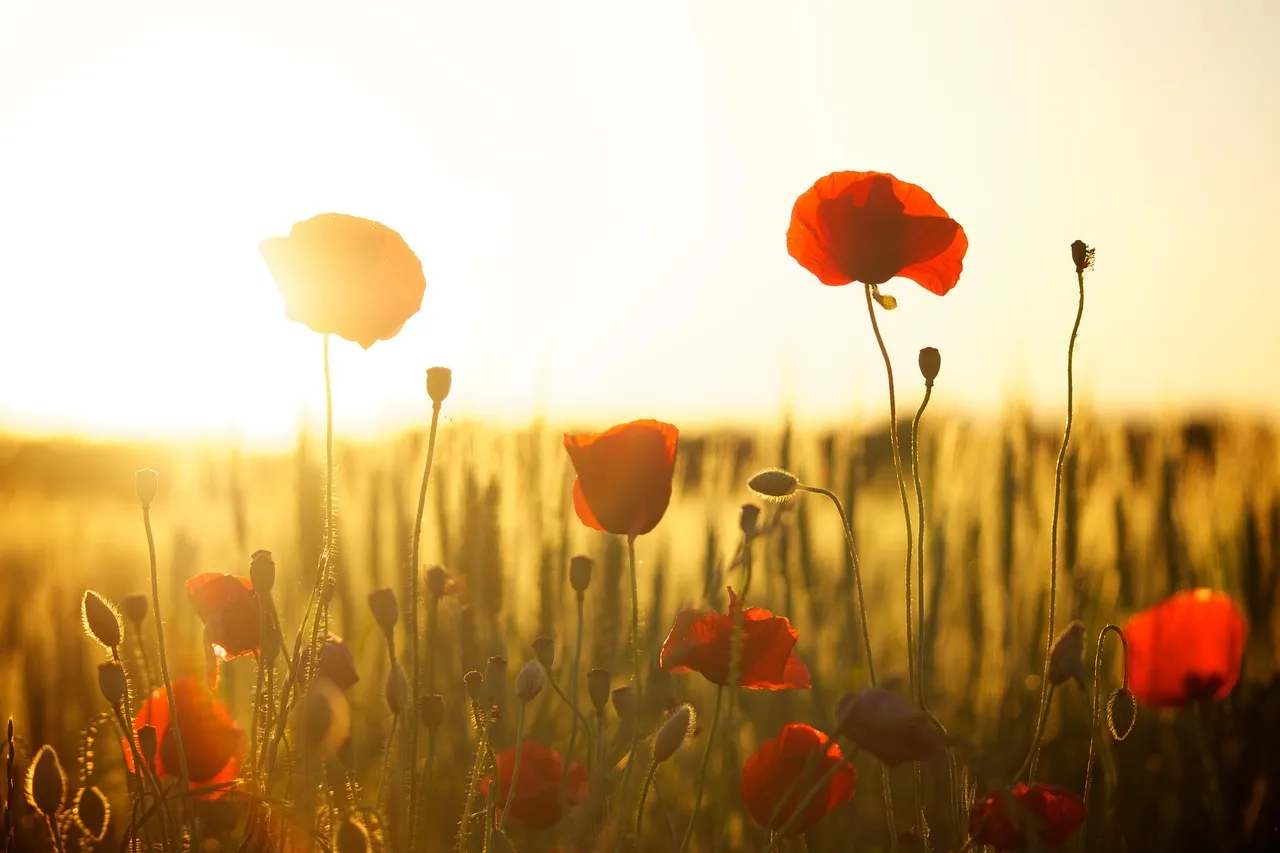
Plants use photoperiod, meaning day length, as a seasonal cue for timing when to flower, and this ability, known as photoperiodism, also underlies phenomena such as migration, seasonal reproduction, and hibernation in animals. For a gardener, this is one of the most practically useful pieces of botanical knowledge there is.
Plants rely on internal biological clocks to coordinate their growth and development with daily and seasonal changes in light, known as the photoperiod. Changes in photoperiod affect not only basic plant processes such as photosynthesis and metabolism, but also important developmental events like flowering, tuber formation, and growth. A planting calendar that accounts for day length is, in effect, working with this biological reality rather than against it.
The Ancient Roots of Calendar-Based Gardening
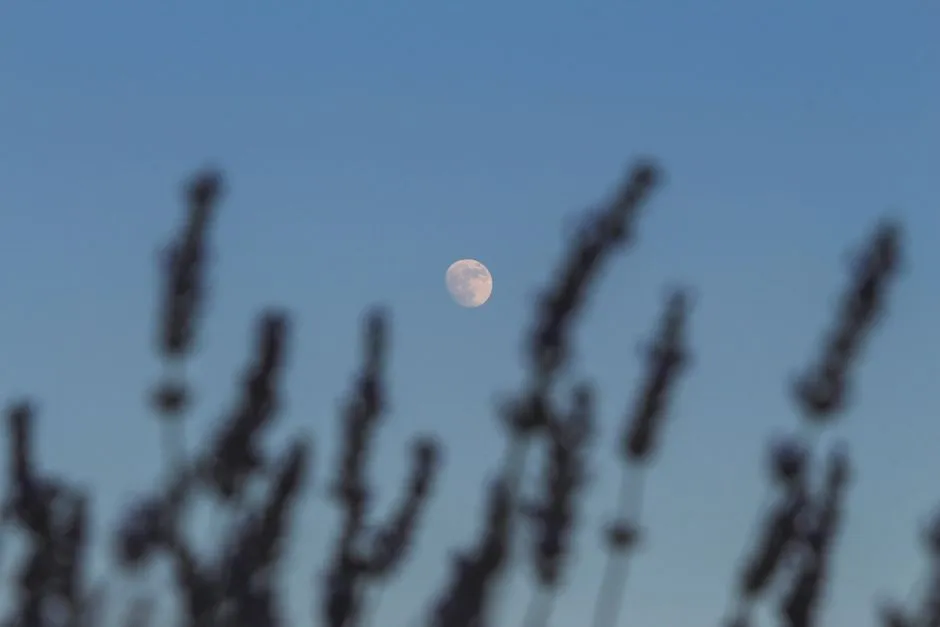
The concept of planting by the moon’s phases dates back thousands of years and can be traced to various cultures across the world, such as the ancient Egyptians and Babylonians, who were among the first to record the moon’s influence on plant growth. Evidence supports that lunar gardening was also practised by traditional Chinese, old European traditions, and Native North American cultures.
The lunar calendars were vital for planning agricultural activities and were believed to have an influence on crop growth depending on when planting, weeding, and harvesting began and ended. Long before any formal botany existed, farmers understood that sowing at the wrong time of year led to poor harvests. The calendar, in whatever form, was the tool that kept those observations organized across generations.
The Gravitational Argument: Water Movement in Soil and Plants
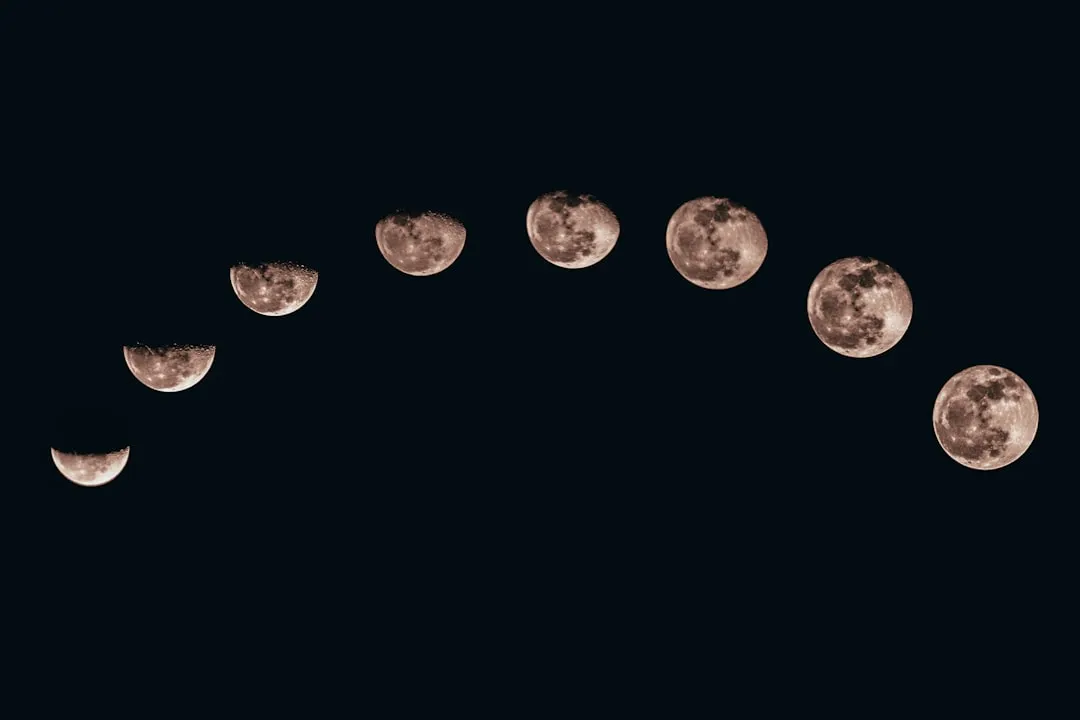
The moon’s gravitational pull creates tides in oceans, and it was believed that this same force could affect the moisture content in soil and the sap within plants. If the gravitational pull influences the movement of water in soil, it could also affect how well plants absorb water and nutrients. This reasoning has a surface plausibility, and it’s the one gardeners most often cite.
This theory suggests that seeds absorb the most water during the New and Full Moon phases, when gravitational forces are strongest, and because water is essential for seed swelling, cracking, and sprouting, these phases are considered especially favorable. The moon definitely affects ocean tides, and it also affects everything else on earth, but the effect on most things is so small we often can’t see it and in many cases can’t even measure it. The scientific community remains cautious, but the theoretical basis isn’t entirely without foundation.
What the Research Actually Shows
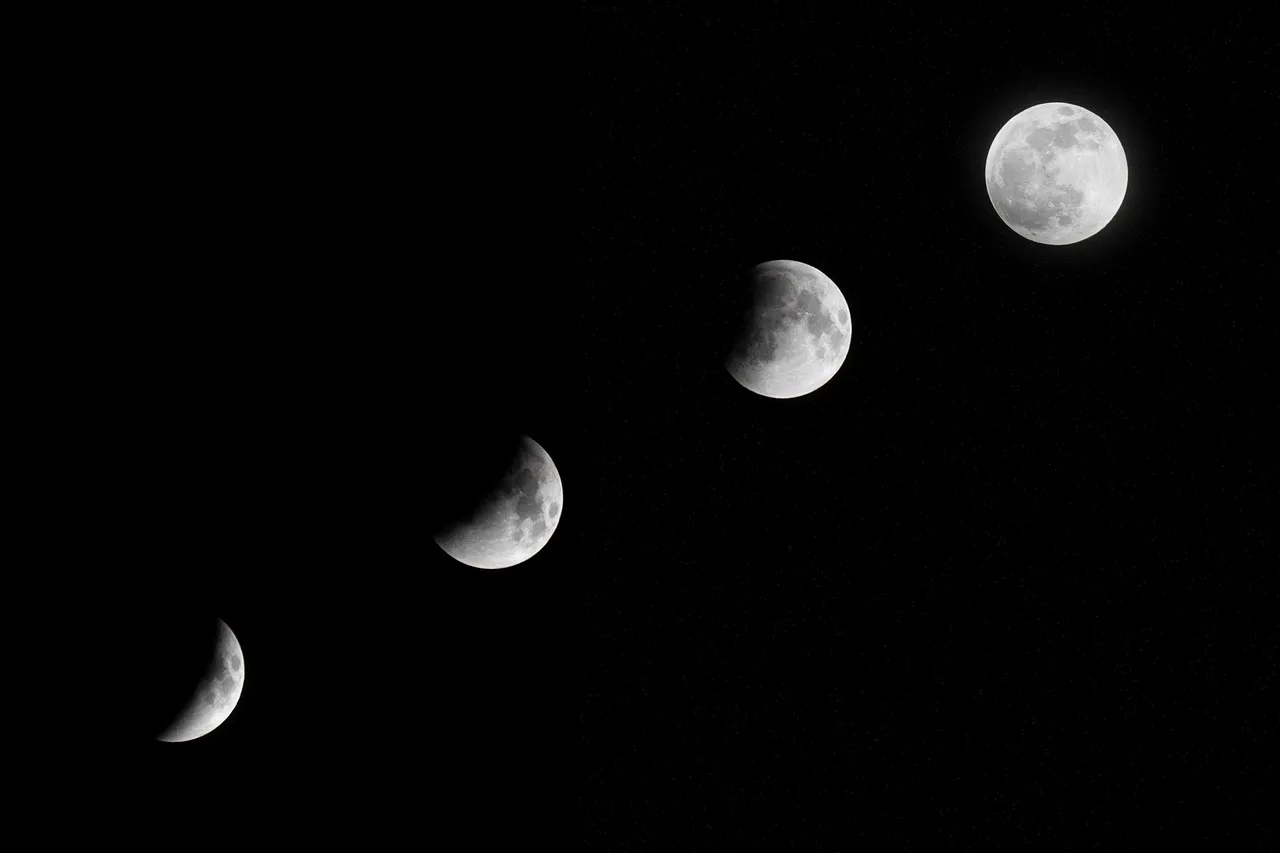
One scientific analysis concluded that there is no reliable, science-based evidence for any relationship between lunar phases and plant physiology in plant science textbooks or peer-reviewed journal articles justifying agricultural practices conditioned by the Moon, and that evidence from the field of physics does not support a causal relationship between lunar forces and plant responses. That’s a fairly direct finding, and serious gardeners deserve to know it.
Scientific research on this topic is limited, and there is no widely accepted scientific consensus that the moon’s phases significantly impact plant growth. Still, there is some evidence that the moon phases might have a small impact on plant growth, though other studies say it’s folklore. The scientific picture is genuinely mixed rather than settled in either direction.
Maria Thun and the Biodynamic Planting Calendar
Maria Thun continued experimenting with sowing during the 1950s with almost all types of crops to see whether the movement of the moon had the same effect on all crops, and from her observations she divided the passage of the moon through the zodiac into four categories: root days, leaf days, fruit days, and flower days, each indicating which type of plant is best sown on each specific day.
Over 40 years of ongoing research by Maria and Matthias Thun and others into the influences of the moon, planets, and constellations on plant growth resulted in the publication of an annual astronomic calendar, the Maria Thun Biodynamic Calendar, used by biodynamic farmers, growers, and gardeners to determine auspicious sowing, planting, cultivating, and harvesting times of crops. The calendar has since been translated into 27 languages. That’s a remarkable reach for a practice that mainstream science still views with skepticism.
Biodynamic Farming and Measurable Crop Results
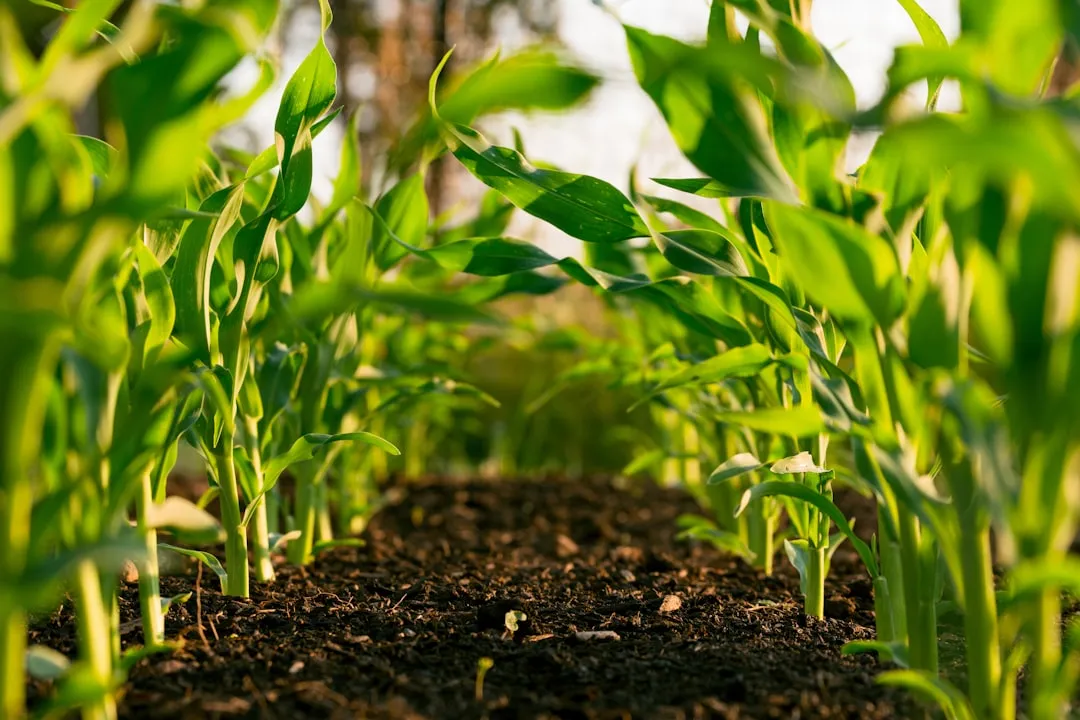
Biodynamic farming has been reported to increase mean yield of potato by roughly ten percent, carrot by up to about a quarter, cabbage by up to more than a quarter, and French bean by roughly a quarter under irrigated and rain-fed conditions. These figures come from agricultural research comparing biodynamic methods to conventional ones, though it’s worth noting that biodynamics involves far more than just calendar timing.
Biodynamic agriculture focuses on ensuring self-sustainability of the soil by using special manures and herbal preparations to enhance soil health, integrating plants and animals, and encouraging biodiversity. Yield values of both biodynamic and organic farming systems were higher than that of the traditional farming system in comparative studies. Whether the calendar itself drives those gains, or the broader set of practices does, is difficult to isolate cleanly.
The Practical Case for Seasonal Planting Calendars
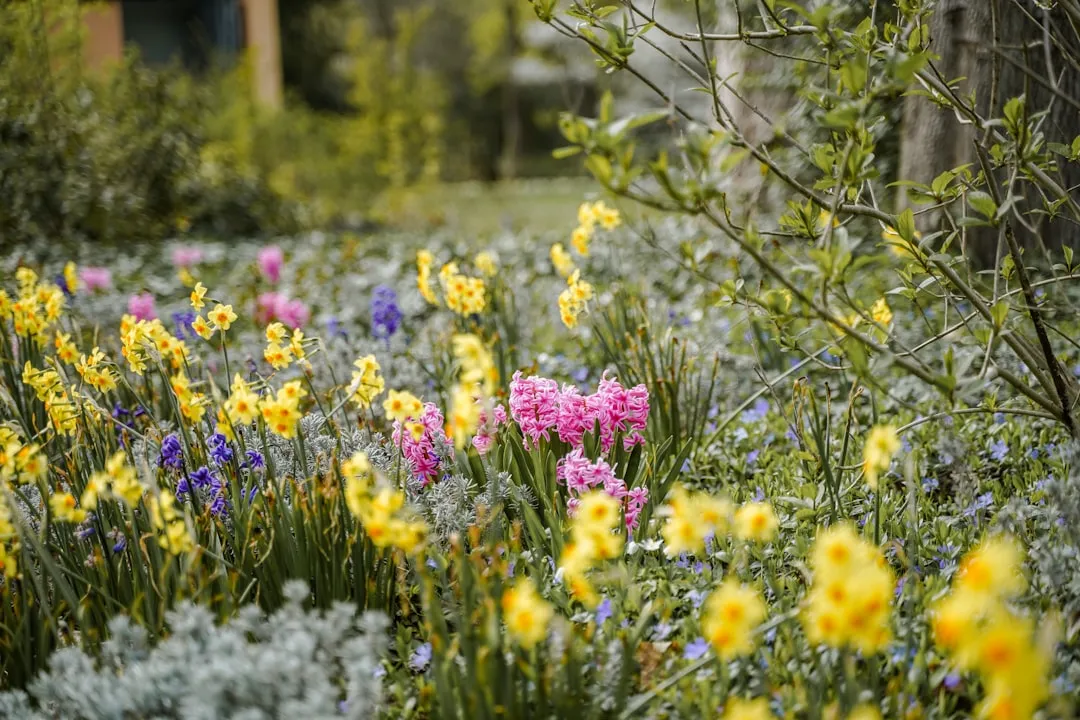
Separate from the lunar debate, one kind of planting calendar has near-universal scientific backing: the seasonal kind. There are vegetables that can be planted once the soil reaches 40 degrees Fahrenheit, and knowing exactly when local soil conditions hit that threshold is the kind of practical intelligence that a good regional planting calendar delivers.
Plant growth is widely influenced by a range of factors including genetic makeup, adaptations, soil quality, temperature, humidity, sunlight, fertilisation, and water availability, and these environmental factors have a more reliable and substantial scientific impact on plant behaviour than can be predicted through lunar phases. A calendar that tracks frost dates, soil temperatures, and seasonal light conditions is essentially a tool for working with confirmed plant biology. That much is beyond dispute.
The Attention Effect: A Hidden Benefit Worth Considering
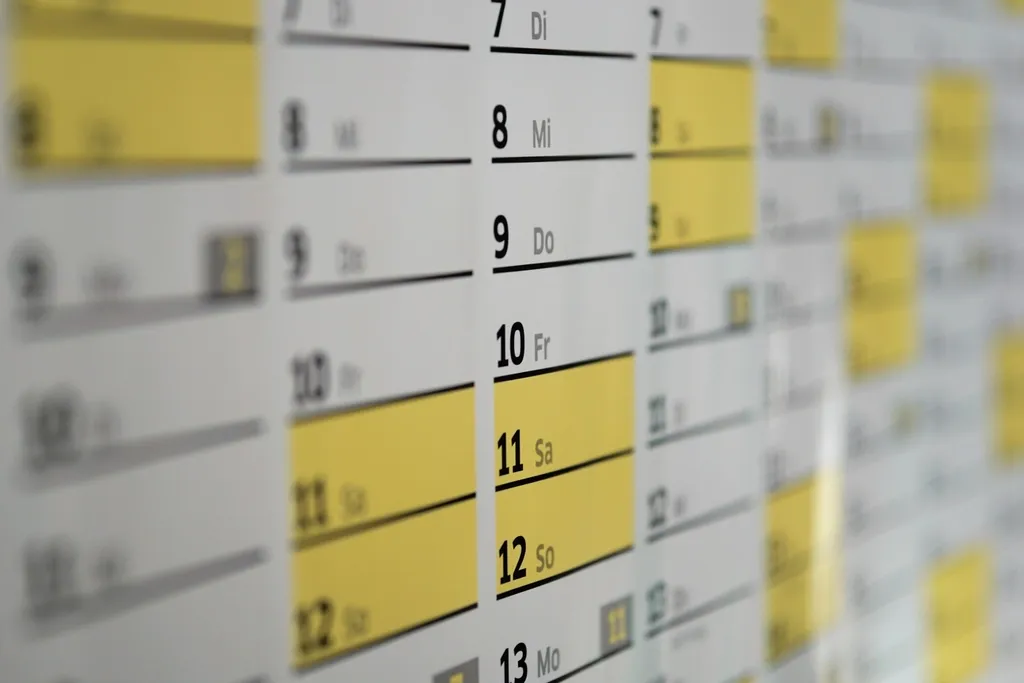
Some researchers have concluded that lunar gardening benefits for home gardens may stem from optimized timing rather than mystical lunar properties. There’s something genuinely plausible in that framing. A gardener consulting a calendar regularly is a gardener who is paying closer attention to their plants.
While scientific evidence is mixed, the practice encourages regular garden attention and planning, which alone improves results. That’s an honest and practical observation. The calendar may function partly as a system of structured engagement, prompting gardeners to observe their plots more carefully, more often, and with more intentionality than they otherwise would.
The Ongoing Science: What’s Still Being Explored
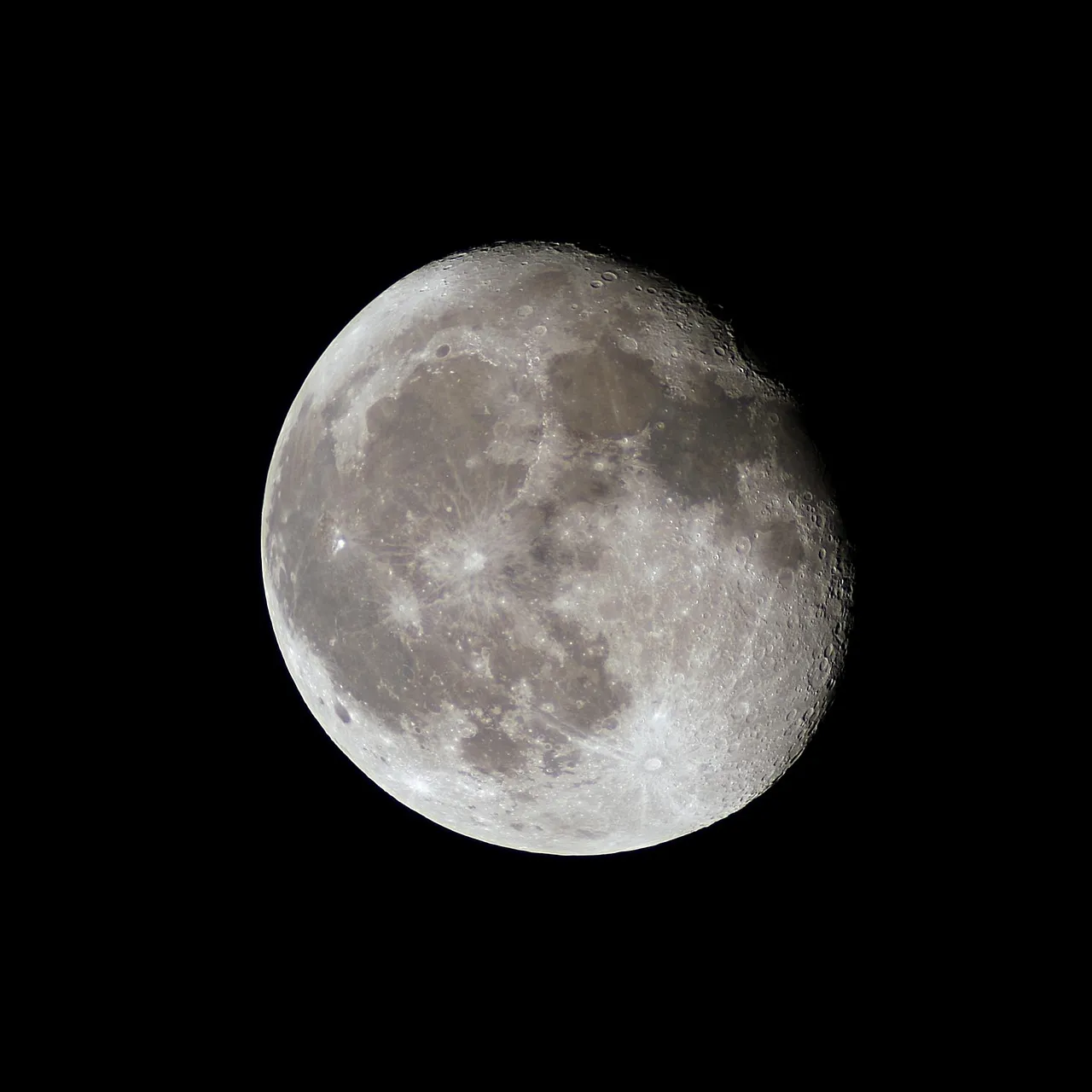
The botanical science of timing is still developing. Plants, like animals, have biological rhythms that respond to environmental cues, and some studies suggest that lunar cycles may affect these rhythms, influencing germination, growth, and flowering. That possibility, while not confirmed, is being taken seriously in pockets of the research community.
While the ancients revered the moon, modern science for a long time overlooked its potential relevance in agriculture, and lunar farming has frequently been regarded as a mere myth rather than a method substantiated by contemporary scientific rigor. A 2025 review published in ScienceDirect revisited the subject under the title “Plants and the Moonlight: A Controversial Subject Revisited,” suggesting that researchers are at least willing to reopen the question. It remains a science that is both ancient and in its infancy, with many questions still to be explored experimentally.
What This Means for Gardeners Today
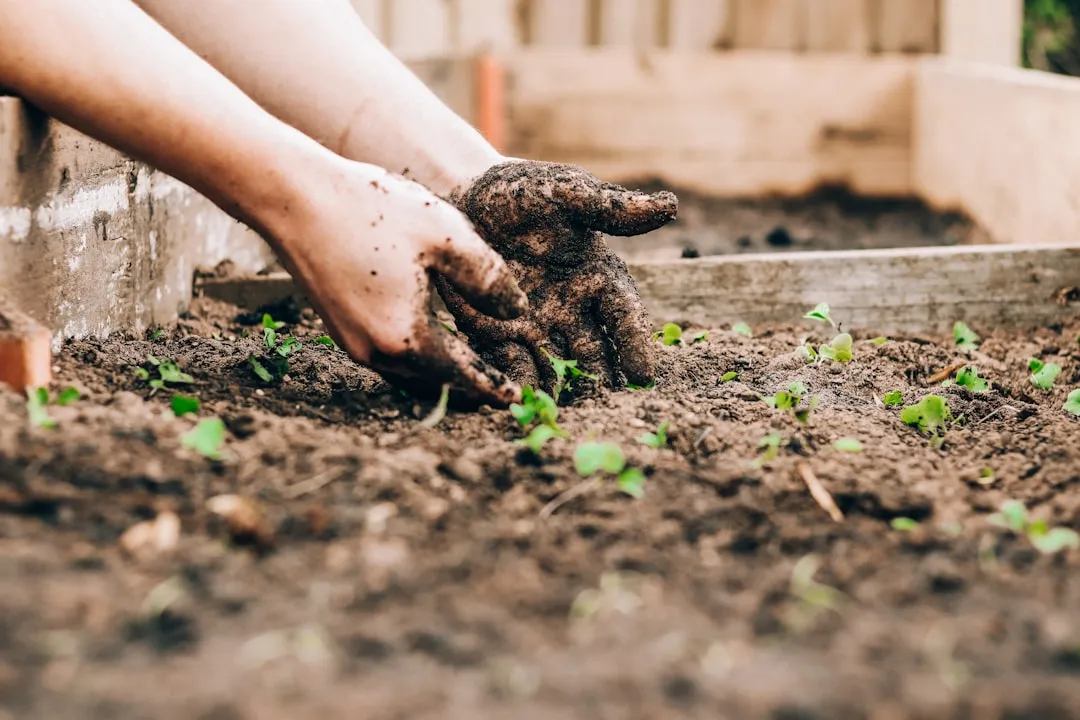
The honest answer is that planting calendars contain at least two quite different things: scientifically grounded guidance on soil temperature, frost dates, and seasonal light, and a separate tradition of lunar timing whose benefits remain genuinely uncertain. Both can be useful, but for different reasons and with different levels of confidence behind them.
The underlying botanical reality, that plants operate by internal clocks, respond deeply to photoperiod, and are exquisitely sensitive to the timing of their environment, gives the broad principle of calendar-based gardening a firm foundation even when specific claims remain contested. Whether it’s the lunar phase or the frost date you’re watching, the core insight is the same: in gardening, timing is not incidental. It’s structural.
AI Disclaimer: This article was created with the assistance of AI tools and reviewed by a human editor.