

Deep in the tropical savannas and forests of Central and South America, something scarlet is pushing through the soil. It has no leaves, no stem visible to the eye, and no green tissue of any kind. What appears at the surface is just a tight cluster of vivid red flowers erupting from the earth, as if conjured from nothing.
This is Langsdorffia hypogaea, a plant so unusual that scientists who study parasites professionally have used the word “vampire” without a hint of irony. Its story is one of biological extremism, ecological mystery, and a flowering event so rare that even specialists have never witnessed it in person.
A Plant That Steals to Live
The four distinct Langsdorffia species are holoparasitic plants, meaning they don’t photosynthesize themselves. Instead of producing food through sunlight, Langsdorffia’s underground rope sucks all its nutrition from the roots of other plants, including figs and mimosas.
All parasitic plants develop a specialized organ called the haustorium, which penetrates the host plant, connecting them to the host’s vascular system, either the xylem, phloem, or both. In Langsdorffia’s case, this connection is its entire existence. There is no secondary strategy, no fallback.
These supreme grifters of the plant kingdom send up showy flowers but don’t bother with even a single green leaf. Instead, they just sneak around underground and steal all their food. It’s an evolutionary gamble that has paid off for millions of years.
Why Scientists Call It a Vampire
To parasitic-plant specialist Chris Thorogood, these are simply “vampire plants,” and he adds that they “absolutely look to me like deep-sea creatures.” Thorogood works at the University of Oxford Botanic Garden and Arboretum, one of the world’s foremost institutions for botanical research.
The burrowing freeloaders “challenge our notion of what plants even do,” Thorogood says. It’s a fair point. Most people’s mental image of a plant involves leaves, sunlight, and photosynthesis. Langsdorffia breaks every one of those assumptions.
In published research, Thorogood and his colleague Santos note that the reason L. hypogaea remains so mysterious is its rarity. The scientists even say that the research community knows “virtually nothing” about the reproductive biology of the plant’s genus. That is a striking admission for a flowering plant in the modern era of botanical science.
What It Actually Looks Like
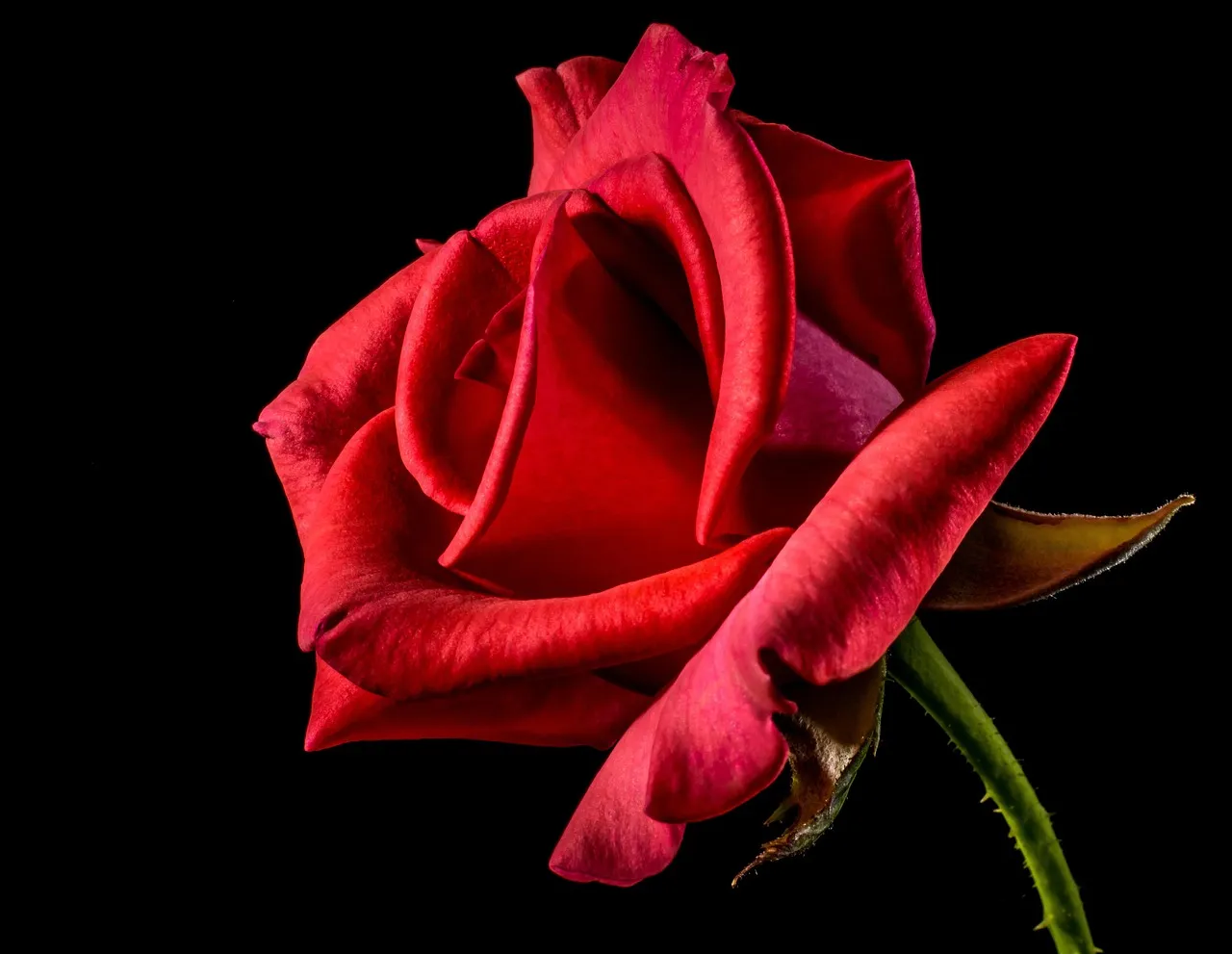
Langsdorffia flowers are intricate, screaming red showpieces, which is the total opposite of the unshowy rest of the plant. It has no leaves. The contrast between the elaborate bloom and the stripped-down underground body is one of the most dramatic in the plant kingdom.
Unlike many flowers from apples to zinnias that sport both male and female parts, an individual L. hypogea plant is either all male or all female. Each of its knobby blooms bursts from the soil as skirted masses of tiny same-sex nubbins.
It forms a pseudotuber composed of tissue of the host integrated with its own tissue that can be up to one square meter in size. The Langsdorffia flower clusters emerge from the soil out of these tubers. Above ground, what you see is spectacular. Below ground, it is a slow, parasitic sprawl.
Where It Lives and Who Hosts It
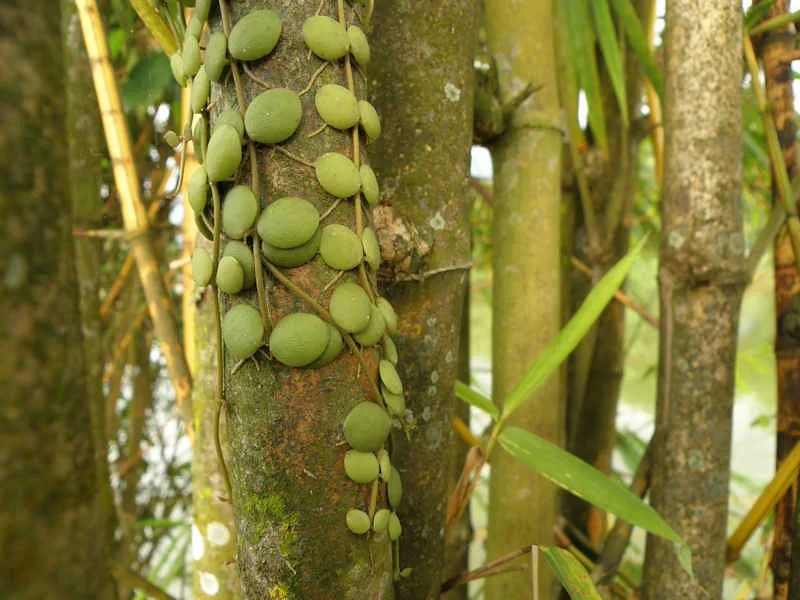
Langsdorffia lives in forests and savannas in Central and South America, Madagascar, and Papua New Guinea, and produces bright red flowers that mark their feasting ground. Its range is wide in theory, but sightings are genuinely rare in practice.
Langsdorffia hypogaea is a parasitic plant in the family Balanophoraceae which parasitizes oaks among others, and is native from southern Mexico through Central America to northern South America. The species has a clear preference for established forest ecosystems with deep root networks.
The flowers of L. hypogea are found in Central and South America, including Brazil’s savanna, the cerrado, where they bloom during the dry season, erupting in loud reds from a thin carpet of other plants’ dead, brown leaves. There is something counterintuitive about a water-dependent parasite appearing right when the landscape looks most lifeless.
The Role of Rain in a Dry-Season Bloom
The timing of Langsdorffia’s flowering during the dry season raises a fascinating question: what does water actually have to do with it? The answer lies underground, where the plant has spent months accumulating stolen nutrients, waiting for the right cue. Heavy rainfall that precedes the dry season is believed to prime the host plant’s root system, indirectly fueling the parasite’s bloom.
Research on related holoparasitic plants supports this indirect link. Studies on Rafflesia cantleyi found that fewer flowers bloomed when preceding months received lower-than-average monthly rainfall, while more flowers bloomed when preceding months received higher-than-average monthly rainfall during the Northeast monsoon, though the pattern was inconsistent throughout the study periods.
There is a relationship between the number of flowering incidents and environmental factors such as rainfall, temperature, and length of irradiation, with optimum rainfall conditions supporting the flowering process. For holoparasites like Langsdorffia, those conditions work through the host rather than directly through the plant itself.
A Year of Unprecedented Rainfall Sets the Stage
The backdrop to any discussion of unusual plant behavior in the mid-2020s is the sheer volume of water that has fallen across the tropics in recent years. 2024 was one of the wettest years on record, witnessing record-breaking extreme precipitation events across the globe, several of which were compound events.
Extreme rainfalls were unprecedented in arid regions and parts of the Global South, with severe monsoon rains and rapidly intensifying tropical cyclones causing severe casualties and economic losses. The regions where Langsdorffia lives were not exempt from these conditions.
Compound events were commonplace, with extreme rainfall following droughts or successive storm events, leading to flooding and cascading impacts. For forest parasites tightly linked to host root health, these pulses of moisture could represent exactly the kind of environmental trigger that pushes a rare bloom into action.
The Blooming Event Itself
Blooming is an extraordinary event for Langsdorffia, and shows that even for a thief stripped to essentials, elaborate floral sex is apparently still worth the effort. Some observers have suggested it may happen only once in each Langsdorffia lifetime. That would make every documented bloom a once-in-a-lifetime occurrence, literally.
To attract vital pollinators, males ooze nectar among the nubbins. Females release it from their skirt and in a sweet zone at the base of the main bouquet, creating a banquet in a parched season. Ants, beetles, cockroaches, and even birds such as white-naped jays gather to feast.
Researchers Thorogood and Santos observed more than 250 different species visit L. hypogaea during their study, as it attracted a diverse guild of floral visitors with its nectar. That diverse guild included beetles, birds, ants, and even foraging primates. For a plant with no leaves and no independent food source, it manages to command remarkable ecological attention when it does appear.
Why Almost No Botanist Has Ever Seen One
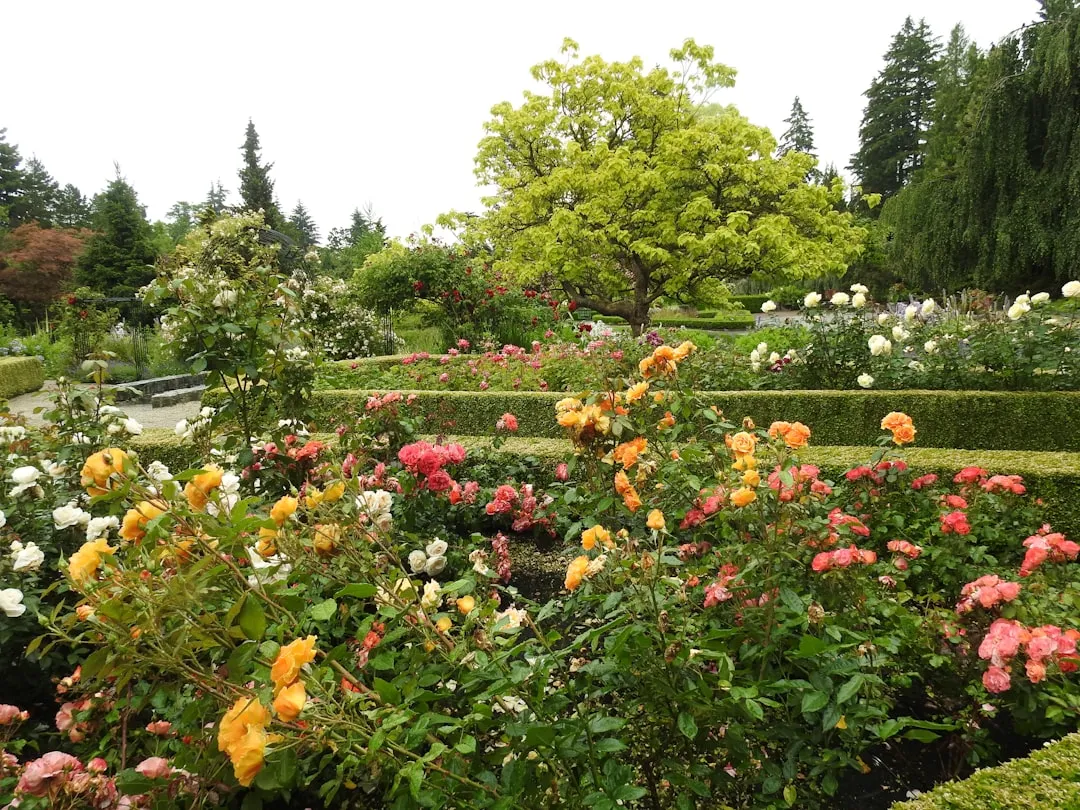
Spotting such marvels requires finding just the right wild spot. Neither Oxford nor any other botanic garden grows them. And even Thorogood has never seen a live one, he lamented in the published Langsdorffia profile. That says something about how genuinely elusive this organism is.
The pair of scientists say that botanical gardens should consider cultivating L. hypogaea due to the plant’s rarity. Habitat destruction also threatens the entire Langsdorffia genus. Cultivating a plant that cannot photosynthesize and requires a specific living host root system is, to say the least, a significant horticultural challenge.
The researchers suggest the biology of the plant is so unique that it challenges the notion of plants and what they are. They conclude by suggesting Langsdorffia is unlike any other plant in existence, and because so very little is known about it, more work is required. That conclusion has not changed much since it was published.
Conservation Pressures on Holoparasites
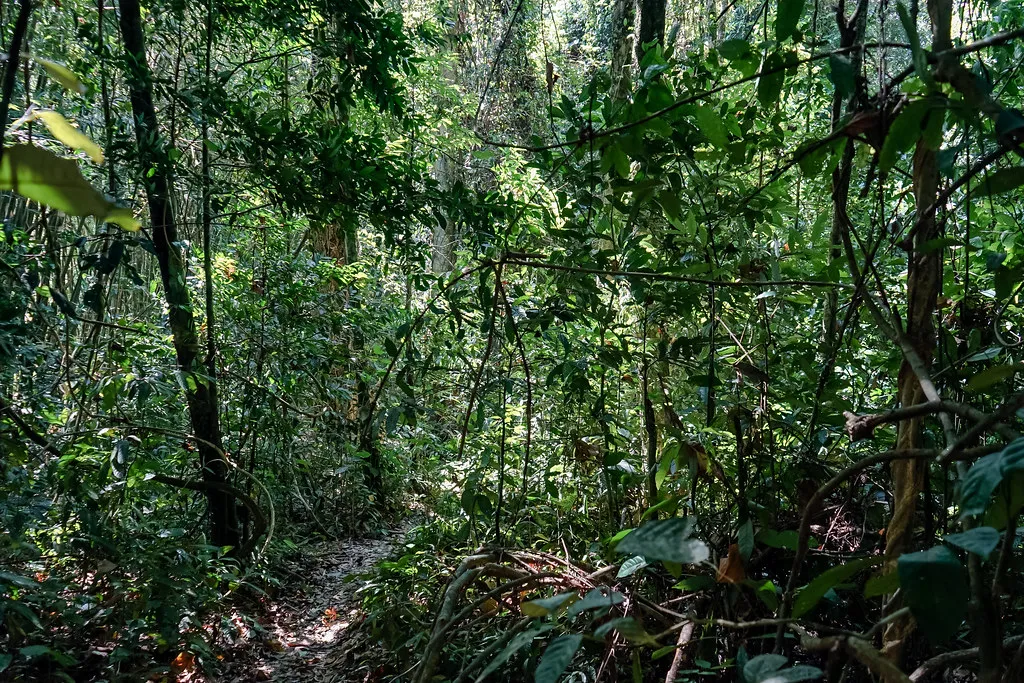
The occurrence of parasites, which are highly specialized species, is determined by climate and also by their hosts. Consequently, holoparasites in natural and seminatural habitats are often rare and endangered. Langsdorffia occupies a double vulnerability: it depends entirely on its host, and its host depends entirely on its forest.
Global warming affects the distribution of parasitic plants and their hosts by altering temperature and precipitation and changing local abiotic conditions. As those conditions shift, the narrow windows in which Langsdorffia can bloom may become narrower still, or unpredictably wider in some regions and closed in others.
The broader picture for parasitic plants in tropical ecosystems is not encouraging. Scientists say many members of related genera face serious conservation threats, with a major assessment in 2023 reporting that all 42 known species of Rafflesia are affected by habitat loss, with many falling under endangered or critically endangered categories on the IUCN scale. Langsdorffia shares that forest dependence, and shares that risk.
What Comes Next for Research
About 4,500 species of parasitic plants in approximately 20 families of flowering plants are known. Yet Langsdorffia remains among the least studied of them, partly because of where it grows and partly because it offers researchers so few opportunities for observation.
Of the nearly 5,000 known parasitic plant species, holoparasites account for about ten percent. Within that already specialized group, fully rootless, leafless, flowerbed-erupting organisms like Langsdorffia represent an extreme that plant science has barely begun to document properly.
Langsdorffia, like other parasitic plants, is poorly represented in botanic garden collections, and should be a candidate for further research and conservation focus, as researchers Thorogood and Santos noted in their Plants, People, Planet paper. The argument has been made. The follow-through, for now, remains limited by the sheer difficulty of working with a plant that refuses to exist anywhere humans can easily observe it.
A Flower Worth Finding
There is something quietly extraordinary about a plant that has stripped away everything considered essential to plant life and still manages to produce one of the most visually striking flowers in its ecosystem. No leaves, no sunlight, no independence. Just deep underground theft, and then briefly, an eruption of red.
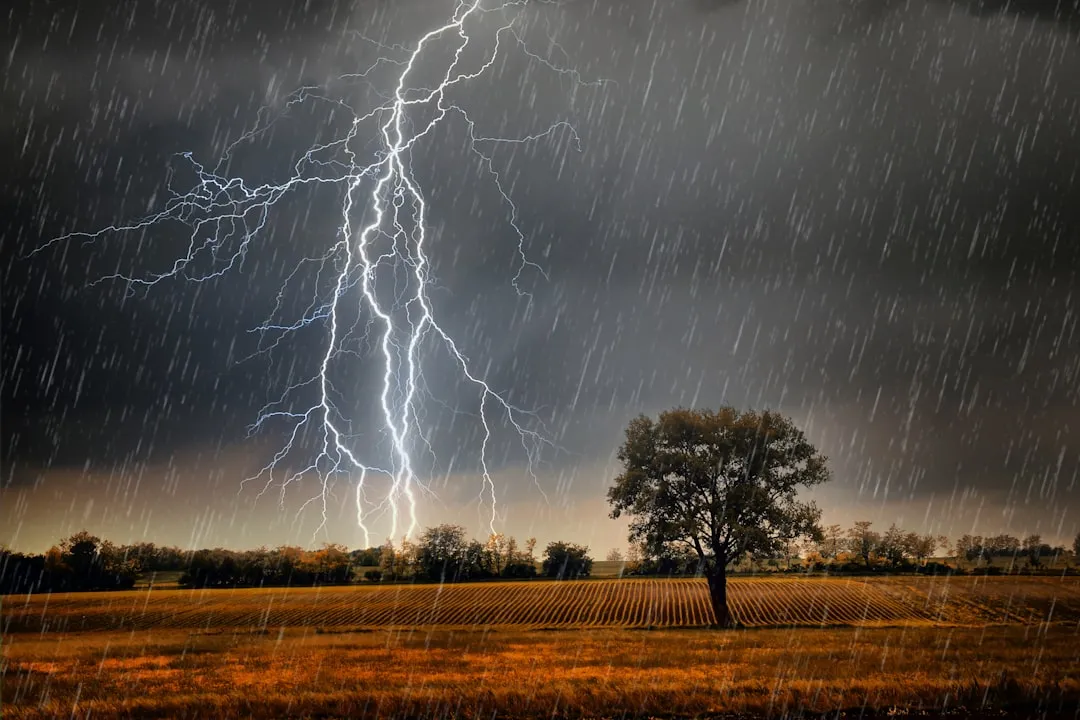
The link between intensifying regional rainstorms and the occasional surge in holoparasite blooming events is still being mapped by researchers. Although published data are limited, ecological niche modeling techniques can help evaluate climate change impacts on heterotrophic plants, especially holoparasites, and can forecast the potential future distribution of various species, providing helpful information for conservation and management.
For now, the vampire plant remains one of botany’s most compelling open questions. It lives invisibly, feeds invisibly, and reveals itself only for a brief and startling moment, usually when the conditions are finally right. Knowing that unprecedented rains may be helping to set those conditions more often is perhaps the one silver lining worth watching for in an otherwise troubled climate story.
AI Disclaimer: This article was created with the assistance of AI tools and reviewed by a human editor.