
Raised beds have a reputation for being the easier, more controlled way to grow vegetables. You fill them up, plant your seeds, and assume the elevated setup is doing its job. In many cases, though, something much more damaging is happening below the surface – and most gardeners don’t notice until the season is already lost.
The visible signs tend to be confusing. Leaves yellow. Growth slows. Plants that should be thriving look faintly exhausted. The usual suspects get blamed: too much water, not enough sun, pests. But the actual problem is often in the soil itself, and it starts with decisions made before the first seed ever goes in the ground.
Filling the Bed with the Wrong Soil Type
The most common soil mistake in raised beds is using the wrong material for the job. Potting mix dries out too quickly, garden soil compacts and suffocates roots, and raised bed soil performs best only when blended correctly. Many gardeners grab whatever is cheapest or most available at the garden center, without realizing each product behaves very differently once inside a raised frame.
Garden soil is dense and compacts under repeated watering. Compaction reduces oxygen around roots, cuts off drainage, and leads to stunted growth or disease. Potting mix, on the other hand, goes too far in the other direction. While great for houseplants or patio pots, it dries out too fast in raised beds and struggles to support deep vegetable root systems.
Raised bed soil is formulated to provide structure, moisture retention, and airflow in larger planting spaces. It typically includes topsoil, compost, aged bark, and aeration materials. Getting this base right from the start is the single most important decision you’ll make for root health.
Compaction That Builds Silently Season After Season
Raised beds start out light and fluffy, but watering, weather, and plant roots compress the soil over time. Organic matter breaks down, nutrients are used up, and moisture patterns shift. Without periodic renewal, beds lose the structure that made them productive in the first place.
Compacted soil restricts root growth, slows drainage, and reduces oxygen in the root zone. Plants may look stunted, wilt in the heat, or struggle to grow new roots. These symptoms are easy to misread as watering problems or nutrient shortages, when the real cause is structural.
Many studies have reported that reduced soil organic matter is a primary cause of increased soil bulk density. Replenishing that organic matter every season isn’t optional maintenance – it’s what keeps a raised bed functioning as intended.
The Gravel Drainage Myth That Backfires
A common misconception is that adding a layer of gravel improves drainage. In reality, research has shown that gravel can create a “perched water table” that actually keeps water higher in the soil profile. This is the opposite of what most gardeners intend when they place gravel at the bottom of a bed.
When water can’t move past the gravel-to-soil interface efficiently, it pools in the lower portion of the bed. Roots sitting in waterlogged conditions face oxygen deprivation, even when the surface looks perfectly dry. Even when nutrients are present in the soil, roots may struggle to absorb them if oxygen levels are low.
Instead of gravel, fill the bed with a high-quality raised bed mix that provides consistent structure throughout. Skipping the gravel layer entirely is typically the better call, supported by soil science rather than garden folklore.
Ignoring Soil Depth for Deep-Rooted Crops
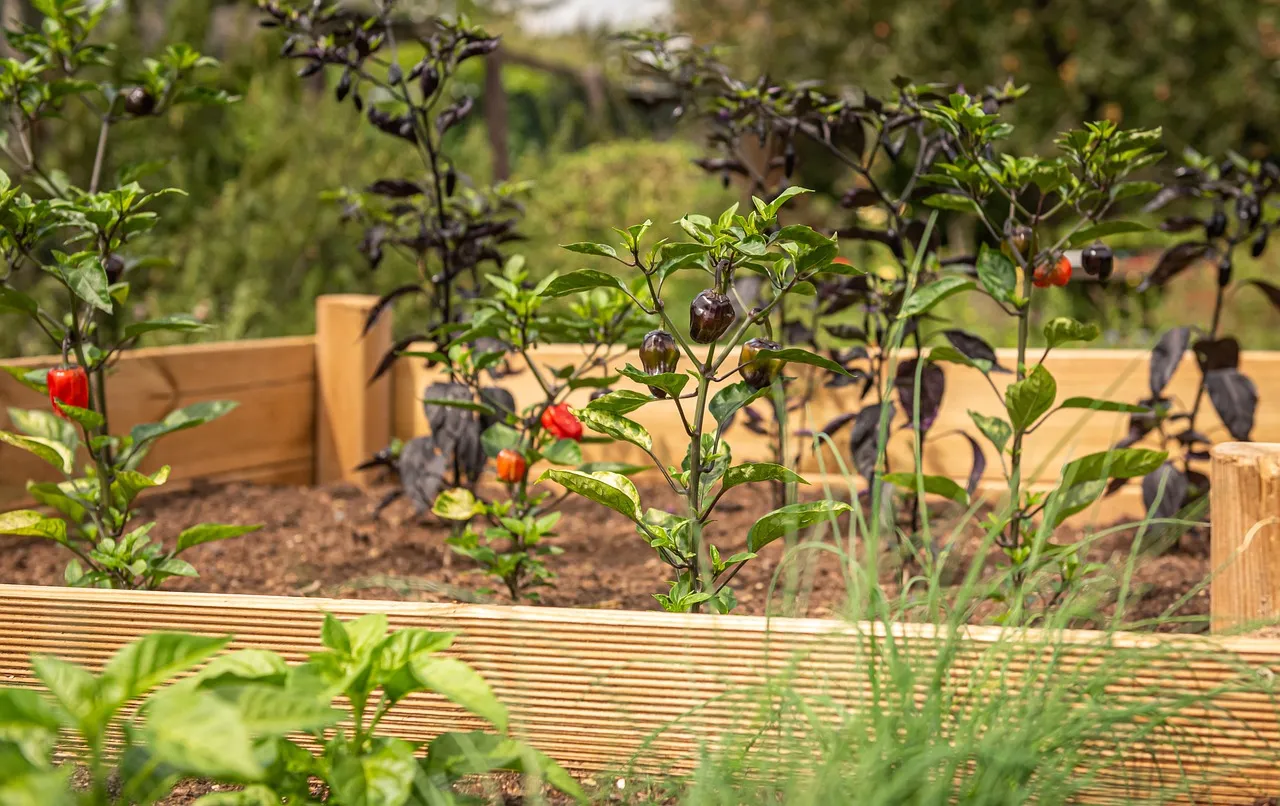
The types of plants you grow, and how deep their roots go, can affect how tall to make the bed. If you just want increased drainage, build raised beds at least 6 inches high. That’s a starting point, not a goal. Most vegetables need considerably more room below the surface than a shallow frame provides.
It’s common and often more practical to build beds between 18 and 24 inches tall. To determine how deep your raised garden bed should be, decide what you’ll plant. Plan a bed that’s at least 12 inches deep for carrots, potatoes, squash, tomatoes, and other plants with deeper root systems.
Root crops forced to grow in a bed that’s only 6 to 8 inches deep will hit the hard base layer and grow sideways or deform entirely. The plant above ground might look reasonable, while everything useful is happening underground in a cramped, struggling mess.
Planting in Pure Compost Without Structure
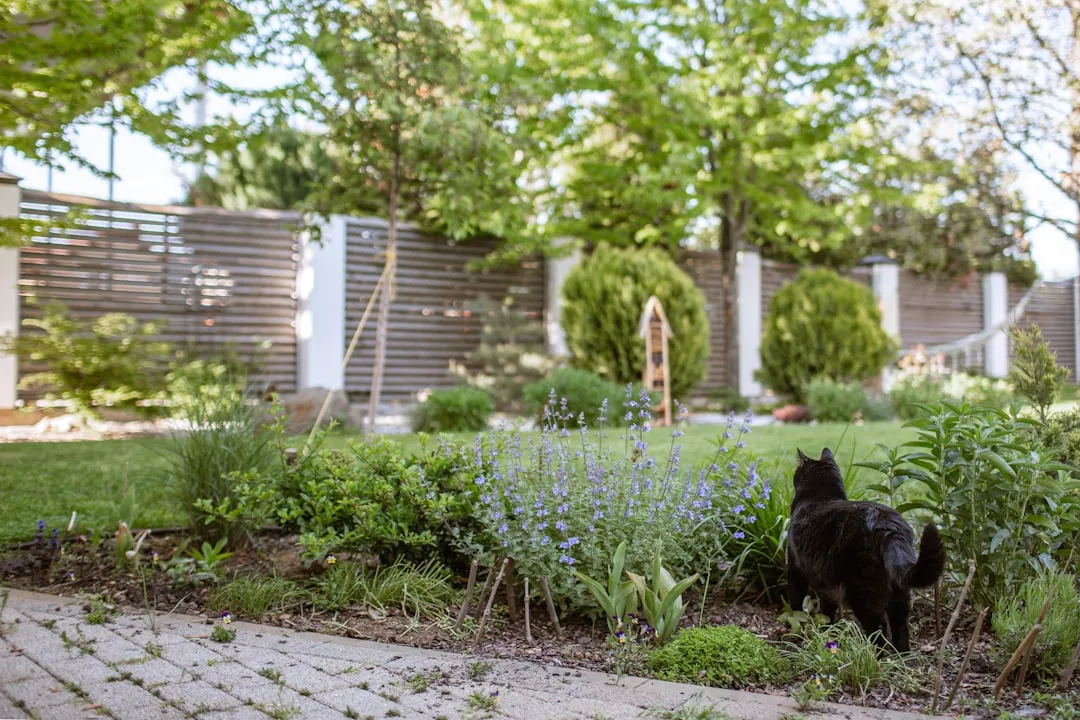
There’s a reason you don’t want to grow in 100% compost. Compost lacks the structure that most vegetable roots require for good stability. In other words, it doesn’t give your plants a good foundation to grow large and produce. It seems counterintuitive – compost is valuable, so more must be better. It isn’t.
The biggest mistake is filling raised garden boxes with only potting soil or compost. Your soil will drain too quickly, washing away water and nutrients. Your plants will starve. The nutrients simply flush through before roots can absorb them.
This structure comes from something like clay found in topsoil. Small plants with shallow roots like lettuce and spinach can thrive in straight compost, but most vegetables will not. Tomatoes, squash, and root crops all need that physical anchor that compost alone cannot provide.
Nitrogen Loss That Drains Quietly with Every Watering
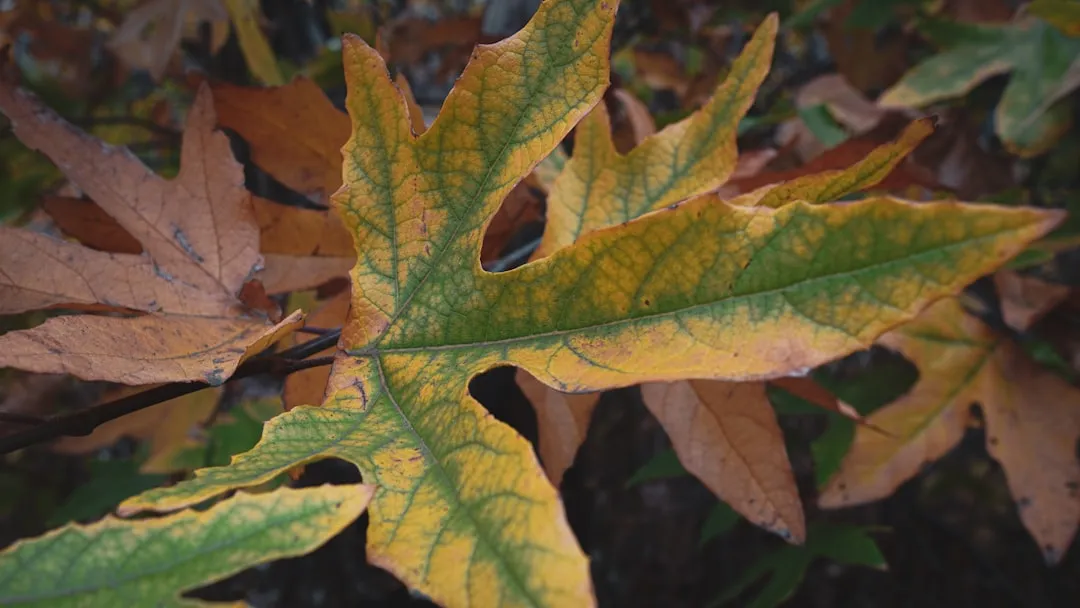
Yellowing leaves, particularly when yellowing starts at the bottom of the plant and progresses upward, typically signal nitrogen deficiency, which is the nutrient most rapidly consumed in active growing beds. Nitrogen is water-soluble and leaches easily with irrigation, making it the first macronutrient to run out in heavily watered beds.
Nutrients like nitrogen or potassium may not be held effectively in compacted zones, leading to deficiencies. Due to poor root development in compacted areas, plants may struggle to absorb nitrogen effectively. The problem compounds: compaction causes poor uptake, which causes deficiency, which causes weak growth, which makes the plant even less able to recover.
If you never add organic matter between seasons, you are essentially mining the soil. Plants extract nutrients and structure from the bed all season long, microorganisms consume organic material, and nothing replaces it. After two or three seasons of this, even a great initial soil mix turns into something resembling concrete.
Disrupting the Mycorrhizal Network Underground
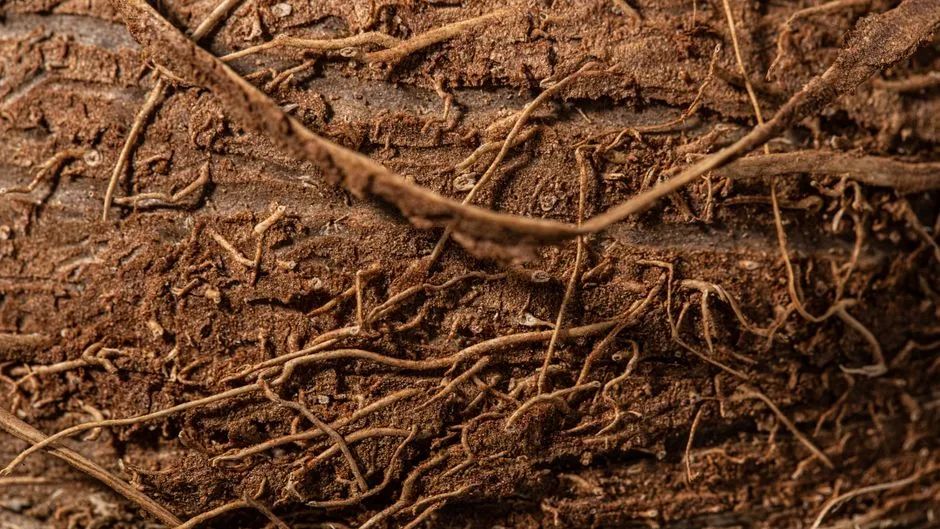
Arbuscular mycorrhizal fungi are plant symbionts that form mutualistic associations with two-thirds of all land plants, including most crops. With their dense hyphal networks, they can enhance nutrient and water uptake beyond the root depletion zone. This invisible web beneath the soil surface is one of the most powerful nutrient delivery systems a plant has access to.
The fungi supply their host plants with access to mineral elements, including up to 90% of phosphorus and 75% of nitrogen, while receiving up to 20% of plant carbohydrates in return. Destroying this network – through tilling, excessive chemical fertilizers, or fungicide use – quietly cuts off one of the plant’s main feeding channels.
Tilling destroys the mycorrhizal fungal networks that your plants depend on for nutrient uptake, chops up earthworms that are doing aeration work for free, and actually makes compaction worse in the long run by creating a hard pan layer just below the till depth. This is why deep rototilling an established raised bed is one of the most damaging things you can do to it.
Skipping Mulch and Letting the Surface Crust Over
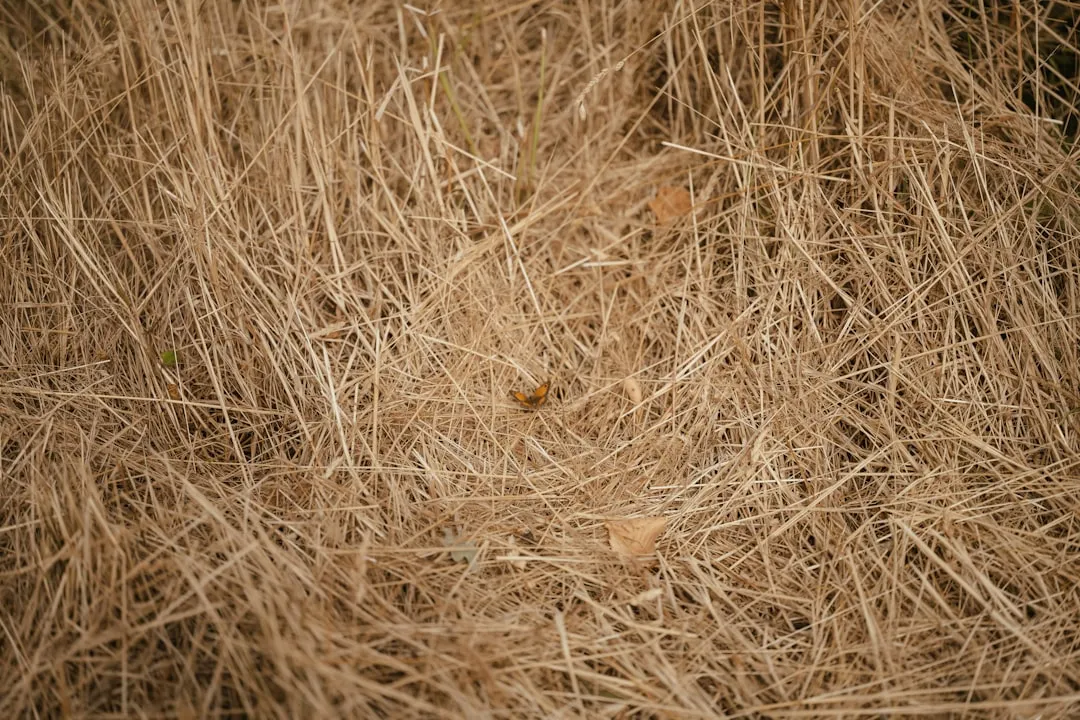
Bare soil is one of the classic raised garden bed mistakes – it dries fast and welcomes weeds. More than that, exposed soil surfaces bake in the sun and form a hard crust between watering cycles. That crust prevents moisture from reaching the root zone evenly and restricts gas exchange at the surface.
Compost will work into aeration channels over the next few watering cycles, feeding the soil biology that creates long-term structure. Mulching on top of the compost with 2 inches of straw or shredded leaves prevents the surface from crusting up again between rains.
A consistent mulch layer also moderates soil temperature, which matters more than many gardeners realize. Roots under extreme heat stress absorb nutrients far less efficiently, even when nutrient levels in the soil are technically adequate. The mulch buys the soil underneath a buffer it wouldn’t otherwise have.
Using Fresh Manure That Burns Rather Than Feeds
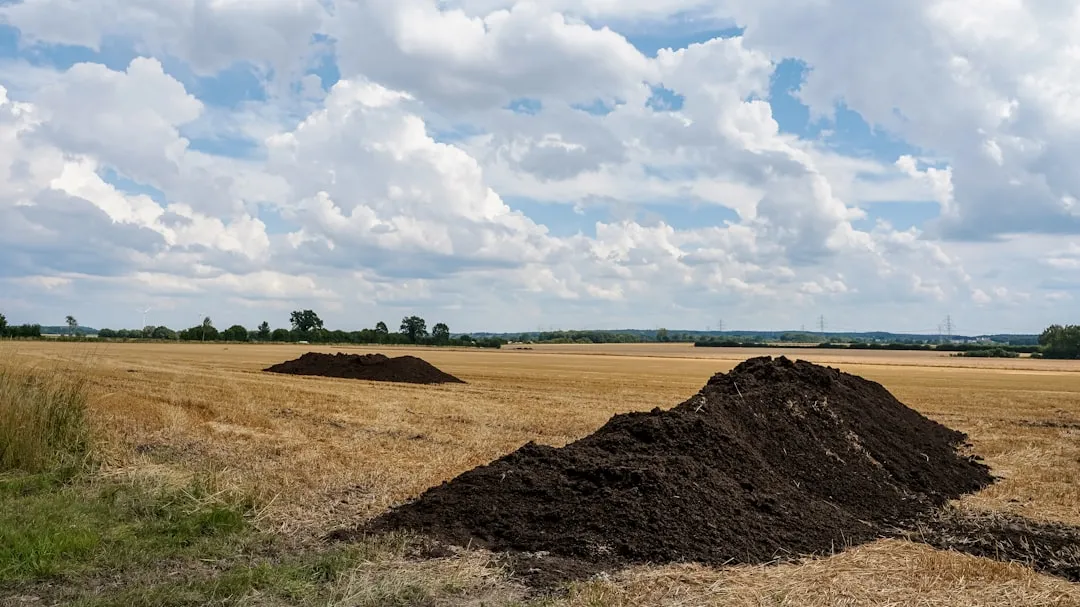
What’s wrong with fresh manure? It can burn the roots of your plants due to high ammonia levels. It may also contain various pathogens like E. coli and listeria that can contaminate the fruits and vegetables grown in that soil. This is a risk that catches new gardeners off guard, especially when well-aged manure seems so beneficial in comparison.
It’s best to let manure age for about a year or mix it into a compost pile before adding it to your garden. Aged or composted manure from cows, horses, chickens, or rabbits is genuinely valuable as a soil amendment. Fresh manure from the same animals can set a season back significantly.
A lot of farms give antibiotics to their animals and treat the ground with herbicides. These things can linger in manure and affect plant growth. Sourcing from known, reliable farms reduces this risk considerably and gives you more confidence in what you’re actually adding to the soil.
Never Testing the Soil or Monitoring Its Decline

Compacted soils can also lead to deficiencies in essential micronutrients such as iron, manganese, zinc, and copper. Compacted soils have less available oxygen, which can hinder root respiration and microbial activity. Without testing, none of these deficiencies get identified until the plant is already under significant stress.
Purplish leaf coloration often points to phosphorus deficiency. Applying slow-release organic fertilizers or specific mineral amendments based on these observations helps target the actual problem. Visual symptoms are useful clues, but they’re imprecise. A soil test tells you what’s actually missing and in what quantity.
A targeted approach avoids over-fertilizing, which can be just as damaging as nutrient deficiency. Over-application of nitrogen, for example, has been shown to disrupt mycorrhizal communities – application of nitrogen might directly or indirectly inhibit development or colonization of mycorrhizal fungi due to acidic soil conditions, imbalanced cation density, or accumulation of nitrate ions. Testing once or twice a year keeps you informed rather than guessing.
The Takeaway
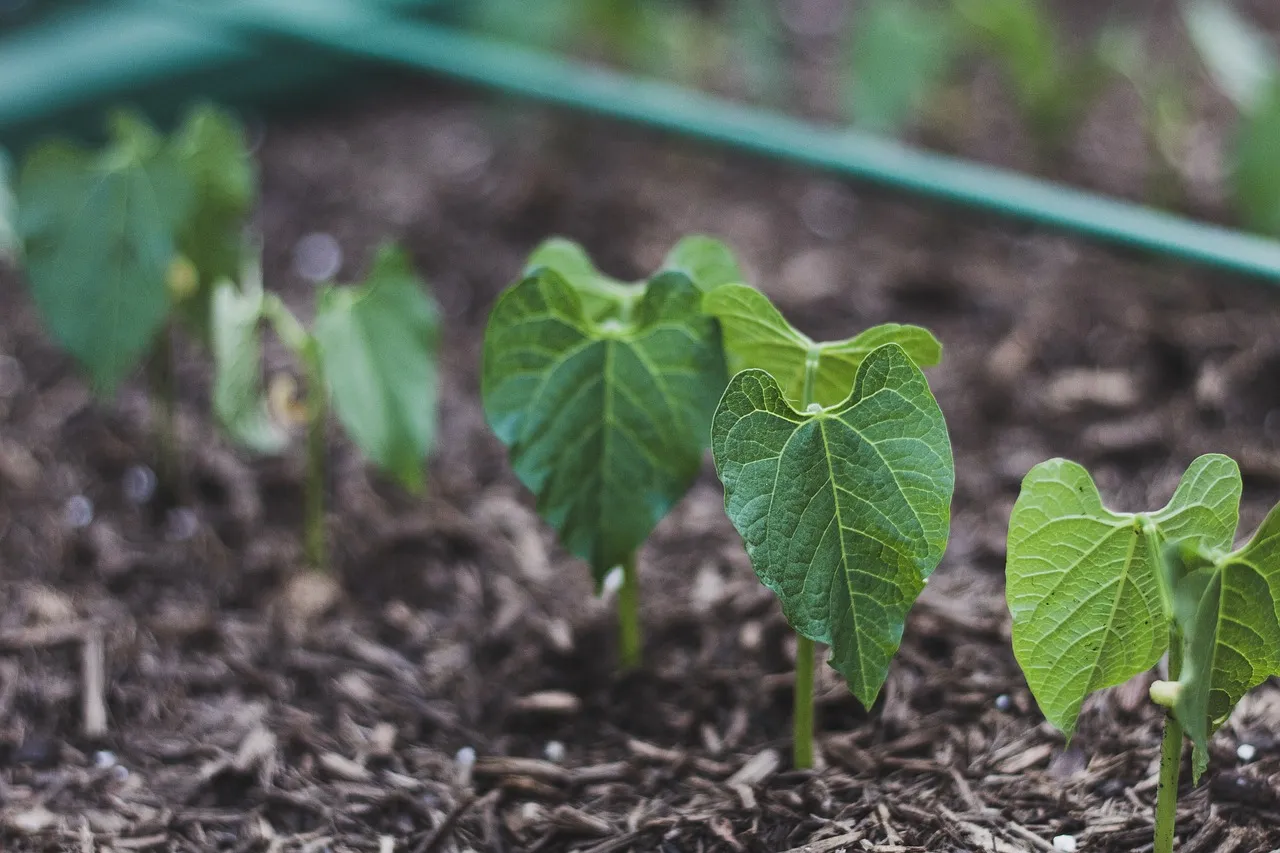
Most raised bed problems share a common thread: they develop slowly and invisibly, well below the soil surface, long before a plant shows any outward sign of distress. The roots tell the story first, but only if you’re paying attention to the conditions you’ve created for them.
The fixes are rarely dramatic. Most raised bed soil problems come from compaction, poor drainage, nutrient depletion, or uneven moisture. These issues usually build up slowly, but they can be fixed with simple adjustments that restore structure, airflow, and fertility. The key is catching them before they compound into a failed season.
A raised bed is only as good as what’s inside it. Treat the soil as a living system that needs regular input, protection, and attention – and the roots will take care of the rest.
AI Disclaimer: This article was created with the assistance of AI tools and reviewed by a human editor.