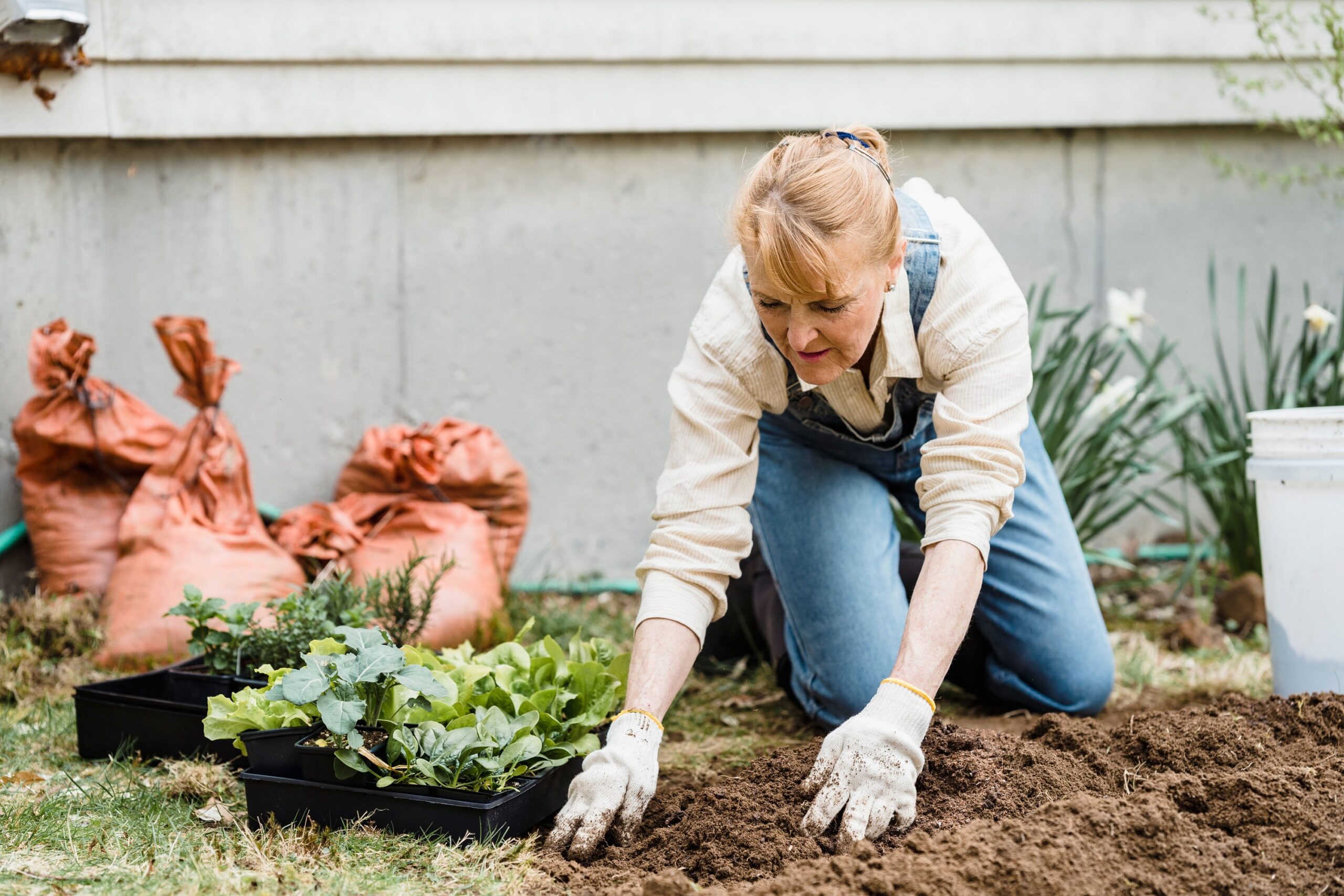

Many older gardeners make a single decision early on that quietly undermines every season that follows. They choose a raised bed, feel pleased with themselves for upgrading from the ground, and then wonder why their back still aches by midday. The bed looks right. The problem is almost always the height.
Many gardeners assume any elevated frame will solve bending problems. In reality, standard 10 to 12-inch beds still require leaning forward, and for older adults, that small bend repeated dozens of times can trigger back stiffness, hip discomfort, or knee strain. The fix isn’t complicated, but it demands knowing exactly what you’re getting wrong before buying or building.
The Common Mistake: Beds That Are Too Low
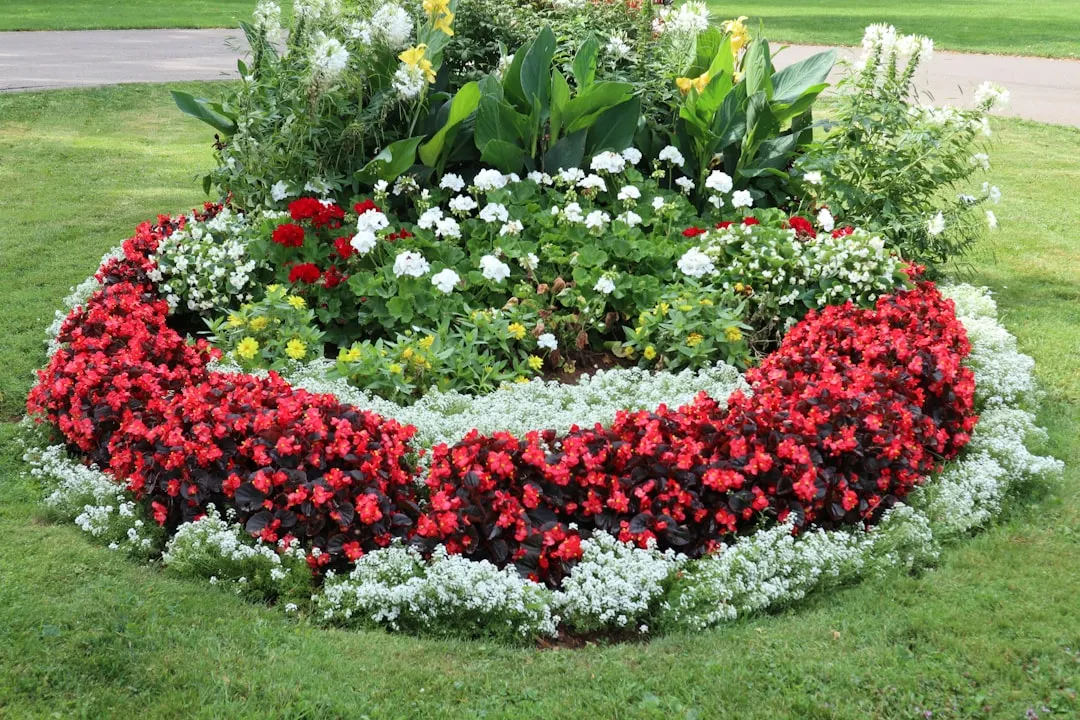
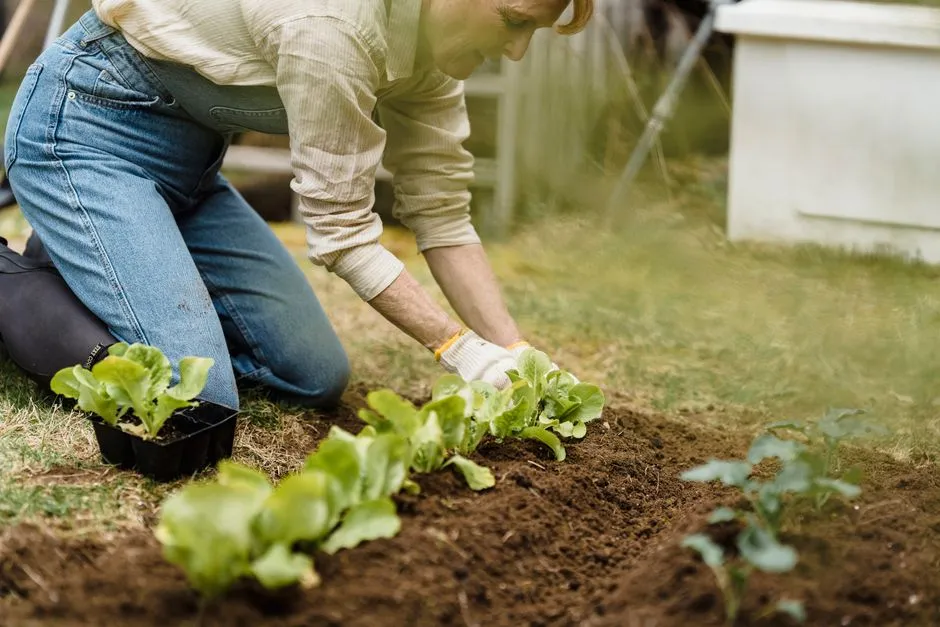
Standard 10 to 12-inch beds still require leaning forward. For older adults, that small bend repeated dozens of times can trigger back stiffness, hip discomfort, or knee strain. The irony is that many people invest in raised beds specifically to avoid that strain, then inadvertently recreate it with a bed that doesn’t go high enough.
Traditional gardening is already difficult for older adults because of the bending, kneeling, and stooping involved, and a too-low raised bed simply reduces, rather than eliminates, those strenuous activities. When the improvement is only partial, fatigue sets in faster than expected, and sessions get shorter over the years.
Why Height Matters More Than Most People Realize
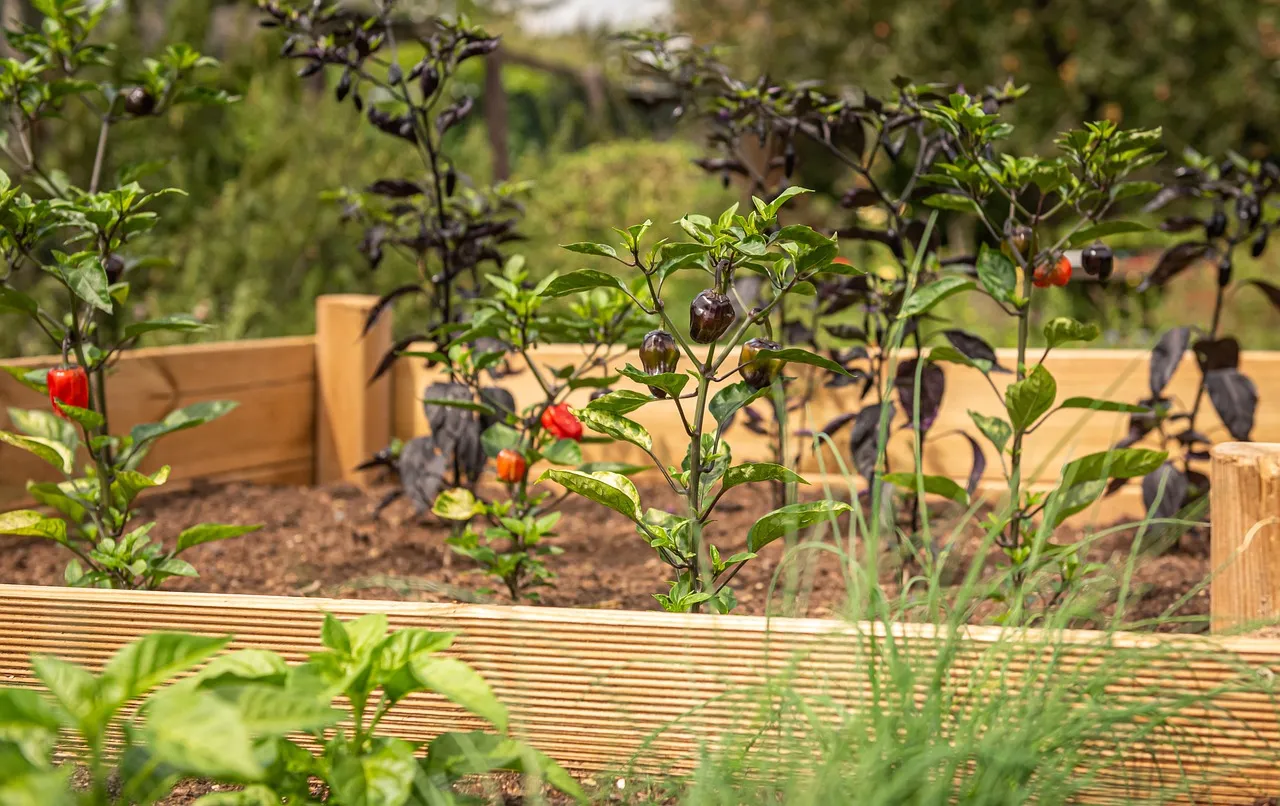
Ergonomic research consistently identifies the best height for raised garden beds to reduce back strain as being at or near the user’s elbow height when standing with arms relaxed. That measurement is personal, which is precisely why a one-size-fits-all approach leads so many gardeners astray.
For the average adult, the ergonomic sweet spot falls between 28 and 38 inches, with a 35-inch bed hitting that range for a wide variety of users, tall enough to eliminate bending and still accessible enough to reach across comfortably. Choosing a bed several inches below this range means the spine is still under load during nearly every task.
What the Body Goes Through When You Bend Repeatedly

Common causes of gardening-related back pain include bending and twisting motions during planting and pruning, poor posture while kneeling or squatting, and overexertion from physical work for extended periods, all of which make the lower back particularly vulnerable to soft tissue injuries.
Activities such as weeding, planting, and digging can cause muscle imbalances and inflammation in the back, because these activities require the use of the same muscles repeatedly, which can lead to overuse injuries. For a younger gardener, those muscles recover overnight. For someone over 60, that recovery window stretches longer with each passing year.
Low back pain is a widespread condition that increasingly affects older adults, and in 2021 alone, more than 271 million individuals aged 55 and older globally suffered from it. Gardening posture is not the only cause, but it is one of the most consistently controllable ones.
The Right Height Range: What Ergonomics Actually Recommends
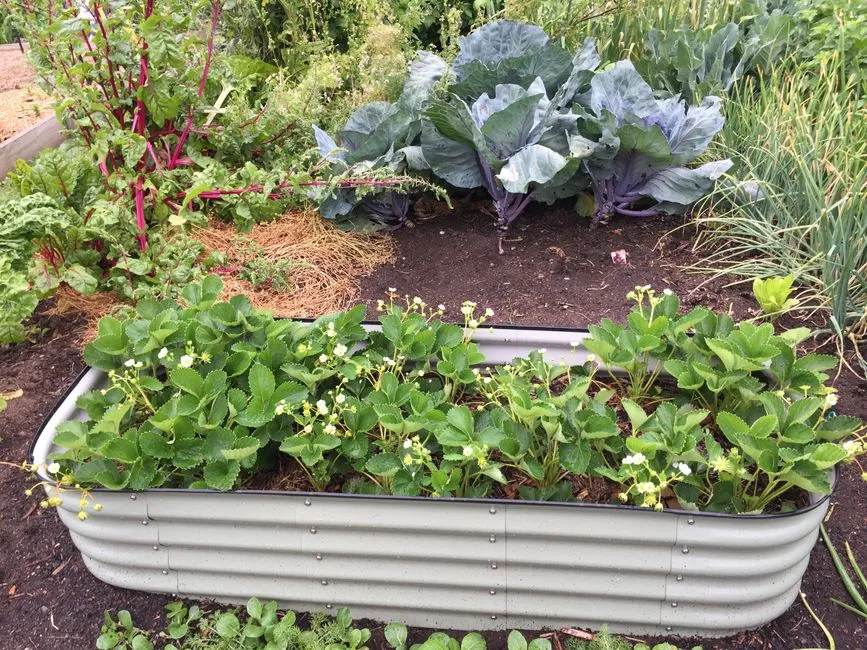
Raised garden beds for elderly should be 24 to 36 inches high, a height that helps reduce back strain and makes gardening easier while standing or sitting, balancing comfort and reach. That range covers a wide spectrum of mobility levels, from the gardener who just started noticing stiffness to the one who depends on a cane.
If you prefer to garden standing up, aim for garden beds that reach 36 inches, as this height is ergonomic for most adults and helps prevent bending. For wheelchair users or gardeners who prefer to sit while working, beds around 24 to 30 inches are the more appropriate choice.
The Width Problem Nobody Talks About
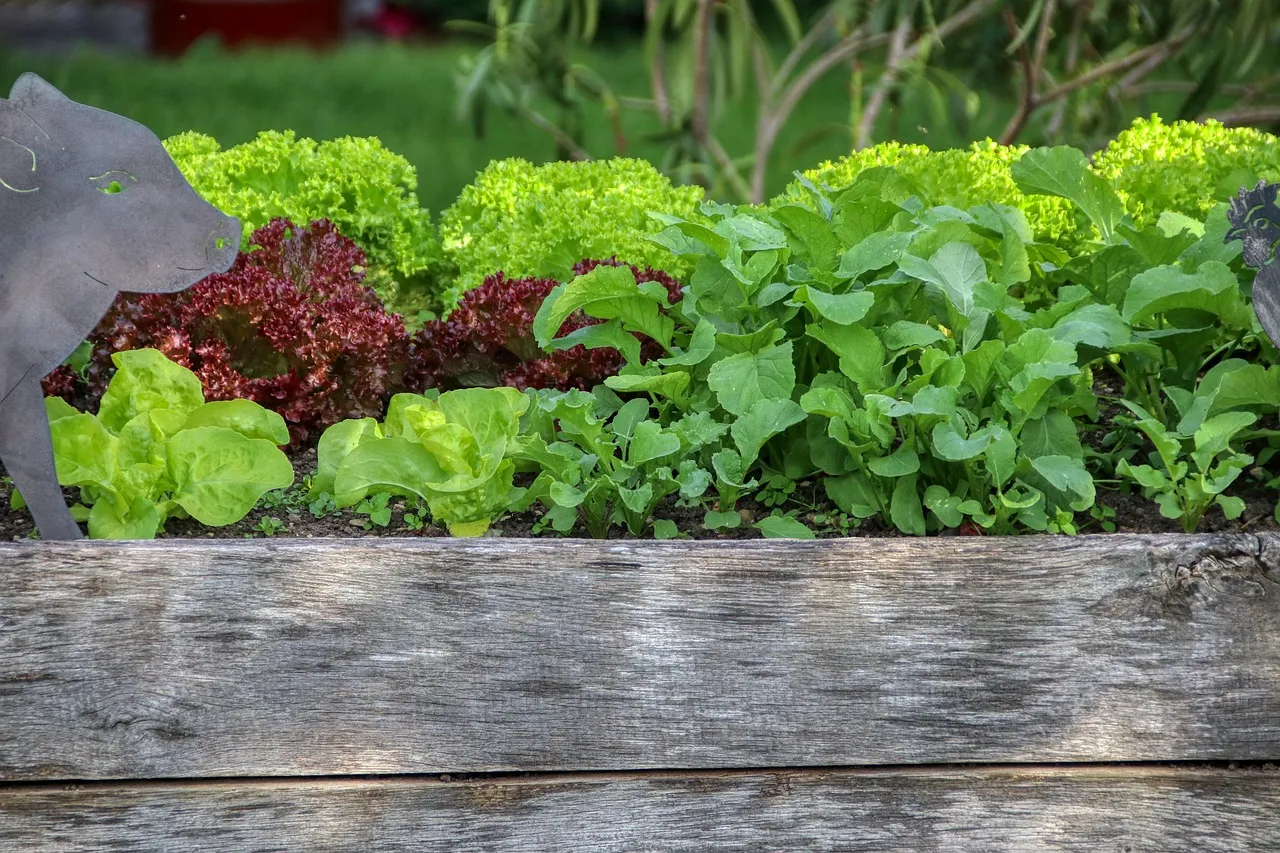
As a general rule, a raised bed about 2 feet wide is the most ergonomic choice, because from either side you can easily reach the center without overextending your body or straining your back. This matters just as much as height, yet it rarely comes up in buying conversations.
It is advisable to have a width of about 4 feet when access is available from both sides, as it enables seniors to reach all parts of the garden bed without straining, making the perfect garden bed for seniors roughly four feet wide and two to three feet high. A narrow, tall bed that you can reach from both sides is far more useful than a wide, low one that forces overreaching.
How Arthritis Changes Everything
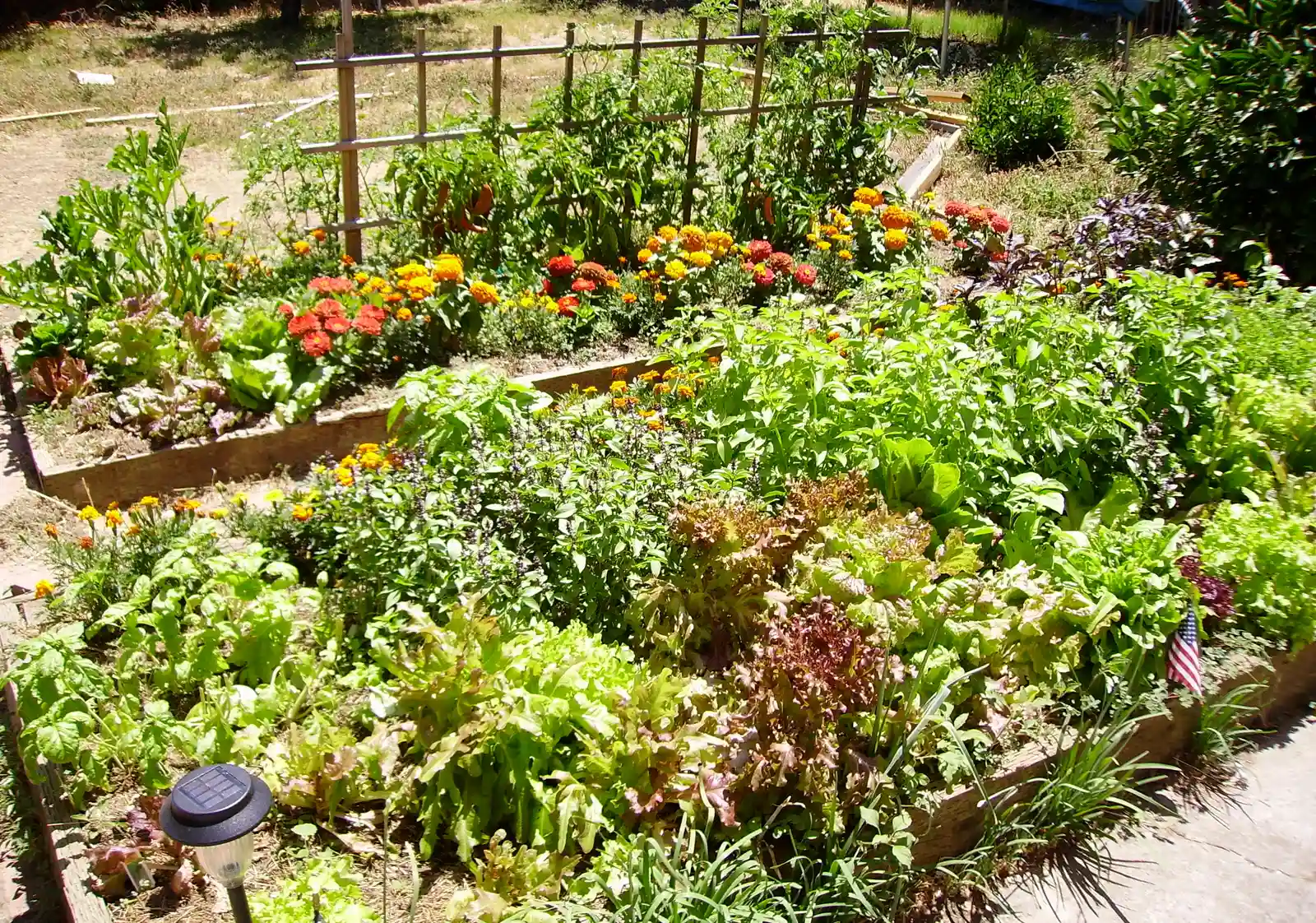
Arthritis affects millions of older adults and is one of the most common reasons people pull back from physical hobbies, but raised garden beds eliminate the need to lower yourself to ground level entirely, allowing you to work at a natural arm height and use ergonomic tools more effectively while spending far less time in positions that strain inflamed joints.
Repeated bending, kneeling, lifting watering cans, and standing back up may lead to sore knees, back pain, or joint discomfort, and for older adults with arthritis or reduced mobility, even a short gardening session can feel exhausting. Getting the bed height right is one of the most direct interventions available, requiring no medication and no physical therapy.
Raised beds, containers, or planting tables can reduce the stress on your knees when digging, planting, weeding, and watering, with the Arthritis Foundation recommending elevated flowerbeds specifically to eliminate stooping.
The Fall Risk Factor That Most Gardeners Ignore
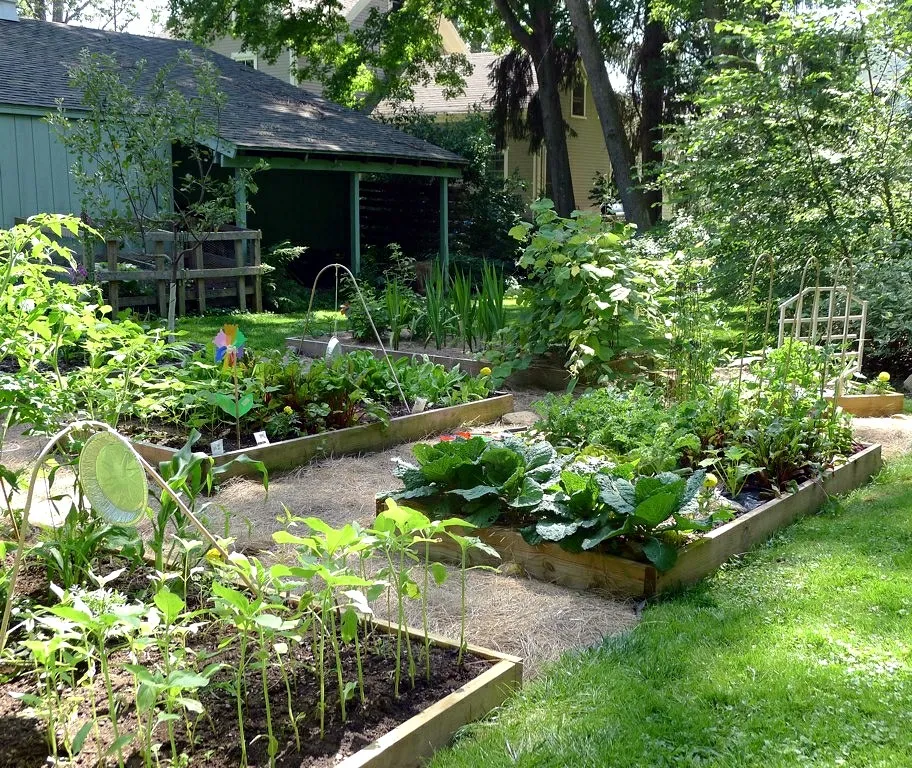
When you were younger, you could probably squat or bend over with ease, but for older adults, those positions increase the risk of falls and back pain, which is why seniors may want to consider elevated gardening options at least at waist height.
Taller beds also improve balance: when you’re upright, your center of gravity remains stable, reducing fall risk compared to crouching or kneeling, which for anyone managing arthritis or stiffness is a meaningful difference. This is a safety dimension that rarely appears on product packaging, yet it carries real consequences.
The National Council on Aging reports that about a quarter of elderly people over the age of 65 experience some sort of fall each year, and every year 3 million older adults are treated in emergency departments for fall-related injuries. Reducing time spent in crouched or kneeling positions is a direct way to reduce that risk in the garden.
The 30-Inch vs. 35-Inch Debate

From an ergonomic standpoint, 30-inch beds significantly reduce the need to bend down, making them a popular choice among gardeners who are starting to feel the physical toll of lower beds, with many users in their 50s and 60s describing the 30-inch bed as close to a comfortable stand-up experience.
A waist-high raised garden bed at 35 inches fundamentally changes the vegetable gardening experience by eliminating the need to bend, kneel, or crouch at ground level, and for anyone dealing with chronic back pain, arthritis, or mobility limitations, this height is a practical solution that makes home gardening genuinely sustainable long-term.
The practical answer is this: if you’re in your 50s and still physically flexible, a 30-inch bed is a strong upgrade. If you’re dealing with existing back or joint issues, or simply planning ahead for the next decade, 34 to 36 inches is a smarter investment from the start.
Seated Gardening and Wheelchair Accessibility
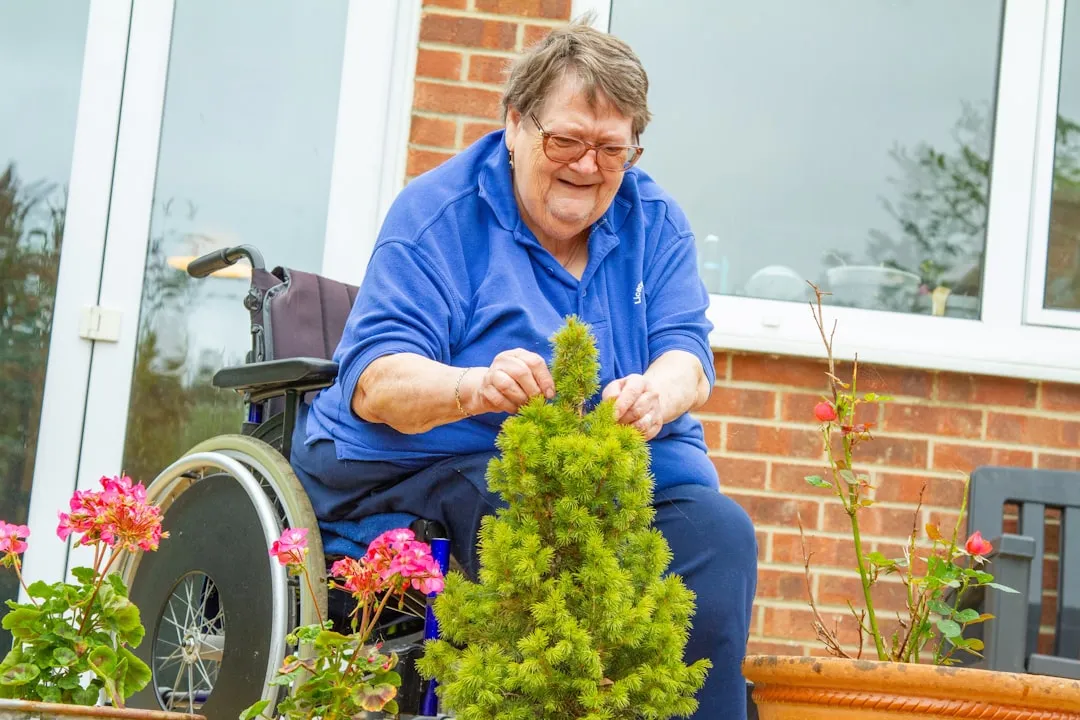
Wheelchair-accessible raised garden beds are designed with open space underneath so the chair can roll directly under the planting surface, placing the soil within comfortable reach without bending or stretching, with experts recommending at least 27 inches of knee clearance underneath and a planting depth of no more than 12 inches.
Raised garden beds with wide, stable edges allow seniors to sit or lean safely while working, and some designs come with built-in seating edges or sturdy frames that double as support surfaces, so that seniors who use canes or walkers never need to lower themselves to the ground at all. That combination of stability and access is what genuinely keeps older gardeners gardening.
How to Measure the Right Height for Your Body

The correct approach is to measure your own elbow height when standing with arms relaxed at your sides, which ergonomic research consistently identifies as the ideal reference point for raised bed height. A bed built to that measurement means your hands rest naturally over the soil with no forward lean required.
Beds that are too low cause discomfort, while beds that are too tall may be hard to reach across, meaning both extremes create problems. The goal is a height that lets you work for 30 to 45 minutes at a stretch without your lower back reporting back with a complaint.
The Mental Health Angle: Staying in the Garden Longer
Gardening is widely recognized as one of the best low-impact activities for healthy aging, supporting physical movement, emotional well-being, and a sense of independence, and sometimes the solution isn’t to garden less but to garden differently.
Raised garden beds enable seniors to age in place while continuing to pursue their passion for gardening, and by bringing the garden up to a comfortable height, older adults can maintain their independence and enjoy the therapeutic benefits of gardening without physical strain, since gardening has been proven to boost mental health, reduce stress, and promote physical activity.
Reducing pressure on the lower back, hips, and knees through proper bed height can be the difference between gardening and not gardening at all for seniors managing chronic back pain or recovering from joint surgery. That is not a small thing. For people who have gardened for decades, losing access to that habit carries real costs for mood, routine, and identity.
Final Thoughts

The raised-bed height mistake is easy to make and surprisingly easy to fix, provided you catch it before years of unnecessary strain quietly convince you that gardening has simply become too hard. The truth is that the garden isn’t getting harder. The bed is just in the wrong place.
Raised beds built to the right height can eliminate almost all the bending and kneeling that makes gardening painful. That one adjustment, made early enough, can add years to how long you stay comfortably active in the garden.
Measure from your elbow down, choose a height that genuinely eliminates your forward bend, and keep the width manageable from both sides. The seeds don’t care how high the bed sits. Your back very much does.
AI Disclaimer: This article was created with the assistance of AI tools and reviewed by a human editor.