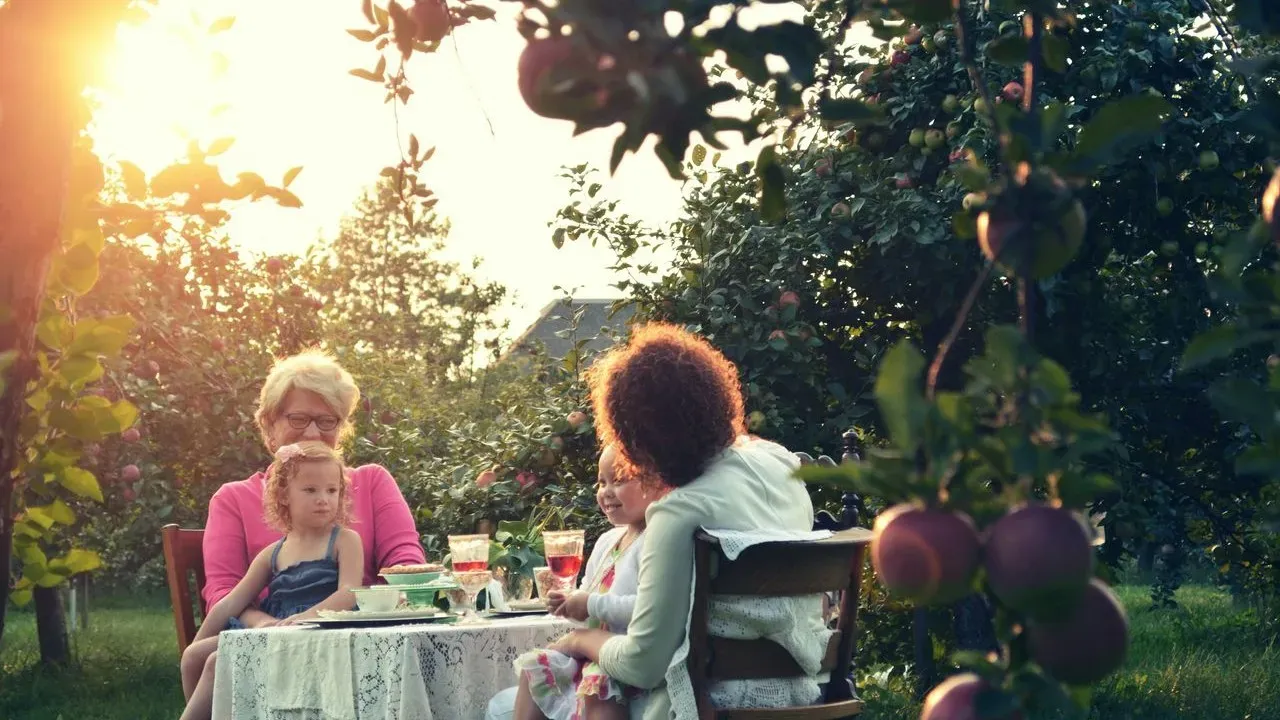

In many households the backyard sits just steps from the kitchen door, yet it often stays empty except on weekends or when company arrives. The contrast is striking: some families drift outside on ordinary evenings without a second thought, while others treat the space as an occasional project rather than a natural extension of the house. The difference rarely comes down to square footage or expensive redesigns.
Watch How the Space Already Works
Before any purchases or rearrangements, it helps to notice the patterns that already exist. Children may gravitate toward a patch of grass for running or kicking a ball, while adults linger near a table after meals. These informal movements reveal more than any formal plan could. Rather than dividing the area into fixed zones, many households find that keeping the layout open allows the same patch of ground to serve multiple purposes throughout a single day. A blanket spread for lunch can later become the base for an afternoon craft session, then a spot for quiet conversation once the light fades. Flexibility reduces the mental effort required to step outside, which in turn increases how often the space is actually used.
Put Comfort Ahead of Appearance
A garden that feels inviting draws people out more reliably than one arranged for photographs. Hard surfaces and sparse seating tend to keep everyone indoors, even when the weather is pleasant. Soft cushions, lightweight throws, and padded benches change the experience without requiring permanent changes. Seating that accommodates different ages and postures matters as well. Low benches let children move freely, while slightly deeper chairs support longer conversations for adults. Keeping a small basket of blankets and simple games near the door removes one more barrier. When these items are already on hand, the decision to spend time outside becomes easier on a busy weekday.
Allow Corners to Develop Their Own Character
Instead of treating the entire backyard as a single room, it can be useful to notice how smaller areas begin to take on distinct qualities over time. One shaded corner may naturally become a quieter reading spot, while the area closest to the house turns into the default place for snacks or drinks. These shifts often happen without deliberate labeling. Children in particular seem to respond to such gentle variety. An informal arrangement encourages different kinds of play without creating a sense of disorder. The result is a space that feels structured enough to be welcoming yet open enough to adapt as interests change.
Extend Usable Hours With Simple Lighting
Darkness ends many outdoor evenings earlier than necessary. Once the sun drops, the lack of gentle illumination sends everyone back inside even when the temperature remains comfortable. Soft lighting near seating areas or along common paths can shift that dynamic. The goal is not dramatic brightness but enough warmth to make staying outside feel natural. A few well-placed fixtures or portable lanterns often suffice. When evenings remain inviting, the backyard becomes part of daily routines rather than a space reserved for special occasions.
Build Small Habits and Seasonal Adjustments
Regular use tends to follow from modest routines rather than grand plans. Eating outside a couple of times a week when weather permits, or letting children head outdoors after school, gradually makes the transition feel ordinary. Over time the space stops requiring special preparation. As seasons shift, small moves keep the area functional. Grouping seating to catch remaining sun or adding an extra layer of warmth allows shorter but still enjoyable moments in cooler months. The most successful family gardens evolve with the calendar instead of demanding a complete reset each time the weather changes.
What matters now
The gardens that see the most use are rarely the most polished. They are the ones that accommodate ordinary life, with room for movement, comfort, and small personal touches that reflect the people who live there.
Over months and years these accumulated choices turn an outdoor space into something closer to an additional room of the house. The backyard becomes less a destination planned in advance and more a place that simply fits into the rhythm of family days.
AI Disclaimer: This article was created with the assistance of AI tools and reviewed by a human editor.