


There’s something quietly remarkable about a half-finished jigsaw puzzle left out on a table. Nobody planned to spend three hours there. It just happened. Someone sat down to place a few pieces, another person wandered over, and before long the whole family was involved, talking, laughing, and forgetting about whatever else the evening had planned.
That unplanned gathering around cardboard and color is something millions of households used to know by heart. Many still do. In fact, the numbers suggest the habit never really went away at all. It just got some new company.
Where It All Began: A London Mapmaker’s Idea
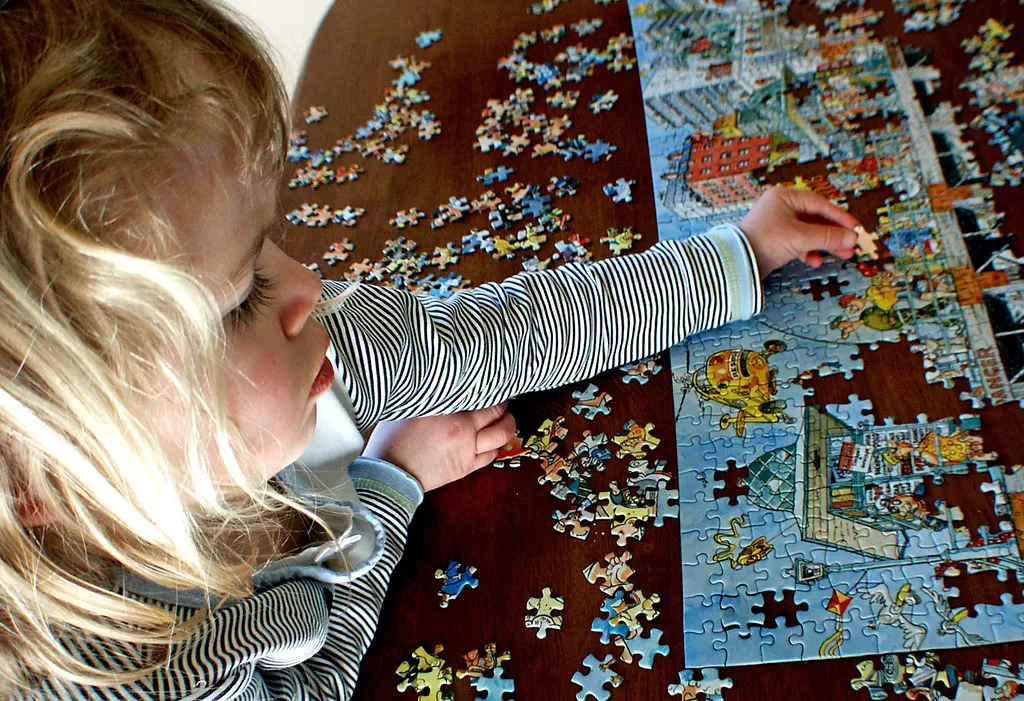
London cartographer John Spilsbury is often credited with making the first commercial jigsaw puzzle. In the 1760s, he sold puzzles with world maps cut into wooden pieces along country boundaries. At the time, these were known as “dissected maps.” The purpose was purely educational, not recreational. King George III’s children are known to have used dissected maps as early as 1760.
Over time, jigsaw puzzles expanded from featuring maps to include paintings, scenes from the Bible, landscapes, and various other scenes. Initially, as they were crafted by hand in wood, they were considered to be both luxury and educational items. The pastime was, for its first century of existence, strictly for the wealthy. That would change dramatically.
From Luxury Item to Living Room Staple

In the late 19th century, advancements in printing technology made it possible to produce puzzles on cardboard instead of wood. This innovation made puzzles more affordable and accessible to a wider audience. By the 1800s, jigsaw puzzles became more accessible and popular across Europe and America. During this era, wooden puzzles were still the most common, many designs featured landscapes, famous paintings, and historical events, and puzzles became a family activity rather than just an educational tool.
Puzzle historian Anne Williams attributes the 1907 to 1910 puzzle craze to a mix of factors: a poor U.S. economy in 1907, increased participation of middle and upper-class women in arts and crafts activities like puzzle making, and the introduction of the foot-powered scroll saw. It was the first real sign that puzzles had crossed from classroom into culture.
The Great Depression and the Puzzle’s Finest Hour
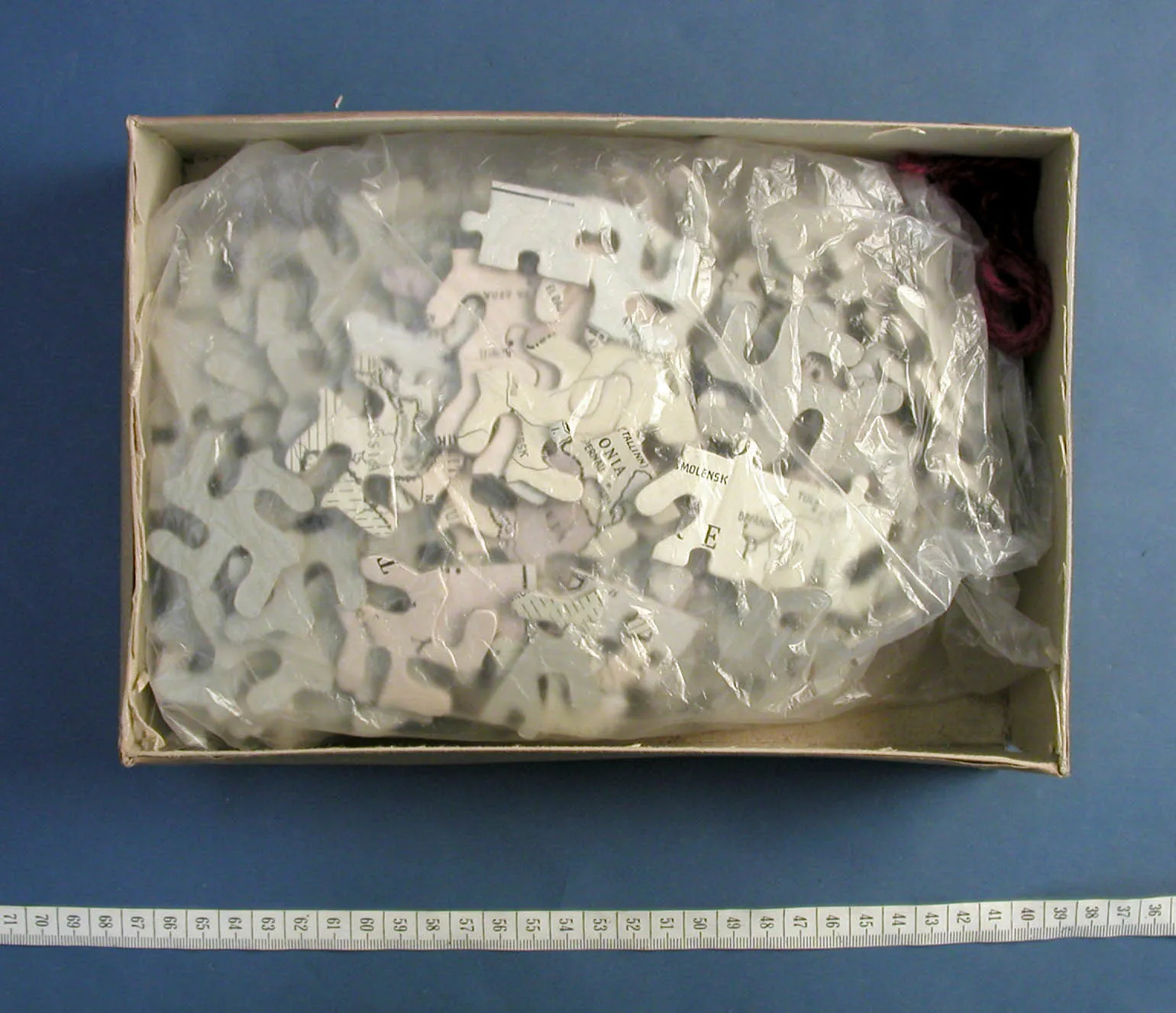
Jigsaw puzzles soared in popularity during the Great Depression, as they provided a cheap, long-lasting, recyclable form of entertainment. It was around this time that jigsaws evolved to become more complex and appealing to adults. Families couldn’t afford much, but they could afford a puzzle. During the Great Depression in the 1930s, jigsaw puzzles experienced a surge in popularity as a form of inexpensive entertainment. Families would gather around the dining table to work on puzzles together, providing a much-needed distraction from the economic hardship of the time.
Puzzle makers switched from wood to cardboard to cut costs during the Great Depression. This change made it possible to mass-produce puzzles quickly and affordably using standard die-cut methods instead of hand-cutting. Cardboard puzzles became the go-to for puzzlers and their families. The humble puzzle had, almost accidentally, become a social institution.
A Pandemic Brings the Table Back

The global COVID pandemic of 2020 saw history repeat itself as families turned to jigsaw puzzles for entertainment and comfort. Puzzle companies reported a 300% increase in demand, yet production stalled as businesses were deemed non-essential. It was a strange kind of shortage: people desperate for something simple, something analog. From 2020 to 2024, the industry grew rapidly due to high demand for home entertainment during the pandemic. People shifted to board games, jigsaw puzzles, and card games as vehicles for social interaction and mental stimulation.
The post-pandemic surge in home entertainment spending catalyzed renewed consumer interest in analog leisure activities, and the jigsaw puzzle category emerged as one of the most enduring beneficiaries of this structural shift. By 2026, the market had already consolidated those gains and begun demonstrating organic, demand-led expansion across all major geographies, signaling that puzzle adoption is not a cyclical trend but a durable behavioral change.
The Numbers Tell a Clear Story
The global jigsaw puzzle market was valued at $3.2 billion in 2025 and is projected to reach $5.6 billion by 2034, expanding at a compound annual growth rate of 6.5% during the forecast period from 2026 to 2034. That is not the trajectory of a passing fad. North America emerged as the largest market in 2024, accounting for 35% of global revenue, followed by Europe with 30%, supported by strong consumer engagement and cultural affinity for puzzles.
The U.S. jigsaw puzzle market is projected to grow from USD 188.88 million in 2023 to an estimated USD 333.76 million by 2032, with a compound annual growth rate of 6.53% from 2024 to 2032. The puzzles segment is projected to grow at a CAGR of 22.4% from 2026 to 2033, supported by rising consumer interest in screen-free cognitive engagement, mindfulness-driven leisure, and home-based entertainment routines. Jigsaw puzzles, word puzzles, and logic-based formats are increasingly being adopted not only as recreational products but also as tools associated with stress relief, mental focus, and brain-health benefits.
What Puzzles Actually Do to Your Brain

Studies suggest that jigsaw puzzles may improve visual-spatial processing, working memory, and processing speed. Research indicates potential cognitive benefits and enhanced brain connectivity in regions responsible for attention and perception. These aren’t trivial gains. Working memory, the brain’s capacity to hold and manipulate information over short periods, is essential for learning, reasoning, and everyday decision-making. Jigsaw puzzle assembly makes sustained demands on working memory: puzzlers must retain visual information about target pieces while searching through sorted piles and maintain a mental map of the overall image. Research from the University of Michigan has shown that engaging in cognitively demanding activities like puzzle-solving can improve working memory capacity and slow its age-related decline.
Performance in solving jigsaw puzzles is highly correlated with performance in visuospatial reasoning tasks. Jigsaw puzzle play in preschoolers is associated with future visuospatial transformation skills, and engagement in intellectual activities including jigsaw puzzles predicts a reduced risk of Alzheimer’s dementia. The evidence, while still accumulating, is genuinely encouraging.
The Multigenerational Magic Around the Table
Jigsaw puzzles can be enjoyed by people of all ages, making them an ideal activity for multigenerational families. Grandparents, parents, teenagers, and young children can work side by side without feeling excluded. This intergenerational interaction fosters meaningful communication between family members who might otherwise rarely engage. Older members often share stories or memories related to the puzzle’s theme or pieces, which enriches the experience for younger relatives.
“Family puzzles” of 100 to 550 pieces use an assortment of small, medium, and large pieces, with each size going in one direction or towards the middle of the puzzle. This allows a family of different skill levels and hand sizes to work on the puzzle together. The design of the puzzle itself is shaped around the idea that nobody should be left out.
Children Benefit in Ways That Last
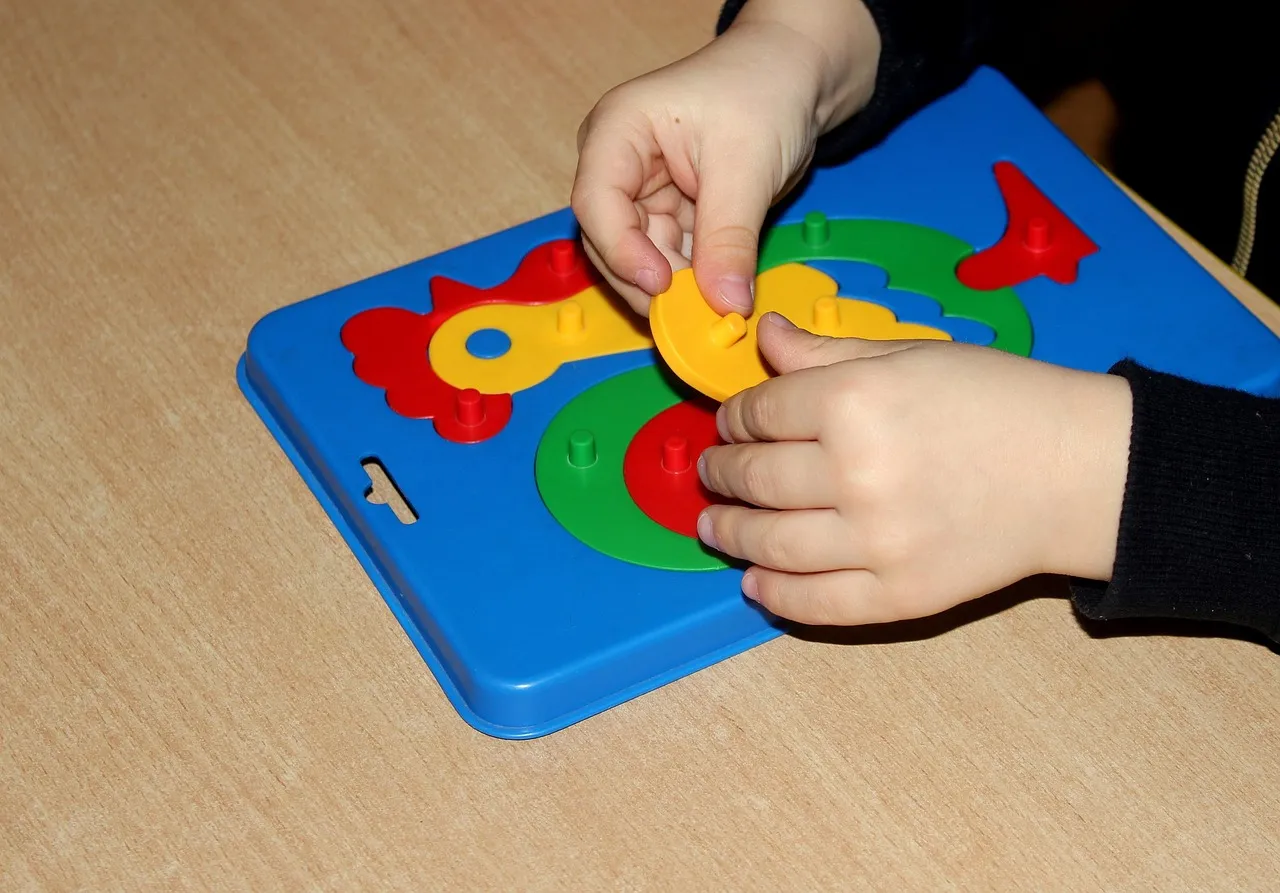
The growing body of evidence linking puzzle play to measurable gains in spatial reasoning, fine motor development, and mathematical ability among children aged 3 to 12 has driven systematic adoption of jigsaw puzzles within formal and informal educational settings. This isn’t just good parenting instinct, it’s documented. By manipulating puzzle pieces, children strengthen their hand-eye coordination and dexterity. Working on a puzzle requires focus and concentration to fit the pieces together and complete the picture. Completing a physical picture brings a sense of accomplishment and pride to children.
The children’s segment continues to grow steadily, supported by the adoption of educational puzzles that enhance motor skills, problem-solving, and visual learning. What looks like play from the outside is, in many ways, serious developmental work happening one piece at a time.
Adults Rediscovering the Habit

The adult segment held the largest market share of around 55% in 2024, driven by the rising popularity of puzzles as a mindfulness and stress-relief activity. Adults increasingly view jigsaw puzzles as tools for cognitive engagement and leisure, especially post-pandemic. Many adults return to puzzles not because of childhood nostalgia, but because they genuinely need somewhere to put their attention that isn’t a screen. In a world filled with constant distractions and stresses, jigsaw puzzles have earned a reputation as a great way to unwind. Many people are rediscovering the mental and emotional benefits of puzzling, using it as a form of mindfulness. Puzzling helps with focus, problem-solving, and memory retention while providing a sense of accomplishment upon completion.
Key drivers of the U.S. jigsaw puzzle market include a growing interest in mental wellness activities, the rise of hobby culture, and the increasing trend of family bonding through indoor activities. The wellness angle is real and increasingly recognized. Government health agencies have also recognized the cognitive benefits of puzzles, with some recommending them as part of brain health initiatives for older adults.
The Tradition That Refuses to Fade
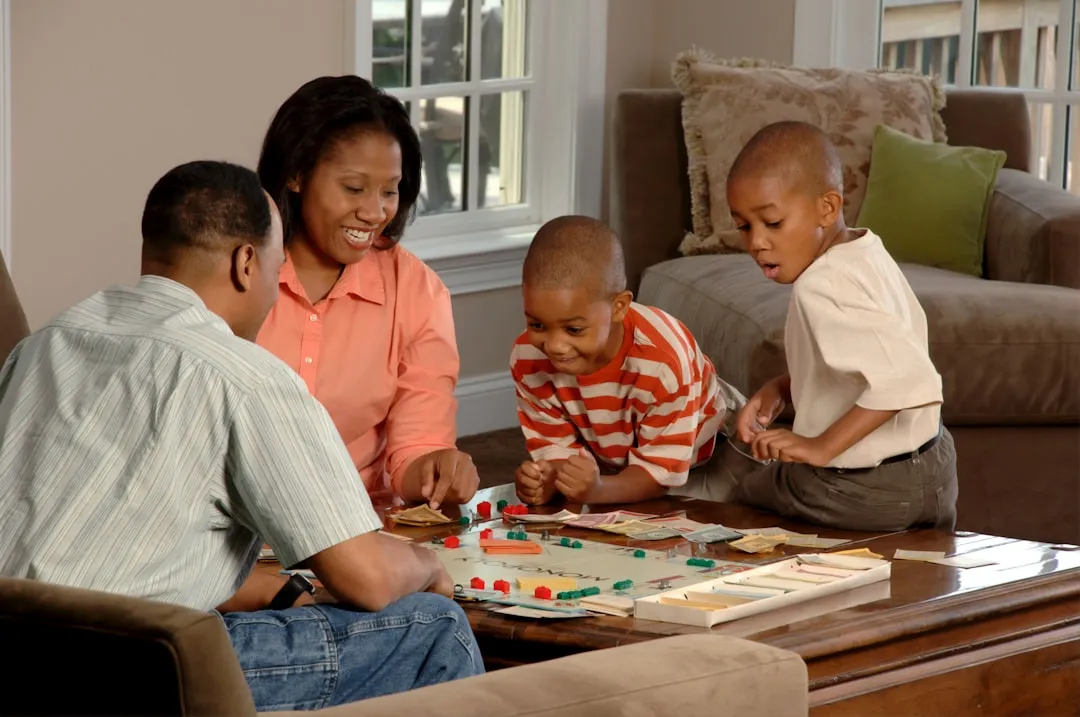
Many families build cherished traditions around jigsaw puzzles, whether it’s setting aside Sunday afternoons for puzzling or working on holiday-themed puzzles during festive seasons. These rituals provide consistency and create special moments that family members look forward to year after year. Such traditions enhance the sense of belonging within the family unit. They establish meaningful routines that reinforce unity despite external pressures or changes in daily life schedules.
A major key driver of industry growth is the rising consumer demand for screen-free recreational activities and mental stimulation across all age groups, particularly driven by educational awareness and family bonding preferences. The industry has witnessed a resurgence as consumers seek tactile and interactive experiences in an increasingly digital world. The puzzle on the table, it turns out, is not a relic. It’s a response.
What the Comeback Really Means
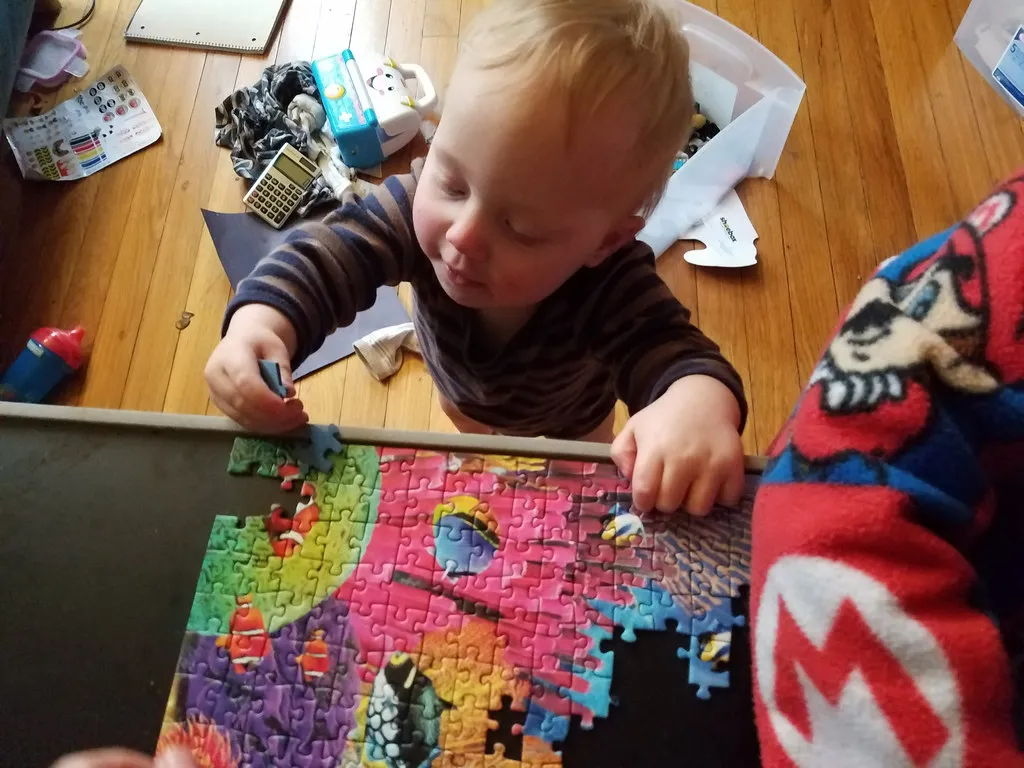
Strip away the market data and what you find is something simpler. The puzzle habit endures because it asks something different of people than most modern activities do. It asks for patience. It rewards attention. It doesn’t require everyone to be equally skilled or equally fast, which is perhaps why it works so well across generations.
Jigsaw puzzles fulfill dual roles: they contribute significantly to individual cognitive development while simultaneously offering a valuable tool for family bonding. Few pastimes can genuinely claim both. Over time, completed puzzles may be kept as mementos or even framed as artwork symbolizing teamwork and love within the household, making the experience tangible beyond just the activity itself. That unfinished puzzle on the kitchen table isn’t clutter. It’s an open invitation.
AI Disclaimer: This article was created with the assistance of AI tools and reviewed by a human editor.