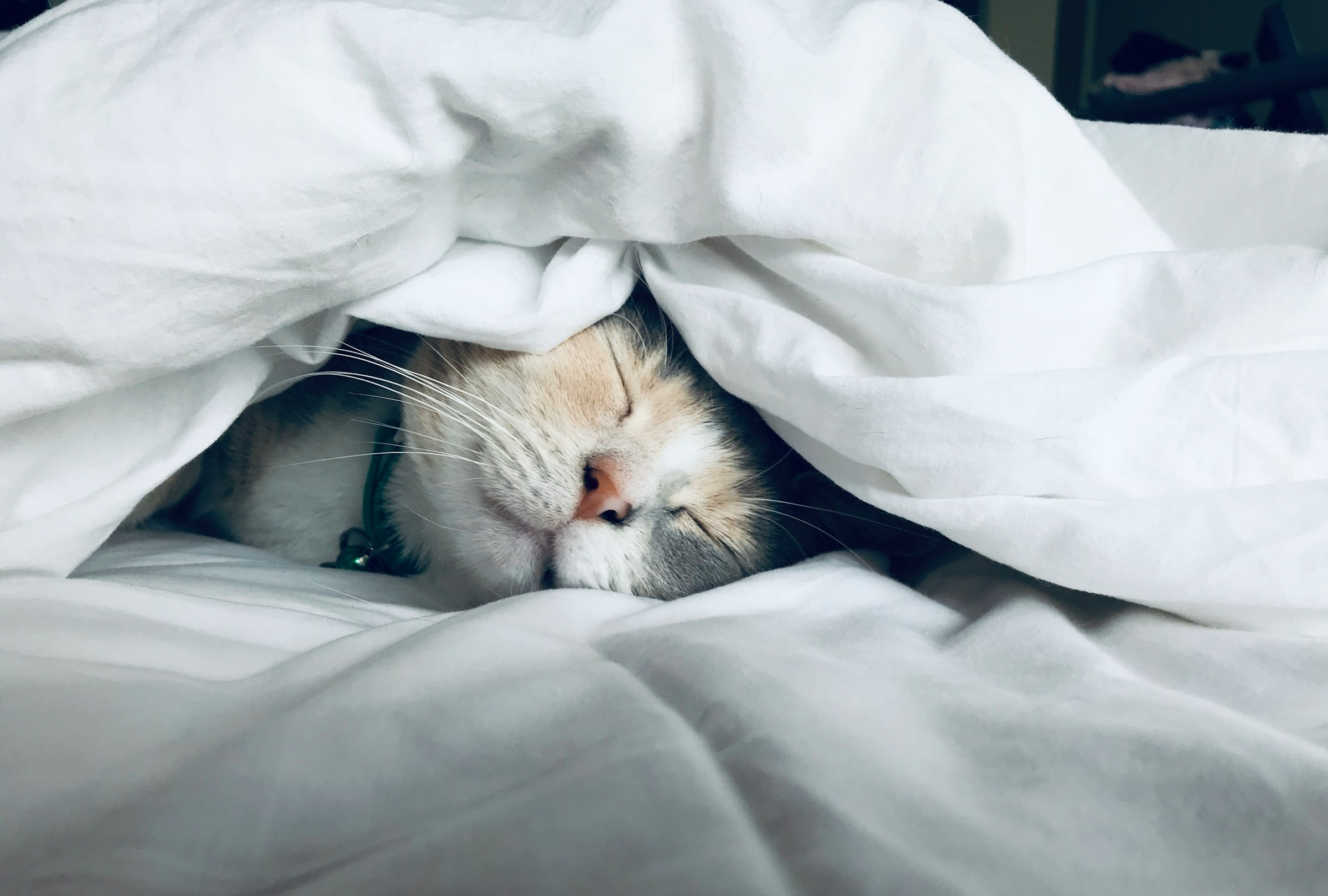

Cats Purr When They’re Frightened, in Pain, and Even Dying
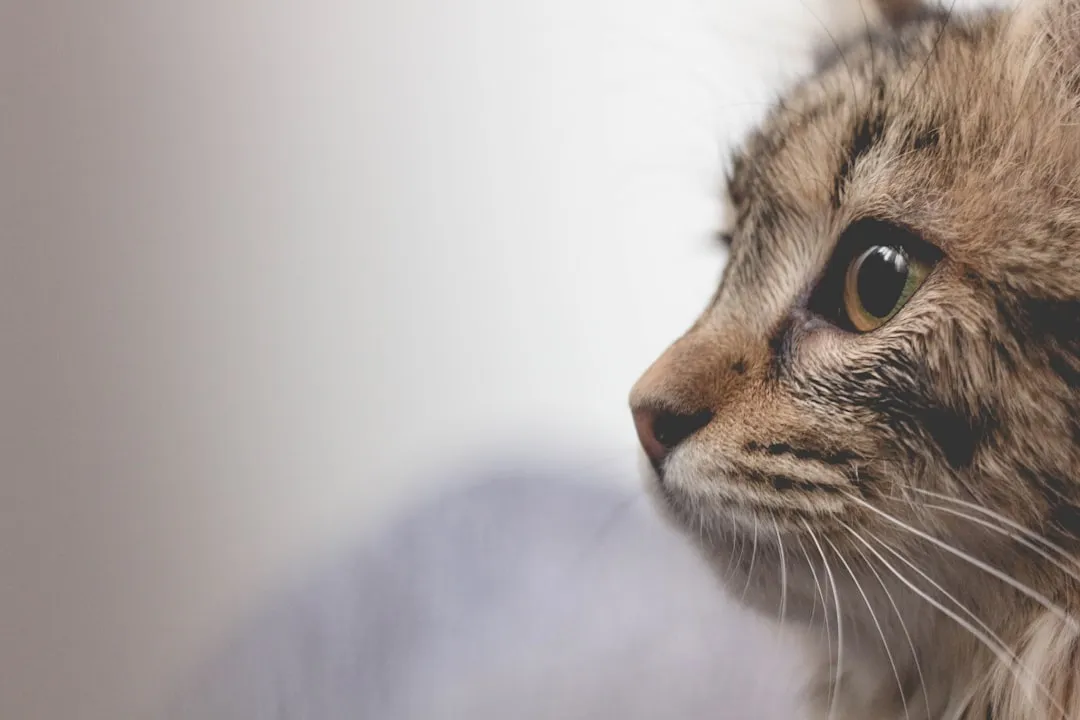
Contrary to popular belief, cats don’t only purr when they’re happy. They also purr when they’re frightened, in pain, giving birth, or even near death. That’s a striking range of contexts for a sound most of us file under “comfort.”
Researchers have long noted that cats purr in moments that are anything but blissful, at the vet, when injured, even while giving birth or near death. That points to purring as a form of self-soothing rather than a pure happiness signal.
This wide range of situations has led scientists to believe that purring isn’t just communicative, it’s therapeutic. The distinction matters, because it changes what the sound actually means when you hear it.
Kittens Start Purring Within Days of Birth
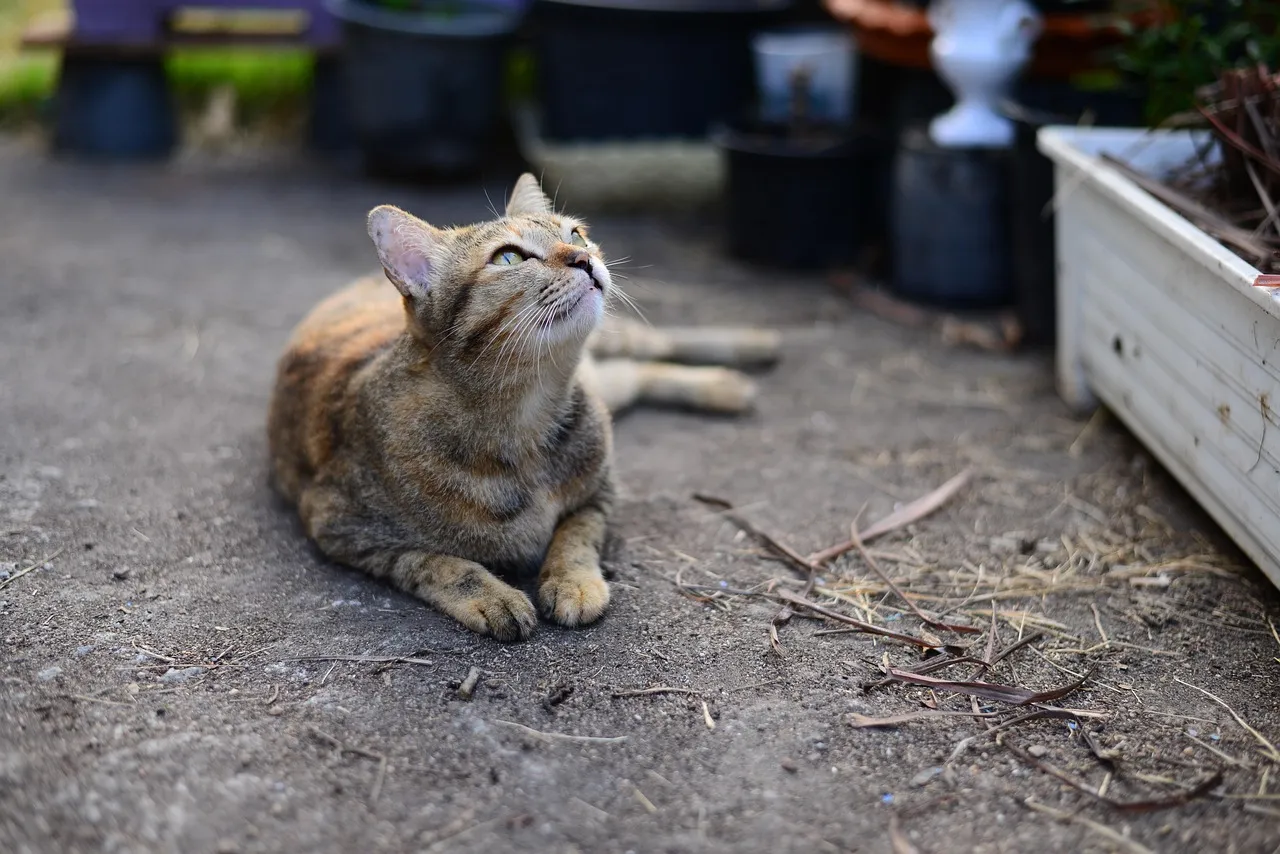
Kittens learn how to purr when they are a couple of days old. Veterinarians suggest that this purring tells the mother “I am okay” and that “I am here.” It also indicates a bonding mechanism between kitten and mother.
In practice, a cat may purr to express contentment and bond with you, since kittens purr within days of birth to tell their mother they’re there. The sound begins, in other words, as survival communication rather than an expression of any particular emotional state.
This early-life function is worth keeping in mind the next time an adult cat purrs at you. The roots of the behavior are far more practical and urgent than they appear on the surface.
The Science Behind How Purring Actually Works Changed in 2023
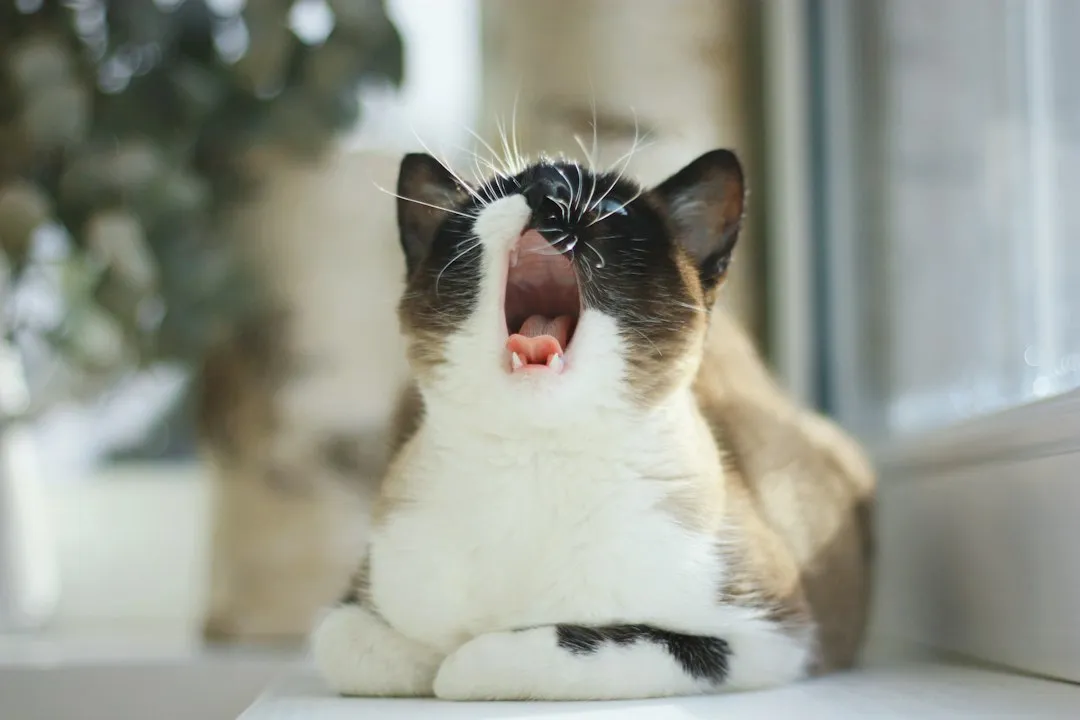
For half a century, textbooks said purring required the brain to fire rhythmic signals to the larynx twenty to thirty times a second. A 2023 study from the University of Vienna upended that idea.
A study led by Austrian voice scientist Christian T. Herbst at the University of Vienna demonstrated that these cyclic muscle contractions are not needed to generate cat purrs. The larynx, it turns out, can sustain the vibration somewhat independently.
What makes the purr distinctive from other cat vocalizations is that it is produced during the entire respiratory cycle, meaning both when inhaling and exhaling. That continuous, two-directional sound is unusual among mammals and contributes to its consistent, uninterrupted quality.
The Purr Vibrates at Frequencies Linked to Healing
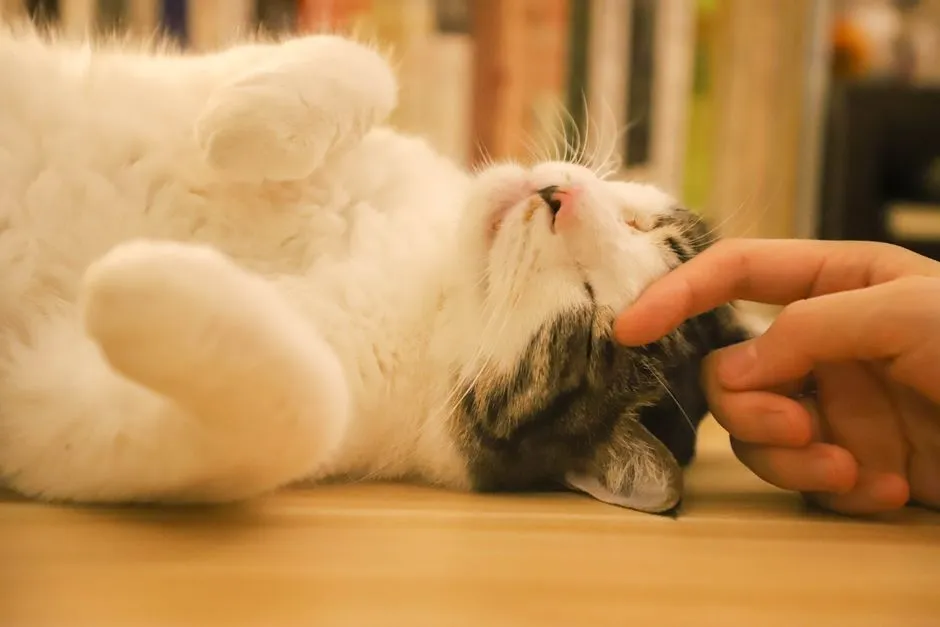
These contractions happen at a rate of twenty-five to one hundred fifty vibrations per second, and the sound is created both when the cat inhales and exhales. This frequency range isn’t just a quirky feature, it aligns with frequencies known to promote healing in bones, tissues, and muscles in other mammals, including humans.
Purr frequencies correspond to vibrational frequencies used in treatment for bone growth, fractures, pain, edema, muscle growth, joint flexibility, and wounds. Domestic cats, servals, ocelots, and pumas produce fundamental frequencies at exactly twenty-five Hz and fifty Hz, the two low frequencies that best promote bone growth and fracture healing.
Bone responds to twenty-five to fifty Hz and skin and soft tissues to around one hundred Hz according to researchers. The overlap between a cat’s natural purring range and medically established therapeutic frequencies is not coincidental, according to several scientists who study the phenomenon.
Cats May Be Healing Themselves While They Purr
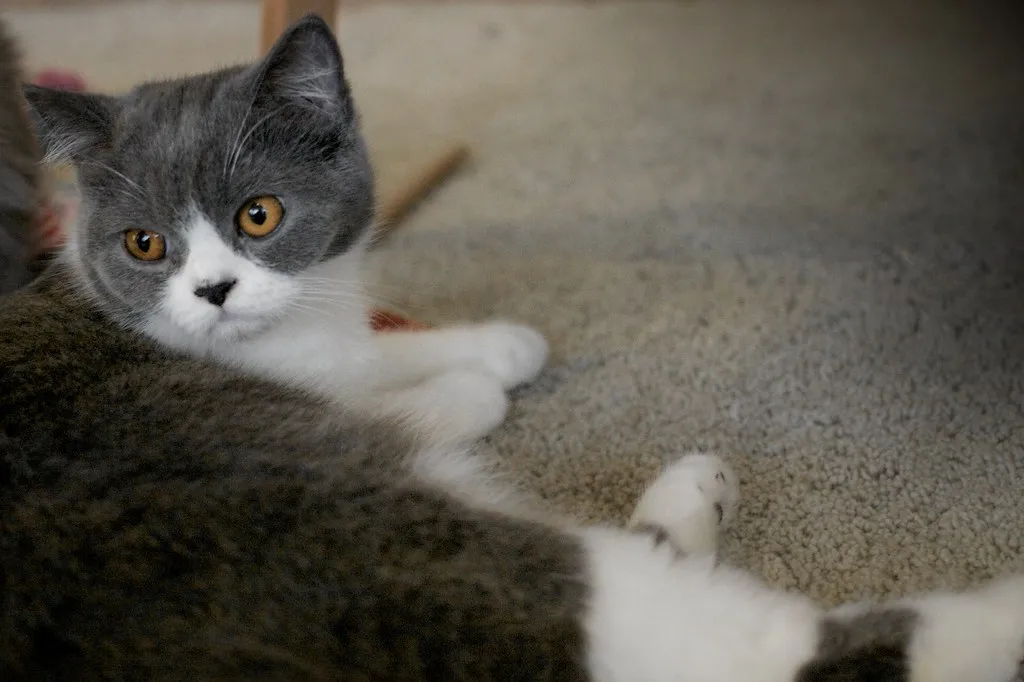
Some animal behaviorists and veterinarians believe that purring may be a form of self-repair. Unlike dogs, who often develop bone and joint issues in old age, cats rarely suffer from such problems, even though they fall and jump from high places.
Researchers are seriously considering the idea that cats purr not just to communicate comfort, but to create it within their own bodies. The healing frequency theory holds that the vibrations generated during purring promote tissue regeneration and reduce pain from within.
Some studies indicate that the vibrations during purring stimulate tissue at the cellular level, which can reduce inflammation and contribute to healing. Purring cats may alleviate their own injuries or pain through this self-healing mechanism. It’s a biologically elegant solution, one the cat doesn’t appear to choose consciously.
There’s a Hidden Cry Embedded in the “Feed Me” Purr
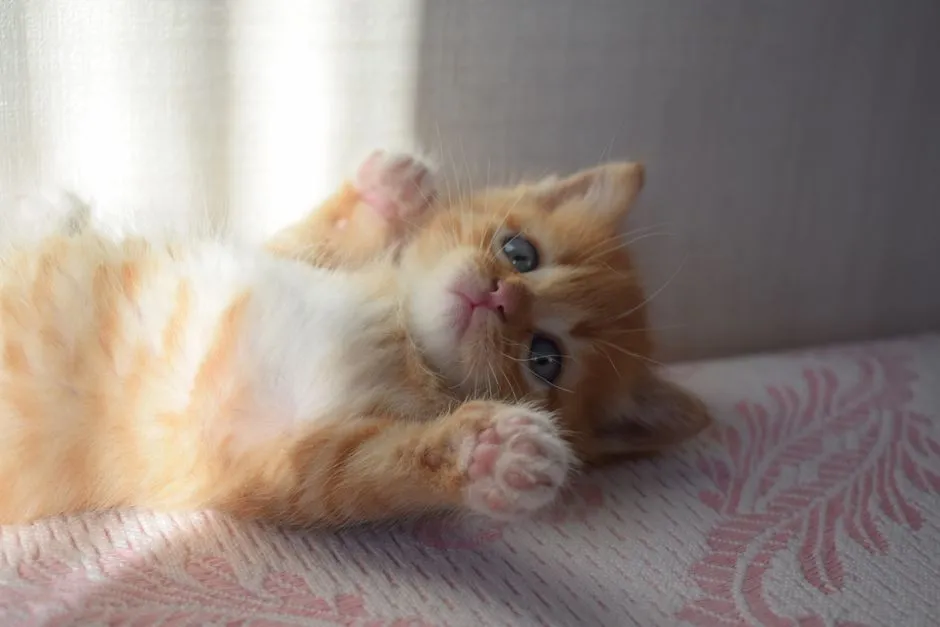
When they want food, domestic cats will often purr in a strangely plaintive way that their owners find difficult to ignore. By analyzing the structure of these calls, Karen McComb from the University of Sussex found out why. On the surface, the solicitation purrs are based on the same low-pitched sounds that contented cats make, but embedded within them is a high-pitched signal that sounds like a cry or a meow.
At a frequency of around three hundred and eighty Hz, this extra sound stands out from the typical low frequencies of a purr and is more like a cry or a meow. The pitch lands remarkably close to that of a human infant’s cry, which is not an accident.
A high-frequency acoustic element embedded in the otherwise low-frequency purr was responsible for creating a sense of urgency in human listeners. It appears that this high-frequency element, at around the same frequency as a baby cry, is difficult for humans to ignore because of a sensory predisposition to nurture their own offspring.
Even Non-Cat Owners Can’t Tune It Out
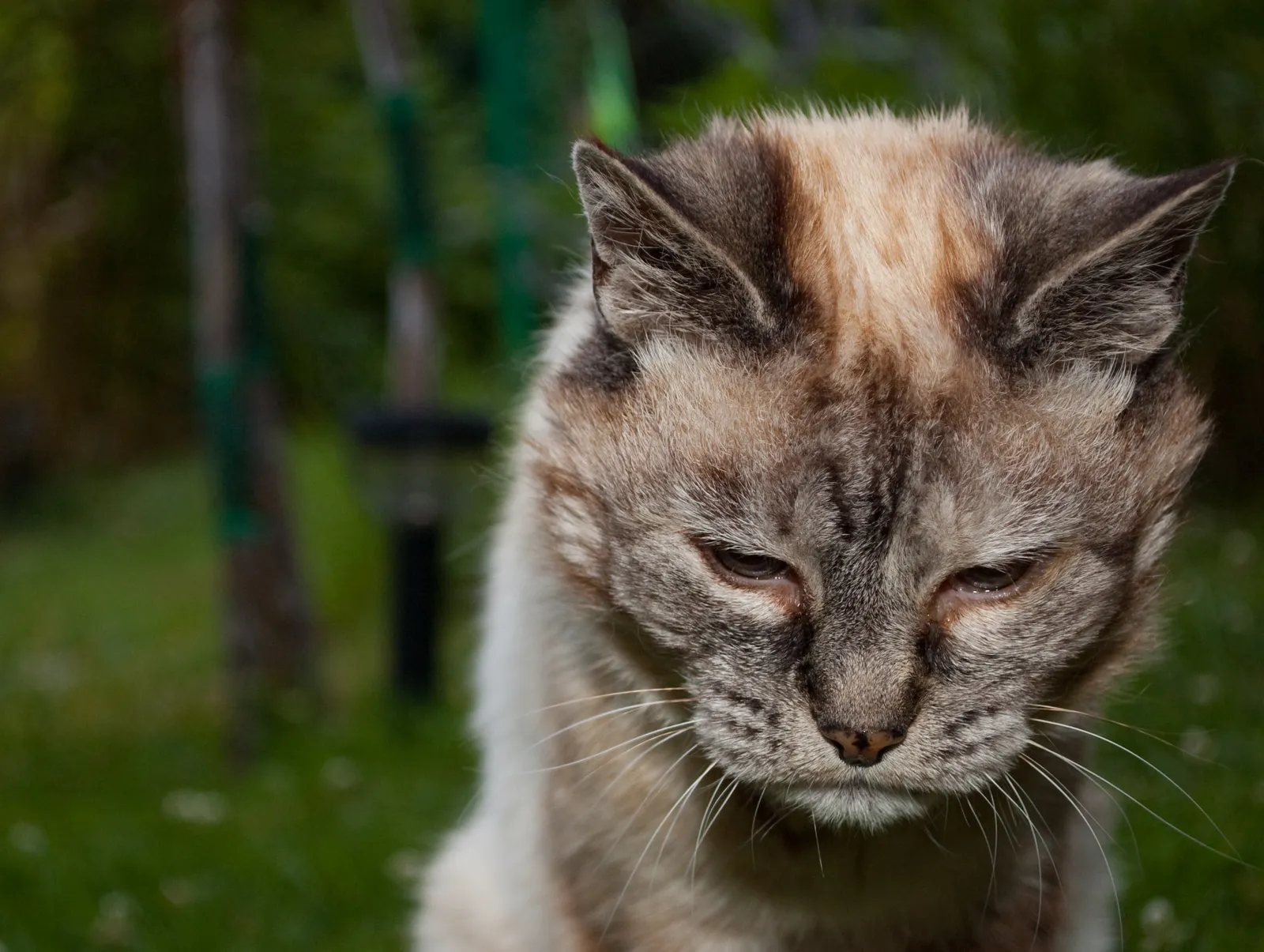
Domestic cats make subtle use of one of their most characteristic vocalizations, purring, to solicit food from their human hosts, apparently exploiting sensory biases that humans have for providing care. When humans were played purrs recorded while cats were actively seeking food at equal amplitude to purrs recorded in non-solicitation contexts, even individuals with no experience of owning cats judged the solicitation purrs to be more urgent and less pleasant.
As the ultimate test of its importance, McComb took recordings of solicitation purrs and removed the voiced element, leaving everything else the same. Without it, human volunteers could no longer tell the difference between these purrs and others. That single acoustic component carries the entire emotional weight of the demand.
The implication is fairly straightforward: cats have, through generations of living alongside humans, refined a sound that short-circuits our parental instincts. It works on almost everyone, regardless of their prior experience with cats.
Purring Can Lower Blood Pressure and Reduce Stress in Humans
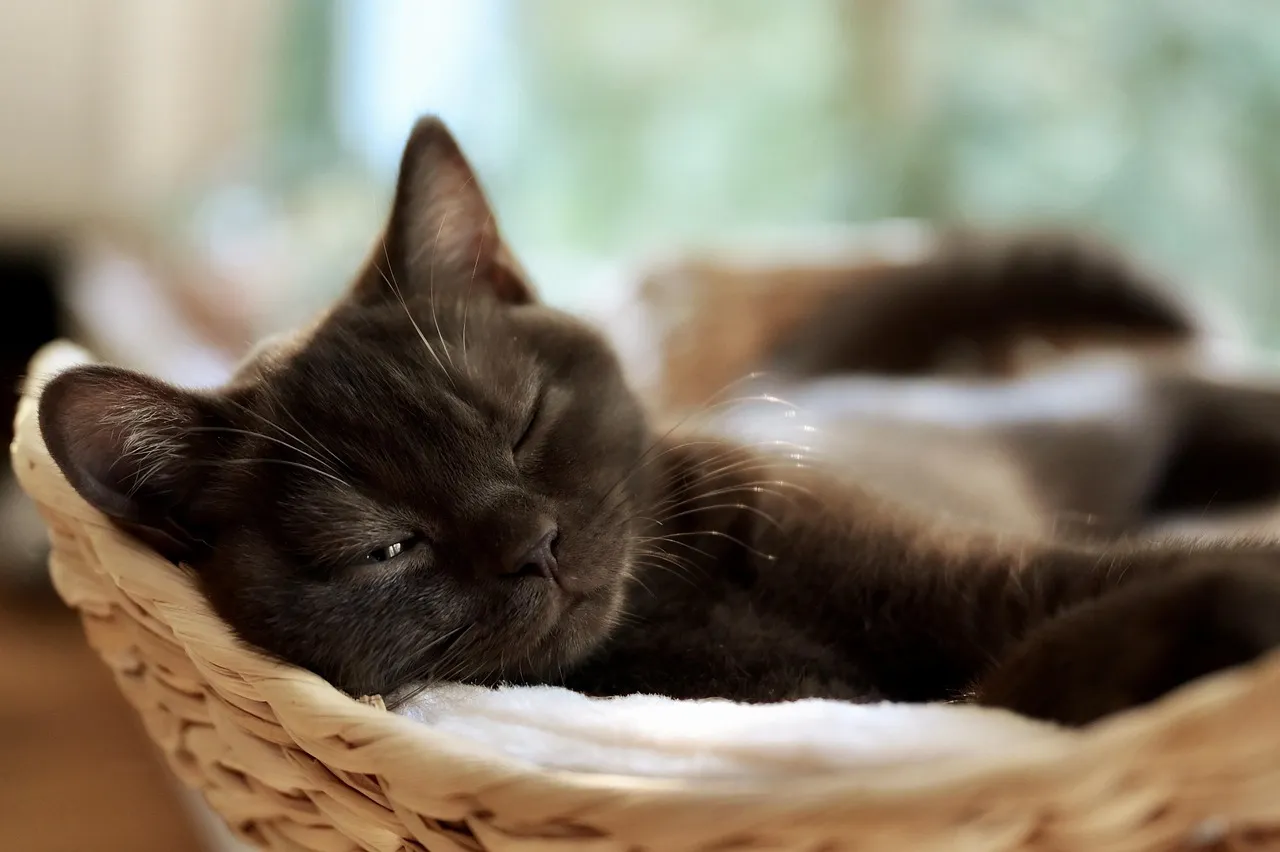
A cat’s purr creates vibrations between twenty Hz and one hundred fifty Hz that could boost bone growth and repair soft tissue. The science shows these purring vibrations help lower blood pressure, reduce stress, and speed up healing.
In addition to the possible physical therapies associated with cat purrs, cat purrs are also associated with calming effects in humans and can aid in stress relief. Sound resonation has been shown to viscerally stimulate the parasympathetic nervous system, decreasing stress and anxiety in recipients.
People recovering from injuries or dealing with chronic pain conditions may benefit from spending time with a purring cat. Additionally, the vibrations created by cat purring have been linked to the release of nitric oxide, a molecule that plays a role in reducing pain and improving circulation. For individuals dealing with arthritis or muscle soreness, the cat purring effect on humans may serve as a natural source of relief.
A Genetic Component to Purring Behavior Was Identified in 2025
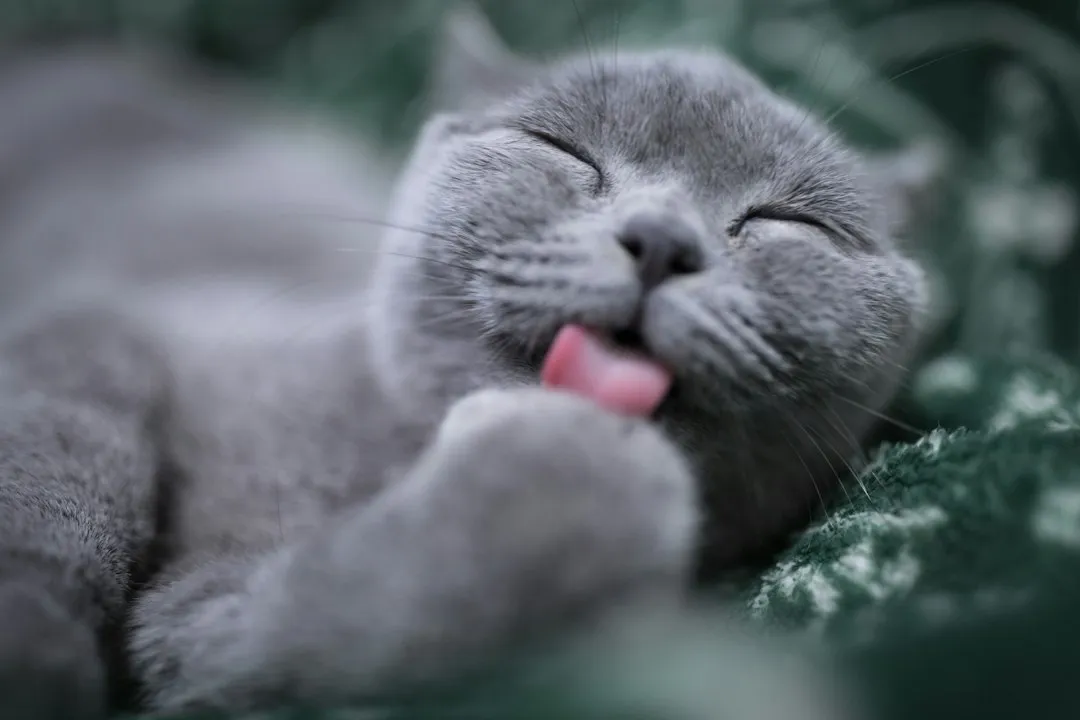
Cats are believed to purr for various reasons, from expressing contentment and self-soothing to even helping promote bone regeneration and heal fractures. A study undertaken by Yume Okamoto and colleagues at the Kyoto University Wildlife Research Center in Japan focused on variations in the androgen receptor gene, which has been linked to various feline behaviors.
In their study, the researchers worked with two hundred and eighty domestic cats, all of whom were neutered or spayed mixed breeds kept as indoor pets. The team both conducted behavioral assessments on the felines and collected DNA samples, allowing them to compare the androgen receptor gene with those in other species of the Felidae family.
The findings revealed that cats raised by humans since kittenhood tend to rely less on vocal communication. Previous studies have indicated that pure-breed cats are more likely to carry the long-type gene. Of the cats in the study, many of the mixed-breed felines were former strays, suggesting that rescue cats may be more vocal. This adds a fascinating layer: the amount a cat purrs may be partly written into its DNA.
Researchers Are Now Trying to Build Medical Devices That Mimic Cat Purrs

The remarkable healing properties of a cat’s purr have captured the attention of scientists and engineers. By studying feline purring mechanisms, researchers are working to develop new medical devices and therapies that harness similar low-frequency vibrations. This approach, known as bio-mimicry, aims to replicate nature’s own healing methods for patient care.
Future therapies inspired by cat purrs could support bone healing, pain relief, and rehabilitation in humans, according to ScienceDaily. The frequency range a cat naturally produces has already been referenced in patent applications for vibrotactile therapeutic devices.
Some therapists now incorporate animal-assisted interventions using purring cats for patients with PTSD, depression, or chronic pain. Whether the cat is aware of any of this is, of course, a separate question entirely.
What the Purr Is Really Telling You
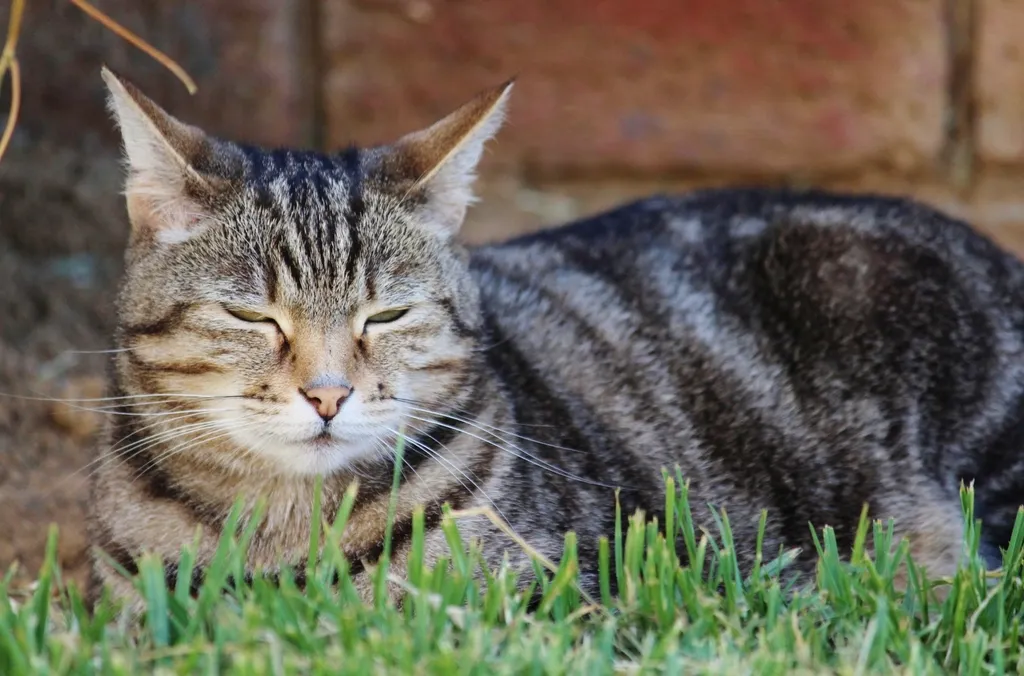
While the purr does generally represent contentment for cats, it can also express nervousness, fear, stress, and even pain sometimes. It’s likely that purring has communication, appeasement, and healing properties. That combination makes it one of the more versatile biological signals in the animal kingdom.
Cats purr for many reasons beyond happiness, which shows just how complex these creatures really are. Their natural instinct to self-soothe through purring during stress or injury shows an adaptation that benefits humans too.
The honest takeaway is that the purr carries more information than we typically bother to read. A cat curled on your lap and vibrating steadily may be content, or it may be quietly managing pain, or subtly working on your nurturing instincts to get dinner served early. The sound doesn’t change much between those situations. The context does. Learning to tell the difference is, in a sense, the whole science of living with cats.
AI Disclaimer: This article was created with the assistance of AI tools and reviewed by a human editor.