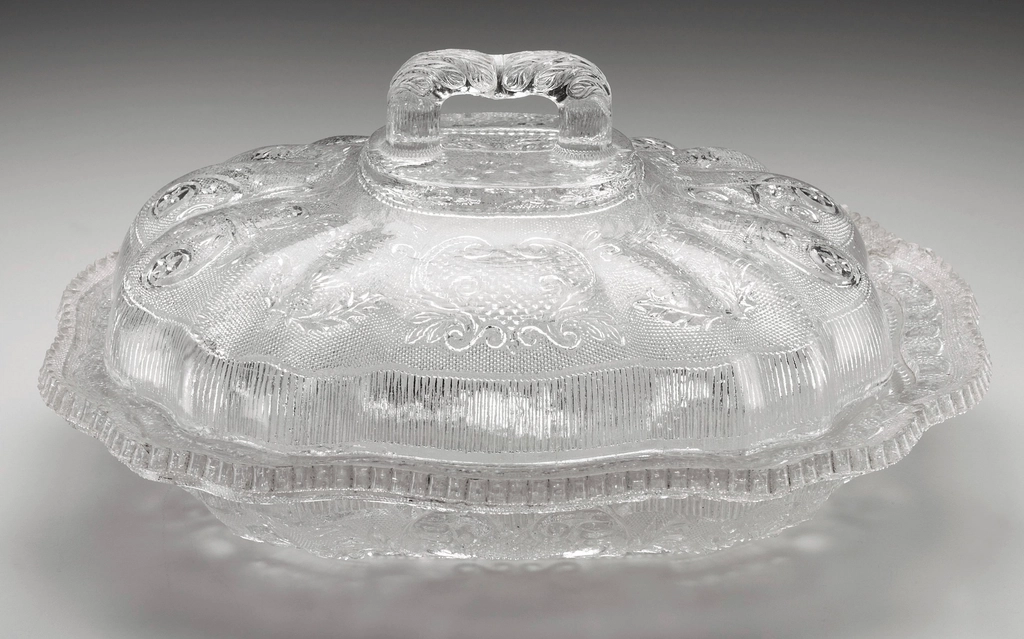

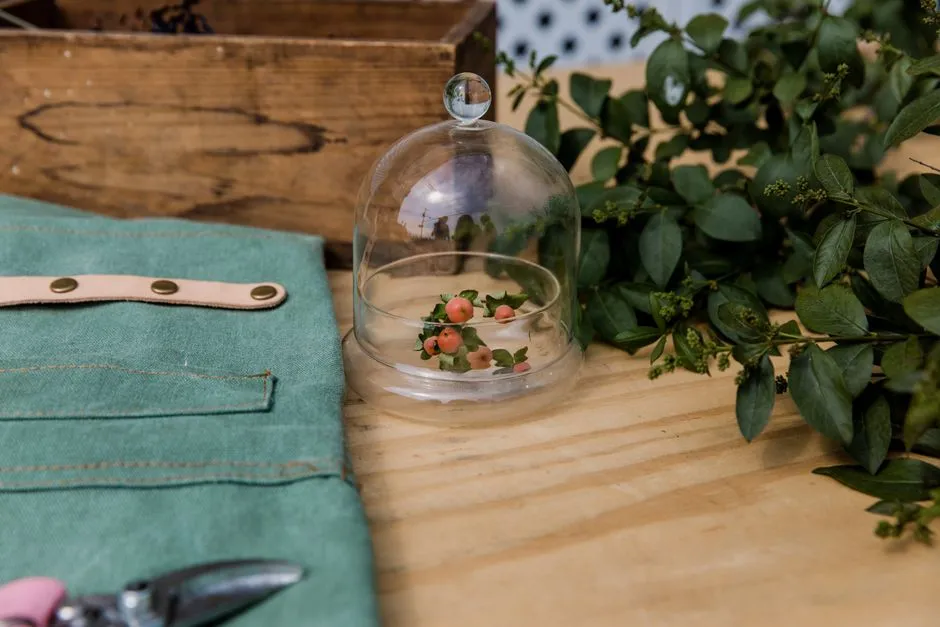
There’s something quietly magnetic about a pressed-glass cloche sitting on a potting bench or a windowsill filled with moss. It doesn’t shout for attention. It simply holds it. These objects occupy a rare intersection of utility and beauty that few garden antiques manage quite so well.
The collector’s renewed appetite for cloches reflects something broader happening across the antiques market. The antiques and collectibles market was valued at USD 238.1 billion in 2024 and is projected to grow to USD 402.9 billion by 2034, at a compound annual growth rate of roughly five and a half percent. Within that expanding universe, tactile, visually engaging objects like the pressed-glass cloche are drawing serious attention from a new generation of buyers.
A Bell with Centuries of History Behind It
“Cloche” simply means “bell” in French, and soon after its earliest use, French, English, and Dutch gardeners relied on these glass bells to shield seedlings from frost while still allowing sunlight in. The concept was rooted in pure practicality. A tender seedling beneath a glass dome gains warmth, humidity, and protection from late frost all at once.
Over time, the cloche’s purpose expanded beyond horticulture, becoming a staple in Victorian-era cabinets, where they displayed everything from taxidermy butterflies to fragile heirlooms. That transition from the kitchen garden to the drawing room is what gives the cloche its layered identity today. It carries the memory of the soil and the parlor simultaneously.
What Makes a Cloche “Pressed Glass” Specifically
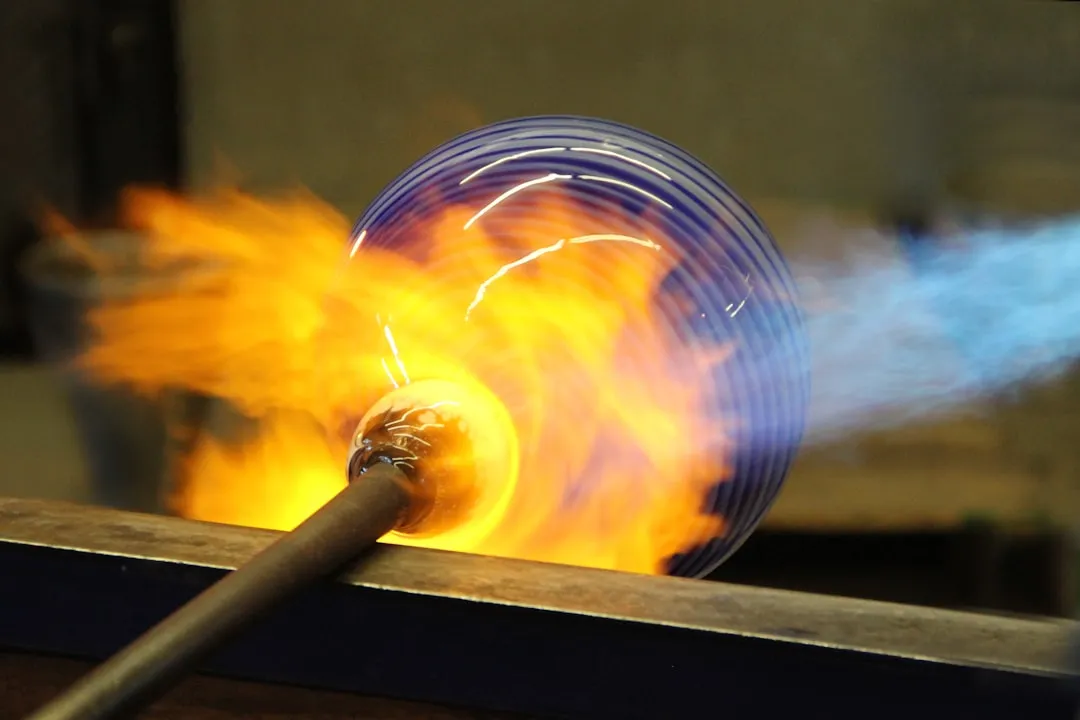
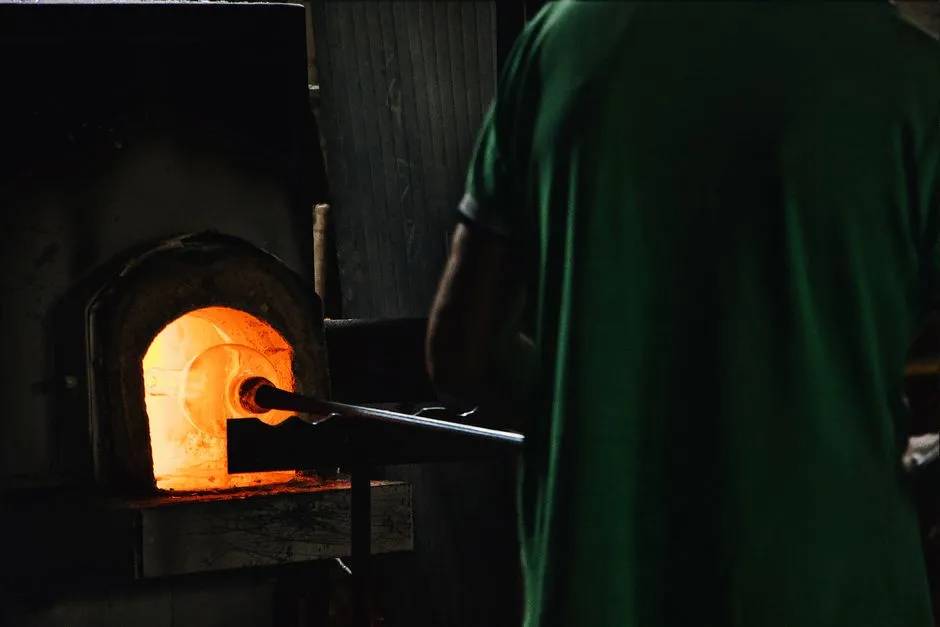
Pressed glass has been around since the middle of the 19th century. It’s made using glass molds and a plunger that presses the molten glass into the mold, an inexpensive process that made it possible for everyday people to own decorative glassware for the first time. For garden cloches, that process translated into repeating surface patterns, consistent wall thickness, and a slightly softer visual texture compared to blown or cut glass.
The fastest test to identify pressed glass is to run your fingertip lightly across the pattern. Pressed glass feels smooth and rounded because the design was formed by a mold, not carved. That tactile quality is part of what makes handling a genuine antique pressed-glass cloche so satisfying for collectors. The surface has a warmth to it that cold-cut glass simply doesn’t.
The Victorian Gardening Connection

Victorian cloches have long fascinated collectors and gardeners alike. There’s something quite special about these miniature glasshouses and their design, combining period charm with practicality, and the ability to extend the growing season created many more gardening opportunities. In Victorian kitchen gardens, rows of cloches in the walled garden were a sign of a well-run estate.
A genuine Victorian antique garden cloche typically features iron and glass construction, with a lid that could be removed for watering and ventilation. The iron frames were often painted green or left to weather to a warm rust. Those original frames are part of what collectors prize most, since the glass alone tells only half the story.
Identifying the Real Thing from a Reproduction

Imperfections are the fingerprints of history. Bubbles, straw marks, and asymmetries aren’t flaws in antique glass; they are proof of its handmade journey and are often the most sought-after characteristics for collectors. We expect modern glass to be flawless, but in the world of antiques, the “flaws” are where the real character lies, serving as direct evidence of older, less-controlled production methods.
Provenance and authenticity matter enormously. Documented original ownership, the correct glass formula, accurate mold details, and a verified maker all contribute to value. A piece confirmed as authentic against a reproduction can be worth five to ten times more. That gap is significant enough to justify careful examination before any purchase.
The Rarity Factor: Why Intact Examples Are Scarce

Sadly, few intact antique cloches remain, and those that do are oftentimes in conditions beyond repair. Glass is inherently fragile, and a working garden cloche from the 19th century endured decades of handling, temperature change, and outdoor exposure. The ones that survived in good condition represent genuine attrition, not just age.
On established antique platforms, 19th-century French mouth-blown glass cloches and early Victorian iron-and-glass examples appear regularly, with some French melon cloches listed as antique glass garden cloches from the 1880s. Prices vary considerably depending on condition, completeness of the original frame, and whether the glass retains its original surface character. Serious collectors tend to prioritize integrity over cosmetic perfection.
Pressed Glass Patterns Worth Knowing

Pressed glass patterns were created using molds that allowed manufacturers to replicate intricate designs across large production runs in the late 19th and early 20th centuries. This innovation made attractive glassware accessible to a growing middle-class market. For cloches specifically, geometric panel designs and ribbed surfaces were the most common, since they added structural strength while distributing light evenly over whatever grew beneath.
Vintage pressed glass can be identified by its aged features, including stains, mold marks, and blunt motifs. Intricate, symmetrical patterns such as flowers, geometric shapes, stars, fruits, and animals were among the most prized. A cloche with a well-defined repeating floral panel in clear or pale green glass represents exactly the kind of find that moves quickly at auction or estate sales.
How Collectors Display Them Today

For lovers of sentiment, a cloche can hold a ribbon, a pressed flower, a handwritten note – tokens of memory preserved not in drawers, but in sight, where they can be savored daily. That instinct runs deep, and it’s why the pressed-glass cloche has migrated so successfully from the potting shed to the kitchen shelf and the entryway table.
Cloches can be filled with candles, dried flowers, shells, books, or ornaments, and Victorian glass domes look particularly striking in living rooms, bedrooms, and entryways, while rustic cloches suit farmhouse kitchens. The display possibilities are genuinely wide, which is part of why collectors rarely stop at one. A single cloche becomes a pair, then a considered grouping.
The Market Driving Renewed Demand
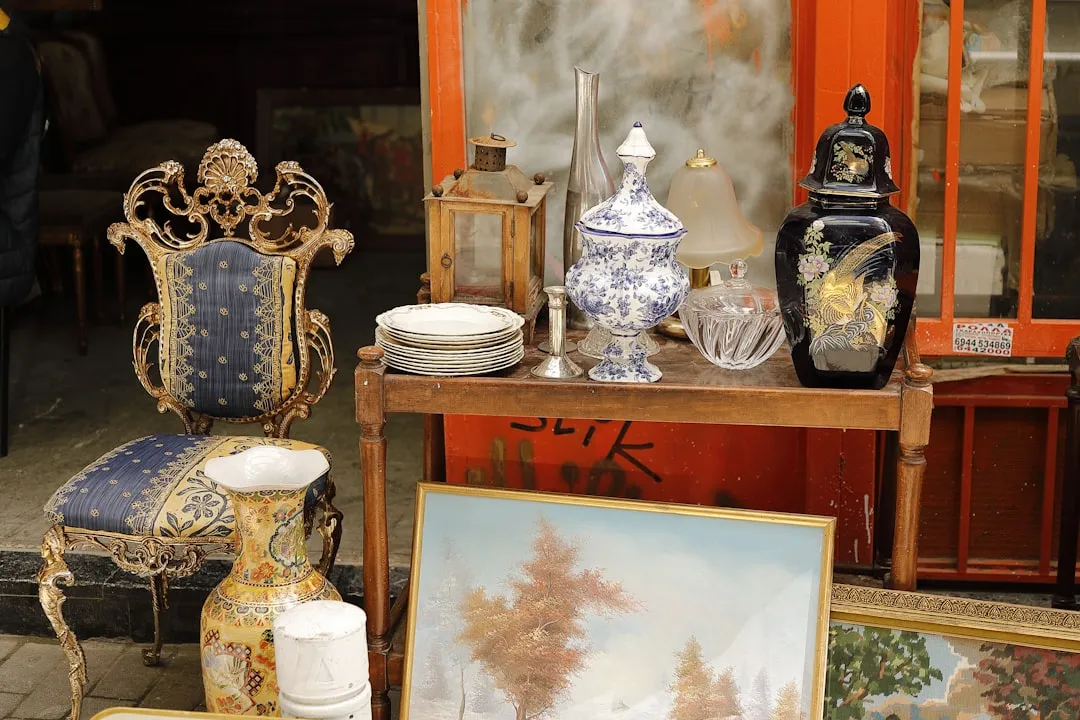
The antiques trade in 2025 and 2026 stands at a fascinating inflection point, with multiple favorable trends converging: younger buyers embracing vintage for both aesthetic and sustainability reasons, and affluent collectors continuing to invest in tangible assets. Garden antiques in particular benefit from this convergence, sitting comfortably between decorative objects and functional heritage pieces.
There has been a surge in demand for second-hand and vintage items, including household goods, and the second-hand market is expanding at a rate roughly 21 times faster than traditional retail stores. Within that wider shift, pressed-glass cloches occupy an especially appealing niche. They’re small enough to be accessible, old enough to carry genuine history, and distinctive enough to reward the time spent searching.
Where to Find Genuine Pressed-Glass Cloches
Individual buyers made up the largest group of end users in 2024 and purchased based on personal interest, nostalgia, or investment value at estate sales, antique shows, or online. The capacity to physically examine the item and verify authenticity still brings serious collectors and investors to the table, even with the increasing use of e-commerce. For cloches, in-person examination remains the gold standard.
Because there are thousands of vintage pressed glass patterns, identification comes down to matching your piece with another you recognize, and browsing auction sites and antique stores to compare examples remains one of the most reliable approaches. Specialist dealers focused on garden antiques, Victorian horticultural objects, and decorative glass tend to have the most rigorously sourced inventory and the context to explain what they’re selling.
Caring for a Pressed-Glass Cloche in Your Collection
Pressed-glass cloches require relatively little maintenance, but a few habits protect their long-term condition. Avoid sudden temperature changes, which can stress the glass along existing micro-fractures. Clean with a soft, damp cloth rather than abrasive materials that could dull the surface texture or erode any original patina around the base.
Storage and display positioning matter too. A typical antique glass dome and pressed-glass base together stand roughly nine to ten inches tall, with the dome alone having a four-to-five-inch opening diameter. That compact footprint makes proper shelf placement straightforward, though bases should sit on a stable, level surface to avoid any rocking that could tip the dome over time. Keeping cloches out of direct, prolonged sunlight also prevents any discoloration of older glass formulations.
Final Thoughts

The pressed-glass cloche earns its place at the top of many a collector’s wish list not through rarity alone, but through what it represents. It connects the practical intelligence of 19th-century horticulture to the quiet pleasure of living with beautiful, purposeful objects. That combination is genuinely hard to manufacture.
In a collecting landscape increasingly shaped by digital marketplaces and rapid trend cycles, antique glass collecting remains one of the most visually rewarding paths in the world of antiques, with glass telling stories about technology, taste, and everyday life in ways few objects can match. The pressed-glass cloche tells that story particularly well. It sat over a seedling once. Now it sits on your shelf, and the distance between those two places is where its real value lives.
AI Disclaimer: This article was created with the assistance of AI tools and reviewed by a human editor.