
Your phone buzzes. A text says your prescription is ready and a small copay is due. The link looks familiar, the pharmacy name checks out, and the message reads exactly the way you’d expect it to. So you tap the link. That moment is precisely what the scammer planned.
Pharmacy impersonation scams have been growing steadily for years, but the sophistication and scale of these operations have shifted notably since 2024. The texts are cleaner, the fake websites are more convincing, and the people sending them are increasingly organized. Understanding how these scams actually work is the clearest path to avoiding them.
The Scale of the Problem Isn’t Small
In 2024, consumers reported losing $470 million to scams that started with text messages, according to the Federal Trade Commission. That amount is five times higher than what was reported in 2020, even though the number of reports declined. The gap between reported and actual losses is probably wide. Since the vast majority of frauds are never reported, the $470 million figure likely reflects only a fraction of the actual harm.
Why Pharmacy Texts Are So Easy to Fake
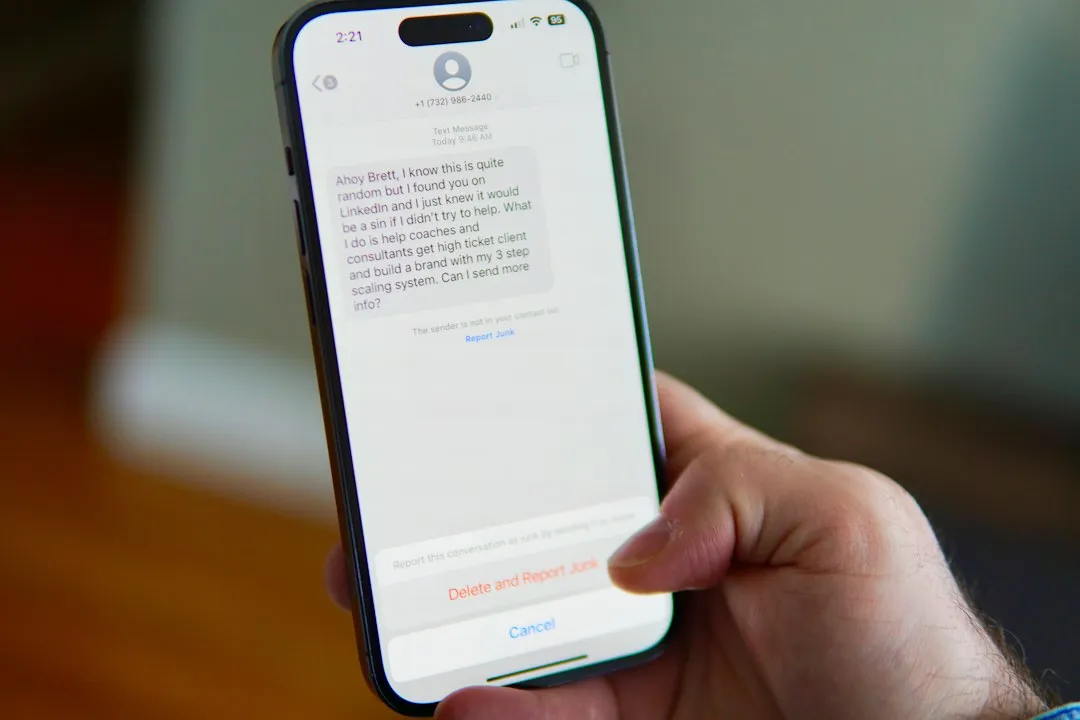
Scammers impersonating healthcare providers, pharmacies, or insurance companies exploit the trust and urgency associated with medical matters, sending messages about prescription refills, insurance verification, or appointment confirmations to trick recipients into revealing sensitive personal health information, financial details, or login credentials. The medical context adds a layer of authority that other scam categories simply don’t have. The constant barrage of legitimate text messages from healthcare providers creates a false sense of security, and when a text comes in purportedly from your doctor or pharmacy, the natural inclination is to click it.
Real Pharmacy Brands Are Being Spoofed
CVS Health alerted customers in 2024 about phone calls from scammers posing as pharmacy representatives who were spoofing CVS Pharmacy’s phone number. The same pattern applies to texts. Reports from California Health Advocates document criminals spoofing CVS, Walgreens, and other pharmacy phone numbers and posing as representatives from those chains. The recognizable name is the entire point. Smishing works by borrowing trust from a recognizable name, then replacing the next step with a fake one: click this link, sign in here, pay this fee, or confirm this code.
What the Fake Message Actually Wants
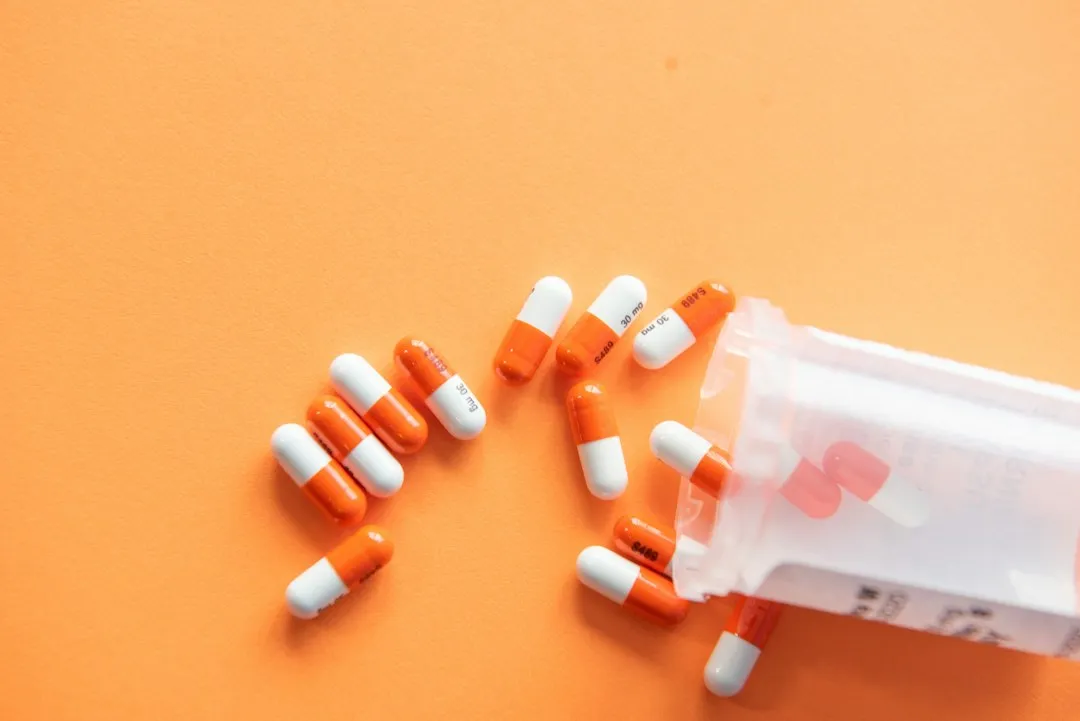
Fraudsters send text messages offering significant discounts on prescription drugs or warning about imminent issues with existing prescriptions, and these messages often contain links to fraudulent websites designed to capture personal details or install malicious software. A specific documented case illustrates how this works in practice. A text reports a prescription is ready with a small copay and a payment link. The amount is too small to question. The card entered is then used for over a thousand dollars in online purchases, and insurance details captured alongside it are resold.
Scammers Use Discarded Prescription Bottles Too
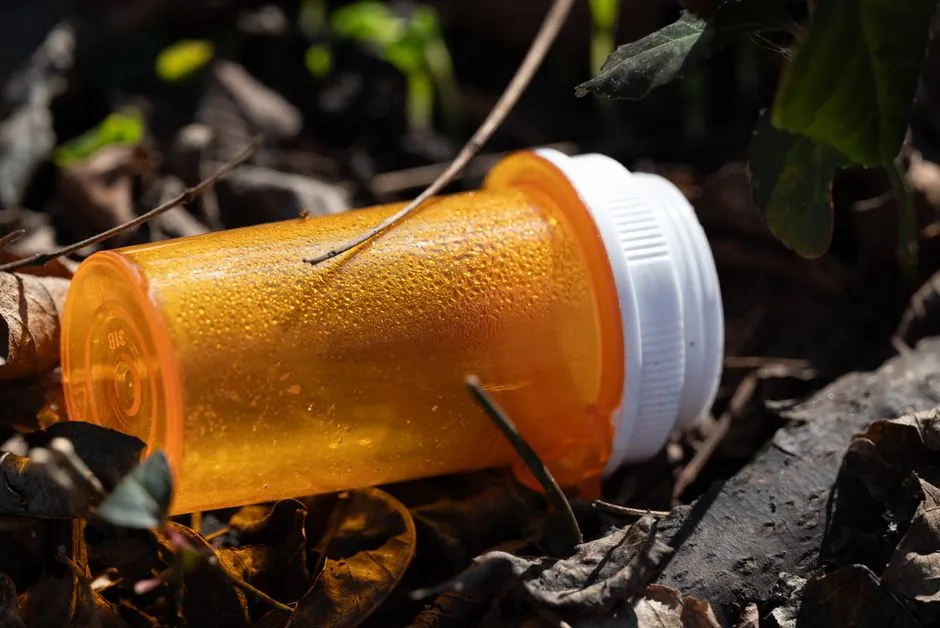
A scammer can retrieve a prescription bottle from a person’s trash, gaining a name, phone number, prescription details, pharmacy name, and doctor’s name, and then call the victim claiming that the prescription is no longer covered by insurance but a new one can be sent if the victim provides a credit card number. This offline data collection feeds into very convincing digital outreach. Old prescription bottles should never go straight into the trash, since they contain names, doctor’s names, pharmacy names, medication names, and prescription numbers. Labels should be scrubbed off or bottles returned to the pharmacy.
The Healthcare Sector Is a Primary Target
According to the FBI, the healthcare industry ranked as the top targeted sector for cyber threats in 2025, with 460 known ransomware attacks and 182 data breaches. This isn’t accidental. Financial gain is the primary motivation behind healthcare data theft because of the opportunity for multiple forms of fraud, and stolen protected health information can be used for identity theft and to impersonate patients needing medical services. Medical data is simply worth more on criminal markets than most other personal information.
Large-Scale Coordinated Campaigns Are Now Active

More than 40 health systems, spanning states from Florida to Hawaii, warned patients about a single coordinated scam campaign in August 2026, with scammers using MyChart’s name to access trusted patient portals, sending fake emails and messages that promise free Medicare kits or urgent medical results, with victims who click ending up on cloned sign-in pages that steal login details, install malware, and harvest credit card information. These aren’t random one-off attacks. U.S. healthcare organizations are being targeted with ongoing phishing and SMS-phishing campaigns, with cybercriminal groups seeking protected health information by impersonating trusted healthcare authorities such as the Department of Health and Human Services.
The Technology Behind the Scam Has Gotten More Sophisticated
The “Darcula” phishing-as-a-service platform, used for large-scale SMS phishing campaigns against mobile users worldwide, offers cybercriminals more than 20,000 counterfeit domains to spoof brands and over 200 templates, using iMessage and RCS to steal credentials from both Android and iPhone users. This kind of infrastructure means that sending a convincing pharmacy text no longer requires technical skill. Some phishing pages now include CAPTCHA chains to block automated scans, or mimic live authentication systems by interacting directly with real APIs. The tools have evolved faster than most people’s awareness of them.
How to Tell a Real Pharmacy Text From a Fake One
Real refill and ready notifications from pharmacies are genuine, which is exactly what makes the fake ones effective. The key distinguishing feature is payment: real messages do not collect a copay through a link. That detail alone can prevent most of these scams from succeeding. Scammers target people with texts claiming they have a prescription ready at their pharmacy, but the text then directs the target to a website requesting personal information, and officials warn that clicking the link could lead to information being stolen and used for identity fraud. When in genuine doubt, the Newberry County Sheriff’s Office advises contacting the pharmacy directly rather than using any number or link in the message itself.
What You Should Do Right Now
The FTC recommends that consumers never click on links or respond to unexpected texts, and to utilize available tools to block unwanted texts. Beyond that basic rule, a few habits go a long way. Major pharmacy chains will never call or text to request personal information in this way, so the guidance is clear: never provide personal information to anyone who contacts you unsolicited, never provide credit card information, and call your pharmacy directly using the number on your prescription bottle if you have any doubts. Forwarding suspicious texts to 7726, which spells SPAM on a phone keypad, also helps carriers identify and block scam senders.
The Bigger Picture Worth Keeping in Mind
These scams work because they exploit something real. Pharmacies genuinely do send refill notifications. Copays genuinely are due. The entire design of a pharmacy impersonation text depends on being indistinguishable from a legitimate one, at least for the two seconds it takes someone to tap a link. Text message open rates are estimated to be as high as 98%, and response rates as high as 45%, compared to email open and response rates of 20% and 6%. That gap in engagement is exactly why text remains such a valuable channel for scammers. Among 2024 fraud reports that began through text, roughly one in nine reported a monetary loss, and the median loss for text-initiated fraud reached $1,000 per reported incident, higher than the median associated with email scams.
A Steady Habit Beats a Perfect Scam Every Time
The most reliable protection against a pharmacy refill scam is a single consistent habit: never act on a medical text directly. Open your pharmacy’s official app, call the number printed on your prescription bottle, or log into the patient portal you already use. The extra thirty seconds that verification takes is a small trade for the financial and medical damage that follows a stolen identity.
Scammers are counting on urgency, familiarity, and the low friction of a single tap. Slowing down just enough to verify through a trusted channel removes everything they’re depending on.
AI Disclaimer: This article was created with the assistance of AI tools and reviewed by a human editor.