
The Four-Hour Rule: The Number That Changes Everything
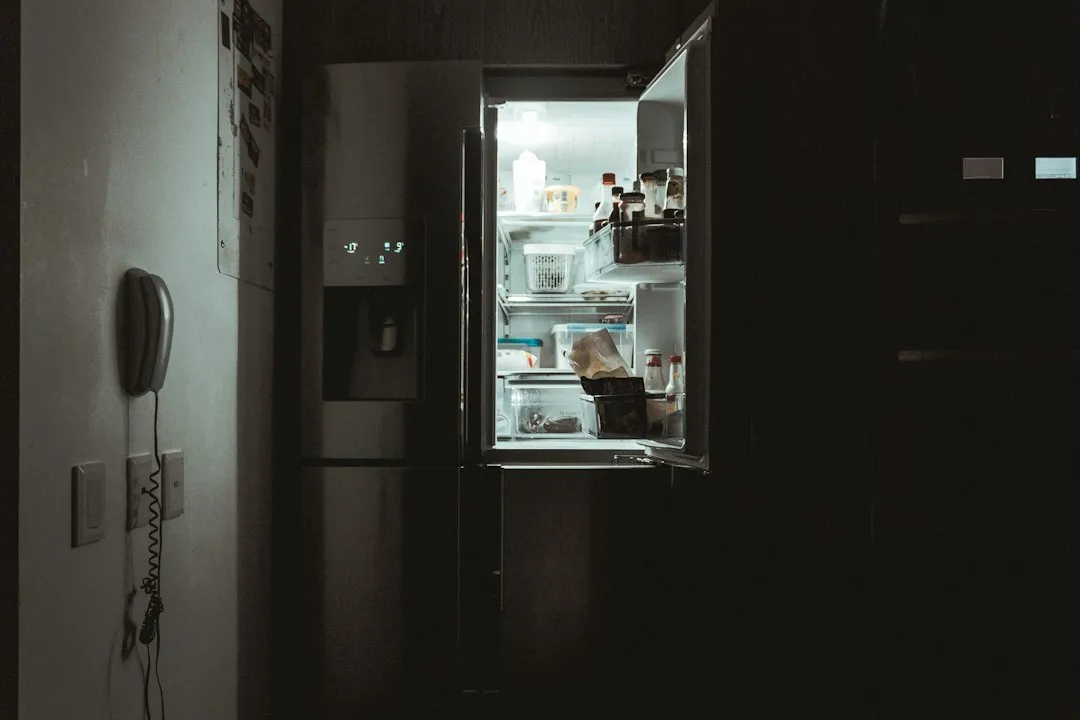
According to the USDA, your refrigerator will keep food safe for up to four hours during a power outage. That’s the core number to hold onto. Everything else flows from it.
A refrigerator keeps food at a safe temperature for about four hours without power, provided the door stays closed. The four-hour rule is the single most important number to know during any storm or power outage.
Four hours sounds like a comfortable window, but it goes fast. If you’re away from home and come back to a fridge that lost power hours earlier, you may already be past that threshold without realizing it.
Keep the Door Closed. Seriously.
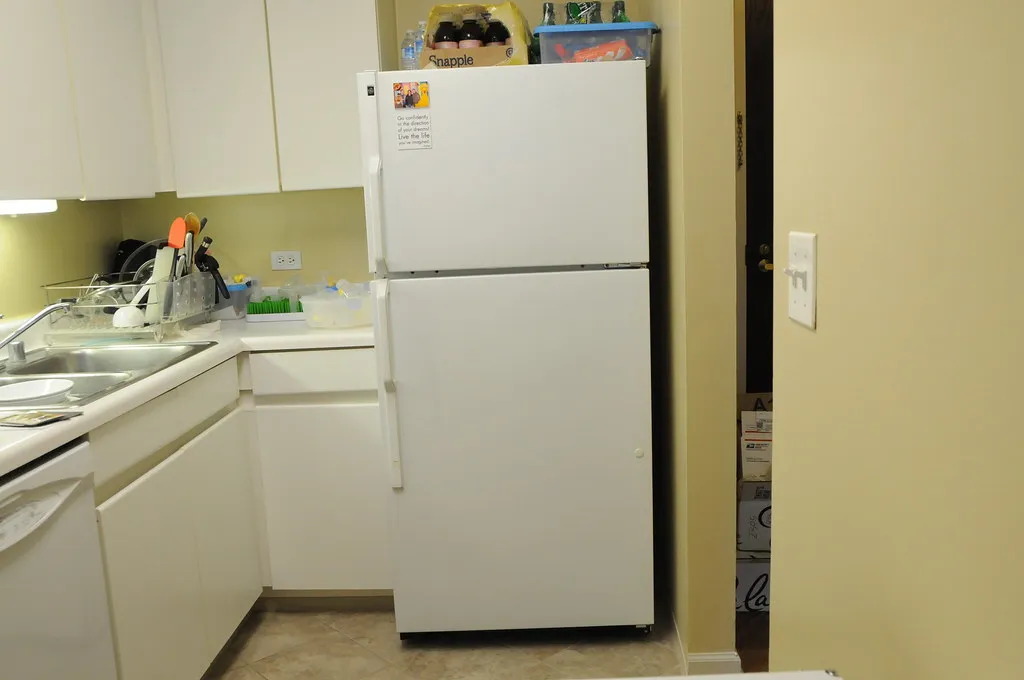
The USDA recommends keeping the refrigerator closed as much as possible from the moment the power goes out. Every time you open it, you let cold air escape and warm air rush in, shrinking that four-hour window considerably.
If you open the fridge to grab a snack during the outage, you let cold air out and warm air in to shorten the survival time of perishable items. This is why discipline in the first minutes matters as much as the rule itself.
Think of your fridge as a cooler. You wouldn’t crack a cooler every few minutes on a hot day and expect the ice to last. The same logic applies here.
The 40°F Danger Zone and What It Means

Refrigerated food belongs at 40°F (4°C) or below. Ready.gov says to discard any perishable food such as meat, poultry, fish, eggs, or leftovers that has been above 40°F for two hours or more.
Ready.gov adds a second rule that needs a thermometer: throw away any food that has been exposed to temperatures of 40 degrees or higher for two hours or more. The four-hour rule still applies if you have no thermometer, and whichever rule you hit first, the food goes.
So if you do have an appliance thermometer, you’re actually working with an even tighter window than four hours. The thermometer gives you precision. The clock gives you a fallback when you have nothing else.
What to Throw Out Without a Second Thought
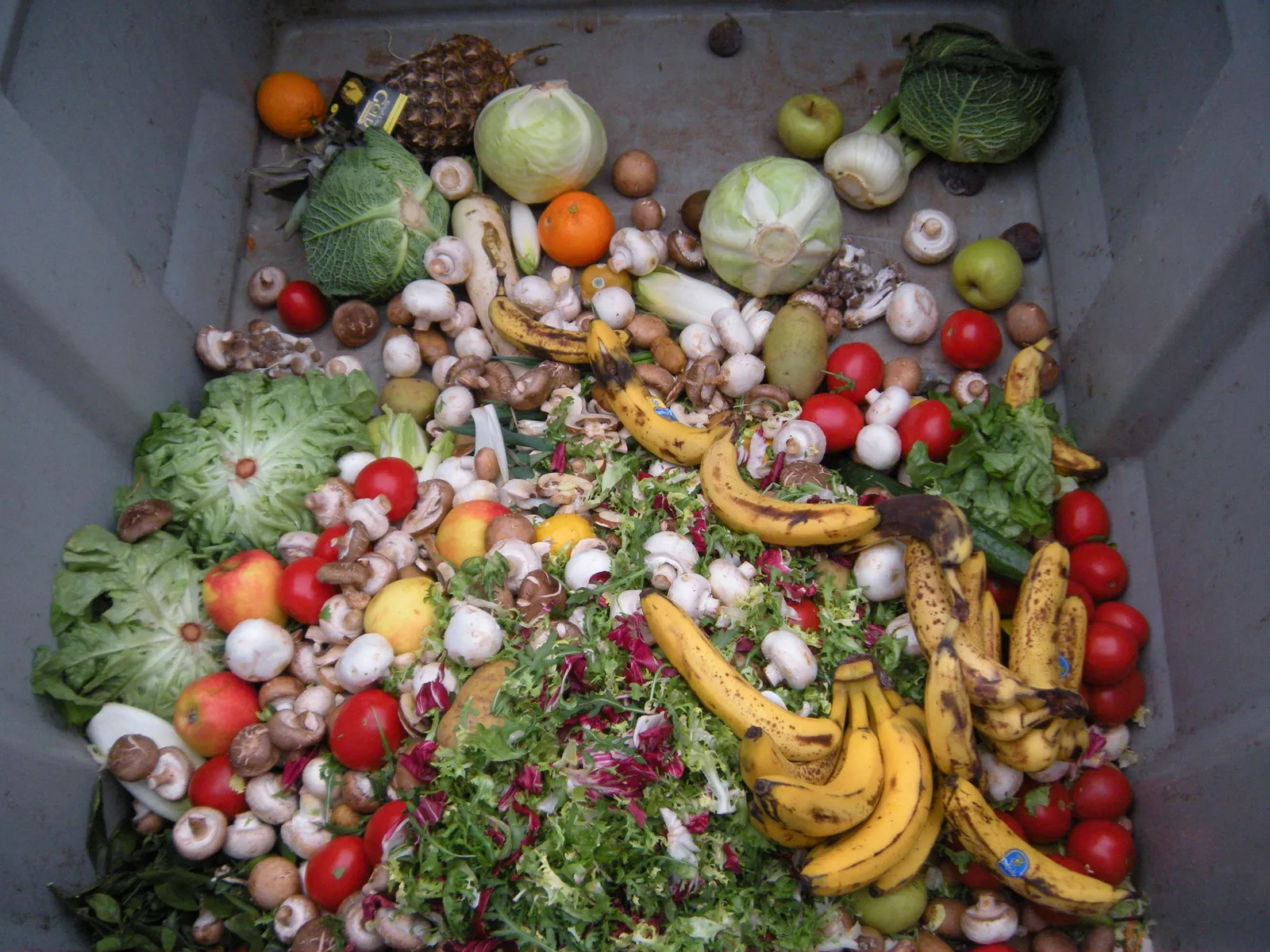
If your refrigerator has been without power for more than four hours, you should discard raw, cooked, or leftover meat, poultry, fish, eggs, and egg substitutes; luncheon meat and hot dogs; casseroles, soups, stews, and pizza; mixed salads such as chicken, tuna, macaroni, and potato; gravy and stuffing.
Also discard milk and dairy products like yogurt and sour cream, milk alternatives such as soy milk, eggs and egg-based products, cooked pasta, rice or potatoes, fresh pasta, and soft cheeses such as cream cheese, Brie, Monterey Jack, mozzarella, and Neufchatel.
The pattern here is clear: anything high in protein, moisture, and low in acidity is a prime environment for bacteria. These are the foods that spoil fastest and cause the most harm.
Foods You Can Actually Keep
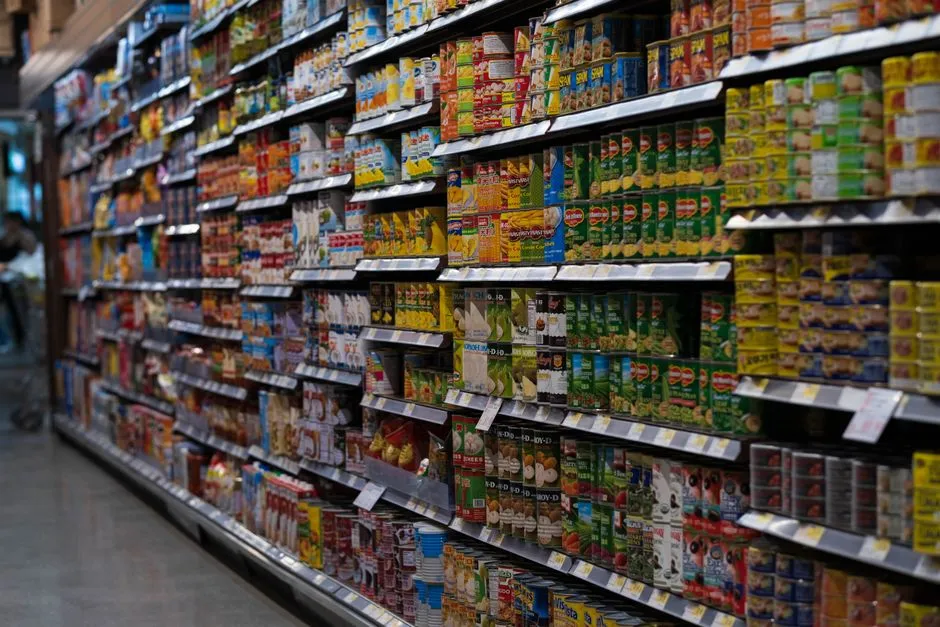
What to keep includes hard cheeses, butter, margarine, peanut butter, jelly, mustard, ketchup, pickles, olives, Worcestershire, soy, and barbecue sauces, vinegar-based dressings, fresh uncut fruits and vegetables, bread, rolls, bagels, tortillas, fruit pies, and opened canned fruits.
High-acid foods such as mustard, ketchup, jams, jellies, and vinegar dressings generally do not require refrigeration for safety even when normally stored cold. People keep them in the fridge for quality reasons, not safety ones.
Some shelf-stable items like hard cheese, butter, whole fruits, and condiments are safe even after extended outages. This is a genuinely reassuring fact that many people don’t know going in.
Never Taste Food to Decide
After a power outage, never taste food to determine its safety. This is one of the most consistently repeated pieces of guidance across every major food authority, and for good reason.
Food safety guidelines exist because spoiled food doesn’t always look, smell, or taste different from safe food. Harmful bacteria like Salmonella and E. coli produce no obvious warning signs before they make you sick.
The principle is simple: when in doubt, throw it out. It’s a small financial loss compared to a serious foodborne illness.
The Freezer Gets More Time
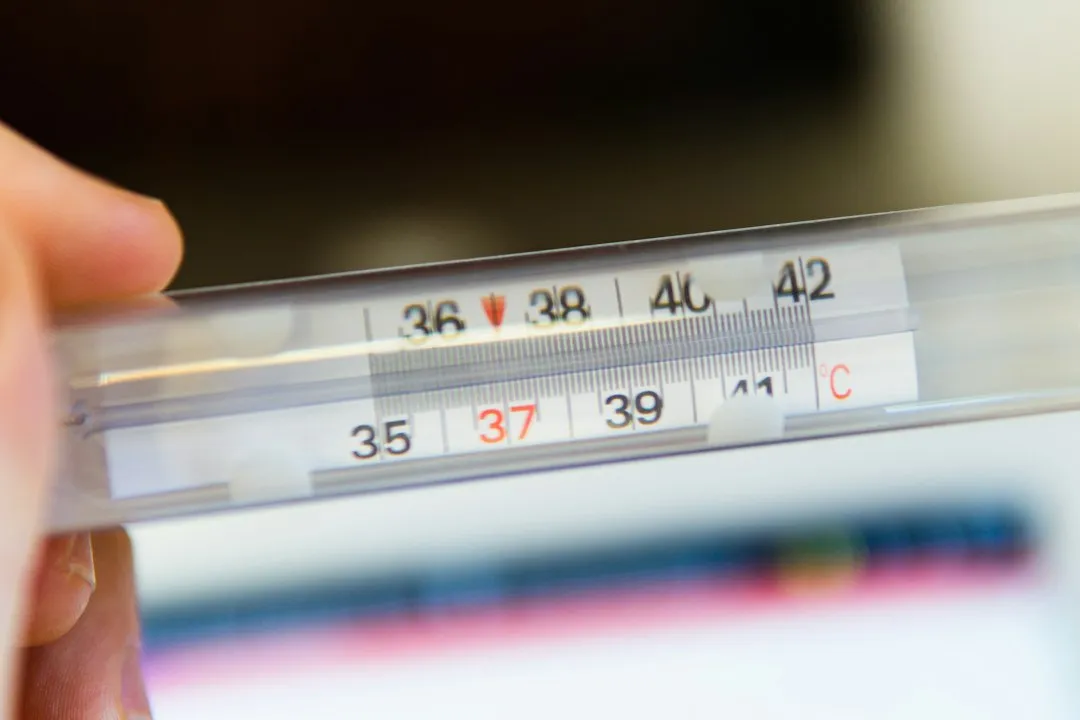
A full freezer will keep the temperature for approximately 48 hours, or 24 hours if it is half full, as long as the door remains closed. That’s a much more forgiving window than the fridge.
According to the USDA, if frozen food still has ice crystals or is at or below 40°F, it’s safe to refreeze. Quality may suffer, but safety is intact.
If a thermometer has not been kept in the freezer, check each package of food to determine its safety. You can’t rely on appearance or odor. If the food still contains ice crystals or is 40°F or below, it is safe to refreeze or cook.
Use a Thermometer Before the Next Outage
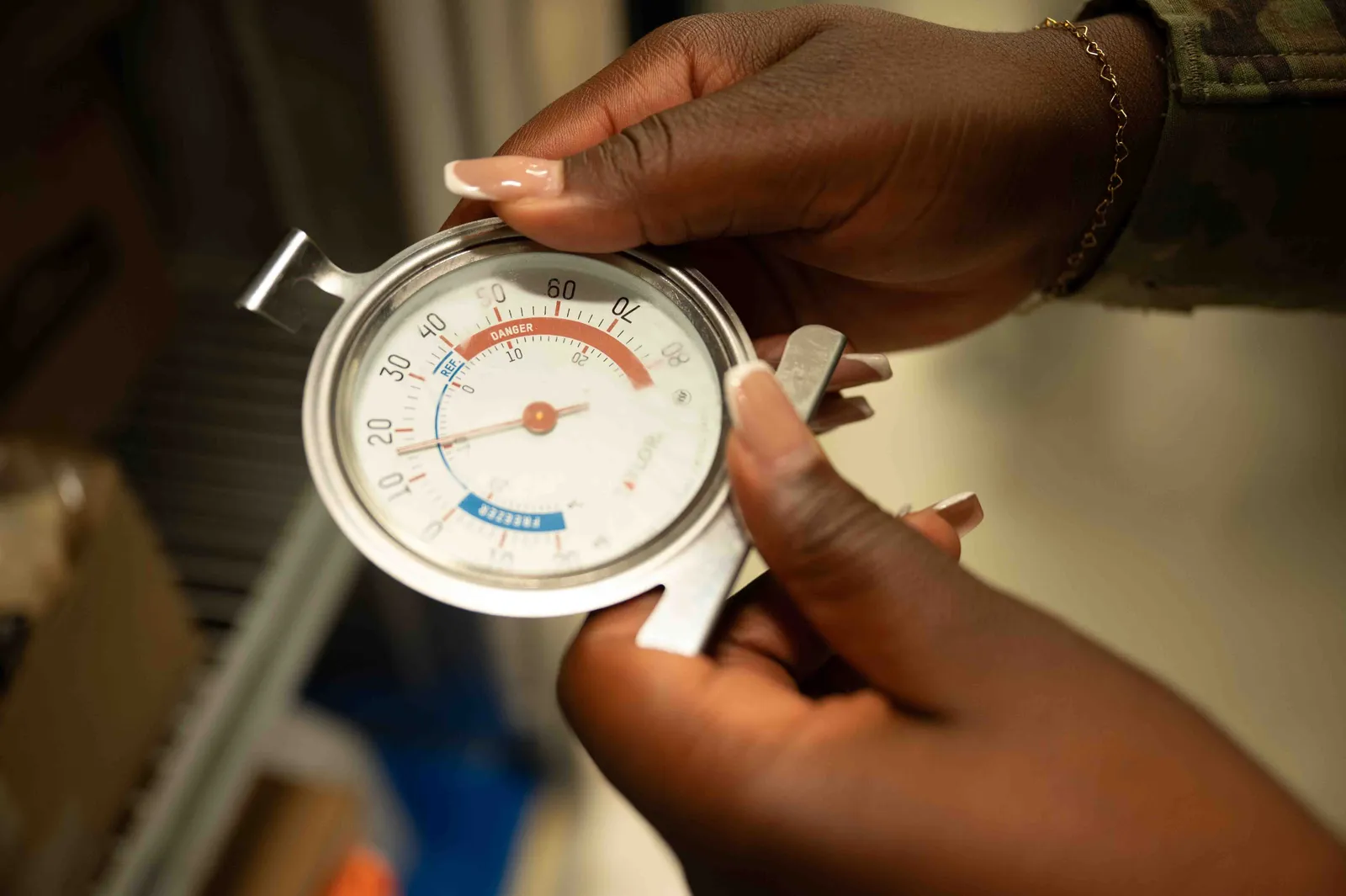
The FDA recommends keeping appliance thermometers in both the refrigerator and freezer at all times so you have an objective reading when power is restored. This single prep step removes most of the uncertainty after an outage.
Keep an appliance thermometer in both the refrigerator and freezer. Make sure the refrigerator temperature is at 40°F or below and the freezer is at 0°F or below. These are the baseline conditions that tell you everything is working as it should.
Thermometers cost very little. They’re the kind of thing you buy once, forget about, and then feel genuinely relieved to have when the lights go out.
What to Do If the Outage Runs Long
If the power is off longer than four hours, you can transfer food to a cooler and fill it with ice or frozen gel packs. Make sure there is enough ice to keep food in the cooler at 40°F or below.
According to the FDA, fifty pounds of dry ice keeps an 18-cubic-foot, fully stocked freezer cold for approximately two days. Dry ice is worth tracking down if a storm is forecast or the outage looks like it will stretch beyond a day.
If perishable food has been held at room temperature for two hours or more, or one hour if outdoor temperatures are above 90°F, discard it. Hot weather compresses the safe window significantly, which catches many people off guard in summer storms.
Preparing Before the Power Goes Out
Freeze refrigerated items that you may not need immediately, such as leftovers, milk, and fresh meat and poultry. This will keep them at a safe temperature longer. It’s a simple move that buys you extra time without spending anything.
Freeze containers of water to use as ice, which helps keep food cold in the freezer, refrigerator, or coolers in case the power goes out. Frozen water bottles double as ice packs and drinking water once they thaw.
Keep on hand a few days’ worth of ready-to-eat foods that do not require cooking or cooling and don’t depend on electricity. Nuts, crackers, canned goods, and nut butters are practical choices that require no thought during an emergency.
The Takeaway
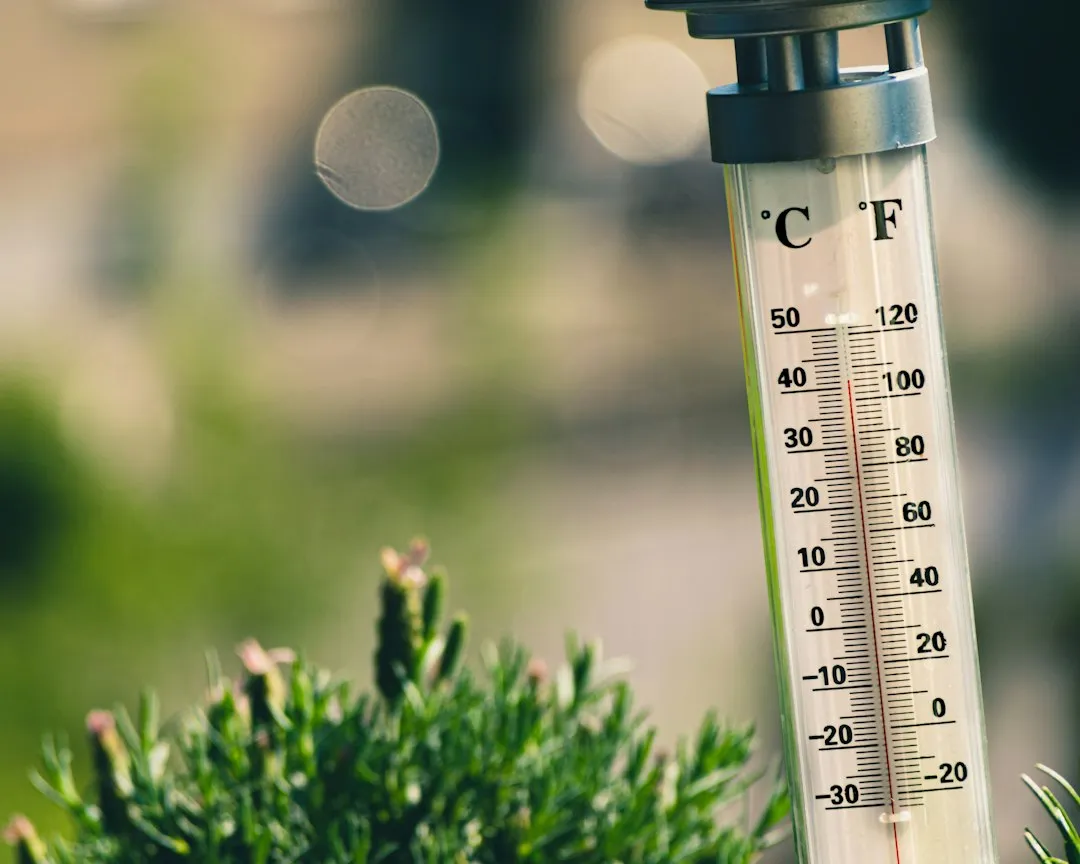
The four-hour fridge rule isn’t complicated, but it’s specific enough to actually be useful. Four hours, door closed, 40°F as the boundary. Everything perishable that crosses those lines goes in the trash, no negotiation.
The foods you can keep are more than you might expect. Hard cheeses, butter, condiments, whole produce, bread, and most shelf-stable items come through a standard outage just fine. When you’re uncertain about how long food spent above 40°F, the USDA’s guidance is straightforward: throw it out.
Preparing ahead, owning a thermometer, and knowing your food categories takes about ten minutes of thinking before the outage, and saves a lot of guessing during one. That’s a reasonable trade.
AI Disclaimer: This article was created with the assistance of AI tools and reviewed by a human editor.