

Waiting Until a Crisis Hits

The most costly power of attorney mistake isn’t a typo or a missing signature. It’s simply waiting too long. With dementia, strokes, and mental health crises on the rise, many families are discovering, too late, that they don’t have the right legal authority to step in.
Once a person becomes legally incompetent, it’s too late to sign a power of attorney. The only option left is guardianship. That shift from private planning to court involvement changes everything – the timeline, the cost, and the control a family has over the outcome.
The best time to establish a power of attorney is while a person can clearly express their wishes. Waiting until they lose mental capacity will likely force the family into a lengthy and costly guardianship proceeding in court.
Not Understanding the “Durable” Distinction

A power of attorney is often an integral component within the average estate plan, allowing someone to authorize another person to manage financial, legal, or healthcare matters on their behalf. This authority can be invaluable if you become incapacitated – but when a POA is misused or poorly executed, it can lead to serious complications.
The word “durable” matters enormously here. A standard power of attorney typically becomes void the moment someone loses mental capacity, which is precisely when it’s needed most. A durable power of attorney, by contrast, remains valid through incapacity. Many families don’t realize they have the wrong type of document until it’s already useless.
Without a power of attorney in place, no one automatically gains the legal right to handle financial or medical matters. Understanding what happens in this situation helps you see why planning ahead matters.
The Staggering Number of Rejected Applications
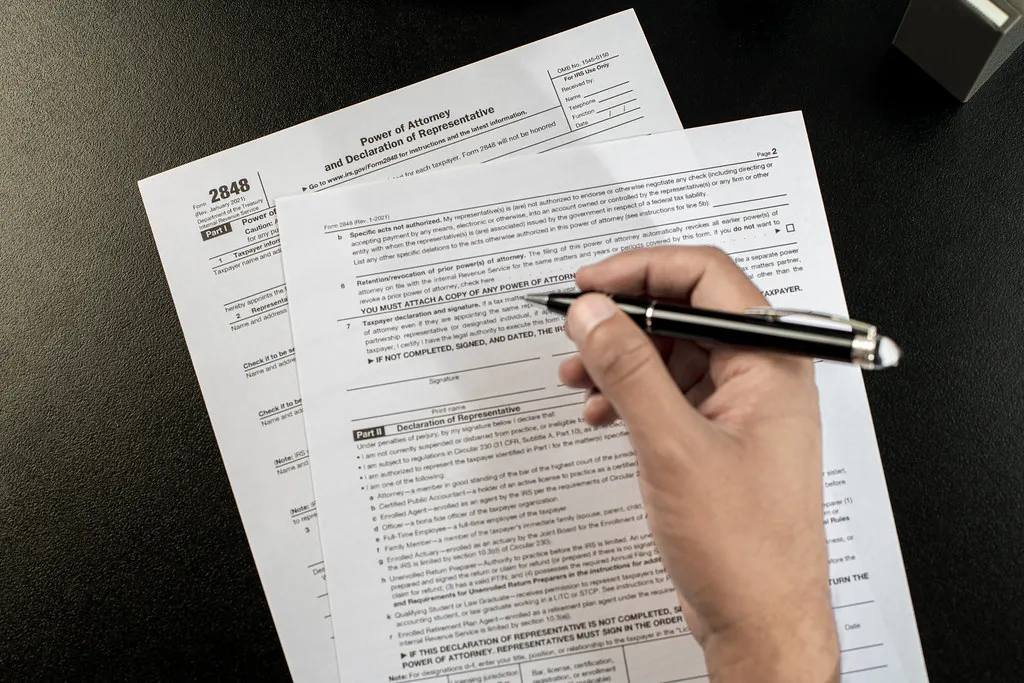
The problem isn’t only families who fail to act. It’s also families who act – but make avoidable errors in the process. According to the Office of the Public Guardian’s Annual Report for 2023 to 2024, over 50,000 power of attorney applications were rejected. That’s roughly 3.7 percent of all applications, often due to simple, avoidable mistakes.
A record rise of nearly 200 percent in rejections in England and Wales in 2024 compared to 2021 was confirmed through figures from a Freedom of Information request to the Office of the Public Guardian. These aren’t rare edge cases. They reflect a systemic pattern of rushed, poorly prepared applications.
These errors can delay registration, cause unnecessary stress, and even leave loved ones without legal authority when it matters most. In other words, even families who try to do the right thing can end up in the same bind as those who did nothing at all.
Signing Errors and Procedural Missteps

Some of the most common rejection reasons are almost painfully mundane. Signing and dating forms in the wrong order is a frequent issue: the donor must sign first, then the certificate provider, then the attorneys, and then finally the person registering the document must sign again.
Using the wrong witnesses is another cause of rejection. Choosing someone to witness a signature who is not eligible to do so will result in the application being turned away. An example would be an attorney witnessing the donor’s signature, which creates a conflict of interest.
In 2023 and 2024, it already took an average of 76 working days to process each application. A single procedural mistake means starting the clock over again – a serious problem when a loved one’s health is declining and decisions need to be made now.
Using Vague or Unclear Language

A poorly drafted power of attorney can lead to disputes if the agent’s authority is not clearly outlined. If the document does not specify which financial transactions or medical decisions the agent is permitted to handle, banks, healthcare providers, or even family members may challenge their authority.
The first and most consequential pitfall is the lack of clear language. Ambiguity in a legal document can lead to misinterpretations and disputes. It’s essential to specify the powers being granted, the circumstances under which they can be exercised, and any limitations the principal wishes to impose.
A POA that tries to be helpful by being broad can end up being rejected or challenged in court for precisely that reason. Clarity isn’t optional – it’s the document’s main protection.
Choosing the Wrong Agent

One of the most critical decisions when preparing a power of attorney is selecting the right agent. Many people make the mistake of choosing someone based on their relationship rather than their qualifications.
Because a POA can give an agent tremendous power over the principal’s affairs, claims of elder abuse in connection with a POA are common. The trusted family member in the room isn’t always the most capable or the most trustworthy when money and property are actually on the line.
Research published in the Journals of Gerontology found that approximately 16 percent of older adults worldwide experience some form of elder abuse, including financial exploitation perpetrated by a family member. Picking an agent carefully, and considering a neutral or professional alternative, is one of the most protective decisions a family can make.
Failing to Update the Document After Life Changes
Another common mistake is neglecting to update the power of attorney after significant life changes. Divorce, death, new financial circumstances, or relationship changes may render the current agent or instructions outdated.
A power of attorney written a decade ago, naming a spouse who has since passed or a sibling who has moved abroad, offers very little real protection. It exists on paper while leaving a genuine gap in legal coverage. People often assume that having the document is enough, without checking whether it still reflects reality.
Avoiding common mistakes when drafting a power of attorney is essential to safeguarding your future. By carefully choosing the right agent, clearly defining their authority, and keeping the document current, the chances of it actually honoring the principal’s wishes improve significantly.
Relying on Generic Online Templates
Many people make the mistake of preparing a power of attorney without consulting a lawyer. While many templates are available online, these generic forms often lack the customization needed to address individual circumstances. Relying on these forms can lead to unintended consequences, including vague language or missed legal requirements.
Experts recommend families seek the aid of a lawyer to draft a power of attorney that meets their loved one’s unique needs and minimizes mistakes that can lead to legal pitfalls. A generic template can look like a valid legal document while quietly failing to meet state-specific requirements or personal financial complexity.
Consulting an estate planning attorney ensures the power of attorney is tailored to specific needs. An attorney can help avoid pitfalls, clarify the scope of the agent’s authority, and ensure the document is legally sound.
What Happens When No POA Is in Place

When someone loses mental capacity without a power of attorney, the court must step in. A judge may appoint a guardian to handle personal and medical decisions, or a conservator to manage finances. This process takes time, money, and paperwork. It can also cause serious stress for loved ones as they wait for the court to decide who will take charge.
Attorneys’ fees for opening any guardianship can range from a minimum of roughly $1,500 to an average of $3,500. Court costs, which include filing fees, service fees, and fees for letters of guardianship, can also quickly reach in excess of $1,000.
Court-appointed guardians or conservators may not know the individual’s wishes or values. Family members may also disagree about who should serve, which creates additional tension. The absence of a POA doesn’t create a vacuum. It creates a courtroom.
Real Cases Where POA Failures Led to Legal Action

Powers of attorney face legal challenges more often than many people realize. In one documented case, an adult daughter obtained a power of attorney while her father was heavily medicated in a hospital. She subsequently transferred $450,000 from his accounts to herself, leading to a successful legal challenge by her siblings. The court not only invalidated the POA but also ordered the return of funds and pursued criminal charges for financial elder abuse.
Another case shows how conflicts of interest can invalidate a POA entirely. A sister used her power of attorney to sell the family farm and invest the proceeds in her own business. When her brothers discovered the transaction after their mother’s stroke, they successfully challenged the arrangement based on undisclosed conflicts of interest and actions outside the scope of authority. The court reversed the sale and transferred the POA to a neutral party.
Because a POA can give an agent tremendous power over the principal’s affairs, abuse in connection with a POA is not unusual. These cases are reminders that a poorly chosen agent, or an improperly constructed document, can do as much damage as having no document at all.
The Quiet Cost of Doing Nothing

The most underestimated aspect of this issue is how ordinary most families are when these situations unfold. Only about 18 percent of those aged 55 and older have the recommended essentials: a will, a healthcare directive, and a durable power of attorney. That leaves a large majority of older adults without adequate legal protection, often through no particular neglect, just delay.
Many people later in life say they wish they had started estate planning sooner. The conversation feels premature until it suddenly feels overdue. There is rarely a comfortable middle moment when it seems like exactly the right time to talk about incapacity planning – which is why the right time is simply now, before any sign of a crisis appears.
The family that acts early and sets up a durable POA while the loved one still has capacity avoids the entire guardianship system. The family that waits until a crisis hits often finds guardianship is the only path left. That gap – between early action and late reaction – is where the real cost lives.
What to Do Before It’s Too Late

Getting this right doesn’t require a complicated plan. It requires acting while the option still exists. Choosing the correct documents and navigating local, state, and federal laws can be overwhelming, which is why seeking the support of an elder law attorney can be genuinely helpful when creating a power of attorney.
A complete estate plan includes documents that work during a person’s lifetime: a financial power of attorney and a healthcare power of attorney at minimum. Without them, the family may have to petition a court for the authority to help – and that’s a process nobody wants to go through.
Policy experts and researchers note the need for public education to help families understand the POA process and how to locate appropriately trained legal professionals. The knowledge gap is real, but it’s also closeable. One conversation with a qualified attorney, taken at the right time, is enough to put the right protections in place.
A Final Reflection

Power of attorney planning isn’t really about paperwork. It’s about who gets to make decisions for someone you love, and under what conditions. Done well and done early, it keeps that authority exactly where the family intended it to be. Done poorly, or not done at all, it hands that authority to a courtroom.
The mistake that costs families later isn’t always dramatic. Most often it’s quiet: a form never filed, a conversation never had, a document signed under the wrong circumstances, or updated never at all. The outcomes, though, can be anything but quiet.
Acting before life forces the issue is, in most cases, the simplest and most protective thing a family can do.
AI Disclaimer: This article was created with the assistance of AI tools and reviewed by a human editor.