

The Counterintuitive Truth About Constant Light
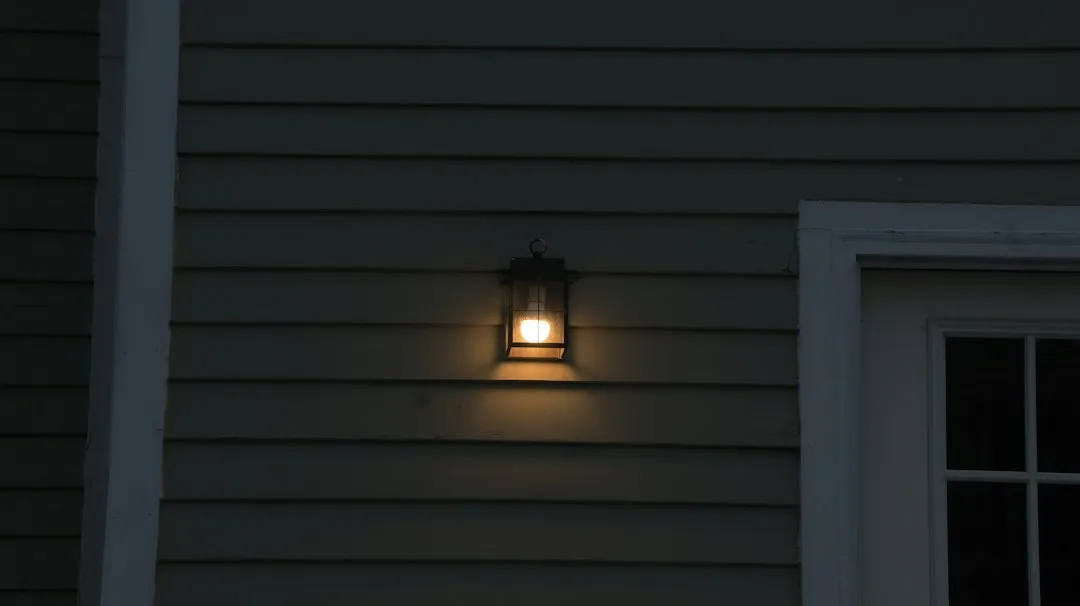
When you leave your porch lights on consistently while you’re away, it actually sends a clear message that you aren’t home. The logic that “more light equals more safety” sounds reasonable in theory, but it breaks down when you understand how experienced burglars observe neighborhoods over time.
A porch light left on from dusk until dawn signals, to anyone watching, that no one turned it off. Experienced burglars scout neighborhoods over multiple nights. They’re not guessing. They’re building a picture of your routine, and a light that never changes gives them exactly the information they need.
The common theory is that if you keep the bulb burning throughout the day and night, burglars will think that someone is home, so they will move on and find a new target. That logic made more sense in an era before burglars became sophisticated observers of household patterns. Today, it’s a flawed assumption worth reconsidering.
Burglars Prefer Daylight, Not Darkness

Contrary to popular belief, the majority of home invasions occur during the daytime. FBI 2024 data shows 216,601 daytime residential burglaries versus 174,053 at night, confirming that burglars strategically target typical work and school hours to reduce the risk of encountering occupants.
The peak window for break-ins is 10 AM to 3 PM, with 12:00 to 1:00 PM being the single busiest hour. Your porch light is already off during most of these hours – which means it plays almost no role during the time your home is most vulnerable to a break-in.
For most break-ins, a porch light is simply irrelevant – burglars are working in plain daylight, not the dark. This is one of the most important things to understand when forming a home security strategy around outdoor lighting.
How Burglars Read a Static Light as a Vacancy Signal
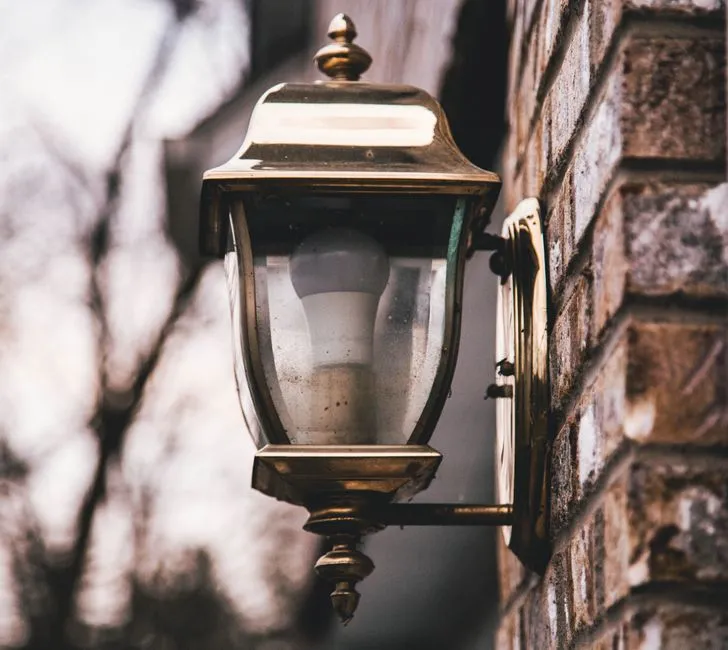
A porch light that is consistently on for multiple days is just further evidence that no one is home because it contradicts the typical lighting schedule. Normal households have natural rhythms. Lights go on, lights go off. Someone locks the front door, someone forgets and leaves it. Static, unchanging behavior is unusual – and unusual is what a cautious burglar notices.
A porch light on all night, every night, is something burglars can plan around. Once they’ve observed it for even two or three nights, the light tells them nothing about who is home. It’s background noise that confirms a predictable, unmonitored routine.
For night-time burglaries, an always-on porch light can actively help a burglar. It illuminates the workspace – making trip hazards visible, highlighting weak windows and door frames, and signaling “no one home” when the rest of the house has been dark for hours.
The Scale of the Problem: What 2024 FBI Data Tells Us

The FBI reported 779,542 burglaries in 2024, the lowest rate since 2005. That is encouraging news on the long-term trend. Still, the sheer volume of incidents means that opportunities for break-ins are being found constantly, and in many of those cases, homeowner habits contribute to making a property look like an easy target.
The FBI recorded 779,542 burglaries in 2024, about one every 40 seconds. The Council on Criminal Justice reported that residential burglaries fell 19% in the first half of 2025 compared to the same period in 2024, and sat 47% below pre-pandemic levels. The trend is positive, but complacency in home security habits can quickly make individual households outliers.
According to 2024 FBI data, the average loss per residential burglary ranges from roughly $4,368 at night to $4,986 during the day. These are not small losses, and many stolen items – jewelry, electronics, sentimental items – are never recovered.
Vacation Mode Is the Most Dangerous Time

If you’re on vacation or have been out after dark, a constantly lit porch can actually signal that no one’s home. The porch light becomes a tell. It stops being a security measure and starts being a kind of advertisement for vacancy.
Seasonally, July and August are peak months for burglaries, with rates roughly 11% higher than winter. This correlates with vacation travel that leaves homes empty for extended periods, longer daylight hours providing cover for daytime break-ins, and open windows in warm weather creating easier entry points.
Most homeowners unknowingly create a perfect blueprint for burglars through everyday habits like letting packages sit on doorsteps and posting vacation photos, revealing exactly when their homes sit empty and vulnerable. The always-on porch light is one piece of that same puzzle.
Why Motion-Activated Lights Work Differently
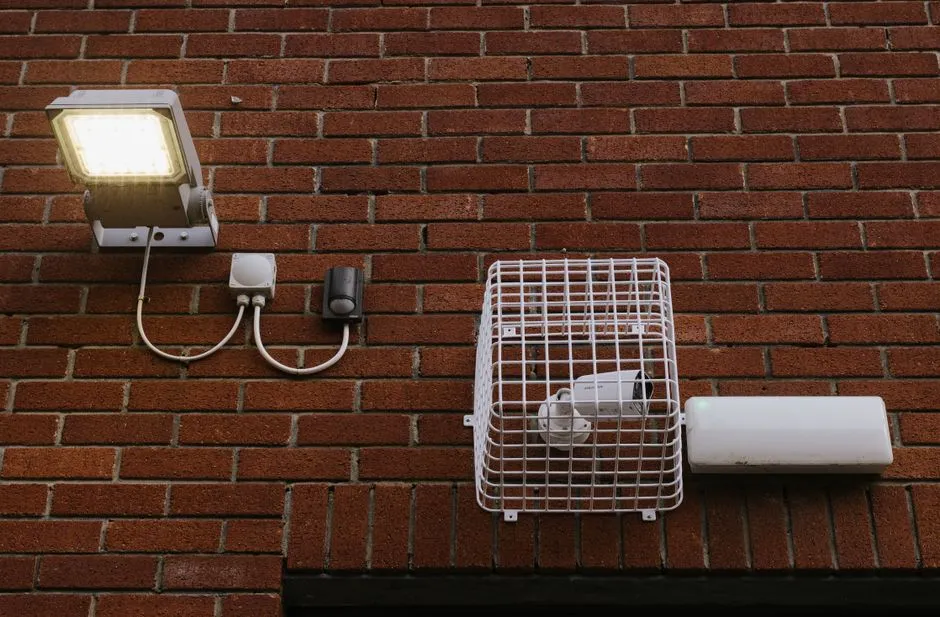
Motion-activated lighting, which responds to actual movement rather than a schedule, is a far stronger deterrent because it signals active attention, not automated routine. There’s a meaningful psychological difference for a would-be intruder between a light that was already on and a light that just snapped on because of their movement.
Motion-activated lighting is often recommended because it changes the conditions for an intruder. A continuous light is part of the background. A sensor light introduces an event: the area changes from dark to illuminated when movement is detected. That sudden change is attention-grabbing in a way that a perpetually lit fixture simply is not.
Overall, a burglar is more likely to pass on a house with motion-activated lights than one with the porch lights being constantly on all night. Motion lights turning on suddenly can also startle potential burglars and further discourage theft.
Predictability Is the Real Security Risk
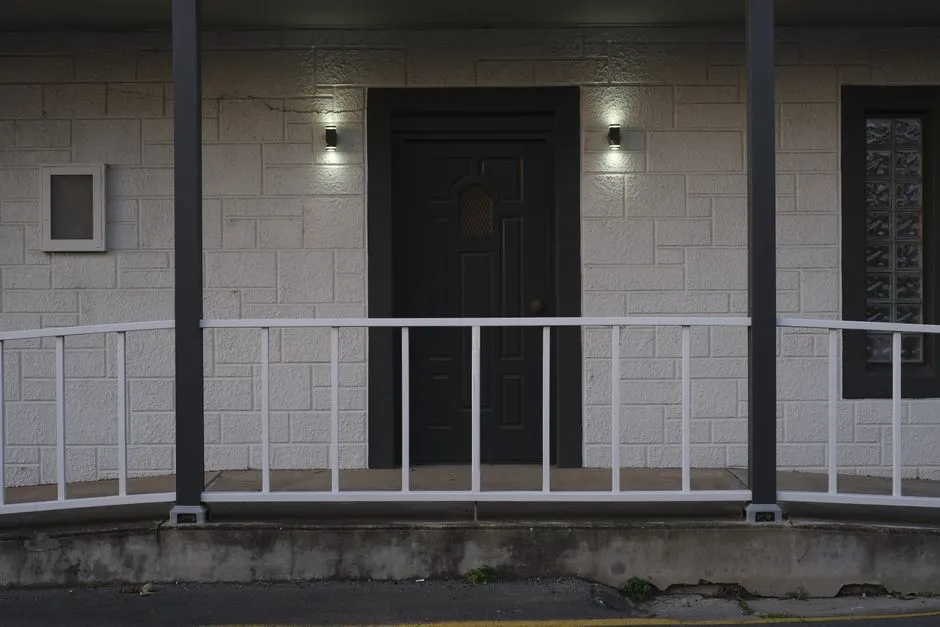
Static porch lights – left on from dusk until dawn – signal routine, predictability, and often, absence. Security, in many ways, is about making your home a harder target to read. Predictable patterns are the opposite of that.
If a home’s interior lights don’t turn on, but the porch light flashes on reliably at 6 p.m. every night with no indication of movement inside the home, the automatic porch light can signify that the home’s residents are away, again making the home a target.
Burglars pay attention to how and when you turn on porch and deck lighting. The timing matters as much as the light itself. A routine that never varies is one that never surprises anyone, including someone who is watching your home with bad intentions.
Smarter Alternatives to the Always-On Approach
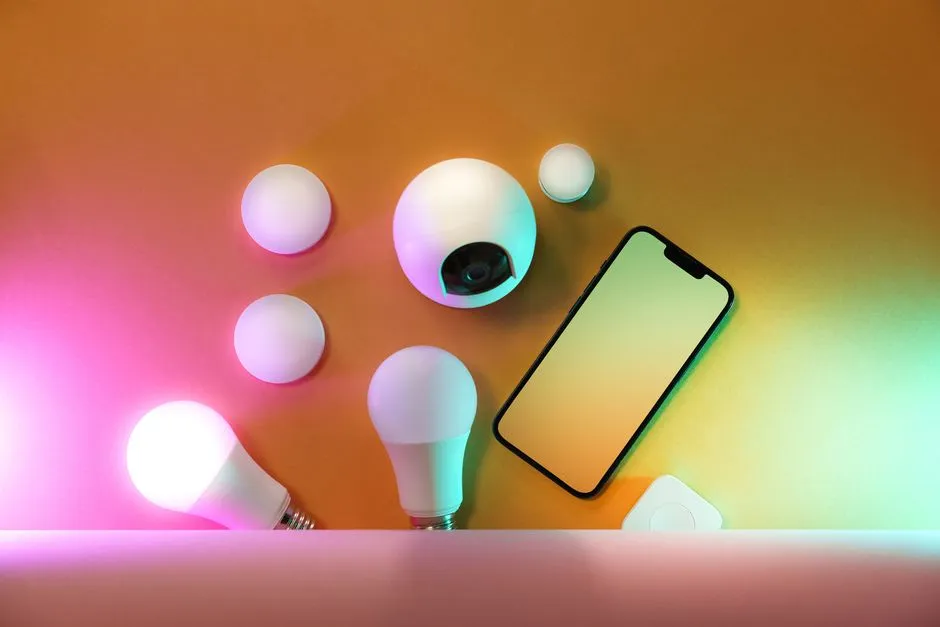
Programmable timers switch porch and interior lights on and off in patterns that mimic occupancy – far more convincing to a burglar than a single always-on bulb. The goal is to replicate the irregular, natural rhythms of a household that is actually present and active.
One of the easiest ways to make sure that your porch lights aren’t attracting burglars while you’re away is to ask a neighbor you trust to come over and turn them off and on. This is ideal because you’ll have someone checking in on your house daily, which can deter burglars as they know the home is being monitored.
Instead of leaving a porch light on while away, choose timers, smart lighting, or motion sensor lights for a more unpredictable pattern. The best options for deterring burglars are motion-sensor and smart lights, as they don’t create predictable patterns.
The Broader Context: Lighting Is Not Enough on Its Own
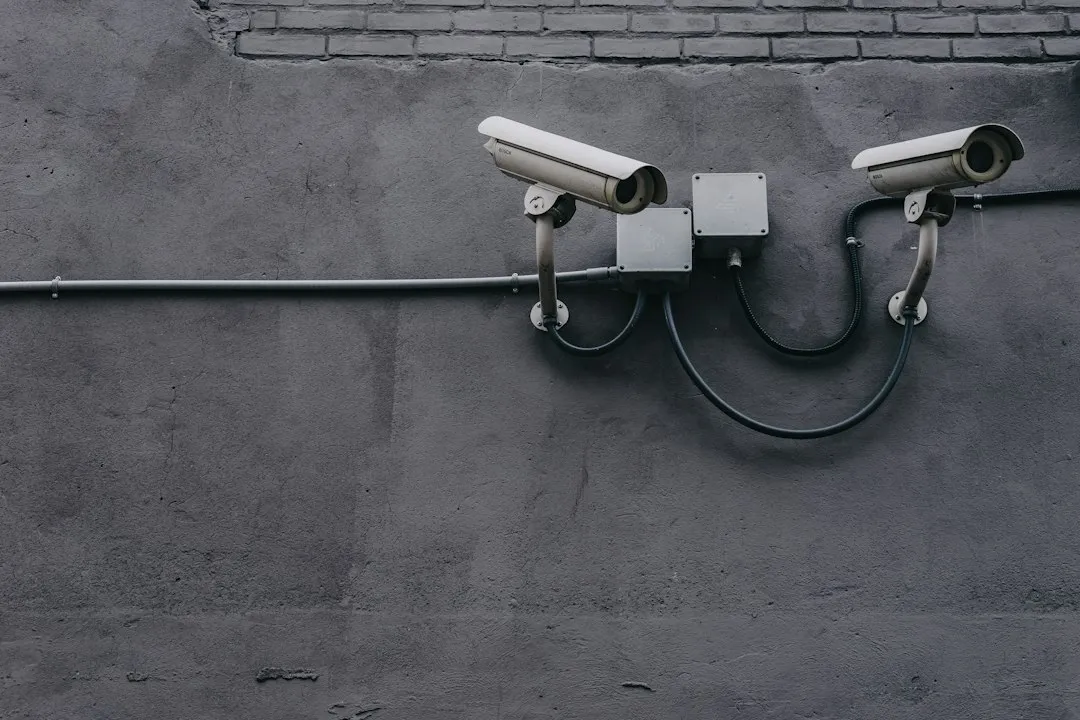
Outside lights by themselves may not deter a burglar, but they can be part of an effective security plan. Lights have their place in a home security strategy, but lights alone won’t prevent someone from breaking into your house.
Motion-activated lights, programmable timers, and dusk-to-dawn sensors are more cost-effective, and the strongest deterrent is a visible camera combined with cues that the home is occupied. No single device or habit does the job completely. Security layers work together.
The average burglary takes less than 10 minutes from entry to exit. Burglars are efficient. What they want to avoid is unpredictability and the sense that someone is paying attention. A well-layered approach – varied lighting, cameras, a trusted neighbor – communicates exactly that.
The Right Way to Use a Porch Light

If you’re home and your indoor lights are on, leaving the porch light on makes sense – it signals activity and makes it harder for anyone to approach unnoticed. Context determines whether the light is working for you or against you. A porch light paired with visible indoor activity is a genuine presence signal.
Turning off a porch light on your way to sleep actually serves as a cue to any night-time thieves that you’re home. Counterintuitively, a dark porch at midnight can be a stronger “someone’s here” signal than a porch that has been glowing unchanged since 6 PM.
A good rule of thumb is to keep the porch light on during any hours when someone might be coming or going after dark, and turn it off when the whole household is in for the night. Treat it like a tool with a specific purpose, not a default setting you forget about.
Final Thoughts
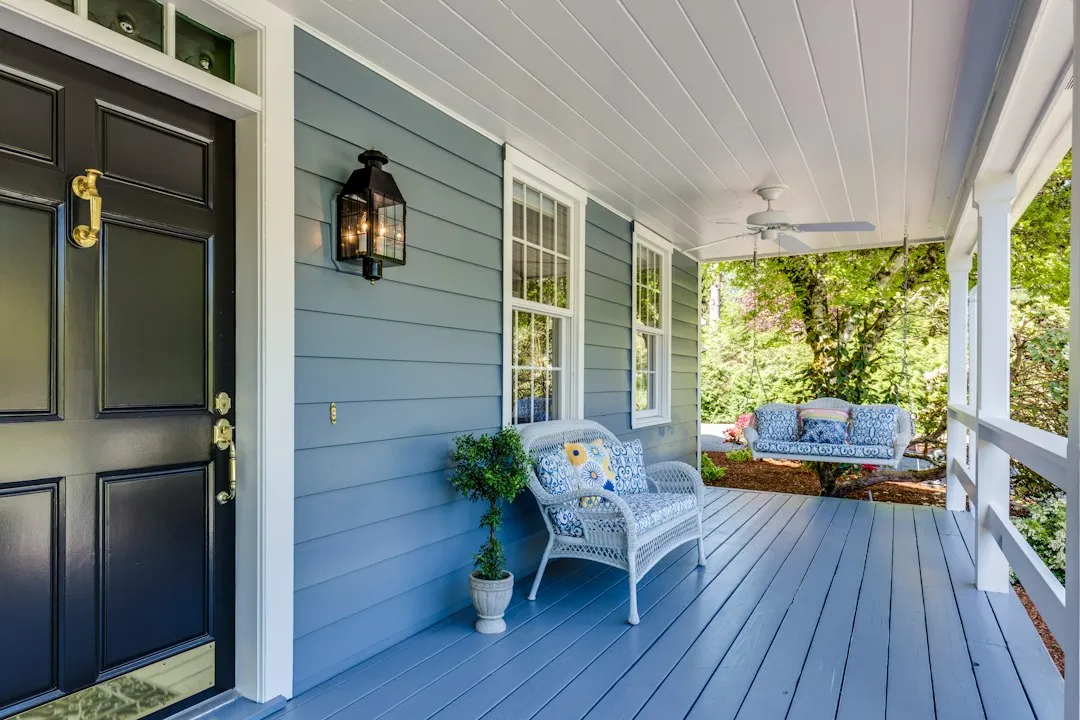
The porch light is one of those habits that feels protective without ever being examined. Most people inherited the practice rather than reasoned their way into it. The actual evidence – particularly the FBI’s own burglary data and security research from recent years – suggests that context and timing matter far more than simply leaving a light on.
A light that mimics real human activity, responds to movement, or varies on a schedule is doing useful security work. A light that burns identically whether you are home or three states away on vacation is telling a different story entirely – and experienced burglars know how to read it.
The fix is not complicated or expensive. It’s mostly about paying attention to what your home signals when you’re not around, and choosing habits that make that signal harder to decode.
AI Disclaimer: This article was created with the assistance of AI tools and reviewed by a human editor.