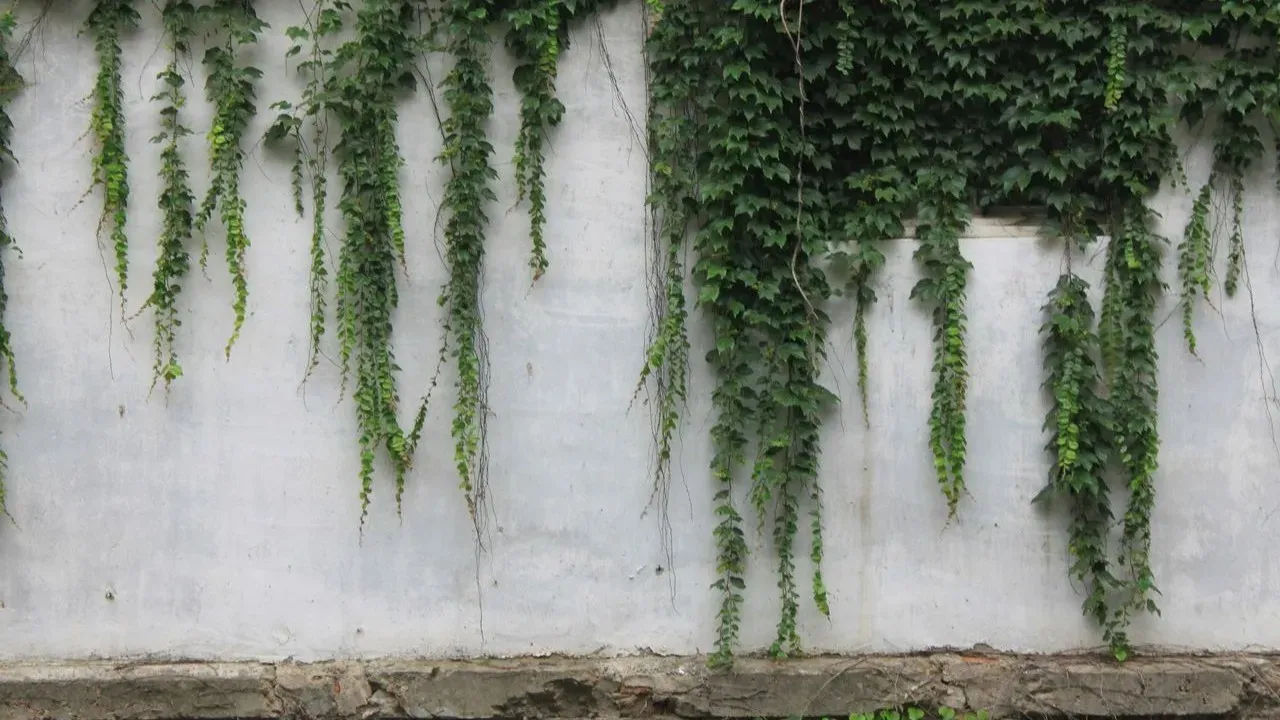

Homeowners often turn to climbing vines for their ability to soften brick walls and add a touch of timeless elegance to otherwise plain exteriors. Chinese wisteria and evergreen Boston ivy stand out among the choices that deliver that stately look. Yet the same plants that enhance curb appeal can also create ongoing problems for shingles, siding, and other surfaces if left unchecked.
The Appeal That Draws Gardeners In
Chinese wisteria produces cascading clusters of fragrant flowers in spring, while Boston ivy offers dense, glossy foliage that turns vibrant red in autumn. Both species climb readily and require relatively little maintenance once established. These traits explain why they appear on historic homes and modern properties alike. The visual payoff is immediate. Vines can mask utilitarian walls and create a layered, garden-like atmosphere around the foundation. Many property owners plant them specifically to increase perceived value through improved aesthetics.
How These Vines Interact With Building Materials
The climbing habit that makes vines attractive also allows them to attach directly to surfaces. Boston ivy uses adhesive tendrils that grip shingles and siding firmly. Chinese wisteria relies on twining stems that wrap around supports and can exert steady pressure as they thicken over time. Over seasons, this attachment can trap moisture against wood or masonry. Trapped water encourages rot in siding and can lift or crack shingles when stems expand. In some cases, the weight of mature growth adds stress to gutters and eaves.
Practical Consequences for Homeowners
Damage often develops gradually rather than overnight. Small cracks or loosened shingles may go unnoticed until a leak appears inside the house. Repair costs then rise because vines must be removed before workers can access the affected areas. Property owners who value low-maintenance landscaping sometimes overlook these long-term effects. The initial investment in plants and installation can be offset by later expenses for siding replacement or roof repairs. Regular inspection becomes essential once vines reach the roofline.
Key Factors to Weigh Before Planting
Location matters. Vines planted near south-facing walls receive more sun and grow faster, increasing the chance of contact with vulnerable surfaces. Soil conditions and proximity to downspouts also influence how aggressively the plants spread. Home style and material play a role as well. Wood siding and asphalt shingles are more susceptible than brick or stone. Older homes with existing wear may face higher risk than newer constructions with modern sealants. A short comparison of the two plants highlights differences in growth patterns:
| Plant | Attachment Method | Seasonal Behavior |
|---|---|---|
| Chinese wisteria | Twining stems | Rapid spring growth, heavy flowering |
| Boston ivy | Adhesive tendrils | Dense summer cover, autumn color change |
Moving Forward With Informed Choices
Gardeners who still want the look of climbing plants can consider trellises or wires set several inches away from the house. This approach preserves the aesthetic while reducing direct contact with siding and shingles. Professional assessment of an existing vine installation can reveal whether removal or containment is the better path. Ultimately, the decision rests on balancing visual goals against the realities of home maintenance. Understanding how Chinese wisteria and Boston ivy interact with exterior surfaces allows homeowners to protect their investment while enjoying the greenery they value.
AI Disclaimer: This article was created with the assistance of AI tools and reviewed by a human editor.