

It looks harmless enough. A green cascade of leaves climbing a trunk, softening an otherwise bare corner of the yard. Most people see it as natural, even attractive. What they rarely notice is the slow, methodical damage already underway beneath those leaves.
There’s a particular kind of damage that happens quietly. No storm, no drought, no visible wound. Just a vine, working its way up a trunk, year after year. By the time most people notice, the damage is already significant. This is the story of English ivy, kudzu, wisteria, and their kin. These are vines that have become one of the most underestimated forces against tree health across North America.
A Common Sight With Uncommon Consequences
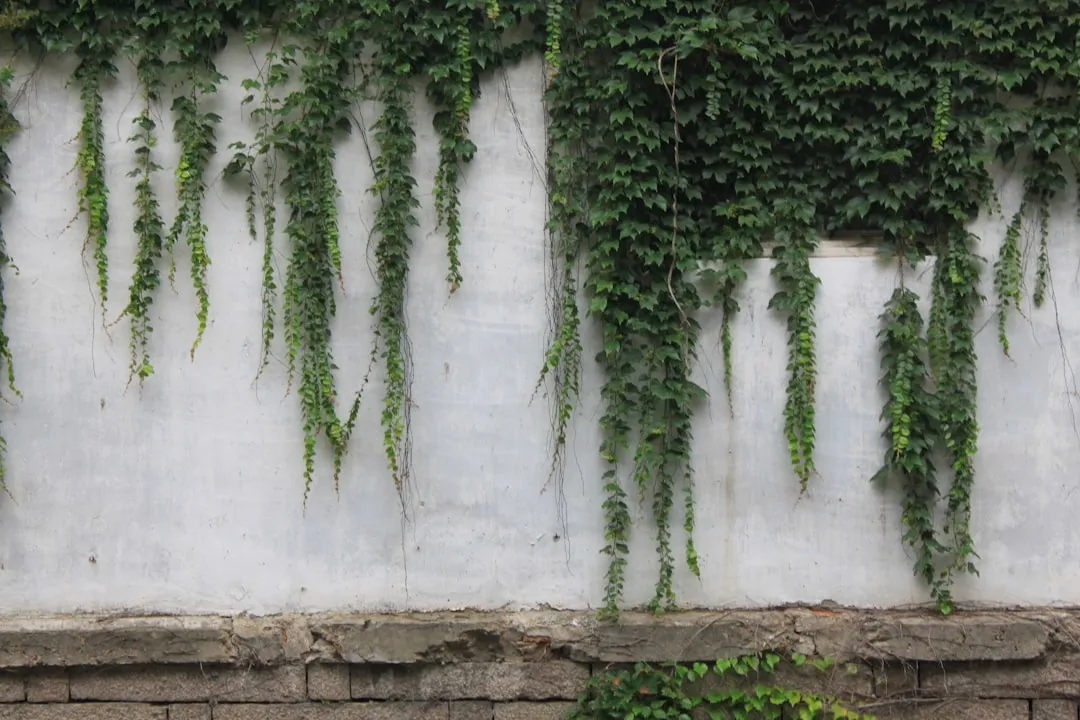
Kudzu, porcelainberry, wisteria, Japanese honeysuckle, English ivy, and Oriental bittersweet are invasive vines that, given enough time, will kill trees. That’s a long list, and it includes plants that decorate millions of American backyards. Most homeowners simply don’t know the damage they’re quietly hosting.
Invasive and destructive vines are so widespread that it is estimated that as many as 3 million trees may be at risk in Northern Virginia alone. That’s one region. Scale that picture to the full eastern seaboard and the numbers become genuinely striking.
Invasive vines are killing mature trees and shrubs with alarming frequency. Even when invasive vines are not killing trees and shrubs, they are weakening them. The damage accumulates over seasons, often invisibly, which is precisely what makes it so easy to miss.
How English Ivy Earned Its Reputation
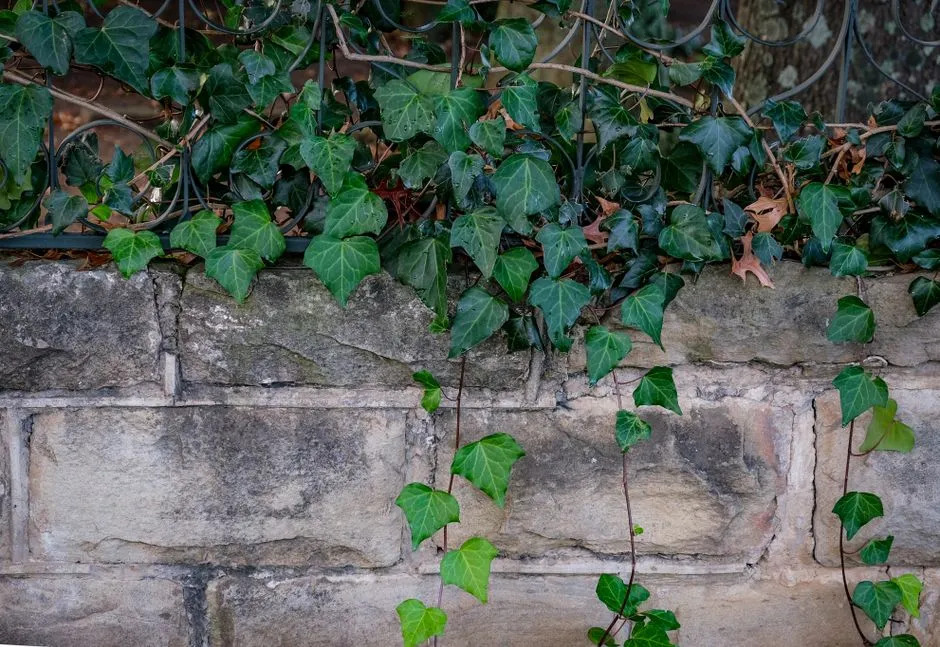
English ivy’s most dangerous attribute is that it vines up and chokes trees. Not only does this prevent photosynthesis from happening by blocking foliage from sunlight, but it also damages tree bark by holding moisture against the trunk. Fungal rot ensues, leading to a slow and painful death for infested trees.
English ivy is native to Europe, Western Asia, and Northern Africa. It was brought here by colonial settlers for cultivation as early as 1727. It has continued to be planted and marketed as a “low-maintenance” groundcover across the United States, which is ironic, considering how many resources go towards its removal.
English ivy is also a reservoir for bacterial leaf scorch (Xylella fastidiosa), a pathogen that usually afflicts maples, oaks, and elms. So beyond the physical strain it places on a host tree, it can introduce disease into otherwise healthy species. That’s a double threat most people never consider.
The Weight Problem No One Talks About
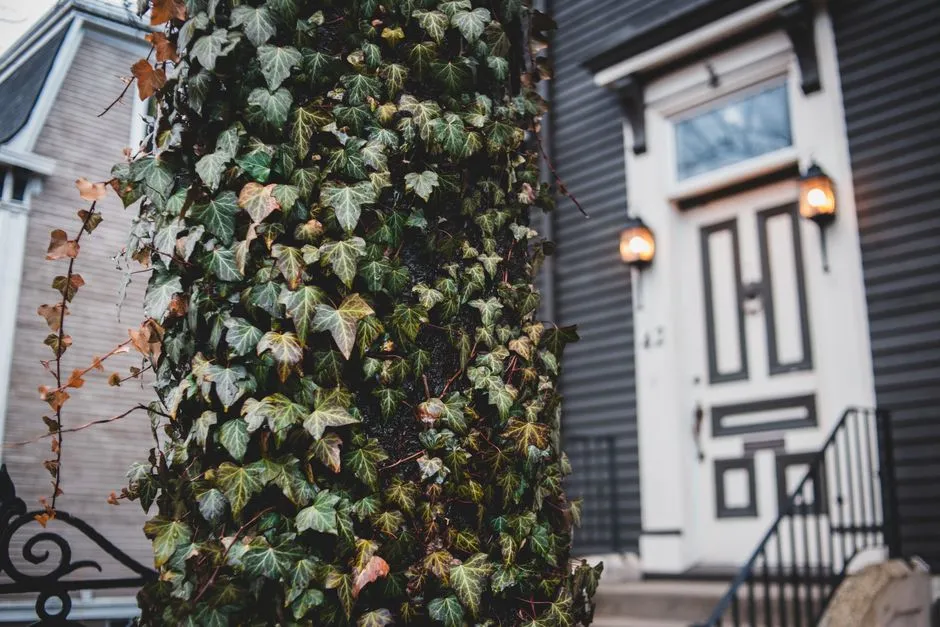
Ivy and other vines can add enough additional weight, up to a ton, to cause catastrophic failure, including breaking limbs or causing the entire tree to fall. A ton of added stress, distributed unevenly across a canopy, turns a healthy tree into a structural liability.
Some types of vines can cover the bark densely with leaves, increasing the tree’s wind load and the likelihood that the tree will fall during a storm. This is particularly dangerous in areas prone to severe weather, where a vine-laden tree becomes a hazard to anything nearby.
As ivy climbs, it can add significant weight to branches and trunks. This additional weight can be particularly problematic during storms or high winds, where the combined load of the ivy and the force of the wind can lead to broken branches or even uprooted trees. Arborists often find that vine-covered trees are far less structurally stable than they appear from a distance.
Kudzu: The Vine That Moves Faster Than You Think
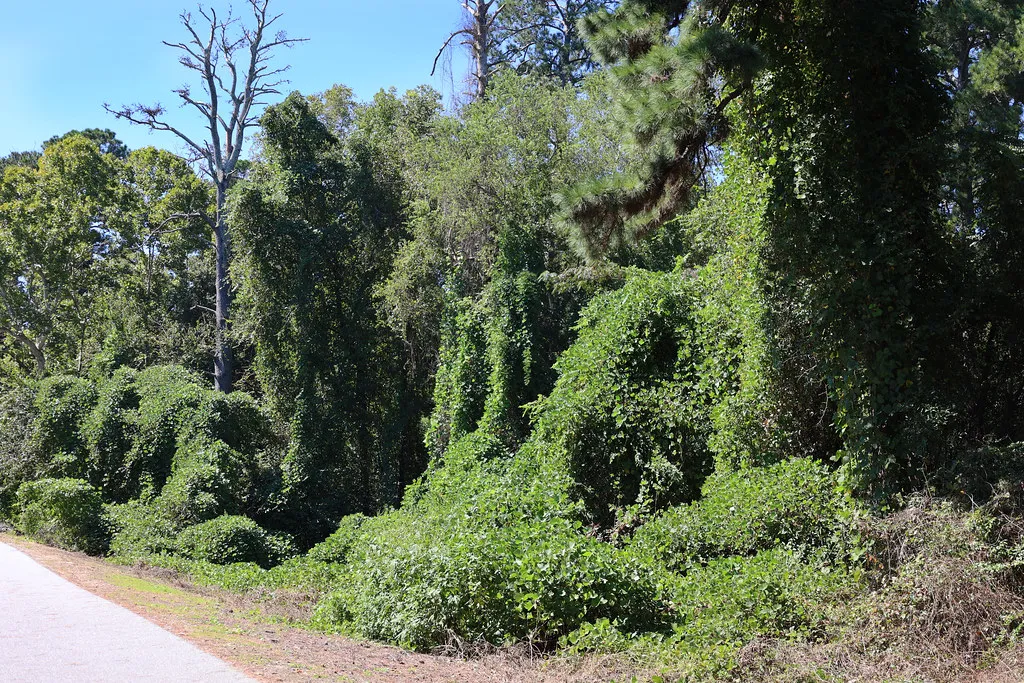
This high-climbing legume can grow up to one foot per day in summer, forming dense mats that smother vegetation, trees, and structures, with stems reaching lengths of 100 feet or more. That growth rate isn’t an exaggeration. In warm months, you can almost watch it move.
Kudzu kills trees by completely smothering them, blocking all sunlight from reaching leaves. It can cover an entire mature tree canopy within a single growing season. A tree that looked fine in spring can be completely blanketed by autumn.
Kudzu is an invasive plant species in the United States, introduced from Asia with devastating environmental consequences, earning it the nickname “the vine that ate the South.” It was introduced to the United States through the Philadelphia Centennial Exposition in 1876. Following this introduction, it was planted across the southern United States as an ornamental plant, as livestock forage, and for erosion control. That well-intentioned history makes its current damage all the more ironic.
Wisteria: Beautiful, Beloved, and Dangerous

Wisteria’s cascading purple flowers are iconic, and that beauty is precisely why this plant has been so widely planted and so widely misunderstood. Both Chinese and Japanese Wisteria are classified as invasive in many US states. Unlike the native American Wisteria, these Asian species are aggressive twiners capable of girdling and toppling mature trees.
As wisteria vines grow and thicken, they constrict the host tree’s vascular system. This system, located just beneath the bark, includes the phloem, which transports sugars down from the leaves, and the xylem, which transports water and nutrients up from the roots. When these tissues are compressed by the tightening vine, the flow of essential resources is cut off, effectively strangling the tree.
Wisteria vines can grow to enormous dimensions over time. Woody stems thick as a person’s arm are not uncommon in old infestations. The twining action is powerfully constricting, and the combined weight of a large wisteria canopy can structurally compromise entire trees.
The Girdling Effect: How Vines Cut Off a Tree’s Lifeline
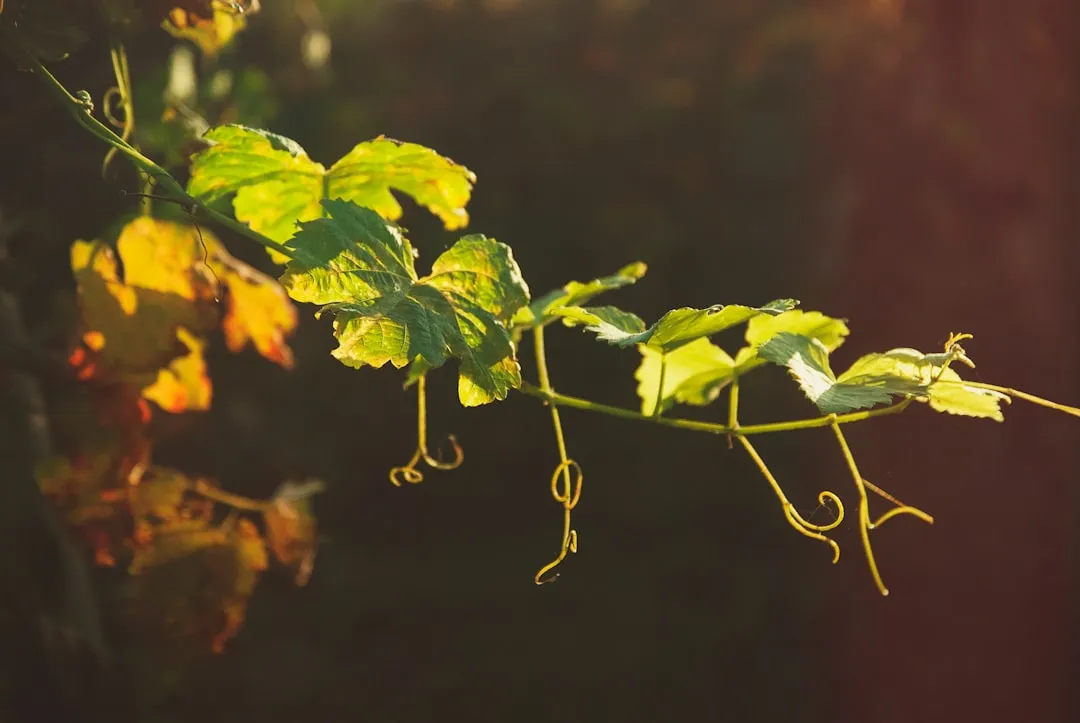
Twining vines wrap tightly around trunks and branches. As the tree grows outward and the vine tightens, it cuts off the flow of water and nutrients through the cambium layer, essentially strangling the tree from the outside. This process is called girdling, and it’s one of the most lethal things that can happen to a tree.
Girdling is the circumferential removal or injury of the bark of a branch or trunk of a woody plant. Girdling prevents the tree from sending nutrients from its foliage to its roots, resulting in the death of the tree over time. When a vine does this, it’s essentially cutting off the tree’s internal supply chain.
In some cases, the ivy can girdle the tree, wrapping tightly around the trunk and restricting the tree’s ability to transport water and nutrients. The process is slow enough that the tree appears alive for months or even years after the damage is already irreversible. That’s the quiet cruelty of it.
Moisture, Rot, and the Diseases That Follow
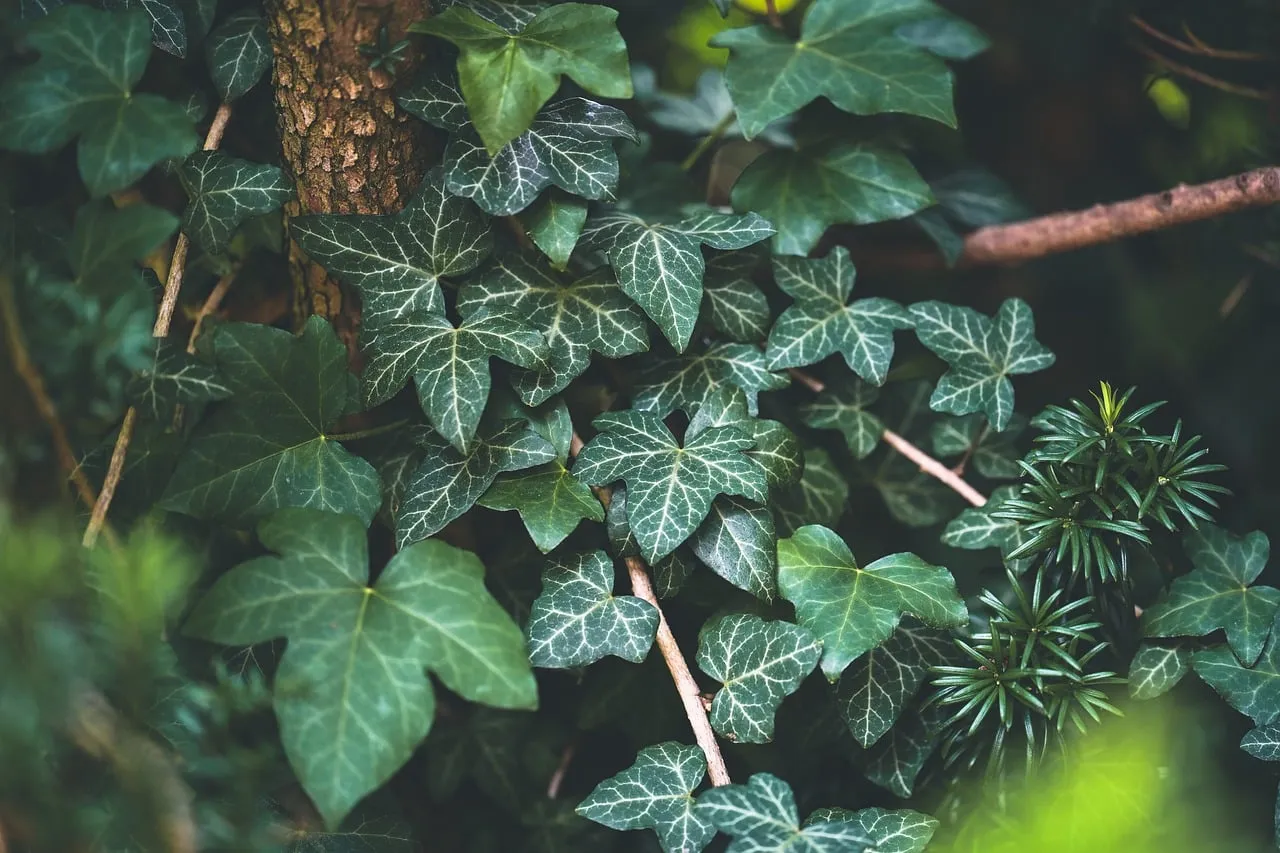
Ivy traps moisture against the trunk, which can cause the outer bark to split and rot. Ivy can form a dense layer of foliage that shades the tree, reducing its ability to produce food through photosynthesis. Ivy can add substantial weight to a tree canopy, increasing the risk of branch failure, trunk breakage, or the entire tree falling.
Ivy can create an environment that fosters pests and diseases, further threatening tree health. The dense foliage of ivy can trap moisture against the tree’s bark, creating a humid environment that is ideal for fungal infections. These infections can cause significant damage to the tree’s bark and underlying tissues, leading to decay and potentially fatal diseases.
Additionally, the cover provided by ivy can harbor pests such as insects and rodents, which can further damage the tree by feeding on its bark and leaves. By the time fungal decay is visible on the exterior of a trunk, the damage inside is often far more advanced than it appears.
What Happens to the Forest When One Tree Falls
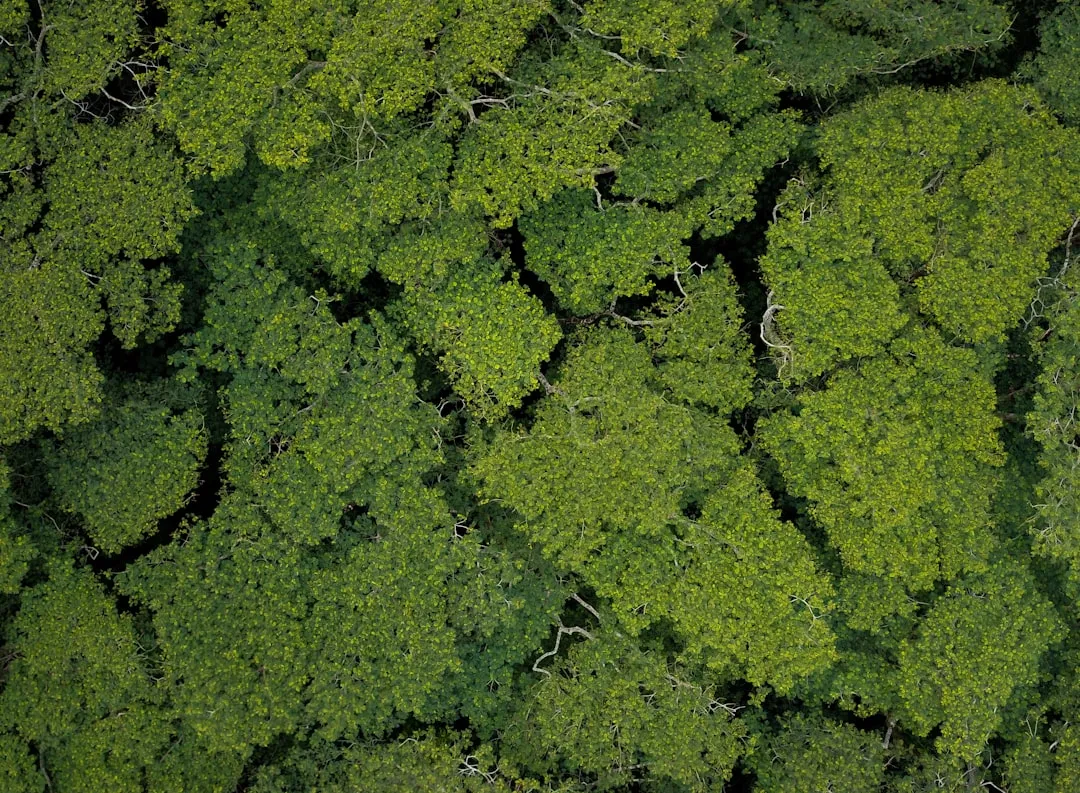
Invasive vines provide an extreme example of the destruction of the physical structure of an ecosystem. The damage doesn’t stop at one tree. It ripples outward in ways that are harder to reverse the longer intervention is delayed.
The sheer weight of the vine makes the already-weakened tree susceptible to wind damage. Once a tree is toppled, its neighbors are further weakened due to the loss of wind protection. In terms of wind impacts, a grove or forest of trees acts as a single unit, and the loss of one or a few trees compromises the remainder.
Once the canopy layer is destroyed, removal of the vines yields a site that is too sunny for forest plants. At that point, restoration requires the establishment of a native meadow containing early successional trees, and a long-term monitoring and maintenance program. In other words, letting vines run long enough doesn’t just cost you a tree. It can cost you a forest.
The Right Way to Remove Vines Without Causing More Damage
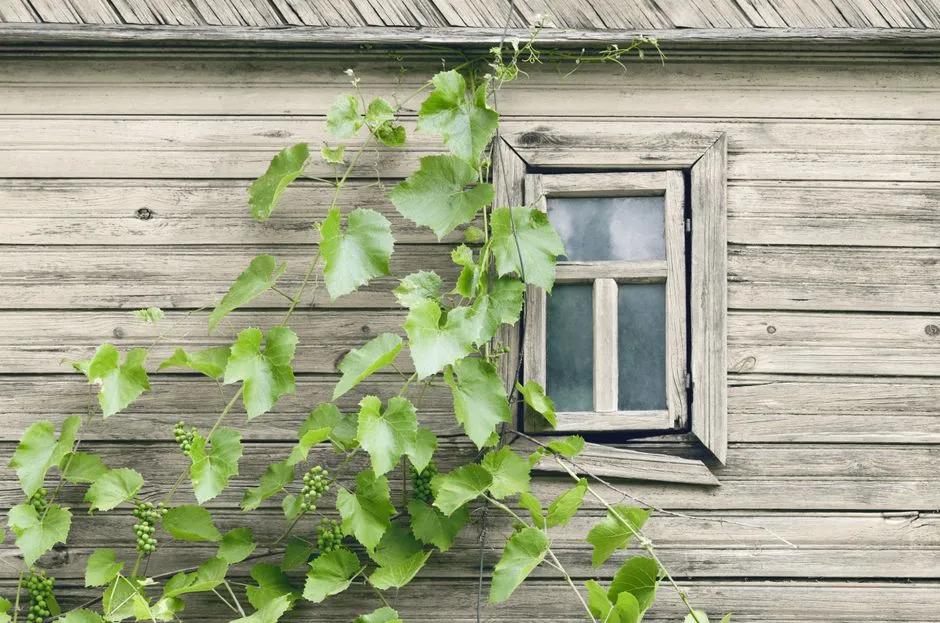
When vines are growing up trees, using a window-cut approach is an excellent method for killing top growth. This involves cutting the stem low to the ground and then again at chest height. Do not pull vines down from the tree, but rather allow the top growth to die to avoid hurting the tree or yourself.
Do not attempt to pull ivy from the tree trunk, as doing so may damage the bark. When left in place, the ivy will die and naturally detach over time. Maintain the open collar regularly to prevent ivy from returning. Patience matters here. Tearing aggressively at embedded vines can strip the bark and open the tree to exactly the kind of infection you’re trying to prevent.
The worst time to ignore invasive vines is fall. Root systems stay active well into late fall, and spring growth from established roots will be more aggressive than the previous year’s. Waiting another season means a root system that’s a full year larger. Early action is genuinely worth it.
How Climate Change Is Making the Problem Worse
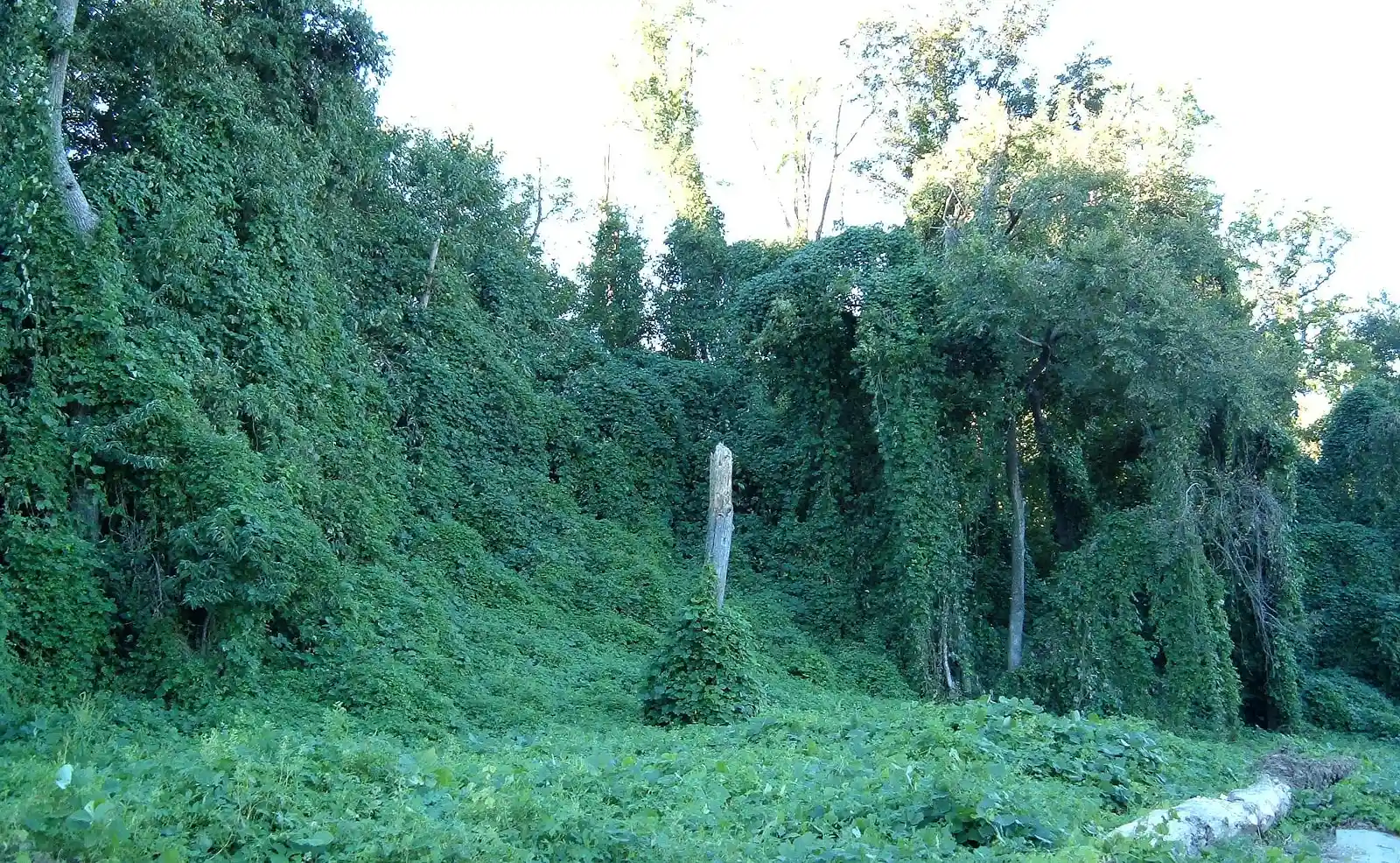
As the climate warms, and as summers lengthen, winters shorten, and the Mid-Atlantic region becomes increasingly wetter, there are more opportunities for invasive vines to thrive and threaten native trees and shrubs. The growing season extends with every warmer year, and these vines take full advantage of every additional week of growth.
Kudzu has been spreading rapidly in the Southern United States, easily outpacing the use of herbicide, spraying, and mowing, and increasing the costs of these controls by six million dollars annually. The financial toll is real and growing, even as managers work hard to contain the spread.
Because of its aggressive growth and environmental impact, kudzu is now listed as a noxious weed in 13 states across the country. In several states, including Texas, Illinois, and Washington, it is illegal to import, cultivate, or sell kudzu seedlings. Legislative pressure helps, but enforcement is difficult when a plant spreads as readily as these do.
A Slow Emergency Worth Acting On Now

There’s a reason arborists call invasive vine damage a “silent threat.” It doesn’t announce itself with a crack of lightning or the sudden lean of a dying trunk. It arrives leaf by leaf, season by season, until one morning the tree simply can’t recover. Invasive vines are one of the most underestimated threats to trees in North America. They compete for light, add crushing structural weight, girdle trunks, introduce moisture that rots bark, and create conditions where disease and pests thrive.
If intervention is early enough, a forest can be restored by simply killing the vines. That’s an encouraging fact. The window for easy action stays open longer than most people expect, but it does eventually close.
Walk your yard this week. Look at the trunks, not just the canopy. If you see a vine wrapping steadily upward, climbing with quiet purpose toward the light, know that it isn’t decorating your tree. It’s making a slow claim on it. The good news is that claim can still be reversed. For now.
AI Disclaimer: This article was created with the assistance of AI tools and reviewed by a human editor.