

Most people who own a backyard pool think they’ve got chemical storage figured out. Buy the chlorine, toss it in the garage, done. What they don’t realize is that the way they’re storing those chemicals might be the single biggest safety risk sitting on their property right now.
Pool maintenance is one of those things that feels routine until it isn’t. The chemicals involved are genuinely powerful industrial substances, and how you store them matters far more than most homeowners ever consider.
The Real Scale of the Problem
Mishandling pool chemicals can cause serious injuries. Pool chemical injuries lead to about 4,500 U.S. emergency department visits each year, and over one-third of these preventable injuries are in children or teens. That number is striking, especially because so many of these incidents are entirely avoidable.
Over half of pool chemical injuries occur at a home, and about two-thirds happen during the summer swim season, from Memorial Day weekend through Labor Day. The timing makes sense. Summer is when chemicals are used most frequently and stored in the hottest conditions.
Although injuries from pool chemicals are preventable, the number of serious injuries from these chemicals has not changed much in the last 15 years. That tells you something important: awareness alone isn’t solving this. The habits need to change.
Storing Incompatible Chemicals Together
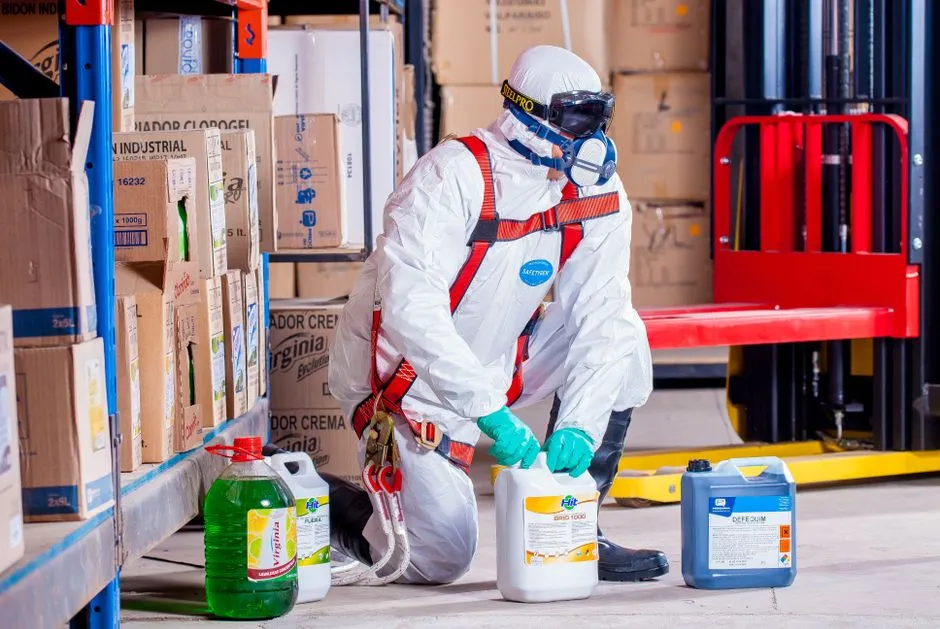
Many homeowners mistakenly group different types of pool chemicals, like acids and chlorine, or stack them for space. This is dangerous. Certain chemicals can react violently if they leak or are accidentally combined.
Chlorine tablets, calcium hypochlorite shock, granular chlorine, and sodium hypochlorite are all oxidizers. Muriatic acid, dry acid, and most pH decreasers are on the other side of that line. Separate them completely and most of the serious risks disappear.
Chlorine and muriatic acid produce toxic gases when mixed. Store them at least 10 feet apart, preferably on separate shelves. That’s a simple rule with a potentially life-saving effect.
Ignoring Heat and Temperature Thresholds
Chlorine products degrade significantly above 95°F and begin losing efficacy above 75°F. Calcium hypochlorite shock becomes increasingly unstable as temperature rises and can off-gas, and in high enough concentrations that off-gassing can ignite surrounding flammable materials. A garage that hits 120°F in summer is not a safe environment for calcium hypochlorite.
Pool chemicals should be stored in a space where the temperature stays between 50°F and 80°F. Higher temperatures can cause chemical breakdowns or even dangerous reactions.
When stored above the manufacturer’s recommended temperature range, pool chemicals can lose potency. This can lead to poor water sanitation, as chemicals that have degraded may not perform effectively, resulting in cloudy water, algae growth, or bacterial contamination. So the damage goes beyond safety. It hits your water quality too.
Poor Ventilation in Storage Areas
Ventilation matters for a separate reason. Chlorine products off-gas slowly even in good conditions. Muriatic acid releases fumes even through sealed containers. A storage area with no airflow lets those fumes accumulate.
Your storage location needs natural airflow, whether that’s a vent, a window that stays slightly open, or a screened enclosure. Sealed closets and airtight bins are the wrong choice.
A well-ventilated space, whether through natural airflow or a mechanical system, helps disperse these vapors. Avoid storing chemicals in tight, enclosed spaces, especially liquids like muriatic acid, which can emit corrosive fumes. This is a mistake even careful homeowners make without realizing it.
Storing Chemicals on the Ground
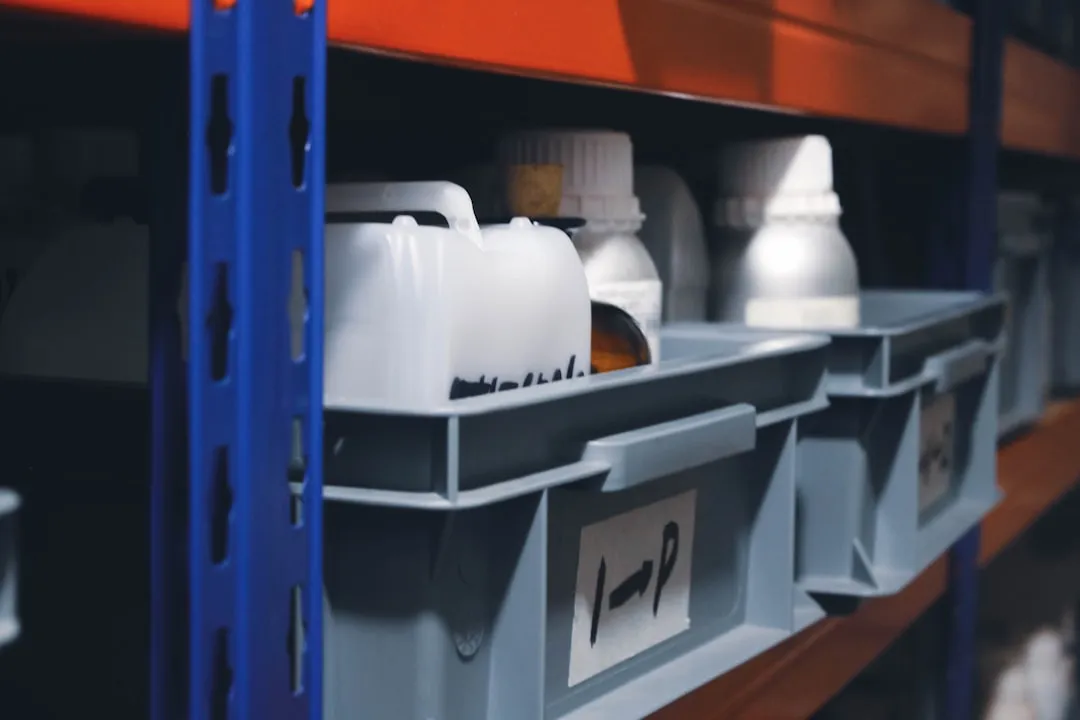
Pool chemicals should be off the ground. Cross contamination from spills and leaks becomes much more likely when chemicals are on the ground. It’s a subtle detail that most people overlook when setting up storage.
Store pool chemicals off the ground to prevent contact with water from floods, leaks, or hose spray. Consider using a locked, chemical-resistant storage cabinet with trays or liners to catch any accidental spills.
Store buckets on pallets or shelves. This prevents concrete moisture from seeping into bags and causing them to clump or react. A small shelf or pallet costs very little and removes a significant hazard.
Transferring Chemicals Into Unmarked Containers
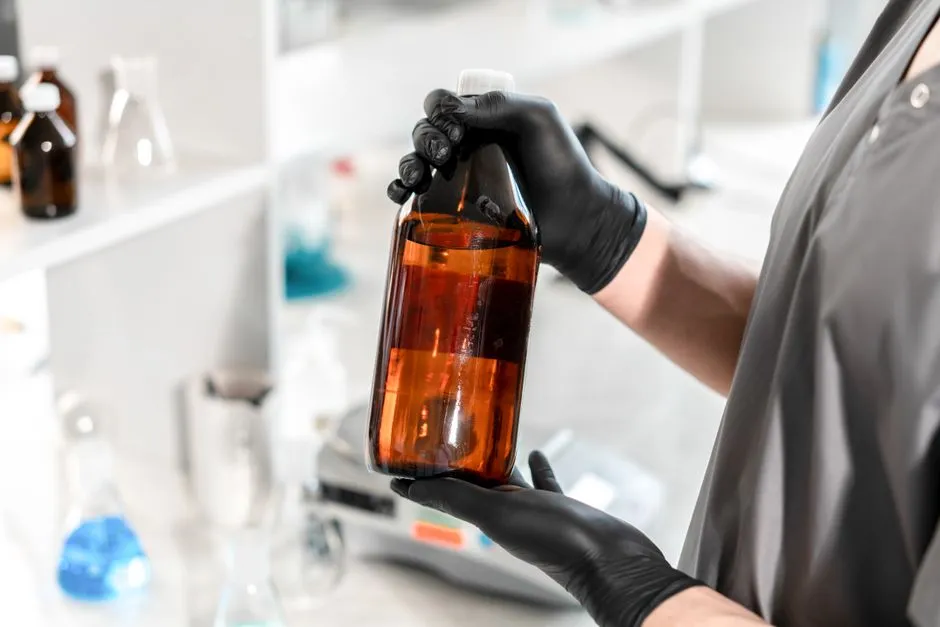
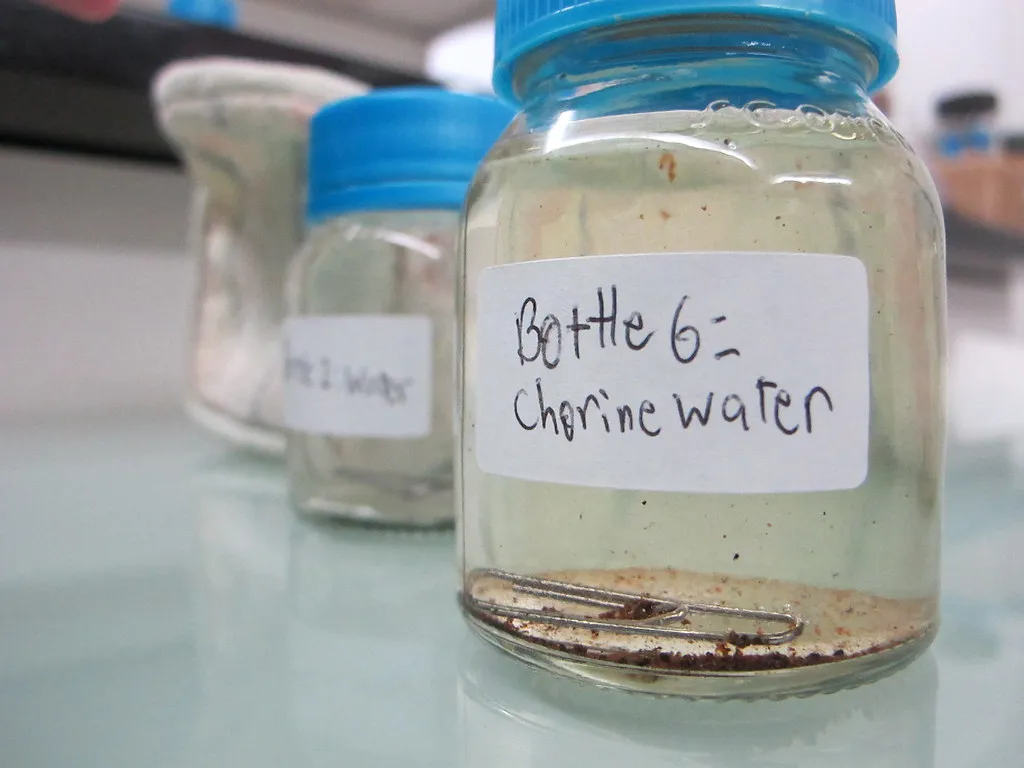
Transferring pool chemicals to unmarked containers, like jars or water bottles, can lead to confusion and dangerous situations if mistaken for something harmless. This happens more often than you’d think, especially when homeowners try to save space or consolidate leftover product.
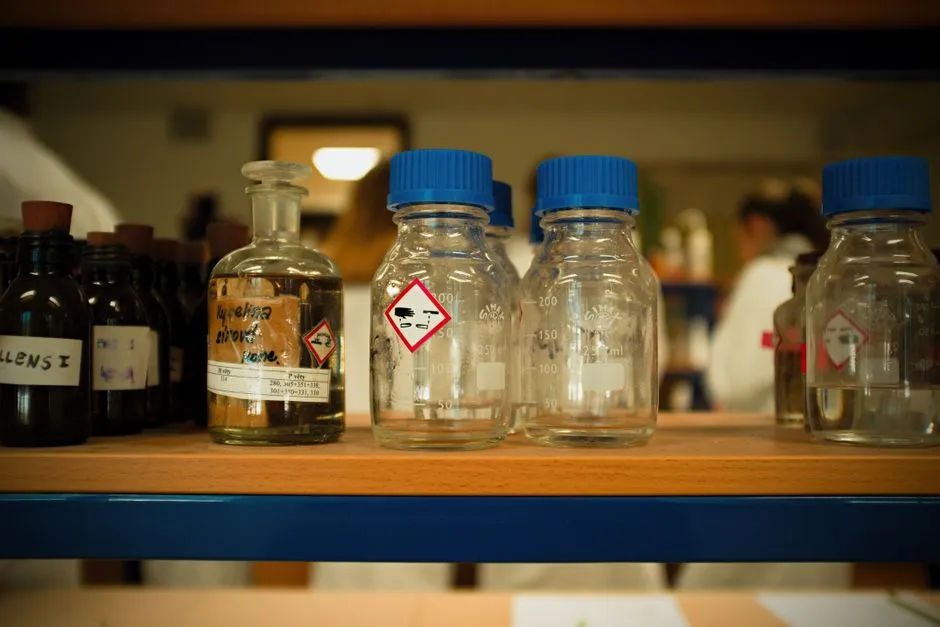
Manufacturer labels are packed with important information, including the product name, ingredients, concentration, handling instructions, hazard warnings, and expiration dates. Once that label is gone, so is your safety net.
Calcium hypochlorite and sodium bicarbonate may look alike as white powders, but confusing the two could disrupt your pool’s chemistry, or worse, cause a dangerous reaction. Keep chemicals in their original containers. No exceptions.
Mixing Chemicals Before Adding Them to the Pool
Never mix different types of chlorine, like tablets and shock, or, worse, mix chlorine and acid. This creates a cloud of toxic gas that can overcome you in seconds.
Real incidents have confirmed exactly how serious this can be. A Rockland County homeowner mixed calcium hypochlorite and hydrochloric acid, and the chemicals reacted to produce hydrogen and chlorine gas, resulting in an explosion. The explosion blew out a window and sent two adults to the hospital with breathing problems. Four firefighters required decontamination at the scene.
Never mix different chemicals together. Mixing different chemicals can create very dangerous, toxic, and explosive results. These aren’t theoretical risks. They are documented incidents from real residential properties.
Skipping Personal Protective Equipment

The top diagnosis in pool chemical injury cases was poisoning due to breathing in chemical fumes, vapors, or gases, for example when opening chlorine containers. Simply opening a container without protection is enough to cause harm.
Always wear rubber gloves and safety goggles when handling chemicals. This sounds obvious, but it’s routinely ignored. Homeowners often rationalize that they’re only handling “a small amount” or “just for a second.”
The warning on a chlorinating tablet product label indicated that proper eye protection was necessary while using the tablets. One homeowner did not wear proper eye protection, and dust from the product got into his eyes. He called the Poison Control Center and followed up with his healthcare provider. A few seconds of carelessness can mean days of consequences.
Storing Near Flammable Materials

Never store pool chemicals near gasoline, oils, or any flammable materials. Even a small chemical leak can ignite if it comes into contact with an open flame or heat source. Garages are especially risky because they tend to hold lawn equipment, fuel containers, and paint, often right next to where chemicals end up sitting.
Store chemicals out of direct sunlight and away from sources of heat, sparks, flames, or ignition. That also means keeping them away from water heaters, HVAC units, and any electrical panels that could spark.
Your storage area should be cool, dry, and ventilated. Use an outdoor cabinet or a section of the garage that is away from your HVAC intake. Fumes can actually corrode your home’s copper wiring and ductwork if they get pulled into the vents. Most homeowners have no idea that fume migration is even a concern.
Leaving Chemicals Accessible to Children

According to the CDC, pool chemical injuries led to approximately 4,503 emergency department visits each year. More than half of these injuries occurred in residential settings, and about 36% of victims were younger than 18 years old. That is a significant share of the injury burden, and it falls on the youngest, most vulnerable people in the household.
Keep pool chemicals out of reach of children. That means more than just putting them on a high shelf. Consider using a locked, chemical-resistant storage cabinet with trays or liners to catch any accidental spills.
Security is a critical factor. Use lockable storage solutions and clear signage to minimize risks. Even seasoned pool owners can benefit from visible reminders about handling procedures and emergency contact information. A lock costs a few dollars. An emergency room visit costs far more in every possible sense.
The Takeaway
Pool ownership comes with real responsibilities that go beyond water chemistry tests and skimmer nets. The chemicals sitting in most residential garages right now are genuinely powerful substances that deserve intentional, careful storage, not an afterthought shelf in the corner.
The pattern across nearly every reported incident is the same: someone assumed that because they’d done it before without incident, the risk wasn’t real. Storage location, temperature, ventilation, container integrity, and separation of incompatible chemicals are all factors that matter every single time, not just when something goes wrong.
Getting this right doesn’t require a major investment. It requires paying attention to details that are easy to overlook but impossible to undo once an accident happens. Start with a proper audit of your current setup and measure it honestly against what the evidence actually recommends.
AI Disclaimer: This article was created with the assistance of AI tools and reviewed by a human editor.