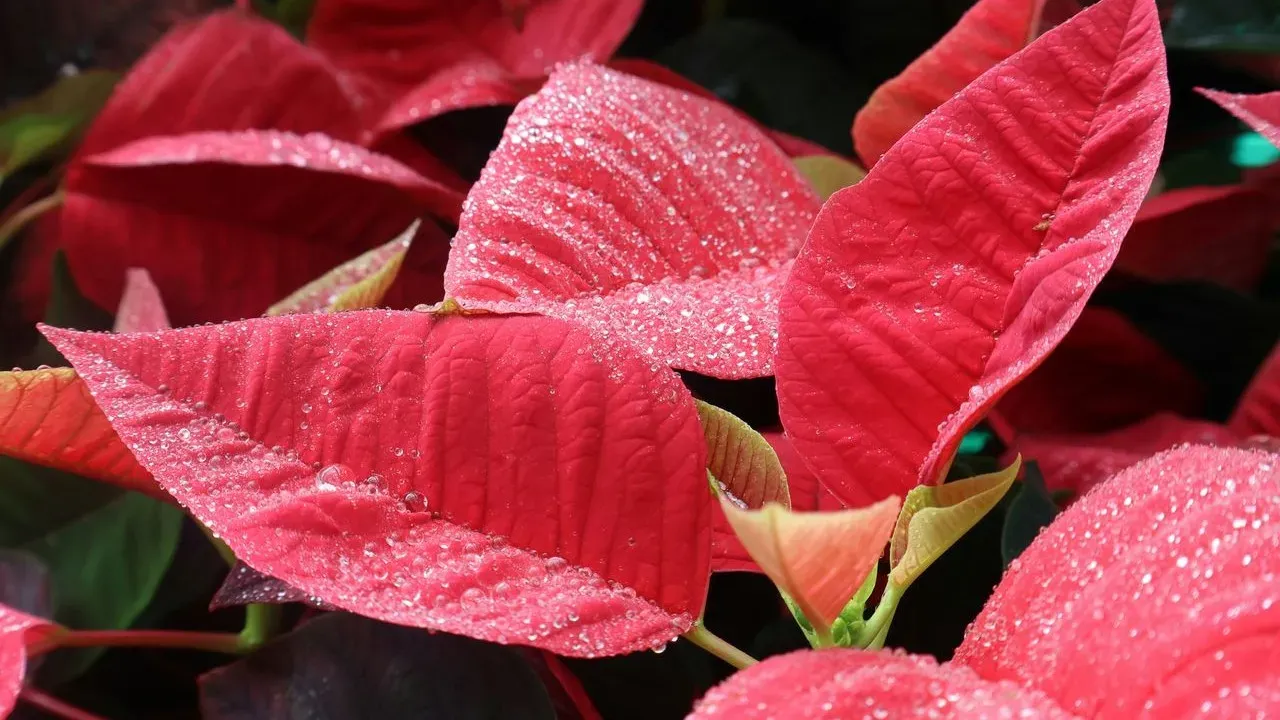

As the holiday season approaches, many households welcome poinsettias as festive centerpieces. Yet a frequent misstep in care quickly turns vibrant plants into wilted disappointments. The issue often traces back to inconsistent watering habits that either leave roots too dry or drown them in excess moisture. Proper timing and technique can keep these seasonal favorites thriving well into the new year. ([1])
Why Timing Matters More Than Most Realize
Poinsettias enter homes during a period of transition from greenhouse conditions to indoor environments. Their root systems remain sensitive to sudden changes in moisture levels. Overwatering ranks as the leading cause of decline because it deprives roots of oxygen and invites rot. Underwatering produces similar droop but stems from simple neglect during busy weeks. Both problems surface quickly in the warm, dry air typical of heated homes.
Recognizing the plant’s signals early prevents irreversible damage. Leaves that yellow at the base or stems that feel soft often point to excess water. Crisp, curling foliage usually signals the opposite. Checking soil moisture before adding water forms the simplest defense against either extreme.
Reading the Soil for Clear Guidance
The most reliable method involves a finger test rather than a fixed calendar. Insert a finger about an inch into the potting mix. If the soil feels dry at that depth, watering becomes necessary. If it still holds moisture, waiting another day or two avoids the common overwatering trap. This approach accounts for variations in pot size, room temperature, and humidity that a rigid schedule cannot capture.
Water thoroughly until excess drains from the bottom, then empty any saucer promptly. Leaving standing water encourages root problems that appear days later. Room-temperature water works best, as cold liquid can shock the plant during cooler months. Morning applications allow foliage to dry before evening, reducing the chance of fungal issues.
Adjusting for Holiday Conditions
Indoor heating and shorter daylight hours alter a poinsettia’s needs compared with summer months. Plants may require water every seven to ten days under typical conditions, though bright windows or drier air can shorten that interval. Grouping the plant away from heat vents and fireplaces helps maintain steadier moisture. Decorative foil wraps around pots should include drainage holes or be removed during watering to prevent trapped moisture.
During peak holiday activity, setting a recurring phone reminder tied to the finger test proves more effective than memory alone. Consistent observation beats any universal rule because each home environment differs. Plants placed near south-facing windows often dry faster than those in lower light.
Recovery Steps When Problems Appear
A drooping poinsettia does not always mean the end. First, assess soil moisture to determine whether the plant sits too wet or too dry. For overwatered specimens, allow the top layer to dry completely before the next watering and improve air circulation around the pot. Severely affected plants may need repotting into fresh, well-draining mix after trimming damaged roots.
- Remove any decorative sleeves that block airflow or drainage.
- Trim yellow or damaged leaves to redirect energy to healthy growth.
- Resume the finger-test routine once the plant stabilizes.
- Monitor for new growth as a sign of recovery within a week or two.
With steady attention to moisture levels, most holiday poinsettias regain their upright form and retain colorful bracts through the season. The same simple habit that prevents droop also supports the plant if kept for another year.
AI Disclaimer: This article was created with the assistance of AI tools and reviewed by a human editor.