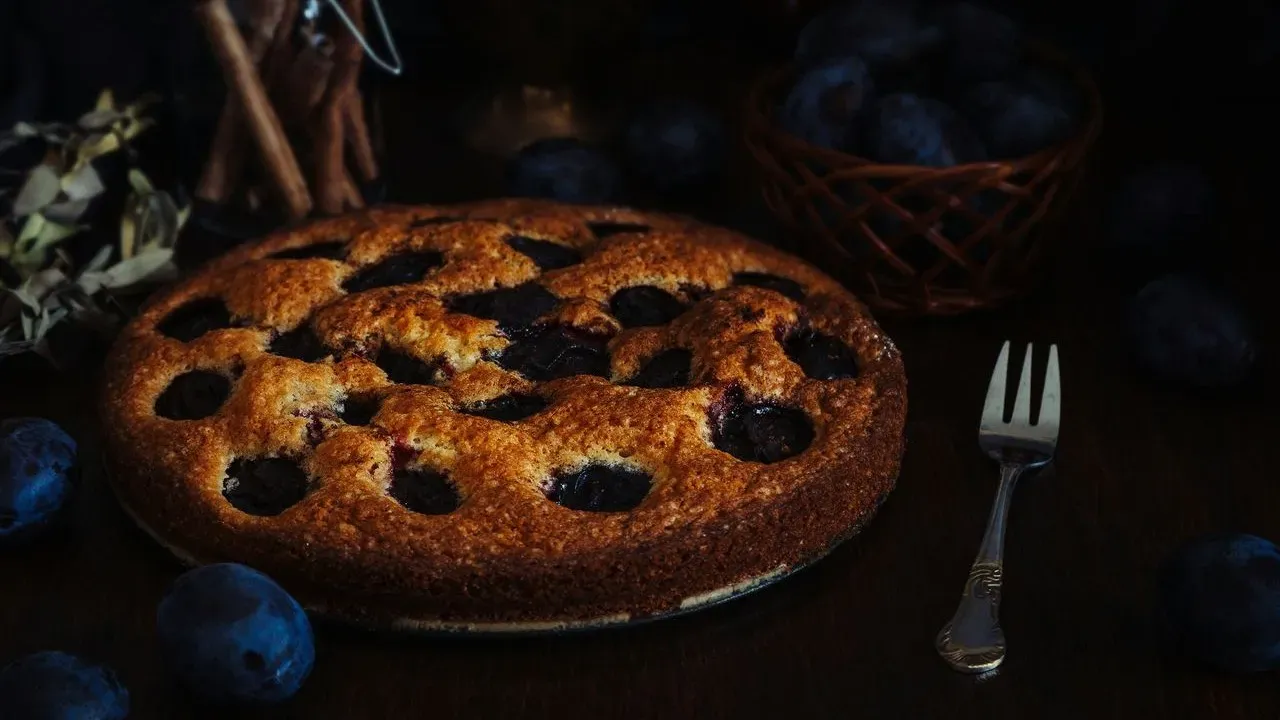

As gardens fill with ripe plums, apricots, and peaches in mid-August, home bakers often look for reliable ways to turn that abundance into something memorable. One recipe stands out for its staying power: the plum torte, a simple yet elegant dessert whose reputation grew steadily through newspaper clippings and kitchen conversations decades before online sharing existed. Its appeal lies in the contrast of tart fruit against a tender, buttery base that requires little fuss. Today the same qualities make it a natural fit for anyone harvesting stone fruit from backyard trees.
A Recipe That Traveled the Old-Fashioned Way
The plum torte earned its early following through repeated appearances in print and personal recommendations rather than digital algorithms. Readers clipped the instructions, baked the cake, and passed the method along to friends and neighbors. Over time the dessert became a seasonal ritual for many households, valued for its straightforward preparation and the way it highlights the fruit without overwhelming it. That quiet, steady circulation gave the recipe a reach that later generations would recognize as a precursor to modern virality.
What kept the torte in circulation was its forgiving nature. A handful of pantry staples combine with whatever plums are on hand, and the result holds up well for picnics or weeknight desserts. Bakers appreciated that the cake could be assembled quickly yet still looked and tasted special when brought to the table. Those practical virtues helped the recipe endure through changing food trends.
Stone Fruit Desserts That Reward a Garden Harvest
Plums are not the only option when trees are heavy with fruit. Apricot upside-down cake offers a similar ease with a caramelized top that showcases the fruit’s bright flavor. The method flips the usual baking order, letting the apricots soften and sweeten against a simple batter. Many gardeners find the technique satisfying because it turns a quick surplus into an impressive presentation with minimal extra work.
Peach pie remains a perennial favorite for larger harvests. The filling can be adjusted for sweetness depending on the variety picked that day, and a lattice or simple top crust keeps the focus on the fruit. Home cooks often prepare several pies at once, freezing some for later months when fresh stone fruit is no longer available. The pie’s versatility makes it a practical choice for preserving the season’s peak flavors.
Practical Tips for Using What You Grow
Selecting fruit at the right stage of ripeness improves every recipe. Plums should yield slightly to gentle pressure, while apricots and peaches benefit from a day or two on the counter after picking. Once prepared, these desserts store well; the torte keeps for several days at room temperature, and pies can be refrigerated or frozen. Gardeners who find themselves with more fruit than they can eat fresh often turn to these classics as a reliable way to share or save the harvest.
Small adjustments suit different varieties. Firmer plums hold their shape better in the torte, while softer peaches work nicely in a pie where they release juices into the filling. Apricots, with their shorter season, reward prompt use in an upside-down cake before they soften too far. These minor choices help bakers make the most of whatever arrives from the garden each week.
Why These Recipes Continue to Matter
Classic stone-fruit desserts connect current harvests to long-standing kitchen traditions. The plum torte, in particular, demonstrates how a straightforward method can travel across generations without needing constant reinvention. When gardeners face an abundant crop, returning to such recipes offers both immediate satisfaction and a sense of continuity with earlier seasons. The result is a table filled with familiar flavors that still feel fresh each summer.
AI Disclaimer: This article was created with the assistance of AI tools and reviewed by a human editor.