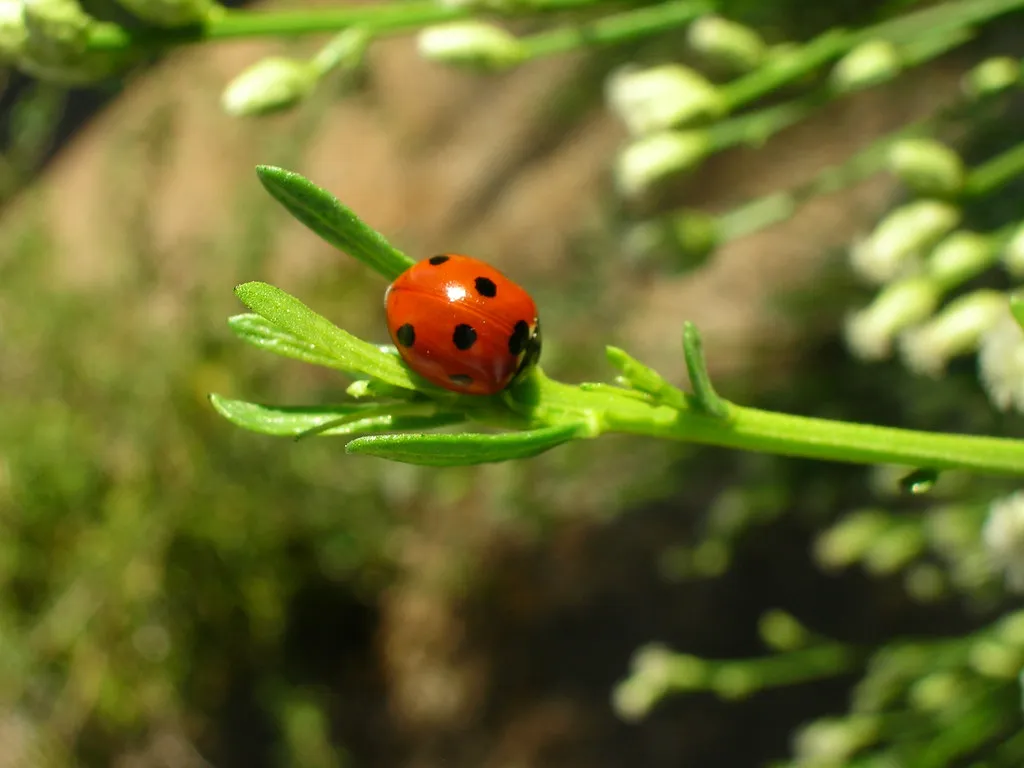

Most gardeners know that ladybugs and lacewings are welcome visitors. What fewer people realize is how deliberately you can invite them in, not by buying them and releasing them by hand, but simply by choosing the right plants.
Ladybugs and green lacewing larvae are highly effective natural predators that feed on aphids, mites, and other soft-bodied pests, making them valuable for organic pest management. The good news is that many of the plants that attract them are also useful herbs and pretty flowers you probably already want in your yard.
Why These Two Insects Are Worth Attracting
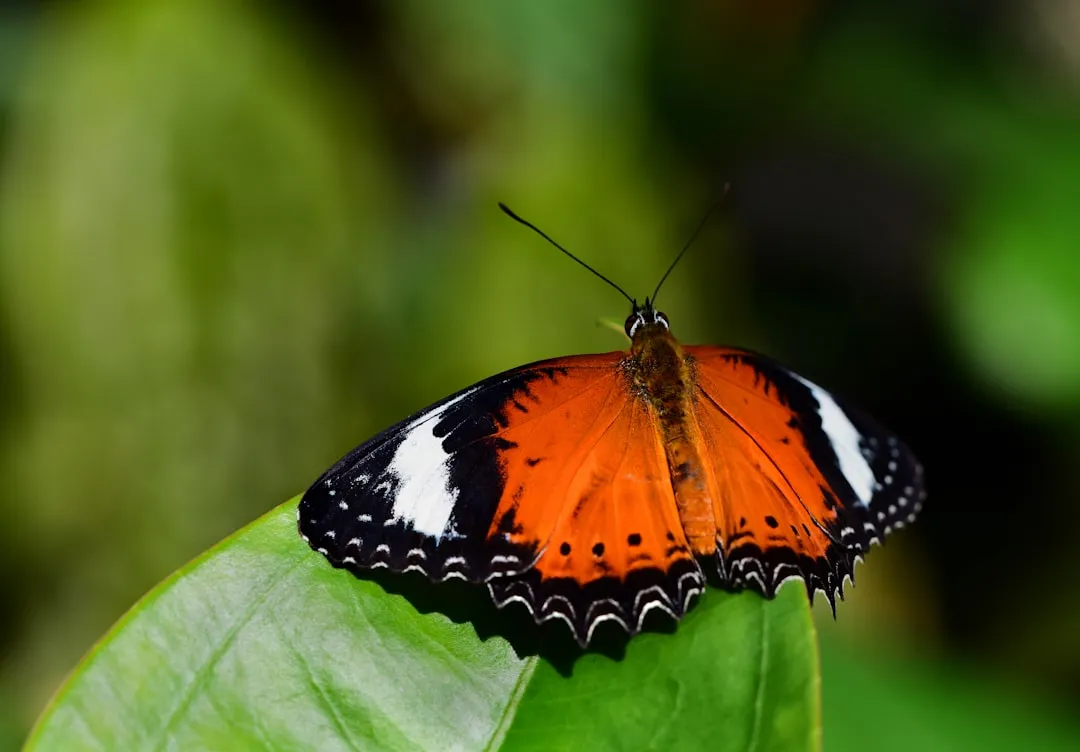
Lacewing larvae, or the immature stage of lacewings, are voracious predators. They feed on a wide range of garden pests including aphids, mealybugs, some scales, lace bugs, asparagus beetle larvae, Colorado potato beetle larvae, and caterpillar eggs and larvae including corn earworms, cabbage loopers, and cabbage worms.
Lady beetles usually take the spotlight for killing aphids, but lacewings are actually more effective. These talented predators feed on a wider range of insects. According to some sources, lacewing larvae can eat about ten times the number of insects as lady beetles.
A single ladybug can eat up to 5,000 aphids in its lifetime, making them one of the most effective forms of natural pest control you can introduce to your green space. Together, these two insects form one of the most capable pest management teams a home gardener can have.
Dill: The Top Umbrella Flower for Beneficial Insects
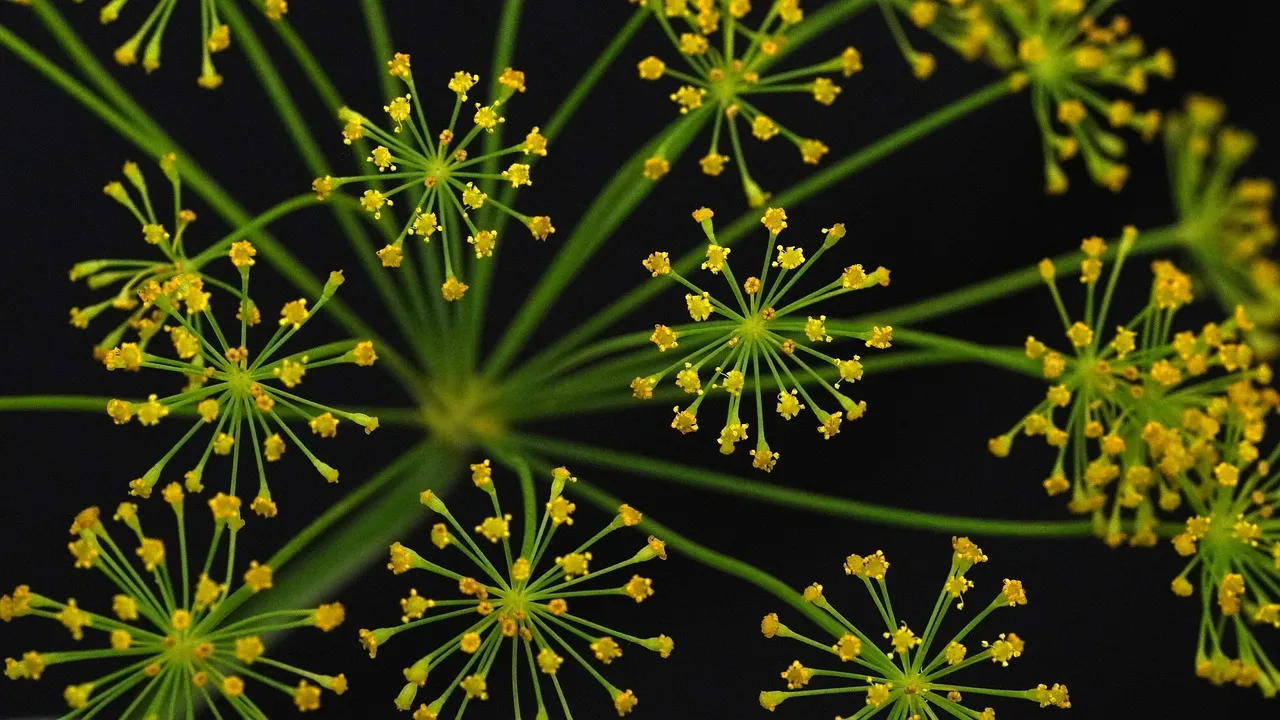
Dill is a powerhouse for attracting beneficial insects. Its large, umbrella-shaped flower heads, called umbels, are composed of hundreds of tiny, shallow blossoms. This structure provides an ideal landing pad and an easily accessible nectar source for ladybugs, lacewings, and parasitic wasps.
The UF/IFAS Extension insectary plant guide lists dill alongside parsley, fennel, and cilantro as the most reliable cool-season insectary plants for attracting these predators to vegetable gardens.
This hardy herb is typically grown as an annual and is suitable for growing zones 2 through 11. Once it’s established, dill is remarkably low-maintenance and drought-tolerant. It prefers full sun and well-draining soil. If you let a plant or two go to seed, dill is an annual but self-seeds prolifically. One plant produces 1,000 or more seeds. Let one or two go to seed each year and you will have volunteer seedlings for the next 3 to 5 years without resowing.
Fennel: A Tall, Feathery Attractor That Does Double Duty
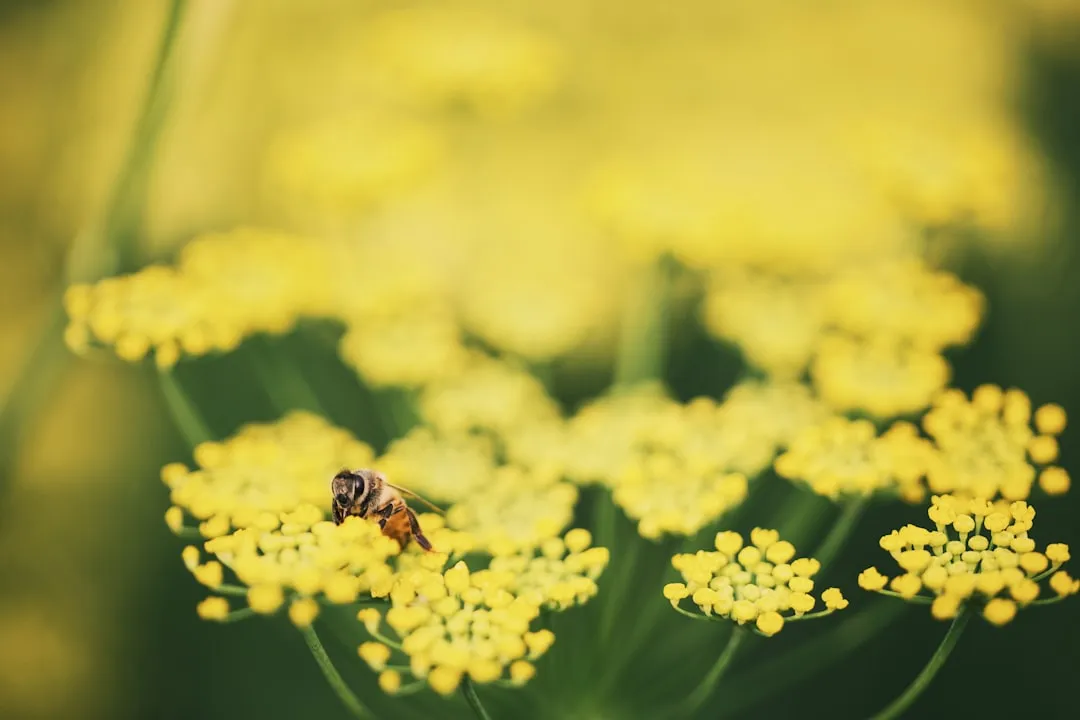
Dill and members of the Apiaceae family such as fennel, parsley, coriander, lovage, angelica and flowering carrots are powerful attractors of beneficial lady bugs, parasitic wasps, hover flies, tachinid flies, and lacewings, all useful for controlling garden pests.
The Apiaceae family contains angelica, anise, caraway, chervil, cilantro, dill, fennel, lovage, parsley, and sea holly. These upright plants with umbel-shaped flower heads have numerous, shallow, readily accessible pollen and nectar sources to offer; they’re a preferred food source of many beneficial insects.
Fennel grows tall and produces a cloud of yellow flowers in summer, making it one of the more visually dramatic choices in this group. It works as a backdrop planting and functions as a sustained food source across a long bloom season, keeping beneficial insects close to your vegetable beds for weeks at a time.
Yarrow: The Perennial Workhorse of Insectary Gardens
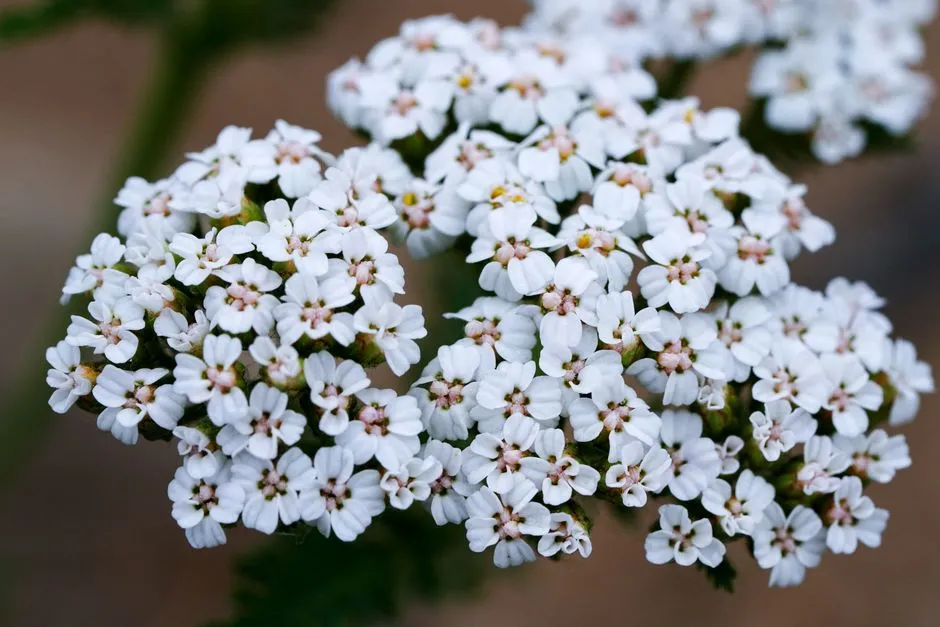
Yarrow is a hardy perennial that produces flat-topped clusters of tiny flowers, creating a perfect feeding station for ladybugs and other small beneficial insects like hoverflies and lacewings. The flowers come in a variety of colors, including white, yellow, pink, and red, and bloom from late spring through summer.
Native to many parts of North America, yarrow is exceptionally drought-tolerant and thrives in hot, sunny conditions. It’s not picky about soil and can grow in poor, dry ground where other plants might struggle. This makes it a fantastic, low-maintenance choice for adding beauty and ecological function to your garden.
Yarrow is a hardy perennial known for its feathery foliage and clusters of tiny flowers, available in a variety of colors. This plant is a magnet for ladybugs and lacewings, which help control pest populations naturally. Yarrow thrives in poor, well-drained soil and can tolerate drought, making it an excellent low-maintenance addition to any garden. Its dense foliage also doubles as shelter once pests arrive and the predators come hunting.
Cilantro and Coriander: Two Stages, One Very Useful Herb
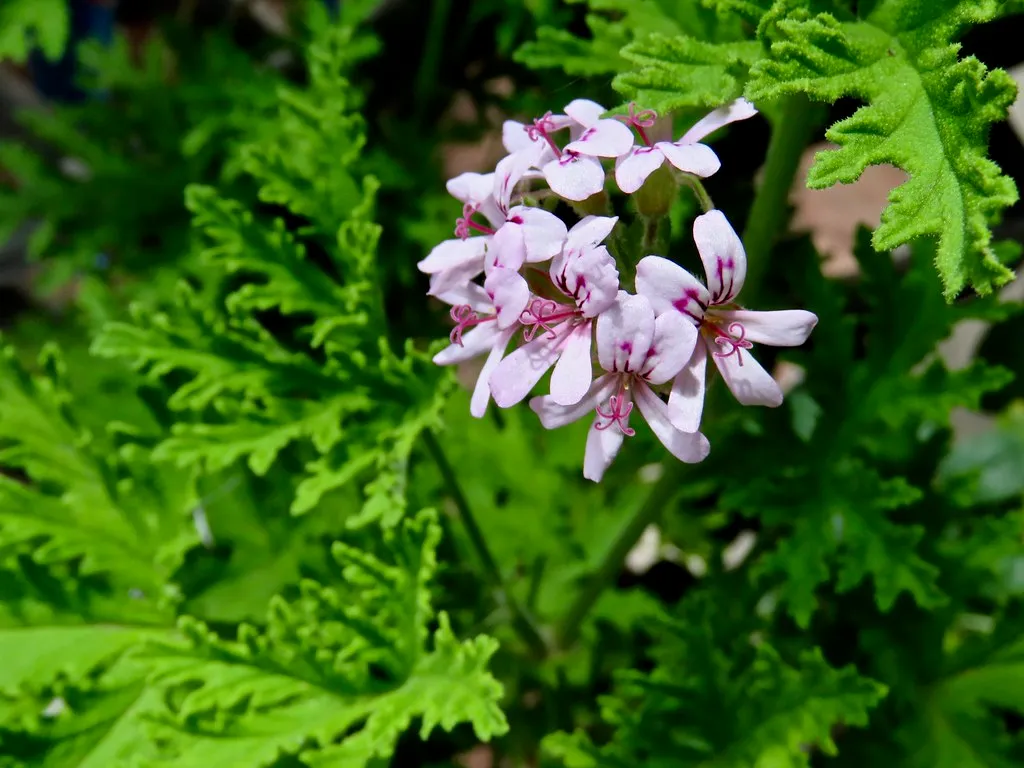
Cilantro produces broad umbels of dainty white flowers that attract ladybugs, lacewings, and predatory flies. This distinctive herb is an annual for your early spring herb patch.
This is one of the earlier blooming pollinator plants you can grow to help prolong the pollinator season in your garden. After flowering, allow the seeds to mature on the plant, and it will self-seed for another crop the following year.
One can attract ladybugs into the garden by planting cilantro, dill, fennel, oregano, thyme, and yarrow so the adult form, the ladybug, can enjoy the pollen. Allowing cilantro to bolt rather than pulling it out is one of the simplest things a gardener can do to support these insects through the early season when other flowers haven’t opened yet.
Cosmos: A Cheerful Annual with Serious Pest Control Credentials

White, pink or crimson Cosmos are advantageous flowers for the garden. Cosmos attracts pollinating insects as well as hover flies, parasitic wasps, lacewings and lady bugs.
Green lacewings’ plant list includes angelica, caraway, coriander, cosmos, dill, fennel, Queen Anne’s Lace, and sunflowers. Cosmos earns its spot on this list partly because it blooms all summer with very little care, giving beneficial insects a reliable food source throughout the hottest months.
It’s easy to direct sow, tolerates lean soil, and self-seeds readily. For small yards where space is limited, cosmos is one of the most efficient plants you can grow for beneficial insect support. Its open, daisy-like flower structure makes nectar and pollen accessible to insects with short mouthparts, which describes both ladybugs and adult lacewings.
Sweet Alyssum: Small Flowers, Big Insect Appeal
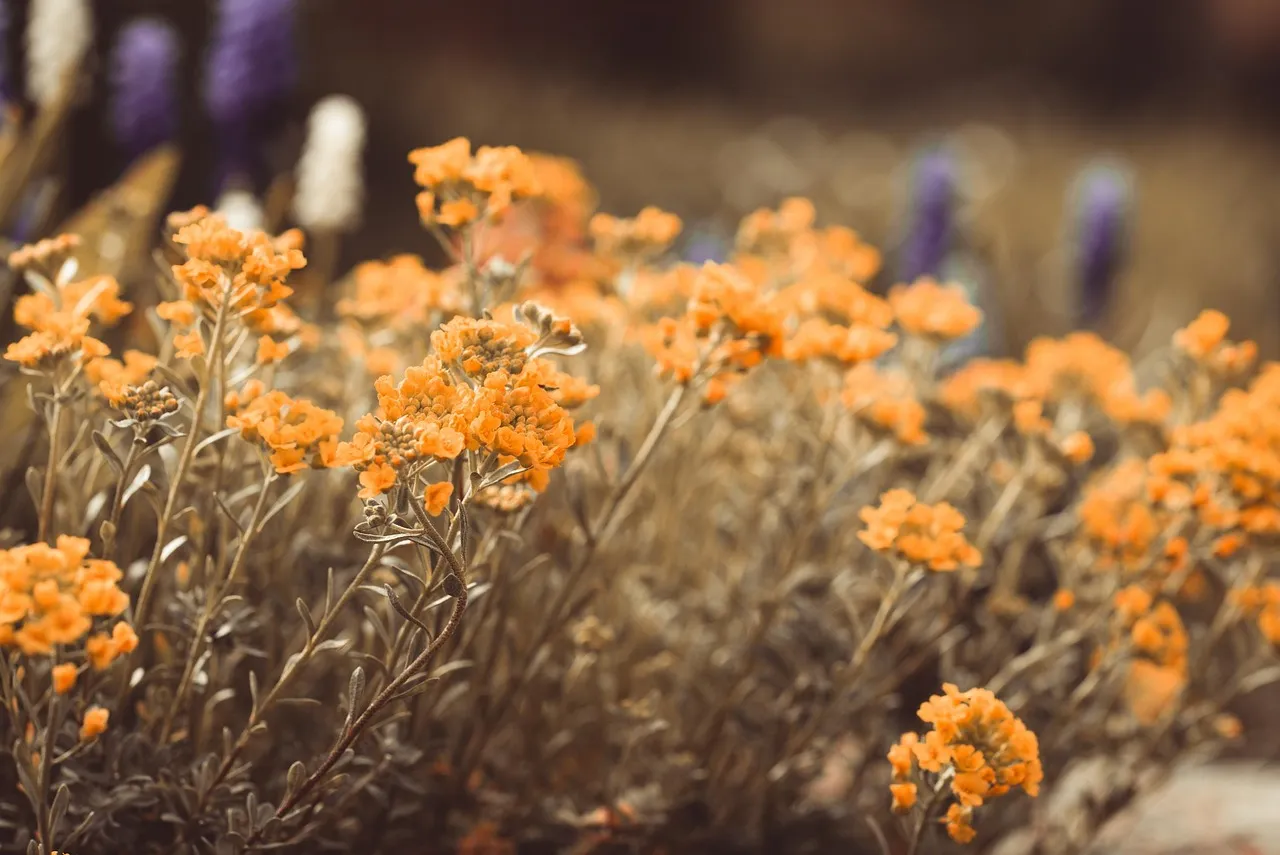
Cutworms, thrips, spider mites, leafhoppers, and yes, even whiteflies don’t stand a chance because sweet alyssum also attracts lacewings, and they love to eat all of those bugs as well as aphids.
Sweet alyssum doesn’t require fertilizing or deadheading, so once you plant it, you can forget about it for the rest of the growing season while it does its thing. Its low-growing habit makes it ideal for edging beds or planting beneath taller vegetables and flowers.
Beneficial insects are especially attracted to small, nectar-rich flowers such as dill, fennel, alyssum, yarrow, and Queen Anne’s lace. Research from universities like Cornell shows that umbrella-shaped (umbel) and daisy-like flowers provide easy access to nectar and pollen. Sweet alyssum fits squarely into this profile, producing dense mats of tiny, honey-scented flowers that remain open and accessible to insects of all sizes.
Queen Anne’s Lace: Wild-Looking and Wildly Effective
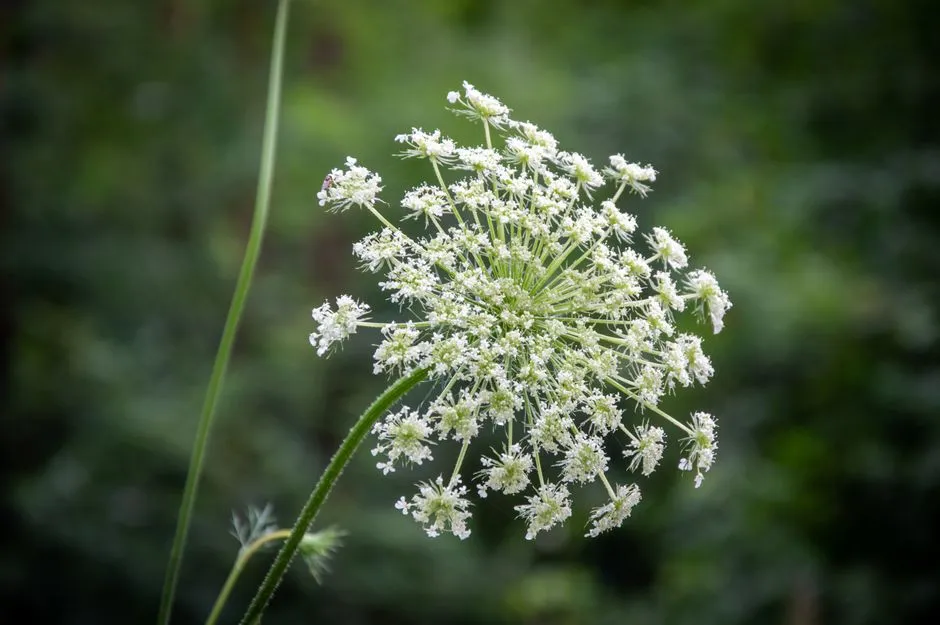
Queen Anne’s Lace, also known as wild carrot, is a beautiful biennial with delicate, lace-like white flowers. Like its cousins dill and fennel, it produces large umbels that are highly attractive to small beneficial insects, including ladybugs, parasitic wasps, and lacewings. The flat, accessible flower heads are a rich source of nectar.
This plant blooms in its second year, typically from summer into fall. It thrives in sunny spots and is not particular about soil. However, be aware that it can spread aggressively and is considered a weed in some areas. Plant it in a controlled space or a more naturalized, meadow-like part of your garden.
If you have a wilder corner of your yard or a meadow-style planting, Queen Anne’s Lace fits naturally. It also extends the bloom season into late summer and early fall when many other insectary plants have finished, giving beneficial insects a critical late-season food source.
Sunflowers: Large, Structural, and Welcoming to Both Insects
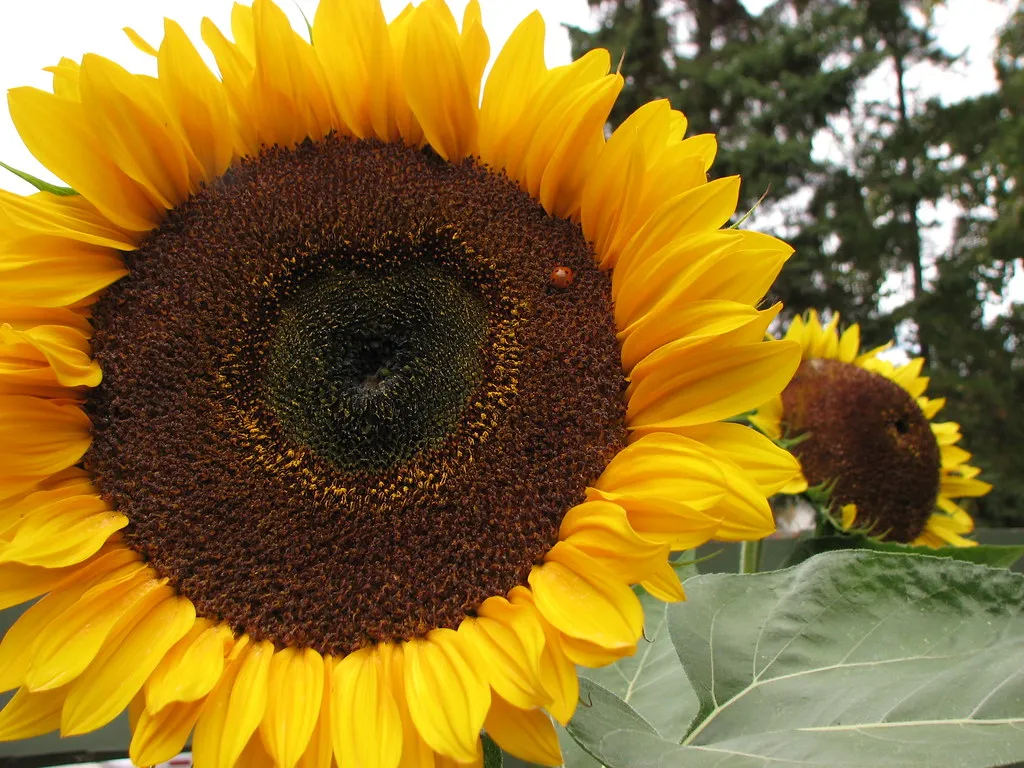
Composite flowers including yarrow, cosmos, sunflowers, and asters attract lacewings. Sunflowers do more than just look impressive. Their open disk flowers offer a wide, flat landing surface that both ladybugs and lacewings can easily navigate.
The center of each sunflower is a kaleidoscope of ultraviolet patterns that beckon insects like ladybugs to the flowers. Their large size means ladybugs can see them from afar, and they have a nice, flat surface that’s perfect for landing on.
Ladybugs’ favorite flowers include alyssum, buckwheat, coriander, dill, fennel, Rocky Mountain penstemon, Queen Anne’s Lace, sunflowers, and common yarrow. Prairie sunflower varieties, in particular, tend to produce more pollen than large ornamental cultivars, making them especially useful for insectary purposes.
Angelica: The Underrated Giant of the Beneficial Insect Garden
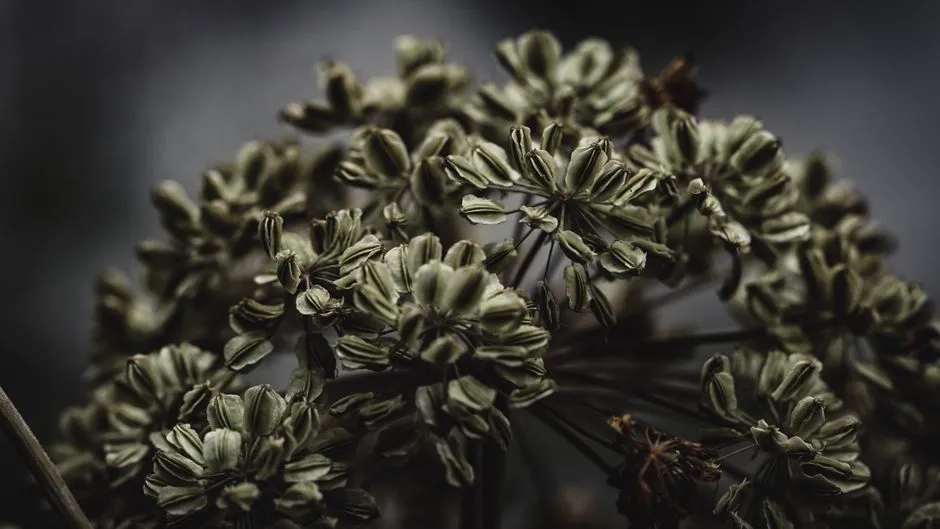
Angelica’s large umbels of creamy yellowish-white flowers attract a myriad of pollinators. Ladybugs and lacewings are also attracted to these broad flower clusters. Dragonflies dart around in open sunny areas and pause to rest on taller leaves and stems such as those of Angelica.
If providing a haven for beneficial insects isn’t enough, the leaves and stems of Angelica are also edible! This popular herb repels many common garden pests and makes an excellent companion plant.
Lacewings are attracted to angelica, caraway, tansy, yarrow, dill, fennel, and cilantro. Angelica tends to be overlooked compared to its more popular Apiaceae relatives, but it blooms later in the season and grows tall enough to function as a structural anchor in a beneficial insect border. It’s worth the space if you have it.
Marigolds and Calendula: Common Companions That Earn Their Place
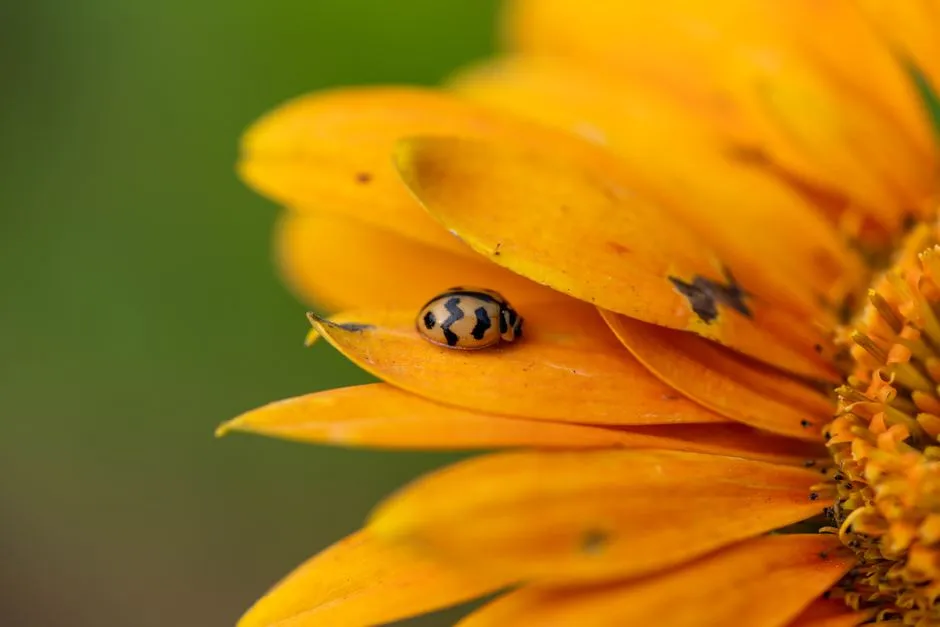
Marigolds attract beneficial insects like lacewings and ladybugs, which is a huge win in the garden. Calendula pulls double duty in a similar way. Also known as pot marigold, calendula is a cheerful, daisy-like flower that is irresistible to pests and their predators. Calendula is an excellent trap crop, drawing aphids, thrips, and whiteflies away from your vegetable garden. This concentration of pests creates a buffet for ladybugs, which are drawn to the plant to feast. The open-faced, sunny flowers also provide pollen for them to eat.
Bright and vibrant, calendula attracts ladybugs while repelling harmful pests. Both marigolds and calendula are widely available, easy to grow from seed, and bloom for a long stretch of the summer. They’re not as scientifically documented for beneficial insect attraction as the Apiaceae family, but their open flower structures and long bloom periods make them consistently productive additions to an insectary planting.
Most beneficial insects are in search of nectar because it is rich in carbohydrates. For instance, while ladybugs get a lot of protein from their prey, they need nectar to reproduce. Marigolds and calendula help meet that need reliably across the season.
How to Put It All Together
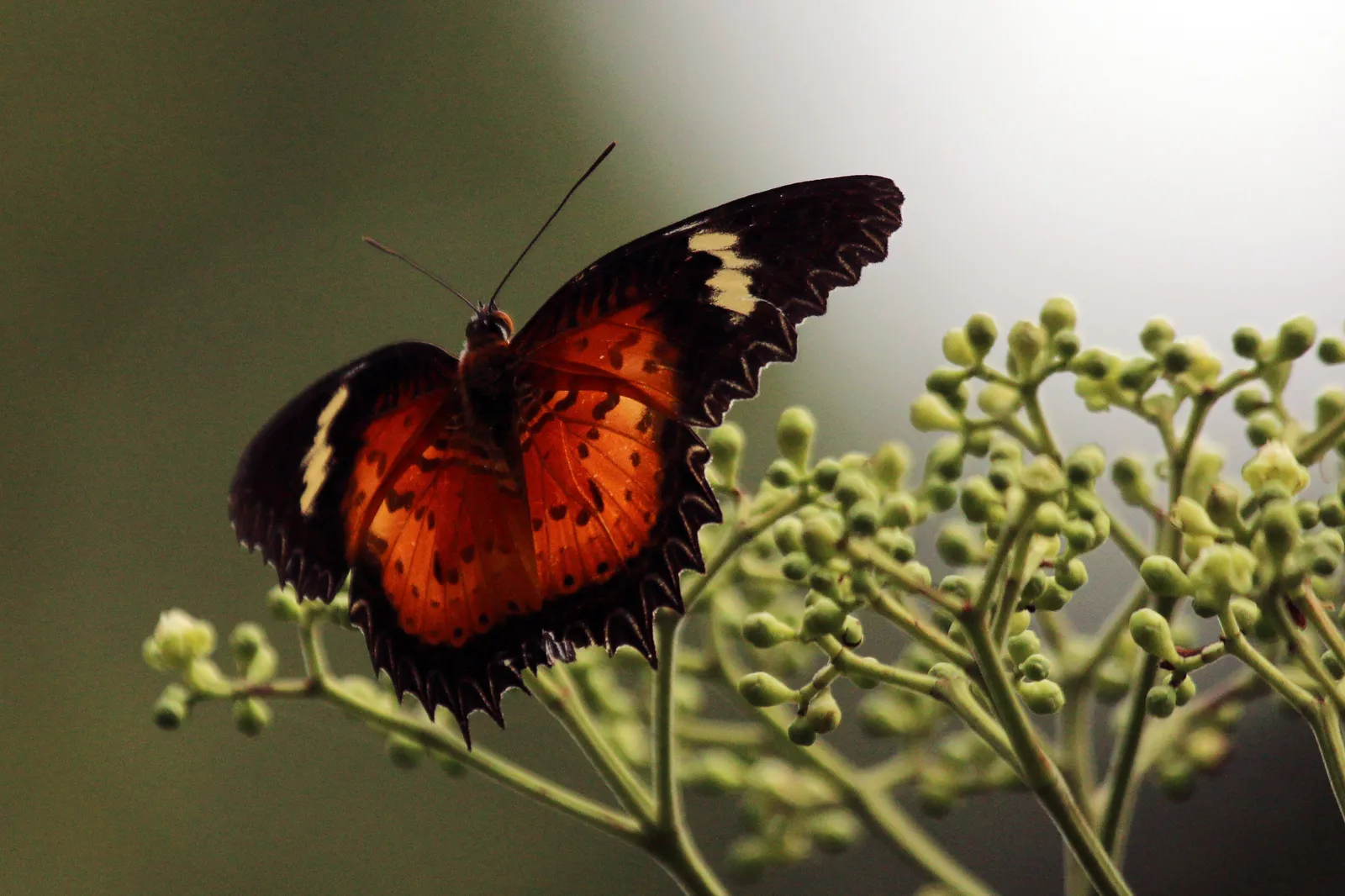
Diverse plantings with continuous flowering throughout the season maintain lacewing populations. Integrating these insectary plants throughout gardens and field margins provides nutrition supporting lacewing reproduction and longevity.
Pesticides are linked to a dramatic decline in pollinator species, from ladybugs to honeybees. The best way to make your garden a safe and welcoming haven for pollinators and beneficial insects is to avoid reaching for sprays at the first sign of an issue.
Plant a variety of flowering plants that bloom throughout the seasons, provide water, and include habitat areas like hedgerows or cover crops. Continuous food and shelter encourage beneficial insects to stay and reproduce. Growing a mix of the plants above, staggered so something is always in bloom, is the most reliable strategy for keeping both lacewings and ladybugs working in your yard season after season.
The simplest takeaway here is that you don’t need to manage beneficial insects. You just need to feed them, shelter them, and leave them alone. The right plants do the rest.
AI Disclaimer: This article was created with the assistance of AI tools and reviewed by a human editor.