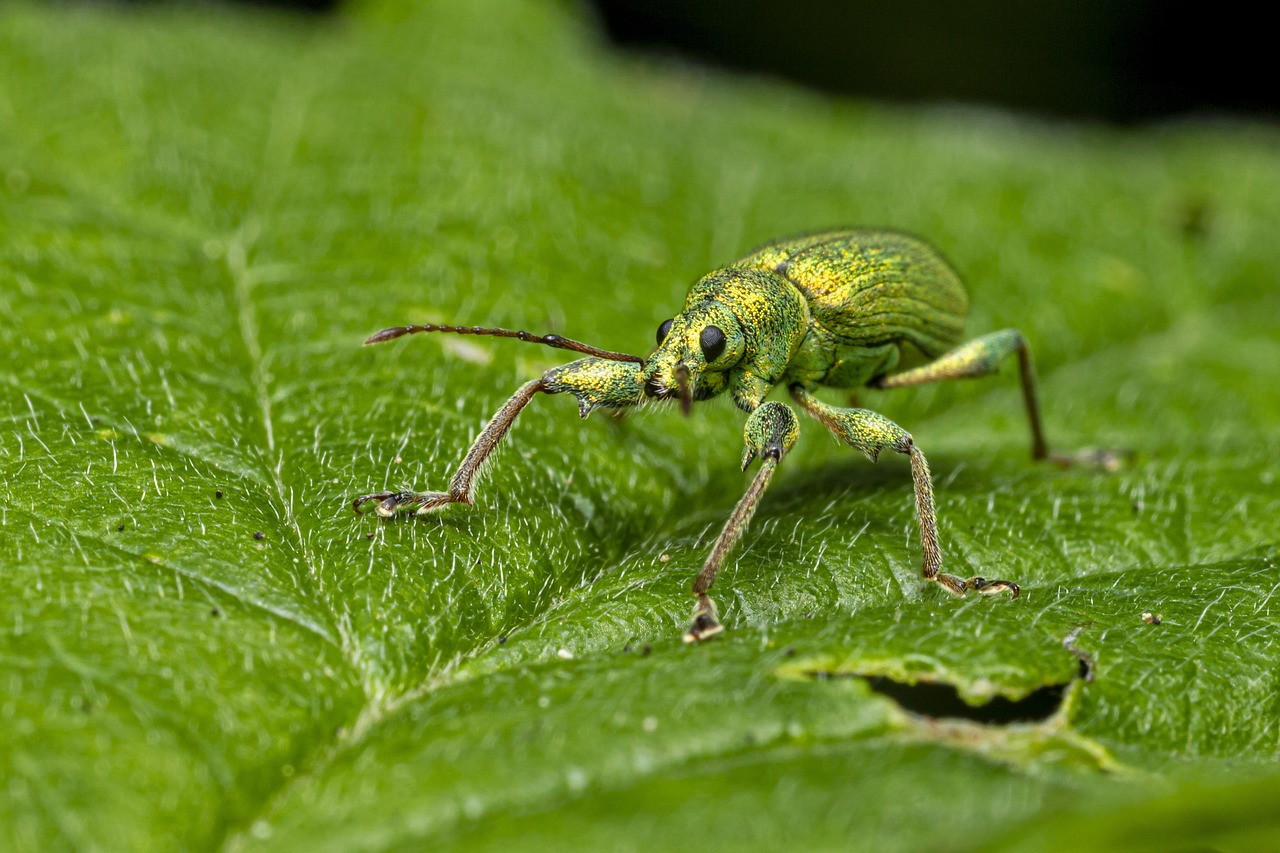

Most gardeners think of pest problems as bad luck. A cloud of aphids appears, squash bugs take over overnight, and suddenly a season’s worth of effort looks shaky. The truth is, pests rarely show up at random. More often than not, something in the garden’s own setup is sending out a quiet invitation.
Understanding those accidental invitations is the faster path to a healthier garden. Several common planting habits, ones that feel perfectly reasonable, turn out to be exactly what certain insects are waiting for.
Planting Too Early in the Season
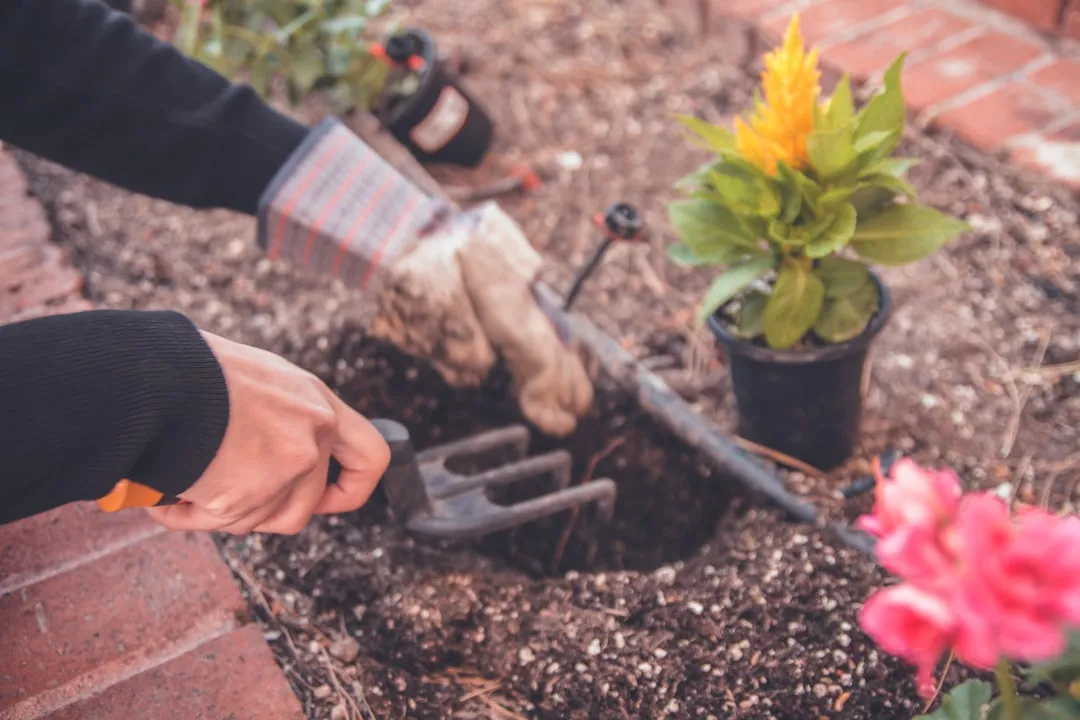
Many insects emerge and feed during early planting periods, and plants put in the ground too soon may be exposed to peak pest activity before they’re strong enough to withstand the damage. Timing is easy to underestimate when the soil looks ready and the weather feels mild.
Bean leaf beetles often target early-planted green beans, while beans planted a few weeks later may escape the worst damage. Cucurbits planted at the first hint of warm weather can also be more vulnerable to squash bugs and cucumber beetles.
Tender annuals such as petunias or impatiens planted when nighttime temperatures are still regularly in the 40s and 50s (F) may grow slowly, producing soft new growth that attracts aphids. Aphid populations can build quickly in the spring, before beneficial insects are abundant enough to control them. Waiting even two weeks past your instinct can make a measurable difference.
Overwatering Your Plants
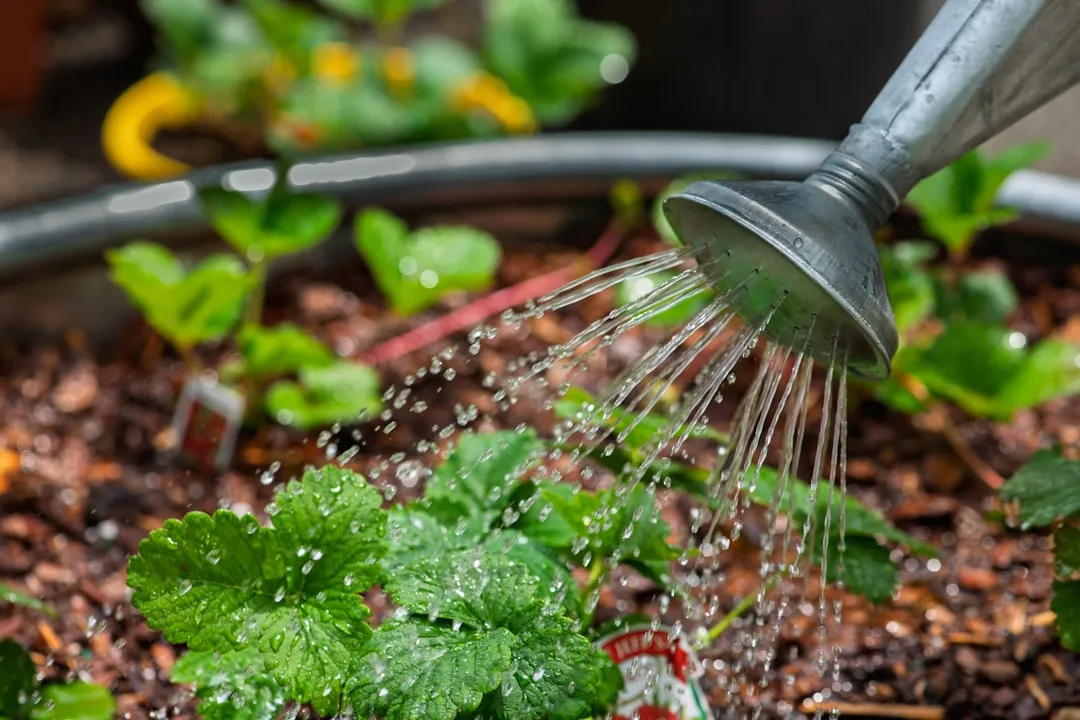
While water is essential for plant life, excess moisture creates the perfect breeding ground for a host of pests. Fungi, gnats, slugs, snails, and mosquitoes thrive in damp, boggy conditions. It’s one of the most common and most overlooked pest triggers in the home garden.
When you overwater a plant, it disrupts the soil ecosystem and can create a pest paradise. The moist conditions attract moisture-seeking insects that can compromise the overall health of the plant. Root systems can suffer depletion of oxygen, leaving plants vulnerable to pests that can detect stressed plants by chemical signals left in the wet soil.
Overwatering invites fungus gnats, whose juveniles will feed off the developing rootlets, causing stunted growth and transfer of disease. The University of California’s Statewide IPM Program notes that overwatering and excess soil moisture excludes from soil the oxygen that roots need to survive, and aeration deficit, sometimes called waterlogging, is a serious, often life-threatening problem for plants.
Planting the Same Crop in the Same Spot Year After Year
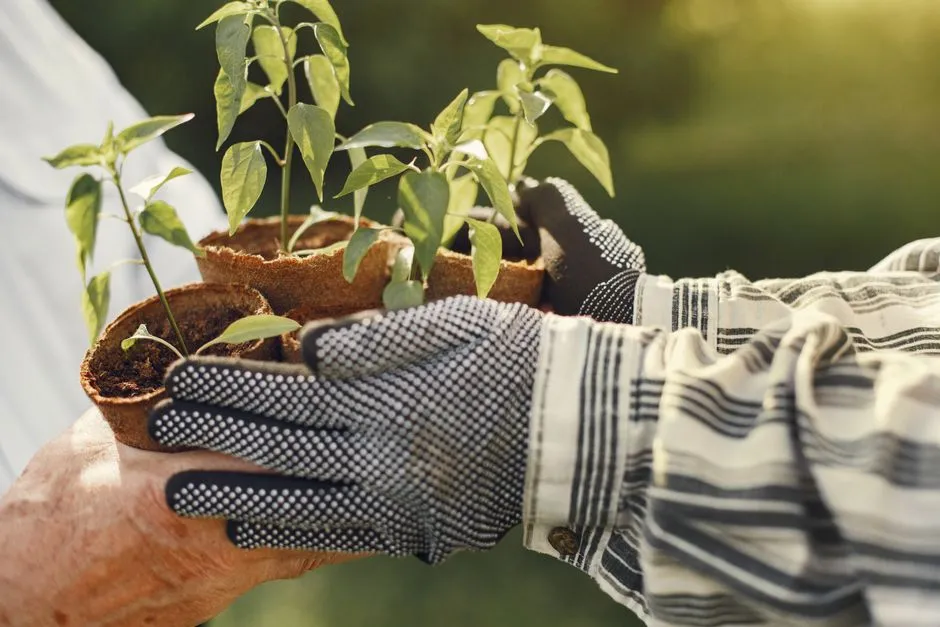
Many pests and diseases are specific to certain types of plants and can hide in the soil between growing seasons. Replanting the same plants in the same location allows problems to recur and even intensify. This is especially true for vegetable beds.
Avoid planting tomatoes or peppers where you previously had disease issues, and keep cucumbers, squash and melons away from the site of a squash bug infestation. The soil retains more pest pressure than most gardeners realize between growing seasons.
Rotating vegetable crops disrupts pest life cycles by removing their preferred hosts. Even simple swaps, moving plants to a different bed or section each year, can significantly reduce recurring issues. It’s one of the cheapest and most effective habits in pest management.
Growing in Monoculture

Planting large swathes of a single type of crop, a practice known as monoculture, is like setting up an all-you-can-eat buffet for pests that specialize in that plant. Pests like squash bugs or tomato hornworms can quickly decimate a garden when their favorite food source is abundant and easy to find.
Monocultures often amplify pest problems, while mixed beds confuse insects and reduce large infestations. Rows of a single crop make it easy for specialist pests to spread. The effect compounds quickly once a population establishes itself.
Mixing crops can confuse pests and reduce damage, and USDA research shows intercropping helps limit pest outbreaks. Diversifying your planting layout doesn’t have to mean sacrificing order or visual appeal. Even alternating rows of different species provides meaningful protection.
Neglecting Companion Planting Entirely
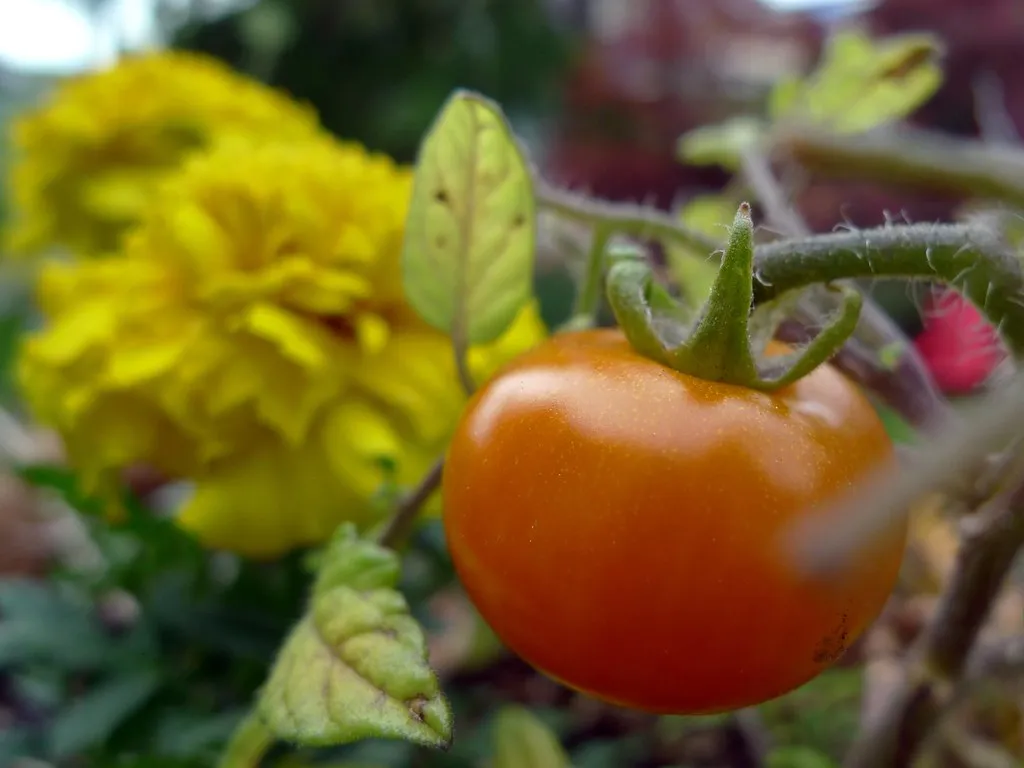
Companion planting is the intentional partnering of two or more different plants for reasons that extend beyond aesthetics. One popular form partners plants with the intent of deterring pest insects, and this form of natural pest control is gaining in popularity as gardeners discover that including specific plant combinations may help combat certain pest issues.
Planting companion crops helps to deter cabbage stem flea beetles in oilseed rape, a study from Rothamsted Research shows. Sowing mustard, cereals, or clover, as well as mulching with straw, reduced damage from adult beetles and their larvae in field trials conducted in the UK and Germany.
Companion plants can control insect pests either directly, by discouraging pest establishment, and indirectly, by attracting natural enemies that then kill the pest. Flowers like alyssum and dill attract predators that naturally control pests. Skipping these pairings leaves a layer of natural defense completely unused.
Planting Stressed or Weakened Seedlings
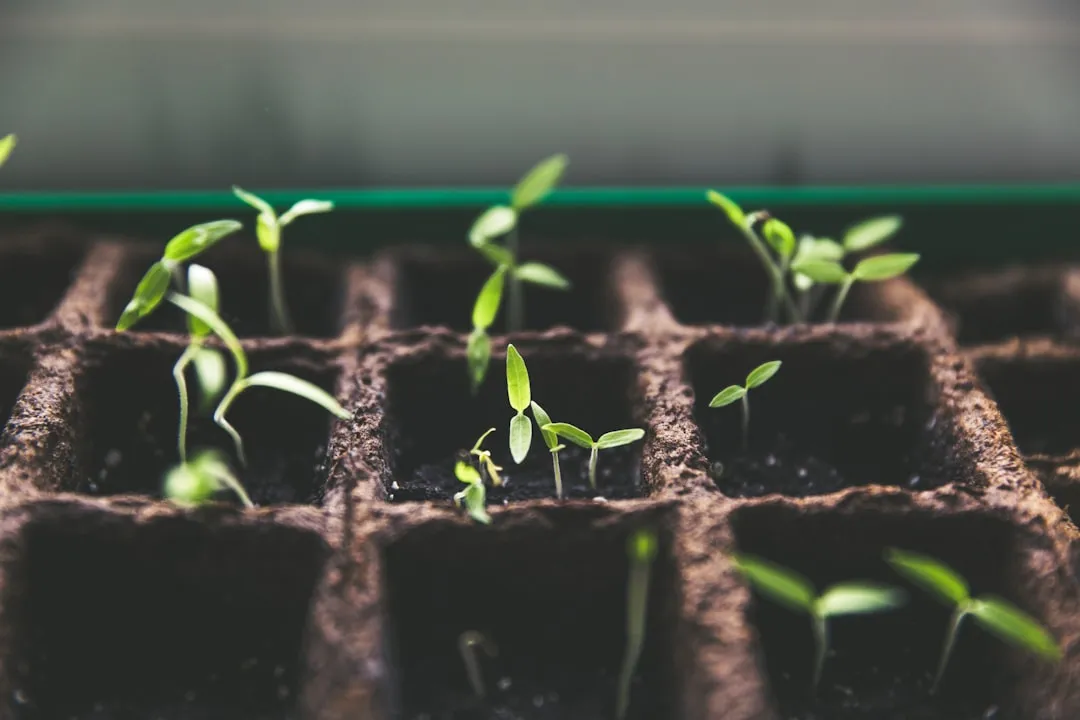
When plants are healthy and thriving, they are better able to defend themselves from attack and may also be less attractive to pests. When under one or more stresses, such as drought, nutrient limitations or soil compaction, plants may send out signals to pests saying, in effect, “Come get me, I’m weak.” This is a well-documented phenomenon in plant science.
The lack of proper conditions will cause stress to a plant, making it more susceptible to pests and diseases. During the early stages of growth, seedlings are particularly at risk from overwatering and light deficiency.
In many urban environments, selection of the wrong cultivar, improper placement, or poor maintenance contributes to pest problems. For example, sun-loving plants placed in the shade are weak and more susceptible to pests. Starting with the right plant in the right condition, matched to its actual site, removes one of the most fundamental pest attractants.
Over-Fertilizing and Creating Lush, Soft Growth
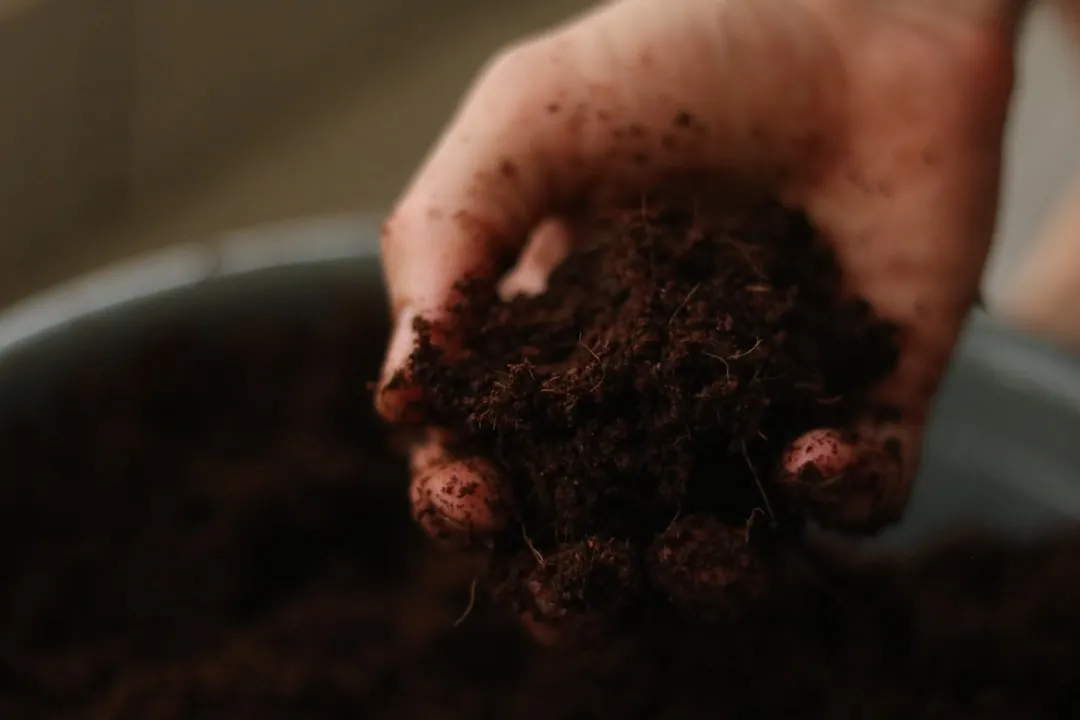
Overfertilizing can lead to lush growth that is more easily attacked by insects. Changing conditions in the landscape to improve plant health helps eliminate or reduce pest problems. More fertilizer does not always mean healthier plants, and in many cases the opposite is true.
Nitrogen in particular drives rapid, leafy growth. That soft, fast-growing tissue is exactly what aphids, whiteflies, and caterpillars prefer to feed on. The plant ends up looking abundant while actually being more vulnerable than its slower-growing, more balanced neighbors.
NC State Extension’s Integrated Pest Management guidance specifically notes that plants watered too much or too little are more vulnerable to certain diseases, and fertilizer imbalances compound that vulnerability further. Calibrating your feeding program to the plant’s actual needs, rather than maximum growth, shifts the balance meaningfully.
Skipping Crop Debris Cleanup After the Season
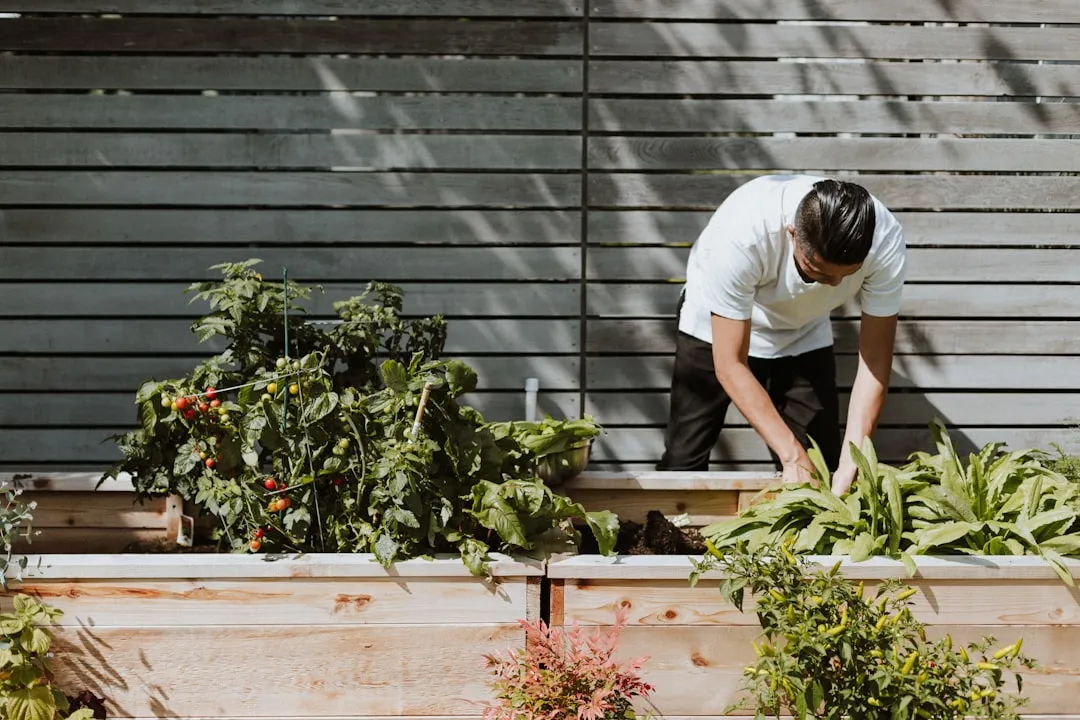
Insect pests can cause cosmetic challenges, disease concerns, and edibility issues in fruits and vegetables, which leads to product loss. Developing a pest management strategy for garden and farm systems is important to combat pest concerns and consider all treatment options. Part of that strategy starts before the new season even begins.
Leaving old plant material in the garden bed through winter gives overwintering pests exactly what they need: shelter, proximity to food sources, and protection from cold. Fungal spores and pest eggs can survive in decomposing leaves, fallen fruit, and spent stems.
Start with simple methods like removing debris and clutter around your garden. This eliminates hiding spots for pests. Insect pest populations that are not managed properly can cause issues in the following growing season, which highlights the importance of an optimal pest management plan. A thorough autumn cleanup is one of the simplest, most underrated actions a gardener can take.
Watering at the Wrong Time of Day
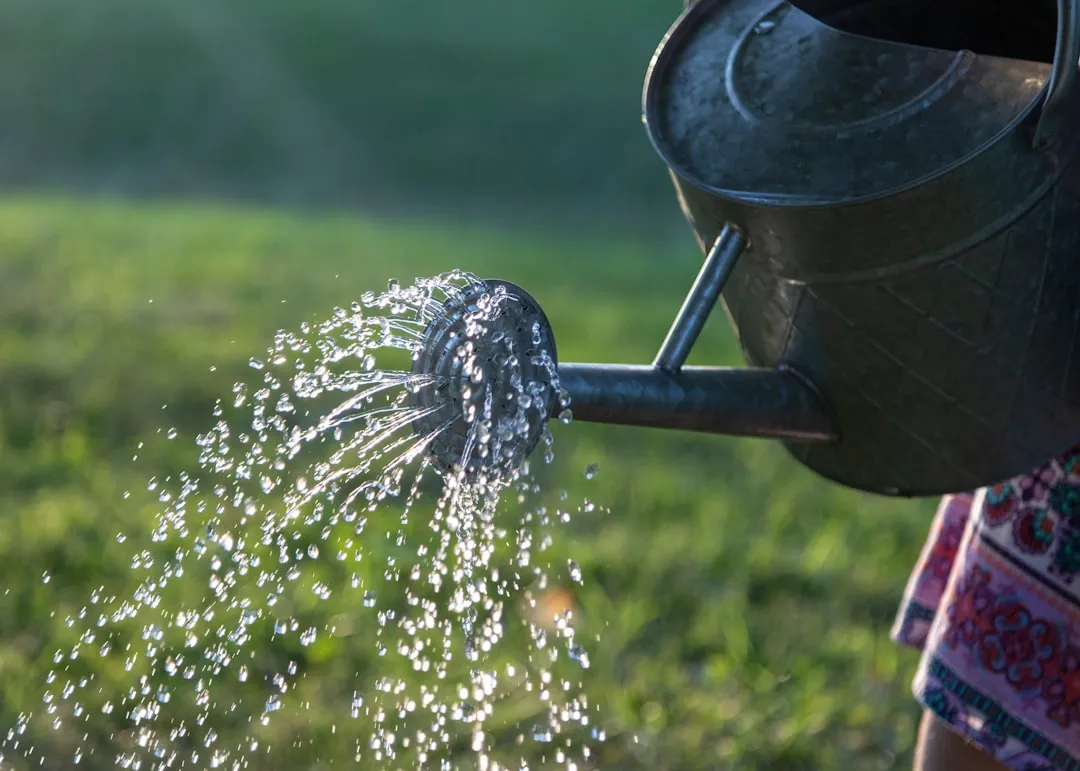
Prolonged leaf wetness can lead to powdery mildew, leaf spot diseases, root rot and increased pest activity on popular picks such as garden phlox, bee balm and zinnia. Evening watering is one of the most common habits that quietly fuels this problem.
Watering earlier in the day, ideally in the morning, allows plants to absorb moisture while giving foliage time to dry before nightfall. When leaves stay wet through cool nights, the conditions become far more hospitable to slugs, snails, and fungal pests that thrive in moisture.
The adjustment is small but the effect is real. Switching from evening to morning watering costs nothing and removes a recurring cycle that many gardeners don’t realize they’ve created. Wet foliage overnight is effectively a standing invitation.
Eliminating All Insects Indiscriminately
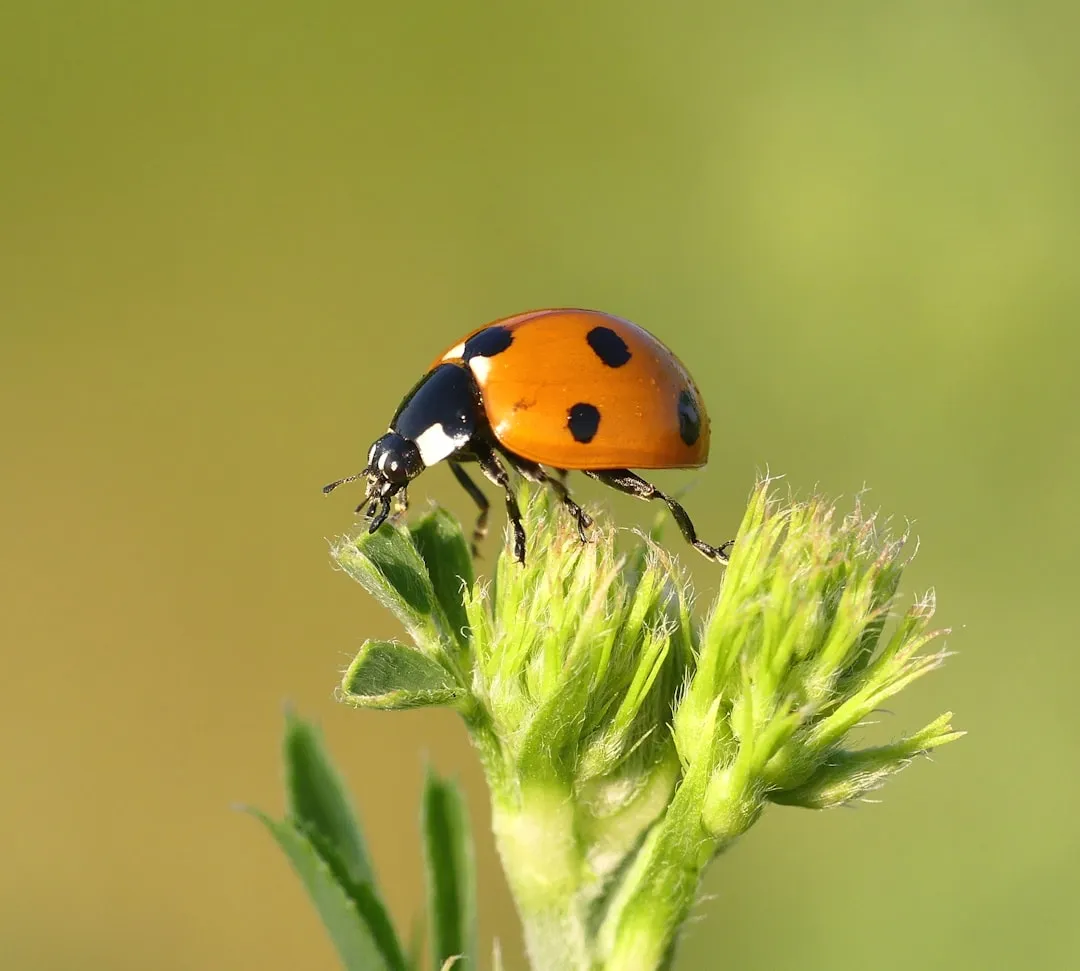
Killing all insects, including beneficial ones, removes natural pest control. Learning to identify beneficial bugs and avoiding broad-spectrum pesticides, while attracting predators with specific plants, is a more effective long-term approach. The instinct to eliminate every insect in sight tends to backfire.
Without natural predators, pest populations grow unchecked. Beneficial insects such as predators and parasitoids that help control pests are negatively affected by indiscriminate pesticide use. The lack of habitat diversity and pesticide use reduces their populations, leading to a greater reliance on chemical intervention.
Unless insect infestations are severely affecting plants, it’s beneficial to your garden’s ecosystem to tolerate some insect pests, as they provide food for birds. Creating a wildlife-friendly garden can help reduce pests. The goal isn’t a sterile garden. It’s a garden where the natural checks and balances are working in your favor.
The Takeaway
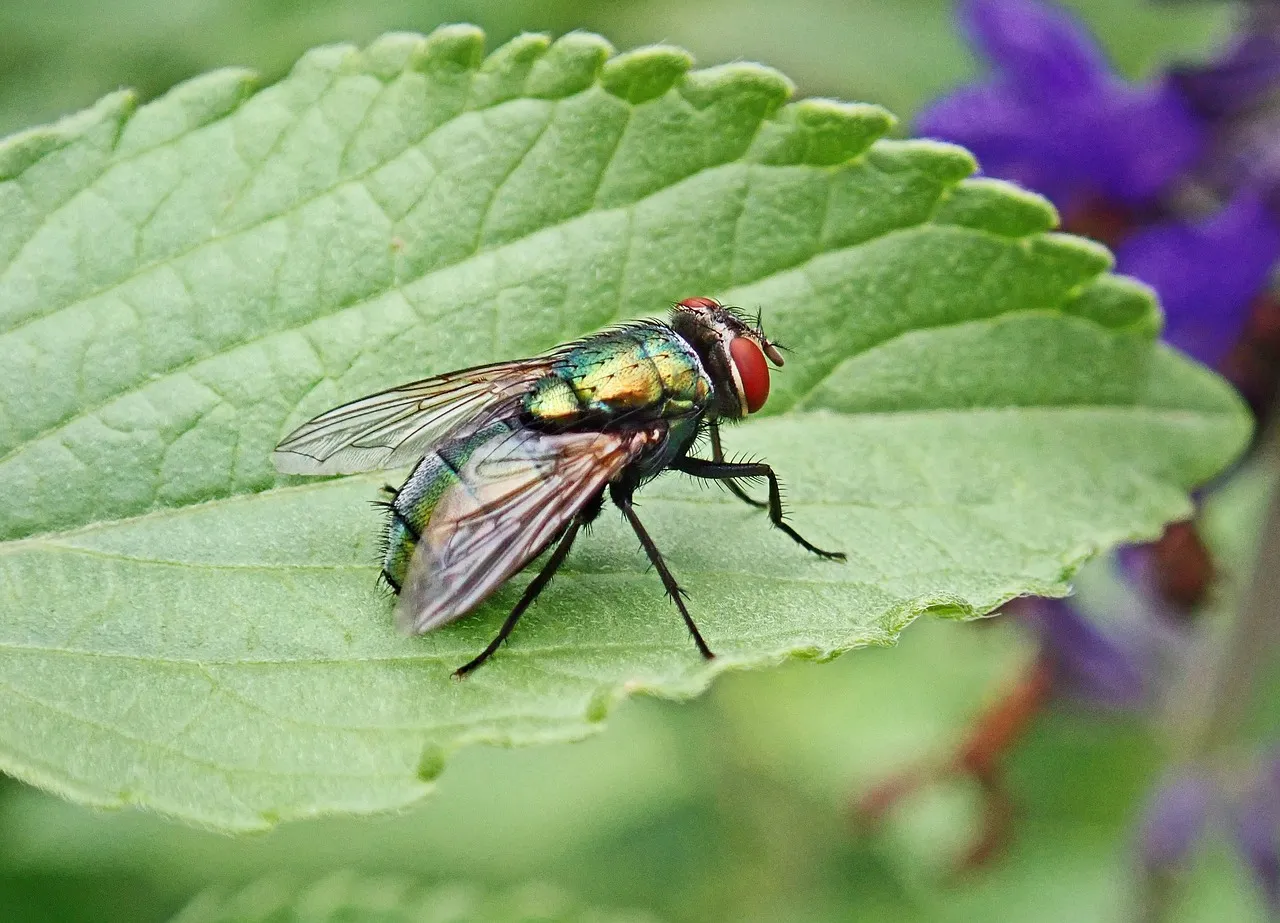
Pest pressure in the garden is rarely just about the pests themselves. It’s about the conditions that make a garden easy to colonize: wet foliage, compacted soil, stressed seedlings, rows of identical crops, and timing that lines up perfectly with peak insect activity. Change the conditions, and the dynamics shift.
None of these fixes require expensive products or specialized knowledge. Most of them cost nothing at all. Timing your watering differently, rotating crops, cleaning up at the end of the season, and diversifying your plantings are habits that compound quietly over time, season after season.
The gardeners who struggle least with pests aren’t the ones with the most potent sprays. They’re the ones who stopped making the garden so easy to move into.
AI Disclaimer: This article was created with the assistance of AI tools and reviewed by a human editor.