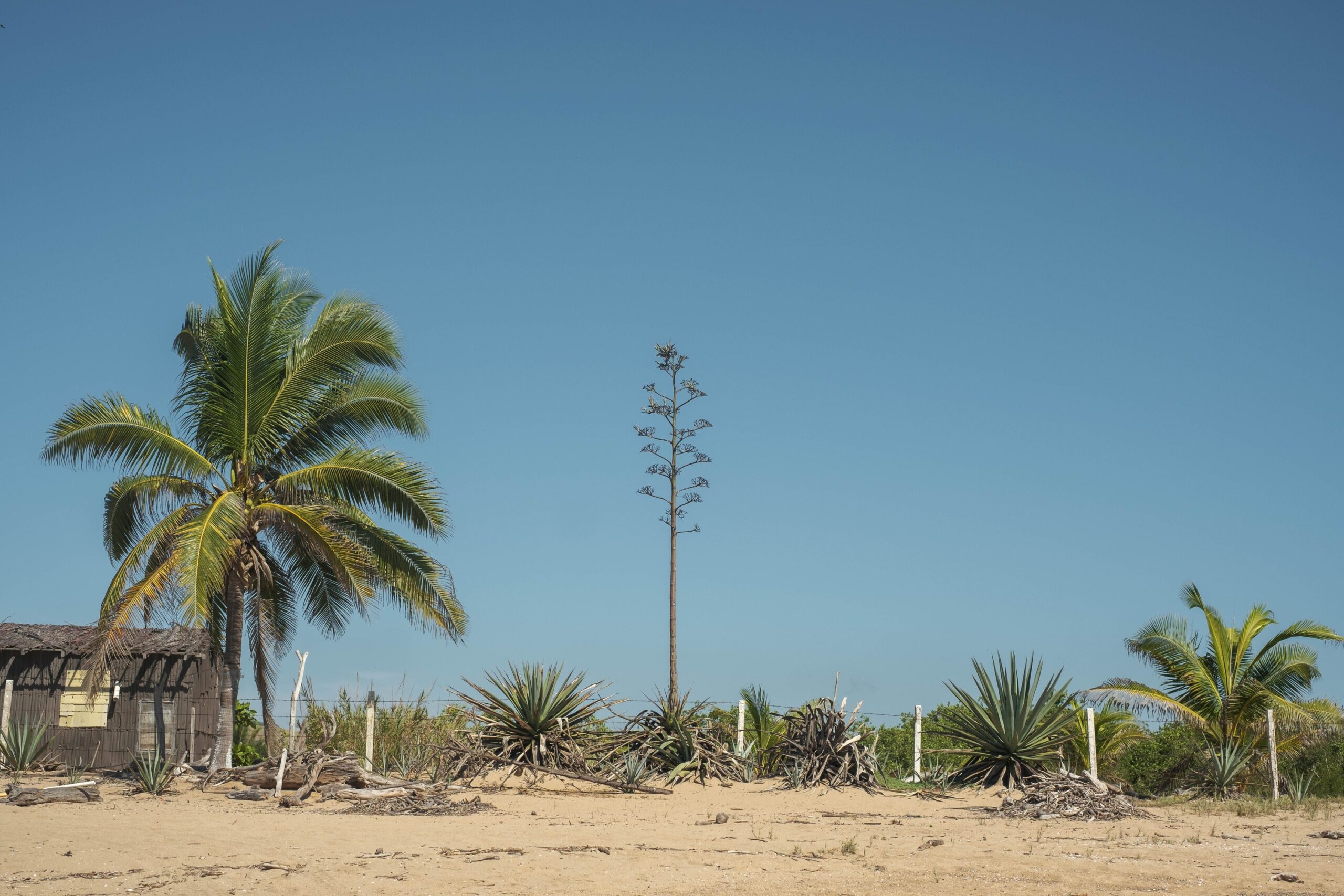

What “Monocarpic” Actually Means

Monocarpy refers to a reproductive strategy in plants in which the plant will flower and set seeds only once in its lifetime, and then die. The term is derived from Greek – “mono” meaning single and “karpos” meaning fruit or grain.
Monocarpic plants are defined as plants that reproduce once during their lifetime, after which they die, and they typically exhibit a distinct aging stage towards the end of their reproductive phase. Scientifically, this trait is also described as semelparous, a term borrowed from ecology that applies to animals as well.
Monocarpy is a well-defined life history type in which a single large sexual reproductive effort is directly associated with programmed whole plant death. From an evolutionary standpoint, it’s a calculated gamble – invest everything in one reproduction event rather than spreading effort across many years.
The Century Plant: A Name That Misleads
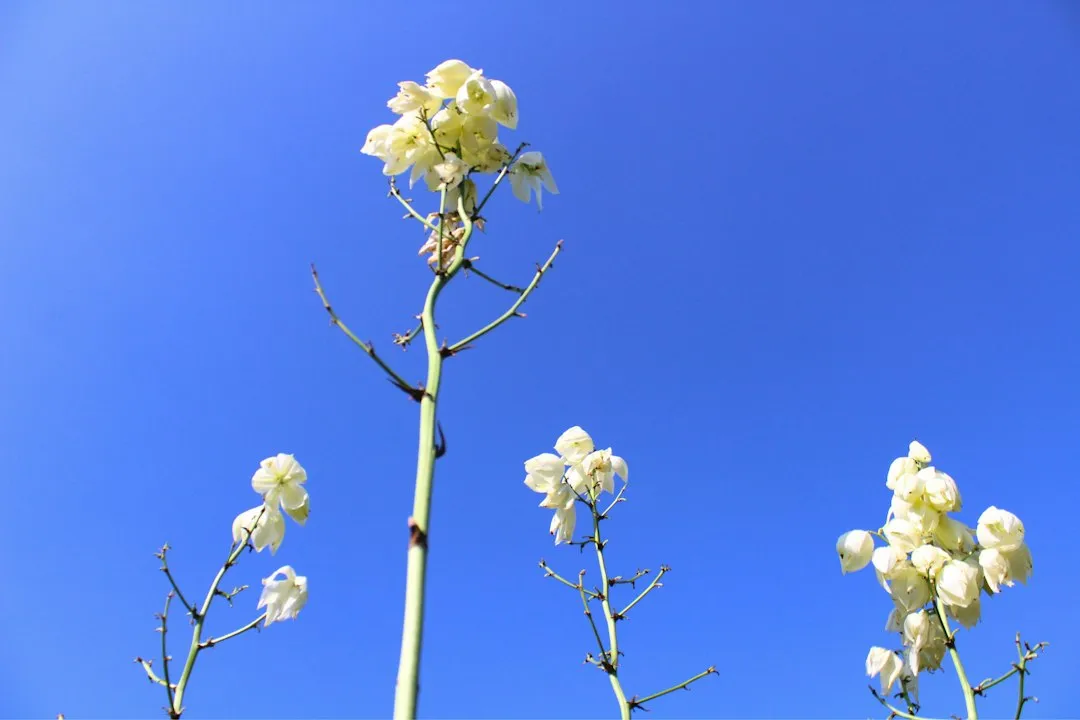
Agave americana is commonly referred to as the century plant because of the misconception that it only blooms once a century. That name has stuck, even though the reality is quite different. The common name “Century Plant” does not mean the plant will live for 100 years – the typical lifespan is 10 to 30 years.
Agave americana blooms once after 10 to 30 years, producing a towering 20 to 30 foot flower stalk. For a plant that has spent much of human memory quietly forming its rosette shape, this eruption of energy is startling to witness. The entire cycle from stalk emergence to plant death takes 6 to 12 months, with early signs including a central spear-like growth that within weeks accelerates vertically by inches daily.
The Dramatic Final Bloom
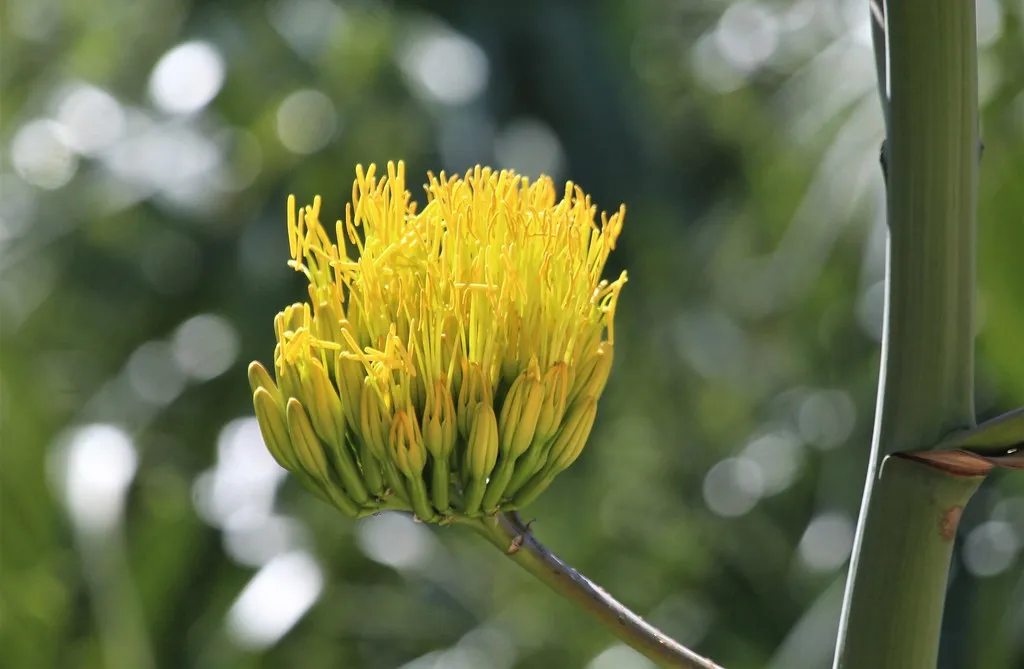
The bloom itself is spectacular: a massive flower stalk erupts rapidly, reaching heights of 20 to 30 feet, covered in yellow-green flowers that attract bats and hummingbirds for pollination. It’s the plant’s loudest moment in a long, silent life.
The fast growing flower spike of Agave americana can reach anywhere from 30 to over 50 feet in height and has been observed to grow 6 to 9 inches per day. That growth rate is almost visible in real time. The lower leaves will begin to shrivel and dry up rapidly as the plant “cannibalizes” itself to feed the bloom, and the tight rosette shape will completely deform into a tall cone.
Why It Happens: The Evolutionary Logic
Monocarpic plants, which flower once then die, are ideal systems for testing evolutionary ideas because the cost of reproduction is easily quantified and the timing of flowering is a key determinant of Darwinian fitness. In plain terms, dying after reproduction is not a mistake – it may be the optimal strategy.
The population dynamics of this group of plants strongly depend on the environmental cues that determine flowering, which will subsequently lead to the death of reproductive individuals, and events of heavy seed production are inevitably associated to events of high mortality among reproductive plants. The trade-off is built into the biology.
Evolutionarily, this is a brilliant survival tactic – by producing thousands of seeds or “pups” before it dies, the plant ensures the next generation has a head start. The mother plant essentially sacrifices itself to give its offspring every possible advantage.
The Pups: Continuity After Death
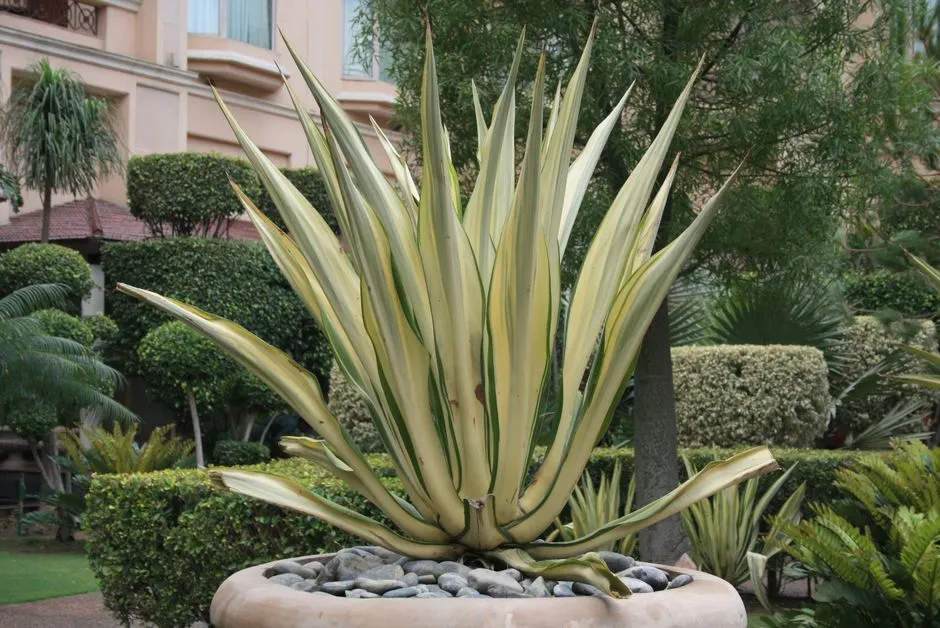
This monocarpic event signals the plant’s natural death, but offsets known as pups ensure survival. These small rosettes grow from the base of the mother plant during her lifetime, and they carry on after she is gone.
Throughout their life, century plants produce offshoots known as pups that keep growing even after the main plant has died, and these pups can be separated and transplanted to start new plants. Agave americana also reproduces by seed and by sending up shoots from its base. The species hedges its bets, using both strategies simultaneously.
A Living Record: The Indiana University Plant
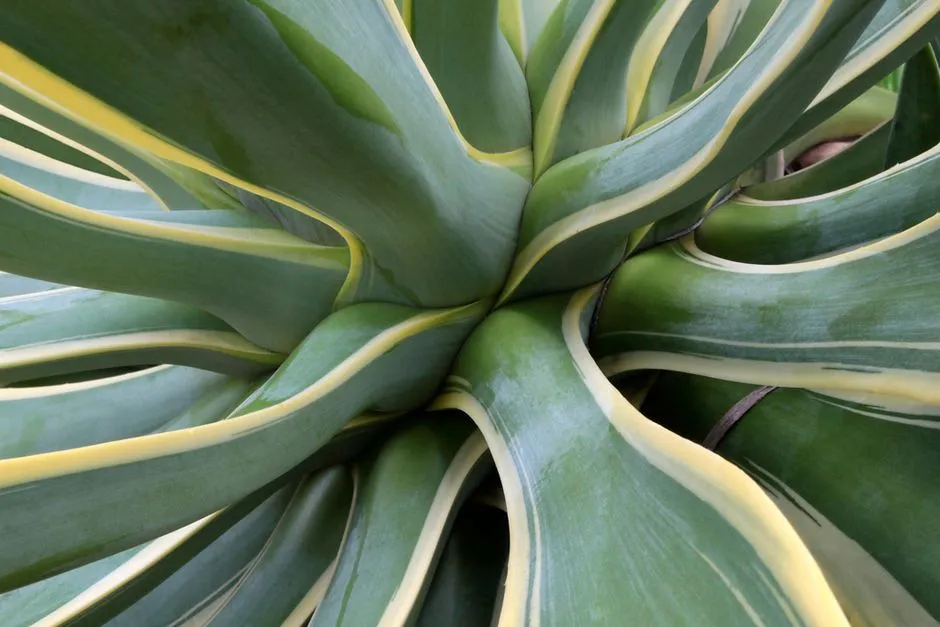
Although the typical age of Agave americana is 30 years, an Agave americana specimen at Indiana University’s greenhouse was thought to be over 50 years old when it produced its flower stalk in 2019. That places it well outside the usual range, suggesting that environment plays a significant role in timing.
The plant began sending up a flower stalk in March 2019, and the stalk grew to a height of at least 30 feet, which required removing a section of glass to let the stalk pass through the ceiling. The legacy of that Agave americana lives on as one of its pups now occupies its former spot in the center bed of the cacti room.
The Queen of the Andes: The Ultimate Example
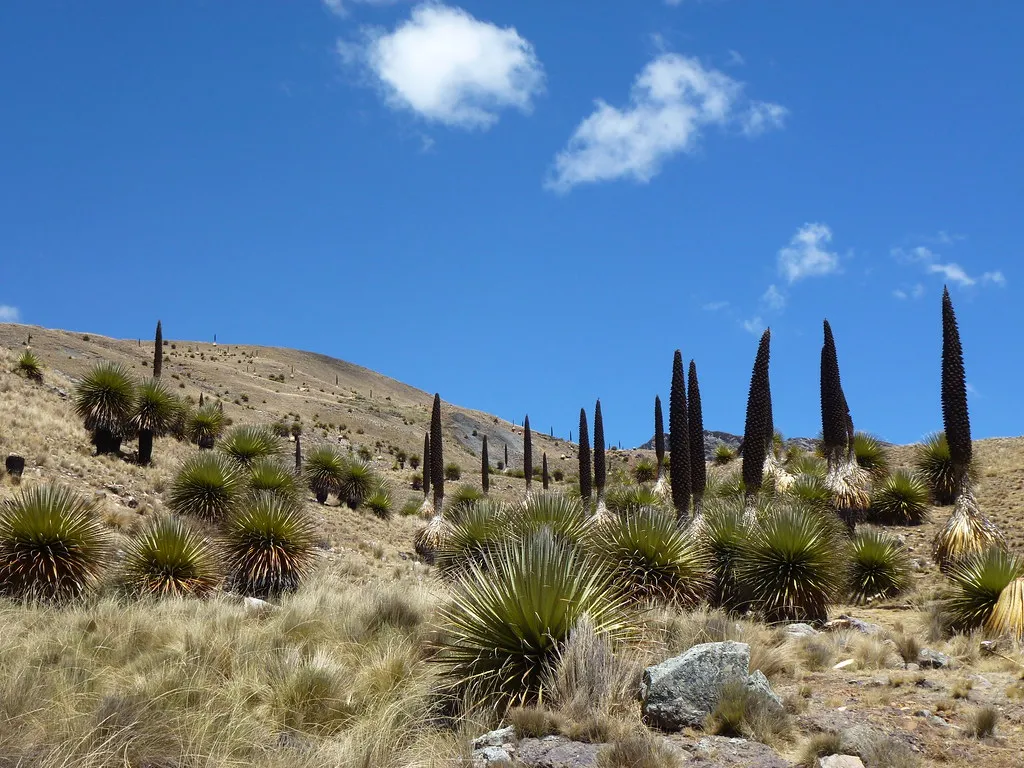
Puya raimondii, known as the Queen of the Andes, is the largest and most magnificent member of the entire Bromeliaceae family, native to the barren, wind-swept highlands of the Andes in Bolivia and Peru at elevations between 3,200 and 4,800 meters. It is, by most measures, the most extreme monocarpic plant on Earth.
In its native Andean habitat, Puya raimondii is reported to grow vegetatively for 80 to 100 years or more before producing its single, massive flowering spike, making this one of the longest juvenile periods of any flowering plant on Earth. Its flowering spike can reach approximately 8 to 10 meters in height, making the total height of the flowering plant up to 12 to 15 meters, one of the tallest flowering structures produced by any plant species.
A single inflorescence may bear 8,000 to 20,000 individual flowers. After flowering once, usually in May, the plant withers away and dies. Given how long it takes to reach that moment, the brevity of the bloom is quietly sobering.
Other Plants That Share This Fate
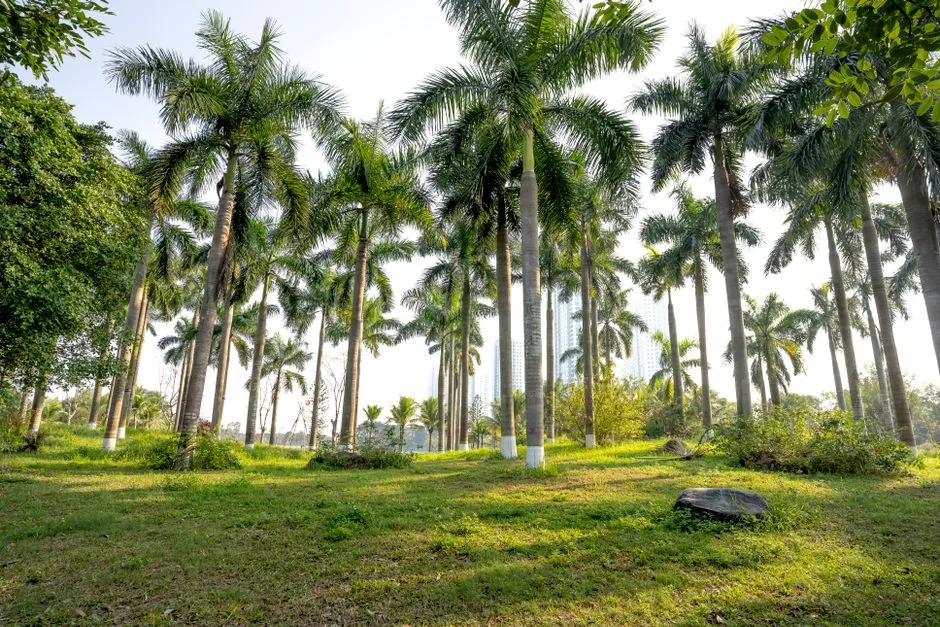
Monocot plant families that include monocarpic species include Agavaceae such as the century plant and other agave and some yuccas, Araceae, Arecaceae, Bromeliaceae including some in the genus Puya, Musaceae such as the banana trees, and Poaceae such as bamboos, which can take 8 to 20 years or in the case of some Phyllostachys species even over 100 years to bloom and then die.
Some monocarpic perennials, like the talipot palm from Ceylon and Puya raimondii from the Andes, can take 50 to 70 years to flower, each year producing more leaves around the same central stem. Other species like Strobilanthes cuspidatus bloom once every seven years and then die, with their seeds subsequently sprouting to continue the cycle of life and death. The variation in timescale across species is remarkable.
When Timing Is Everything: Environmental Triggers
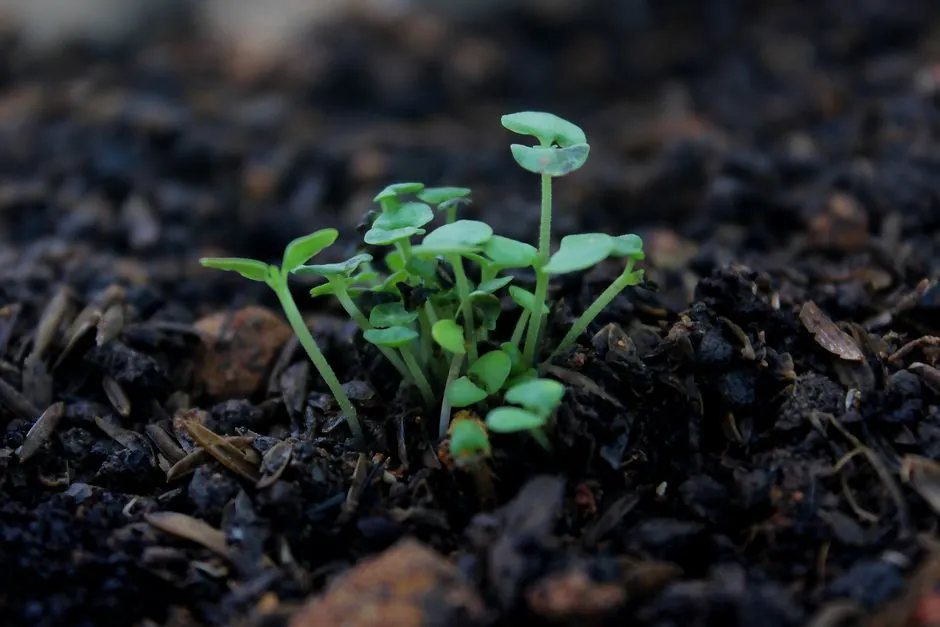
Monocarpic plants may spend several years in a vegetative state, accumulating resources and growing without producing flowers, and once they reach a certain level of maturity or an environmental trigger occurs, they enter a reproductive phase characterized by a prolific production of flowers and seeds. What exactly trips the switch is still an active area of research.
All monocarpic perennials spend more than a year in a vegetative stage before flowering once and then dying, and most monocarpic perennials are herbs and shrubs, with the length of the vegetative period being highly variable between plant species, from strictly biennial to long-lived monocarpic perennials. Temperature, day length, and stored energy reserves are all believed to play a role in triggering bloom.
Of particular interest from the scientific point of view is the phenomenon of plant senescence in monocarpic plants that survive for only one growing season despite the provision of optimal nutrition and growth conditions, which reveals that in semelparous plants, senescence is genetically determined. The death, in other words, is coded in from the start.
Conservation Concerns for the Longest-Lived Species
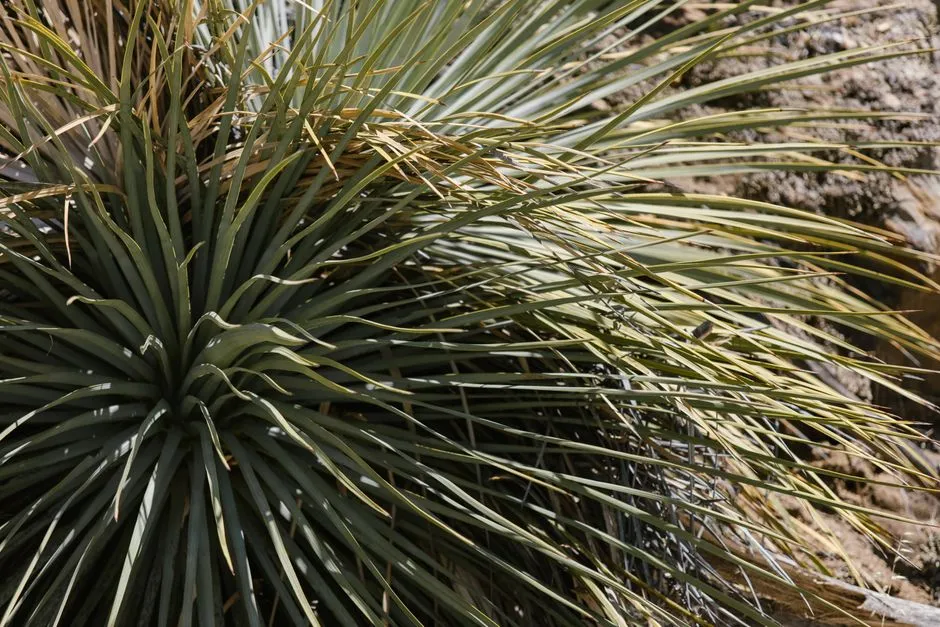
Puya raimondii plants are native to the high Andes mountains of Bolivia and Peru, where they are considered an endangered species facing a number of threats to their continual survival. When a plant takes nearly a century to reach reproductive age, the consequences of population loss become particularly serious.
Unintentional fires can wipe out whole areas of these plants, including young ones that have not yet bloomed. The retreat of glaciers is also affecting the water supply in the regions where Puya grows, and human activities such as deforestation and agricultural burns have hurt this species, along with overgrazing. Losing a plant before it has had a chance to bloom means losing a century of biological investment.
In Peru, one of the best places to see Puya raimondii is the Huascaran National Park, a UNESCO World Heritage Site. For anyone who makes the journey to high altitude to witness one in bloom, it tends to leave a lasting impression.
The Quiet Lesson in a Single Bloom
These plants remind us that slowness is not passivity. A plant can take anywhere from 20 to 40 years to mature, sometimes longer – meaning if you were to seed one today, you may not get to see it actually bloom; it may be something for future generations. That’s a kind of patience that most living things, humans very much included, rarely practice.
The monocarpic life cycle is neither a tragedy nor a flaw in the design. It’s a strategy refined by millions of years of evolutionary pressure. The plant lives fully, waits deliberately, and then gives everything it has to the one moment that matters. In a way, that’s not so different from the best things in nature – rare, unhurried, and worth the wait.
AI Disclaimer: This article was created with the assistance of AI tools and reviewed by a human editor.