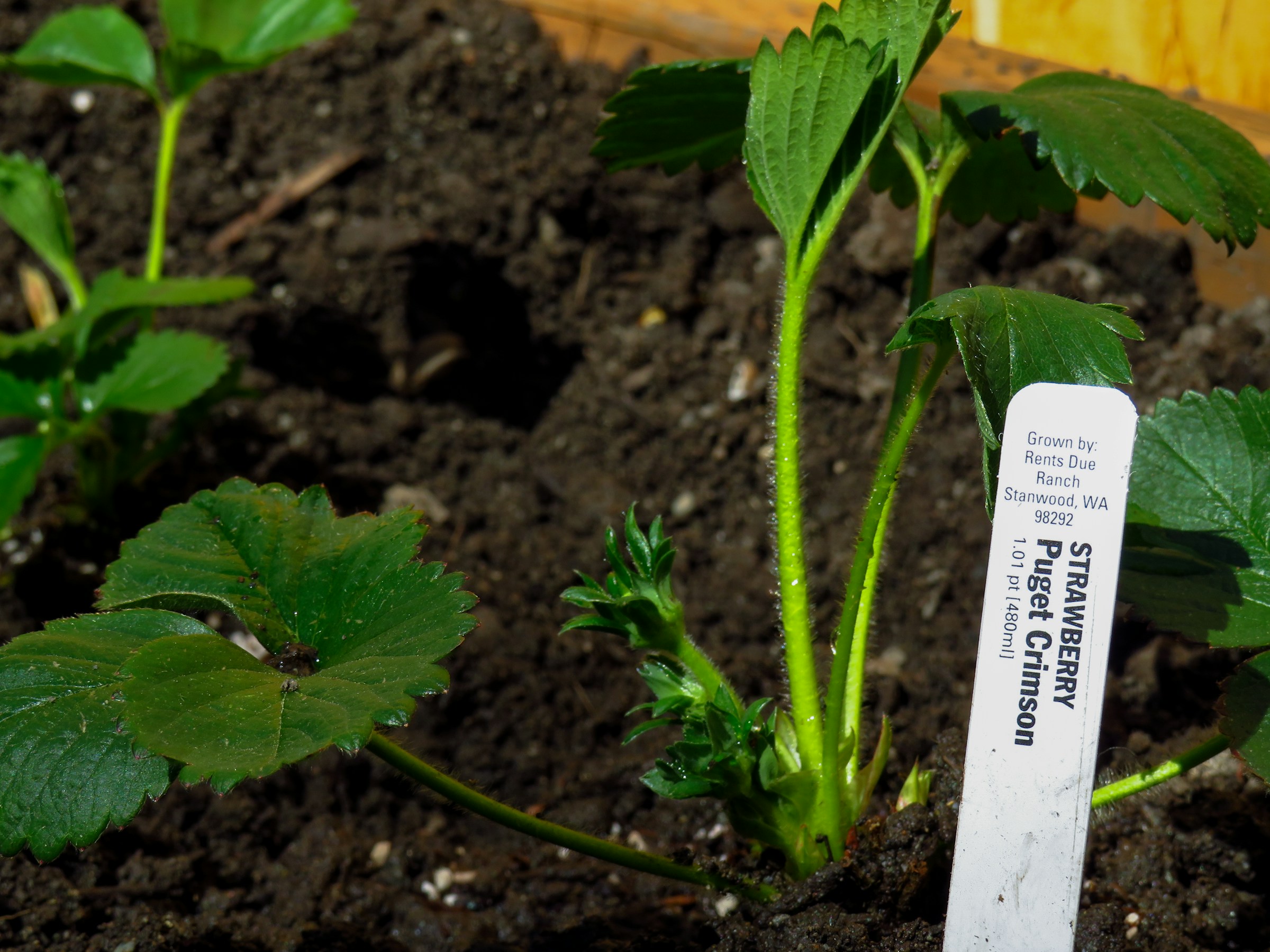

Most people toss them into the compost bin without a second thought. That little plastic stake tucked into a pot of marigolds or the folded card hanging from a rosebush rarely survives the first repotting. Yet for a growing group of plant enthusiasts, the nursery tag has quietly become something worth holding onto, sorting, and even showing off.
It’s a niche that sits squarely at the intersection of plant culture and a broader collecting revival, and it says something interesting about how people relate to the things they grow. The story of the collectible nursery tag is equal parts graphic design history, gardening obsession, and the very human urge to document things before they disappear.
The Folded Tag: A Tiny Billboard That Started It All
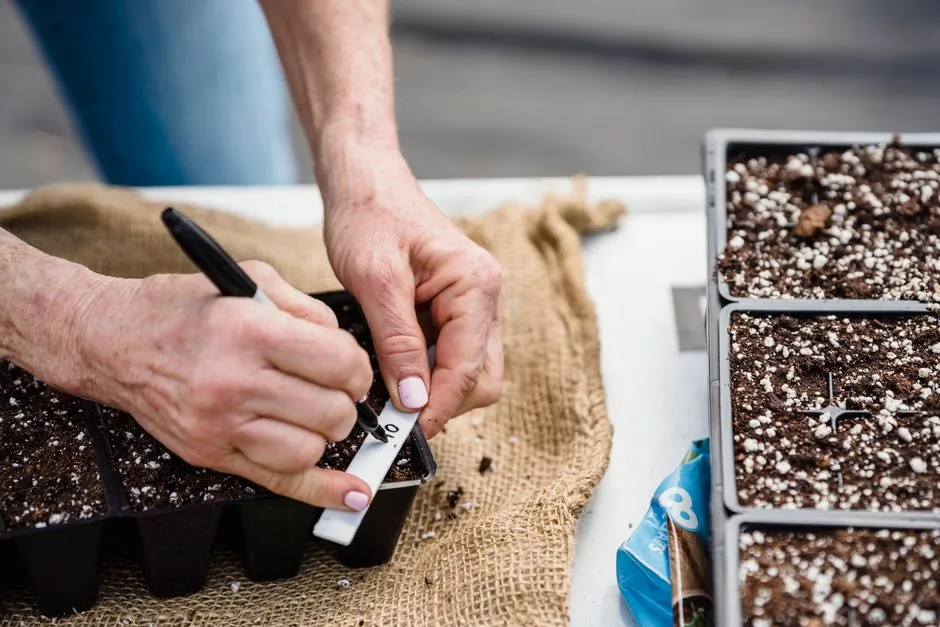
The folded or “bi-fold” plant tag is the format most collectors gravitate toward, and there’s a practical reason it became so dominant in the first place. The format typically features a color-printed, multiple-panel brochure with plant information on one side and complementary planting guidance on the other. That density of information in such a small footprint made the folded tag feel almost like a miniature magazine, which is part of what makes certain editions feel worth keeping.
Each tag features a large photo of the plant in a landscape setting, often with a detailed inset photo highlighting key attributes such as flower color, leaf texture, or fruit. That visual care is exactly what attracts collectors. When a tag is well-designed, it functions as a small piece of print art, not just a care guide.
Why the Stake Tag Became the Industry Standard
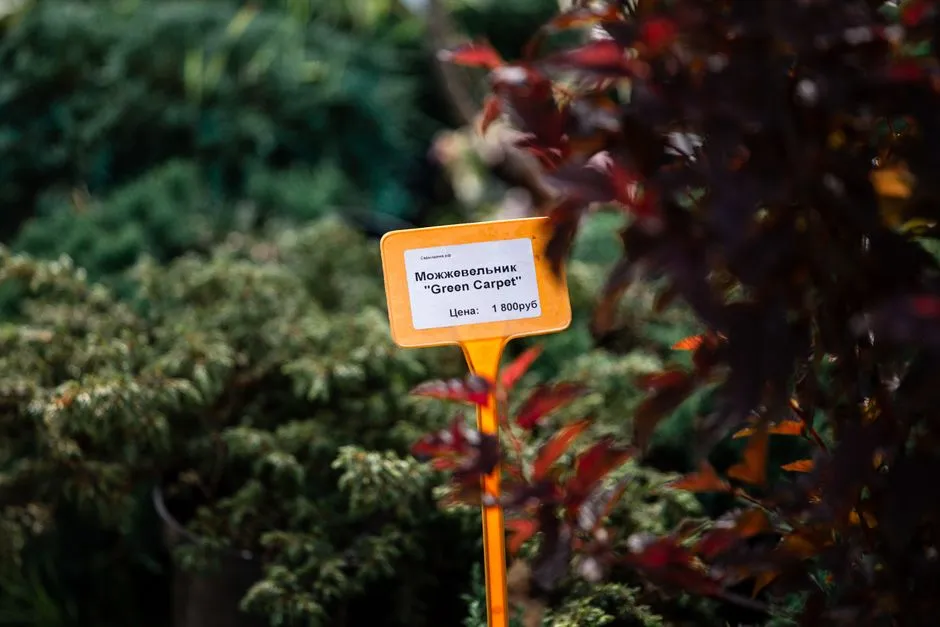
Plant stake tags have been foundational in horticultural tagging applications, and they are preferred by garden center shoppers over any other form of plant labeling, while also being appreciated by growers for their efficiency in commercial greenhouse environments. That dual appeal, practical for the grower, pleasing for the buyer, is what gave the stake tag its staying power across decades of nursery retail.
Companies like MasterTag have been dedicated exclusively to the horticultural industry for over 70 years, which means certain tag designs have a genuine vintage history behind them. Older tags from the 1980s and 1990s carry a distinct aesthetic rooted in the print design conventions of that era, bold fonts, saturated colors, slightly soft photography, all of which now reads as charmingly retro.
The Material Spectrum: Plastic, Aluminum, and Everything Between
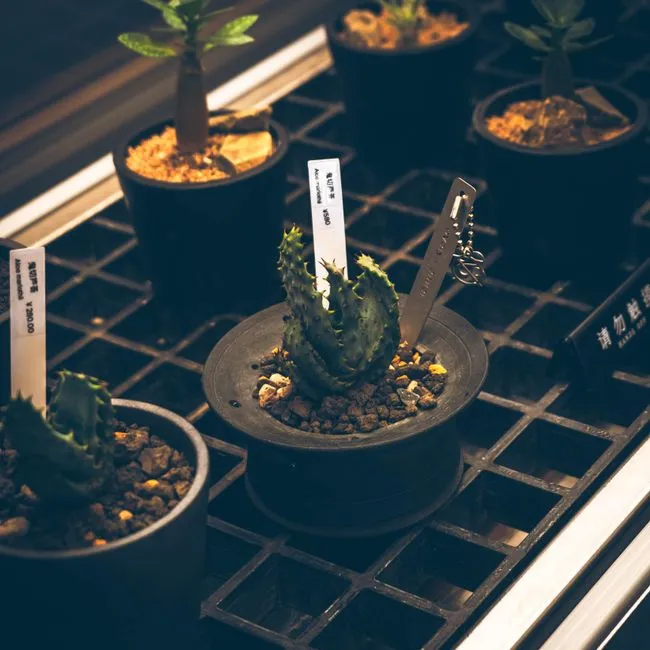
Part of what defines a tag’s collectibility is its material. Not all tags age the same way, and collectors quickly learn to distinguish between them. Standard commercial tags are printed on weatherproof plastics with fade-resistant inks, which means they survive years of outdoor exposure in remarkably good condition. That durability is what allows older tags to surface in good shape at plant swaps, estate sales, and online marketplaces.
Metal and aluminum tags offer a professional look and long-term weather resistance, making them suitable for permanent plant identification. Among collectors, aluminum tags from botanical gardens and arboretums hold particular appeal. Large tags made from UV-stable material are used for marking trees, walking trails, educational tours, and memorial trees, and when deaccessioned or replaced, they sometimes find their way into private collections.
The Role of Botanical Gardens in Elevating Tag Design

Institutional plant labels carry a different kind of weight. In living collections like those at the Smithsonian Gardens, the label is considered the most valuable part of a collection item, providing horticulturists and collection managers with essential information about each specimen. These labels carry accession numbers, source information, and taxonomic data that make them documentary objects, not just identifiers.
Accession tags link a particular plant to its record in a database, allowing institutions to record and track details such as origin and planting date, making the collection a valuable research resource. When these tags are replaced during collection updates, the retired versions occasionally circulate among enthusiasts who appreciate their archival character. They’re small artifacts of a living record.
The Collectible Houseplant Trend Feeding the Tag Market
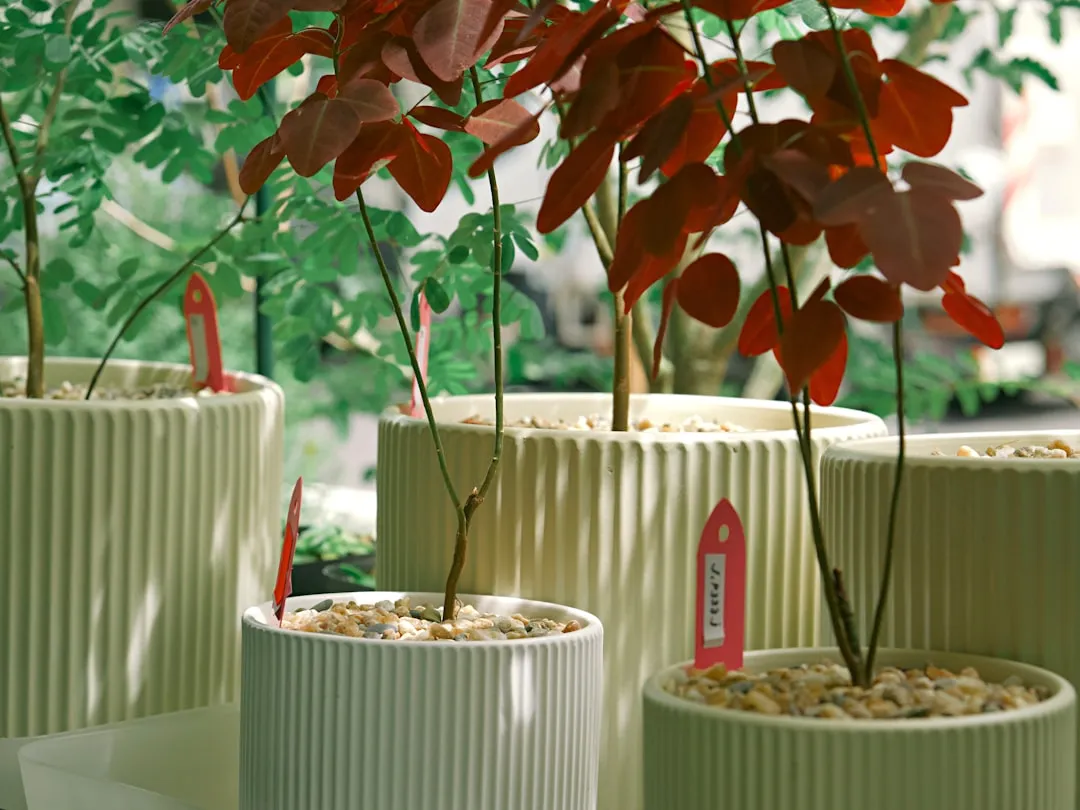
The tag collecting habit doesn’t exist in isolation. It’s downstream of a much larger cultural shift toward plant collecting generally. Collectible houseplants were identified as a top trend for 2026 by the Garden Media Group’s 2026 Garden Trends Report. When the plant itself becomes a collectible, everything associated with it, including the tag that came with it, takes on added significance.
The Garden Media Group noted that houseplants have become the new collectibles, likening the trend to collecting vintage cameras or designer plushies, with individuals seeking rare varieties as part of what they call “intentional clutter.” For plant tag keepers, the tag is often the only tangible record that a specific variety once passed through their hands, especially for plants that were later traded, divided, or lost.
How Social Media Turned a Private Habit into a Visible Community

Perhaps the biggest benefit of plant collecting that enthusiasts enjoy is the community it builds, both in person and online, with new plant clubs, plant swaps, and plant shows appearing in communities across the country. Tag collecting rides on the back of this same infrastructure. Plant swaps in particular have become natural venues for tag exchange, since every donated plant typically arrives with its original label still attached.
The online community around plants has grown rapidly, with Instagram playing a notable role in the resurgence of indoor houseplants by giving enthusiasts a space to share both collections and expertise. The same visual platforms that made rare Monsteras and variegated Hoyas into social currency have given tag collectors a place to photograph and share their finds. A grid of neatly arranged nursery tags can be surprisingly compelling to scroll through.
The Tag as a Record of What You Grew
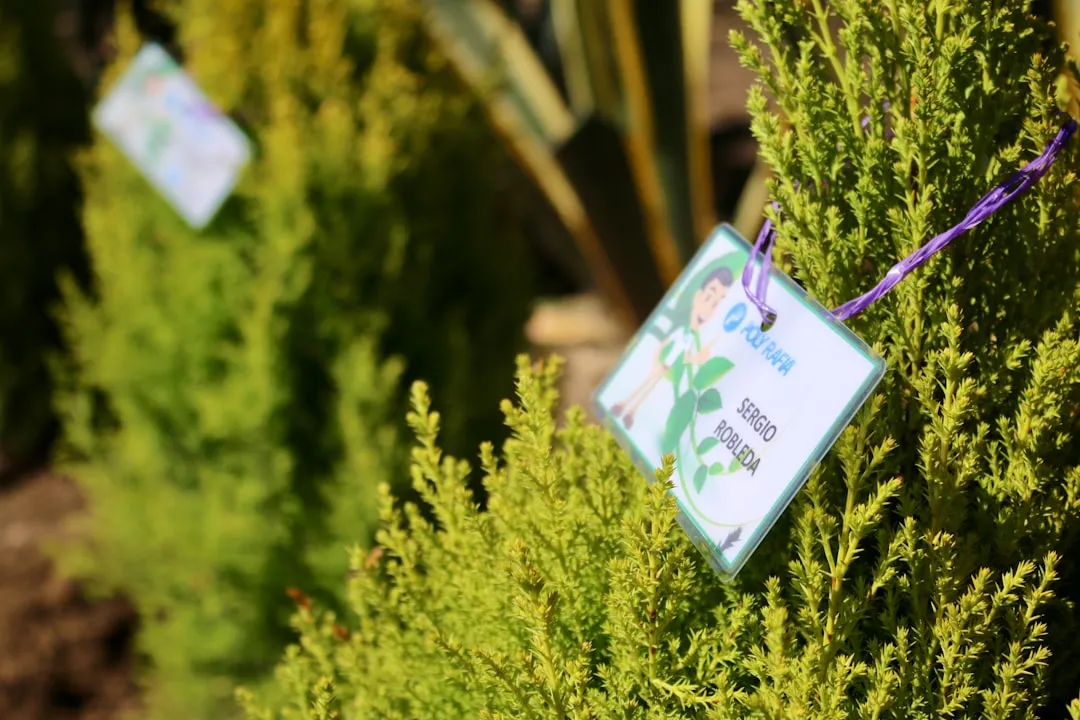
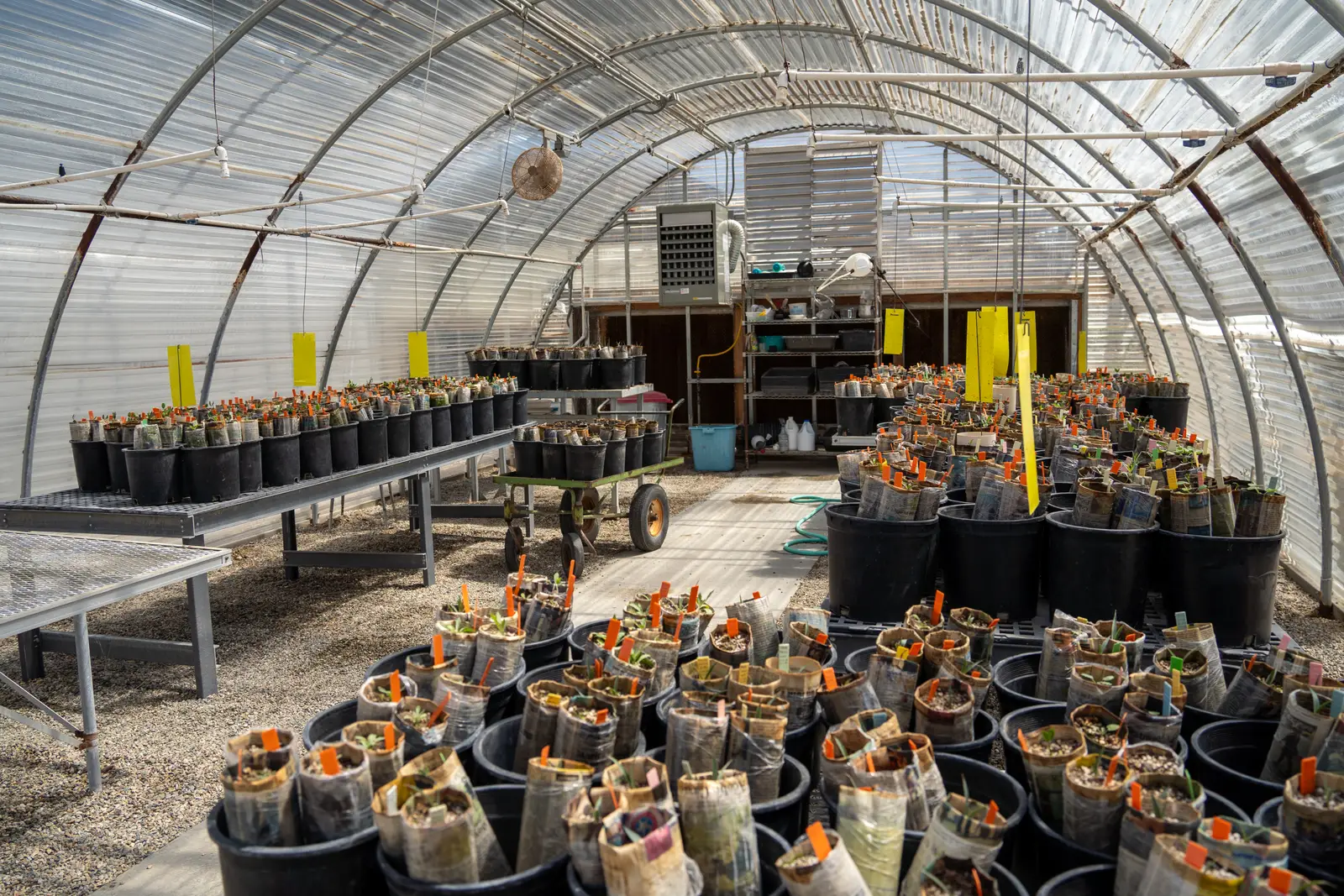
There’s a documentary instinct behind tag keeping that goes beyond aesthetics. Tags provide growers with the ability to know what plants they have, provide pricing information to customers, and using codes or colors, quickly track data such as start dates, batch numbers, and selling price. Home collectors adopt a similar logic, using saved tags to reconstruct the origin story of each plant in their collection.
For serious plant people, a tag is evidence. It confirms cultivar names, supplier origins, and often the season a plant was purchased. Plant label tags are designed to include unique plant attributes, care instructions, interactive digital technology, and more, meaning the information density on a single tag can be surprisingly rich. Some collectors organize their tags chronologically, creating a kind of pressed paper garden diary.
The QR Code Era: When Tags Got a Digital Layer
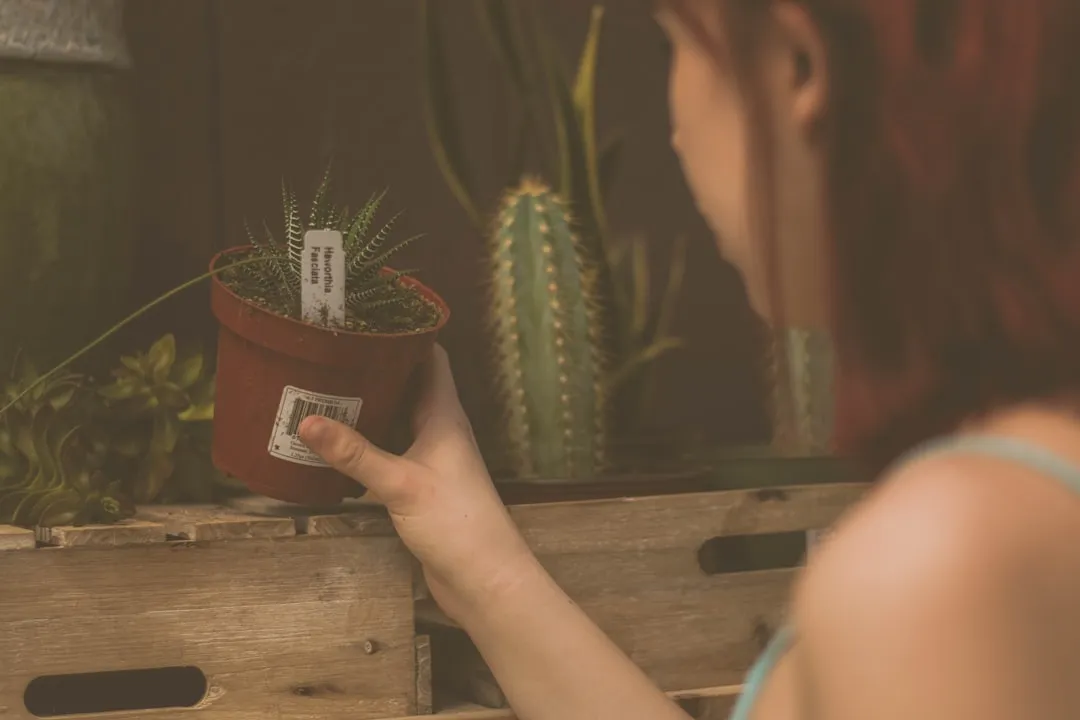
The newest generation of nursery tags has introduced a dimension that older formats never had. QR connection plant labels are now designed to link consumers to enhanced information, essentially turning a small piece of plastic into a gateway to extended care guides, video content, and plant databases. That shift has made the physical tag simultaneously less essential and more interesting as an object.
Black UV-stable aluminum tags are now being made fully customizable with text, QR codes, logos, numbering, and artwork, with uses including informative walking trails where the codes can be scanned to learn more about local plants. Collectors who focus on QR-era tags are, in a sense, preserving a snapshot of a specific technological moment in horticultural retail. Ten years from now, scanning a defunct QR code on an old tag might be as evocative as a broken URL from the early internet.
The Generational Angle: Who’s Actually Collecting Tags
The collecting impulse is not evenly distributed across age groups. According to the Garden Media Group, collecting is making a comeback especially with Gen Z and Millennials, who are reclaiming individuality through collecting as a quiet rebellion against disposable culture. Tag collecting fits neatly into that framing. It’s anti-throwaway, tactile, and low-cost in an era of expensive hobbies.
A survey of 1,250 American adults by Trees.com found that roughly one in four plant owners started collecting houseplants as a pandemic hobby, and many of those newer plant parents developed strong attachment to the documentation that came with their plants. Tags were part of that early learning process, and some collectors trace their habit directly back to that period of intense, at-home horticultural curiosity.
What Makes a Nursery Tag Worth Keeping
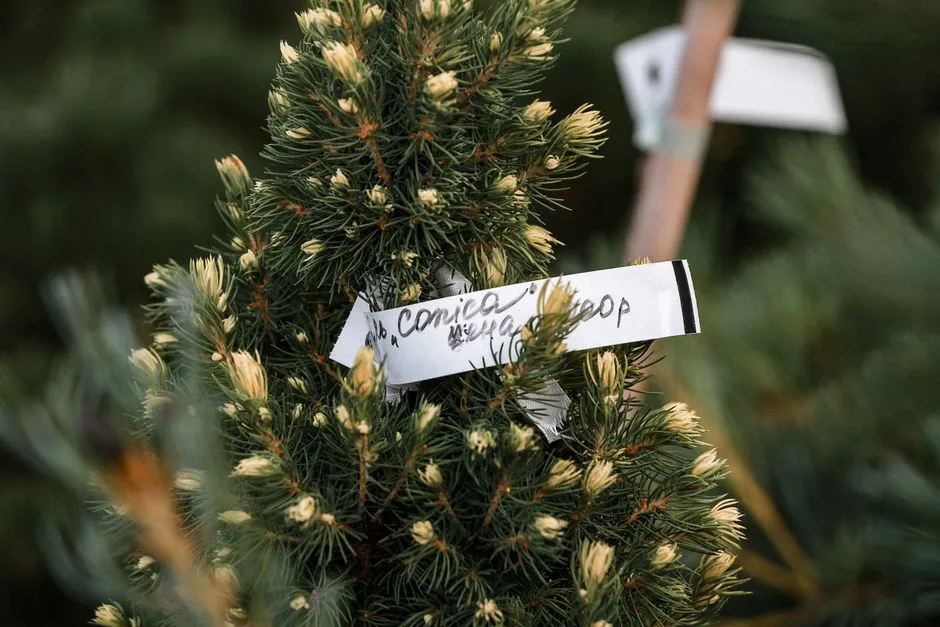
Not every tag earns a place in a collection. The ones that do tend to share a few qualities: clear and vivid photography, a recognizable cultivar name, or a defunct grower’s branding that no longer appears in current production. Tags designed to help consumers make buying decisions can include unique plant attributes, care instructions, and interactive digital technology, but the most collectible examples tend to be the ones that did their job through pure print quality, before any digital augmentation was available.
Rarity matters, too. A tag from a discontinued perennial series, a grower that closed, or a limited seasonal release carries more interest than a generic annual tag still in active production. Standard stock pre-printed tags cover more than 2,800 plant varieties including shrubs, fruit trees, perennials, azaleas, houseplants, shade trees, vines, groundcovers, and roses, which means the universe of potentially collectible tags is genuinely enormous. The challenge is knowing which ones matter before they’re thrown away.
A Small Object With an Outsized Sense of Place
There’s something grounding about a physical tag in the current moment. It came from a specific nursery, in a specific season, attached to a specific plant someone chose and brought home. That chain of small decisions is embedded in a piece of plastic that most people never think twice about discarding.
The collectors who hold onto these tags aren’t being precious about them. They’re preserving a particular kind of ephemeral design history, the kind that usually ends up in the recycling bin. Durable plant tags aren’t just tools; they’re investments in efficiency, branding, and sales, which is exactly what makes the best of them worth a second look once the plant has long been repotted. Sometimes the smallest things hold the most information about where something came from and what it was called when it arrived.
AI Disclaimer: This article was created with the assistance of AI tools and reviewed by a human editor.