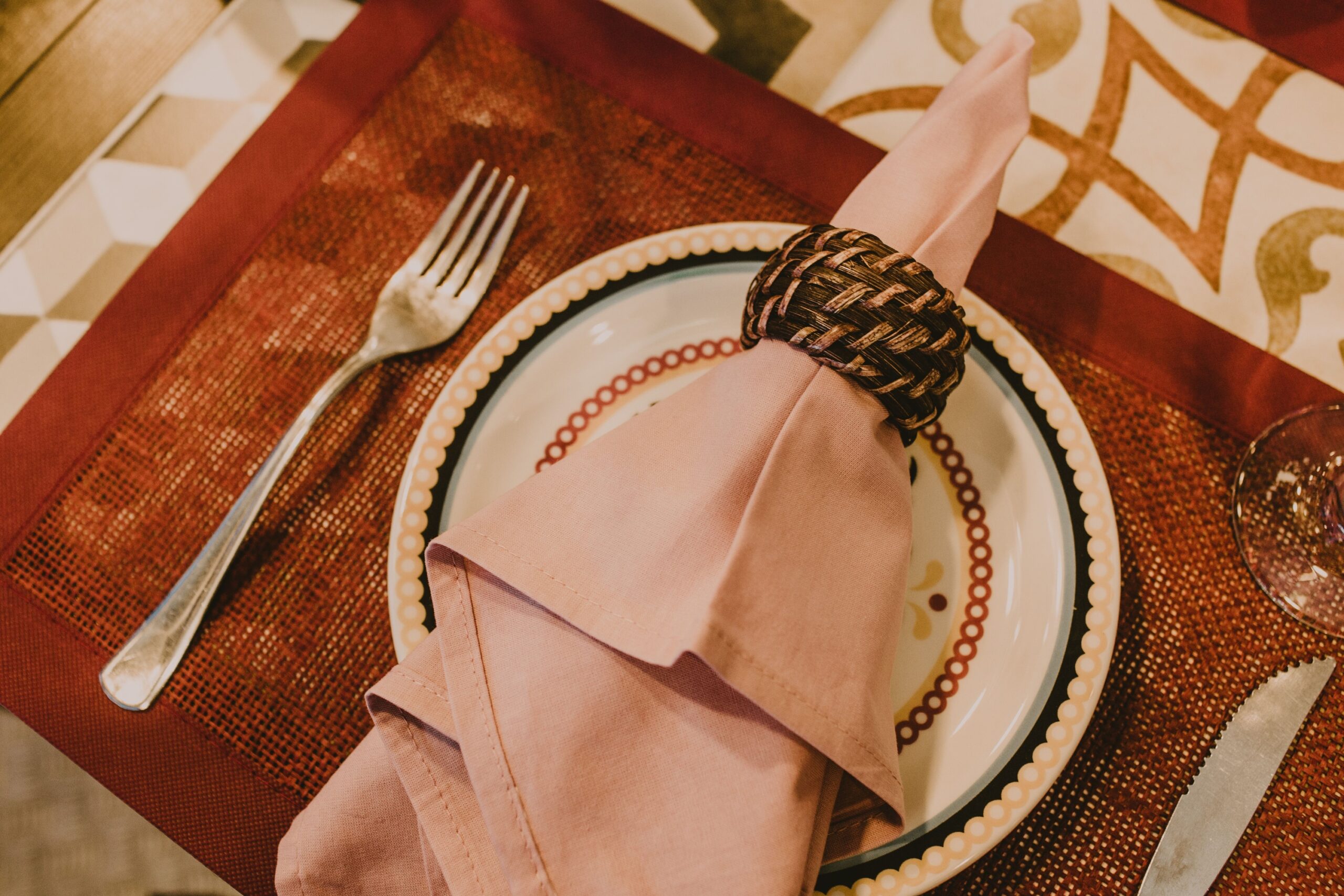

The Real Job of a Placemat
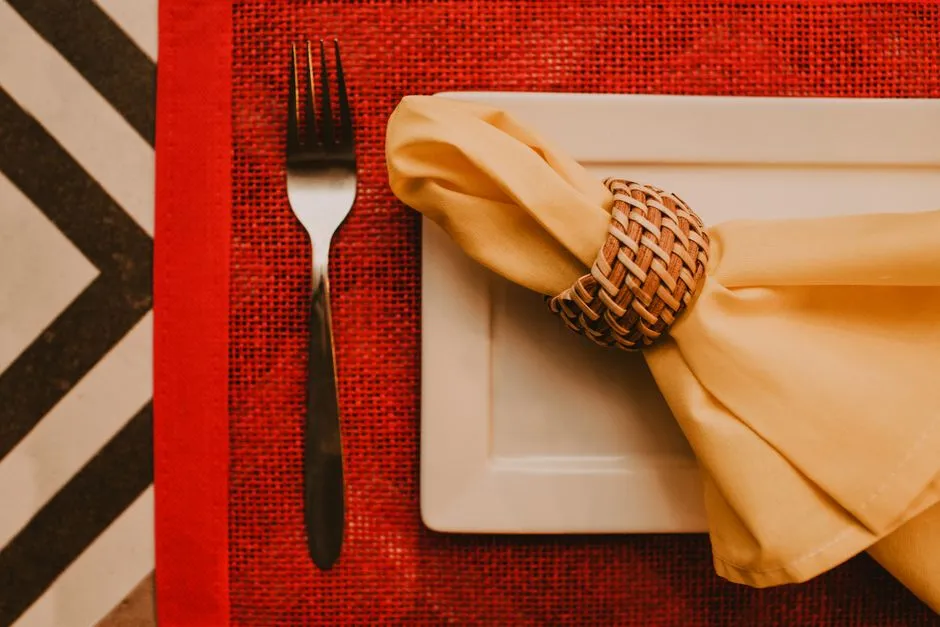
Placemats are an excellent way to protect your dining table while adding style to your table setting, creating a designated spot for each diner and shielding the table from hot plates, moisture, and food spills. That protection is real and genuinely valuable on a daily basis.
Using placemats is one of the best ways to protect your dining table from scratches, since they are designed to provide a protective barrier between your table and dishes, cutlery, or other items you may be using. The problem isn’t the placemat itself. It’s what happens underneath it, especially when the mat moves.
Grit Beneath the Mat: The Invisible Culprit
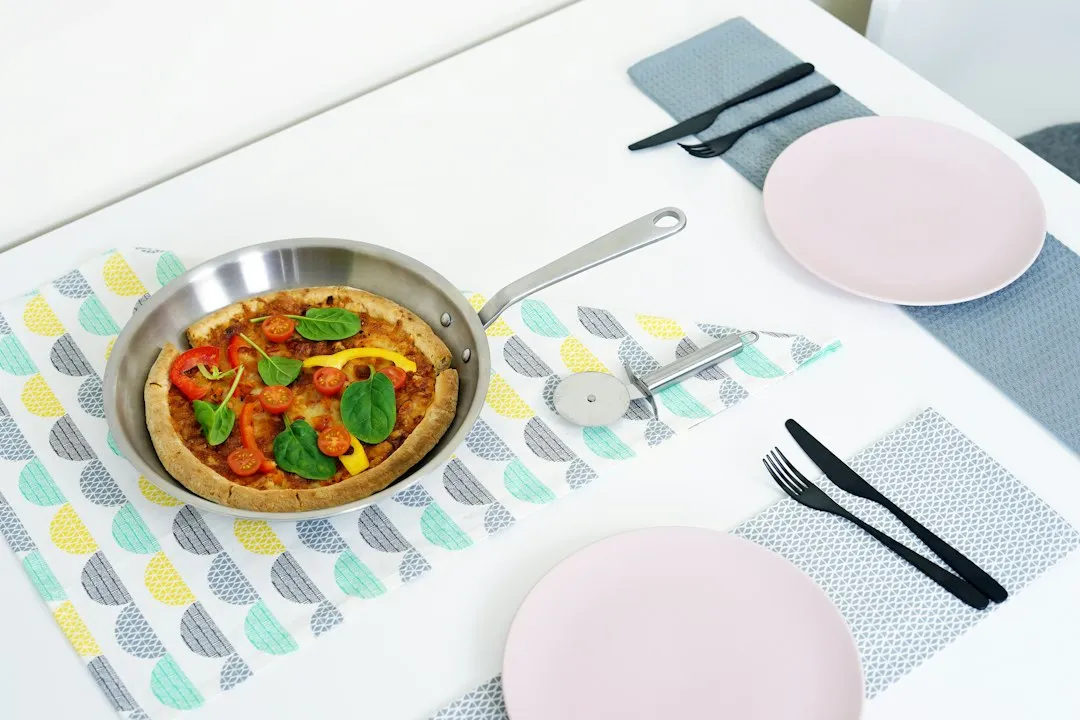
Small dust particles can act like sandpaper when objects slide across the surface. This same principle applies directly to placemats. Every time you pull a mat slightly to adjust it, or when it creeps from normal use, any grit or crumbs trapped beneath it grind against the finish.
Dust and grit are subtle but persistent sources of wear on wood finishes. Using soft cloths and gentle motions removes debris without pressing it into the surface, and regular light cleaning helps prevent particles from accumulating in busy areas. The area directly under a placemat is often the last place anyone thinks to clean, precisely because it looks covered and protected.
When the Backing Is the Problem
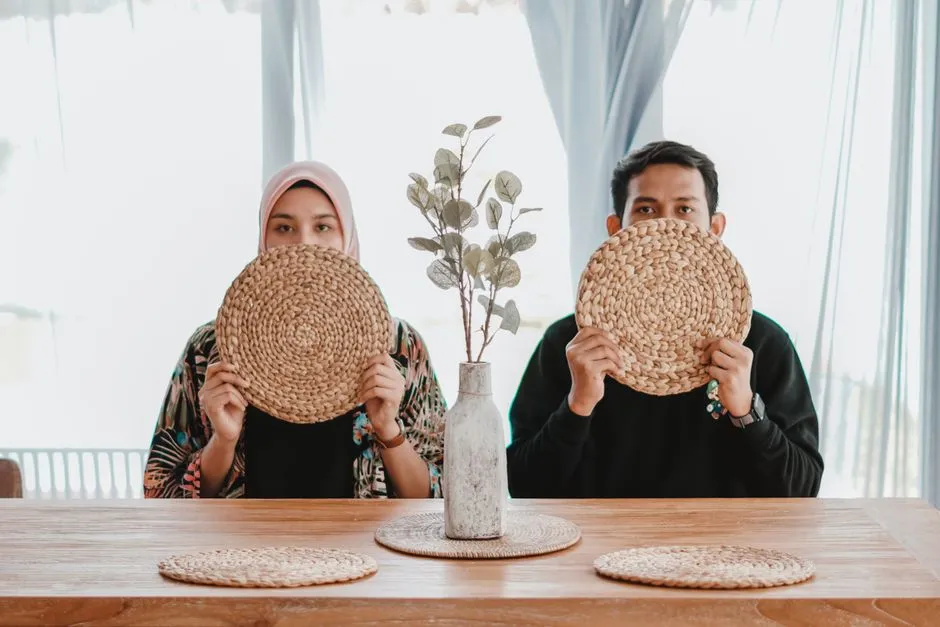
Natural woven materials like rattan and seagrass can be stunning, but if the weave has any rough, protruding bits, it can scratch. This is a real concern with many of the most popular placemat styles on the market right now. Aesthetics and table safety don’t always go hand in hand.
Mats with rough embellishments such as beads, sequins, or rough embroidery on the back are a hard no for glass. The same logic applies to wood and lacquered finishes. The underside of a placemat needs to be made of a soft material like felt, microfiber, or a non-slip silicone dot pattern to avoid causing abrasion directly on the table surface.
The Sliding Mat Problem
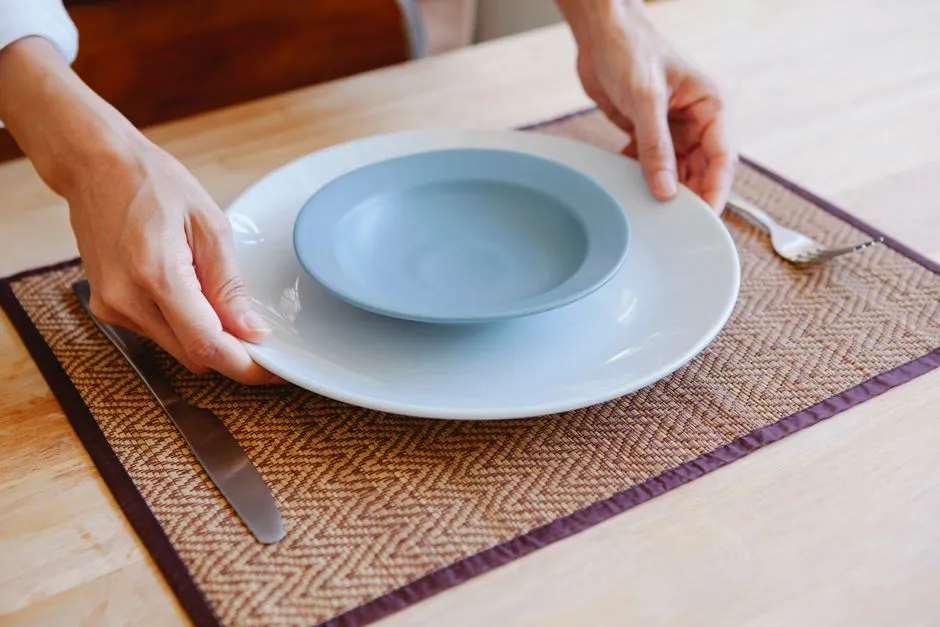
Hard plastic, metal, or glass placemats can slide and grind directly on your table surface, which is why it’s best to avoid them altogether. Even mats that aren’t made of hard material can cause friction damage if they slip around during a meal. A mat that stays put is a mat that protects.
Placemats act as localized shields, reducing direct contact beneath plates and glassware during everyday meals, and choosing options with soft backing helps prevent slipping while still allowing for easy cleanup. A non-slip backing does double duty. It keeps the mat stationary and keeps the table surface from experiencing repeated micro-abrasion.
How Abrasion Actually Damages a Finish
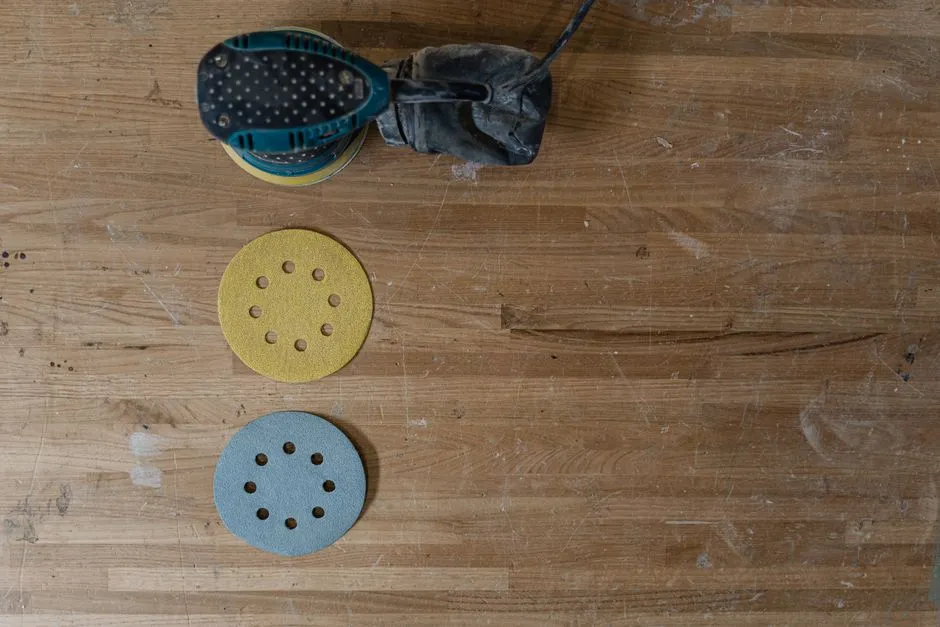
An important consideration is how a wood finish will look throughout its life in service. Natural products may have advantages in terms of visual or tactile appeal but durability must also be guaranteed, and surfaces such as tabletops will be subjected to various types of wear and tear, most notably abrasion, resulting in a deterioration in surface appearance.
Research published in the European Journal of Wood and Wood Products investigates the gloss change behavior of different furniture surface types subjected to microscratch abrasion using Martindale Procedures in accordance with EN 16611:2023. The results revealed statistically significant differences in gloss change among surface groups. In plain terms, repeated microscratch abrasion visibly dulls a finish over time, even when no single scratch is obvious to the naked eye.
Surface Finishes That Are Most Vulnerable
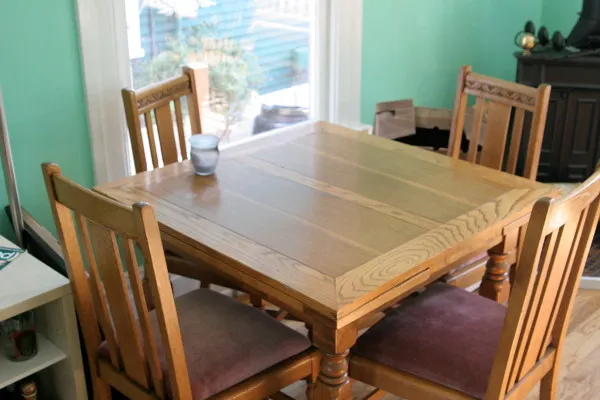
For a dining table that resists daily scratches, stains, heat, and spills, HPL laminate and ceramic perform best, followed by sealed solid wood for repairability. Glass, soft woods, oil finishes, and weak veneer edges look attractive but show wear faster in busy family homes.
Scratches can weaken or totally remove the protective finish and expose the underlying material, which means your furniture becomes vulnerable to further damage. Once a finish is compromised, moisture and heat can penetrate far more easily. What started as a surface scratch quickly becomes a structural problem.
Moisture Trapped Under Placemats
Hot drinks might damage the table finish or cause permanent heat harm, while cold drinks can leave moisture on the table, gradually removing the finish and potentially causing irreparable water damage. A placemat that traps this moisture rather than letting it evaporate can actually accelerate that damage.
Heat and moisture cause wood to expand, which can weaken finishes and make the surface more vulnerable to scratching. Using trivets under hot items and wiping up spills promptly helps maintain surface stability. Leaving a damp mat sitting in place after a meal is one of the quieter ways to soften and eventually degrade the finish beneath it.
How to Spot the Damage Early
Surface hazing or a fine network of spiderweb scratches only affects the uppermost layer of the finish, suggesting that light abrasion and buffing can restore the clarity. If you lift your placemats after a few months and notice a faint dulling exactly in those spots, that’s early-stage finish wear. It’s repairable at that point, but only if you catch it.
More extensive problems, such as peeling, flaking, or widespread alligatoring, a pattern of fine cracks, mean the finish has failed due to age, poor application, or exposure to harsh chemicals, and this widespread failure indicates that a localized repair is insufficient. The lesson is simple: look underneath your placemats regularly. Most people never do.
The Placemat Materials That Actually Protect
The top choices in placemats for wood tables are non-slip and heat-resistant. Cork, felt-backed, or faux leather designs protect delicate finishes without scratching. These materials have a natural softness at the contact point that harder or loosely woven alternatives simply don’t offer.
Placemats come in a variety of materials, including plastic, cork, and fabric, so you can choose the one that best fits your needs. Cork and felt-backed options consistently earn their reputation for being gentle on finishes. The key is confirming the backing, not just the top surface, before you buy.
Simple Habits That Make a Real Difference
Lifting items instead of dragging them across the table helps prevent friction-based damage to the finish. This simple habit quickly becomes second nature and significantly reduces surface abrasion over time. It also minimizes pressure points that can weaken the protective layer, and as a result, the table maintains a smoother, more even appearance with regular use.
Wipe crumbs and grit before using a cloth, and avoid harsh scrubbers. Use a soft damp cloth for routine cleaning, then dry the surface so moisture does not sit on the finish. This applies directly to the area under your placemats. Lift them, brush away any debris, and let the surface breathe between meals. It takes ten seconds and protects thousands of dollars in furniture.
The Takeaway
Placemats aren’t the enemy. Used correctly, with a soft backing, a secure grip, and clean surfaces beneath them, they do exactly what they promise. The trouble comes from routine and assumption. People place them down once, leave them there, and never look underneath.
The scratches accumulating under your placemat right now aren’t dramatic. They’re quiet, gradual, and almost invisible until they’re not. A well-protected dining table can save you from costly repairs or replacements down the line, and it helps in preserving the surface from scratches, heat marks, spills, and other potential damages caused by daily use. Getting there is less about buying better placemats than it is about actually paying attention to what’s happening underneath them.
AI Disclaimer: This article was created with the assistance of AI tools and reviewed by a human editor.