

1. Not Drinking Enough Water

One of the most frequently observed mistakes is swallowing a pill with only a tiny sip of water, or sometimes none at all. Without adequate liquid, a tablet or capsule can travel part of the way down the esophagus and stall. Pill-induced esophagitis occurs when a tablet or capsule gets stuck where the esophagus meets the stomach, and if it begins to dissolve there, it can release its active ingredients directly onto the delicate tissue.
These substances are often acidic or alkaline, and that chemical burn can quickly cause pain and inflammation. When a pill dissolves too early, it exposes the unprotected esophageal lining to caustic substances it was never designed to handle, leading to irritation, inflammation, and sometimes ulceration. A full glass of water, roughly eight ounces, is the standard pharmacist recommendation for a reason.
2. Crushing or Splitting Pills Without Checking First
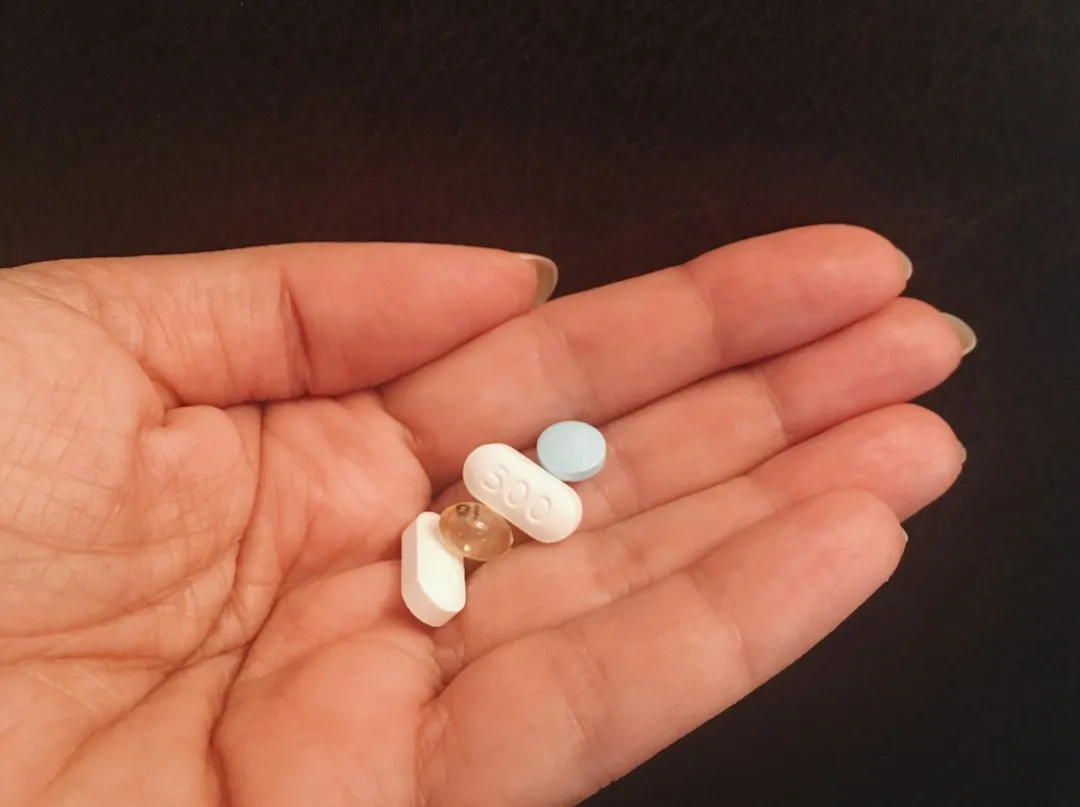
Patients who have trouble swallowing pills often try to cut, chew, open, or crush the tablet or capsule. This may become an issue with long-acting medications like those available in XR, XL, SR, and ER formulations. These coatings and structures exist precisely to control how the drug is released inside the body.
Crushing pills with an enteric coating destroys that protective layer, exposing both the drug and the digestive tract to risks. Without the coating, medications can degrade prematurely or become inactive in stomach acid, and the exposed drug can irritate the esophagus and stomach lining, leading to ulcers and drug-induced esophagitis. Always check with a pharmacist before splitting or crushing any tablet.
3. Taking Pills With Grapefruit Juice

Grapefruit interacts with some medications because of compounds in the fruit that can change how certain drugs are absorbed or broken down in the body. Enzymes in the gut normally break down medications before they enter the bloodstream, including the enzyme CYP3A4. The compounds in grapefruit can block this enzyme so it doesn’t do its job, causing more of the medication to enter the bloodstream than intended.
In one documented report, a single glass of grapefruit juice every day for three days caused the blood concentration of simvastatin to increase more than three-fold. Interactions can happen up to three days after eating or drinking grapefruit, meaning you cannot simply drink grapefruit juice in the morning and take your medications later in the day to stop possible interactions. The FDA requires some medications to carry explicit warnings about this.
4. Not Telling Anyone About Swallowing Difficulties

Research has found that nearly a quarter of participants who had difficulty swallowing medication would compromise their adherence to their prescription, and the majority did not inform their doctors or pharmacists of the problem. This silence has real consequences for health outcomes.
Around four in ten Americans report having some difficulty swallowing pills, according to a Harris Interactive study. As a result of their struggle, roughly one in seven have delayed taking their medication, nearly one in twelve have skipped a dose, and a smaller share have stopped using their medication altogether. Pharmacists can often suggest alternative formulations, so silence is simply not worth it.
5. Lying Down Immediately After Taking a Pill

Gravity matters more than most people realize when it comes to medication. Taking a pill and then lying down within a few minutes gives a tablet or capsule the opportunity to linger in the esophagus rather than descending cleanly into the stomach. Symptoms from esophageal irritation can mimic heartburn or indigestion but are usually sharper and more localized, with pain felt behind the breastbone. Some people experience pain when swallowing or a sudden hoarseness or change in voice.
Older adults are at increased risk because age-related changes in esophageal motility make it harder for pills to pass smoothly into the stomach. Staying upright for at least thirty minutes after taking a pill significantly reduces this risk, particularly for medications known to cause esophageal irritation.
6. Using Dairy Products Instead of Water

Some people assume that any liquid will do when washing down a pill. Milk and other dairy products, however, are a poor choice for several common medications. Calcium and magnesium present in dairy can block medication uptake, and the lack of lubrication from thick dairy products can result in pills getting stuck in the esophagus, increasing the risk of ulcers.
This is especially relevant for antibiotics like tetracycline and certain thyroid medications, where dairy can meaningfully reduce the amount of drug that actually reaches the bloodstream. Plain water remains the safest and most universally recommended choice, and it’s the one option that pharmacists consistently endorse across virtually all medication types.
7. Taking the Wrong Head Position

The way you position your head during swallowing has a measurable effect on whether a pill travels efficiently into your stomach. Many people tilt their head back when swallowing a tablet, which actually tightens the throat and can slow the pill’s path. A neutral or slightly forward-tilted head position tends to open the swallowing passage more effectively.
A study published in the Annals of Family Medicine tested the efficacy of head posture techniques for 151 patients with and without difficulty swallowing pills. The research found that specific posture adjustments meaningfully improved swallowing success rates. Pharmacists are trained to walk patients through these techniques, yet few people ever think to ask.
8. Ignoring the Prevalence of Swallowing Difficulty

Pill dysphagia, or difficulty swallowing tablets or capsules, is more common than many realize, affecting up to forty percent of the general population and up to eighty percent in nursing homes and skilled nursing facilities. Clinically known as Medication Intake Problems, this condition can have physical, neurological, or psychological origins. Despite its prevalence, it remains underrecognized and often mismanaged.
The majority of patients with swallowing difficulties report having a sensation of medication getting stuck in the throat. Swallowing difficulty caused anxiety for some patients and contributed to non-adherence. The most common coping strategy reported was splitting tablets, which, as noted above, is itself a problematic workaround unless confirmed safe by a pharmacist.
9. Assuming Timing Doesn’t Matter
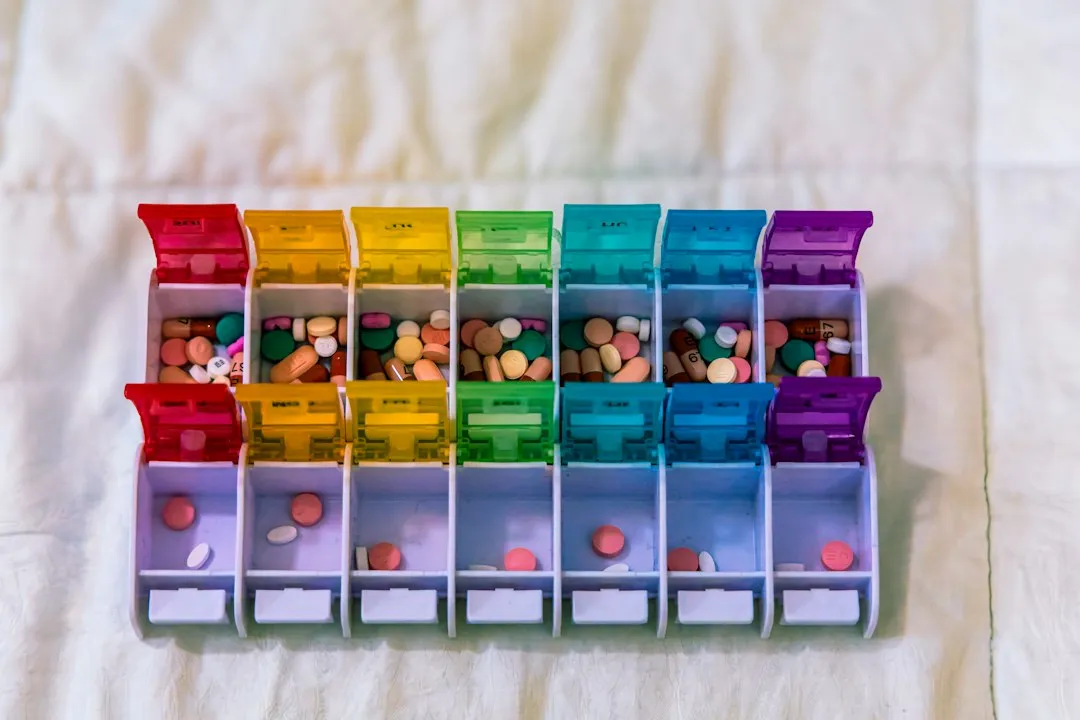
A common and underappreciated error is ignoring the timing instructions that come with many medications. Some pills need to be taken with food to protect the stomach lining or to improve absorption. Others, like certain thyroid hormones or bisphosphonates for bone health, must be taken on an empty stomach first thing in the morning to work properly. Treating all pills as interchangeable in this regard is a real problem.
Middle-aged women are most often affected by pill-related esophageal damage, partly because they are statistically more likely to take regular medication, including treatments for bone health. Bisphosphonates, used widely for osteoporosis, are among the medications most commonly linked to esophageal injury when taken incorrectly, including when swallowed without sufficient water or when the person lies down too soon afterward.
10. Not Consulting a Pharmacist at All

Almost half of pharmacy customers surveyed did not think there would be issues with modifying medication dosage forms. Some consumers appeared to be accustomed to modifying medication dosage forms even when there was no apparent need. People were also reluctant to seek advice from health professionals regarding swallowing difficulties or modifying medication dosage forms.
Alternative formulations were available for over half of the solid oral dose forms prescribed to patients with swallowing difficulty, meaning that in most cases, a practical solution already exists. The barrier is simply that people don’t ask. Consultations among doctors, nurses, and pharmacists are recommended to ensure that dosages, forms, and frequencies best meet the needs of each individual patient. Pharmacists, in particular, are one of the most accessible healthcare professionals available, and a brief conversation at the counter can prevent a surprising range of avoidable problems.
The Takeaway
None of these mistakes are signs of carelessness. Most of them stem from assumptions that seem perfectly reasonable on the surface. Pills feel straightforward, so it’s natural to assume the details don’t matter much. The evidence suggests otherwise.
The gap between taking a medication and taking it correctly can affect how much of the drug actually reaches its target, whether the esophagus suffers unnecessary damage, and whether treatment works at all. Pharmacists field these questions every day, and they welcome them. The simplest and most consistently useful advice remains this: when in doubt about how to take a medication, ask before you swallow.
AI Disclaimer: This article was created with the assistance of AI tools and reviewed by a human editor.