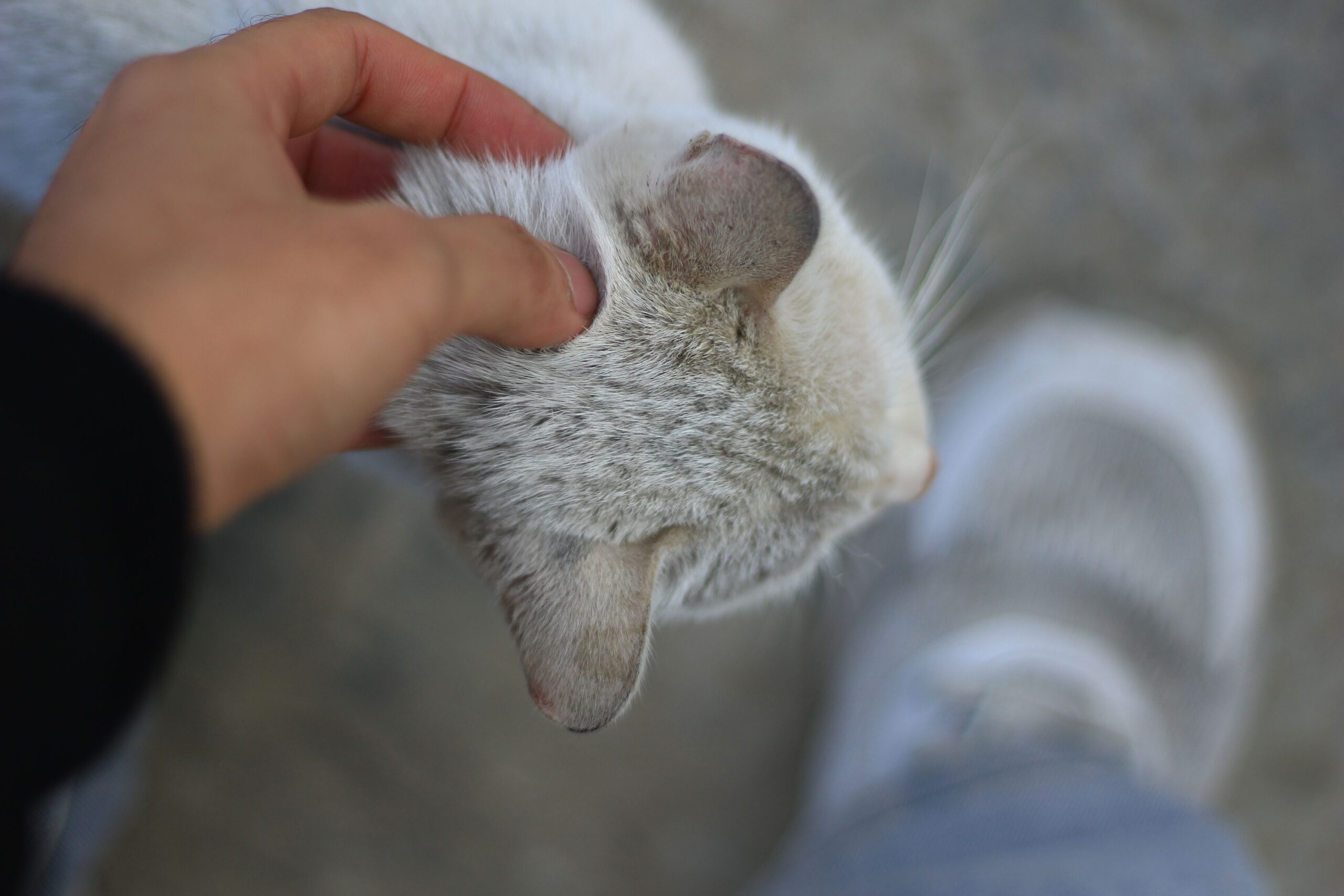

The Cheeks: A Cat’s Favorite Real Estate
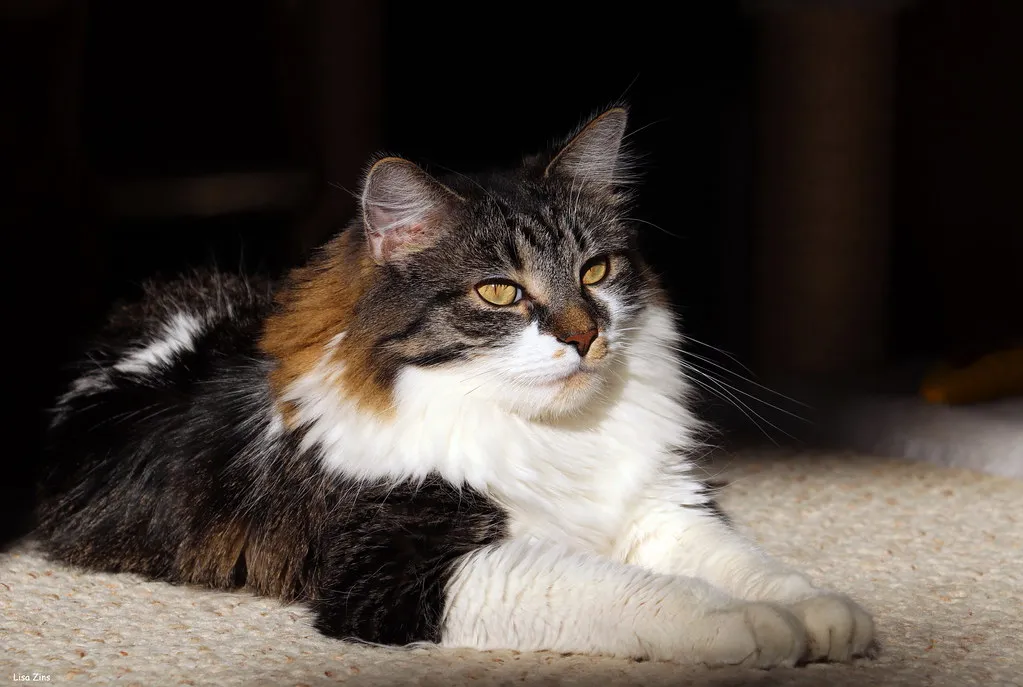
Cats have concentrated pheromone-producing glands around their face, including the cheeks, chin, forehead, and base of the ears. When you pet those areas, you’re touching the exact spots cats use to mark people, objects, and other cats as “safe” through head-rubbing. This means petting the cheeks isn’t just pleasant for a cat – it’s actually meaningful to them on a social level.
Cats preferred their petting to come in the form of strokes along the cheeks and chin or between the eyes and ears, according to a study published in the journal Applied Animal Behaviour Science. The cats’ favorite place to be petted was their faces, especially around their lips, chins, and cheeks, where they have scent glands.
Facial marking behavior is used to mark territory as “safe,” and the cat rubs its cheeks on prominent objects in the preferred territory, depositing a chemical pheromone known as a contentment pheromone. When you stroke those same spots, you’re essentially speaking the cat’s own language.
Under the Chin: Calm, Safe, and Below the Threat Line
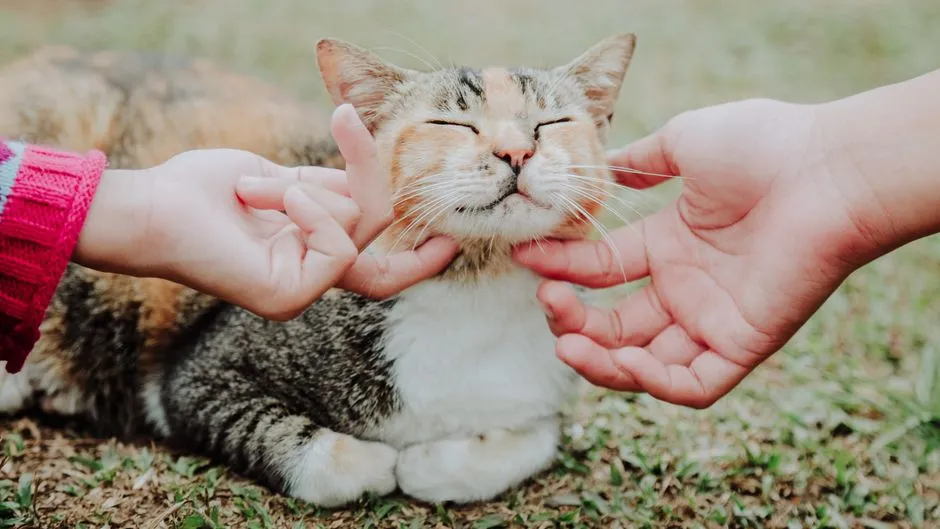
Many cats enjoy being petted under the chin, on the cheeks (in the direction of the whiskers), and behind the ears and on the neck. There’s also a practical reason why the chin works so well as a first-contact spot.
Petting under the chin might be a cat’s preference because the hand is coming from below, which is much less threatening. An approaching hand from above can register as a predatory gesture to a cat, while a hand offered from below feels far less confrontational.
Usually, the best way to pet a cat is a gentle rub around the chin and cheeks – these areas contain scent glands that help a cat mark you as trustworthy, safe, and familiar. This spot consistently ranks among the most accepted areas across different cats and different studies.
Between the Eyes and Ears: The Science Sweet Spot
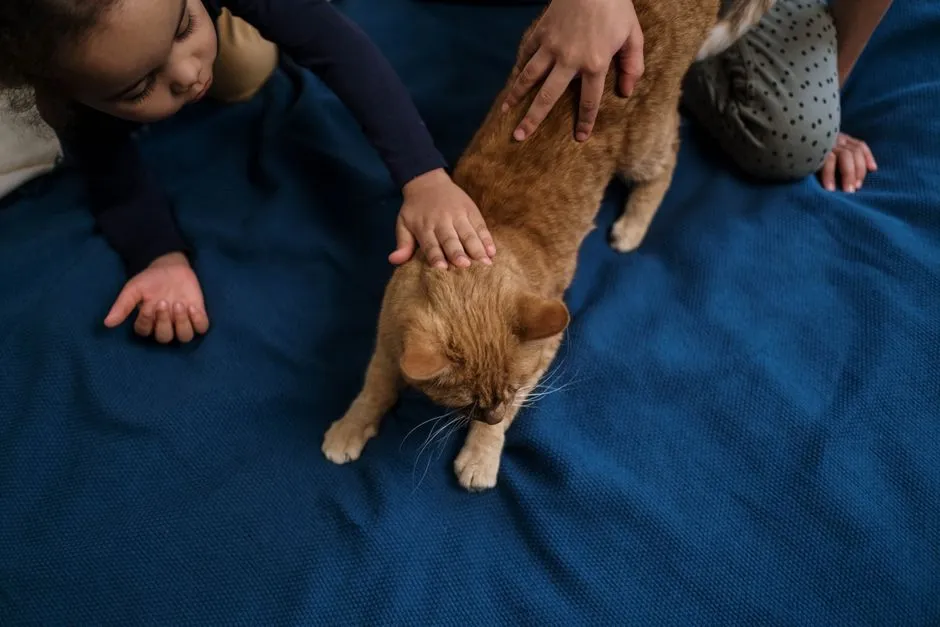
A study tested out four different locations on a cat’s body to see where they enjoyed being petted most. The results showed that the most enjoyable petting occurred between the ear and the eye on their face. Other acceptable spots were the chin and lip area and the lower back.
This spot between a cat’s eye and ear, their upper cheek, contains a temporal gland that cats use to mark things. This is why cats rub up against you, furniture, or other objects with the side of their face. Marking with these scent glands is a cat’s way of socially bonding.
Other scent glands for secreting pheromones include the temporal glands on the sides of the forehead, the circumoral gland around the lips, and sebaceous glands. The density of these glands in a small area of the face is precisely why cats react so positively to being touched there.
Behind the Ears: Usually a Hit, but Read the Room
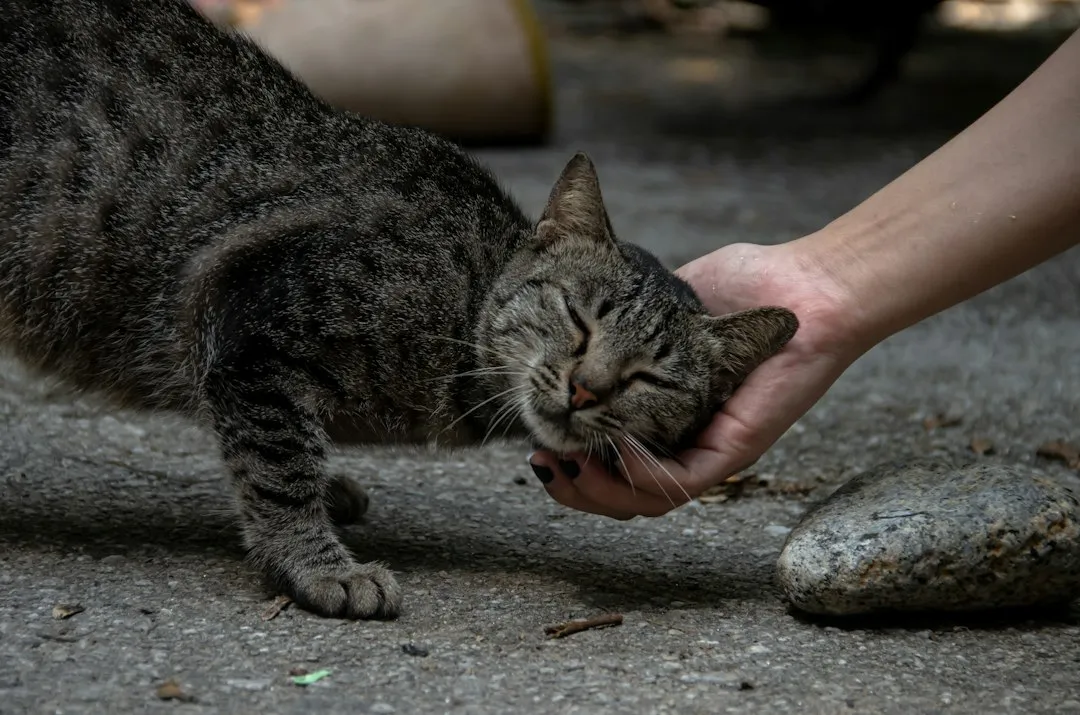
Behind the ears might be the best petting spot for cats. While some like a little light ear scratching, others enjoy a more vigorous scratch. The variation here is real – the intensity that one cat loves can be the same intensity that sends another running.
Cats definitely like to be petted around the area of the ears and neck. This preference makes sense given that the base of the ears sits directly adjacent to several of the facial scent gland zones already described.
The key with this area is to start gently and watch the response. A cat leaning into your hand, slow-blinking, or beginning to purr is signaling approval. A flattening of the ears or a tensing of the body means you’ve hit the limit – or the wrong angle entirely.
The Forehead and Top of the Head: Broadly Accepted
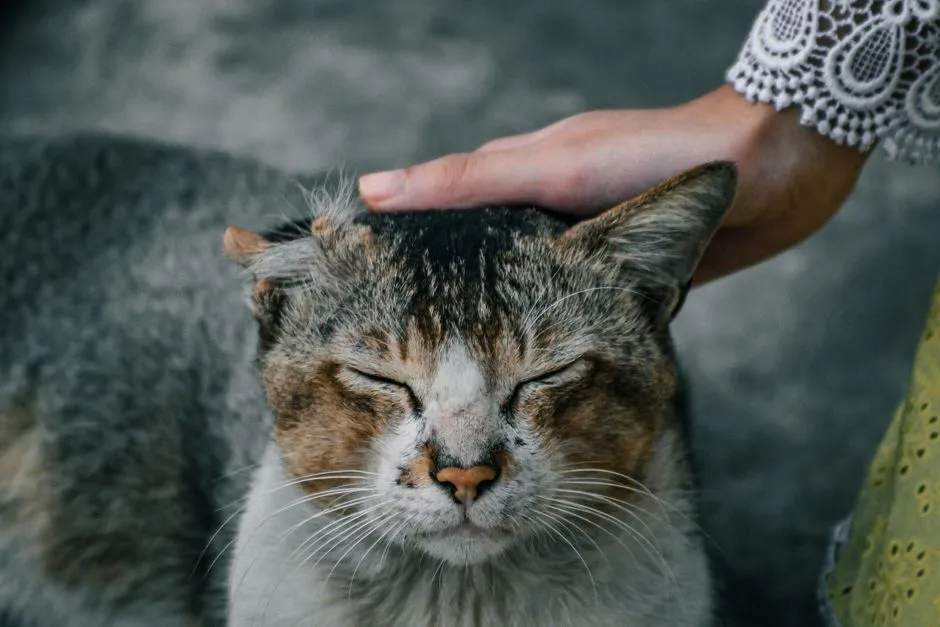
According to science, cats like to be petted mostly around their head. This is where their scent glands are, which are the body parts they usually rub against things. The forehead falls squarely within this preferred zone and tends to be one of the least controversial petting spots.
Cats like to be petted around the same spots as their scent glands. These are located primarily around their face, including the ears, under their chin, and around their cheeks – the areas that felines would typically rub against things, so it makes sense that they would like to be petted there.
Gentle strokes from the forehead back toward the ears tend to mimic the kind of social grooming cats perform with each other. A study by biologist Sophia Vrontou published in the science journal Nature suggests that being petted reminds cats of being groomed and licked by their mother.
Along the Back: Mostly Fine, With Conditions
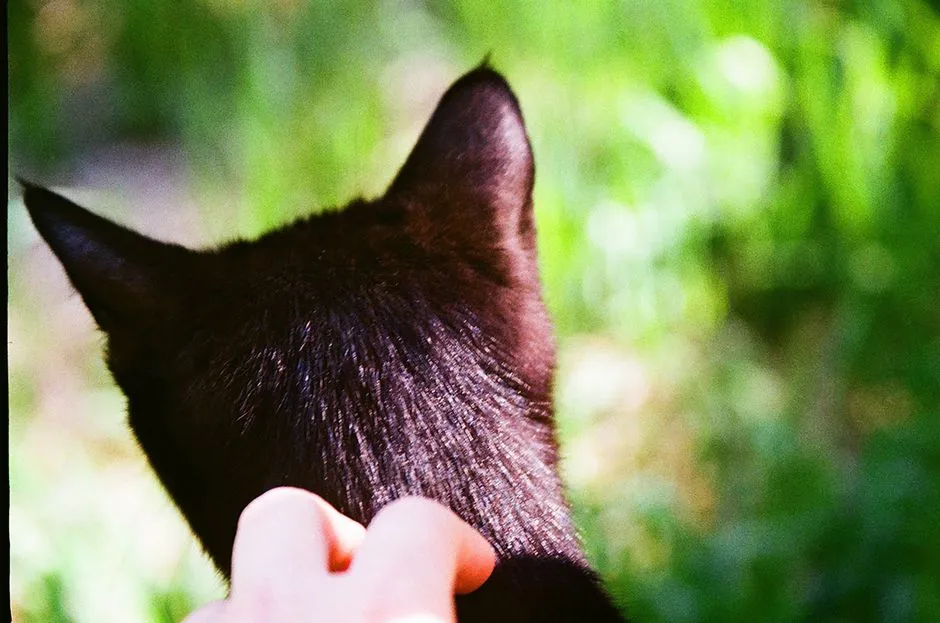
Cats like to be petted on certain areas, including the top of the head, the cheeks, the face, under the chin, on the chest, on the stomach, and at the base of the tail. Generally, cats much prefer the head and back for petting. That said, the back is more of a “usually fine” zone than a genuinely loved spot.
While we may instinctively touch cats on their backs and tails, they typically don’t like to be stroked there. Most cats don’t like their backs being touched at all. This is worth noting because the back is probably the most instinctive place for a human to reach when greeting a cat.
Avoiding the tummy and the base of their tails, and being careful when stroking along their backs, is generally advisable, although each cat will have individual preferences – the key is to pay close attention to how each cat responds when these areas are touched. Think of the back as a “proceed with awareness” zone rather than a guaranteed success.
The Base of the Tail: Where It Gets Complicated

Regardless of the petter, cats showed more negative than positive behaviors during petting. This effect was driven largely by the petting near the base of the tail. Two studies have now confirmed that this is, in general, the cat’s least favorite place to be petted.
Cats do not like being stroked at the base of their tail – at least, that was the case for most of the 54 cats in a study published in Applied Animal Behaviour Science, and another smaller study on the topic. That area is a sort of cat erogenous zone, and petting may overstimulate it, the researchers posit.
Some individual cats clearly enjoy a scratch just above the tail base, and owners often report it as a favorite. The base of the tail varies widely between cats – some love it, others find it overstimulating fast – meaning close reading of body language is essential. When in doubt, let the cat’s posture make the call for you.
The Belly: Trust Shown, Not Touch Invited
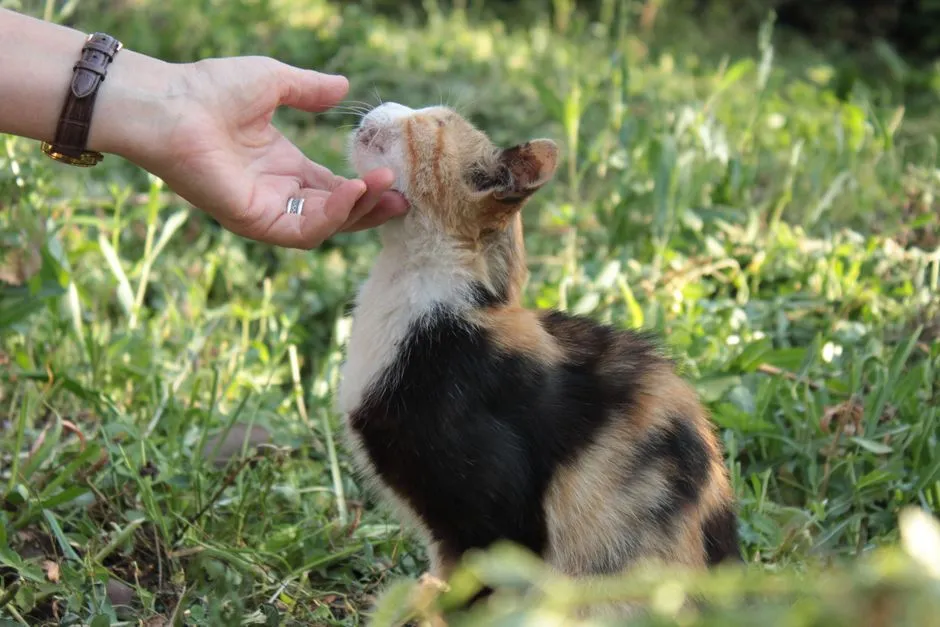
A common belief is that a cat showing its belly wants a belly rub. A more accurate view is that it’s usually a sign of relaxation and trust, not an invitation. This is one of the most persistent misunderstandings in cat ownership.
In some cases, a cat’s reluctance to have their belly rubbed might be due to sensory overload. A cat’s belly fur contains hypersensitive nerve endings, and what feels like gentle petting to us can overwhelm them. Many of a cat’s most vital organs, such as their liver, kidneys, and intestines, are found within their belly, and instinct pushes cats to guard that area.
While you can usually find a way to pet even the most aloof cat with patience, many cats do not like it when you rub their belly – they may take the opportunity to shred your arm and hand with their claws. Although a few individuals may tolerate or even enjoy it, the odds are against you.
The Paws and Legs: Handle With Real Care
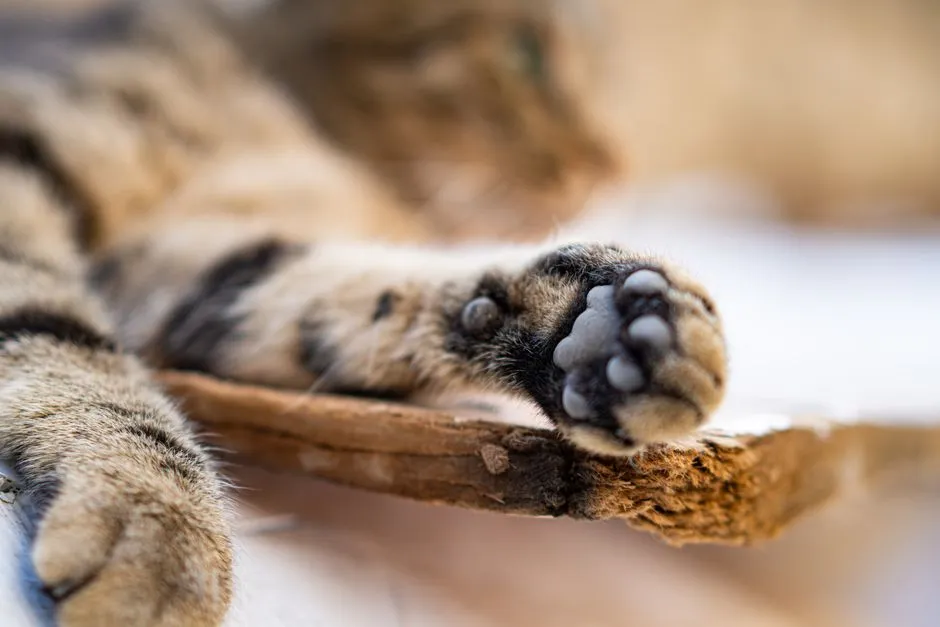
Hiss-worthy spots for most cats include their legs, paws, and tail. This is consistent across most behavior research and is easy to understand once you consider how much cats rely on their paws for defense, balance, and escape.
The paws and toes are often disliked because sensitive interdigital glands live there, and most cats are protective of their feet. Even very relaxed, sociable cats often have a firm limit around their paws. It’s worth respecting that limit rather than testing it.
The legs and paws are also areas cats rarely groom each other in friendly social grooming sessions. Since cats seem to associate petting with that kind of grooming, touching a spot that falls outside that social script tends to feel invasive rather than pleasant.
Letting the Cat Lead: The Research-Backed Approach
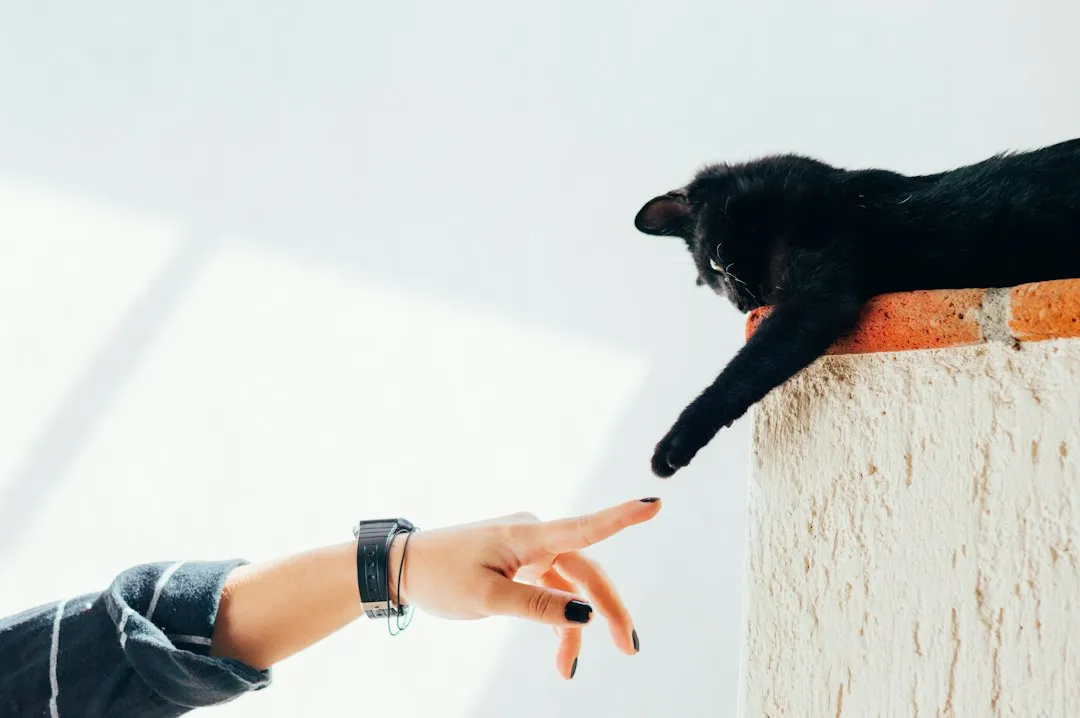
Most cats reportedly enjoyed petting across recorded sessions, with enjoyment rates ranging from about four-fifths to over nine-tenths of sessions observed. However, many cats displayed warning signs during petting sessions, and a high percentage of owners reported being bitten or scratched during petting at some point in their cat’s lifetime.
Experts in feline behavior and welfare at Nottingham Trent University found that paying close attention to cats’ behavior and body language and thinking about where to stroke them were key when improving interactions between cats and people. Owners should allow the cat to move away if it chooses, and not be tempted to pick it up or follow it, as this takes away the cat’s sense of control.
Research has demonstrated that the response of animals to petting varies significantly, depending on factors including their familiarity with the person performing the action. Owners also reported cat preferences for particular petting sequences and for specific petting locations in the house, which suggests routine and environment play a bigger role than many owners realize.
Reading the Moment, Not Just the Spot
AI Disclaimer: This article was created with the assistance of AI tools and reviewed by a human editor.