
Most people think hard about who gets the house, the savings, and the family heirlooms. Far fewer think about who gets the dog. That gap in estate planning has real consequences for millions of animals every year, and a legal tool called a pet trust exists specifically to close it.
A pet trust does exactly what its name suggests. It sets aside money and legal authority for the ongoing care of a named animal if the owner becomes incapacitated or dies. It’s not sentimental wishful thinking. It’s a binding, court-enforceable arrangement, and understanding how it works can make a meaningful difference for the animal you leave behind.
The Scale of the Problem
The American Pet Products Association counted roughly 94 million pet-owning U.S. households in 2024, representing about 71 percent of all homes, and that figure climbed to 95 million in 2025. That’s an enormous number of animals whose futures depend entirely on their owners’ planning choices.
According to the American Veterinary Medical Association, nearly nine in ten dog owners and roughly eight and a half in ten cat owners consider their pet a full member of the family. Yet most of those same owners have no legal document in place to protect that family member after they’re gone.
A 2025 annual estate planning report from Trust and Will found that the majority of Americans lacked estate planning documents, with economic pressures cited as a primary barrier. Pets, predictably, are rarely a priority even for those who do plan.
What a Pet Trust Actually Is

A pet trust is a legal arrangement to provide care for a pet after its owner dies, and it falls under trust law as one option for pet owners who want to provide for their animals after they pass away.
A pet trust allows pet owners to designate funds and specific care instructions for their animals, ensuring that if the owner can no longer care for the pet, funds are set aside to cover expenses from food and grooming to veterinary care and boarding. Unlike informal arrangements, a pet trust is legally enforceable, meaning the designated caregiver is legally obligated to follow the owner’s instructions.
The trust can be a testamentary trust, created under a will to take effect upon the death of the pet owner, or an inter vivos trust, created and effective while the pet owner is still alive. Both options offer real, enforceable protection.
Why a Will Alone Isn’t Enough
Under the laws of all 50 states, a pet owner cannot leave any part of their estate outright to an animal. Animals are legally classified as property, so a standard will simply cannot name a pet as a beneficiary in any binding way.
An owner may leave a sum of money to the person designated to care for the pet, along with a request that the money be used for the pet’s care, but that request is not a legal direction. The person receiving the money is under no enforceable obligation to spend it on the animal. A pet trust closes that loophole entirely.
A will can name a caretaker, but only a trust adds dedicated funding, trustee duties, and an enforcement backbone a court will honor. That distinction matters enormously in practice.
All 50 States Now Recognize Pet Trusts

All 50 states and the District of Columbia have a statute authorizing the creation of a trust for the care of an animal alive during the settlor’s lifetime. This is a relatively recent development in U.S. law, with most states adopting their statutes in the 1990s through the 2010s.
Illinois, for example, updated its statute in 2020, allowing a trust to be created for the care of one or more designated domestic or pet animals. Alabama’s pet trust law was enacted in 2006. State by state, the legal infrastructure has gradually filled in.
Six states explicitly apply a duration limit or statutory cap to animal trusts. Alaska limits enforcement to the animal’s death or 21 years, whichever comes first, while Minnesota and Tennessee cap enforcement at 90 years. Most states, however, allow the trust to run for the life of the covered animal with no fixed upper limit.
The Trustee and the Caretaker: Two Distinct Roles

The caretaker handles daily animal care while the trustee manages money and pays approved costs. These roles can be the same person, but separating them adds a check: the trustee controls the money and can confirm the caretaker is actually caring for the animal before releasing the next distribution.
The caretaker has a fiduciary obligation to care for the pet in the way the owner specifies in the trust, and the trustee has a fiduciary obligation to ensure funds are used only for the purposes described. The trust can require the trustee to distribute money to the caretaker only for the pet’s benefit, or alternatively, to make payments directly to veterinarians and other service providers.
A workable pet trust names four things: the caretaker, an enforcer with standing to sue, the funding amount, and a remainder beneficiary. Every one of those elements serves a specific protective function.
How Much Money to Put In
For most dogs and cats, funding in the range of $20,000 to $50,000 is common. The right number, though, depends on the specific animal’s age, health, and expected lifespan rather than on any general benchmark.
The goal is to fund the trust for real costs, not a round guess. Start with the annual cost of care, multiply by the animal’s expected remaining years, and add a cushion for emergencies and vet bills. Expenses to account for include age, health, food, medication, boarding, grooming, insurance, emergency care, and compensation if the caretaker or trustee is expected to spend meaningful time.
Courts may reduce funding they consider excessive for the animal’s actual needs, so the amount should be justified by real, documented costs. Keeping a written budget alongside the trust document is a practical way to protect the arrangement from later challenges.
What the Trust Can Specify
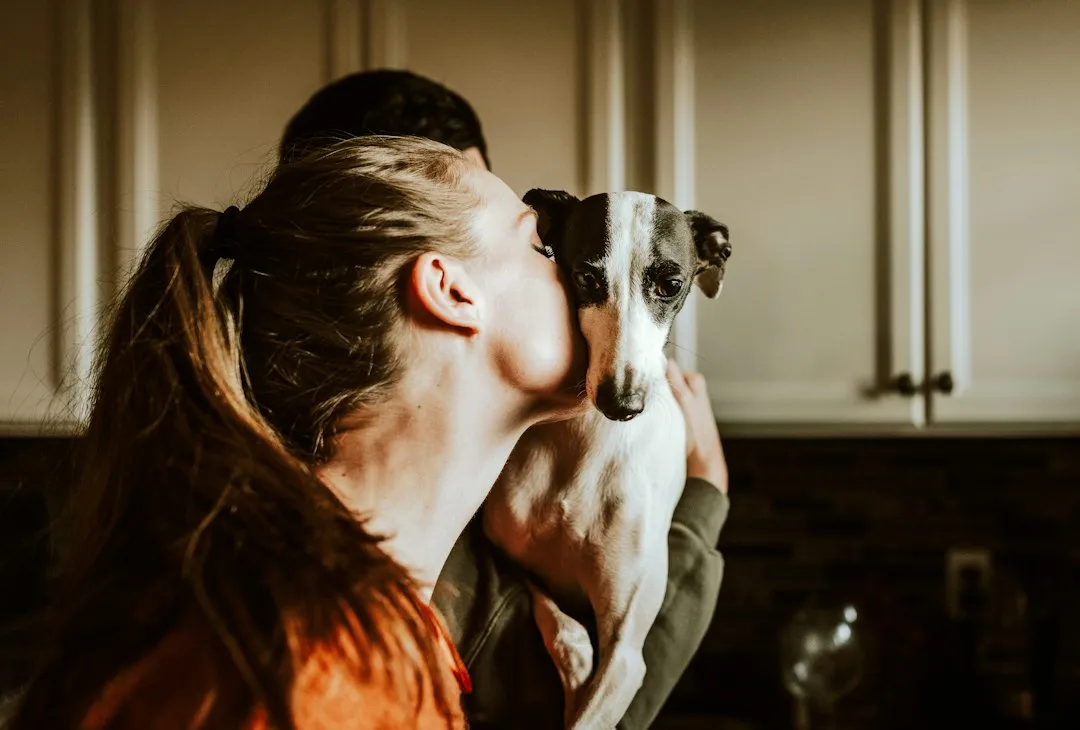
A pet trust allows owners to designate funds and specific care instructions covering everything from food and grooming to veterinary care and boarding. Owners can be as detailed as they choose about the animal’s daily routine, medical preferences, diet, exercise habits, and living conditions.
The trustee pays veterinary bills, verifies care, and can reassign the pet if the caretaker fails to meet their obligations. This built-in accountability mechanism is one of the key advantages over a simple bequest or informal arrangement.
Owners can also name backup caretakers if the initial caretaker is unwilling or becomes unable to care for the pet in the future. Naming at least one alternate is considered standard practice by most estate planning attorneys.
When the Trust Ends

The trust terminates upon the death of the last surviving animal covered by the trust. Any remaining funds do not simply evaporate at that point. They pass to what is called the remainder beneficiary, a person or organization designated in the trust document to receive leftover assets.
A pet trust holds money for the benefit of a named animal and makes someone legally responsible for spending it on that animal. Once that animal is gone, the trust’s purpose has been fulfilled, and the legal structure winds down.
Some owners designate an animal welfare organization as the remainder beneficiary, which creates a secondary layer of meaning. Others direct remaining funds back to family members or the caretaker as a form of compensation for their service.
Standalone Trust vs. Subtrust Within a Living Trust

A standalone pet trust is usually only necessary when the funding is very large, when the pet’s caretaker is different from the main estate’s trustee, or when the owner wants the pet provisions to take effect during incapacity as well as death.
For most pet owners, the more practical option is to include pet provisions as a subtrust within an existing revocable living trust. This approach avoids probate, can take effect at incapacity rather than only at death, and generally adds no significant extra cost to the estate plan.
The statute enables persons to create trusts for their animals, and such trusts can be enforced in the courts. Whether structured as a standalone document or embedded within a larger estate plan, the enforceability is what separates a pet trust from every informal alternative.
The Annual Cost of Pet Care Underscores Why Planning Matters
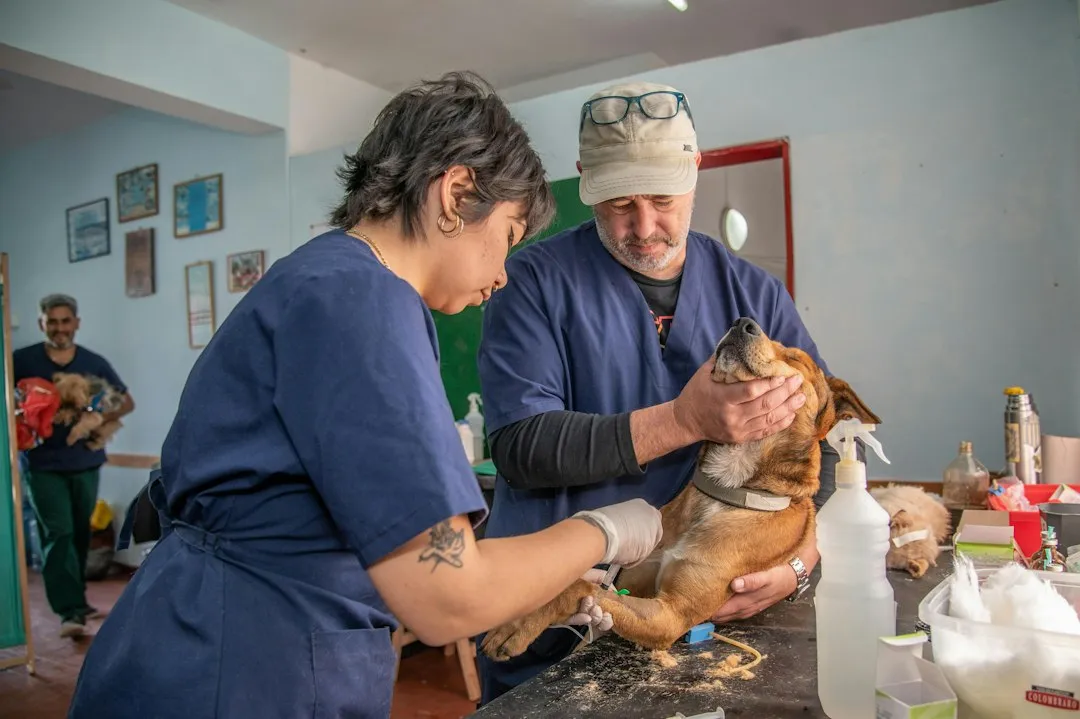
The basic annual expenditure for keeping a dog in the United States runs to roughly $2,500, while keeping a cat costs approximately $1,500 per year. Over a remaining lifespan of several years, those figures add up to a sum that most informal caregivers cannot reasonably absorb without dedicated funding.
U.S. owners spent roughly $158 billion on pets collectively in 2025. That level of spending reflects how seriously Americans take their animals’ wellbeing in life. A pet trust extends that commitment beyond it.
Without a formal arrangement, even the most well-intentioned friend or family member may find themselves unable to cover unexpected veterinary costs or long-term care expenses. A trust removes that uncertainty before it becomes a crisis.
Taking the First Step

Setting up a pet trust doesn’t require an elaborate legal process. If you wish to provide for a beloved pet after you die, a pet trust is straightforward to create. An estate planning attorney familiar with your state’s statute can typically include pet provisions within a broader estate plan at minimal additional cost.
Start by confirming that the caretaker, an alternate, and the enforcer are willing to serve before naming anyone in the document. Then cost the care carefully, build the funding figure from annual expenses and a realistic lifespan estimate, and keep the worksheet with the trust document itself.
The legal framework is already in place in every state. What’s left is a decision to use it, before the moment when it matters most arrives without warning.
A Quiet Form of Loyalty
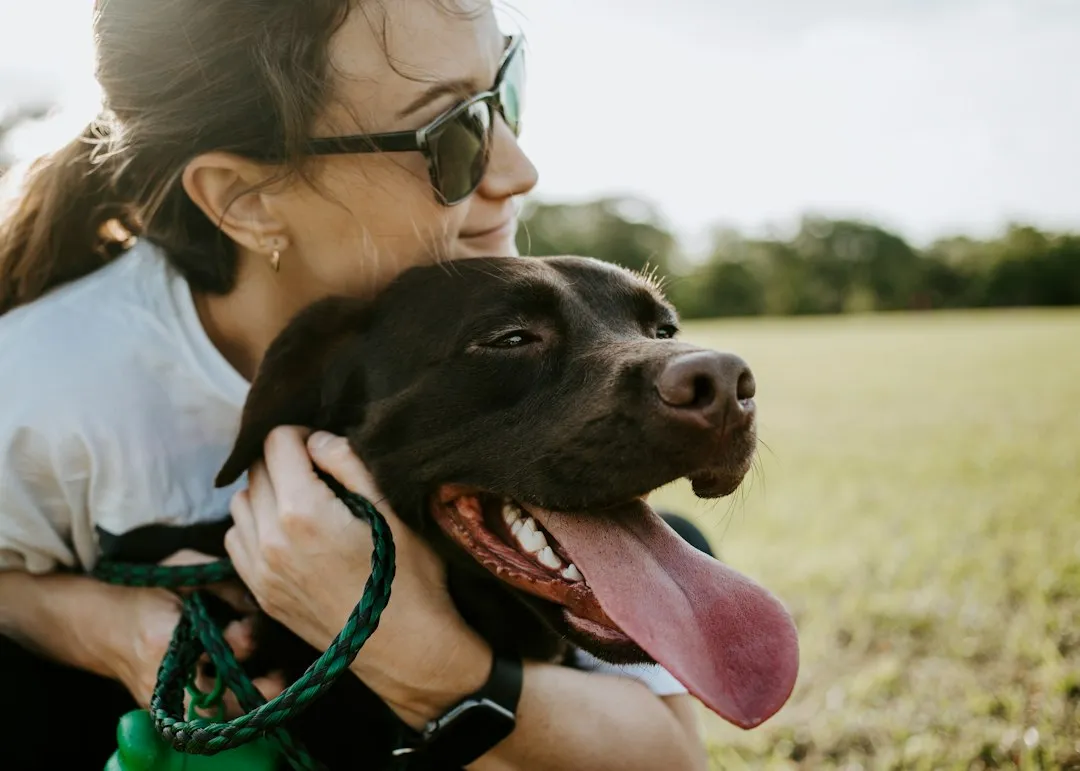
A pet trust won’t make headlines or change the way most people think about estate planning overnight. It’s a quiet, practical instrument, the kind that only gets noticed when it works exactly as intended and an animal that might otherwise have been surrendered to a shelter instead lives out its years in a familiar, funded home.
When nearly nine in ten dog owners consider their pet a member of the family, the gap between that feeling and the legal provisions protecting it is worth closing. A pet trust is one of the most direct ways to do it.
Planning for a pet’s future after your own is a small act, by estate planning standards. For the animal on the other end of the arrangement, it may be the most consequential thing you ever do for them.
AI Disclaimer: This article was created with the assistance of AI tools and reviewed by a human editor.