

Most people buy pet insurance imagining a straightforward transaction: you pay monthly, your pet gets sick, the insurer covers the bill. That’s the pitch, anyway. The reality, buried in multi-page policy documents, can look quite different when a claim comes back denied.
According to NAPHIA, roughly 7.6 million pets were insured in North America as of year-end 2025, and exclusion clauses are a standard feature of all those policies. Understanding what those exclusions actually cover, before you need them, is the kind of homework that can save you thousands of dollars.
Pre-Existing Conditions: The Number One Claim Killer

Pre-existing conditions are the number one reason pet insurance claims get denied. No standard pet insurance policy in the U.S. covers conditions your pet had before enrollment, and this exclusion is also the most misunderstood aspect of pet insurance.
Insurers review your pet’s complete vet records when a claim is filed, and if any related symptom, examination, or treatment occurred before the policy start date or within the waiting period, the claim may be denied. Common surprise denials include orthopedic conditions in dogs where “occasional limping” was noted years prior, and dental disease in older cats where a vet noted “mild tartar” at a previous exam.
A pre-existing condition is any illness or injury your pet had before your policy’s start date or during its waiting period. This includes chronic issues such as diabetes, allergies, arthritis, or recurring ear infections that started before coverage. Once something is labeled “pre-existing,” any future claims related to it are usually denied.
The Waiting Period Trap

Most pet insurance plans enforce a waiting period immediately after enrollment, commonly two to fourteen days for accidents and illnesses, with orthopedic conditions often carrying longer waits that can stretch several months. Any condition that arises or begins showing signs during a waiting period may be classified as pre-existing and excluded from future coverage.
If a condition develops during the waiting period, it will not be covered under your policy. The exclusion is permanent for the life of the policy with most carriers, and it applies even if the condition was entirely unforeseeable and you had no reason to suspect it.
The NAIC Pet Insurance Model Act bans waiting periods for accidents, caps illness and orthopedic waits at 30 days, lets a vet exam waive them, and bans waiting periods on renewals – in states that adopt the model. The critical phrase there is “in states that adopt the model,” which means protections vary considerably depending on where you live.
Bilateral Conditions: When One Bad Knee Costs You Two

Bilateral conditions are health challenges that may affect both sides of your pet’s body, like hip dysplasia or a cruciate ligament tear. This creates one of the more surprising traps in the fine print, one that catches many owners completely off guard.
If your pet has a bilateral condition, a problem on one side before or during the waiting period can exclude coverage for the opposite side. For example, if your dog has a history of right knee lameness before you enroll, even if the left knee is healthy at enrollment, many insurers will exclude cruciate ligament coverage on the left knee because cruciate injuries are statistically bilateral. This exclusion applies regardless of the waiting period – it is a pre-existing condition determination, not a waiting period issue.
Hereditary and Breed-Specific Exclusions

Hereditary and congenital conditions, meaning breed-linked illnesses or birth defects, are often excluded or limited. Hip dysplasia in large-breed dogs, for example, may have specific restrictions that only appear in the fine print.
Most pet insurance programs apply a six to twelve month waiting period specifically for hereditary and orthopedic conditions, which is longer than the standard fourteen-day illness waiting period, to prevent enrollment driven by suspected pre-existing issues. This means that even if your Labrador or French Bulldog has not yet shown any symptoms, the clock on hereditary coverage starts ticking from a later date than other conditions.
Hereditary or congenital conditions may be covered if they are not pre-existing and the plan includes that coverage, but some policies limit them through exclusions, add-ons, age rules, or waiting periods. Reading the breed-specific language in a policy before signing is essential, particularly for purebred dogs and cats.
Routine and Preventive Care: The Everyday Costs That Aren’t Covered

Standard accident and illness plans do not cover routine wellness care, including annual exams, vaccines, dental cleanings, and parasite prevention. These are the appointments pet owners schedule most regularly, and yet they fall entirely outside the standard policy.
Most pet insurance plans exclude specific treatments or situations for one simple reason: they’re considered predictable, preventable, or non-essential from a medical standpoint. From the insurer’s perspective, a scheduled vaccine appointment is not an unexpected event. It’s a budgetable expense the owner chose not to budget for.
Optional preventive care add-ons exist for this type of coverage, but they come at an added monthly cost and owners must weigh whether the math actually works in their favor based on how often they use those services.
Dental Disease: A Grey Area That Often Goes Against You

Dental care occupies a nuanced space in pet insurance. Most plans cover dental injuries like a fractured tooth from an accident and dental illnesses like tooth root abscesses. However, treatment for dental disease resulting from insufficient preventive care may be denied.
Standard policies typically cover dental issues caused by accidents, like broken teeth from trauma, and may cover dental disease such as periodontal disease if it is considered medical and only if the owner followed recommended cleanings. Routine teeth cleanings, cosmetic dental work, and dental problems due to lack of regular care are usually not covered.
What this means in practice is that the distinction between “dental illness” and “dental disease from neglect” is often made by the insurer after the claim is filed, not before. That’s a judgment call that can go either way, and rarely in a direction that benefits the owner.
Elective and Cosmetic Procedures

Procedures that aren’t medically necessary will not be covered by most pet insurance policies. The list is broader than many owners expect, particularly for owners of certain breeds where some of these procedures have traditionally been common.
Spay and neuter surgery is often excluded unless a wellness add-on applies. Declawing in cats is increasingly discouraged and usually excluded. Tail docking and ear cropping are classified as cosmetic surgeries and breeding-related services such as artificial insemination and whelping costs are also not covered.
Even in cases where a vet recommends a procedure, that recommendation does not automatically make it “medically necessary” in the insurer’s definition. The policy language is what governs, not the clinical opinion.
Behavioral Issues and Training Costs

Problems like separation anxiety or aggression, especially when treatment is training-based, are rarely covered. Training classes for aggression, for instance, are typically not reimbursed even when a vet has referred the owner to them.
Even if a vet recommends training to address behavioral problems, most pet insurance plans still categorize it as non-medical. This can be a significant gap for owners dealing with reactive or anxious dogs, where behavioral therapy can run into hundreds or even thousands of dollars.
Some plans do offer behavioral health riders, but these are uncommon and often narrowly defined. If behavioral coverage matters to you, it’s worth confirming precisely what the add-on covers before you pay for it.
Age-Related Exclusions and Senior Pet Limitations
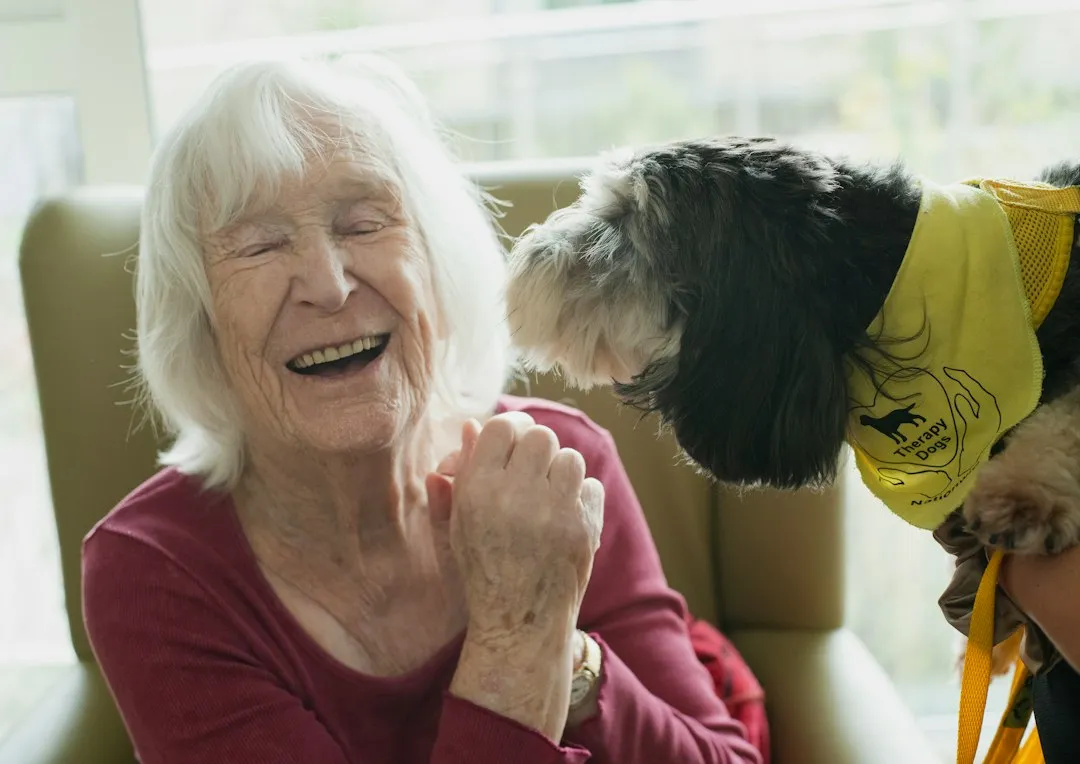
Insurance companies might deny claims for pets beyond a certain age, especially if they develop age-related conditions. Many policies have age cut-offs for coverage, which can be a rude awakening for pet owners of senior animals.
If your dog is over eight years old, some policies won’t cover arthritis treatment, a common age-related ailment. The irony here is that older pets are the ones most likely to need costly care, and they are also the ones most likely to run into policy limitations designed to manage risk on the insurer’s side.
Some carriers offer senior-specific plans or have no upper age enrollment limit, but those plans almost always come with higher premiums, more exclusions, or both. It pays to compare policy terms at enrollment rather than waiting until your pet is already in its senior years.
The Curable vs. Incurable Distinction That Changes Everything
Pet insurance companies usually place pre-existing conditions into two categories: curable and incurable. Curable conditions include bladder infections, diarrhea, ear infections, urinary tract infections, and vomiting. Incurable conditions include allergies, arthritis, cancer, diabetes, epilepsy, heart disease, and kidney disease.
Curable pre-existing conditions like urinary tract infections and ear infections may be covered after twelve to twenty-four months symptom-free, depending on the insurer. Incurable conditions, however, are excluded permanently by virtually all major providers.
Pet owners often expect pet insurance to operate like human health insurance, where the Affordable Care Act bars pre-existing condition exclusions. Pet insurance is regulated as property and casualty coverage, so it does not follow the same rules. That is a fundamental difference most people don’t realize until it’s too late.
The Fine Print Requires a Different Kind of Reading

A Veterinary Times data review revealed that roughly sixteen percent of denied pet insurance claims were rejected simply because the procedure was explicitly excluded in the fine print. That’s not a small number, and it represents a gap between what owners expected and what their policies actually promised.
The insurer must clearly disclose waiting periods before you buy, and it has the burden of proving a pre-existing condition exclusion applies to a claim. Knowing that gives owners a foundation to push back when a denial feels unfair, but it only helps if you understand what the policy actually says before filing.
As of 2024, fewer than five percent of all pets in the United States were covered by an insurance policy, which suggests most pet owners are still absorbing costs entirely out of pocket. For those who do enroll, reading the exclusions section first, not last, is the single most practical thing they can do.
Final Thoughts

Pet insurance can genuinely protect you from catastrophic veterinary costs, and for many owners it delivers real value. The problem isn’t the product itself. It’s the gap between what the marketing suggests and what the exclusions page actually permits.
The fine print isn’t buried there to deceive you. It’s the actual contract. Pre-existing conditions, waiting periods, bilateral clauses, dental disease definitions, breed limitations, and age restrictions all shape what you’ll receive when it matters most. The owners who get the most out of their coverage are almost always the ones who enrolled early, read carefully, and asked specific questions before signing.
A policy that covers your pet for new, unexpected conditions starting at a young age, with no undisclosed prior health history, is exactly what pet insurance was designed to do. Everything else depends on what’s in the document you agreed to.
AI Disclaimer: This article was created with the assistance of AI tools and reviewed by a human editor.