

Most dog owners think about paw care only when something obviously goes wrong. A limp, a whimper, or a dog that suddenly stops dead on the sidewalk. By that point, though, the damage has usually already been done. Winter streets are far harsher on a dog’s feet than they look from your warm coat and boots, and veterinarians consistently emphasize one thing: the check you do after every cold-weather walk matters more than most people realize.
Even a short walk in cold weather can cause problems for your dog’s paw pads, particularly in regions with snow, ice, and frequent use of de-icing products. Paw pads are tough, but they are still living tissue and can be damaged by repeated exposure to freezing temperatures, moisture, and chemicals. What follows is a practical, step-by-step look at exactly what vets recommend you check, and why.
Understand What Paw Pads Are Actually Made Of
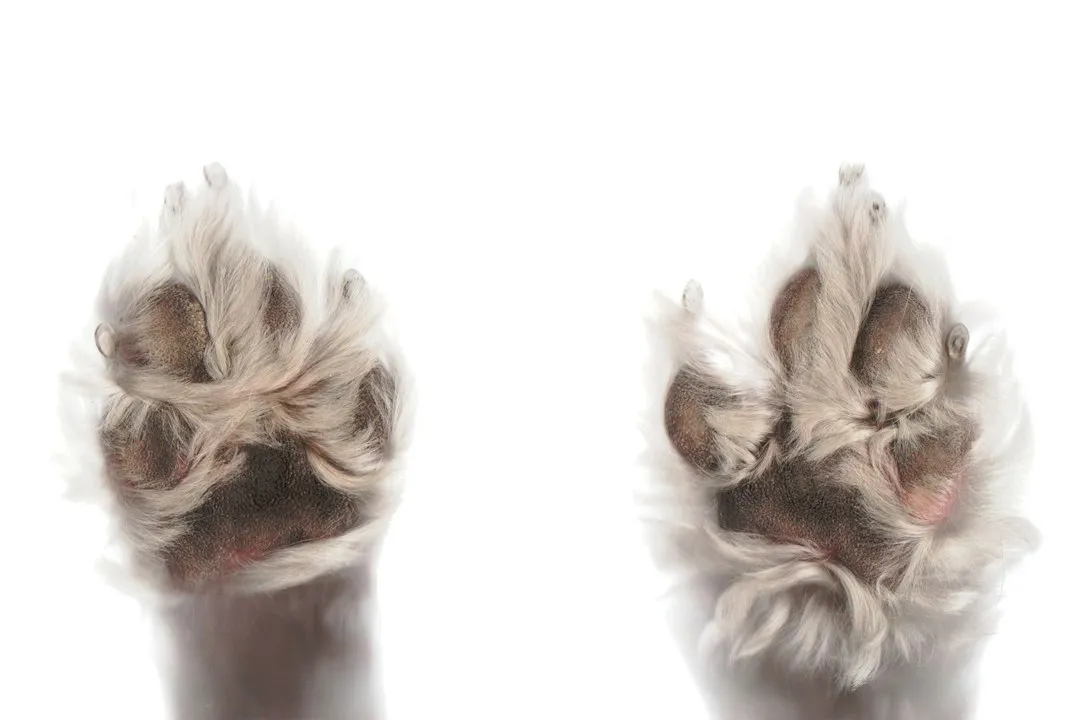
Before you know what to look for, it helps to know what you’re looking at. A dog’s paw pads consist of a layer of pigmented skin, usually pink or black, covering fatty tissue. Since fat is insulating, this gives pups a bit of protection from colder surfaces in the winter.
Your dog’s paw pads are tough, but they aren’t invincible. Pads are made of fatty tissue and thick skin designed to absorb shock and provide traction. In winter, that same tough tissue becomes vulnerable to a surprisingly wide range of hazards, from jagged ice edges to chemical residue from road treatments.
The cold, dry air can dry out paw pads, which are still made of skin. In the presence of crisp, low-moisture air, this exposed skin can crack or otherwise become irritated, much like our lips during the winter months. If not treated properly, cracked paw pads can bleed or, in severe cases, become infected.
Check for Cracking and Dryness First
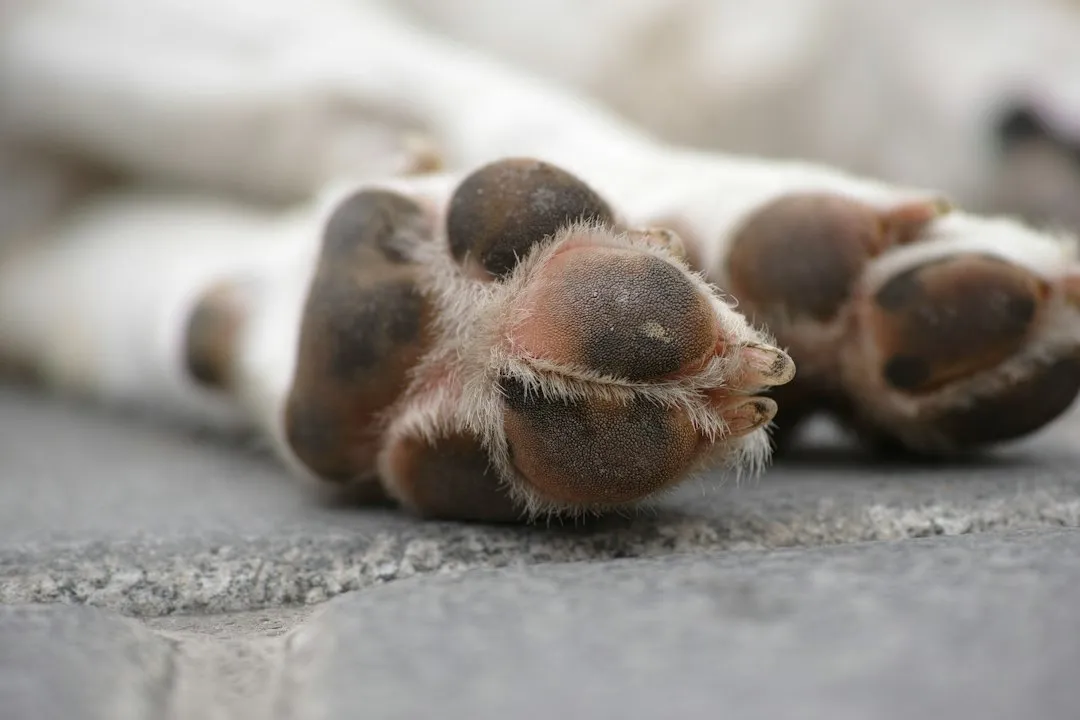
Cold air holds less moisture, and repeated contact with frozen or abrasive surfaces pulls natural oils from the paw pads. Over time, this can lead to rough texture, painful cracks, and even bleeding, similar to how human skin becomes chapped in winter.
Run your fingers gently across each pad after every walk. What you’re feeling for is texture. Healthy pads should feel firm but not brittle. When the temperature drops, your dog’s paw pads are vulnerable to drying out and cracking, which can be painful and lead to infections.
Indoor heating keeps us cozy in winter but can dry out your dog’s paws too. The dry air can cause paw pads to crack and dry out, which is uncomfortable and may lead to more serious issues if untreated. So even on rest days, dryness can build quietly indoors.
Look Between the Toes for Ice Balls
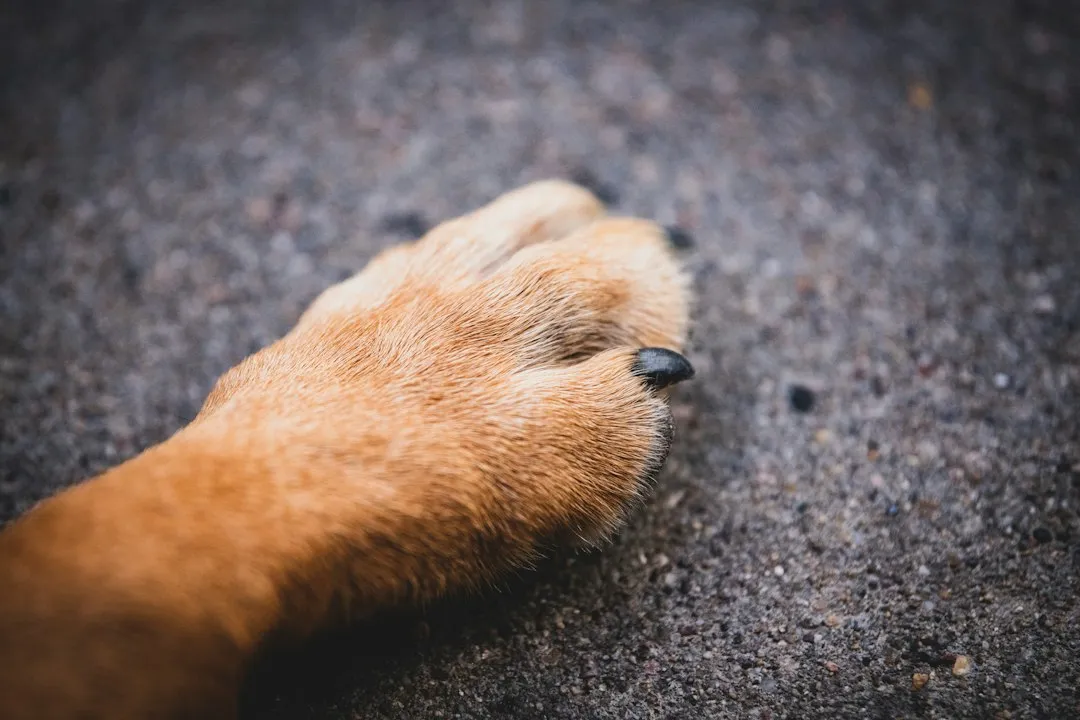
Cold weather also increases the risk of ice balls forming between the paw pads, especially in breeds with longer fur. These can be uncomfortable and cause your pet to slip on icy surfaces.
Snow and ice can pack between paw pads, forming painful ice balls that make walking difficult and can cause frostbite. This is one of the most commonly overlooked post-walk issues, particularly because dogs will sometimes continue walking without obvious complaint even when ice is building up between their toes.
If you notice your dog limping or lifting a paw when you’re out for a walk, lift up the paws and check for snow or ice balls between the toes. Gently remove snow or ice balls. Doing this as soon as you return indoors prevents the problem from worsening as the ice melts unevenly.
Inspect for Redness and Signs of Salt Burns
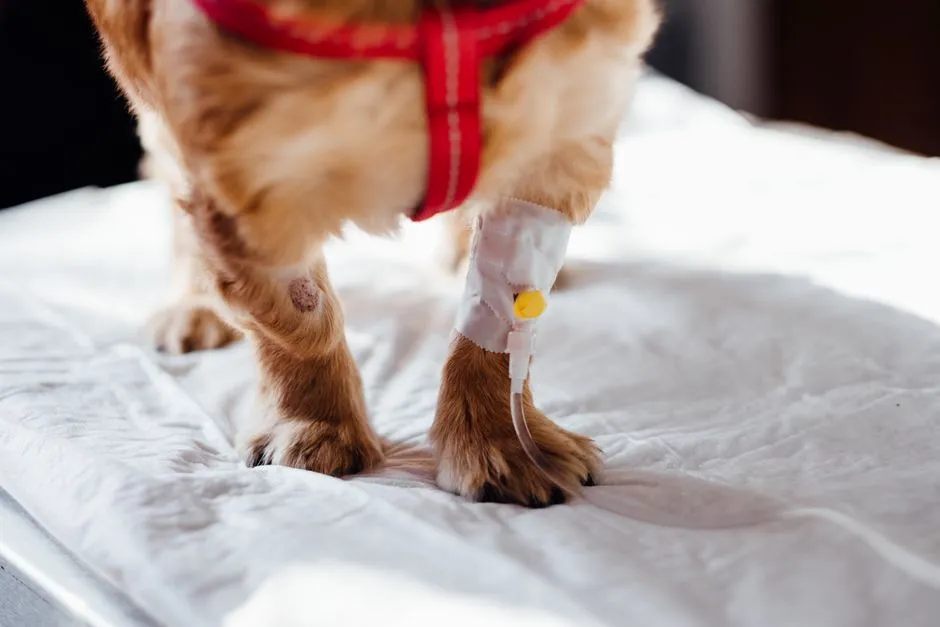
Rock salt that is commonly used to melt ice can cause injuries, irritation, or burns to paws. A dog’s paw pads could become sore from repeatedly stepping on rough salt crystals. Or, a sharp edge could cut into a dog’s paw, resulting in a laceration and bleeding.
On the surface of the paw pads, salt can cause chemical burns. These burns can make their paws red, itchy, or appear rashy. Redness is one of the clearest early warning signs, and catching it early keeps things manageable.
Check the pads and between the toes for redness, cracks, wounds, discoloration, or any other signs of concern. Salt on a dog’s paws can cause excessive dryness, cracking, or even burns of paw pads, especially with prolonged or repeated exposure. With any paw discomfort, a pup might lick or chew excessively, which can make the issue worse and lead to an infection.
Watch for Excessive Licking After the Walk

If your dog is licking or chewing their paws non-stop, it could indicate irritation from rock salt, ice balls, or even allergies. Excessive licking may lead to further damage, so it’s best to investigate this further.
This is worth taking seriously because the licking itself creates a secondary problem. Salt and chemical ice melts can burn paw pads, cause cracking, and may be toxic if your dog licks their paws after walking on treated surfaces.
Regular cleaning also helps reduce the risk of your dog licking their paws and ingesting harmful substances like antifreeze. Antifreeze is particularly dangerous, and its presence on winter roads is a genuine seasonal hazard many owners don’t factor into their post-walk routine.
Rinse and Dry Paws Thoroughly Every Time
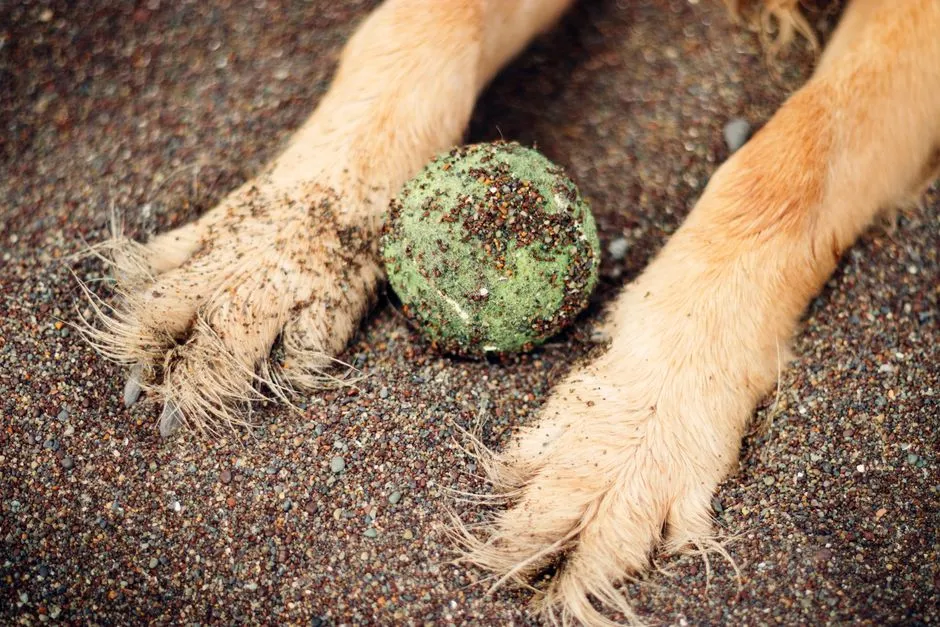
After each walk, rinse your dog’s paws with warm water to remove salt, ice, and debris. Dry them thoroughly to prevent moisture from causing further irritation.
After every trip outside, clean and dry your pet’s paws. A thorough rinse helps remove any built-up road salt, chemicals, or other debris. Once their paws are clean, be sure to dry them as best as possible. Moist environments favor bacterial growth, so drier is always better.
After walks, rinse your dog’s paws with warm water to remove salt, de-icers, and debris. Pay attention to the spaces between the toes. Dry thoroughly to avoid irritation and fungal infections.
Know the Signs of Frostbite on Paw Pads
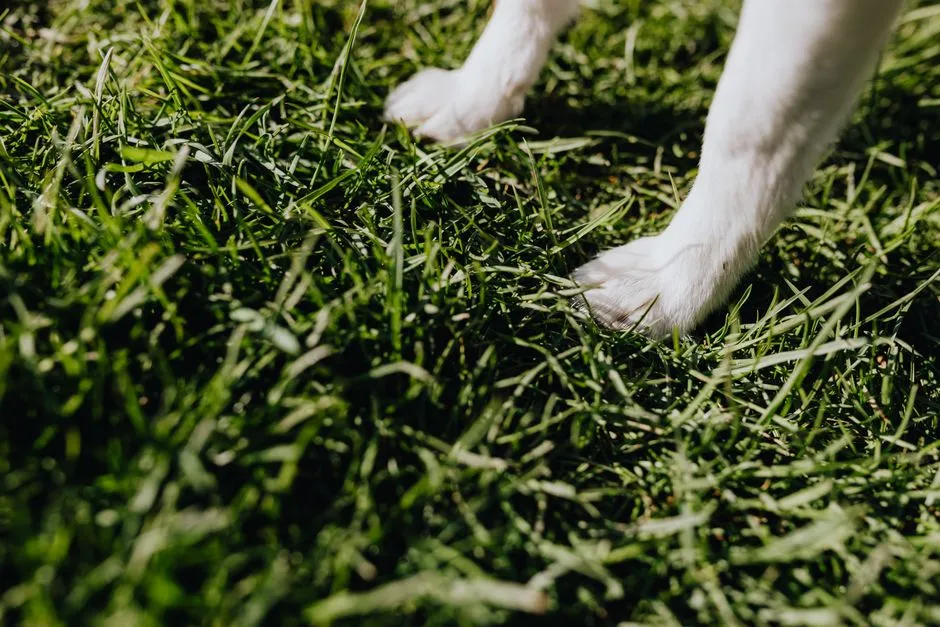
The paws, ears, and tail are the most common tissues to be affected by frostbite. If a dog is wet or damp, these areas are more vulnerable. The trouble with frostbite is that it can look minor at first, then worsen significantly as the tissue warms up.
The clinical signs associated with frostbite include discoloration of the affected area of skin, often pale, gray, or bluish, and coldness or brittleness of the area when touched. As frostbitten tissues thaw, they may become red and painful due to inflammation. The clinical signs of frostbite may take several days to appear.
Frostbite should not be treated at home. If you notice signs of frostbite on your pup, leave it to the experts, as you can do more harm than good if you warm the skin too rapidly. Dogs are at risk of frostbite in temperatures lower than 32°F for more than 30 minutes.
Apply Paw Balm Before and After Walks
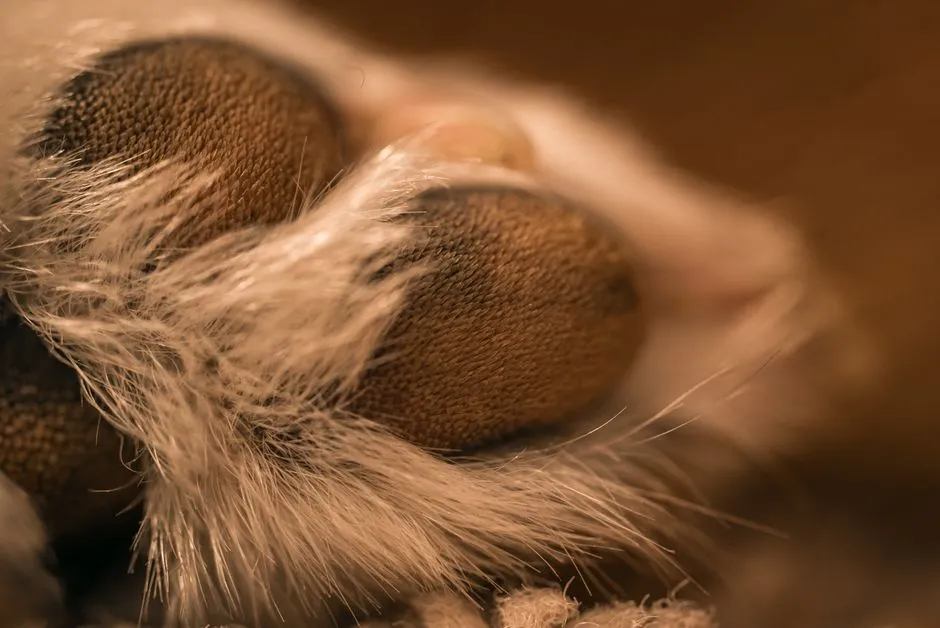
According to veterinary experts, paw pads need to retain moisture to stay resilient against freezing temperatures and rough surfaces, so consider applying balm before and after outdoor walks.
Slather your pup’s pads in dog paw wax or paw balm, such as a beeswax-based moisturizer, before hitting the streets for a winter walk. The moisturizing balm acts as a barrier to help keep out ice and harmful chemicals. You can also use paw balm to soothe and moisturize your dog’s paw pads after walks. Just make sure to clean away any ice, salt, or chemicals first.
If your dog resists wearing booties, use a paw wax for protection. High-quality products create a barrier that repels water and keeps salt from penetrating the skin.
Consider Trimming Fur Between the Toes
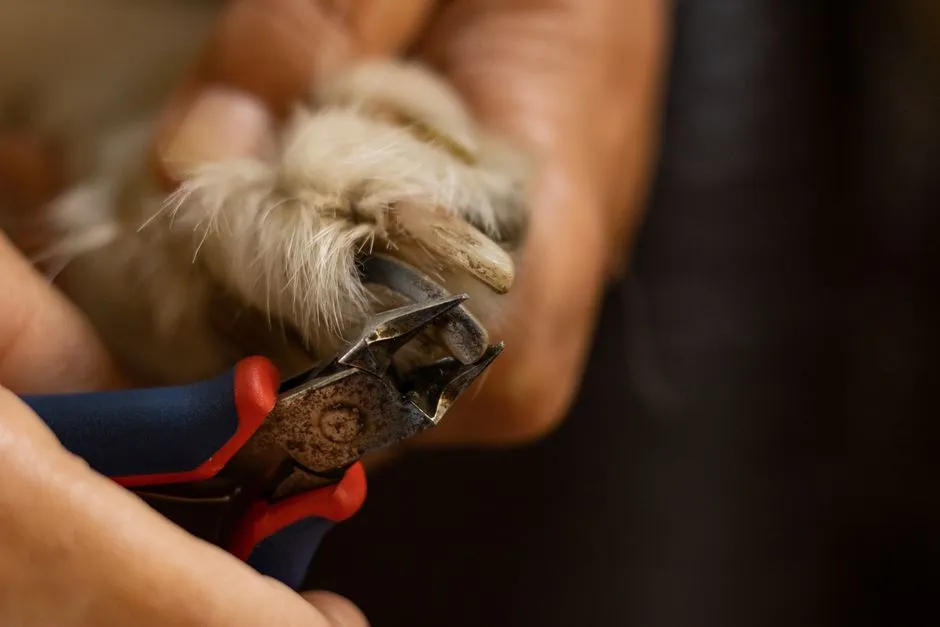
Keep the hair between your dog’s paw pads trimmed short to prevent ice ball formation. This is one of the simplest preventive steps and one that many owners skip, particularly in long-haired breeds where the fur between the toes grows dense and fast.
During the cold, snowy months, dogs with long fur can attract snow and ice to the fur between their toes and create little snowballs. Not only are these hard to walk on, but they are freezing to your dog’s feet. The little nerve endings in their paw pads and toes can lead to frostbite.
A small trim around the toes takes about two minutes and can spare your dog a significant amount of winter discomfort. You don’t need to be precise about it, just enough to reduce what the snow can cling to.
Know When to Call the Vet
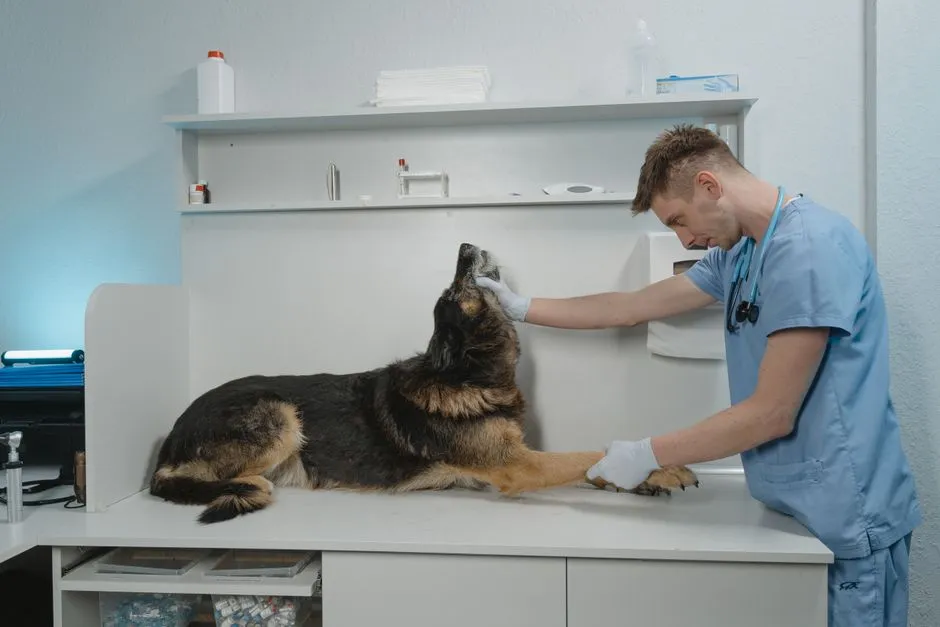
Ongoing swelling or bleeding, including any redness or bleeding that lasts longer than a few hours, should be checked out by a vet. Cracks that won’t heal may also require veterinary attention.
Winter chemicals like ice melts can cause chemical burns on delicate paw pads. If you see blistering or your pet is clearly in discomfort after exposure, immediate veterinary help can prevent further damage.
In some cases, frostbite in your dog’s paws can lead to infection or permanent tissue damage, so don’t wait to seek veterinary help if you notice any of these signs. If you suspect your dog has frostbite, it’s important to bring them in for an evaluation. Report any concerns to your veterinarian.
The Takeaway
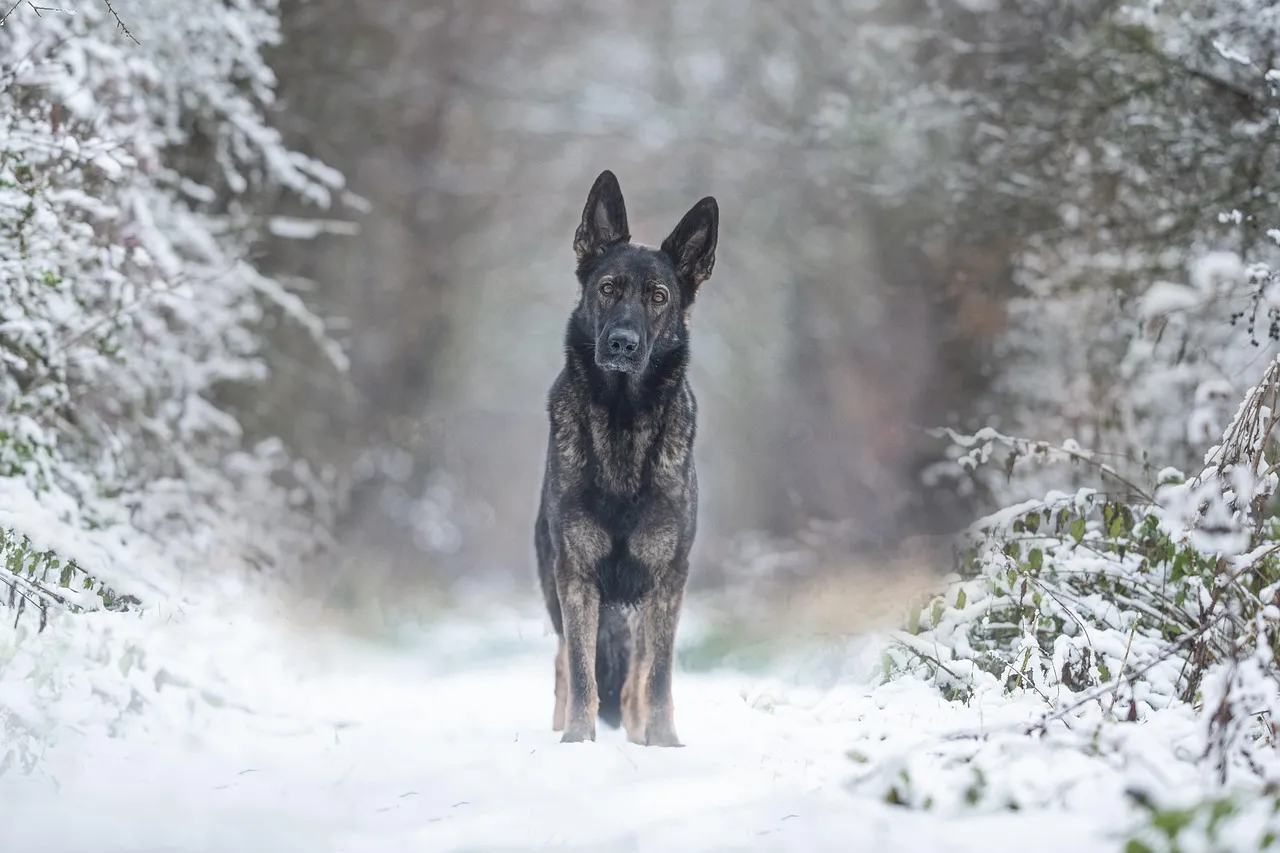
Winter paw care doesn’t need to be complicated, but it does need to be consistent. Prevention is the cornerstone of effective winter paw care. Addressing paw injuries after they occur is not only costly, but also causes unnecessary pain and discomfort for your dog. Proactive measures like rinsing paws after walks, applying protective balms, and using booties help minimize exposure to harmful conditions and substances.
The post-walk check takes less than two minutes once you get into the habit. You’re feeling for cracks, looking for redness, clearing out ice from between the toes, and rinsing off whatever the sidewalk left behind. Dogs that walk on untreated snow, icy sidewalks, or salted pavement day after day may experience cumulative irritation that worsens over the course of the winter.
Small problems caught early stay small. That’s the whole point of the check, and why vets recommend it every single time your dog comes through the door after a winter walk.
AI Disclaimer: This article was created with the assistance of AI tools and reviewed by a human editor.