
It Starts Innocently Enough
Paw licking is a habit in which dogs use their tongues to remove dirt and debris trapped in their paw structures. It’s typically followed by a strong release of endorphins, which keep dogs calm and secure. That natural reward loop is part of why the behavior can escalate so easily.
Self-grooming is normal for dogs. It’s part of their process, especially when they enter the house after walking outdoors. The line between healthy grooming and a problem sign can be surprisingly thin, and it often takes an observant owner to catch it early.
Allergies Are the Leading Culprit
The most common reason for excessive paw licking in dogs is itchiness caused by allergies. This applies across breeds, ages, and lifestyles, making it the first thing vets consider when a dog presents with persistent paw chewing.
Flea and environmental allergies in dogs are very common and cause widespread inflammation that leads to itchiness, which your dog may attempt to relieve by licking. The paws pick up airborne allergens directly from the ground, which partly explains why the feet are such a frequent target.
Environmental allergy, known as atopic dermatitis, is the one that shows up on paws most often. Estimates of how common it is range from about 3% to 15% of dogs, and the American College of Veterinary Dermatology notes the true figure is not well established. A 2025 study cited in veterinary sources found that the paws were involved in 73% of French bulldogs with allergic skin disease.
Food Sensitivities Can Show Up on the Paws
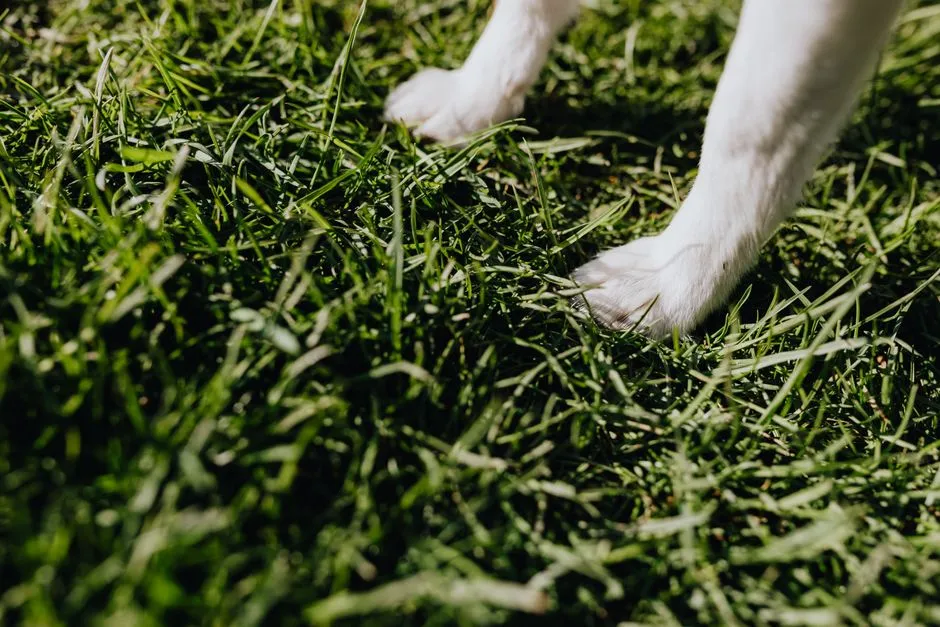
Food allergies occur when a dog’s immune system is hypersensitive to proteins in foods like beef, dairy, chicken, wheat, and lamb. Many owners never connect a dietary sensitivity to a paw problem because the two seem so unrelated.
Food allergies are often challenging to pinpoint. They frequently develop when the dog is under a year old. An itchy face and itchy ears may accompany food allergies. In this case, a vet usually suggests a special diet or eliminating certain ingredients in your dog’s food to alleviate any underlying problems.
Yeast and Bacterial Infections Create a Vicious Cycle
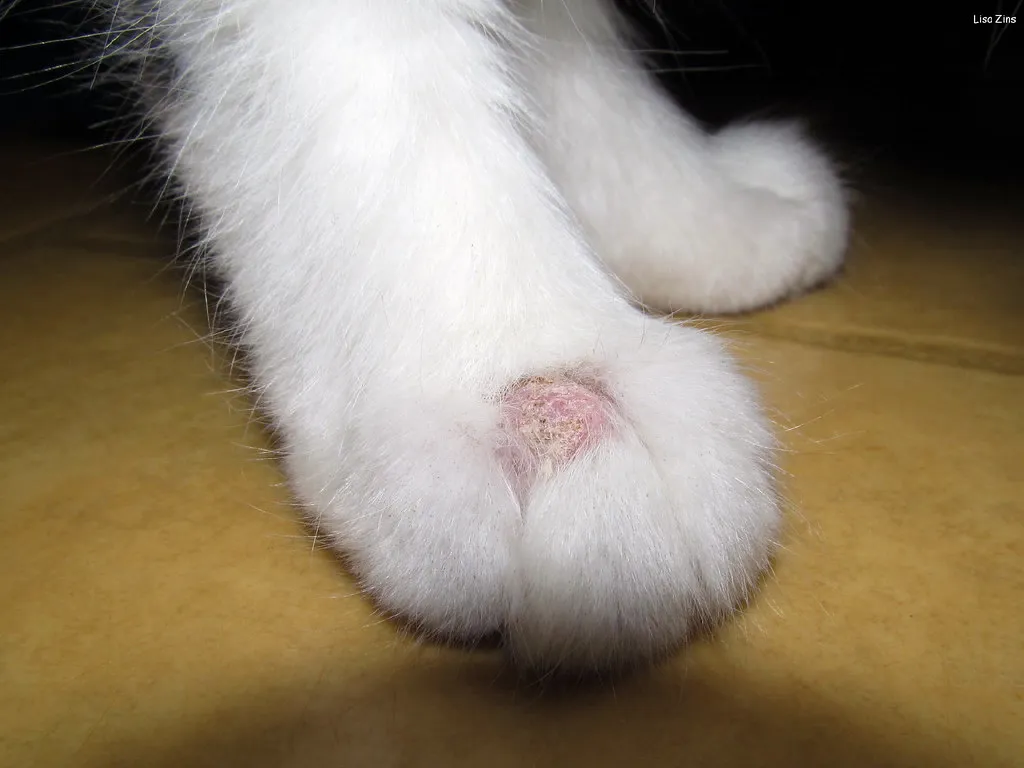
When a dog frequently licks their paws, the area becomes damp and grows susceptible to bacteria and yeast. That creates a cycle: the itch drives licking, and the licking feeds the infection. Breaking that loop is one of the more frustrating parts of treatment.
Yeast, specifically the Malassezia species, can overgrow in the warm and moist environment between the toes. Dogs with yeast infections may show symptoms such as itching, redness, greasy or waxy discharge, and an unpleasant odor. That musty smell coming from the paws is often the first clear clue that yeast is involved.
The mechanics of the licking and chewing leads to broken skin, and bacteria and yeast are introduced via the claws and mouth. Secondary infections will lead to red and swollen skin, as well as crusting, oozing and a musty or foul smell.
Pain and Injury Can Trigger the Habit Too
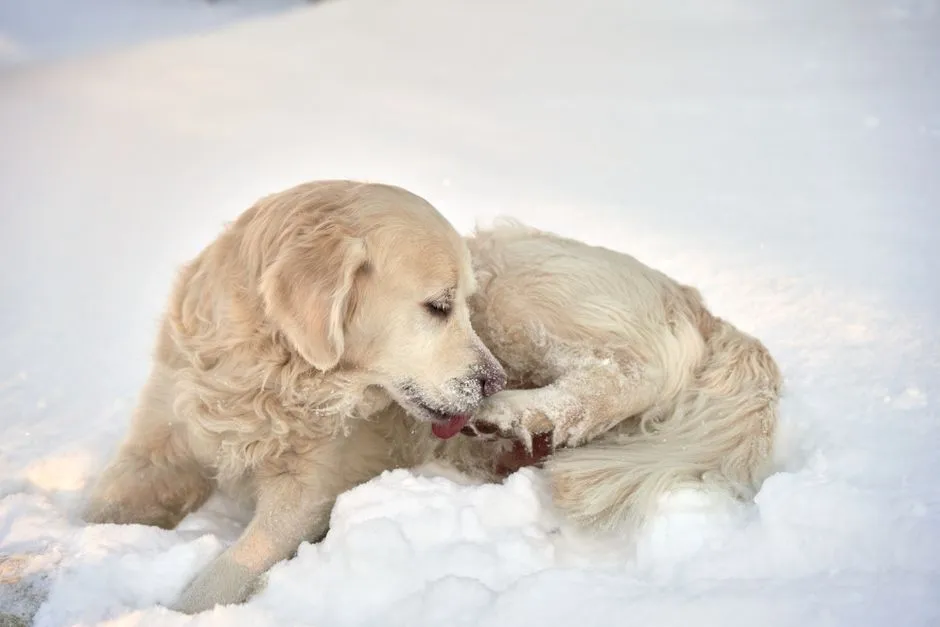
A paw injury is one of the most immediate causes of a dog licking their paws. Cuts, stings, fractured nails, paw pad burns from hot pavement in summer, or exposure to road salt in winter are all possibilities that are easy to overlook during a quick visual check.
Pain from a dog’s arthritis, trauma, or nerve damage can also cause this behavior. Older dogs in particular may begin licking a joint not because the paw itself is irritated, but because deeper discomfort beneath the surface is radiating there. It’s worth remembering that dogs can’t point to where it hurts.
Parasites Are a Frequently Overlooked Trigger
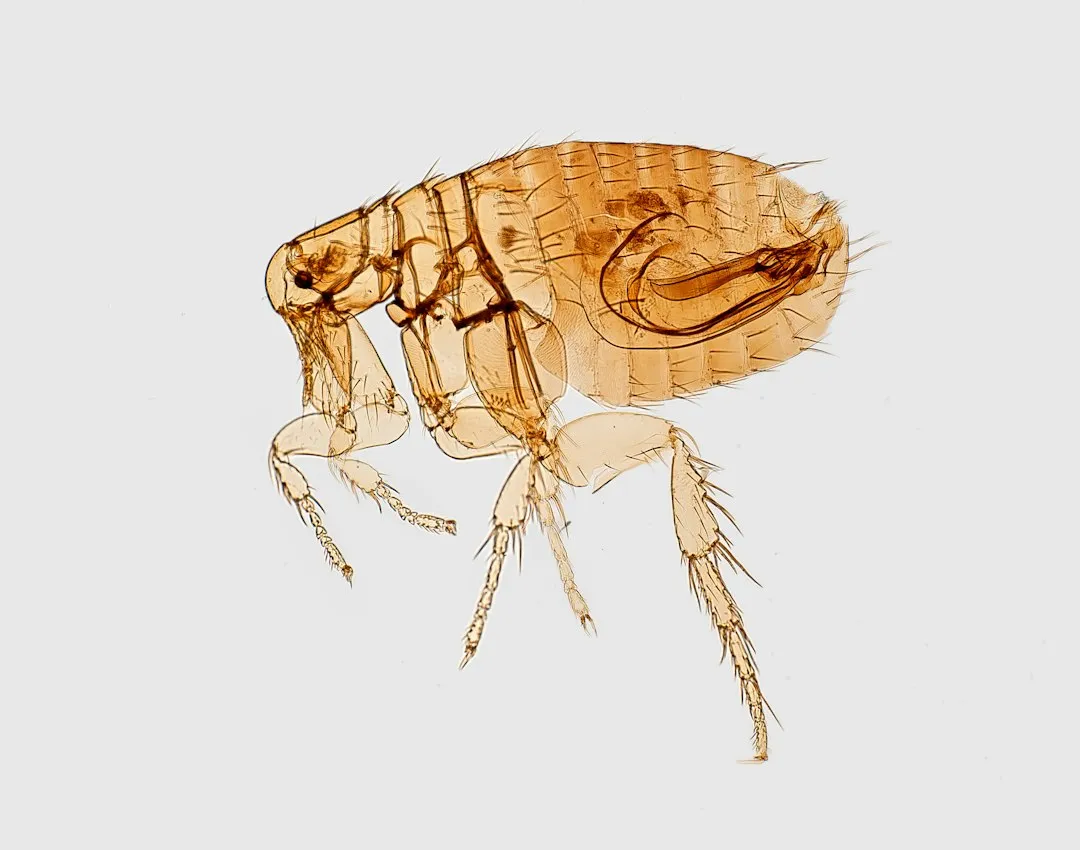
Parasites like fleas, ticks, and mites can cause itching and pain and lead to more serious conditions if they’re not eliminated. Certain mites, such as harvest mites, can be particularly itchy and are common on the feet and legs. Other mites favor legs and feet but are not visible to the naked eye, such as demodex mites.
Insect bites, such as from fleas or other insects, can cause irritation, swelling, and discomfort, often leading to paw licking. These parasites often reside in grassy or wooded areas and can burrow between the toes, causing significant discomfort. A dog that seemed fine before a walk in a park can come back already starting to chew at its feet.
When Anxiety and Boredom Drive the Behavior

Anxiety and boredom are often mentioned as possible reasons for paw licking, but studies show they’re far less common than medical causes. Anxiety and allergic skin disease can share similar signs, which can lead to the assumption that the behavior is due to anxiety, but true anxiety-driven paw licking is uncommon, and a vet will usually only consider it after skin disease and pain have been ruled out.
If your dog is only licking their paws while you’re away, they might be doing it because of separation anxiety. Context matters a great deal here. Licking that happens exclusively during alone time or stressful situations points in a different direction than licking that happens constantly, regardless of mood.
Dogs with allergies may lick more during anxious moments, which can make the behavior seem anxiety-based even when the underlying problem is actually itchiness. This overlap regularly leads owners down the wrong path.
Canine Compulsive Disorder Is a Real Condition
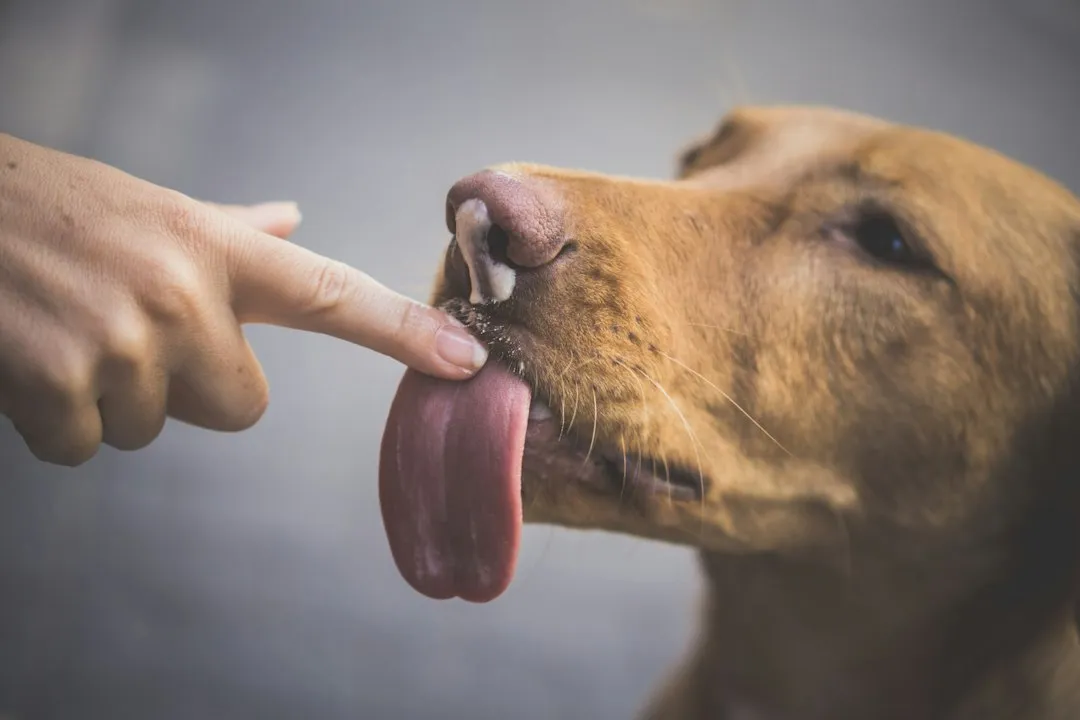
Canine compulsive disorder can occur in some dogs. It is thought to have a genetic link because some breeds are more susceptible than others, although any breed can develop this disorder. CCD is characterized by normal behaviors that a dog performs in a frantic and repetitive way. These behaviors can include incessant licking, sucking on toys, spinning in circles, and pacing, among others.
Because behavioral causes are diagnoses of exclusion, meaning the diagnosis is only reached after other causes are ruled out, veterinary input is important. In rare cases where anxiety or a compulsive disorder is most likely, treatment may involve behavior modification, environmental changes, and sometimes medication.
What Happens When It Goes Untreated
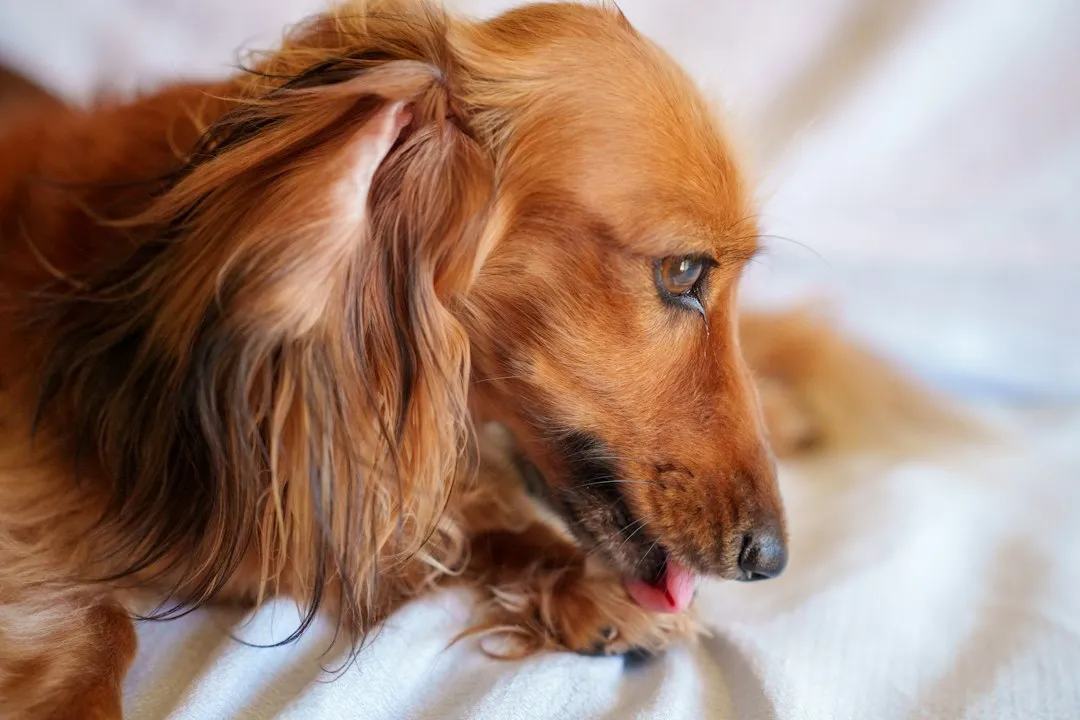
In more extreme cases, excessive licking can lead to a secondary condition known as acral lick dermatitis or a lick granuloma. This constant trauma from the licking leads to open sores and a thick, red plaque forming. These lesions are notoriously stubborn to treat, particularly once they become infected.
Lick granulomas can be tough to treat, especially if no underlying cause is found. Time and patience are required to clear up this problem. Most lesions are infected at the time of diagnosis, and systemic antibiotics are recommended for 6 to 8 weeks. The sooner the habit is caught and investigated, the far less complicated the road back to health tends to be.
Treatment Depends Entirely on the Root Cause
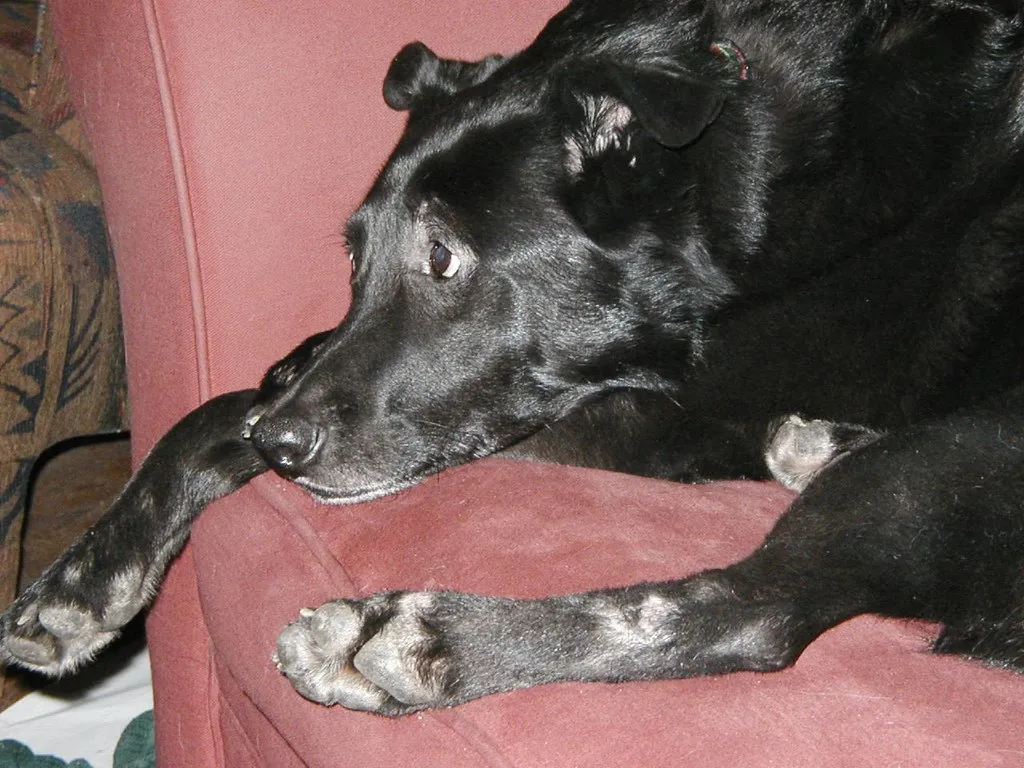
Treatment options vary depending on the underlying cause of a dog’s excessive licking. Allergies are the most common cause of paw licking in dogs. For allergies, current AAHA guidelines for allergic skin disease cover medications such as Apoquel (oclacitinib) and Cytopoint (lokivetmab), which target the itch directly.
Antihistamines, oral antibiotics, and regular foot baths using medicated shampoos may help reduce discomfort and inflammation. In some cases, a veterinarian may also consider immunotherapy or hypersensitization vaccines as a treatment option.
Many dogs with allergy-related pododermatitis can be managed successfully with long-term treatment. Dogs whose paw inflammation is caused by foreign bodies, parasitic diseases, or nutritional disorders also often have favorable outcomes once the underlying issue is resolved.
When to Stop Watching and Start Acting
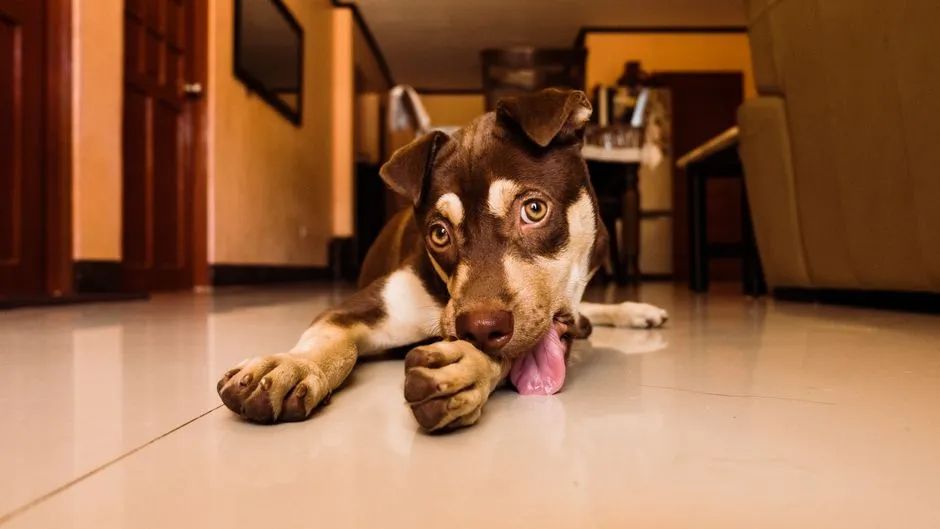
Licking that lasts more than a few minutes, leaves paws damp or rust-stained, or disturbs sleep points to allergic or yeast pododermatitis and is worth investigating. Rust-colored staining between the toes, in particular, is one of the most reliable visual signals that something medical is going on.
Early intervention is crucial to prevent long-term health issues and infections related to excessive paw licking. Early detection of excessive paw licking can help improve outcomes. Careful observations about when and how often the licking happens provide valuable information for veterinarians. Keeping a simple log of when the behavior happens, whether it’s seasonal, and which paw or paws are involved can genuinely speed up diagnosis.
The Takeaway
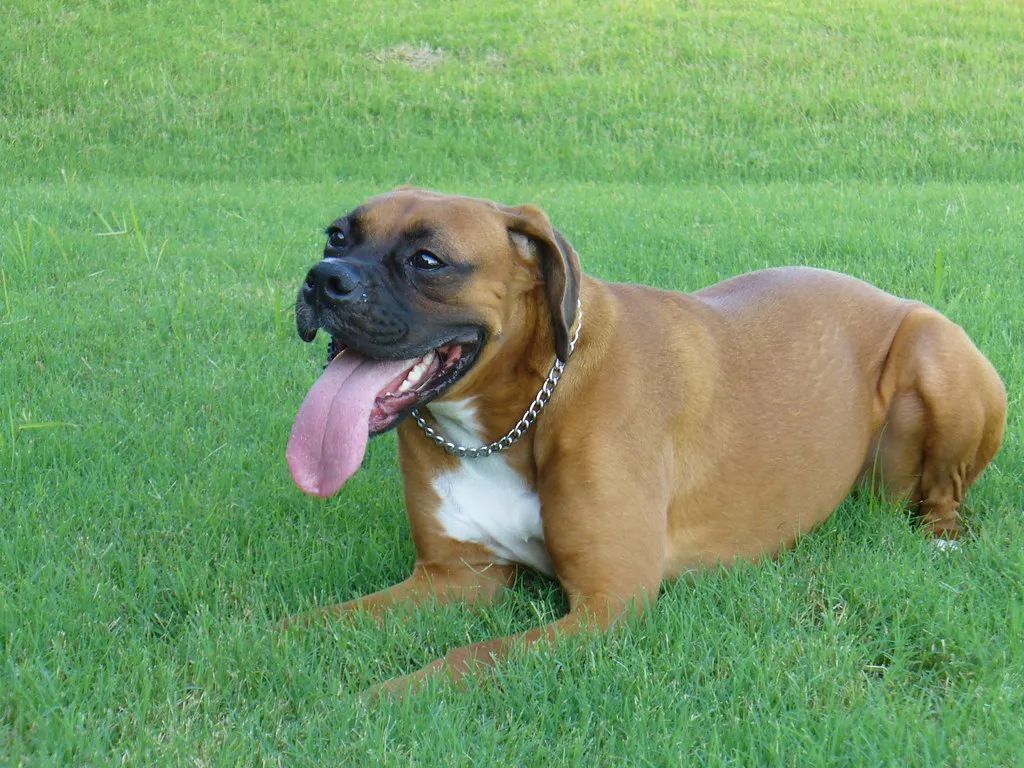
A dog licking its paws is one of those things that’s very easy to tune out, especially when it seems mild. The problem is that by the time the skin is raw, stained, or visibly infected, the underlying cause has often been brewing for weeks or months. The behavior is almost always communicating something.
Paying closer attention to the pattern rather than just the act itself is usually where the real answer hides. Is it seasonal? Only on one paw? Worse after walks? Those details, shared early with a vet, make all the difference between a quick fix and a long, complicated treatment road.
AI Disclaimer: This article was created with the assistance of AI tools and reviewed by a human editor.