

Most people assume a pantry moth problem starts with a dirty kitchen. In reality, it usually starts with a container that looks perfectly fine sitting on the shelf. The mistake is subtle, easy to make, and surprisingly common, even in tidy homes.
Kitchens full of unsealed containers and spilled food create an irresistible environment for female moths looking for the ideal place to lay eggs. You might be doing everything else right, rotating your stock, wiping down shelves, buying good quality food, and still find yourself with an infestation. The container choice is where most people quietly go wrong.
The “Airtight” Label Does Not Always Mean Airtight

One of the most widespread pantry mistakes is trusting a container’s marketing more than its actual seal. Many plastic containers advertised as “airtight” have been found to harbor moth pupa cases inside, leading people to discard them entirely once the problem is discovered. The label and the reality are not always the same thing.
Moths cannot break into sealed containers. Instead, they squeeze through tiny gaps, and if a gap is large enough to slide a piece of paper through, a moth could potentially get in as well. That warped plastic lid you’ve been using for two years? It’s worth a second look.
Thin Plastic Bags Are Not a Barrier, They’re a Welcome Mat
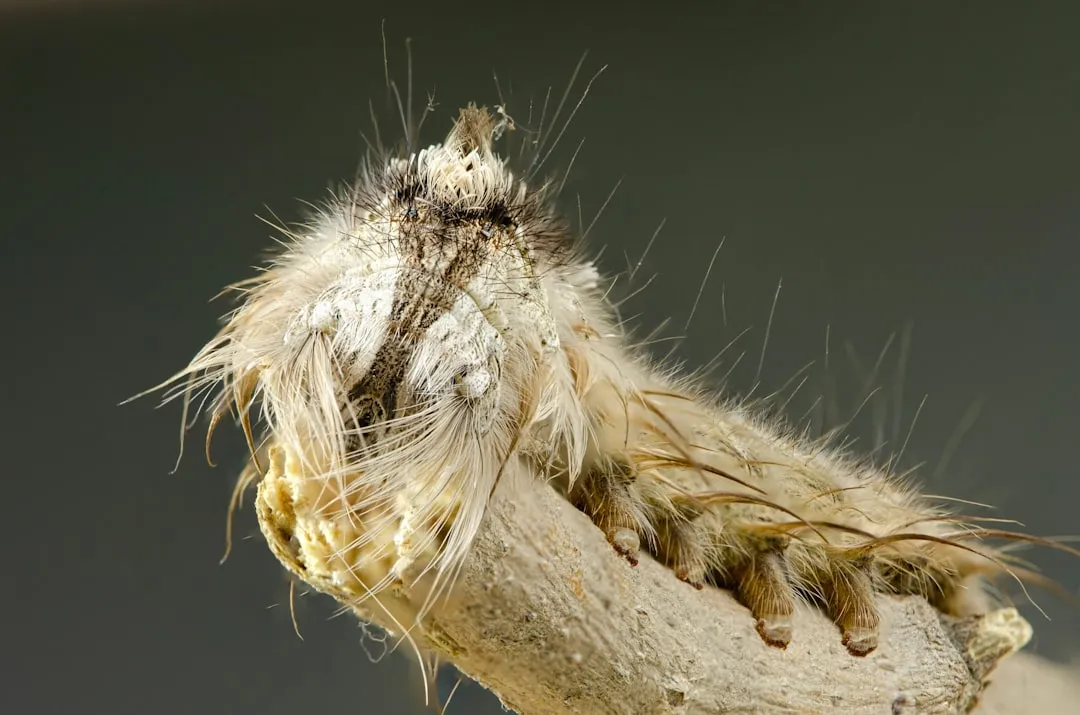
Pantry moth larvae can chew through plastic bags and thin cardboard, so even unopened packages may become infested. This is one of the most underappreciated facts about these pests. Storing flour or oats in a zip-lock bag offers very little real protection.
The most common cause of an infestation is keeping food in its original packaging. Plastic film, paper, or cardboard are no hindrance to moths, and their larvae will simply chew tiny holes into the packaging to get to the food. If you’re pouring cereal back into its box and folding the top down, that’s not protection at all.
Bringing Infested Food Home Before the Problem Even Starts
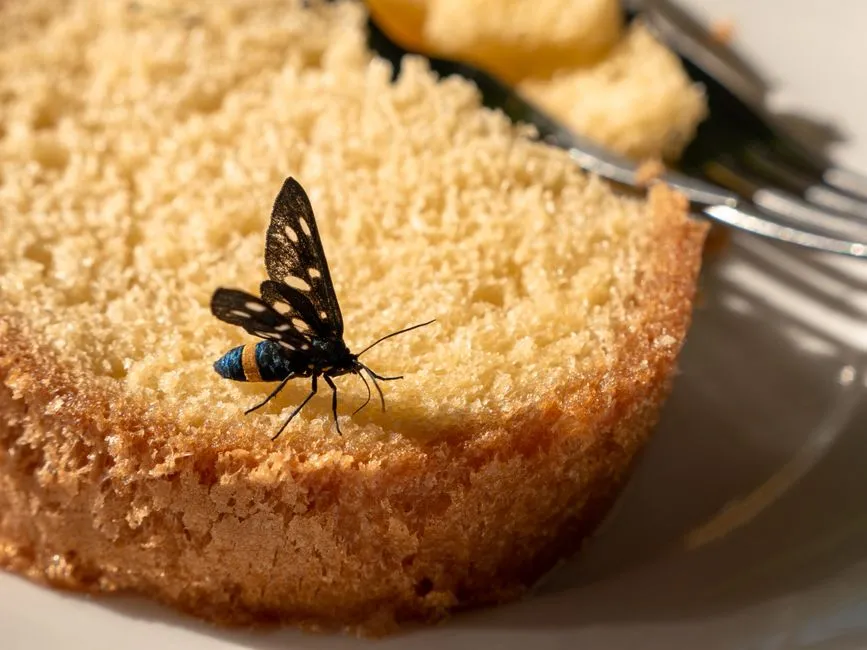
It’s likely that most people bring pantry moths home themselves. Although pantry moths can enter via doors and windows, most infestations probably start when we inadvertently bring home eggs and caterpillars in our dried foods. The grocery store shelf, not your pantry, is often where the infestation originates.
These pests are brought into homes from items purchased at the grocery store, in pet food, and in birdseed. Once indoors, they may infest other items in your pantry by entering through small openings in packaging. Sealing food immediately on arrival matters far more than most people realize.
Storing Food Without Freezing It First

High chances are that during packaging, eggs may get into food packages. When you buy the affected food package and take it home, you may innocently store the food in a sealed container without knowing it already contains eggs, which then hatch into larvae inside. The container keeps other moths out but traps the problem inside.
Freezing new dry goods for 72 hours kills any existing eggs or larvae. After freezing, items should be transferred to airtight containers before returning them to the pantry. This extra step, easy to skip, is one of the most effective precautions available to home cooks.
Ignoring the Lid Rim, Where Eggs Actually Hide
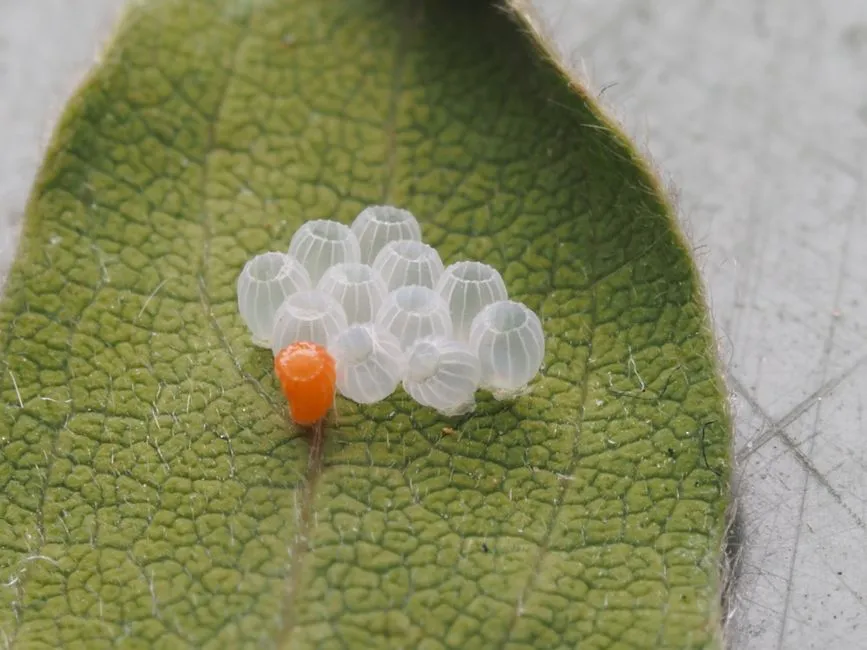
Pantry moth eggs are nearly transparent and glued to surfaces you don’t expect, including the underside of shelves, screw holes, and the rim of flour jar lids. Simply refilling a container without washing it first gives any residual eggs a warm, food-adjacent home to hatch in.
Pantry moth eggs are tiny, between 0.3 and 0.5 mm, pearly white, and look like dust specks on grains, jar lids, and package seams. They hatch in about seven days at room temperature. At that size, they’re practically invisible during a casual kitchen clean-up, which is exactly why so many infestations go undetected until they’re well established.
The Range of Foods That Containers Fail to Protect
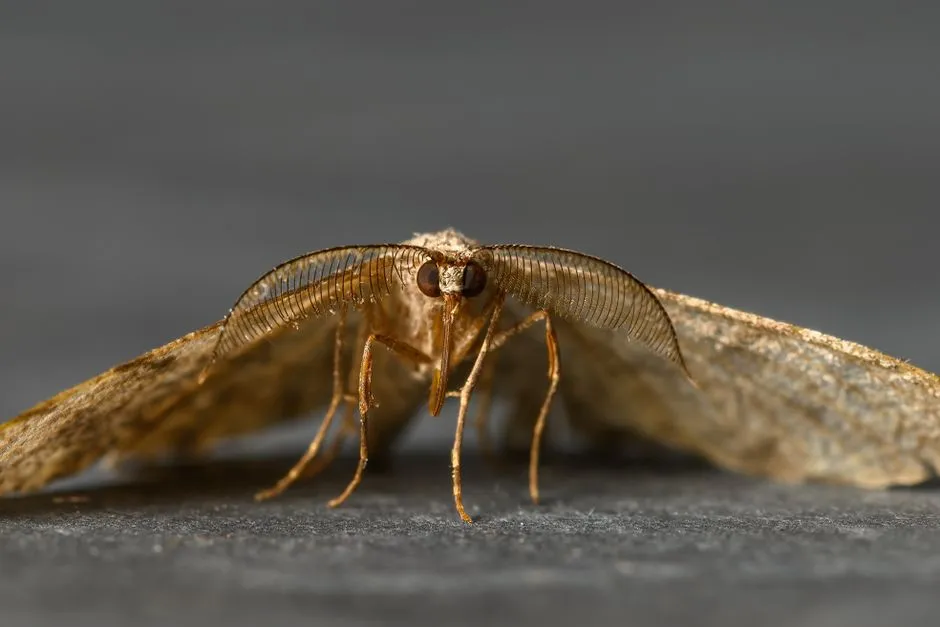
Pantry moth larvae attack a wide range of products, including cereal, grains, beans, nuts, flour, dried fruit, birdseed, dry animal food, spices, chocolate, and candies. Many people only think to use proper storage for flour and grains, leaving spices, chocolate, and pet food in their original, inadequate packaging.
Moths seek out dark and isolated areas where they won’t be bothered while they reproduce and lay eggs. Larvae don’t require much food, so even spare crumbs or discarded leftovers may attract them. A container sealed on top but sitting next to crumbs on the shelf is still a risk.
Warm Temperatures Speed Up the Problem Inside Your Pantry
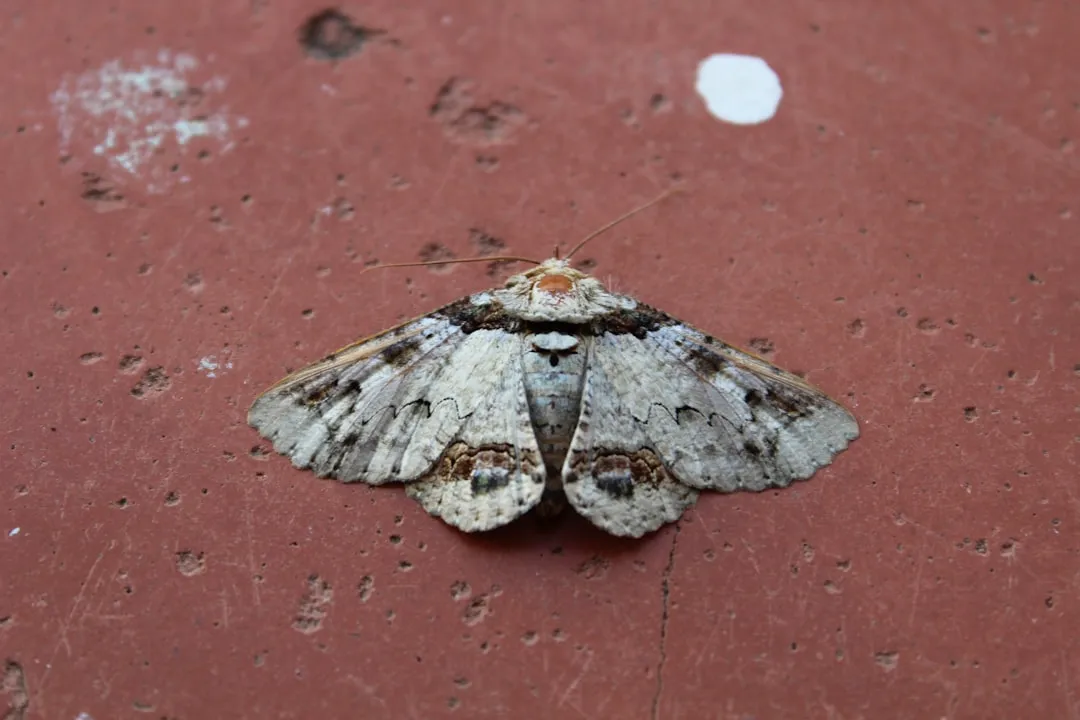
Like many insects, pantry moths develop more quickly at warmer temperatures. At warmer temperatures, females also lay more eggs and caterpillars are more likely to survive to adulthood. This is why summer is peak season for infestations, and why a container with even a small gap becomes far more dangerous in warm months.
Temperature affects how fast eggs develop. At room temperature, between 70 and 80 degrees, eggs hatch in about a week. Warmer conditions speed this up, and cooler temperatures slow it down. This is why pantry moth problems often worsen in summer, as faster development means faster population growth.
One Female Moth Can Cause a Full-Scale Infestation
Depending on the type of pantry moth, a single female can lay anywhere between 50 and 400 eggs, so even just one female is capable of causing major problems. That context makes the container seal issue far more urgent. One gap, one moth, and the math works against you quickly.
The trouble arises when female moths lay their eggs in or around food. The tiny eggs hatch into barely visible cream-coloured caterpillars small enough to crawl into poorly sealed food containers, where they begin to feed. As they grow, caterpillars produce large amounts of silk webbing and faeces, both of which contaminate food.
The Hidden Danger of Forgotten or Old Pantry Items
Old or rarely used foods are prime targets for pests because they remain undisturbed for long periods. Pantry moths and beetles often lay their eggs in forgotten grains and baking ingredients, leading to a surprise infestation months later. A container that looked fine six months ago may have been compromised long before you reach for it again.
When you clean out your pantry, you’re removing adults and larvae you can see. But eggs remain hidden in packaging folds, jar lids, and shelf corners. Those eggs will hatch days or even two weeks later, starting the cycle again. This is precisely why people feel like they’ve solved the problem, only to find moths back within weeks.
What Actually Works: Glass, Hard Plastic, and Consistent Inspection

Thick plastic or glass with airtight seals create a true barrier. According to the National Pesticide Information Center (NPIC), larvae chew through plastic only when it’s thin, so rigid containers made of thick plastic or glass are safe. This is the most reliable prevention method. It’s a simple upgrade that makes a concrete difference.
Preventing an infestation can be done by inspecting food packaging before purchasing it from the grocery store and, once purchased, storing it properly in airtight, glass, hard plastic, or tin containers. Combined with the freezing step for new bulk goods, this approach addresses the two main entry points: the container gap and the food itself.
To remove eggs effectively, throw out infested food in sealed bags, vacuum all shelf seams, wash surfaces, and store dry goods in airtight containers. Freezing new bulk foods at 0 degrees for 72 hours before storing is also strongly recommended. Consistency matters more than any single clean-out.
The Takeaway

Pantry moths are not a sign of a dirty kitchen. They’re a sign that container choice and food transfer habits haven’t kept pace with what these insects can actually do. Pantry moth infestations can grow rapidly if left untreated, making early detection important. The good news is that the fix is straightforward.
Swap out flimsy plastic or worn lids for rigid, genuinely airtight glass or hard plastic containers. Freeze bulk purchases before shelving them. Check lid rims when refilling. These aren’t dramatic interventions, they’re quiet, consistent habits that close the gaps moths have been quietly exploiting. The container sitting in your pantry right now might be doing less than you think.
AI Disclaimer: This article was created with the assistance of AI tools and reviewed by a human editor.