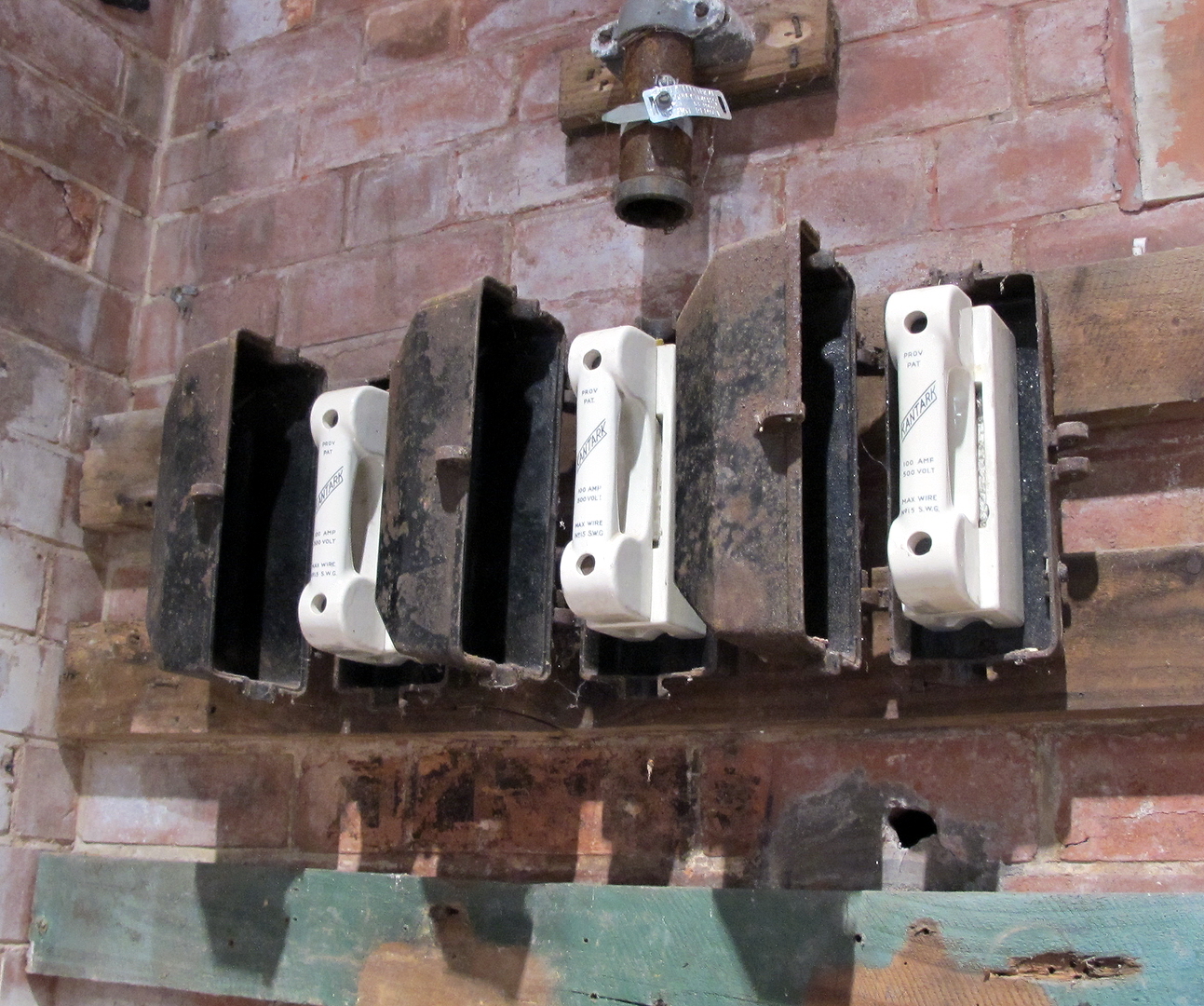

Most homeowners don’t think about their fuse box until something stops working. It sits behind a small door in the hallway or basement, doing its job quietly, and that invisibility is exactly the problem. By the time you notice something is wrong, the real damage has often been building for years.
The failure of old fuse boxes is rarely a dramatic, sudden event. More often it’s a slow, invisible process involving corrosion, heat stress, wrong fuse sizing, and a home drawing far more power than these aging systems were ever designed to handle. Understanding what’s actually happening inside that panel can make a real difference.
The Capacity Gap Nobody Talks About
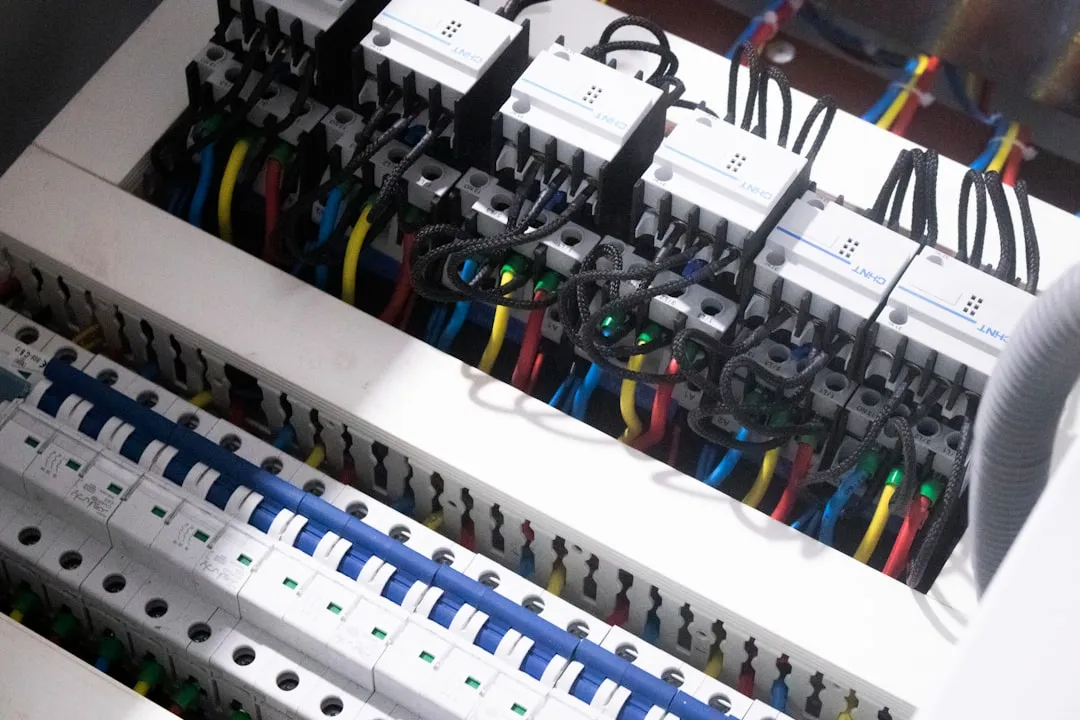
Older fuse boxes typically handle only 60 amps, compared to 200 amps in modern panels. They were common in homes built before the 1970s and are now largely obsolete. That wasn’t a design flaw at the time. Homes in that era ran a refrigerator, a few lights, and maybe a radio.
Most fuse box systems were designed for homes that used much less electricity than today’s homes. Modern appliances, electronics, and HVAC systems require more power, which can place extra strain on an older fuse box. The gap between what the box was built for and what it’s being asked to do today is enormous, and that gap quietly degrades the system long before any visible sign appears.
Corrosion: The Slow, Silent Killer
Corrosion increases resistance. Higher resistance creates heat. Heat can then damage terminals, plastic housings, and nearby wiring. In some cases, corrosion also creates unintended electrical paths, causing circuits to behave unpredictably.
Corrosion or fretting at terminals and bus bars leads to high resistance and heat buildup, a process that unfolds over years without any obvious warning. A fuse box doesn’t need to be waterlogged to corrode. Routine humidity, condensation from seasonal temperature shifts, and minor moisture exposure from a nearby pipe can all trigger the same chain reaction.
Moisture Intrusion You Can’t See
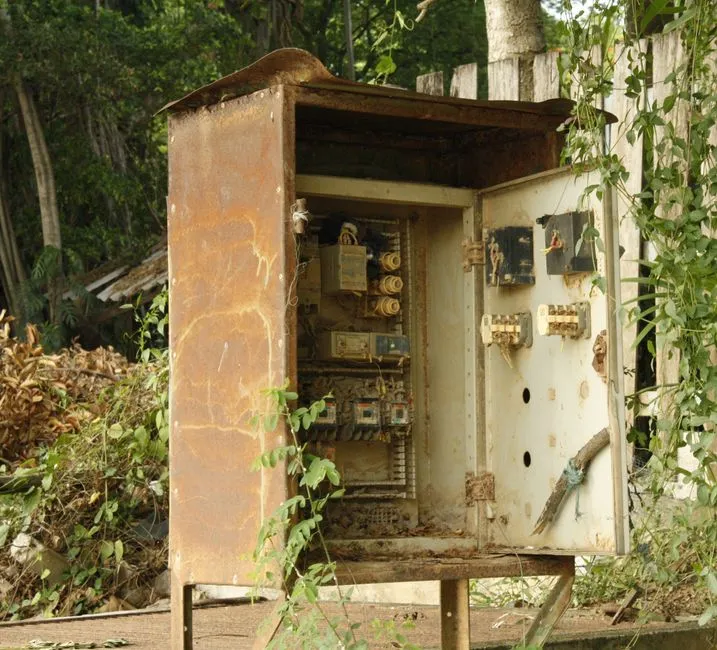
Dust, moisture, and temperature shifts all contribute to degradation. If your fuse box is exposed to extreme heat, cold, or dampness, its components will wear out faster. The trouble is that moisture intrusion in a home fuse box is often completely invisible until the corrosion has already done substantial damage.
A fuse box with moisture inside may show strange symptoms such as headlights turning on by themselves, relays clicking repeatedly, or the battery draining overnight. In a residential context, the equivalent signs are flickering lights, circuits behaving oddly under load, or breakers tripping for no apparent reason. Water intrusion into a fuse box can cause short circuits, corrosion, and catastrophic failure of electrical systems.
Wrong Fuse Sizes: A Common and Dangerous Workaround
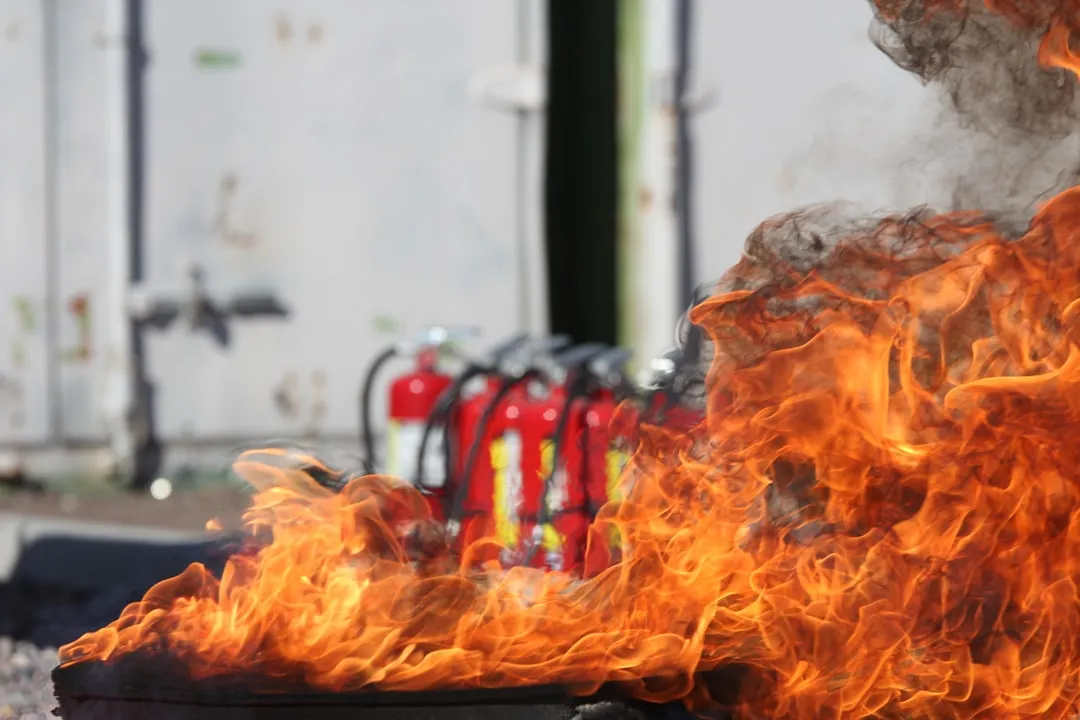
People sometimes install incorrect amperage fuses to stop frequent trips. This bypasses crucial overload protection and creates serious hazards. Wires can overheat without proper protection from the correct fuses. It seems like a practical fix in the moment, but it’s one of the most common ways an old fuse box deteriorates faster than it should.
Different fuses are rated for different amperage. If you introduce a 20-amp fuse to a 15-amp circuit, it may try to draw more power than it can handle and you risk fire. It’s possible to replace a blown fuse with an incorrectly sized one, creating a significant fire hazard. This is a known problem that pre-dates any individual homeowner’s tenure in a property.
Heat Stress That Compounds Over Decades
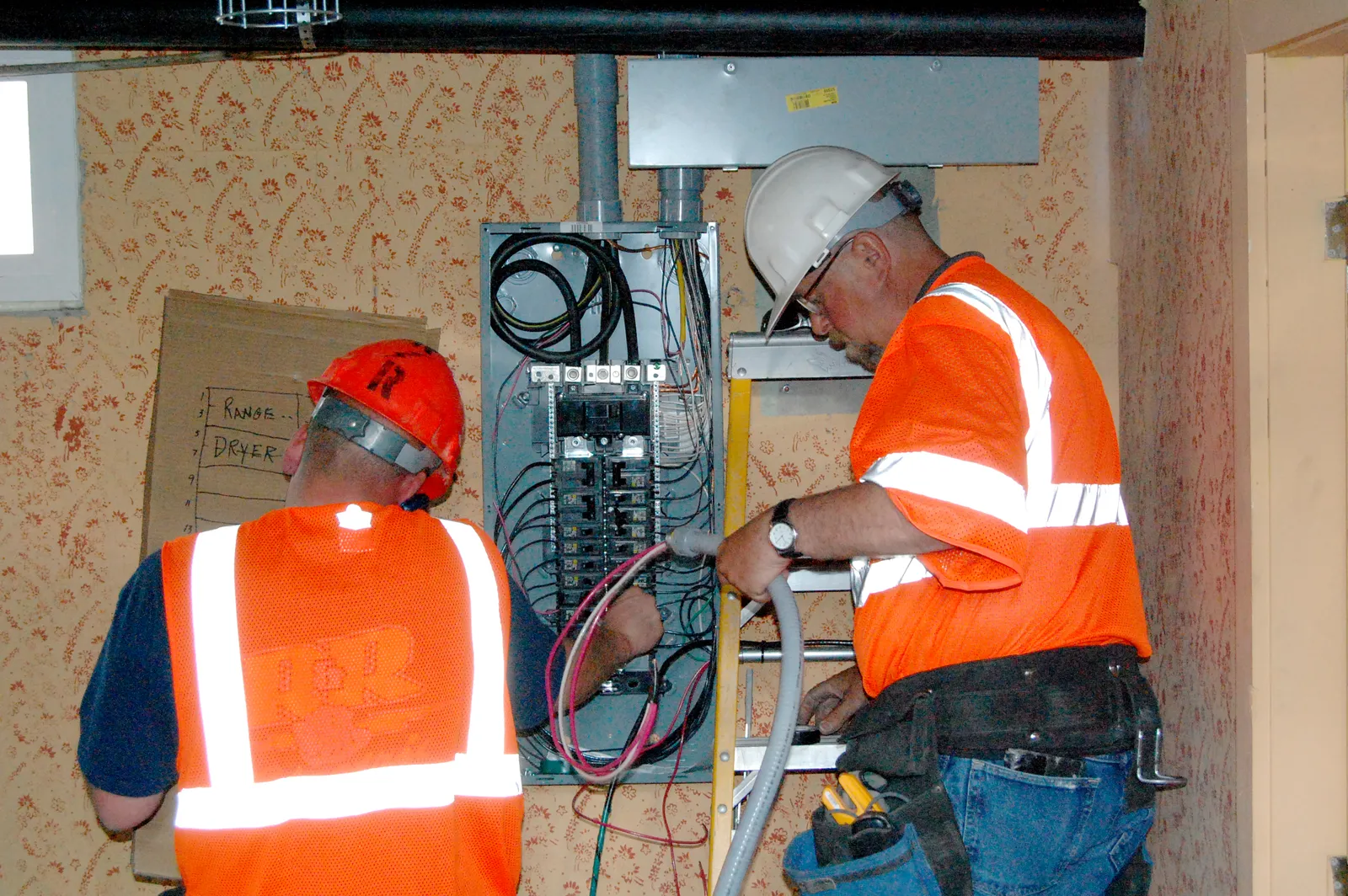
Fuse boxes are exposed to heat, vibration, moisture, and high current. Over time, these stresses can damage conductors and contacts. In an old residential box, the thermal cycling from decades of switching loads on and off gradually loosens terminals and weakens internal connections.
A fuse box may look fine from the outside while one socket inside is overheating. This usually happens when a circuit draws too much current, the fuse is loose, or the wrong fuse rating has been installed. Heat damage can discolor terminals, soften plastic, melt fuse holders, and create poor contact. By the time any of this is visible from the outside, the internal components may already be significantly compromised.
The Missing Safety Features That Modern Panels Take for Granted

Old fuse boxes lack modern safety features like ground fault protection and arc fault detection, which are crucial for preventing electrical hazards. These aren’t optional extras. They address specific, well-documented failure modes that old technology simply cannot catch.
Fuse boxes only protect against basic overloads and shorts. They cannot detect arc faults that cause many fires. Ground fault protection is completely absent in these systems. Arc faults, in particular, are a leading cause of residential electrical fires precisely because they occur in wiring that appears intact. An old fuse box will never trip in response to one.
The Scale of the Problem in Real Numbers
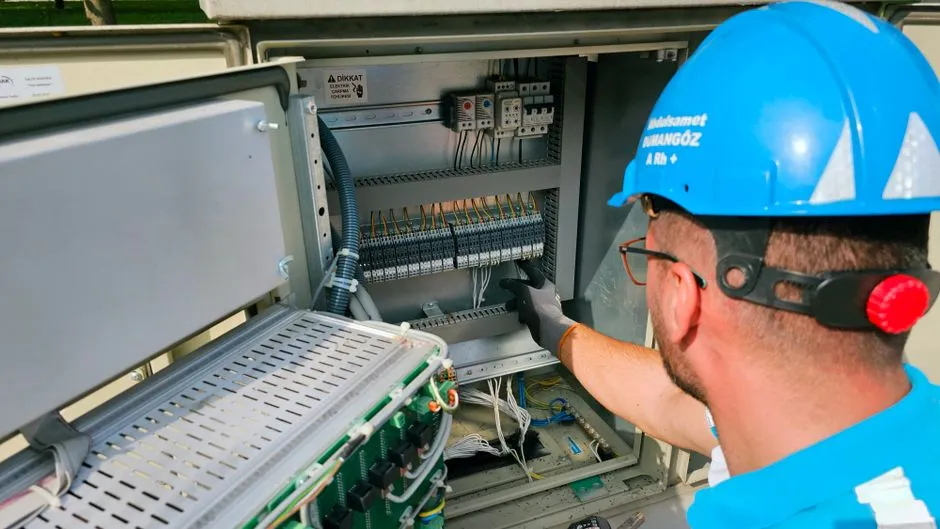
The National Fire Protection Association reports that electrical distribution systems are a leading cause of residential fires, contributing to over 44,000 home fires annually, with many stemming from outdated or poorly maintained fuse boxes.
In 2024/25, electrical distribution faults were the single largest identifiable cause of workplace fires, responsible for approximately 18 percent of all incidents. The total economic and social cost of fire in England, of which electrical faults are the primary cause, is estimated at £12 billion per year. Those figures reflect a failure pattern that is entirely predictable given what we know about how these systems age.
The Insurance Problem Nobody Mentions at Purchase
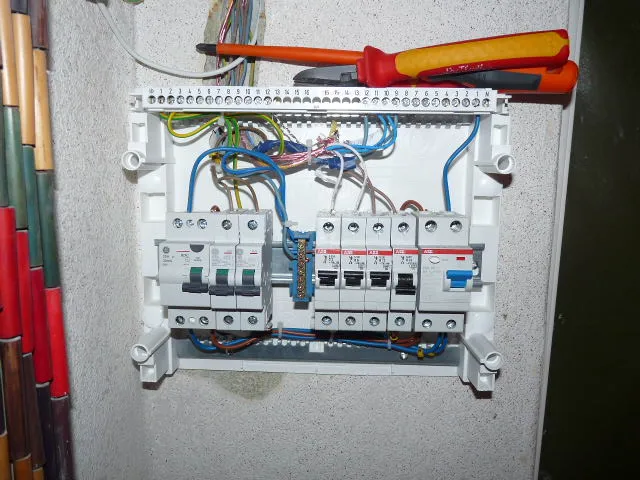
Some insurance companies will not cover homes with fuse boxes due to increased fire risk. This is a practical consequence that catches many homeowners off guard, especially those who inherit an older property and assume the electrical system is someone else’s problem to sort out later.
Some insurance companies may raise premiums or require upgrades because fuse boxes are considered higher-risk by modern safety standards. A breaker panel often helps meet insurance and safety requirements more easily. The financial implication here isn’t just the cost of the upgrade. It’s the possibility of being uninsured, or underinsured, for a fire that was entirely preventable.
DIY Fixes That Make Things Worse
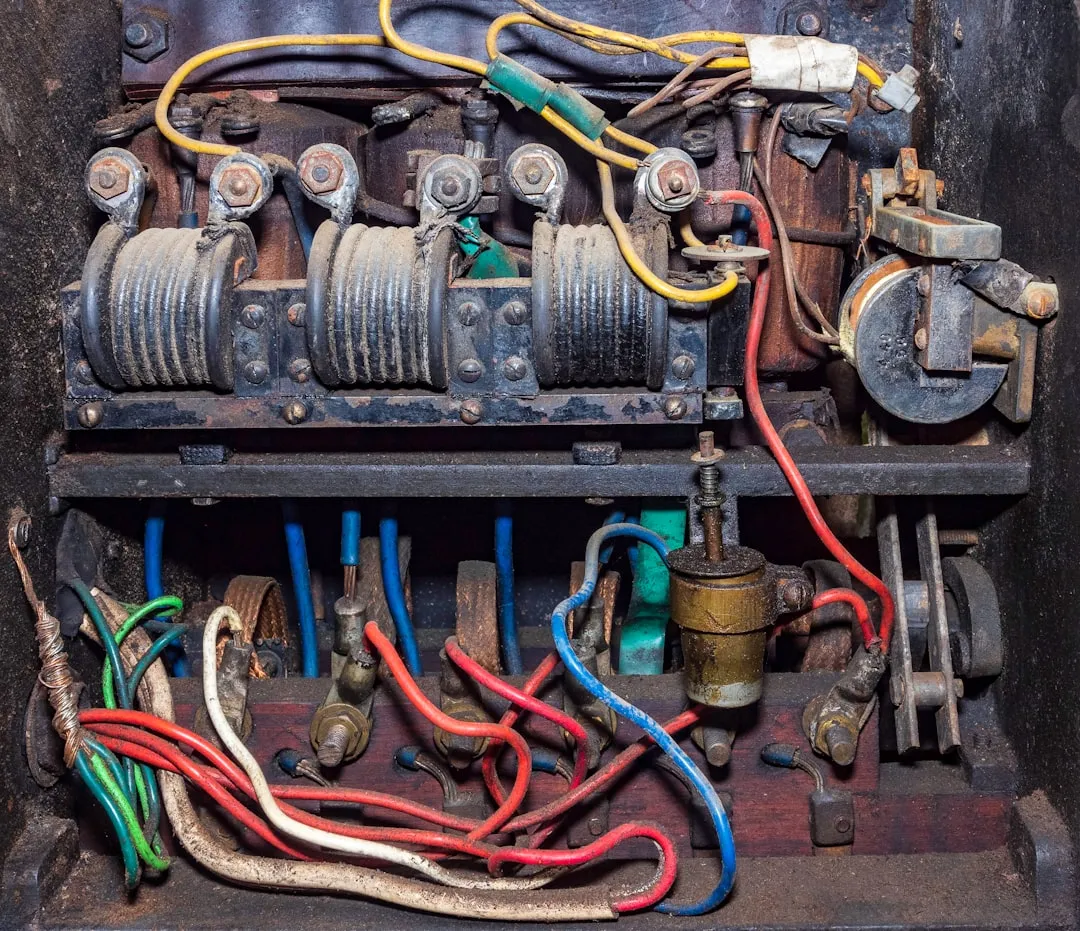
Homeowners sometimes use pennies or foil to bypass blown fuses. This dangerous practice eliminates all circuit protection completely. The resulting electrical fire risk becomes extremely high. This isn’t just historical folklore. It still happens in older homes where the original occupants improvised and subsequent owners inherited the result without knowing it.
Prior homeowners may have made accommodations in the fuse box to run large appliances, such as using a 30-amp fuse with a 15-amp fuse holder. While this is a temporary fix, it puts the home at more risk of an electrical fire. The danger compounds with each undocumented modification, and most of these changes leave no record whatsoever.
The Inspection Gap: Why Problems Go Undetected for So Long
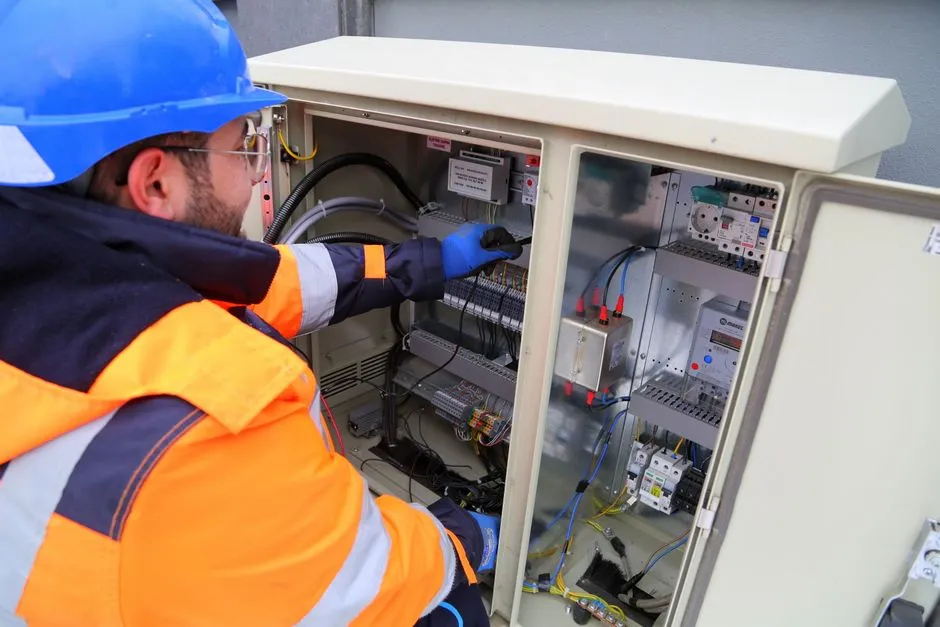
All fuse boxes should be inspected at least every 10 years, or sooner if you’re in a commercial property. In practice, the vast majority of residential fuse boxes go far longer than that without any professional assessment. A box that was last looked at before smartphones existed is, by any reasonable measure, overdue.
The consumer unit is the brains of the electrical system and contains a variety of parts that require upgrading and replacing over time. In the event of a fault, it is the job of the fuse box to turn the power off to prevent fatal electric shock, earth fault, and risk of fire. When the inspection gap stretches to two or three decades, that protective function is quietly degrading without anyone knowing. Visual clues may include cloth-covered wiring, rust, obsolete labels, or a panel that feels warm to the touch, but only someone who knows what to look for will catch them.
The Takeaway
Old fuse boxes don’t fail dramatically. They fail gradually, through corrosion, heat fatigue, oversized fuses, and a steady accumulation of electrical demand they were never designed to meet. The moment of visible failure, when the lights go out or a burning smell appears, is typically the end of a long process, not the beginning.
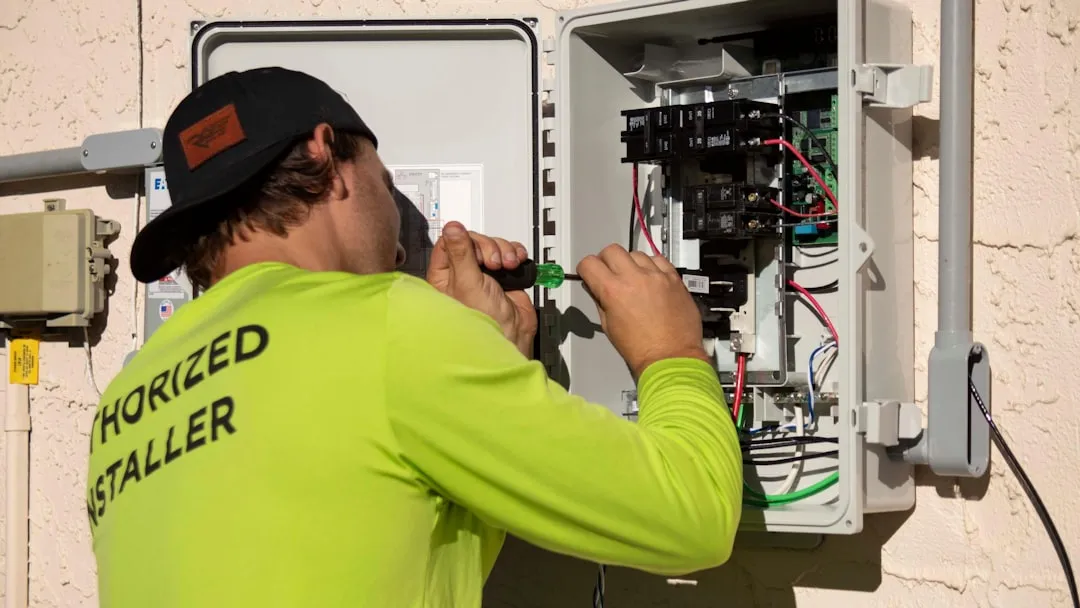
The overlooked reason these boxes fail before they’re replaced is simply this: they give no reliable warning. They look fine on the outside while the internal damage compounds year after year. A periodic inspection by a qualified electrician is the only way to know what’s actually happening inside, and for a great many homes, that inspection is long overdue.
AI Disclaimer: This article was created with the assistance of AI tools and reviewed by a human editor.