
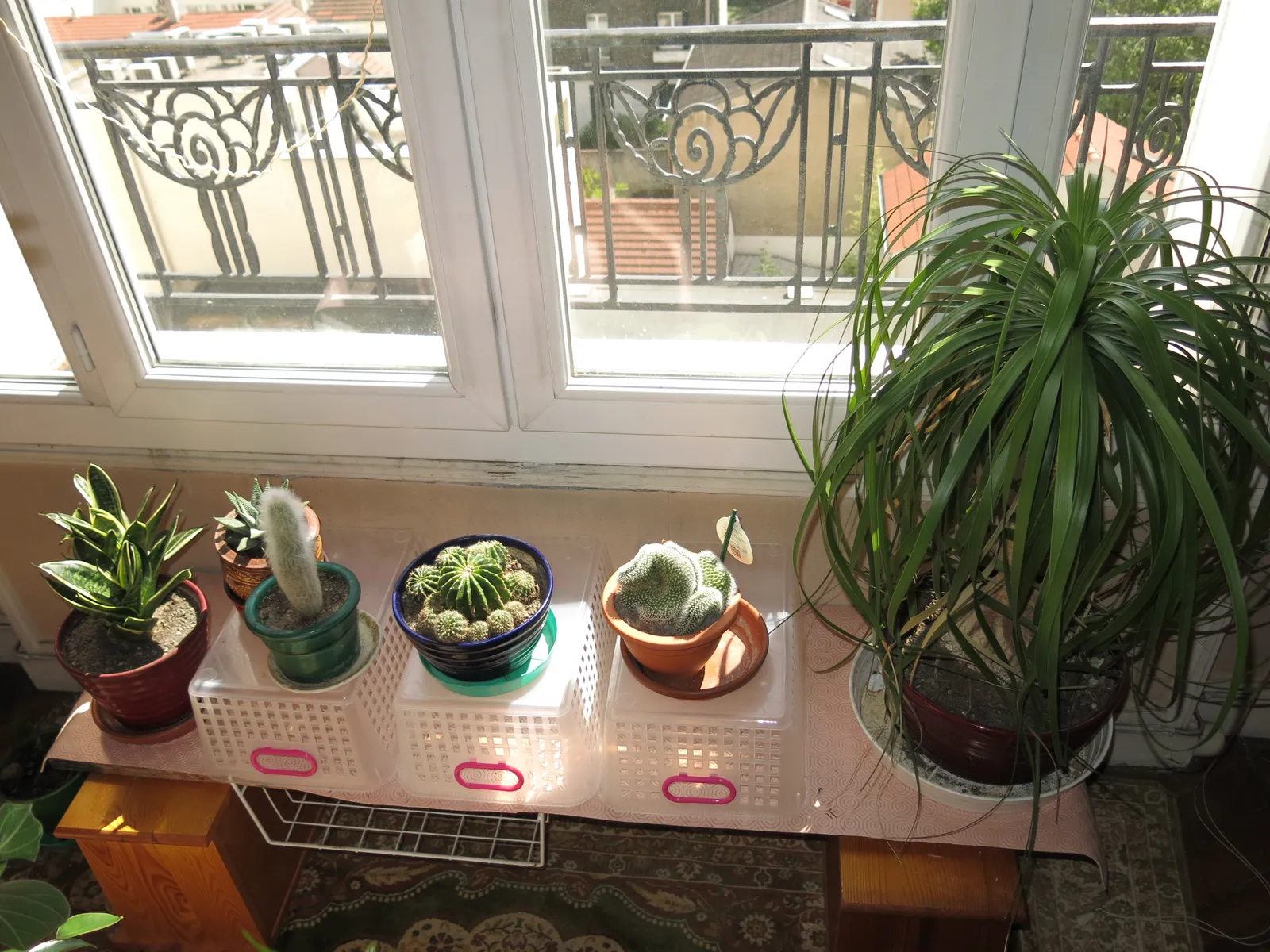
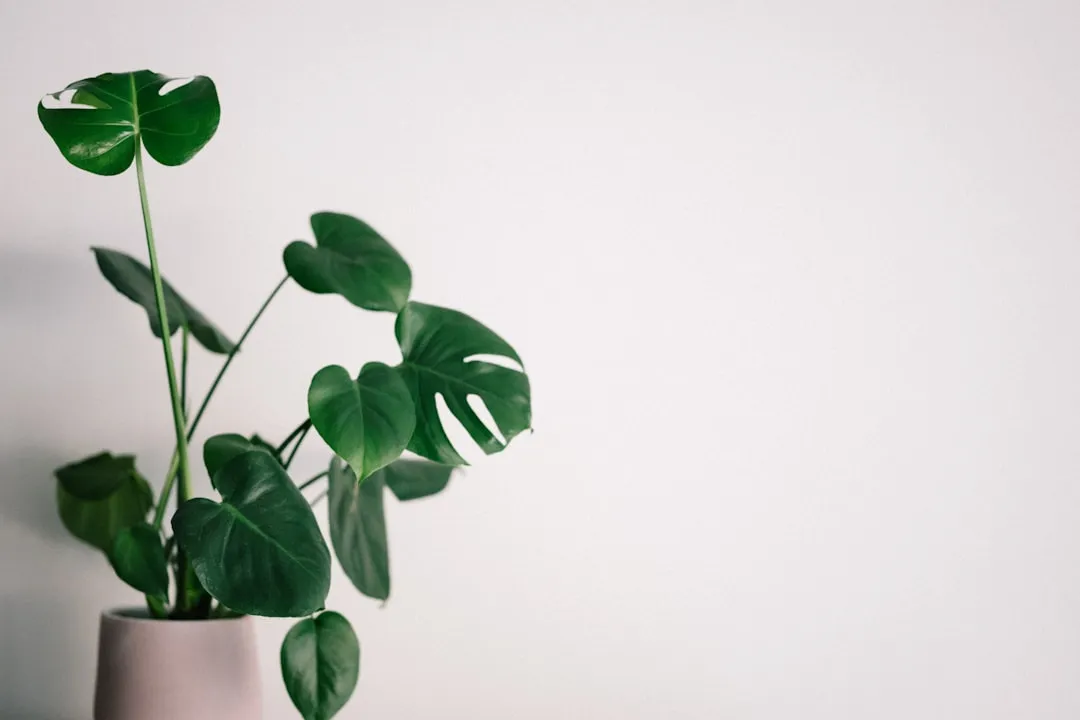
Most people notice it at some point. The pothos on the shelf has slowly twisted itself sideways. The fiddle-leaf fig you carefully positioned in the corner now bows toward the glass like it’s listening for something outside. You straighten it, and a few weeks later, it’s tilted again.
The easy explanation is simple: plants want light. That’s true, but it’s barely the beginning of the story. What’s actually happening inside that stem, at the cellular level, is far more precise, and frankly, more remarkable than most plant owners ever realize.
It’s Not Just About Light: Meet Phototropism
At the heart of every leaning houseplant is a phenomenon known as phototropism, the directional growth of a plant in response to light. The word comes from the Greek “phos” (light) and “tropos” (turning), and it describes one of the oldest and most conserved survival mechanisms in the plant kingdom. Phototropism isn’t a flaw; it’s a survival mechanism refined over millions of years.
Unlike animals, plants can’t move from place to place to find better conditions. Instead, they grow in specific directions in response to environmental cues, and light is among the most critical of these cues. What makes this especially interesting indoors is that your window creates a one-sided light source, something plants never evolved to handle perfectly.
The Hidden Hormone Doing All the Work
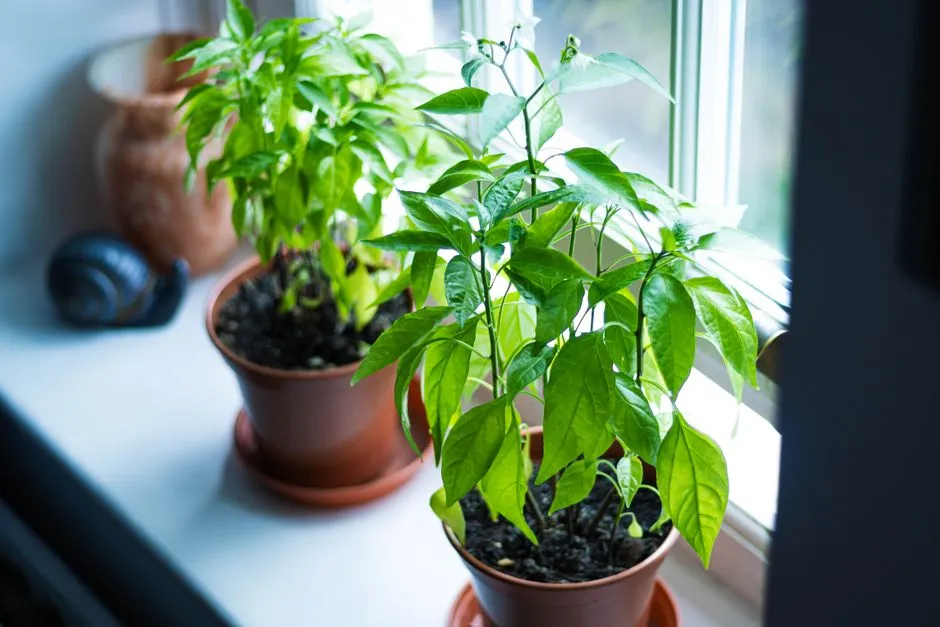
At the heart of phototropism is a group of plant hormones called auxins. These hormones regulate growth and are responsible for directing which parts of the plant grow faster or slower. When light hits one side of a plant stem, auxins redistribute themselves to the shaded side.
This concentration of auxins causes cells on that side to elongate more than those on the illuminated side. As a result, the stem bends toward the light source. It’s a beautifully engineered system, essentially a chemical compass that guides growth using nothing but the presence or absence of light on each side of the shoot.
In most tropic responses, redirection of the cell-to-cell directional auxin movement in response to external cues is the main mechanism for generating asymmetric auxin distribution and differential cell elongation. The plant doesn’t “decide” to lean. It simply follows chemistry.
Why Blue Light Is the Real Trigger
This process is governed by photoreceptors like phototropins, which are sensitive to blue light. These receptors activate signaling pathways that direct auxin transport. Blue light, which makes up a significant portion of natural daylight entering through glass, is the actual wavelength that initiates the lean, not full-spectrum light in general.
Within the photosynthetically active radiation range, blue wavelengths uniquely activate cryptochromes and phototropins, which in turn regulate processes such as chloroplast repositioning, phototropism, and transcriptional adjustments linked to stress mitigation. This means your plant is essentially tuned to a specific portion of the light spectrum, making it exquisitely sensitive to the angle from which that blue light arrives.
Plant shoots grow toward blue wavelengths of light. When the sun is overhead, the plant’s growth hormone, auxin, is evenly distributed at the stem tip. It’s only when blue light arrives from one side that the hormonal asymmetry starts, and the lean begins.
The Cholodny-Went Hypothesis: A Century-Old Theory Still Holding Up
This led to the discovery of the plant growth hormone auxin and the Cholodny-Went hypothesis attributing differential tropic bending to lateral auxin relocalization. First proposed in the early twentieth century, this theory described how auxin migrates laterally to the shaded side of a stem, causing unequal growth. It was controversial for decades.
Recent progress in phototropism research and the way in which this research is shedding new light on old concepts, including the Cholodny-Went hypothesis, is also highlighted in peer-reviewed literature. Although recent evidence has provided further support for the Cholodny-Went hypothesis and its applicability to both monocots and dicot phototropism, the signaling mechanisms responsible for accumulating auxin on the shaded side of the stem remain poorly defined.
In other words, science has confirmed the basic mechanism but is still working out the finer molecular details. Even a phenomenon this well-known retains genuine complexity at its edges.
What PIN Proteins Do That Most People Never Hear About
In shoots, light triggers PIN3 polarization to the shaded side of the hypocotyl, thus driving auxin movements to promote hypocotyl growth at the shaded side; shoots then bend towards the light source. PIN proteins are auxin transport carriers embedded in plant cell membranes, and their directional positioning determines where auxin flows.
The importance of auxin redistribution in phototropism suggests that regulated auxin transport is a likely mechanism controlling phototropism. Young leaves and cotyledons are considered a major source of auxin, which is then transported down toward the lower parts of the plant, including stems and the roots. This explains why the lean often originates near the top of a plant and works its way down over time.
Indoor Conditions Turn a Feature Into a Problem
In natural environments, where sunlight moves across the sky and surrounds the plant from multiple angles, this mechanism ensures maximum exposure. Indoors, however, static lighting creates persistent directional cues, leading to chronic leaning. The plant follows its instinct perfectly, but the indoor setting amplifies one-sidedness in a way that nature never intended.
While it’s a sign your plant is doing its best to survive, prolonged leaning can lead to weak stems, uneven growth, and long-term imbalance. Over an extended period, this isn’t just an aesthetic issue. The structural integrity of the plant genuinely suffers when cellular elongation remains chronically asymmetric.
Etiolation: When Leaning Becomes Stretching
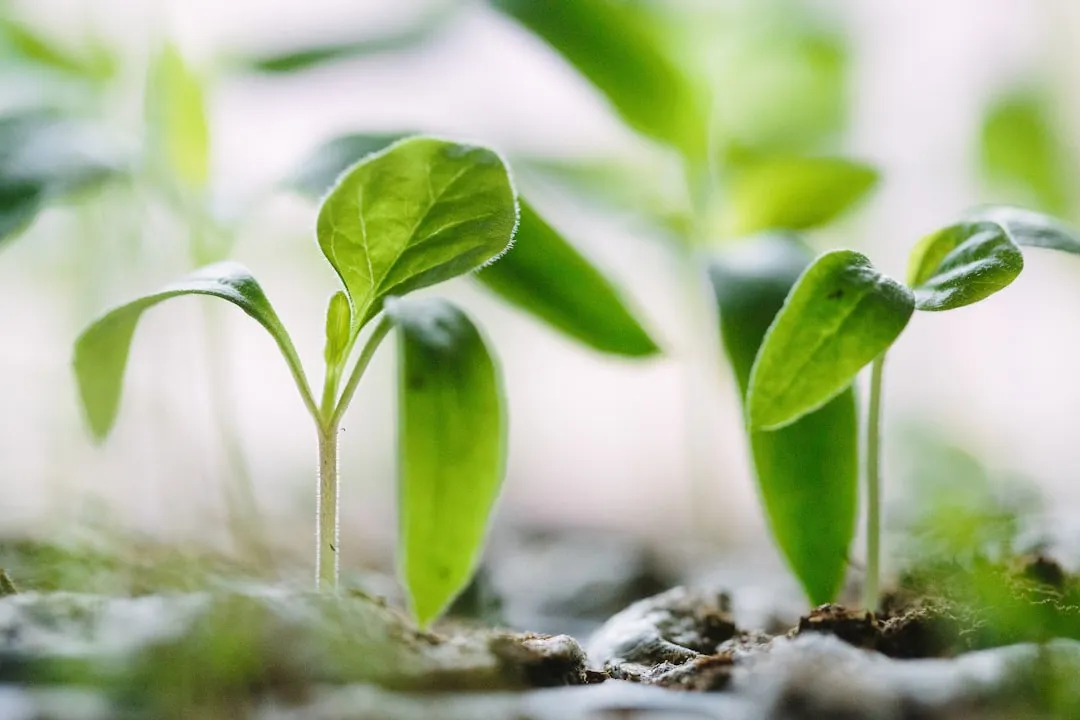
There’s a related but distinct condition worth understanding. When a plant doesn’t receive enough light overall, not just from one direction, it begins to stretch its stems thin and pale in search of a source. This is called etiolation, and it’s phototropism’s more desperate cousin.
Blue wavelengths activate cryptochrome and phototropin photoreceptors, which help control plant height by restricting excessive elongation and promoting compactness. For indoor plants, sufficient blue light encourages healthy leaf development and robust stems. Without adequate blue light, the plant essentially loses its internal brake on stem elongation.
Blue light plays a critical role in regulating vegetative growth and morphology. It influences stomatal opening, chlorophyll synthesis, and phototropism. A plant receiving too little light from too narrow an angle is dealing with two problems simultaneously, and both show up in how it looks and grows.
Darwin Was the First to Notice It Scientifically
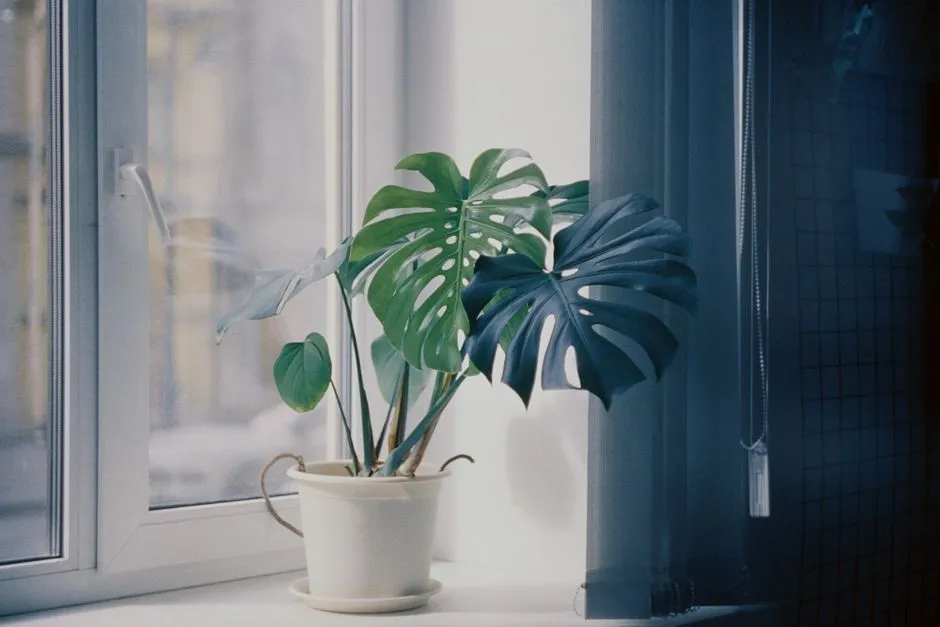
Modern studies of phototropism began with experiments conducted by Charles Darwin demonstrating that light perception at the shoot apex determines the direction of bending. Together with his son Francis, Darwin published these observations in 1880 in a book called “The Power of Movement in Plants,” laying the groundwork for over a century of plant physiology research.
In the past two decades, molecular-genetic analyses in the model flowering plant Arabidopsis thaliana have identified the principal photoreceptors for phototropism and their mechanism of activation. In addition, several protein families of auxin transporters have been identified. What Darwin observed with canary grass seedlings and covered shoot tips is now understood at the protein and gene level.
How Often You Should Really Be Rotating Your Plants
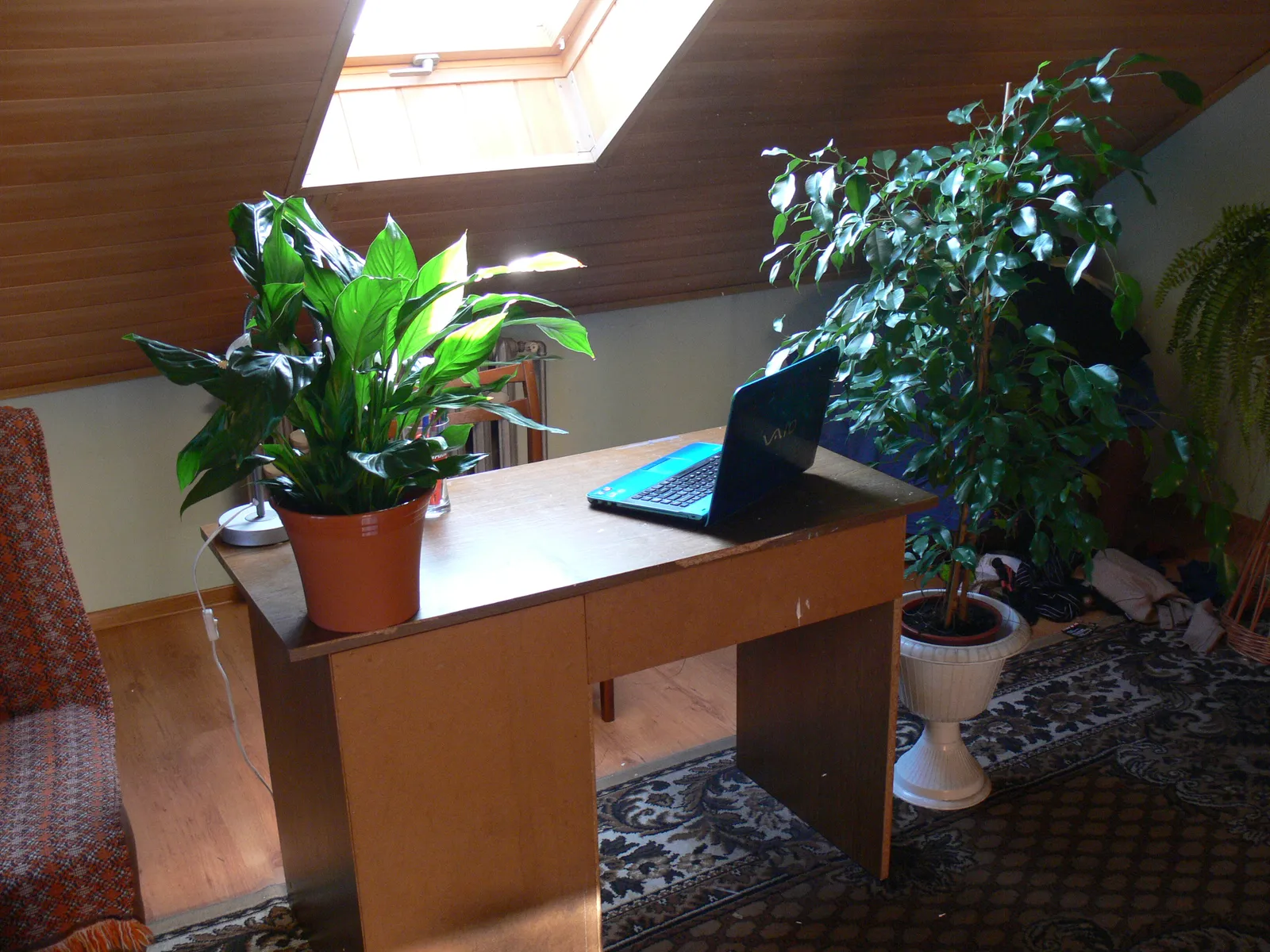
Rotate most houseplants every seven to ten days. Fast-growing or highly phototropic species like pothos or spider plants may need weekly attention, while slower growers such as snake plants can be rotated every two weeks. The rotation interrupts the asymmetric auxin signal before it becomes structurally entrenched.
Rotation is the most reliable method, but you can reduce leaning by using overhead grow lights or improving ambient light with reflective surfaces. However, without some form of directional change, perfect symmetry is unlikely in window-lit setups. Grow lights positioned directly above simulate natural overhead sunlight, which distributes auxin evenly across the stem tip just as it would outdoors.
The Bigger Picture: What a Leaning Plant Is Actually Telling You
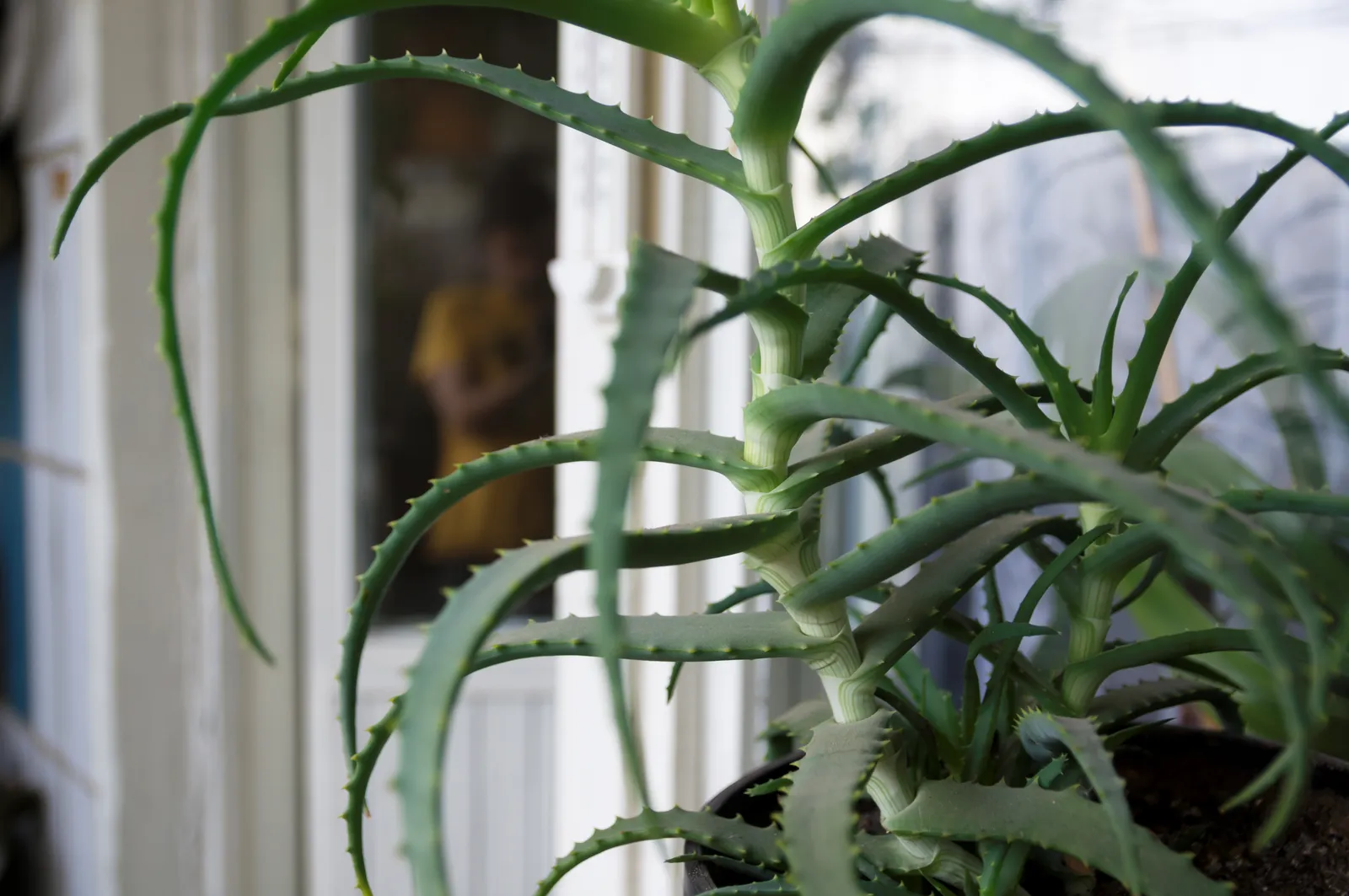
A leaning houseplant isn’t a failure. It tells you that your plant is doing exactly what it’s designed to do: reach for light. The lean is communication, a visible indicator that the plant is metabolically active, responsive to its environment, and searching for what it needs to run photosynthesis efficiently.
Plants are photoautotrophic sessile organisms that use environmental cues to optimize multiple facets of growth and development. Every tilt is evidence of that optimization in real time. Once you understand the mechanism behind it, the lean stops looking like neglect and starts looking like biology in action.
Final Thoughts
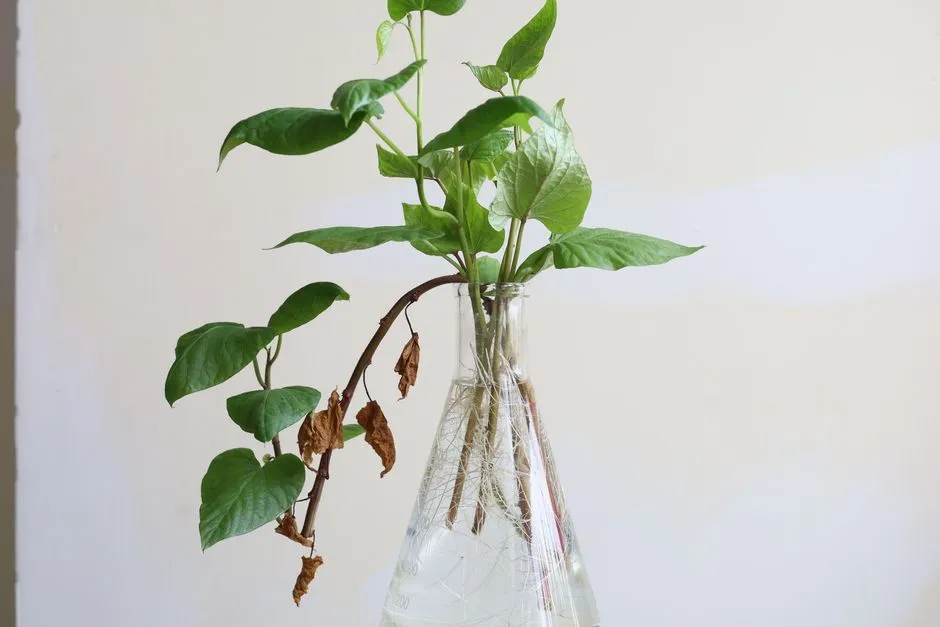
There’s something quietly impressive about a plant finding light. No nervous system, no eyes, no ability to walk across a room, yet the stem bends, the cells elongate, and the leaves angle themselves toward the best available source of energy. The mechanism behind it, auxin redistribution driven by blue light photoreceptors and PIN protein polarity, is precise enough to have captivated plant scientists for well over a century.
The overlooked part isn’t the leaning itself. It’s that the lean is a molecular decision made at the cellular level, one that Darwin could only observe from the outside and that researchers are still fully mapping today. Rotate your plants regularly, give them balanced light where you can, and when they lean anyway, recognize it for what it is: a plant doing its job well in a space that wasn’t quite built for it.
AI Disclaimer: This article was created with the assistance of AI tools and reviewed by a human editor.