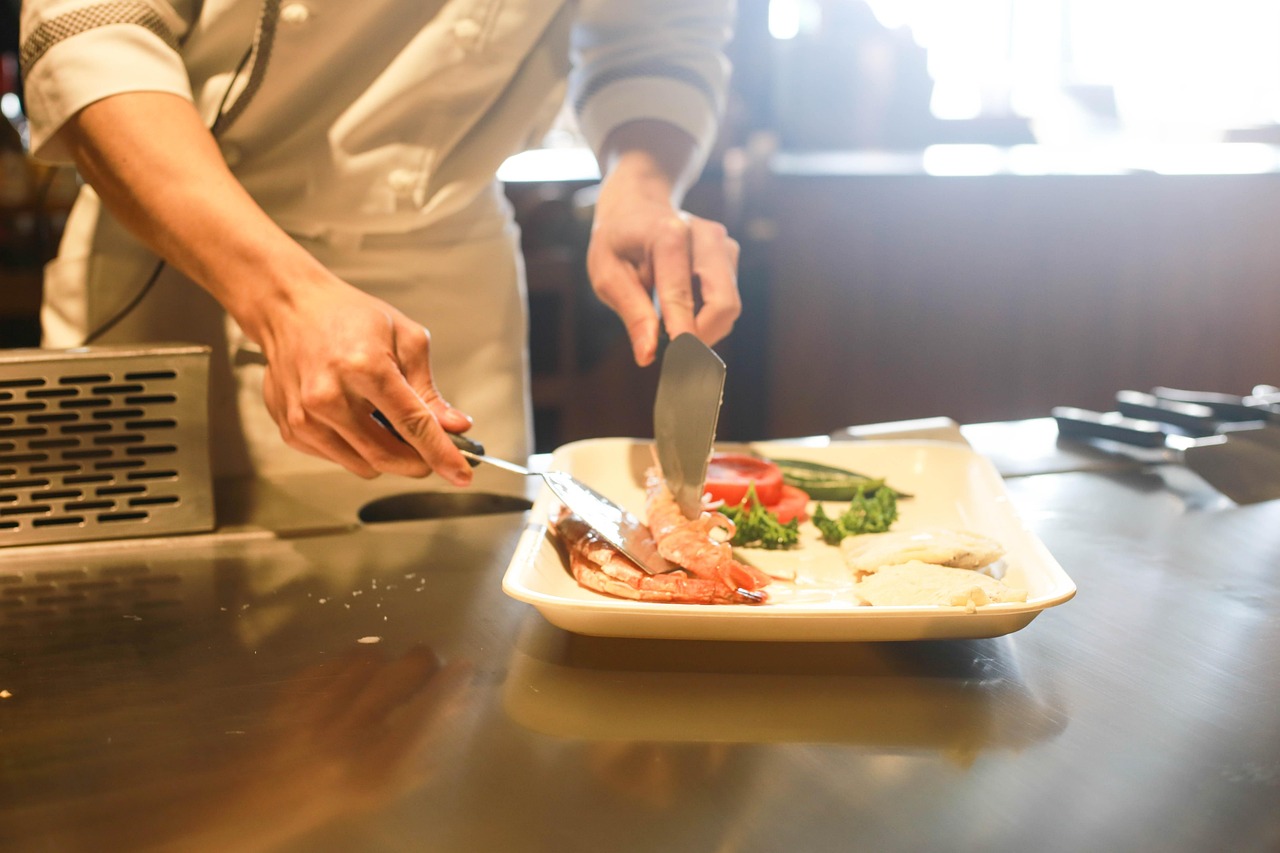

Walk into nearly any ambitious restaurant kitchen in 2026 and you’ll find a quiet revolution unfolding at the prep station. It isn’t about protein or technique. It’s about a single, deceptively humble leaf that has been sitting in plain sight for centuries, quietly underused outside of East Asian cuisines – until now.
Shiso, the aromatic herb also known as perilla, is having a moment that feels less like a trend and more like a reckoning. Chefs at every level are sourcing it carefully, paying more for it, and finding ways to put it at the center of a dish rather than at the edge.
What Shiso Actually Is
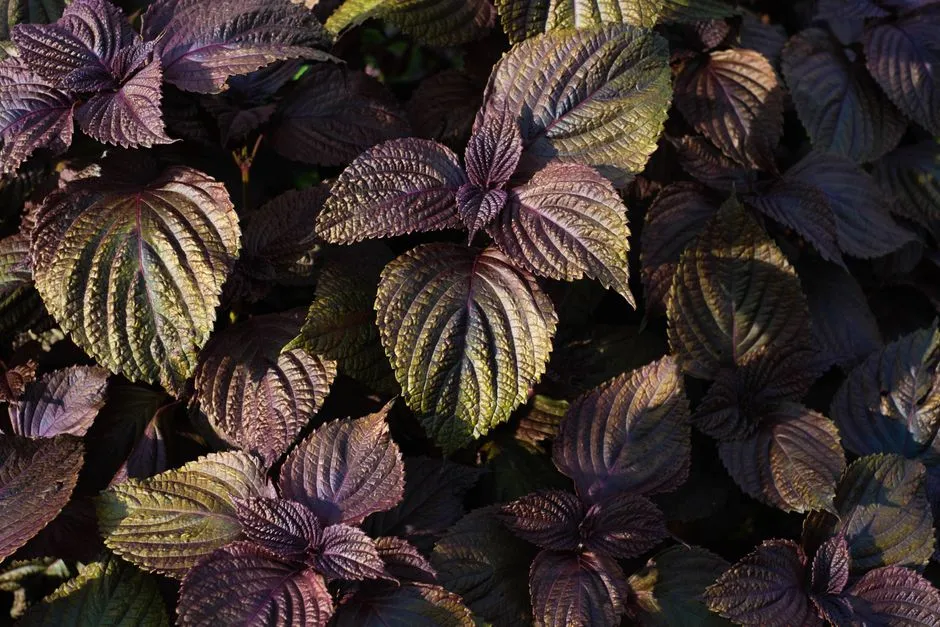
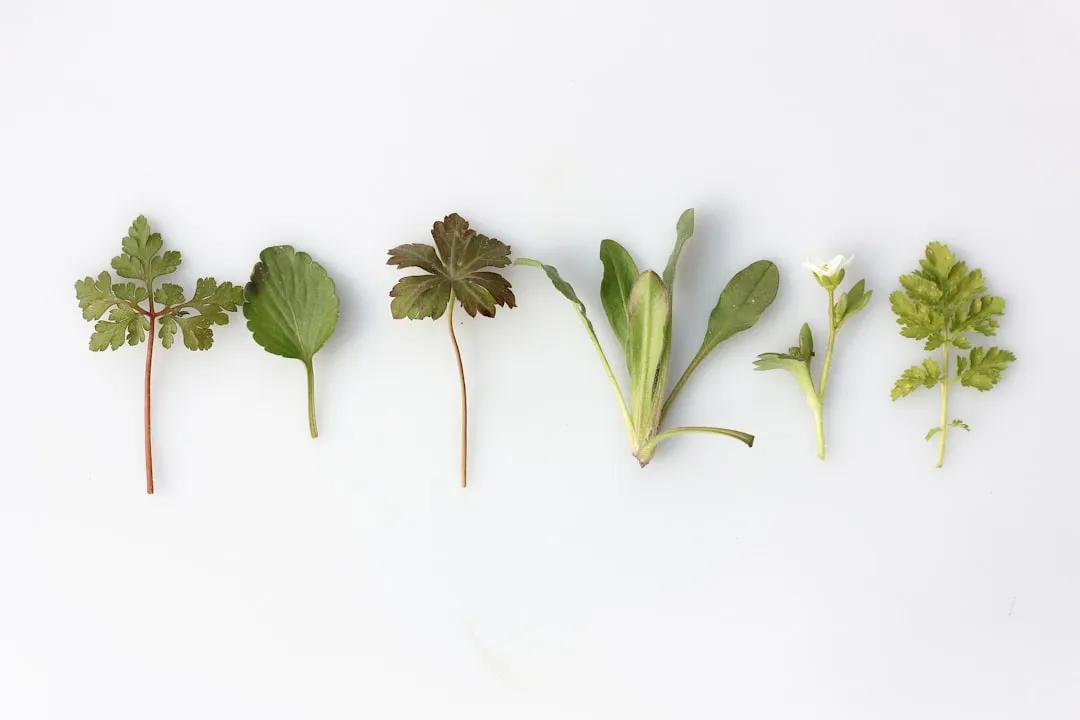
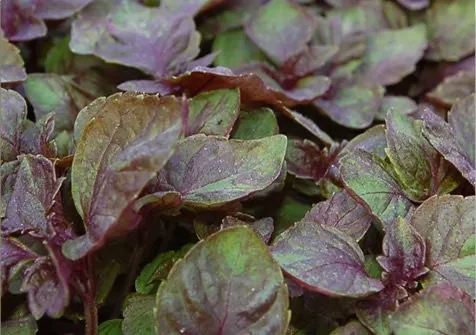
Shiso (Perilla frutescens var. crispa) is the Japanese name for a popular Southeast Asian herb known for its jagged leaves and refreshing flavor. A member of the mint family, shiso has a unique flavor similar to basil and cilantro with subtle hints of cumin and cloves.
The most common shorthand for shiso’s flavor is “like basil and mint combined” – a useful starting point, but one that undersells its complexity. That complexity is precisely what catches a trained palate off guard. It isn’t sharp or aggressive. It’s layered in a way that most Western herbs simply aren’t.
Green shiso provides a more citrusy and minty flavor with hints of clove and anise in comparison to its purple shiso relative. The two varieties behave differently in the kitchen, which gives chefs a wider creative range than most single herbs can offer.
A Deep History, A Late Western Arrival
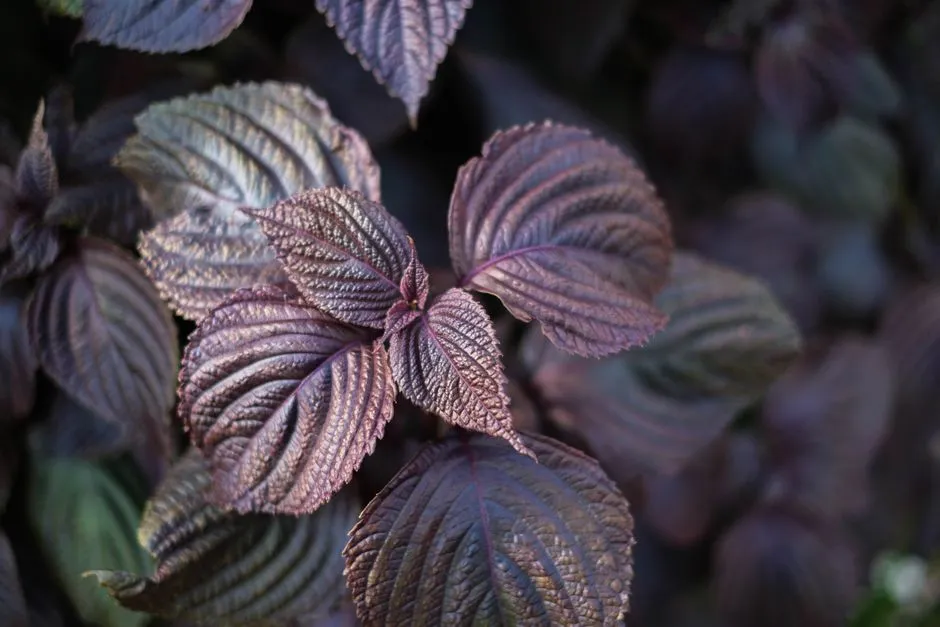
Perilla Red Shiso is a staple in Japanese, Korean, and Southeast Asian cuisines, valued for its complex flavor and aromatic qualities. It has been cultivated in those regions for well over a thousand years, embedded in everything from pickled condiments to everyday garnishes.
For centuries, shiso has also been used in Japan as an herbal remedy for a variety of ailments. It’s high in antioxidants, as well as rich in vitamin A, calcium, and iron. The oil from shiso seeds is a source of omega-3 fatty acids.
Despite that long track record, the herb barely appeared in Western kitchens before the last decade. Its belated arrival in fine dining circles outside Asia is what makes the current moment so interesting to watch.
The Many Forms Chefs Are Using
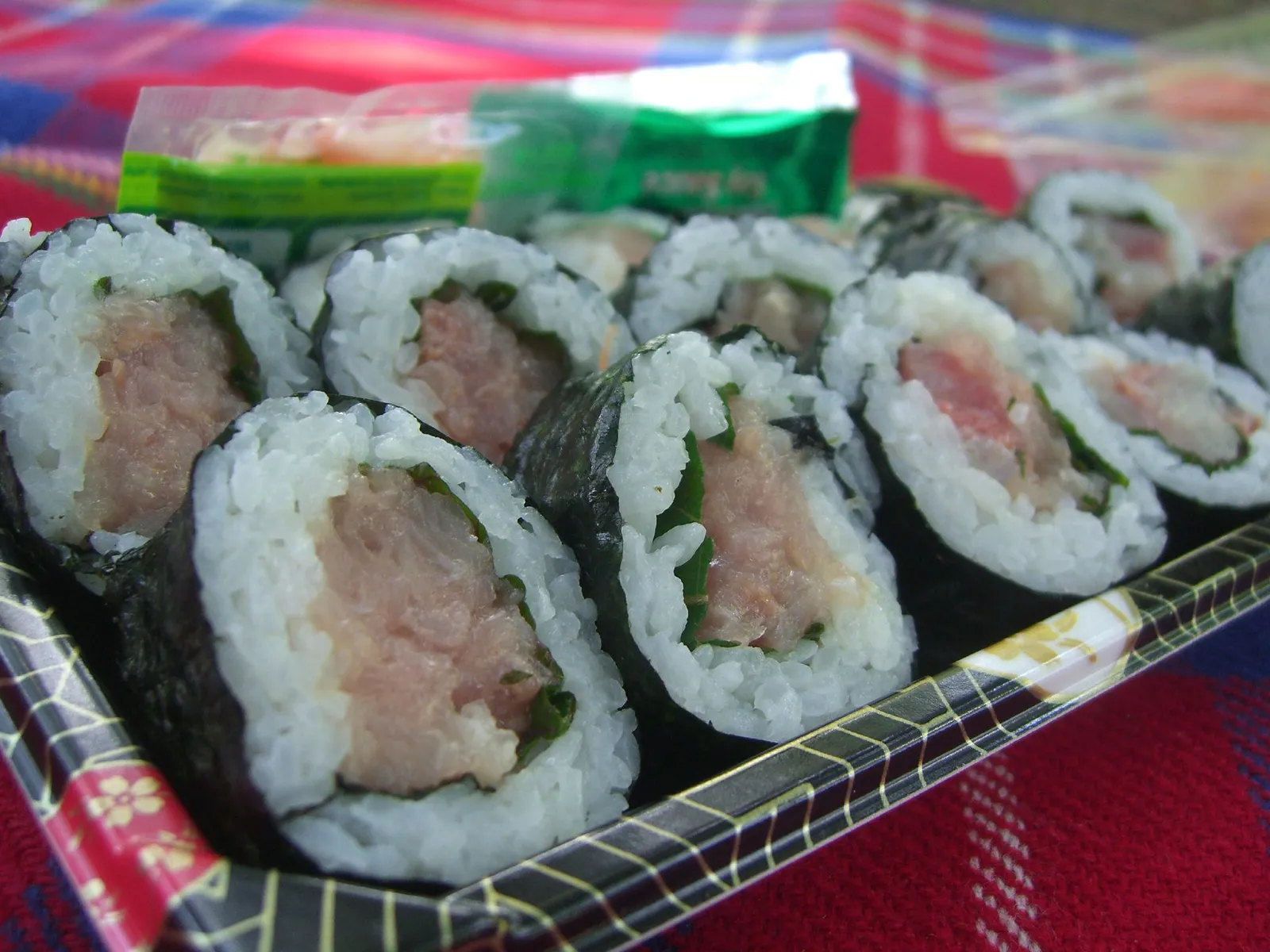
In Korean cuisine, shiso is used fresh or pickled in kimchi and side dishes. It adds a citrusy, basil-like flavor and vibrant contrast to mixed greens. It also serves as a common garnish for sashimi, poke bowls, and ceviche, enhancing freshness.
Bartenders are muddling it into gin cocktails and lemonades for an herbal twist. It’s added to ramen, miso soup, or grilled dishes just before serving to retain its aroma. Pastry chefs are pairing it with fruit-based desserts, sorbets, and panna cotta for a unique herbal-citrus note.
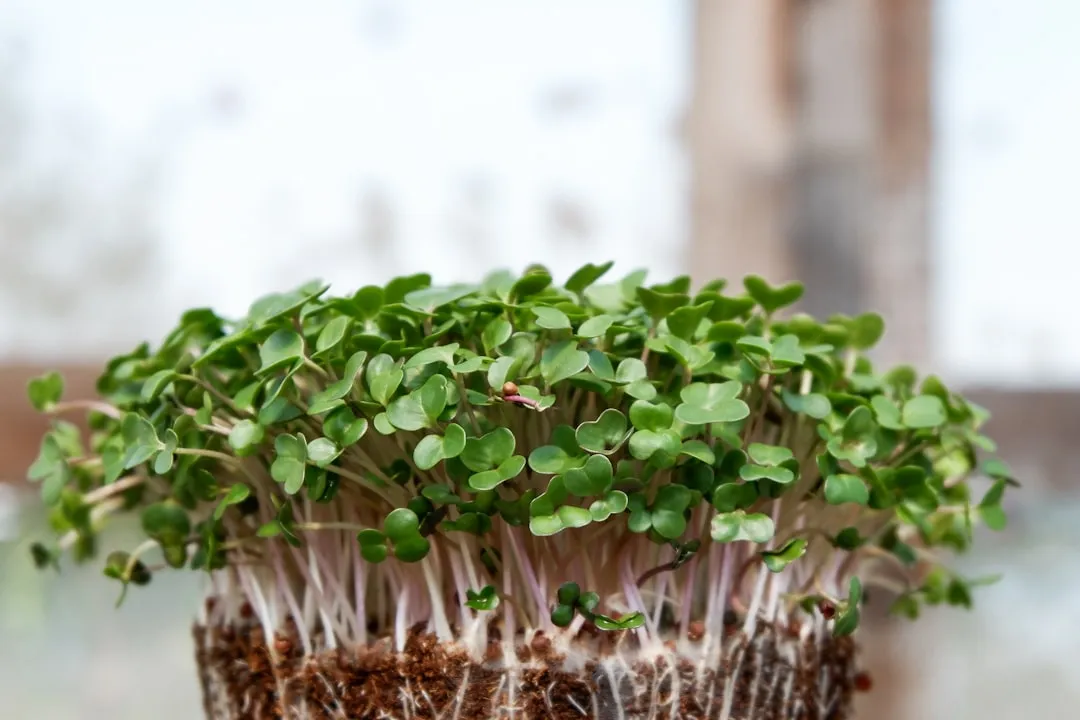
Perilla Red Shiso microgreens are particularly popular in high-end restaurants, where their deep red color and delicate texture enhance both the presentation and taste of gourmet dishes. That visual dimension matters more than ever in an era when plating is half the conversation.
The Mejiso Factor: A Luxury Within a Luxury
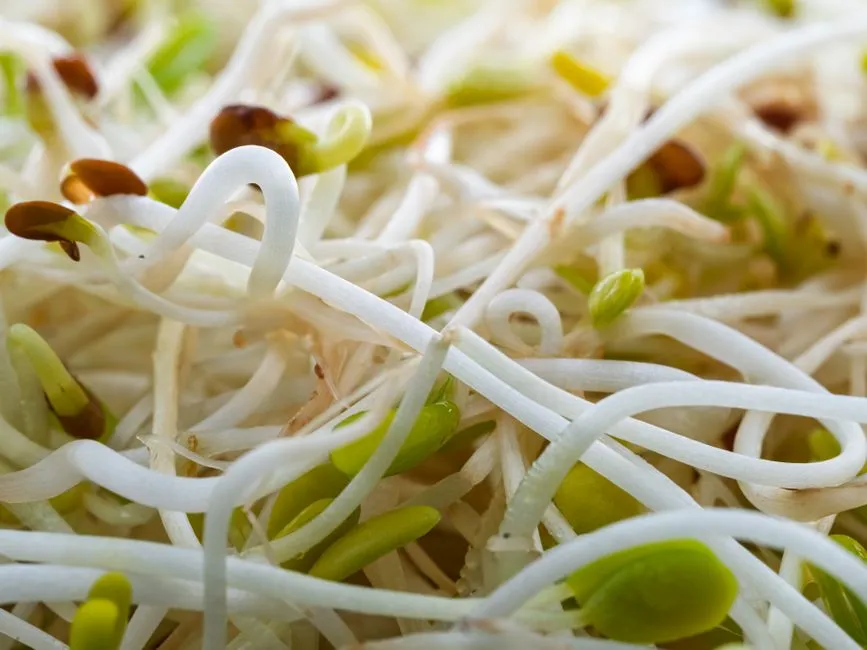
Mejiso refers to the sprouts of the shiso plant – tiny seedlings harvested just a few days after germination. These are a high-end garnish in Japanese restaurants, particularly alongside sashimi or chilled dishes. They have a mild, fresh shiso flavor and a delicate appearance that adds refinement to plating.
You rarely encounter mejiso outside Japanese restaurants or specialty markets. That rarity is part of the appeal for fine dining chefs who prize ingredients that signal both sourcing effort and culinary knowledge. It’s the kind of detail diners might not name, but they notice.
Why Chefs Are Paying More for It
Green shiso leaves bring depth and distinction to sushi, sashimi, salads, and refined garnishes. Their distinct herbal flavor complements a wide range of ingredients, making them a staple for traditional Japanese fare and creative fusion cuisine. That versatility is a major part of why kitchen budgets are shifting to accommodate it.
Perilla Red Shiso and its microgreens are nutrient-dense, functional foods that combine flavor, health benefits, and culinary versatility, making them a premium ingredient for chefs and health-conscious consumers. The herb earns its cost on multiple fronts simultaneously.
Shiso also has a short shelf life and doesn’t travel particularly well, which keeps supply tight and prices firm. Unlike basil, which moved into industrial farming decades ago, shiso has remained in the hands of specialty growers – and that’s unlikely to change quickly.
A Growing Market Behind the Trend
The global culinary herbs and spices market is valued at $20.38 billion in 2025 and is projected to grow to $33.91 billion by 2034, representing a compound annual growth rate of 5.8%. Specialty herbs are a meaningful part of that expansion.
Key drivers include rising culinary tourism, premiumization trends, organic product demand, and the food authenticity movement. All four of those forces point directly toward herbs like shiso, which carry cultural authenticity, aesthetic appeal, and health credentials at once.
FMI’s 2025 “Power of Produce” report reveals that organic products now comprise 12.4% of total produce department sales, and organic products had the highest year-over-year growth rate – 5.1% – in the overall produce category. Premium herbs sit squarely within that organic growth story.
The Herbal and Savory Beverage Connection
Although fermentation is integral to many culinary traditions, consumers are increasingly aware of not only its health benefits, but flavor potential and sustainability. Chefs predict we’ll see more savory and herbal profiles, perhaps culinary-style beverages that highlight ingredients like sorrel, koji, and sea greens.
Shiso fits naturally into that shift. Its bright, slightly vegetal edge makes it an ideal base for shrubs, infused vinegars, and non-alcoholic cocktail ingredients. It’s already being muddled into drinks like gin cocktails and lemonades for an herbal twist. The beverage world is catching up to what the kitchen already knew.
Shiso and the Forgotten Ingredient Revival
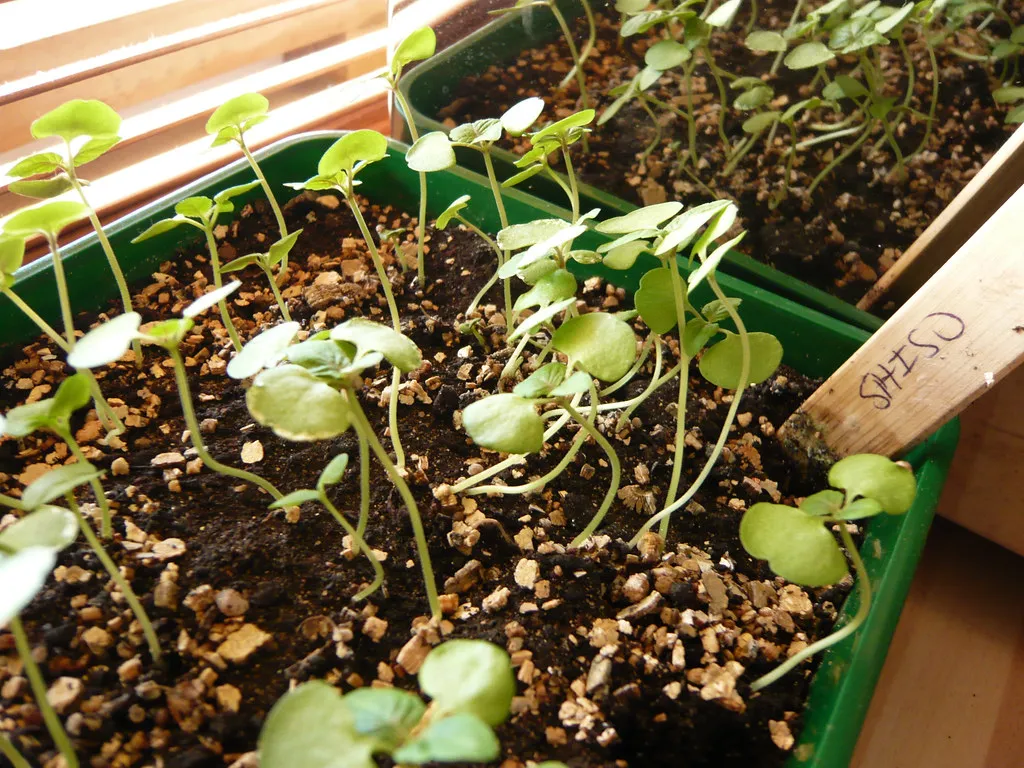
2026 plates are featuring forgotten vegetables and herbs – a deliberate culinary move toward ingredients that fell outside the mainstream for decades. Shiso belongs to that same spirit of rediscovery, even if it was never truly forgotten in the cultures that grew it.
Menu design is no longer governed by traditional seasons, but rather by the mapping of specific ecosystems. Visionary chefs are collaborating closely with biologists and anthropologists to rescue forgotten ingredients from vertical microclimates, arid deserts, or marine depths. Shiso, by contrast, is accessible enough to grow almost anywhere – which is part of why the timing feels right.
Hyper-Local Gardens and the Farm-to-Kitchen Dynamic

Hyper-local gardens attached to world-class restaurants have become self-sustaining biological laboratories that dictate the kitchen’s rhythm minute by minute. The disconnection from mass supply chains is absolute: an ingredient harvested at dawn becomes the undisputed star of the afternoon service.
Shiso grows quickly and adapts well to container cultivation, making it one of the more practical choices for on-site restaurant herb gardens. It reaches maturity in 60 to 70 days, which means a restaurant can maintain a reliable micro-harvest cycle without depending on specialty distributors. That self-sufficiency has real appeal in a post-inflation supply chain environment.
The Global Fusion Dimension
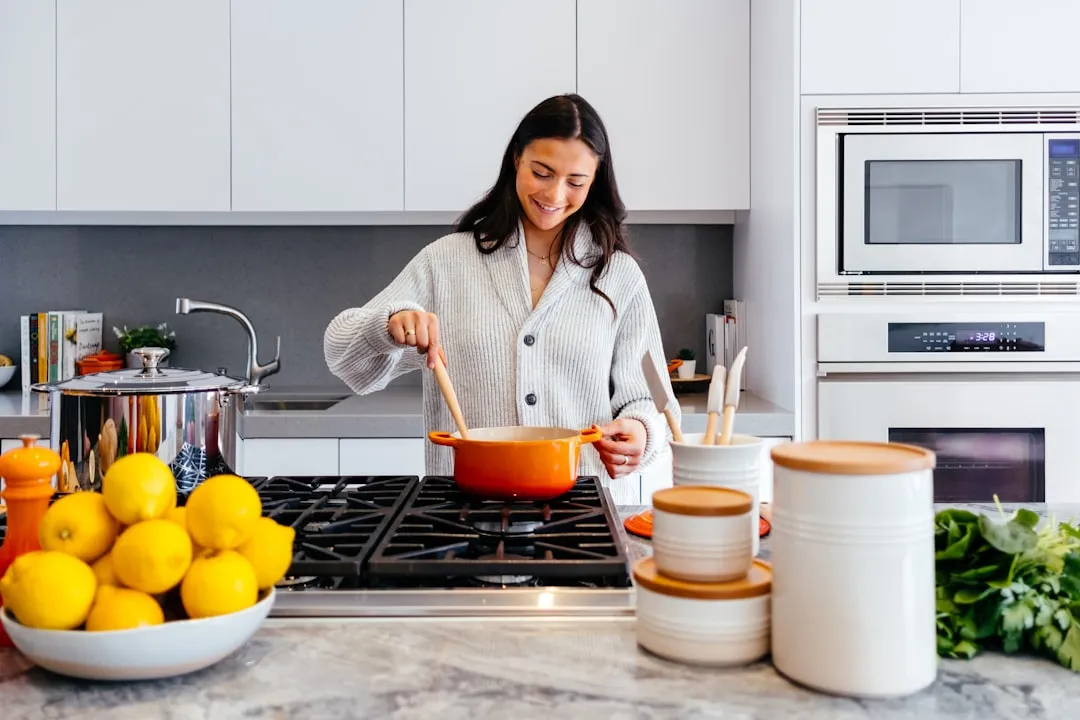
Fusion cuisine continues to captivate diners, blending flavors and techniques from different cultures to create exciting, innovative dishes. Thanks to combining ingredients and cooking methods from diverse culinary traditions, chefs are crafting unique meals that offer bold, fresh experiences.
As consumers increasingly travel abroad and seek to recreate restaurant-quality dining experiences at home, they are actively purchasing specialty herbs and spices including Thai basil, galangal, sumac, dukkah, and garam masala from both online retailers and brick-and-mortar specialty stores. Shiso sits comfortably alongside that list of crossover ingredients.
Its natural affinity with both Japanese precision and Korean boldness makes it an easy translation into Western culinary contexts. A shiso leaf tucked into a taco, bruschetta, or ceviche doesn’t feel forced. It reads as intelligent, considered, and surprisingly intuitive once you taste it.
What This Means for Home Cooks and the Broader Market
Perilla has a fresh flavor that has hints of basil, citrus, and mint. This annual herb is beautiful, tasty, and all-around a versatile choice. That approachability means its appeal won’t stay confined to professional kitchens for long.
Even in a price-conscious era, shoppers are buying elevated produce they deem intriguing, flavorful, and healthier. Shiso checks all three boxes in a way that most mainstream herbs don’t. As it becomes more visible on restaurant menus, the natural consumer response is to seek it out at home.
This market expansion reflects fundamental shifts in consumer behavior, food industry innovation, and global trade dynamics that are reshaping how herbs and spices are produced, distributed, and consumed worldwide. Shiso, with its combination of cultural depth, flavor complexity, and health credentials, is well positioned to move from specialty import to grocery staple over the next several years.
The Takeaway
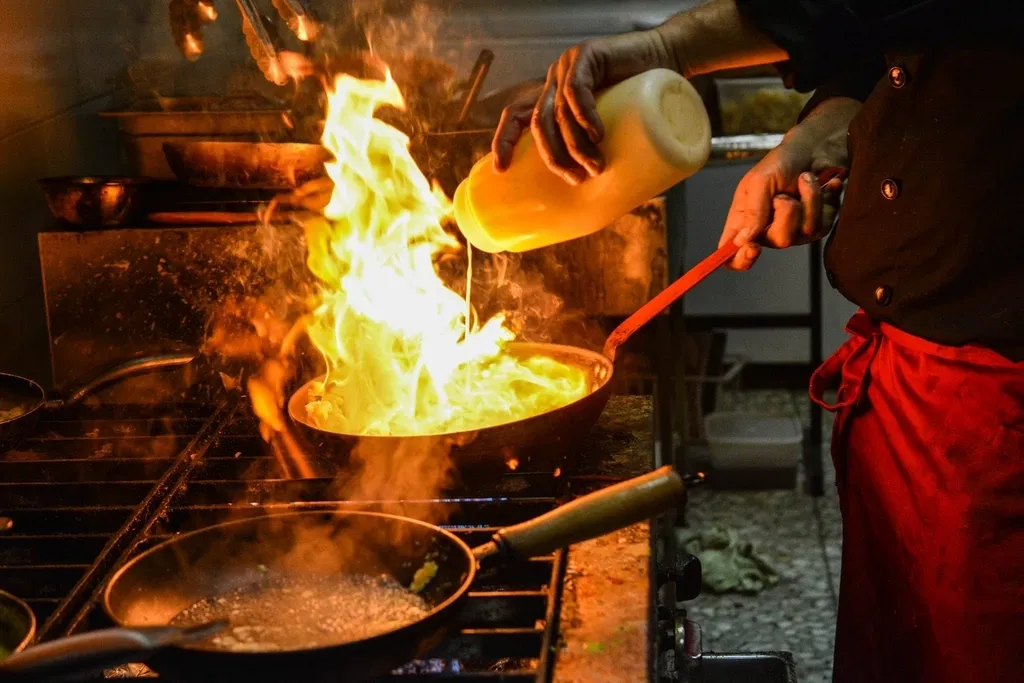
Shiso is not a new discovery. It’s an ancient herb that the Western culinary world simply took a long time to notice. The chefs paying premium prices for it today aren’t chasing novelty – they’re responding to what the leaf actually offers: a flavor profile that’s genuinely hard to replicate, a visual presence that elevates a plate, and a cultural lineage that gives a dish something real to say.
The broader market data supports the direction. Chefs pay attention to consumer trends not only to anticipate what diners want, but to drive innovation, support their communities, promote sustainability, and stay nimble in their operations. Shiso answers several of those needs at once, which is why it’s earned a spot at the table rather than just on it.
Once a flavor this compelling finds its footing in fine dining, it rarely retreats. It migrates, slowly and steadily, into home kitchens, farmers markets, and grocery shelves. That migration appears to already be underway.
AI Disclaimer: This article was created with the assistance of AI tools and reviewed by a human editor.