
Why Material Choice Defines Everything
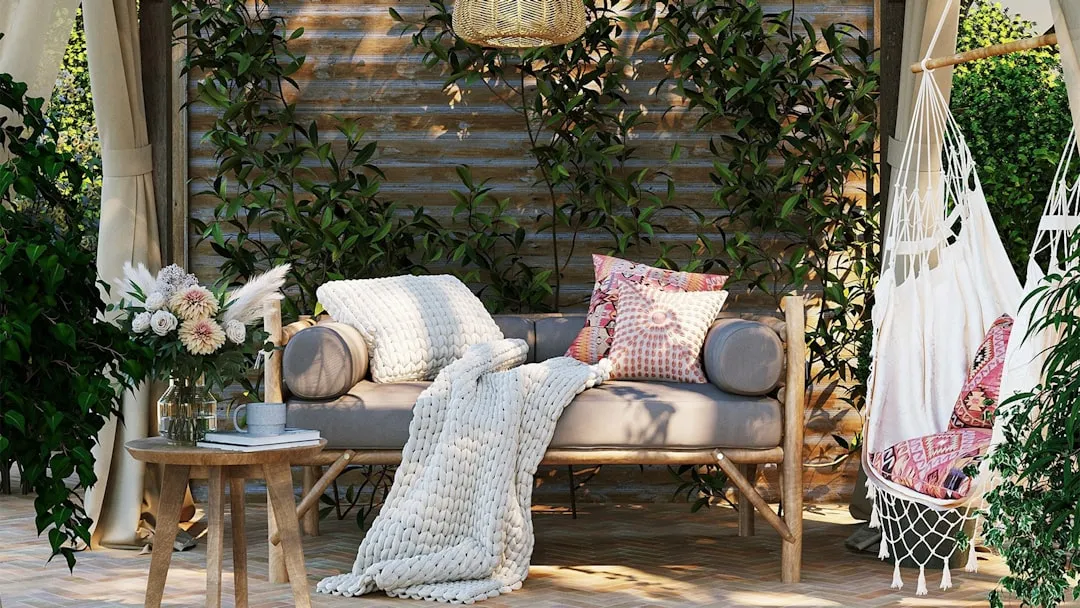
An outdoor rug’s material determines a number of things, including how long it lasts, how well it resists UV rays, and how fast it dries after a rainstorm. Those three factors alone separate a rug that survives five rainy seasons from one that barely makes it through the first.
Unlike indoor rugs, outdoor rugs are generally made of long-lasting materials that will resist stains and fading while holding up against weather. The most durable outdoor rugs are typically made from synthetic materials. Natural fibers like jute and cotton simply weren’t designed for standing moisture, and the consequences of choosing them in a wet climate show up faster than most buyers expect.
What Polypropylene Actually Is
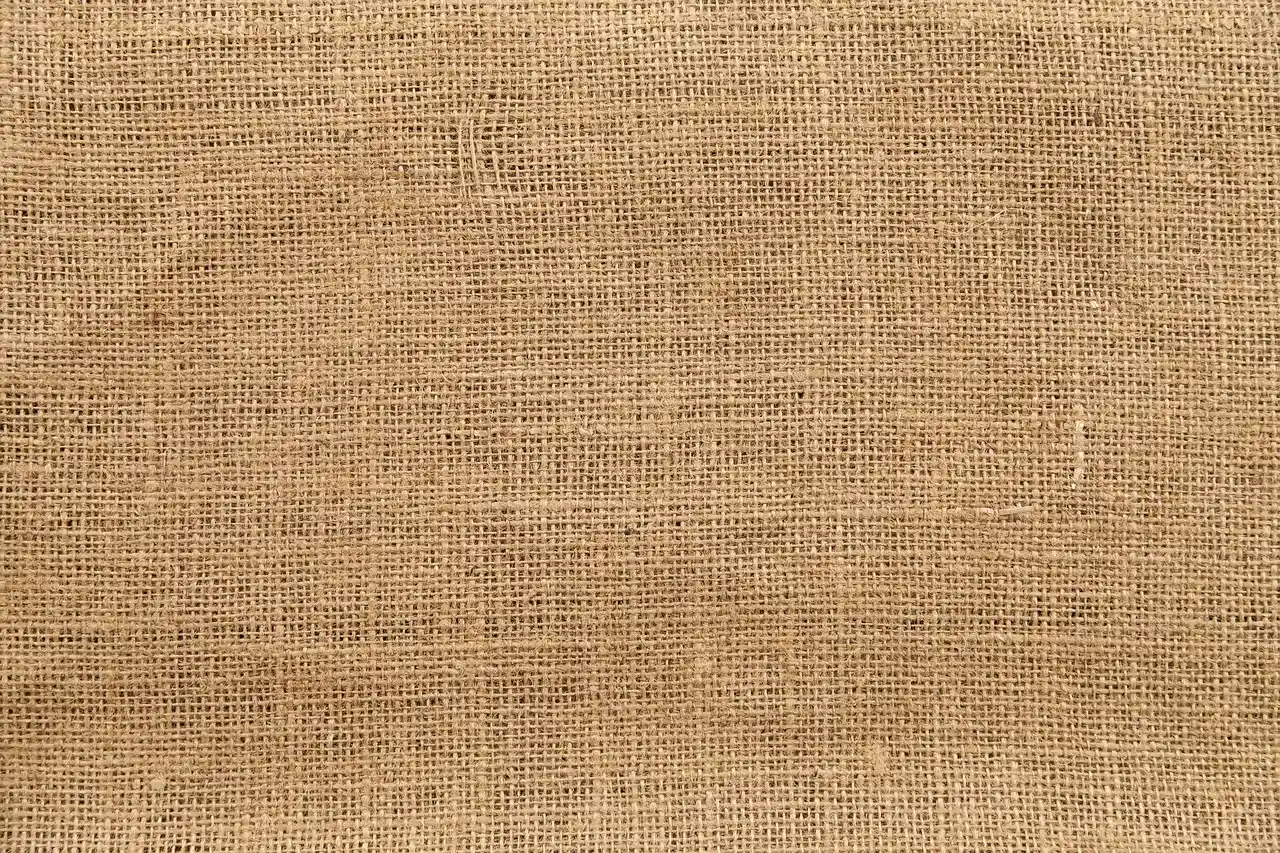
Polypropylene, also called olefin, is the most widely used performance fiber in outdoor rugs. The fibers are solution-dyed, meaning color is embedded into the fiber during extrusion rather than applied on top. That detail matters enormously for long-term color retention.
Polypropylene, belonging to the olefin fiber family, is synthesized from propylene monomers and features a linear hydrocarbon structure defined by non-polar carbon-carbon bonds. This specific molecular configuration makes polypropylene inherently hydrophobic, dramatically limiting water absorption. Consequently, this hydrophobic nature provides exceptional resistance against stains, moisture penetration, and microbial growth.
How Water Behaves on the Surface
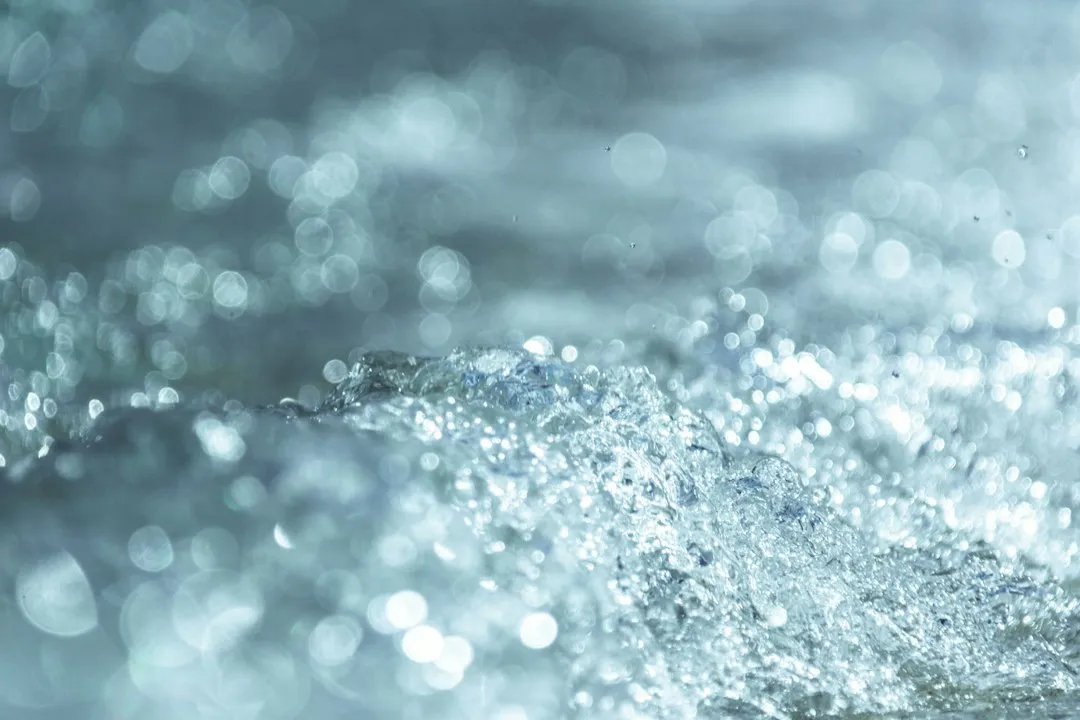
Polypropylene is inherently hydrophobic. Water beads off the fiber surface rather than penetrating it, which is why polypropylene rugs dry within a few hours of rain exposure under normal conditions. This matters most on open decks and pool surrounds where moisture is constant.
Any rain or other liquids that come into contact with the outdoor rug will simply sit on the surface of the rug, where you can easily sweep it off. Polypropylene rugs also resist mold and mildew growth, because moisture can’t penetrate the surface. That’s a meaningful distinction from polyester, which handles moisture less decisively in persistently damp environments.
The Science Behind Mold Resistance
From a technical standpoint, the absence of organic protein or cellulose means there is no food source for mold or mildew. Even in high-humidity environments, the fibers remain chemically inert and sanitary. This is the part that surprises people who assume any wet rug will eventually smell.
Polypropylene is widely considered one of the most reliable materials for outdoor rugs because it naturally resists moisture absorption. Instead of soaking up water, the fibers allow moisture to sit on the surface and evaporate more easily. This quality makes it especially effective in climates where rain and humidity are frequent. Coastal homeowners, in particular, tend to notice the difference.
UV Resistance and Color Durability
The fibers are solution-dyed, meaning color is embedded into the fiber during extrusion rather than applied on top. That’s why polypropylene rugs resist fading even after extended UV exposure: the sun can’t strip out what’s already part of the fiber itself.
If you’re searching for an outdoor rug, make sure it is 100-percent UV-stabilized polypropylene. With UV stabilizers, polypropylene rugs won’t fade from too much sunlight. All polypropylene rugs made with UV stabilized fibers will hold their color season after season. That’s a practical standard worth checking on any product label before purchasing.
How Polypropylene Compares to Polyester and Nylon
While polyester is also water-resistant, it tends to retain slightly more moisture and dries more slowly, increasing the likelihood of lingering dampness or odor in humid conditions. Nylon, on the other hand, is highly durable but absorbs more water than both polypropylene and polyester, making it less ideal for consistently wet environments.
Polypropylene’s non-polar, hydrophobic fiber structure effectively repels water, significantly reducing mold and mildew risks even under continuously damp conditions. Water droplets generally bead off polypropylene fibers rather than penetrate them, allowing rapid drying and simplified upkeep. Polyester, although moderately hydrophobic, does absorb small amounts of moisture, potentially creating opportunities for mold in humid environments if not properly managed.
The Weave Style Still Matters
The construction affects how your rug feels, drains, and wears. Flatweave options are thin, tightly woven, and quick-drying, and are perfect for dining areas where chairs slide easily. A looped or tufted weave in the same polypropylene material will trap water longer, so the weave style and the fiber type need to work together.
Unlike indoor rugs, outdoor-engineered options have non-slip backing and quick-drying properties, allowing them to handle rain, sun, and dirt without damage. Key features include weatherproof weaves and low-pile construction for easy hosing down. Low-pile flatweave polypropylene is genuinely the most practical combination for a fully exposed outdoor space.
The Limits You Should Know About
While UV stabilizers enhance polypropylene’s resistance to sun damage, prolonged exposure to direct sunlight may cause some fading, especially in darker shades. Temperature fluctuations can also lead to expansion and contraction, with extreme heat softening the material and extreme cold making it brittle. No material is truly unconditional.
Continuous exposure to both moisture and UV radiation can gradually impact appearance over time. To maintain longevity, placing rugs in partially covered areas or allowing them to dry fully after heavy rain helps preserve their structure and color. Regular rotation and occasional repositioning also minimize uneven wear caused by sun exposure. Small habits make a measurable difference across seasons.
Proper Maintenance to Maximize Lifespan
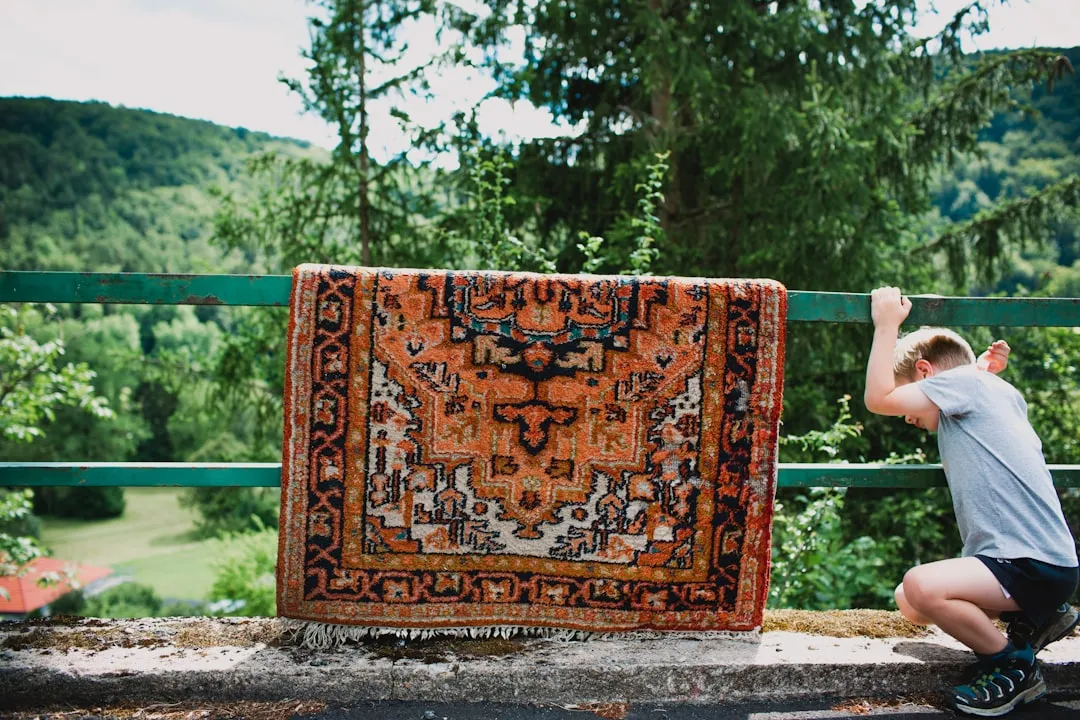
Synthetic fibers cannot actually mold, but the dirt on them can, so you want to remove as much as possible on a regular basis, at least once a week, but more often is ideal. Regular sweeping is a simple habit that pays off over years of use.
Ensure that your outdoor rug is elevated off the ground or surface it rests on. Using rug pads or placing the rug on wooden decking or concrete can help create airflow underneath, reducing the chance of trapping moisture that can lead to mold growth. Even the best rug material benefits from proper airflow beneath it.
Although an outdoor rug can withstand the weather, it’s best to store it in a dry place when it won’t be in use for an extended period of time, such as a snowy winter season. This helps extend the life of the rug, reduce the number of times you have to clean it, prevent mildew from building up, and prevent possible fading.
What to Check Before You Buy
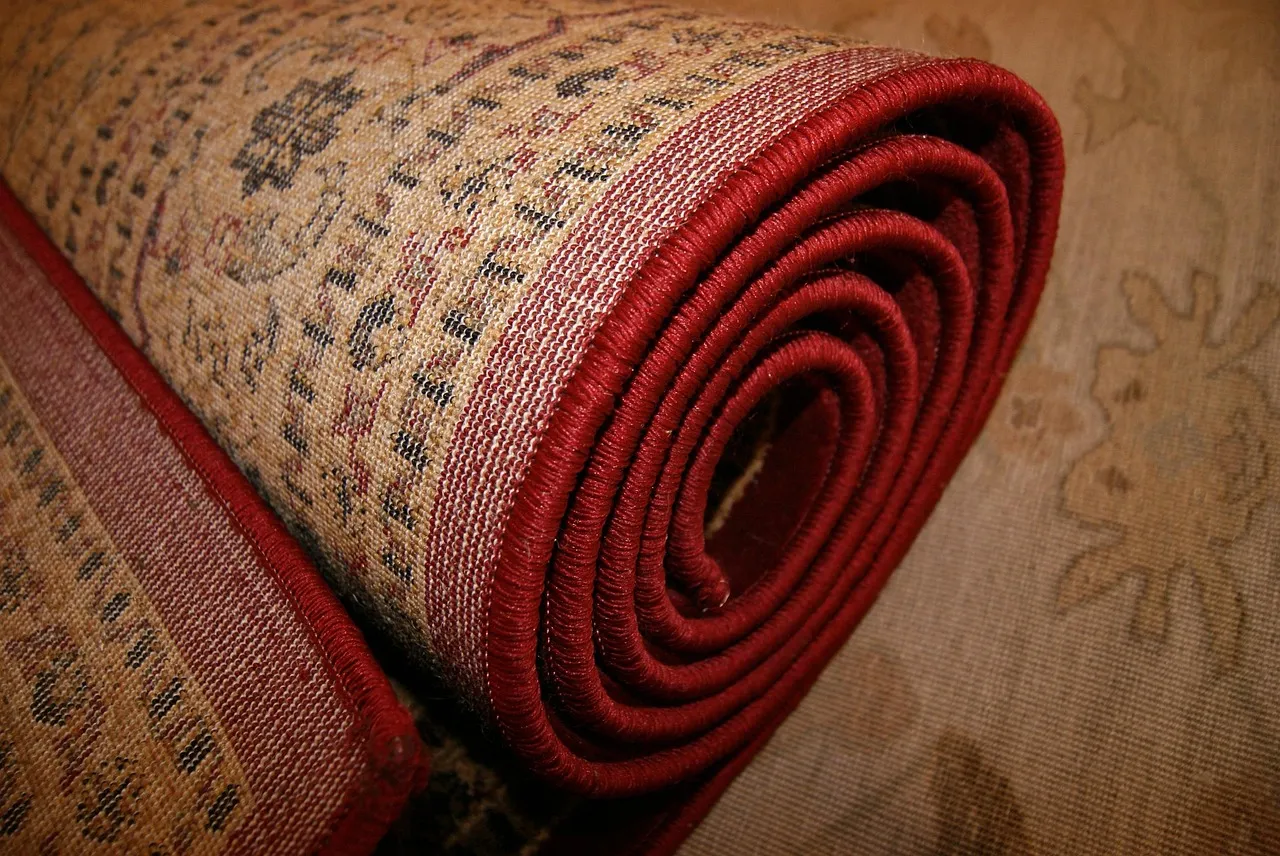
When selecting a polypropylene outdoor rug, check the materials used for the bindings, border, and base. Although the polypropylene fabrics are effectively water-resistant as well as mold and mildew repelling, it is important that there are no other materials in the rug that are not. A polypropylene face with a jute backing defeats the entire point.
Check how the colors of the rug are applied. If the color or design of a rug is silk-screened or printed on top of the fibers, you can expect that ink to erode with time. Solution-dyed fibers, where pigment is locked into the polymer itself, are the standard to look for. Prioritize solution-dyed polypropylene or PET for UV resistance, as both are fade-resistant, with polypropylene holding a slight edge in full-sun conditions.
The Takeaway
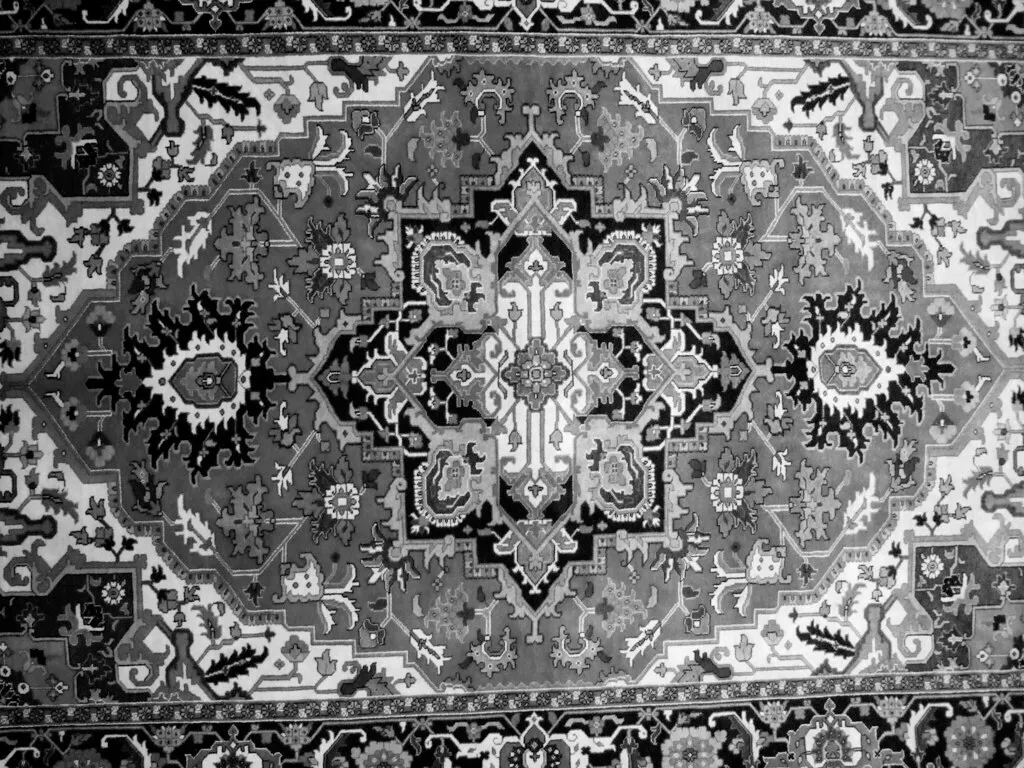
Choosing an outdoor rug used to feel like a gamble. Pick something you like, hope it survives a few seasons, replace it when it starts to smell. Polypropylene changed that equation significantly, not through marketing but through material chemistry that genuinely suits outdoor conditions.
The evidence lines up consistently across sources. This synthetic fiber is designed to repel water, resist UV rays, and withstand wear and tear from daily use. Unlike natural materials that may absorb moisture or fade in the sun, polypropylene keeps its shape and colour throughout the seasons.
The right outdoor rug isn’t the one with the most interesting pattern. It’s the one still looking reasonable after three wet springs in a row. Polypropylene, maintained sensibly and chosen with attention to weave and construction details, is the most reliable answer currently available.
AI Disclaimer: This article was created with the assistance of AI tools and reviewed by a human editor.