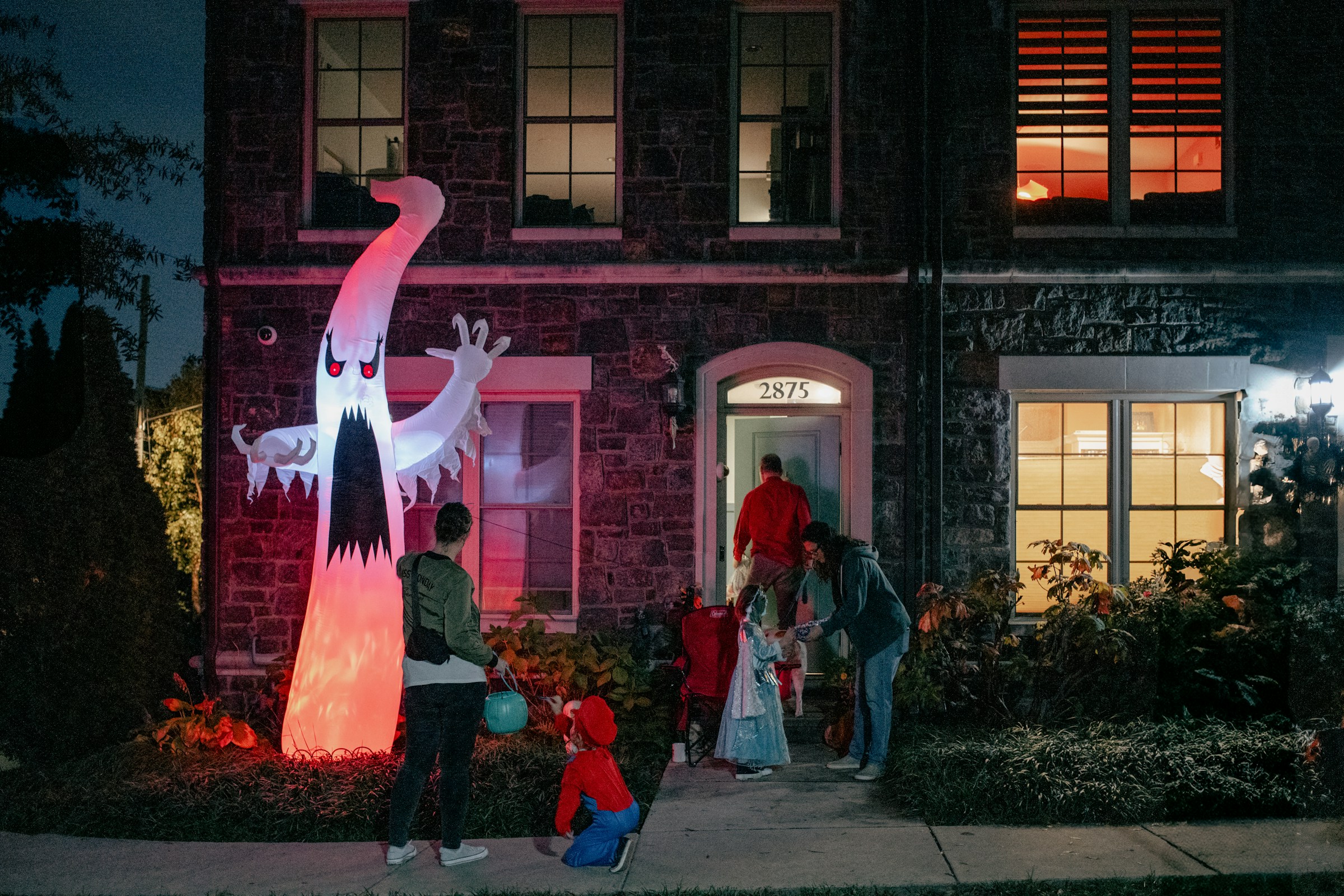

It Started with the Celts and a Fear of the Dead
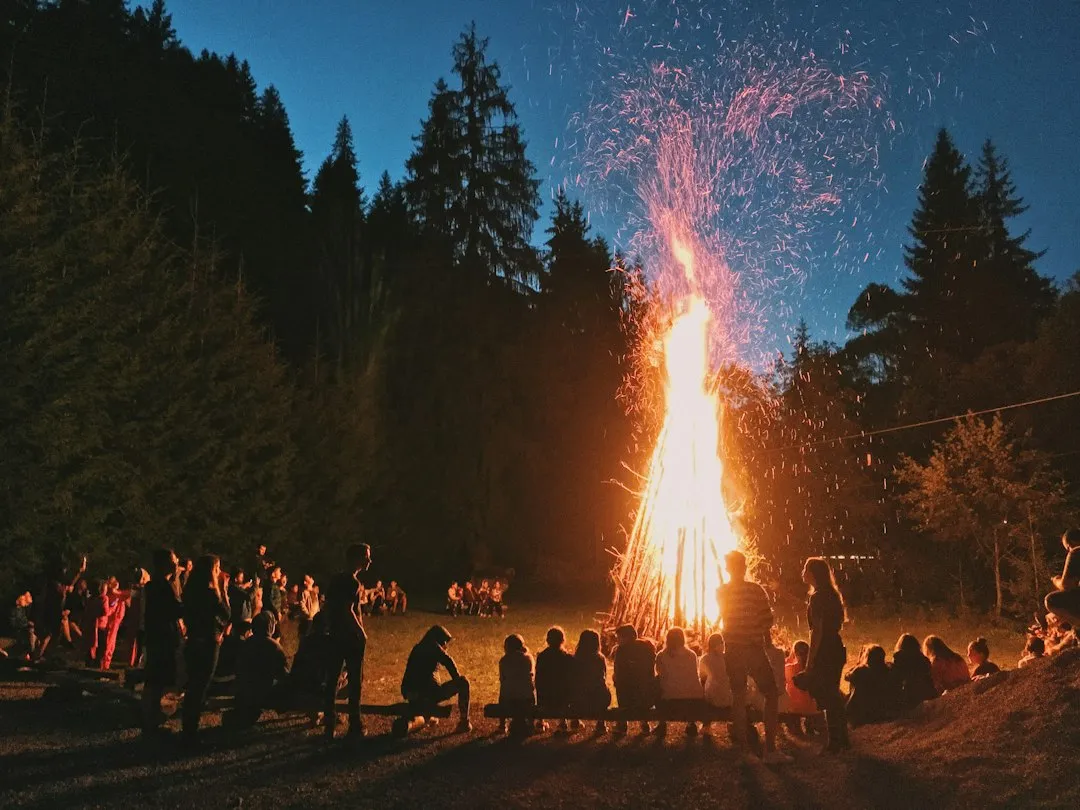
Costumed trick-or-treating takes its inspiration from the Celtic holiday Samhain, meaning “summer’s end” in Irish, celebrated more than 2,000 years ago. Samhain marked New Year’s Day and fell around November 1 in the modern calendar. On the eve of each new year, the Celts believed the barrier between the living and the dead became porous, allowing supernatural entities including fairies and demons to emerge and stalk the earth for one night.
During Samhain, people would light bonfires and don costumes made from animal heads and skins to ward off malevolent spirits. They also left food and offerings outside their homes to appease friendly spirits and prevent them from causing mischief. This practice of offering food to spirits laid the foundation for what would eventually become trick or treating.
Disguises Were a Survival Strategy, Not a Fashion Choice
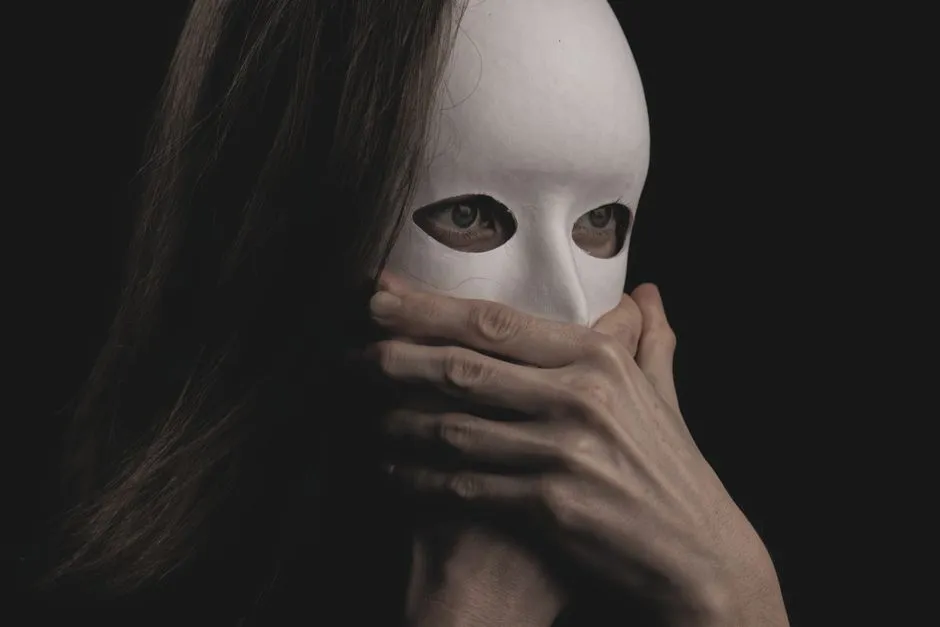
The Celts believed that wearing masks, old clothes, or disguises that made them look like demons would help them blend in with roaming spirits. This was called “guising,” and we still see a bit of this practiced today when people dress in costumes of ghosts or witches, even though the original intent is largely lost.
It is suggested that trick-or-treating evolved from a tradition whereby people impersonated the spirits or the souls of the dead and received offerings on their behalf. Researchers suggest they “personify the old spirits of the winter, who demanded reward in exchange for good fortune.” The costume, in other words, was never really about fun. It was a form of protection.
The Catholic Church Reshaped the Whole Thing
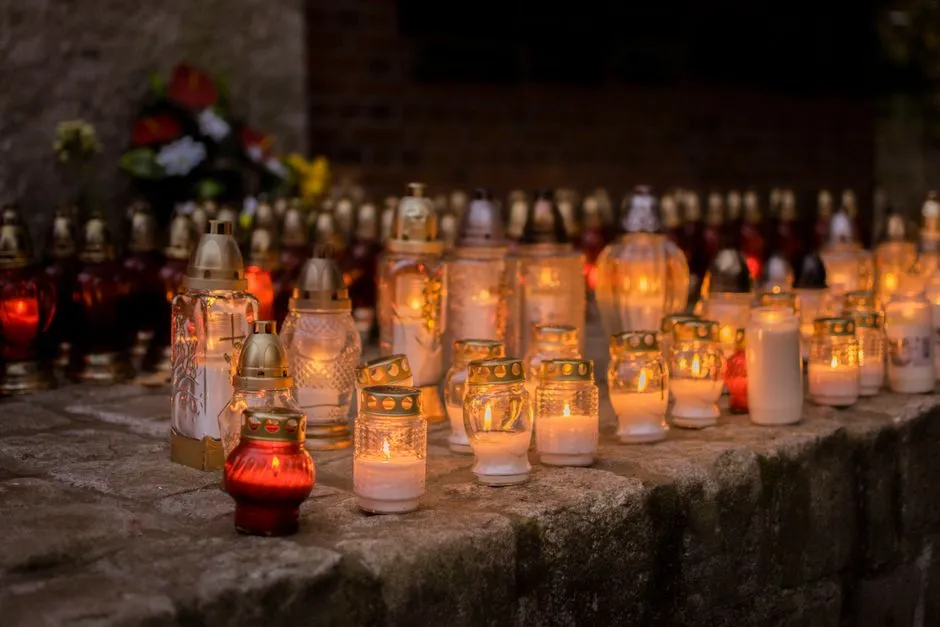
By the 7th century, the Catholic Church was in the business of converting pagan holidays into Christian ones. They turned the Celts’ festival into All Saints’ Day, moving their celebration to November 1 during Pope Gregory III’s reign, between 731 and 741 C.E.
In the 8th century, the Roman Catholic Church moved All Saints’ Day to November 1, likely in an effort to replace the pagan holiday of Samhain with a Christian observance. The evening before All Saints’ Day became a holy, or hallowed, eve, from which the word Halloween evolved. In 1000 A.D., the church designated November 2 as All Souls’ Day, a time for honoring the dead. Celebrations in England resembled Celtic commemorations of Samhain, complete with bonfires and masquerades.
Souling: The Forgotten Practice That Changed Everything
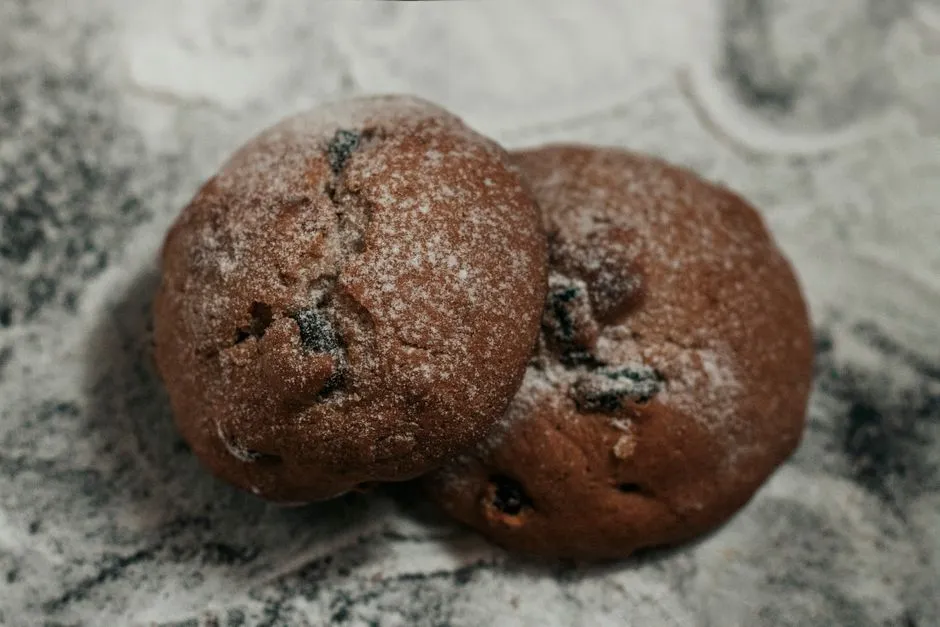
Poor people would visit the houses of wealthier families and receive pastries called soul cakes in exchange for a promise to pray for the souls of the homeowners’ dead relatives. Known as “souling,” the practice was later taken up by children, who would go from door to door asking for gifts such as food, money, and ale.
Originally the distribution of soul cakes was encouraged by the church as a way of replacing the ancient pagan practice of leaving food and wine for wandering spirits. The soul cake was less “cakey” than our modern recipes and more closely resembled a shortbread biscuit with added sweet spices. The earliest report of the souling practice dates back to the beginning of the 16th century.
Mumming: When Performances Replaced Prayers
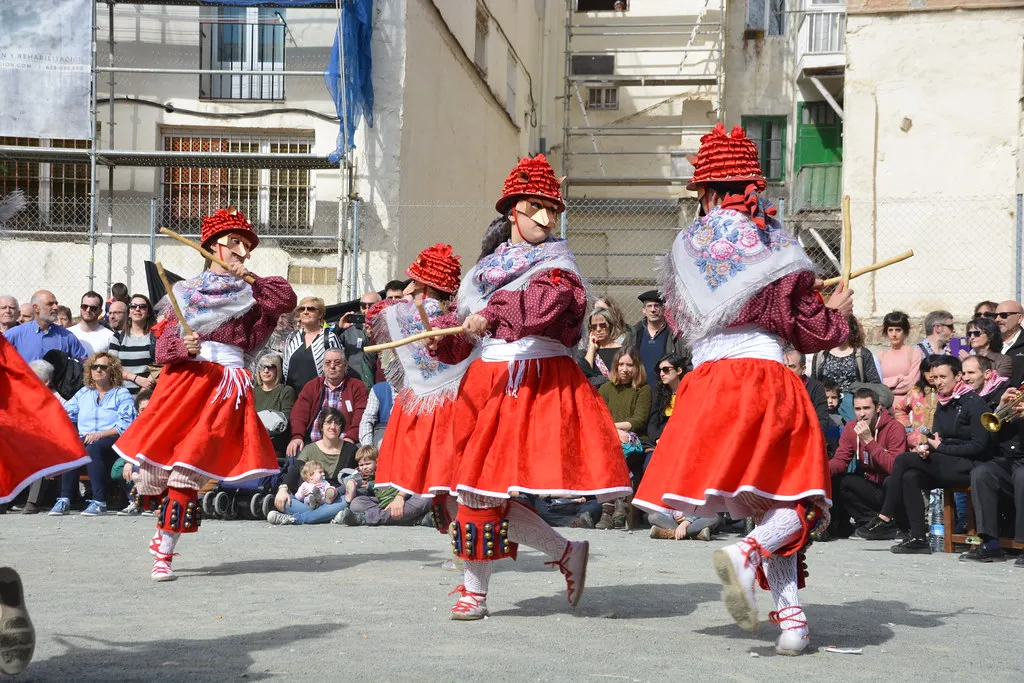
Approximately 500 years after the beginnings of Samhain, during the Middle Ages, the first traditions that truly resembled modern trick-or-treating appeared. People were still dressing up in costumes for the holiday, but they dressed as ghosts, demons, and other spooky creatures rather than animals.
This new tradition was called mumming, and mummers, the costumed people putting on the performances, would go door to door, singing, dancing, and enacting plays in exchange for food and drink. The children of Ireland and Scotland participated in their own version called “guising,” in which they dressed up in costume and went door to door asking for food or treats. Instead of offering prayers, guisers often put on a show to receive their goodies, usually a form of performance art including plays, juggling, dancing, singing, or reciting poems.
The Phrase “Trick or Treat” Was First Written Down in Canada
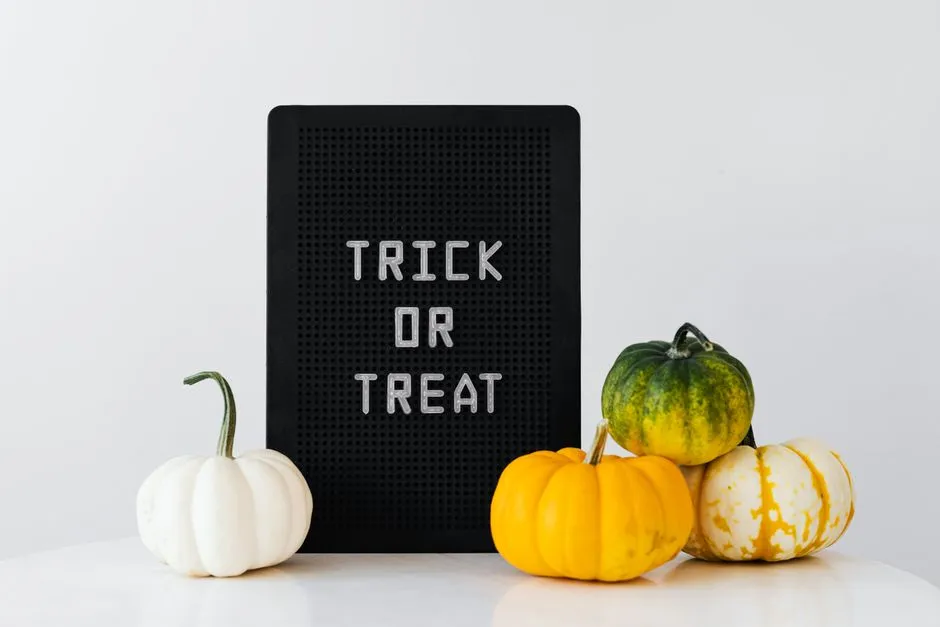
The term “trick or treat” was reportedly first spoken by costumed faces in Lethbridge, Alberta. A Lethbridge historian confirmed through research that the term was first documented in the Lethbridge Herald on November 4, 1927. Most American families assume the phrase was born in the United States, but the written record points squarely to southern Canada.
The phrase “trick or treat” as we use it today was first recorded in 1927. The tradition of going house to house to ask for treats, and potentially performing a trick on the dweller in the absence of said treat, dates back to the 15th century. While the term “trick or treating” doesn’t come into the English language until 1927, the practice was well known for centuries and was generally called “mumming,” “guising,” or “souling.”
Irish and Scottish Immigrants Brought It to America
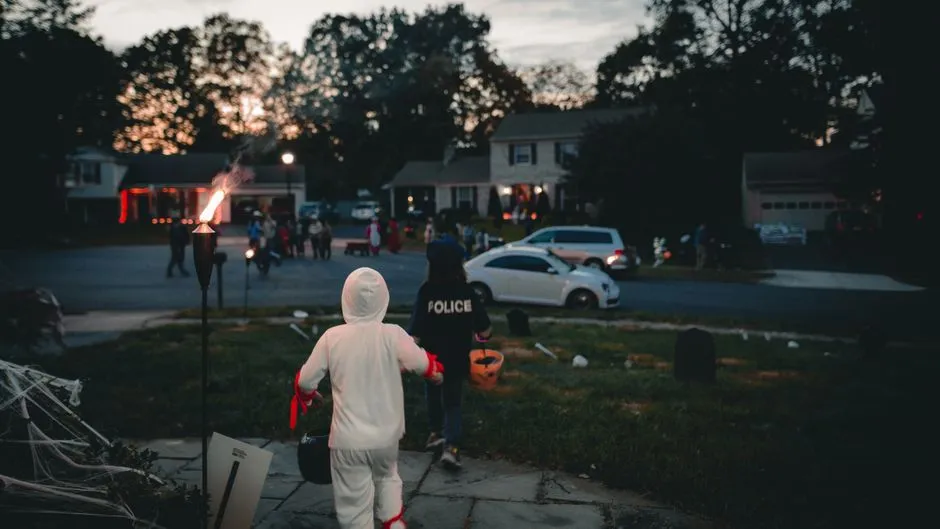
Halloween didn’t properly reach the United States until the 1840s, with the mass arrival of immigrants from Ireland and Scotland. These newcomers brought their many traditions with them, including begging for treats.
Trick or treating as we know it today evolved in North America, primarily the United States, during the 19th and early 20th centuries. The influx of Irish and Scottish immigrants brought with them their Halloween traditions, including souling and mumming. These practices gradually merged to form the basis of modern trick or treating. The holiday was pieced together from multiple immigrant cultures, not invented whole cloth by any single community.
Halloween Vandalism Almost Killed the Tradition Before It Took Off
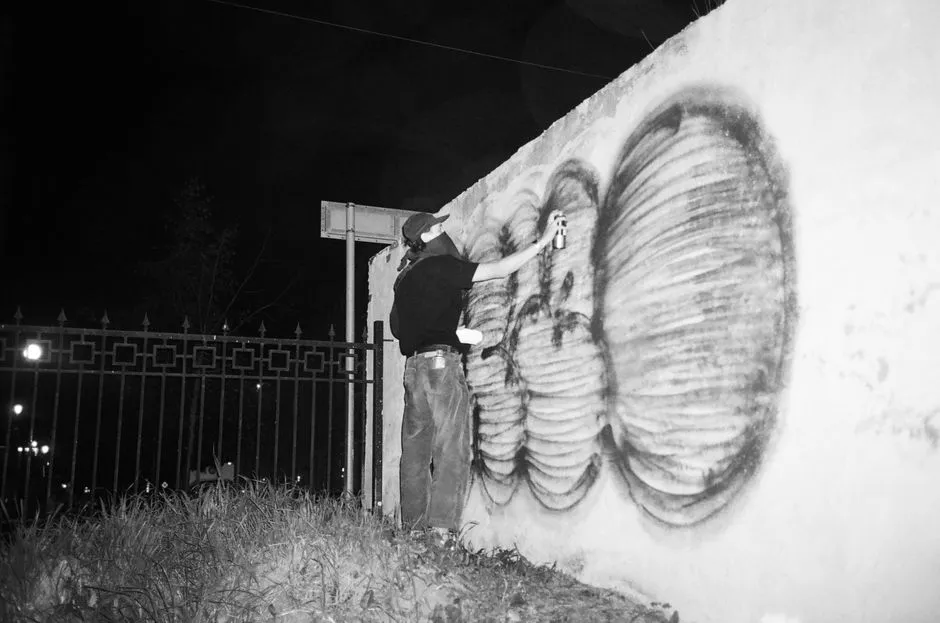
By the 1920s, tricks had become the choice of rowdy young boys on Halloween. By the 1930s, rambunctious mischief-making had ganged up, and their tricks devolved into vandalism, physical assaults, and sporadic acts of violence.
October 31, 1933, is known as “Black Halloween,” a night of terror and mayhem when shameful excesses of mischief perverted the spirit of Halloween. Black Halloween led to the widespread adoption of community-based trick-or-treating traditions. Youngsters used Halloween as an opportunity to prank people, and those pranks were often destructive, causing expensive property damage. It was right around the Great Depression that these activities became known as trick-or-treating in the organized, candy-focused form we recognize today.
Postwar Suburbs Turned It Into a National Ritual
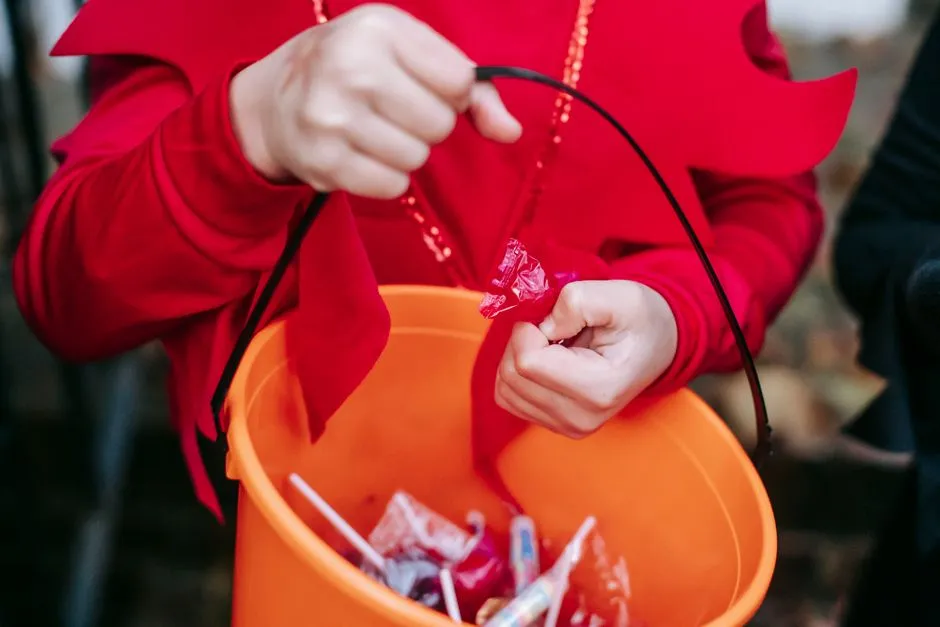
Trick-or-treating really took off stateside after World War II, when sugar rationing ended. Burgeoning new suburbs provided accessible Halloween routes for families, and the rise of individually wrapped pieces of candy made it easy for adults to distribute treats to children and to help stave off the pranking that had become popular among American youngsters starting in the 1920s.
This caused rapid housing expansion and suburban sprawl, which created the perfect environment for trick-or-treating, giving children easy and safe access to many neighbors’ doors, without the dangers of city traffic. The geography of postwar America, not an ancient decree, is largely what shaped the version of the tradition most people alive today grew up with.
The Scale of Halloween Today Is Staggering
Consumers are expected to spend a record $13.5 billion celebrating Halloween in 2026, including $4.1 billion on candy, according to the National Retail Federation. About 73 percent of U.S. consumers celebrated Halloween in 2025, showing consistently high participation levels, up from 69 percent in 2022.
An estimated 40 million children aged 5 to 14 are potential trick-or-treaters across the United States in 2025, with almost 134 million homes representing possible stops for those children. Most trick-or-treaters, roughly three in four, stay within their own neighborhoods. A practice that began with frightened Celtic villagers leaving food out for the dead has become one of the largest consumer events on the planet.
The Long Thread Still Running Through It All
AI Disclaimer: This article was created with the assistance of AI tools and reviewed by a human editor.