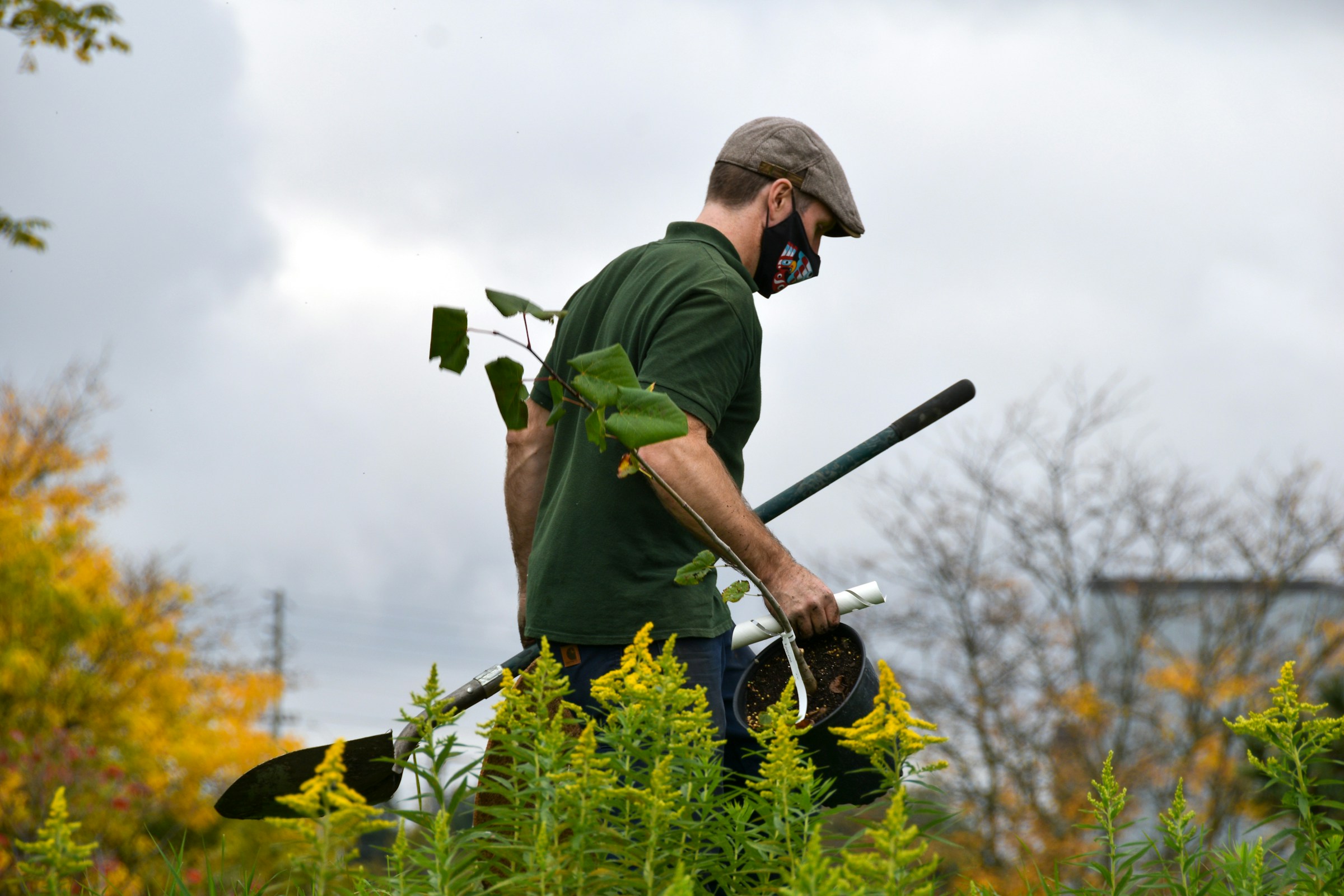

Gardening has quietly become one of the fastest-growing home hobbies in the world. The global gardening tools market was estimated at roughly 98 billion USD in 2025, driven in large part by rising consumer interest in home gardening and sustainable outdoor practices. With all that money flowing into the category, every retailer is competing to get you to buy something new, something shiny, something you probably don’t need.
Here’s the honest reality: most basic garden tools are just as good secondhand. Old steel improves with use, hardwood handles age well, and simple tools don’t have expiry dates. The real question isn’t whether to buy used at all. It’s knowing which five tools are worth splurging on brand new, and why skipping that logic could cost you more in the long run.
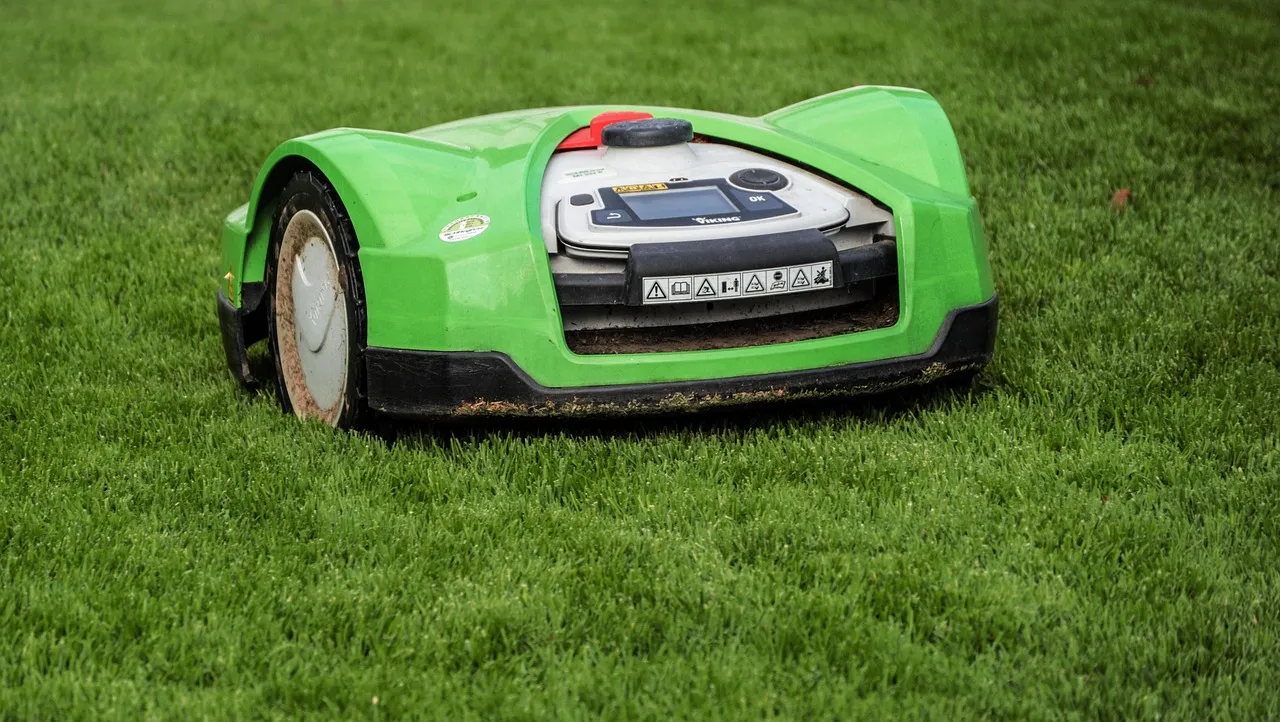
1. Battery-Powered Lawn Mower: Cordless Technology Has Changed the Game
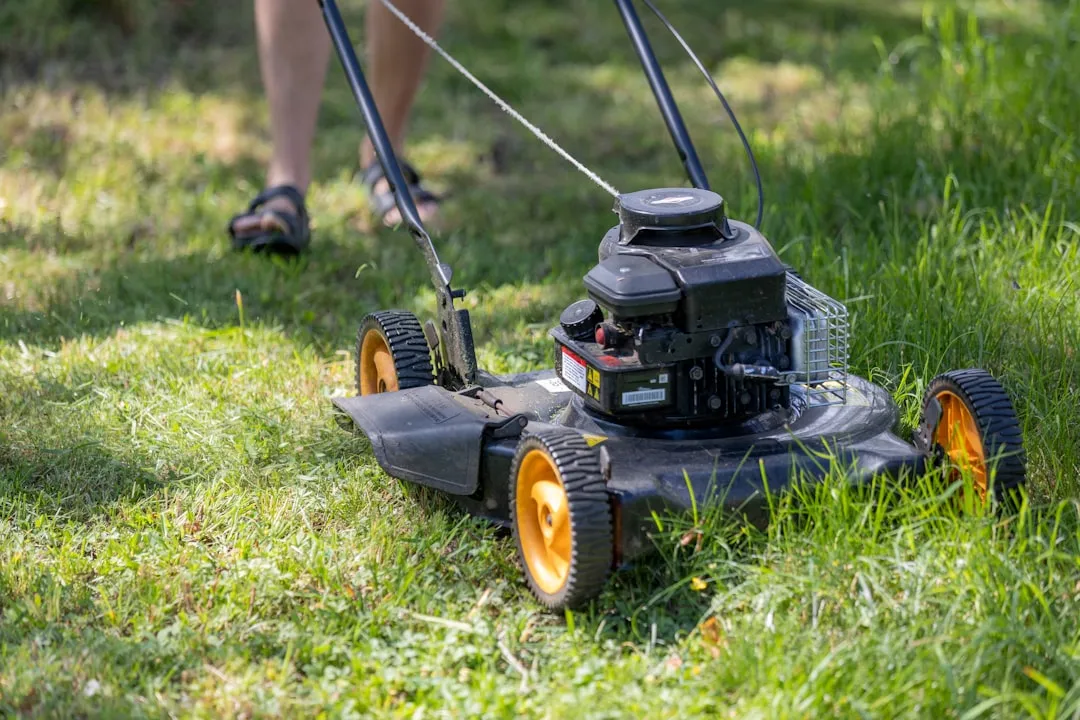
The development of cordless gardening tools is proving to be a genuine shift in how gardens get maintained. Most modern models now use lithium-ion batteries, which can be shared across a range of power tools from the same brand. That cross-compatibility alone is a compelling reason to buy new, since matching battery platforms requires buying into a current ecosystem.
Tools from EGO’s Power Plus 56-Volt Battery platform consistently earn top marks from Consumer Reports testers, and the technology advances quickly enough that a used model from even three or four years back can lag noticeably behind in battery capacity and run time. Lithium-ion batteries charge very quickly, hold their charge well, and don’t degrade in storage, which is crucial for gardening tools that aren’t used on a daily basis. This is exactly the kind of performance characteristic you want certified new, not guessed at from a secondhand listing.
2. Cordless String Trimmer: Battery Compatibility Is Non-Negotiable
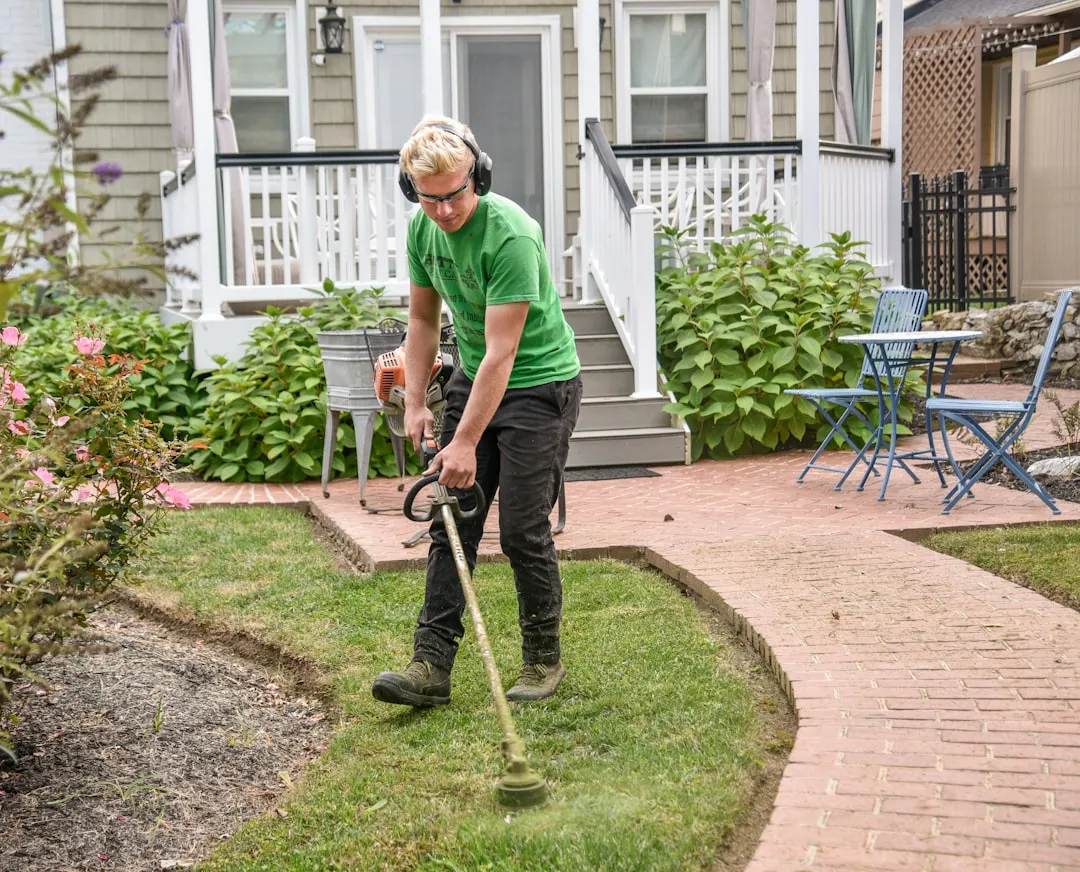
String trimmers wear down internally in ways that aren’t always obvious. Drive shafts, motor brushes, and battery cells all degrade with use, and a used trimmer with a depleted battery will frustrate you within a single afternoon. Buying new means you get full battery health from day one, plus a warranty that actually covers the motor.
A current 56-volt battery string trimmer allows users to zip easily through larger-scale lawn cutting, and the ergonomic improvements in recent models are significant. The power tools segment accounted for roughly two-fifths of the total gardening tools market in 2025, dominating due to strong demand for efficient, battery-operated, and high-performance tools. That market weight translates to rapid innovation cycles, which means older used models fall behind fast in terms of both power and comfort.
3. Ergonomic Digging Shovel: Materials and Construction Differ Enormously
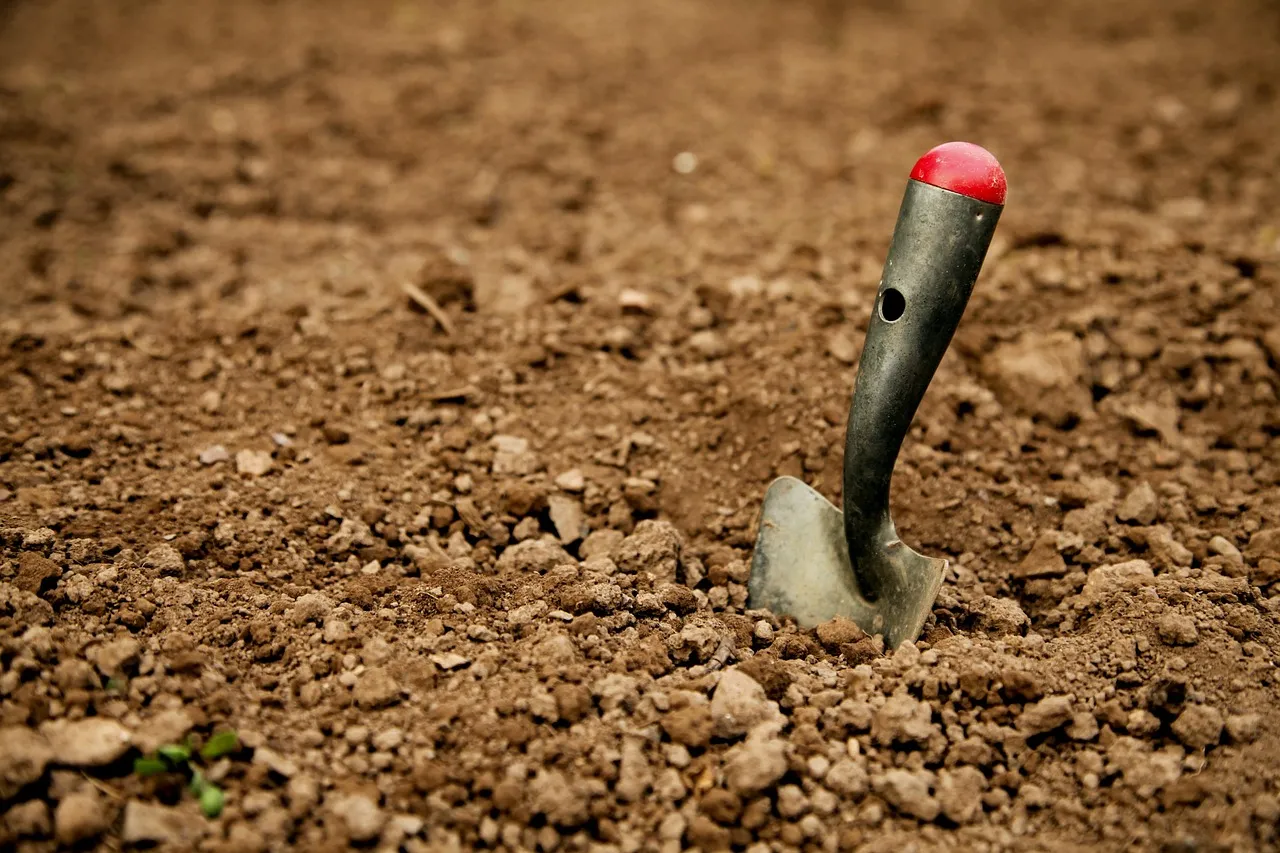
Consumer-grade tools sold at major chain retailers are typically made with lower-gauge steel, hollow or composite handles with weak joints, and minimal quality control. The problem with buying a cheap shovel secondhand is that you often can’t tell what grade of steel you’re dealing with just by looking at it. Starting fresh with a verified, professional-grade shovel eliminates that uncertainty entirely.
Professional-grade tools use materials like chromoly steel, aircraft aluminum, and solid hardwoods such as ash or hickory, engineered specifically for repeated heavy-duty use. The cost difference between a professional shovel and a budget one is real, but the math is simple. A fifteen-dollar shovel that breaks after one season costs seventy-five dollars over five years. Buying new from a verified brand gives you the material spec sheet you can actually trust.
4. Quality Pruning Shears: Hygiene and Precision Are Both on the Line
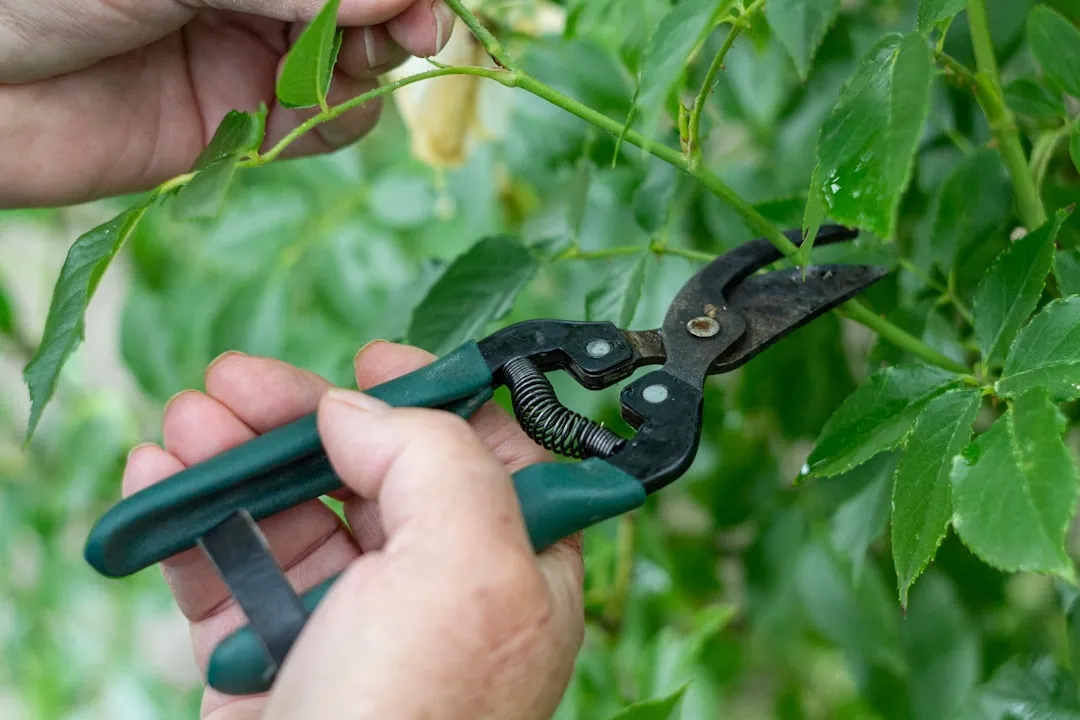
This one surprises many people. Pruning shears are often recommended as a fine secondhand buy, and that can be true for experienced gardeners who know how to inspect blades and tension. For most home gardeners though, used shears carry hidden risk: previous cuts on diseased plants can leave pathogens on the blade that soap and water alone won’t eliminate. Buying new gives you a sterile starting point.
Felco pruners have a solid reputation for making quality gardening tools that cut cleanly through every plant in your garden, from flower stems to branches, and while they’re slightly more expensive than others tested, they more than prove their worth. The precision calibration of new bypass blades is also noticeably different from a used pair that may have been resharpened unevenly. Felco is known for making durable cutting tools such as pruners and lopping shears, and Fiskars offers a wide range of reasonably priced garden tools durable enough for everyday use.
5. Cordless Hedge Trimmer: Safety and Motor Integrity Matter
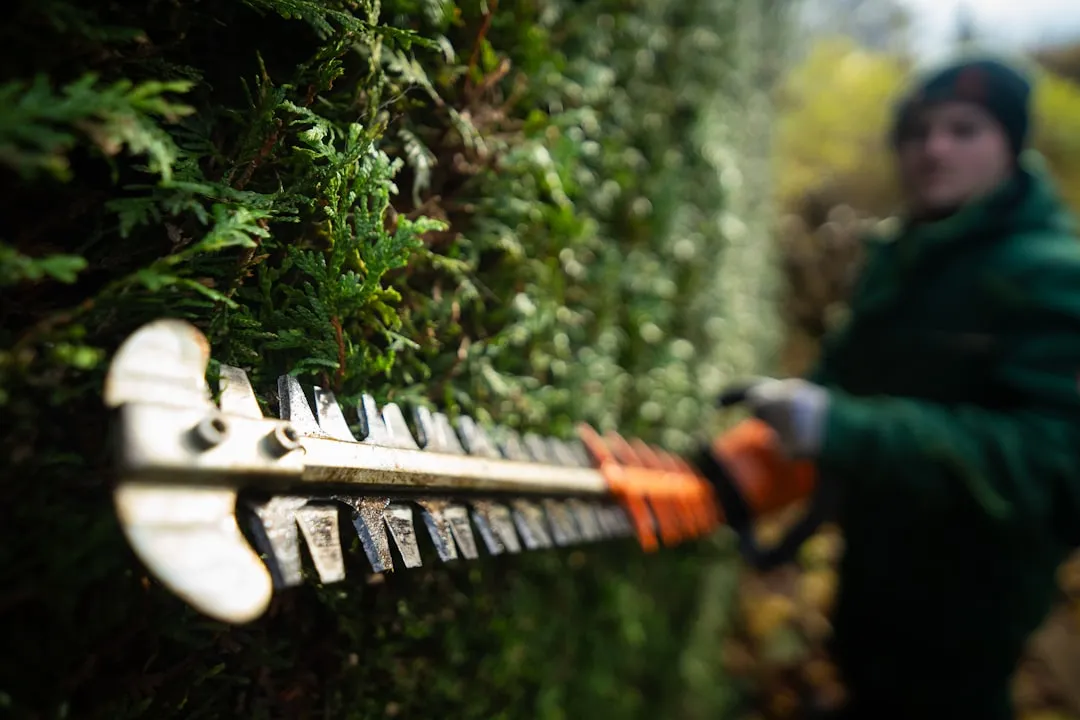
Cordless hedge trimmers provide greater maneuverability and freedom compared to corded models, allowing users to trim hedges and shrubs without being restricted by a power cord, making it easier to reach all areas of the garden. That freedom of movement comes with a real safety requirement: a motor and blade assembly that are in verified, full working order. On a used trimmer, you simply cannot know the internal condition of the blade drive mechanism without professional inspection.
Many modern models are lightweight and ergonomically designed, reducing strain during use, and that ergonomic engineering is most effective when the tool is performing as intended. A hedge trimmer with a worn motor or a blade with micro-damage from previous use can vibrate unevenly and increase both fatigue and the risk of a slip. Buying new is, in this case, as much about safety as it is about performance.
Why These Five? The Logic Behind the List
There’s a clear pattern running through all five of these tools. They either involve battery technology that degrades invisibly, motor components that wear in ways you can’t see, blade hygiene that matters for plant health, or material specifications that cheap construction can mimic on the surface. These are exactly the categories where buying used introduces real uncertainty rather than just cosmetic imperfection.
Industry-wide shifts are actively investing in durability, ergonomic design, and cordless power solutions, which means the gap between current-generation tools and models from three to five years ago is wider than it looks. For these five categories specifically, that gap is worth paying for.
What You Should Absolutely Buy Secondhand
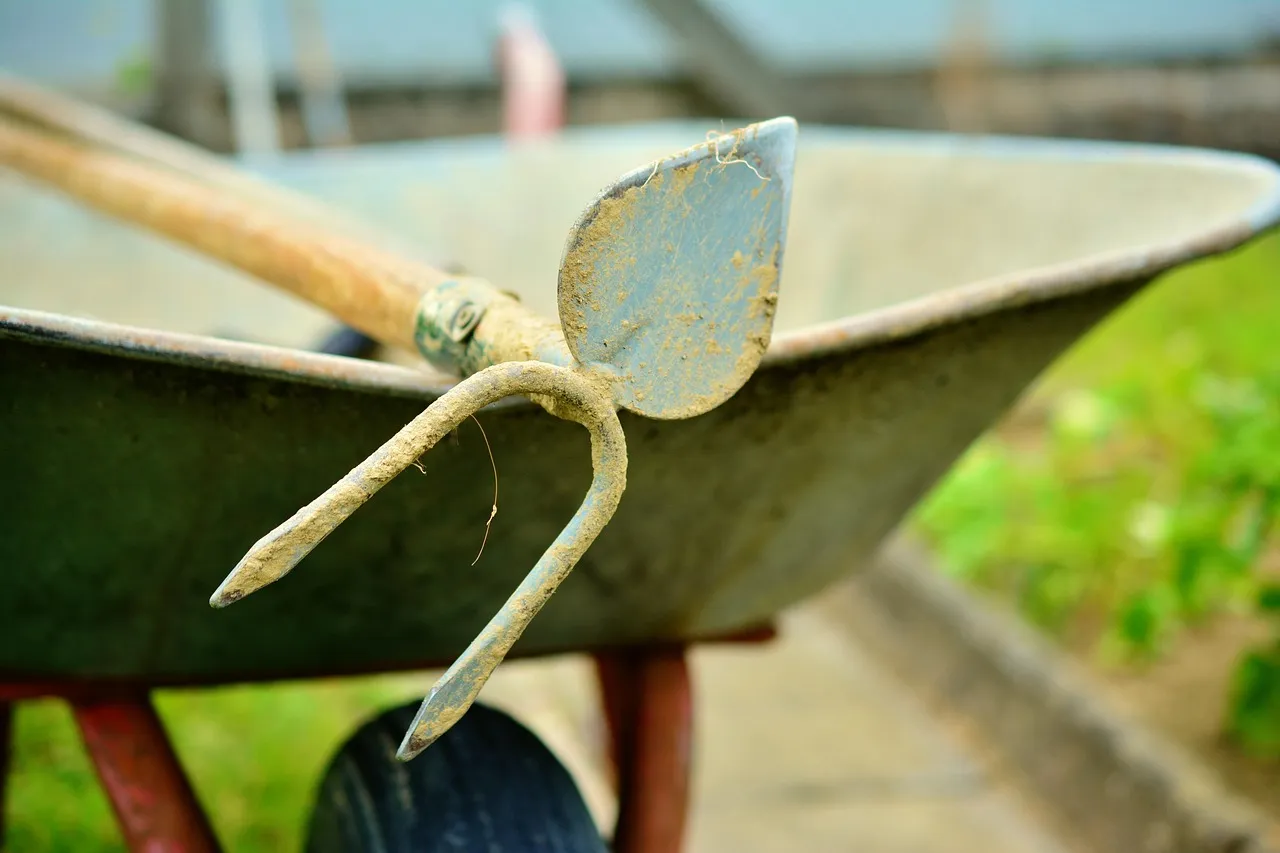
Knowing what to buy new is only half the picture. A sturdy wheelbarrow can turn hauling mulch, soil, or compost into a breeze, and older models often have thicker steel trays than modern lightweight versions. Used wheelbarrows are especially great because they’ve already stood the test of time, showing they can survive rough use. The same logic applies broadly to rakes, hand forks, trowels, and hoes.
Hoes are simple tools, and the best ones are built to last decades. Used hoes often have hardwood handles that are more durable than the cheap plastic ones sold today. Steel heads, wooden handles, and simple mechanical action don’t wear out in hidden ways. You can inspect them thoroughly before buying, and a good clean-up will restore them to excellent working condition. These are the tools where secondhand genuinely wins.
How to Spot a Quality New Tool Before You Buy
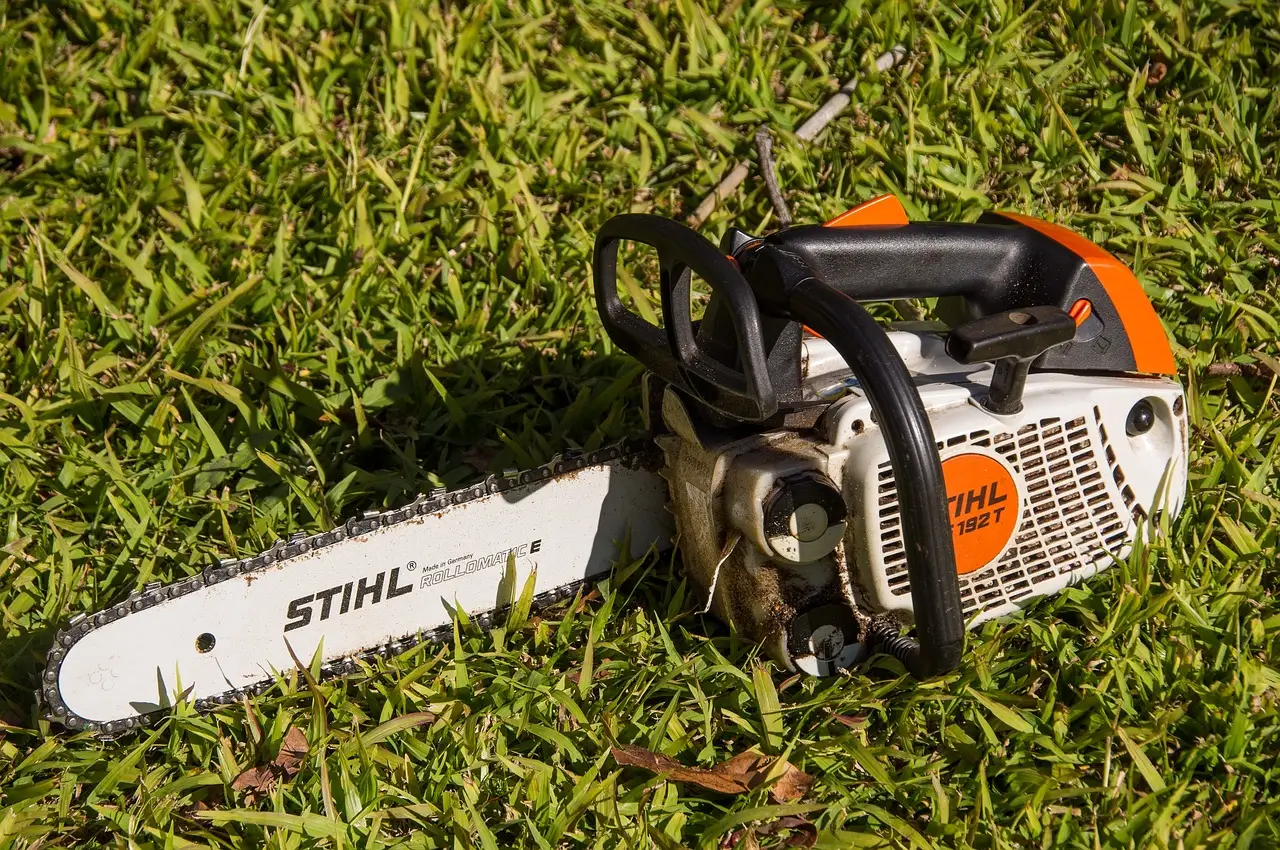
With power tools, always check that the battery platform you’re buying into is currently active and growing. A brand that discontinues its battery line leaves you stranded within a few years. Research reputable brands known for quality and durability, and check the warranty coverage for the tool and batteries to ensure protection against defects.
For hand tools bought new, the best products are predominantly made from high-quality materials like steel and fiberglass, which hold up better over time than plastic. Avoid tools with plastic socket connections between the head and handle. That joint is where cheap tools fail first, and it’s a compromise that no amount of brand marketing can hide once you’re mid-task in a heavy soil bed.
The Real Cost of Getting This Wrong
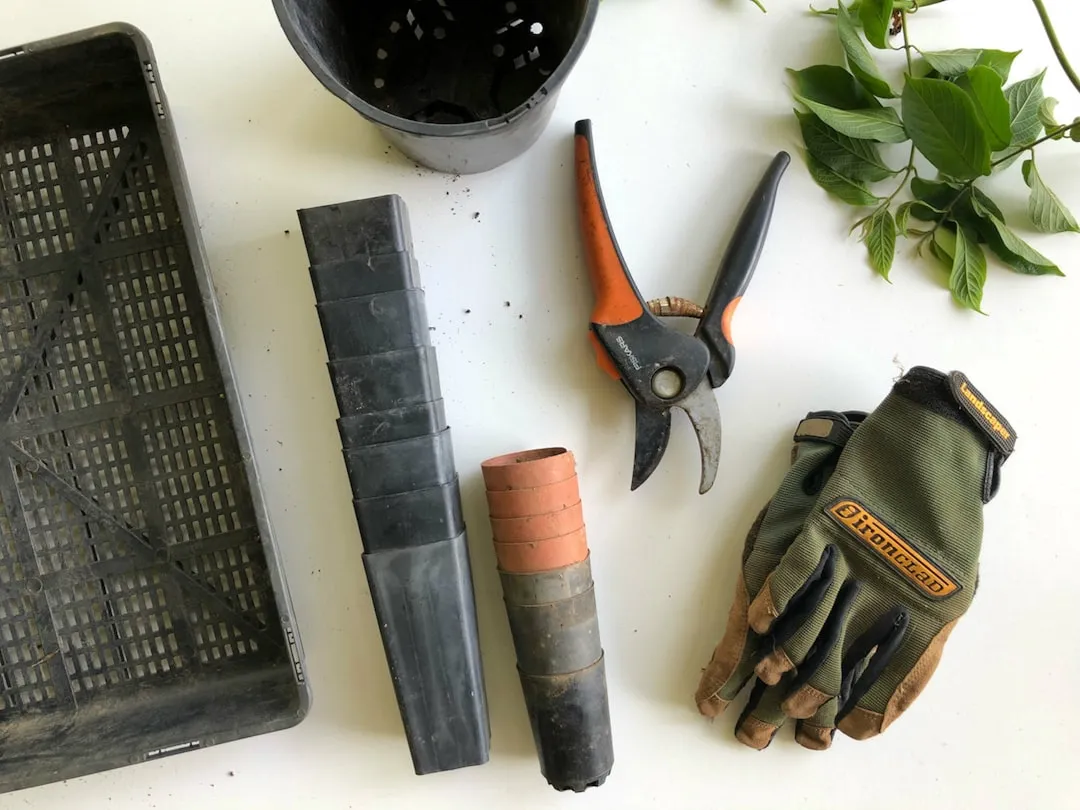
Gardening is a long game. The tools you buy today will ideally still be with you in ten years, which changes the arithmetic considerably. Replacing cheap tools repeatedly costs more than buying professional-grade once, and that principle holds whether the cheap tool was bought new or secondhand. The actual mistake isn’t buying used. It’s buying the wrong tool used.
The U.S. landscaping services industry reached 188.8 billion dollars in 2025, driving demand for tools that hold up under daily field use. What professionals know, and home gardeners are catching onto, is that buying right once is nearly always cheaper than buying wrong twice. The five tools on this list are precisely the ones where that lesson is most expensive to learn the hard way.
How to Get the Most from New Tool Purchases
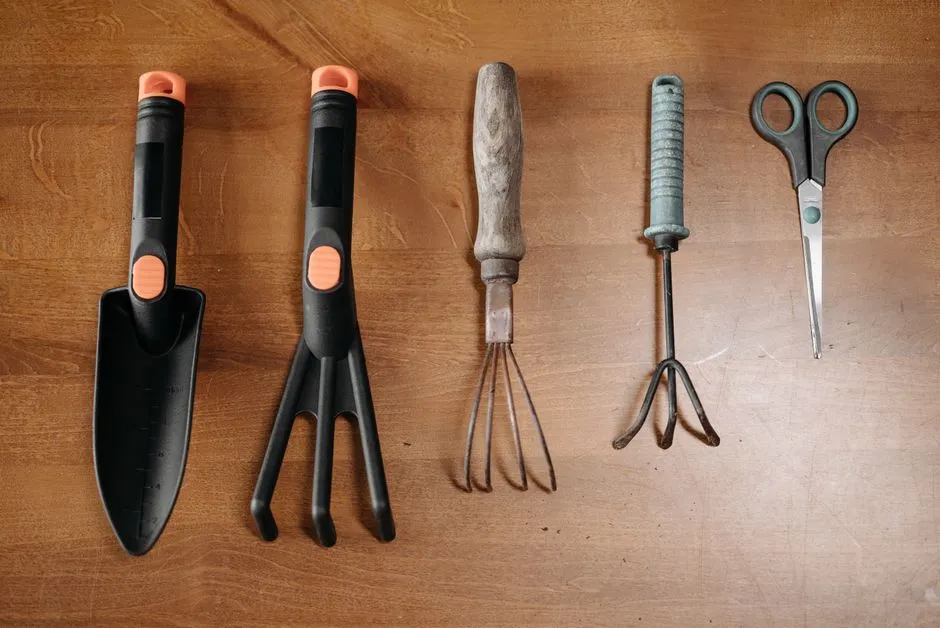
Once you’ve bought new, the care you put in determines how long your investment lasts. Store your gardening tools in a dry and clean place, check their condition before each use, clean them after each use with mild soap and water, and keep them oiled to prevent rusting. These habits alone can double the working life of any quality tool.
Register your warranties on power tools immediately after purchase. Brands like STIHL, EGO, and Husqvarna offer meaningful coverage that only applies if you’re the registered first owner. That warranty chain is broken completely the moment you buy secondhand, which is yet another practical reason these five categories deserve a brand-new purchase.
The Takeaway
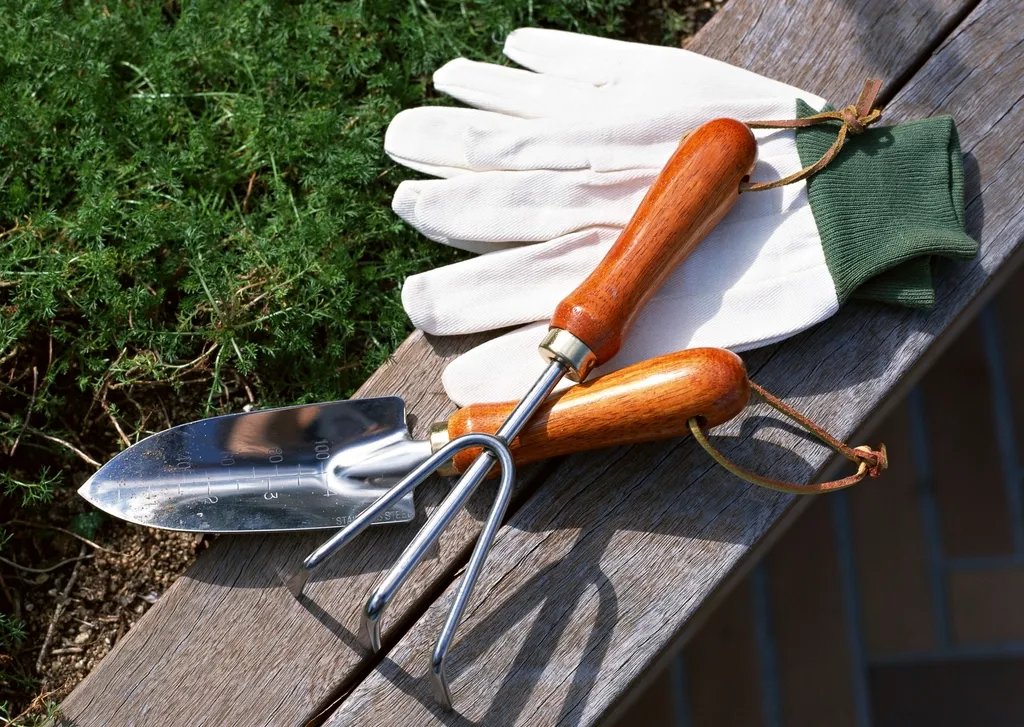
The best gardening toolkit is almost never an all-new or all-used collection. It’s a deliberate mix, built around understanding which tools carry hidden risk when bought used and which ones are as good at sixty years old as they were the day they were forged. For power tools with batteries, precision cutting tools with hygiene requirements, and professional-grade shovels where material spec matters most, new is genuinely worth the premium.
For everything else with a wooden handle and a steel head, a well-maintained secondhand find will serve you just as faithfully as anything wrapped in plastic at the hardware store. The real skill isn’t spending more. It’s knowing exactly when spending more actually matters.
AI Disclaimer: This article was created with the assistance of AI tools and reviewed by a human editor.