

The Scale of the Problem Is Bigger Than Most People Realize
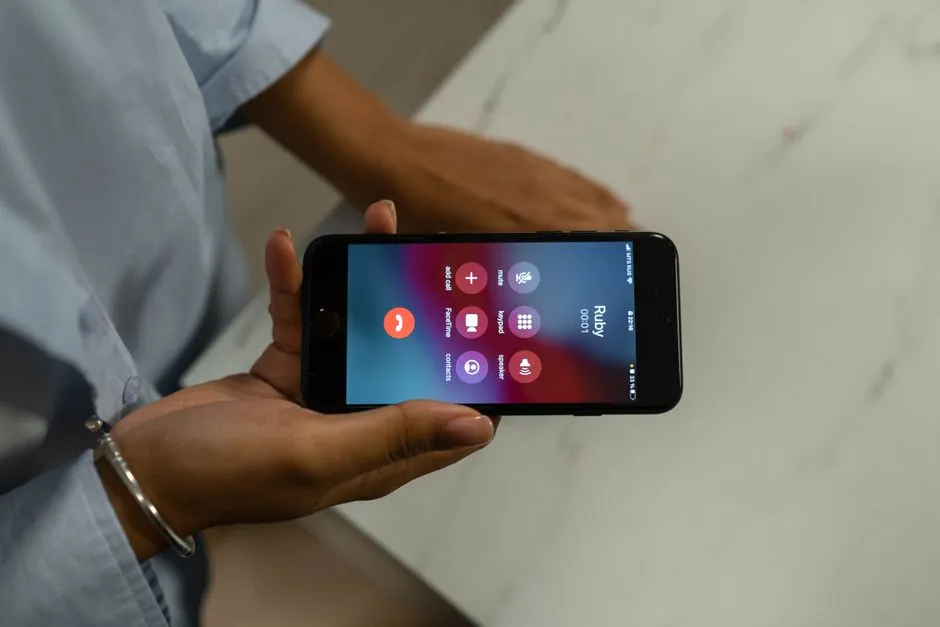
Phone scams are not a fringe concern. According to the U.S. PIRG Education Fund, the monthly average of scam and telemarketing calls rose from 2.14 billion in 2024 to 2.56 billion through September 2025, a roughly 20 percent year-over-year increase. That trajectory puts the problem in a different category entirely.
In 2024, people in the U.S. received an average of nearly 153 million robocalls daily. Every hour, about 6.4 million robocalls were placed, and every second, close to 1,800 robocalls were sent. The sheer volume makes it impossible to ignore.
Pew Research Center found that nearly a third of American adults now receive at least one scam phone call every single day. If you’ve been getting more calls lately, you’re not imagining it.
What the “Say Yes” Scam Actually Is
The “Say Yes” scam is a telephone scam designed to trick individuals into saying the word “yes.” It sounds almost too simple to work, yet it continues to catch people off guard precisely because of its simplicity.
The scam begins with a call from an unknown number, often with a local area code to appear more legitimate. When you answer, the scammer will usually pose as an employee of a company or other organization. Everything is engineered to feel routine.
The scam might start with a caller asking “Can you hear me?” or “Are you the homeowner?” Their goal is to get you to utter the word “yes,” which wouldn’t be an unusual response to those questions. That’s exactly what makes it so effective.
How Scammers Use Your Voice Against You

The caller records your “yes” response and obtains what functions as a voice signature. This signature can later be used by scammers to pretend to be you and authorize fraudulent charges via telephone, according to the FCC.
The scammer can then use the recording to access accounts. When asked to authorize log-ins, make a major purchase, or sign up for expensive services, the scammer impersonates the victim with the recorded “yes.” It becomes a tool that keeps working long after the original call.
In a credit card or debit card scam, the fraudster might already have your card number. Once they’ve obtained your “yes” answer, they might sign up for a product or service and use the recorded answer to verify the purchase. The recording is the missing piece they needed.
The Questions Designed to Trap You

Usually, the caller will hang up immediately after you respond to the question “Can you hear me?” However, some consumers say the calls can also be about banking, vacation packages, warranties, and even Medicare cards. The callers may be impersonating a bank, financial institution, government agency, or insurance company.
In other variations of the scam, the caller may say “Is this your name?” or some other question where the answer will be “yes.” The script changes, but the target stays the same.
Another version of the scam has callers play pretend utility or warranty agents. They might ask “Do you want to renew?” or “Are you the homeowner?” and record your “yes.” Later, they use that clip to claim you agreed to monthly billing or to harvest personal data.
Why It Works on Smart People Too

You answer the phone and the caller quickly asks a yes or no question. The urgency in their voice and the simplicity of the question naturally lead you to respond immediately. In just a matter of seconds, you’ve become a victim, and that brief exchange could cost you hundreds or thousands of dollars.
In fact, roughly 42 percent of Americans answered an incoming call from a scammer in 2023. Awareness alone hasn’t been enough to close that gap. These calls are built around human instinct, not human error.
The goal of the scammer is to record the victim saying “yes.” What the victim doesn’t realize is that the answer is being voice recorded, and once the robocaller has it, they can use it for whatever they want while pretending to be you. They might use it to authorize charges to your credit card or cellphone bill, or to sign up for a program that you’d be charged for.
The Financial Losses Are Mounting

A 2024 Truecaller Insights report found that Americans collectively lost over $25.4 billion to phone scams during a recent 12-month period. That figure is staggering, and it continues to climb year over year.
The amount of money lost to scams that started with a phone call increased by 16 percent from the first half of 2024 to the first half of 2025, according to the Federal Trade Commission. Among those who did lose money in 2025, the average loss was $3,690.
For seniors over 60, the FBI’s Internet Crime Complaint Center reported total call-initiated fraud losses exceeding $4.57 billion in 2024. Older adults are targeted more aggressively, and the losses reflect that.
AI Is Now Making These Calls Harder to Spot

The first half of 2024 saw a notable increase in AI deepfake scams, which use AI-generated voice-cloning technology to impersonate people and organizations. What used to sound robotic now sounds convincingly human.
As AI tools become more powerful and accessible, voice-cloning impersonation scam tactics are expected to continue rising. A caller who sounds like your bank’s representative might not be a person at all. That shift changes everything about how these calls feel in the moment.
The person on the other end of the phone may not be an actual person. Instead, it might be a robocaller recording your “yes” answer, which can then be used to confirm authorization of a major purchase on your credit or debit card.
What to Say Instead, If You Answer At All
If a caller asks a question that would normally lead to a “yes” answer, provide a different answer such as “I can hear you” or “this is she” and end the call right away. Better yet, simply hang up without saying a word. It’s not rude. It’s sensible.
Be suspicious if you receive an unexpected call from a business or government agency. If a caller is posing as a representative of a business or organization, reach out to that organization through a verified phone number. Always call back independently, never through a number they provide.
A recorded “yes” answer might also simply confirm that your phone number is legitimate, paving the way for future scam attempts. Even if nothing happens immediately, you may have just placed yourself on a very active target list.
Protecting Your Voicemail Too
Consider changing your voicemail greeting. Avoid revealing personal information in your voicemail message. You can use the automated message your phone offers, such as “your number is not available, please leave a message after the tone,” or create your own short greeting. If you choose to record your own voice, keep it simple with just your first name if absolutely necessary.
A generic voicemail greeting makes it harder for scammers to personalize their attacks. Small adjustments to your setup can quietly close off a few doors that scammers rely on.
Today, roughly four in five consumers now avoid answering unknown calls altogether. That’s a reasonable instinct when you understand how these schemes work.
Carrier Tools and Apps That Can Help
T-Mobile Scam Shield automatically identifies and labels scam calls, with a free tier providing basic blocking. Verizon Call Filter labels suspected spam calls and lets you report numbers. AT&T Call Protect automatically blocks fraud calls and warns about suspected spam. Enabling these features costs nothing and adds a meaningful first layer of protection.
Beyond carrier tools, several categories of third-party apps provide additional coverage. These apps typically use community-sourced databases, machine learning, or audio fingerprinting to catch calls that carrier filters miss. Stacking multiple layers is worth the effort.
Despite the growing threat, few consumers are currently using apps designed to enhance call protection. Only about one-third of consumers have downloaded phone fraud prevention apps. That gap represents a lot of unnecessary exposure.
Report It, Block It, Tell Someone Else

Verify by researching the number that is calling to make sure it’s not a scam. Report and block phone numbers that appear to belong to scammers. Always report any suspicious activity immediately. Filing a complaint takes minutes and can help protect others.
Reporting the number to the Federal Trade Commission and placing yourself on the “Do Not Call” list, while simple steps, may help reduce your risk of being contacted again. They’re not foolproof, but they matter at scale.
The FCC urges consumers to report unauthorized charges to the Better Business Bureau’s Scam Tracker and the FCC Consumer Help Center. The more reports these agencies receive, the more patterns they can identify and pursue.
The Quiet Takeaway

One small word, said reflexively to a stranger on the phone, can set a chain of events in motion that takes months to untangle. The “Say Yes” scam succeeds not because people are careless, but because saying “yes” is just what people do. It’s woven into everyday conversation.
The shift that protects you isn’t dramatic. It’s simply pausing for one second before responding, long enough to ask yourself whether you actually know who is on the other end of that line. A caller with a legitimate reason to reach you will leave a voicemail. A scammer is counting on the fact that you won’t wait to find out.
Sometimes the most valuable thing you can do in a conversation is say nothing at all.
AI Disclaimer: This article was created with the assistance of AI tools and reviewed by a human editor.