

The Schedule Most Experienced Rosarians Swear By
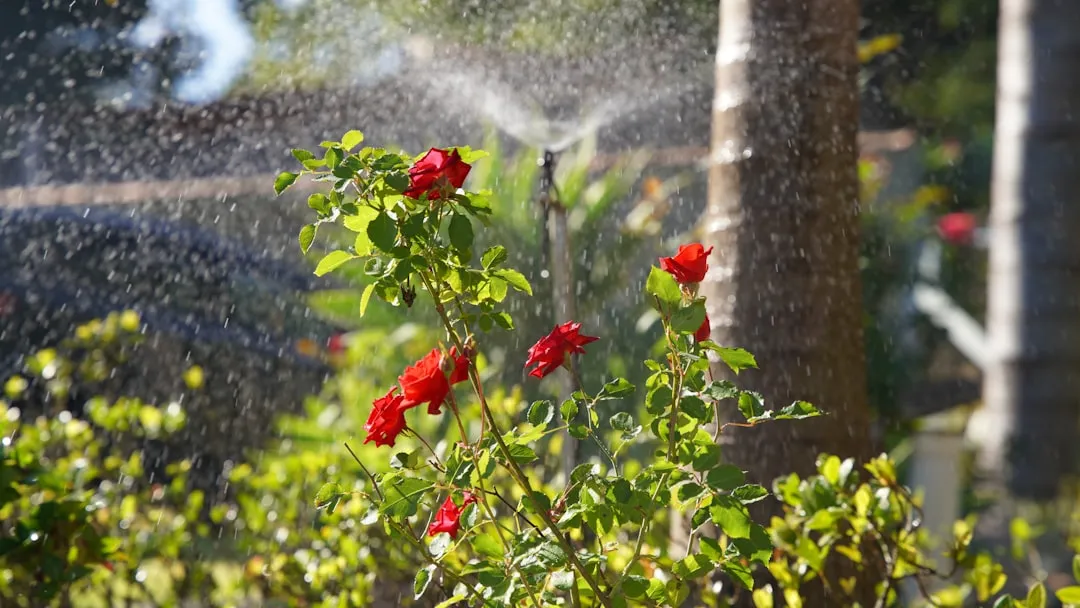
Rather than a daily splash, the pattern that consistently produces the healthiest, most floriferous rose bushes is a deep soaking once or twice a week during the growing season. The short answer is deeply once or twice a week during the growing season, never a little every day, and that single principle separates gardeners who grow healthy roses from those who fight perpetual problems. Mississippi State University Extension backs this up directly, noting that deep watering two to three times per week is better than frequent, light watering that causes shallow root development. Iowa State University Extension frames it in days rather than sessions, explaining that the frequency depends upon weather conditions and soil type, but in most gardens, a thorough watering every 7 to 10 days during dry weather is sufficient.
Why Daily Sprinkling Actually Works Against You
It feels intuitive to give a thirsty looking plant a little water every day, but that habit trains roots to stay shallow and lazy. A deep watering depth of 16 to 18 inches promotes root growth and strengthening and improves overall plant health and vigor, while frequent shallow watering encourages roots that grow laterally and just beneath the surface rather than deep into the soil. Shallow roots dry out faster, stress the plant sooner in a heat wave, and ultimately produce fewer flowering canes. The fix is not more water overall, it is fewer, deeper applications that push moisture down to where the real root mass lives.
What the Research Shows About Water Stress and Flower Count
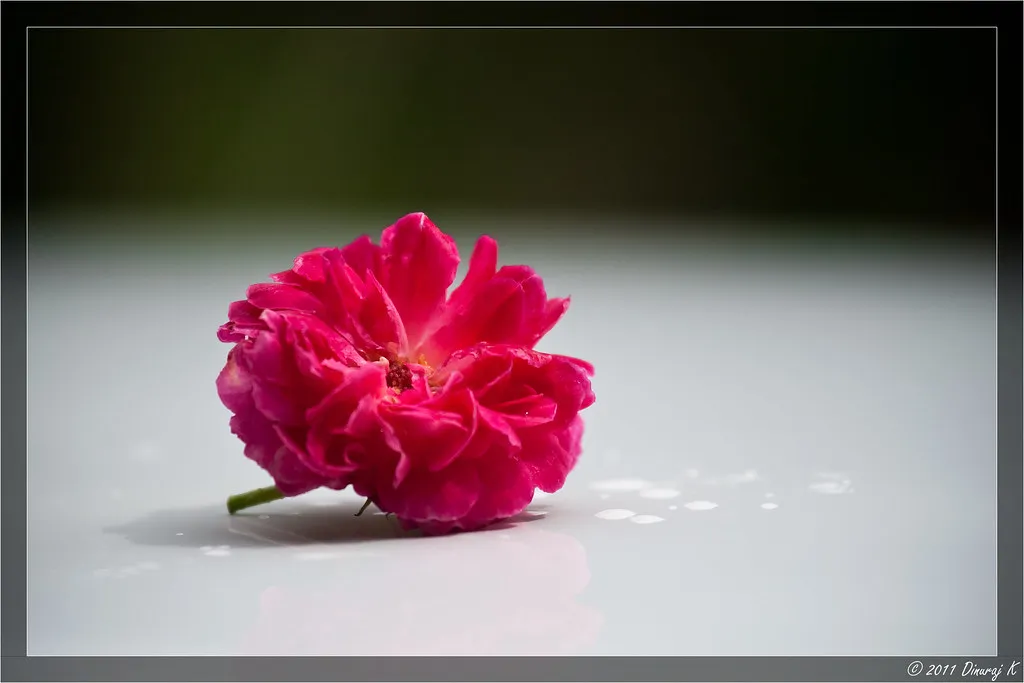
The link between soil moisture and bloom numbers is not just gardening folklore, it has been measured directly in greenhouse rose trials. One controlled study on soilless cut rose production found that in the variety RADrazz, flower number was reduced by 27% and 86% at 20% and 10% soil moisture content, respectively, compared with 30% soil moisture content. A second variety in the same trial, Belinda’s Dream, showed an even steeper drop, with flower number reduced by 42% and 75% at 20% and 10% soil moisture, respectively, compared with 30% soil moisture content. Turn those numbers around and the implication is clear: a rose sitting in chronically dry or inconsistently watered soil can be producing well under half the blooms it is genetically capable of, simply because of a moisture deficit.
A Separate Study Points to the Same Pattern
Research published in Scientific Reports in 2023 examined greenhouse cut roses under different irrigation strategies, including full irrigation, partial root drying, and sustained deficit irrigation. The trial found that compared to the sustained deficit irrigation treatment, the partial root drying treatments showed an increase in flower number by 40%. That is a striking jump for what amounts to a change in irrigation timing and technique rather than total water volume. It reinforces a theme running through the literature: how and when water is delivered matters just as much as how much is used.
Soil Type Changes the Whole Equation
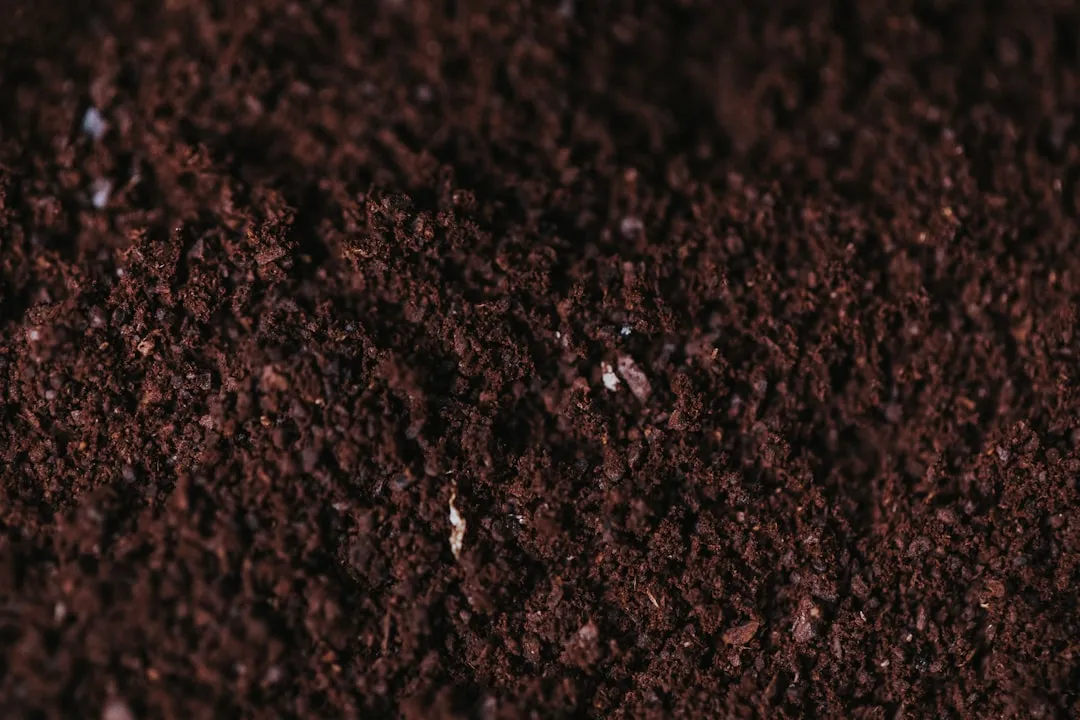
The same watering schedule will behave completely differently depending on what is under the rose bush. Clay has a slow absorption rate, slow drainage, and holds water, needing up to three inches of water at a time to penetrate the 16 to 18 inch root depth, since water permeates slowly through clay even though retention is high. Sandy soil behaves almost the opposite way, since it drains quickly and needs attention more often. Roses growing in sandy soil need more frequent watering than roses growing in clay soils. Knowing which soil type sits under your beds is arguably as important as knowing the schedule itself, and most local extension offices offer inexpensive soil testing to settle the question.
How Much Water Per Session Actually Matters
Volume and frequency work together, not separately. General guidance from Epic Gardening suggests that rosarians recommend two to five gallons of water per rose weekly, which is the equivalent of one to three inches of water per week. During stretches of extreme heat, that number climbs, since during summer heat and dry spells, water amounts can rise to as much as five gallons, or two to three inches of weekly water, with increased watering frequency as resources allow. The goal in every case is the same, a slow soak that reaches the full root zone rather than a quick surface wetting that evaporates by noon.
Timing the Watering Session Right

When you water matters almost as much as how often. Morning applications give roses the best chance to take up moisture before the heat of the day, and they let any wet foliage dry before evening sets in. Overhead watering wets the foliage and increases disease problems, so if overhead watering is unavoidable, morning is the best time to water roses, since morning applications allow the foliage to dry quickly. Evening watering, by contrast, leaves leaves damp overnight, which is exactly the kind of environment that fungal problems like black spot thrive in.
The Touch Test Beats Any Fixed Calendar
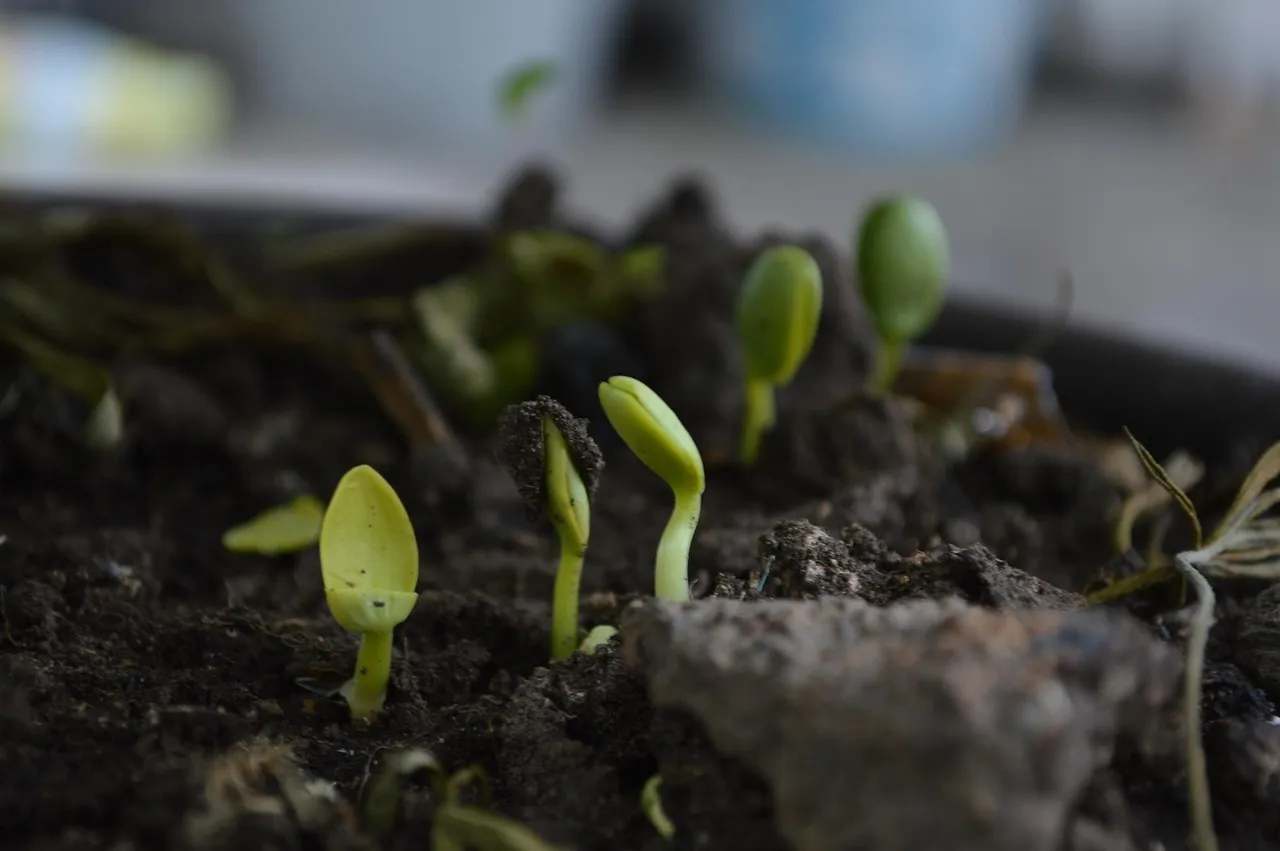
No schedule works forever, because weather shifts week to week. The most reliable growers rely on a simple physical check rather than a rigid calendar date. Watering by soil moisture check rather than a fixed schedule is the more reliable approach. A quick dig two to three inches down tells you everything, and if the top 2 to 3 inches of soil are dry, you need to water. This single habit, checking before watering rather than watering on autopilot, prevents both the underwatering that suppresses bloom count and the overwatering that invites root rot.
Mulch as the Quiet Partner to Any Schedule
A watering routine only works as well as the soil’s ability to hold onto that moisture between sessions. Mulch is the simplest tool for stretching every soak further, and extension guidance recommends spreading 2 to 4 inches of mulch around each rose or over the entire bed. Beyond moisture retention, mulch also suppresses the weeds that compete for the same water and nutrients your rose needs to push out new flowering canes. Gardeners who pair a deep, infrequent watering schedule with a solid mulch layer typically water less often overall while keeping soil moisture more consistent, which is precisely the condition the bloom-count research points to as ideal.
Adjusting the Schedule as Seasons Turn

The deep, infrequent principle holds year round, but the numbers shift with temperature. In cooler months, established roses need far less, and in most of the US, roses need little or no supplemental water in winter, though if there is a dry spell with no precipitation for three to four weeks during a mild winter, one deep watering helps prevent the roots from drying out. As spring growth resumes and temperatures climb, the frequency creeps back up, with hot, dry climates sometimes needing attention every two or three days rather than the standard five or six day interval. Watching the plant, not just the calendar, remains the most dependable way to know when that seasonal shift has arrived.
The research is fairly consistent even if the exact multiplier varies by cultivar, greenhouse setup, and climate: roses kept in a chronic moisture deficit produce dramatically fewer blooms than those watered deeply and consistently, and in some trials that gap runs well past a simple doubling. What changes the outcome is not a rare product or a complicated regimen, it is the discipline of watering less often but far more thoroughly, then checking the soil rather than the clock. That is a schedule any gardener can start this week, and the payoff shows up exactly where you want it, in the number of flowers on the bush by midsummer.AI Disclaimer: This article was created with the assistance of AI tools and reviewed by a human editor.