
Why the Bathroom Is Ground Zero
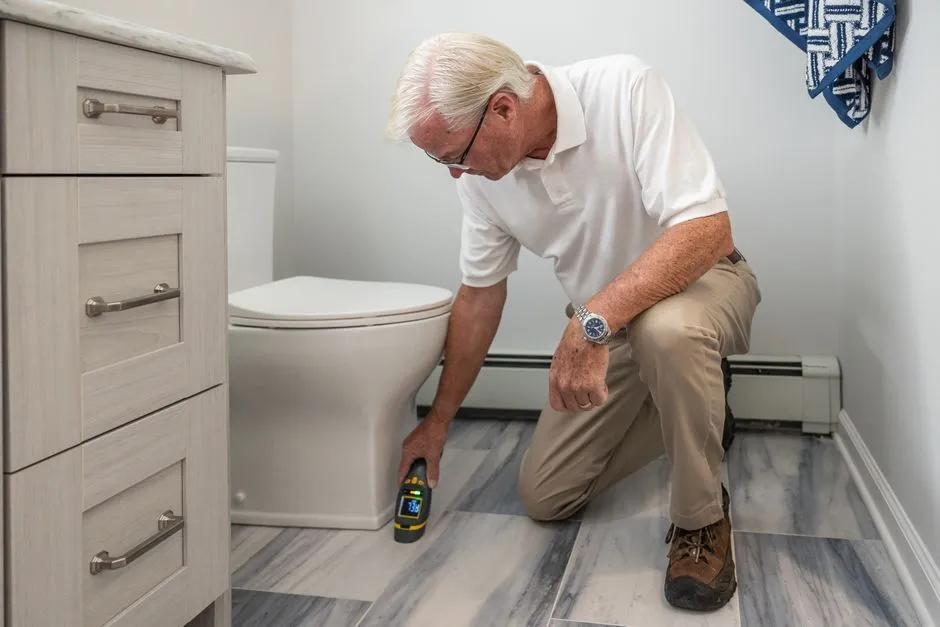
The bathroom is the most physically demanding room most people use every day, and it’s the place where independence most often starts to unravel. Data from the CDC reveals that more than 80 out of every 100 senior falls occur in the bathroom. That’s not a minor hazard. That’s a concentrated risk that shapes whether someone stays home or moves into care.
Hazards such as slick surfaces, elevated tubs, and a lack of grab bars substantially raise the risk of injuries. The standard bathroom was designed for a healthy adult in their prime, not for someone managing reduced balance, stiff joints, or reduced grip strength. For millions of people, it quietly becomes an obstacle course.
The Renovation That Changes Everything: A Walk-In Shower Conversion
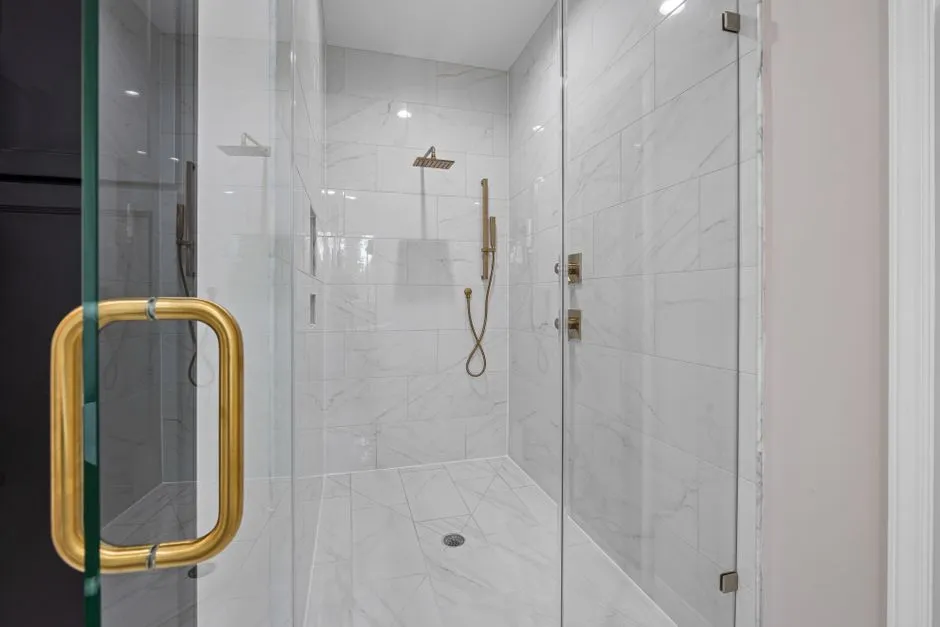
The step-over threshold on a standard tub is responsible for a disproportionate share of bathroom falls. A walk-in shower eliminates it entirely. That single structural change removes the single biggest mechanical hazard in the home for older adults.
A well-planned walk-in shower for elderly adults removes the high tub wall, supports stable movement, and makes bathing less exhausting. It can also reduce caregiver burden and help people stay at home longer. It’s rarely the flashiest renovation a homeowner will do, but the argument for its impact is hard to dispute.
The shower is the center of the 2026 remodel. Tub removal in both secondary and primary baths keeps climbing, and curbless entries are now a mainstream request rather than a specialty one, according to the National Kitchen and Bath Association in 2025.
The Numbers Behind the Demand
Bathroom renovations including walk-in showers, grab-bar installations, and curbless entryways accounted for nearly 29 out of every 100 dollars spent in the U.S. aging-in-place renovation market in 2024, valued at approximately $1.56 billion. That’s the largest single category in the entire sector.
According to the 2025 Improving America’s Housing report from the Joint Center for Housing Studies at Harvard University, older homeowners are now outspending their younger counterparts. Back in 2003, people over 65 accounted for roughly one in seven dollars in the remodeling market. By 2023, that share had surged to more than one in four, officially overtaking the 35 to 44 age bracket.
What a Walk-In Shower Actually Includes

A safe walk-in shower for aging in place combines several key features: a curbless or low-threshold entry to eliminate tripping hazards, non-slip flooring throughout, strategically placed grab bars, a built-in shower seat, a handheld showerhead with anti-scald protection, and adequate lighting. Together, these features reduce fall risk and allow seniors to shower independently while maintaining dignity and safety.
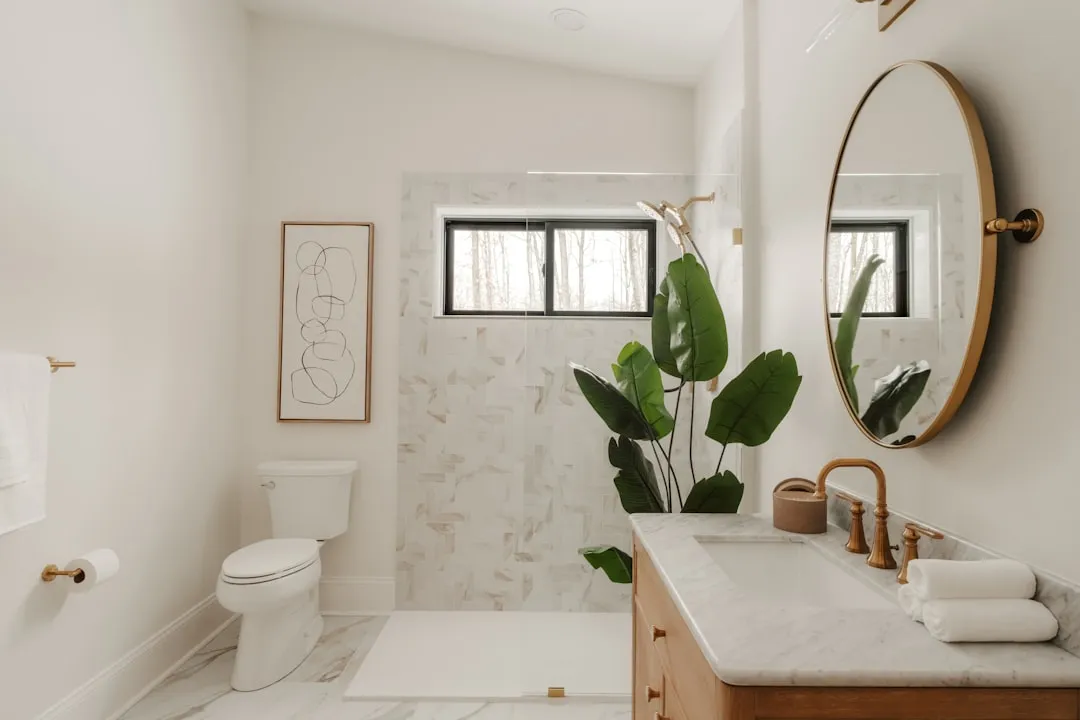
A walk-in shower designed for seniors should include safety features such as grab bars, slip-resistant flooring, and easy step-in entry. Convenience components like a handheld shower wand, built-in shelving, and foldable seating are also useful. Taken together, these features don’t look clinical. Modern versions blend seamlessly into a well-designed bathroom.
Grab Bars: Small Investment, Major Payoff
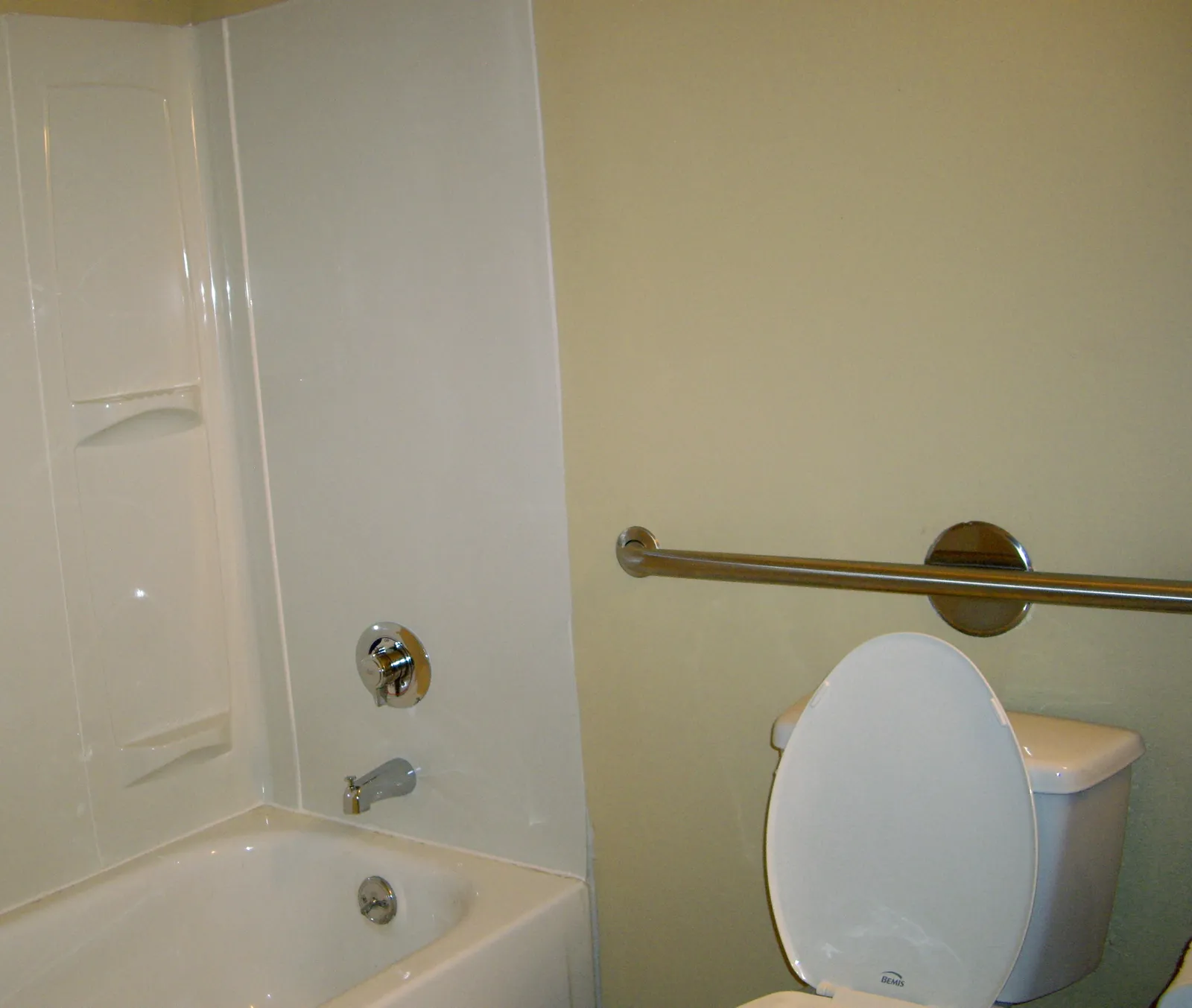
Grab bars are the single highest-ROI home safety investment available. They’re also among the most underused, largely because people associate them with hospitals rather than homes. That perception is changing fast.
In 2023, 93 out of every 100 remodelers reported adding a grab bar to a bathroom, which signals a genuine shift in what’s considered standard. Decorative options in brushed nickel, oil-rubbed bronze, and matte black match modern bathroom hardware so well that most guests would never identify them as safety equipment.
The result is a fall-prevention tool that can prevent a hospitalization costing tens of thousands of dollars. The critical rule: always anchor into wall studs, never just drywall. A bar anchored only in drywall will pull out of the wall if grabbed during a fall, making the situation worse.
What It Costs in 2026
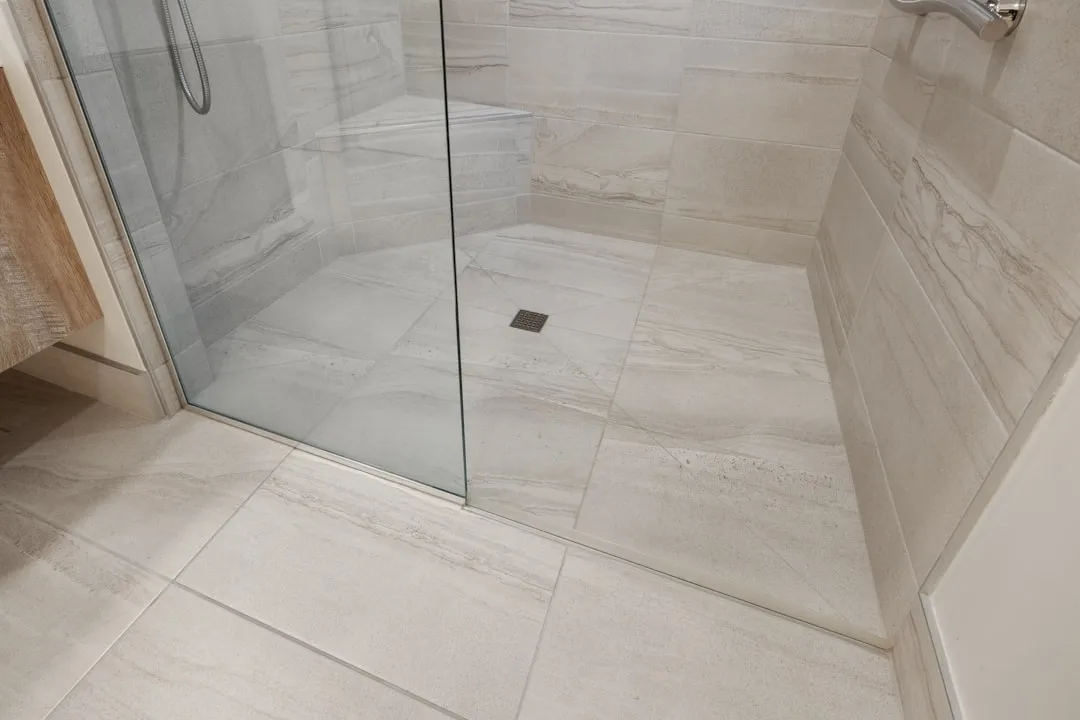
The single most-requested upgrade, a curbless walk-in shower, runs between $6,000 and $10,000 installed in 2026. A full accessible bathroom remodel runs $8,000 to $25,000, and a whole-home aging-in-place retrofit across multiple rooms runs $18,000 to $75,000.
Low-cost, high-impact items deliver the most safety per dollar: grab bars, lever door handles, and a comfort-height toilet together cost under $2,000 and address the most common fall risks. For homeowners not ready for a full conversion, those targeted fixes are a practical starting point.
Planning ahead is far cheaper than reacting to a crisis. Retrofitting during a remodel you are already doing, such as bundling grab-bar blocking into a bathroom you are already gutting, costs a fraction of doing it as a standalone emergency project later.
Comparing Costs to the Alternative
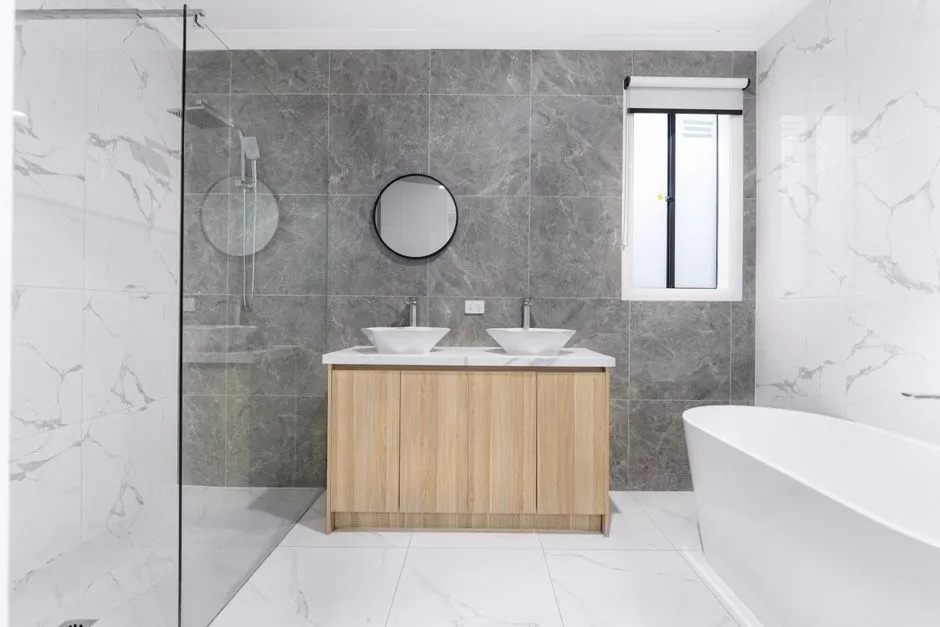
The financial comparison between a bathroom renovation and a care facility is striking. The national median cost of a private nursing home room in 2025 is nearly $10,800 a month, or roughly $129,575 a year. A full accessible bathroom remodel, even at the higher end, represents a fraction of a single year in residential care.
With annual nursing home costs exceeding $112,000 in many markets, spending $20,000 to $30,000 on high-end home modifications isn’t just a comfort upgrade. It’s an investment that pays for itself in less than a term of care. The math is straightforward once those two numbers sit side by side.
The Return on Investment at Resale
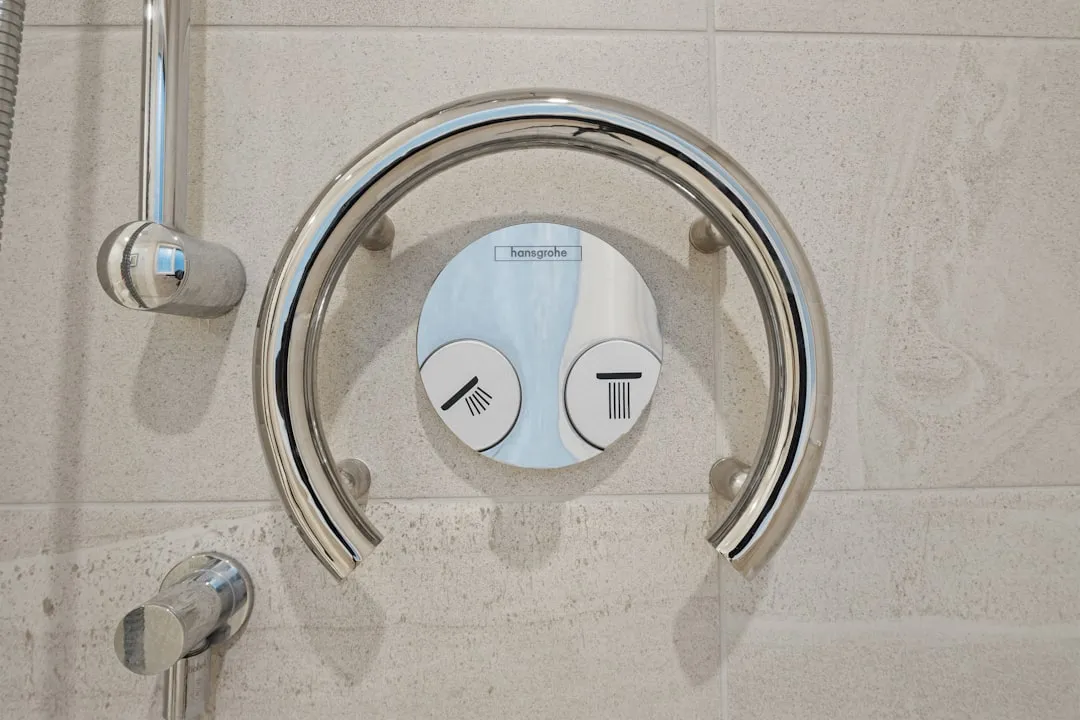
According to the “Cost vs. Value” survey, converting a standard bathroom to meet universal design standards, such as installing zero-threshold showers, grab bars, and widened doorways, yields an average return on investment of roughly 68 to 70 percent, ranking among the top seven remodeling projects nationwide.
Aging-in-place features broaden a home’s appeal to multiple generations, including younger families and older buyers alike, making the home easier and faster to sell. A well-executed accessible bathroom doesn’t narrow the pool of buyers. It widens it.
How Few Homes Are Actually Prepared
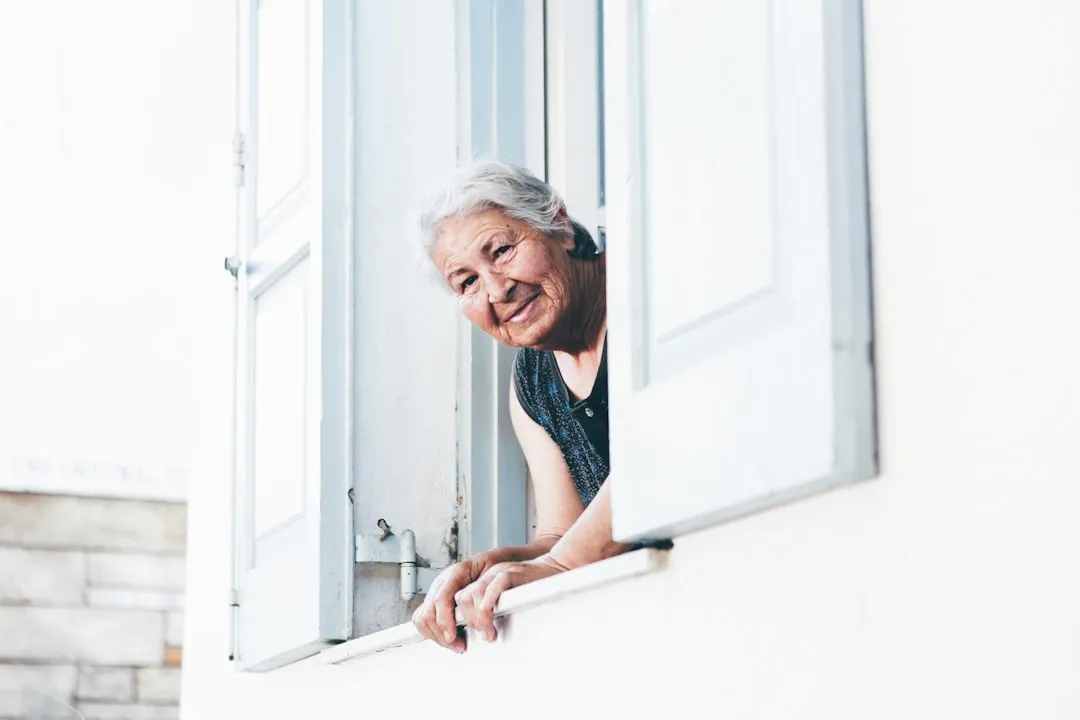
A 2020 report estimated that only one in ten homes in the United States is considered “aging ready,” meaning it has a step-free entryway, a first-floor bedroom and bathroom, and at least one bathroom accessibility feature. That figure has likely improved since, but the gap between what people want and what their homes currently offer remains large.
A 2025 U.S. Census Bureau report highlights a clear demographic shift, with about 61.2 million Americans now aged 65 and older. In many parts of the country, older adults already outnumber children. The pressure on existing housing stock to accommodate that population isn’t going away.
Financial Help That’s Available Now

Medicare may cover certain bathroom modifications if they are deemed medically necessary and prescribed by a doctor. Coverage typically requires documentation from a healthcare provider stating the modification is necessary for rehabilitation or daily living. However, Medicare generally does not cover general home modifications.
Starting January 1, 2026, ABLE accounts are open to anyone whose disability began before age 46, up from before age 26, adding an estimated six million newly eligible people who can use tax-advantaged savings for home modifications. The 2026 annual contribution limit is $20,000. That’s a meaningful new funding avenue for millions of households.
A research-backed, occupational therapist-guided modification program at Washington University in St. Louis cost an average of $766 per person and cut fall rates by roughly 38 percent. The program saved an average of $1,613 in health care costs over 12 months, essentially returning roughly two dollars for every one dollar spent.
The Broader Case for Planning Ahead
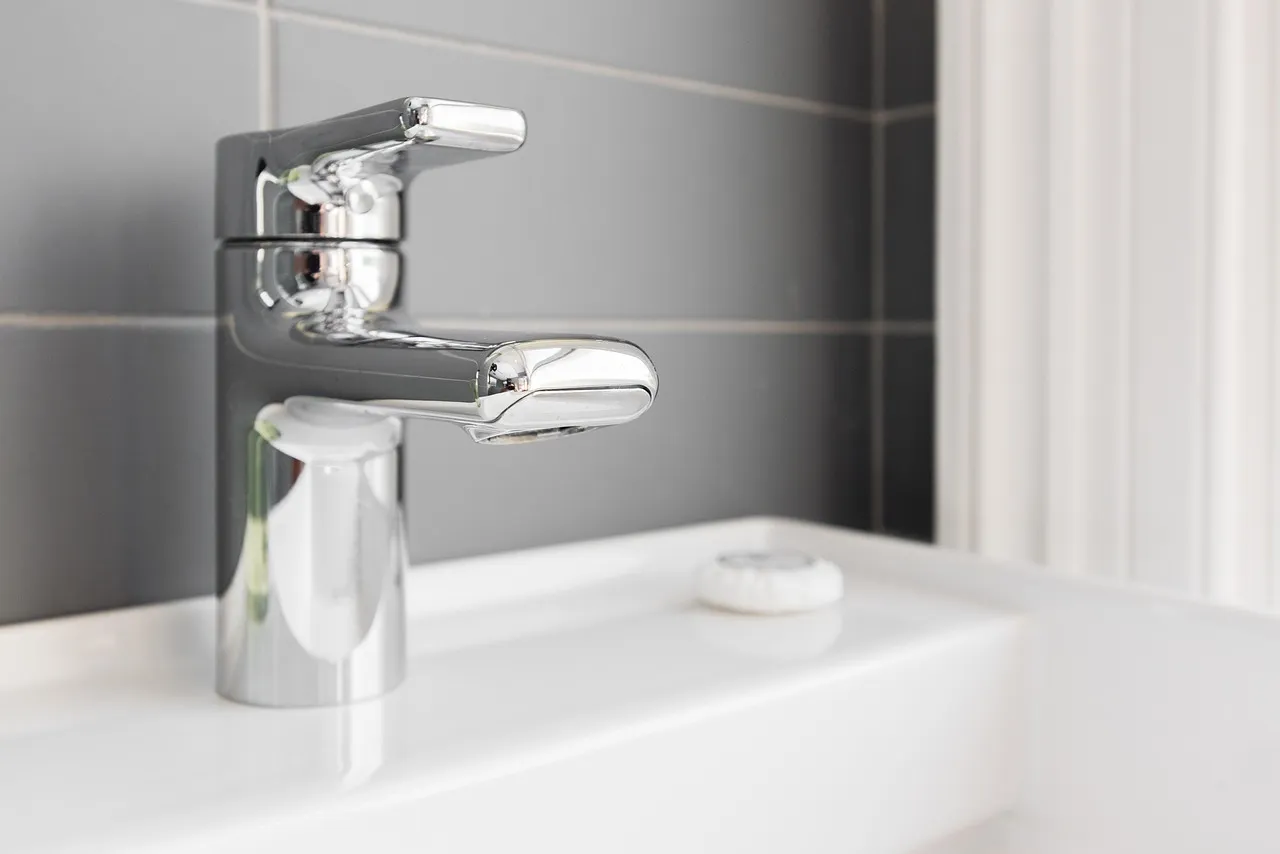
Instead of waiting for mobility issues to appear, more homeowners are choosing to plan ahead with aging-in-place upgrades. The focus is on making spaces safer and more accessible while keeping them visually modern and comfortable, without a clinical or institutional look.
An aging-in-place bathroom remodel modifies an existing bathroom so someone can use it safely and independently as their mobility, balance, or strength changes over time. It blends functional changes like grab bars and wider doorways with design choices that keep the room feeling like a bathroom, not a clinic.
Escalating care facility costs, with home health aide services rising around 10 percent in cost through 2025, far outpacing general inflation due to a severe labor shortage, is pushing more families to view home modification as both a quality-of-life and financial decision. The timing, for most households, is better sooner than later.
The Takeaway
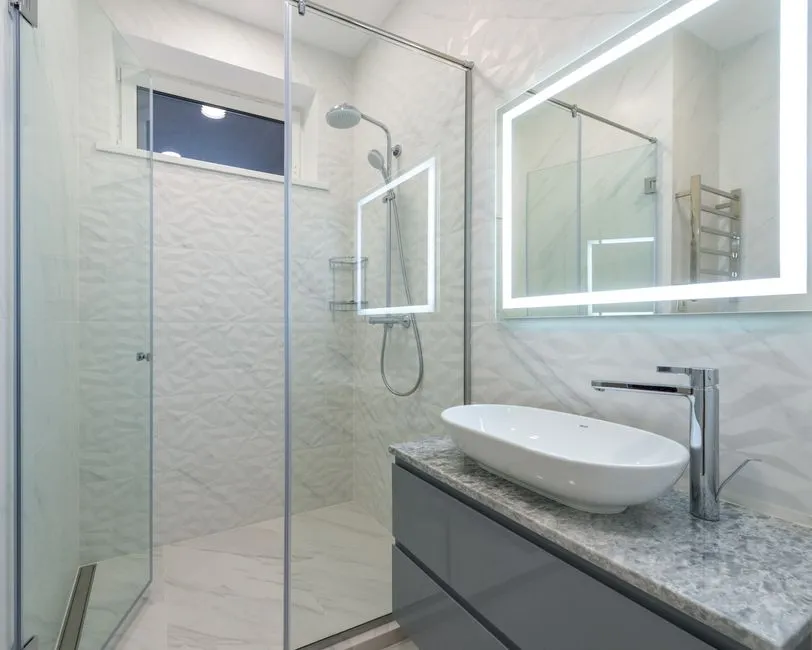
The bathroom renovation that gives most people the best chance of staying in their own home for life isn’t the most glamorous project on a contractor’s portfolio. It rarely trends online. Still, the evidence for its impact is consistent, measurable, and backed by real data from the CDC, Harvard’s Joint Center for Housing Studies, and AARP.
A curbless walk-in shower, properly placed grab bars, slip-resistant flooring, and a comfort-height toilet aren’t compromises. They’re a long-term plan built into the walls of a home. Creating a safe aging-in-place bathroom with a walk-in shower is an investment in independence, dignity, and safety. That’s a combination worth more than most renovations will ever deliver.
AI Disclaimer: This article was created with the assistance of AI tools and reviewed by a human editor.