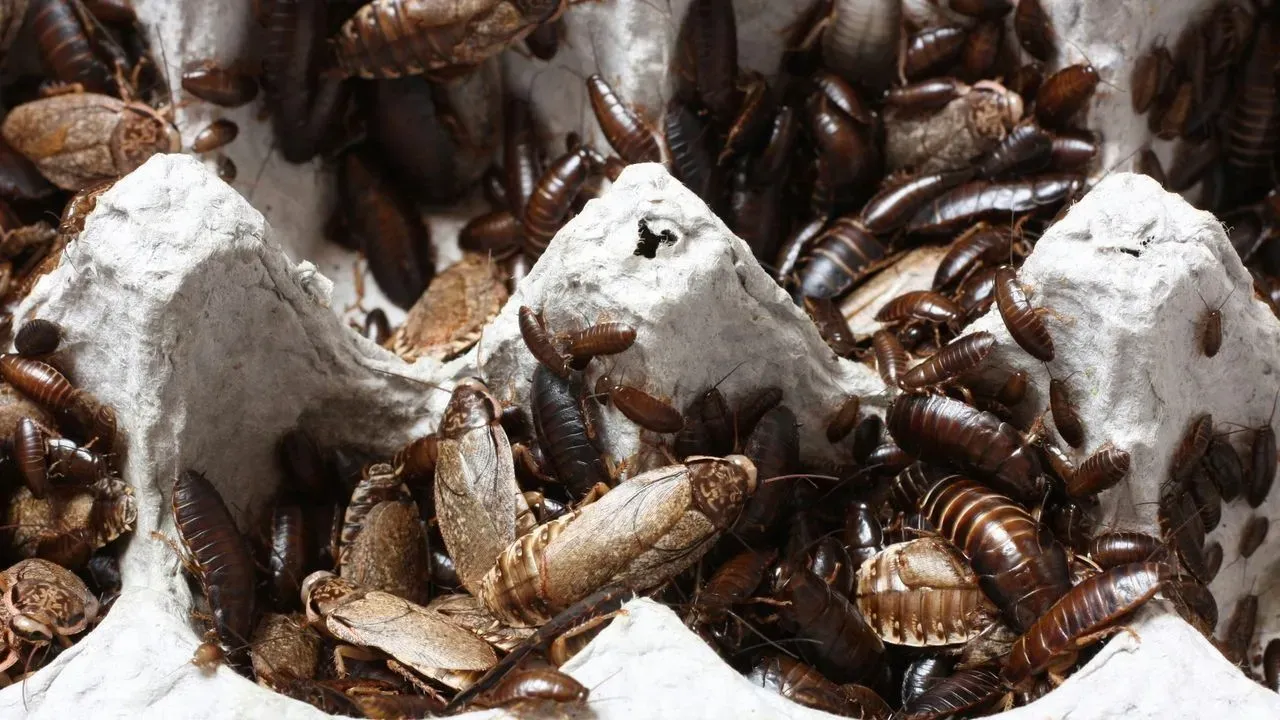

Homeowners who spot a single cockroach often assume a quick cleanup or store-bought spray will solve the issue. Yet the real problem usually lies deeper: most visible activity represents only a fraction of a hidden population that continues to breed behind walls and under appliances. This gap between surface-level fixes and the actual source explains why the pests return again and again. The pattern holds across countless households. Cockroaches arrive through everyday channels such as grocery bags, cardboard boxes, or shared plumbing, then settle into the warm, moist spots kitchens and bathrooms naturally provide. Once established, they need only tiny amounts of food residue and water to thrive.
The Hidden Driver Behind Recurring Infestations
A daytime sighting is rarely an isolated visitor. Cockroaches are nocturnal by nature, so activity during daylight hours typically means the colony has grown large enough to push some individuals out of their usual hiding places. Small dark droppings that resemble coffee grounds, a persistent musty odor, or brown egg casings tucked into corners all point to the same reality: an established group rather than a stray arrival. Treating only the insects you can see leaves the rest untouched. Sprays and baits often miss the breeding sites inside wall voids or behind appliances, allowing survivors to rebuild numbers within weeks. The resilience comes from their ability to survive longer without food than without water and from their skill at exploiting the smallest cracks.
Closing the Entry Points That Matter Most
Effective prevention starts with removing the three attractions that draw cockroaches in the first place: food, moisture, and shelter. Store dry goods in airtight containers, wipe counters and appliances after every use, and never leave dishes overnight. Fix dripping faucets or damp areas under sinks promptly, since even modest leaks create reliable water sources. Regular trash removal with a tight-fitting lid prevents another common draw. Decluttering storage areas eliminates dark, undisturbed spots where the insects hide and reproduce. Sealing gaps around pipes, baseboards, and utility entries with caulk or weatherstripping blocks easy access routes. Inspecting secondhand items and delivery boxes before they enter the home stops hitchhikers at the door. These steps work together rather than in isolation. A single overlooked leak or unsealed crack can undermine otherwise careful habits.
Why Short-Term Treatments Fall Short
Many homeowners turn first to over-the-counter products, expecting fast results. Those products can reduce visible numbers temporarily, yet they rarely reach the full population or address the conditions that allowed the colony to form. Without changes to food access, moisture levels, and entry points, the same environment simply invites new arrivals or lets survivors rebound. Health Canada notes that intensive cleaning should accompany any pesticide use, because cockroaches can contaminate food and worsen asthma symptoms in sensitive people. Relying on chemicals alone leaves the underlying opportunity intact.
When Professional Help Becomes the Practical Choice
Persistent signs – daytime sightings, droppings in multiple rooms, or egg casings – usually indicate that DIY efforts have reached their limit. A trained technician can identify the species, locate hidden breeding sites, and apply targeted treatments that reach beyond visible areas. This approach pairs well with the ongoing habits already in place, turning a recurring problem into a resolved one. For many households, the combination of consistent prevention and timely professional support delivers the lasting result that sprays alone cannot achieve. The difference between temporary relief and a home that stays clear comes down to treating the full picture rather than the part that happens to scurry across the floor. Small, steady adjustments to daily routines close the opportunities that cockroaches need, while recognizing when outside expertise is required prevents the cycle from restarting.
AI Disclaimer: This article was created with the assistance of AI tools and reviewed by a human editor.