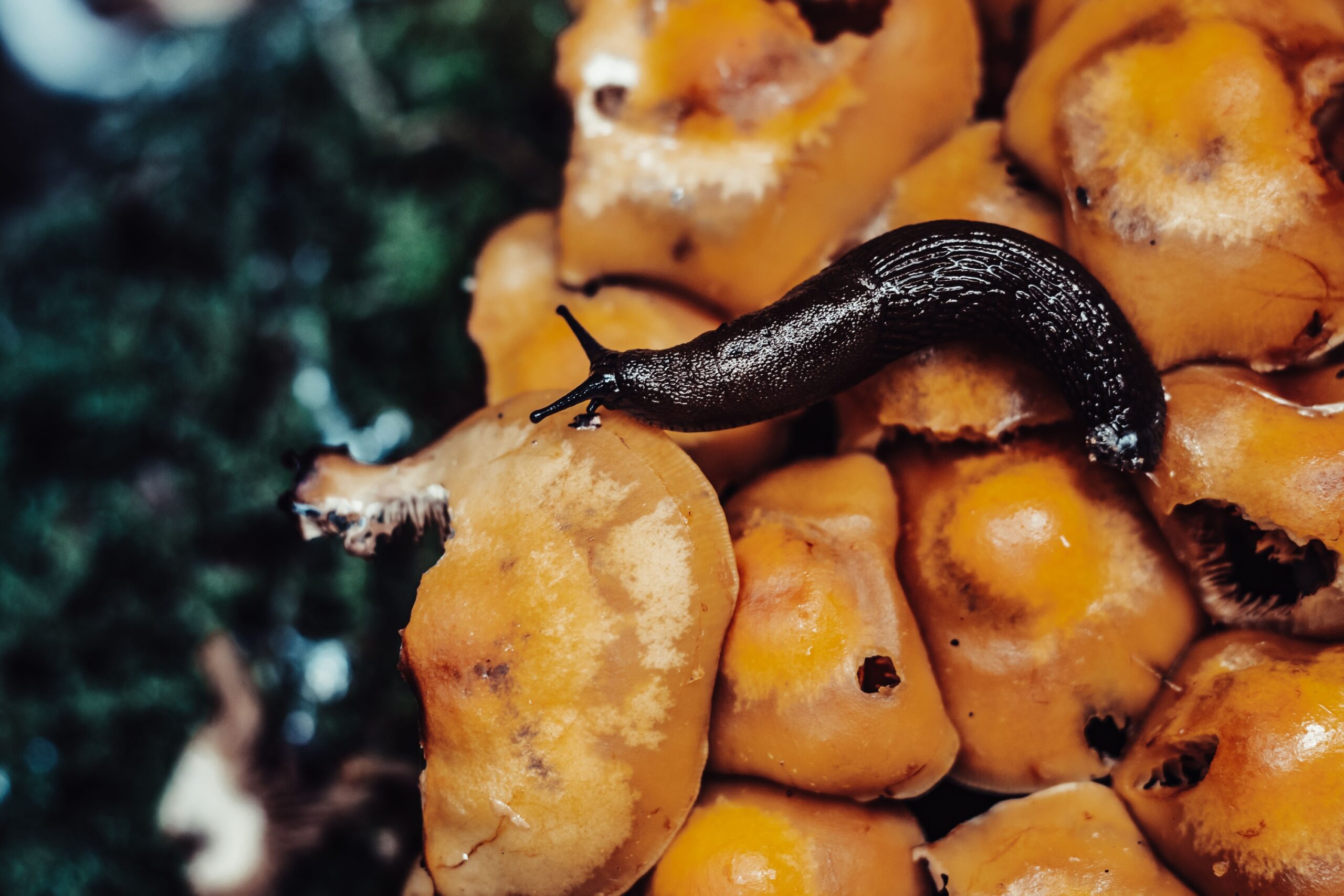

There’s a deeply ingrained gardening habit that seems perfectly reasonable on the surface. After a long day, you head out at dusk, hose in hand, and give your beds a good drink before the sun drops away entirely. It feels responsible, even caring. The problem is that for slugs, you’ve just rolled out the welcome mat.
Slugs are nocturnal creatures, and watering your plants in the evening can be a serious mistake. You’re creating their preferred moist environment just as they’re becoming active. What follows through the night is damage most gardeners only discover in the morning, staring at jagged holes in their lettuce and a shining slime trail as the only evidence.
The Core Mistake: Evening Watering Creates a Slug Paradise
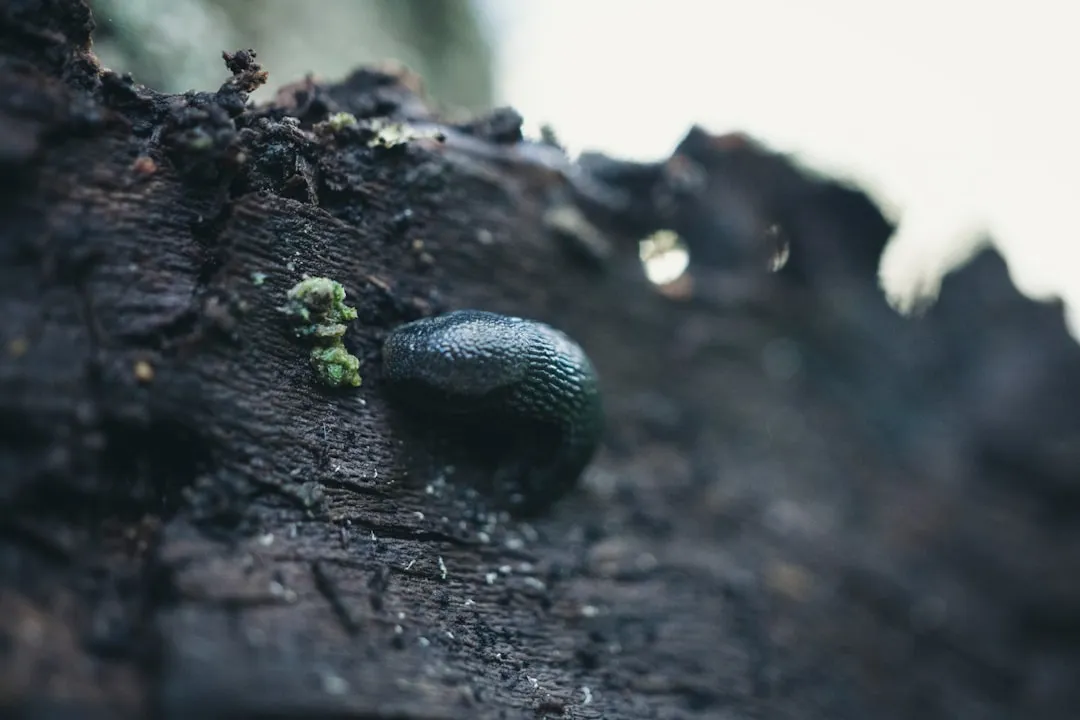
The single most common error nighttime gardeners make is irrigating their beds in the evening rather than the morning. In essence, evening watering gives slugs the perfect buffet conditions and encourages them to come and feast in your garden.
According to USDA research, morning irrigation allows four to six hours of surface drying before evening slug activity begins, compared to evening watering which maintains surface moisture for twelve to fourteen hours. That’s a massive window of hospitable conditions you’re gifting to pests every single night.
Evening irrigation creates the opposite effect, maintaining surface moisture during peak slug foraging hours from 8 PM to 4 AM. The fix is almost embarrassingly simple, yet so few gardeners make the switch.
Why Moisture Is the Real Magnet
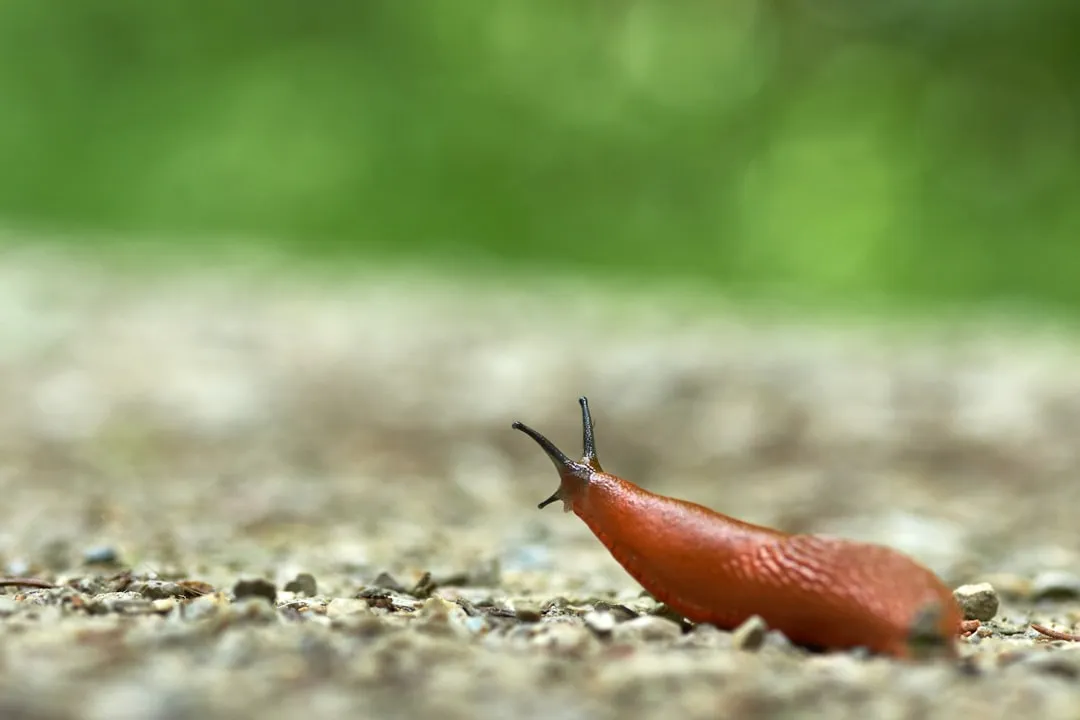
Slugs are generally active at night when it’s cool and damp, although they may be seen during the day in cool, shaded sites. Warm, dry conditions are far less favorable to them. Moisture isn’t just a preference for slugs – it’s a biological requirement.
According to University of California IPM research, slugs require eighty to ninety percent humidity levels to remain active, making moisture timing critical to their survival patterns. Strip that away, and their activity drops sharply.
Ensuring that the soil has dried out by the evening, when slugs are most active, is key. Wet soil at night can create a slug highway between plants. That image alone should be enough to prompt a change in watering habits.
The Scale of the Problem Is Larger Than Most Gardeners Realize
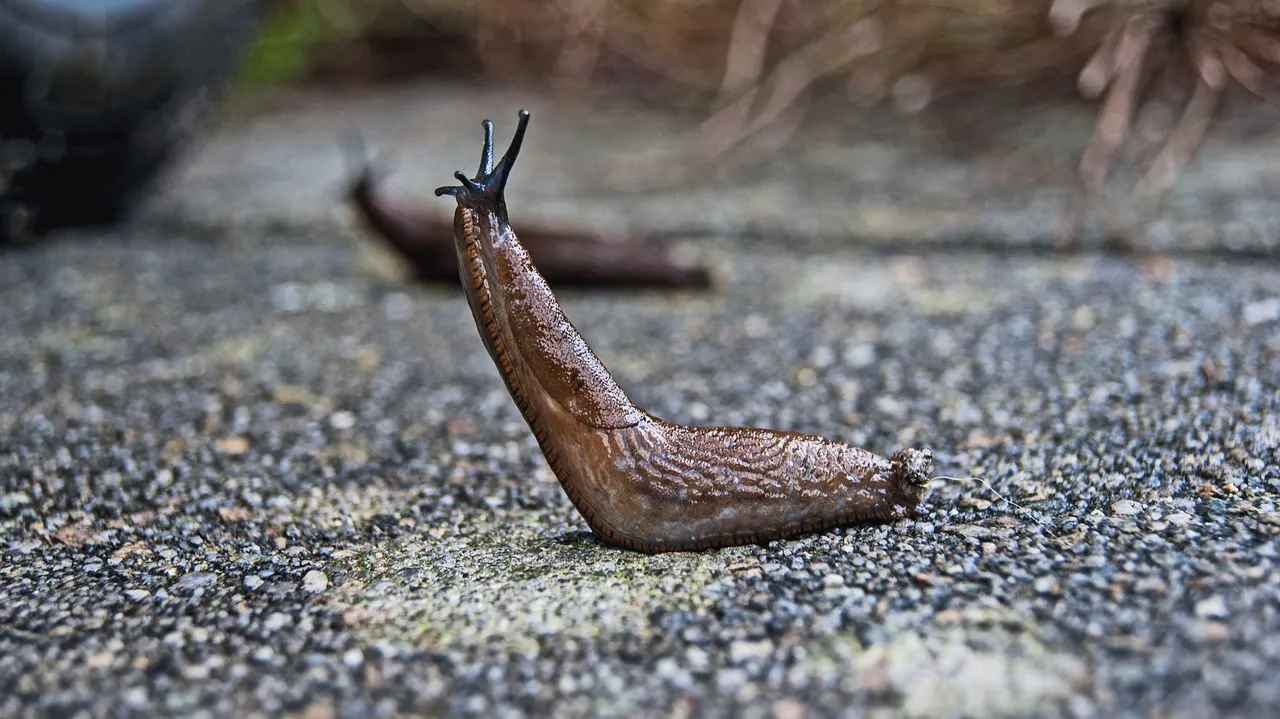
The average garden contains upwards of fifteen thousand slugs. No wonder our plants get nibbled or even destroyed. That number tends to land like a quiet shock for most home growers.
Slugs, snails, and damp weather combined to make 2024 an especially difficult year for many home vegetable growers, according to the sustainable gardening charity Garden Organic. A mild wet winter followed by a cool and very damp spring meant that slugs and snails flourished and feasted on home-grown vegetables.
In warmer winters, slugs can stay active in terms of feeding or breeding and are ready to go by the time spring comes around. Slugs can consume twice their own body weight each day, which gives you an idea of just how much havoc they can collectively wreak. When populations peak, the destruction can be staggering.
They Reproduce at a Rate Most Gardeners Underestimate
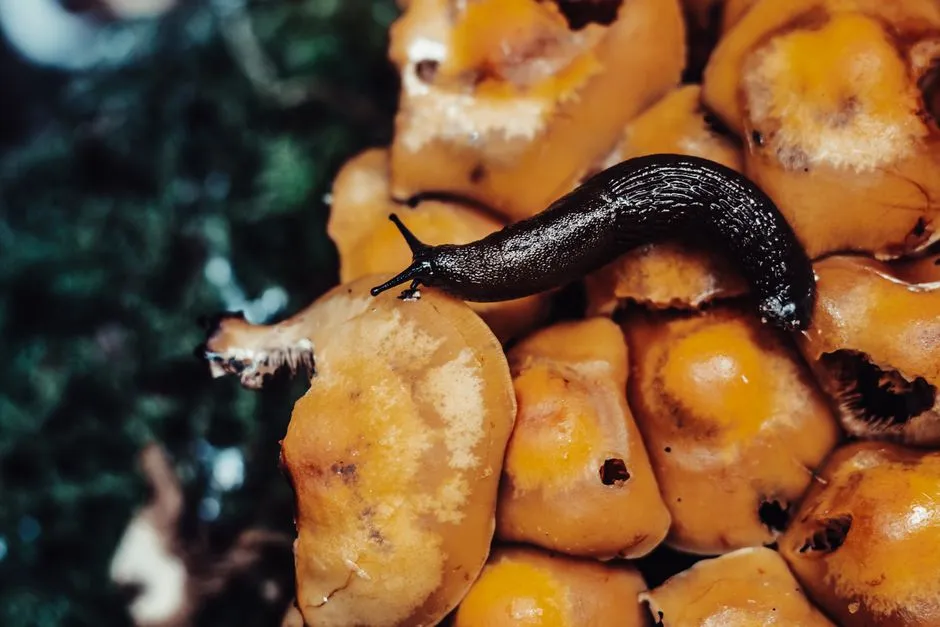
Slugs may not move fast, but they reproduce quickly. Slugs can lay up to eighty eggs at a time, six times a year. It’s a good idea to eliminate them before they overwhelm your plants.
Slugs typically spend the winter as eggs in protected sites in the soil or under plant debris, mulch, and boards. Eggs hatch the following spring and early summer. If conditions are favorable, slugs can be active throughout the summer and fall.
Evening watering doesn’t just attract slugs already present in your garden. It creates conditions suitable for egg-laying and hatching, compounding the problem season after season.
The Wrong Mulch Makes Everything Worse
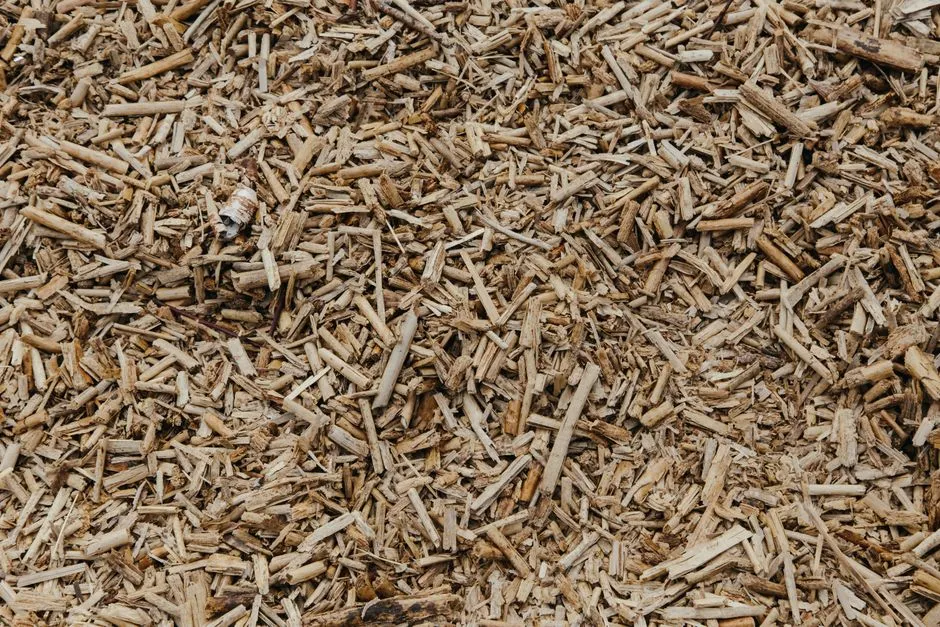
If you’ve been using decomposing organic matter as mulch, you’ve identified another mistake contributing to a slug problem. One important task slugs have is to clean up decomposing matter. If you’re laying leaves or only partially decomposed compost, slugs will flock to the area to feed on it.
Practice good housekeeping by removing plant debris and dead leaves from the garden, especially in the fall, which is the peak time for slugs and snails to lay their eggs. When using mulch, don’t apply it at a thickness greater than three inches, and keep it away from the base of your plants.
While chopped leaves make an excellent mulch, too much can encourage slug habitat. This doesn’t mean abandoning mulch entirely. It means being selective and thoughtful about how much you apply and what you use.
Wooden Raised Beds Add to the Problem
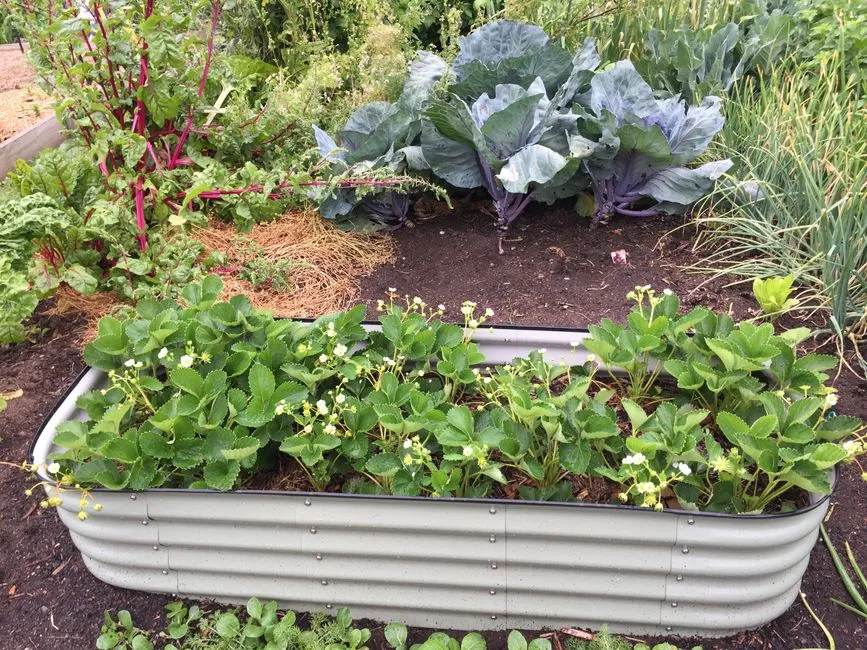
If you’ve built your raised garden beds out of wood, they’re likely going to attract slugs rather than protect against them. Wooden garden beds, particularly those made from untreated wood, keep the soil around the bed moist. Because slugs like moist environments, they’ll be much more likely to flock to these areas.
Raised beds made from pressure treated wood are less likely to attract slugs, but it still isn’t the optimal material. Instead, consider materials such as stones, cinder blocks, and steel when constructing your garden beds.
The combination of wood beds and evening watering is particularly problematic – one retains moisture in its structure, the other replenishes it nightly. Together, they create a near-permanent slug habitat right around your most prized plants.
Dense Planting Creates Hidden Corridors
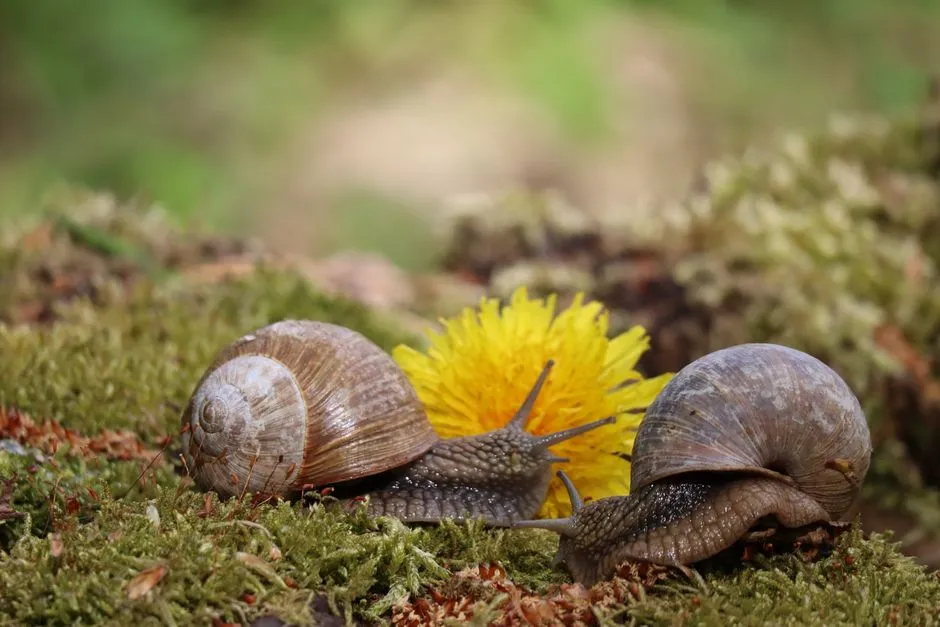
Improving the air circulation in your garden by dividing and thinning plants allows the soil surface to dry out more efficiently. Keeping the areas between plants drier will discourage slugs and snails from using them as pathways through the garden.
Pruning lower tree branches and shrubs allows more sunlight to reach plants and soil. Dividing or thinning plants improves air circulation, allowing the soil surface to dry out. Staking plants and pruning lower leaves raises plants off the soil and away from slugs.
Dense, low-growing foliage that never really dries out is essentially slug cover. Every shaded, moist corridor between plants is a route they’ll use reliably, especially after an evening watering.
What the Science Says About Switching to Morning Watering
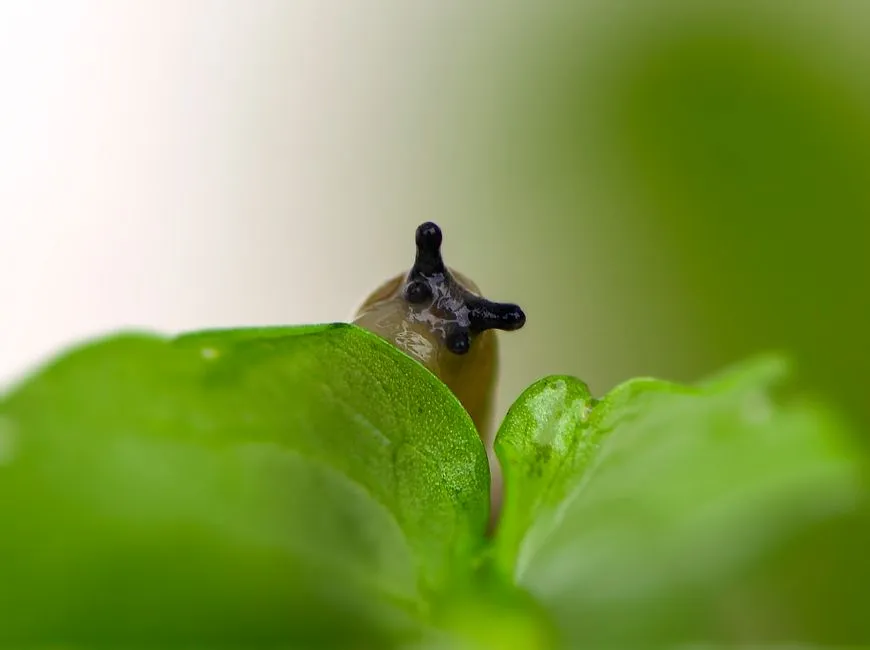
In a study using lettuce, morning irrigation gave a level of protection against slug damage as good as metaldehyde pellets combined with evening irrigation. That’s a striking finding – a simple schedule change rivaling chemical treatment.
Slugs are active in the evening. Water plants in the morning so water is absorbed and plants dry by nightfall. Water the root zone at the base of the plant and avoid overhead watering.
Drip irrigation limits humidity and moist surfaces compared to overhead watering, making it a practical option for gardeners who want fine-grained control over where moisture ends up and how long it lingers.
Natural Predators: A Powerful but Overlooked Line of Defense
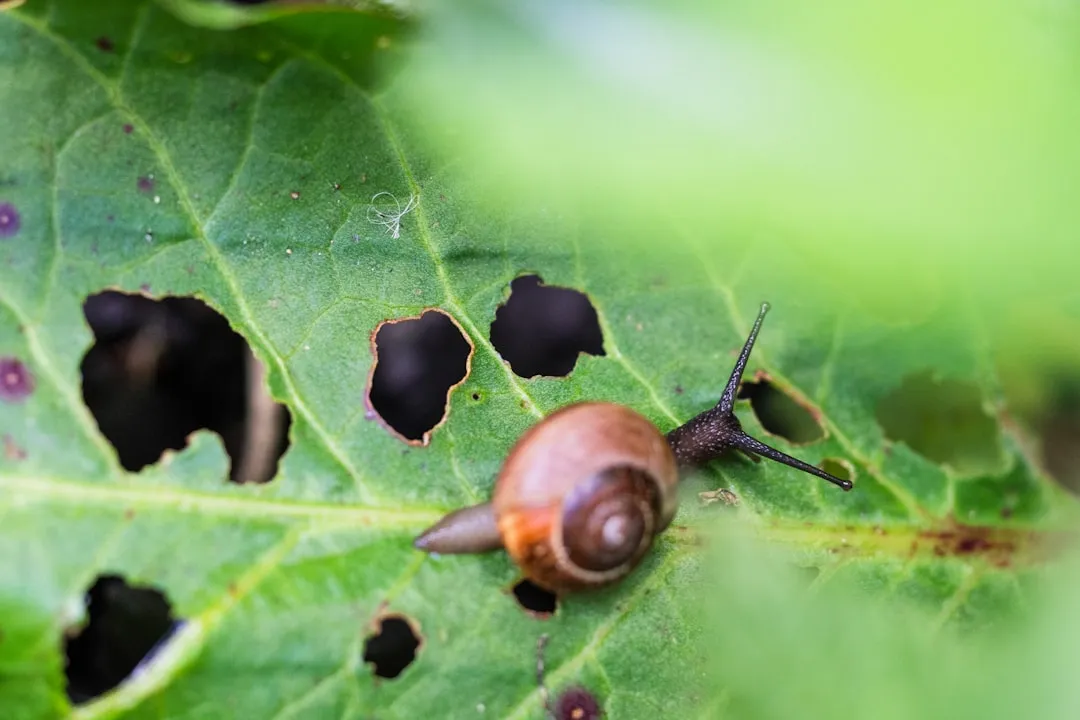
The best thing you can do to control slugs in your garden is to create a healthy ecosystem. Creating habitats for slug predators, including hedges, shrubs, and trees, will attract birds such as blackbirds and thrushes, which eat slugs. A wildlife pond is a great addition, as the newts, frogs, and toads that use it will also devour slugs.
Many natural enemies of slugs and snails have died out or left gardens, leading to increased slug populations. Evening watering compounds this by drawing slugs out in numbers that even a healthy predator population struggles to manage.
Toads, turtles, and garter snakes enjoy a tasty slug snack, as do possums, hedgehogs, and raccoons. Many birds feed on slugs, including starlings, blackbirds, and killdeer. Insects such as ground beetles and roving beetles also eat slugs. Supporting these creatures costs very little and pays off quietly over time.
Practical Traps and Barriers That Actually Work
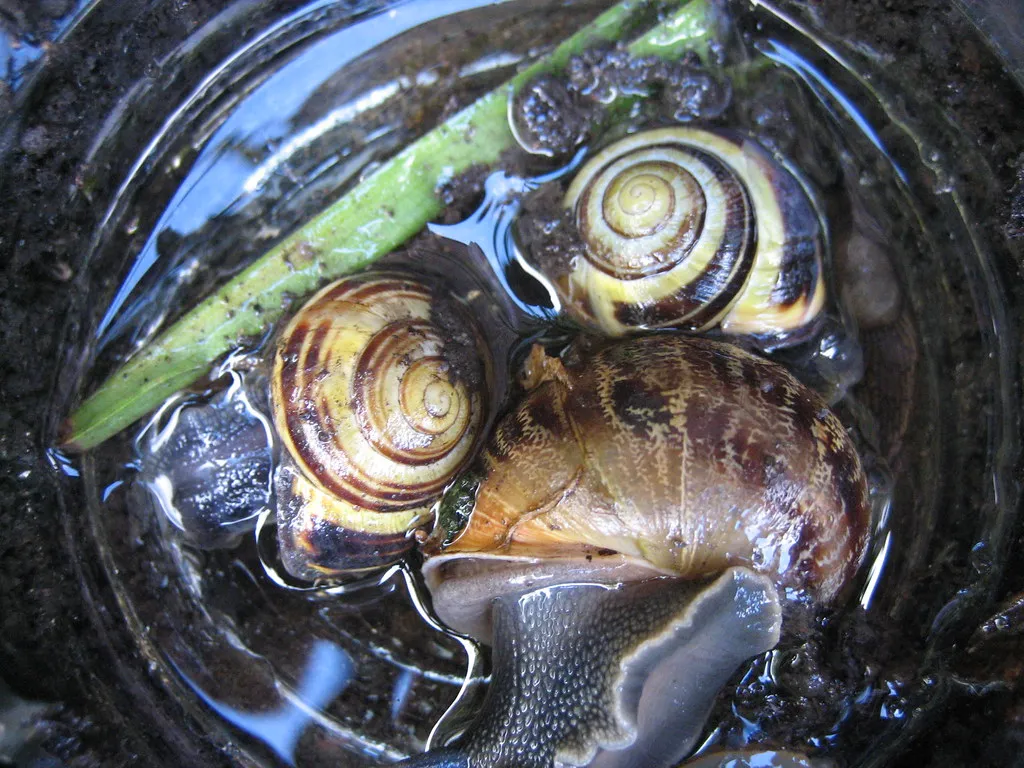
Copper has been shown to deter slugs by reacting with their mucous, giving them something like an electrical shock. Copper foil or bands may be used horizontally or vertically, but they must be wide enough to accommodate the whole slug.
Creating barriers around the areas from which you are removing slugs and snails makes sense. Neither likes crossing dry or caustic materials, so diatomaceous earth, ashes, and sawdust spread on the ground all work as barriers, as long as they’re kept dry.
The best time to hand-pick slugs is two hours after dusk, so this can mean late nights in the height of summer. It’s not glamorous work, but targeted removal on a few consecutive evenings can make a noticeable dent in local populations.
The Takeaway
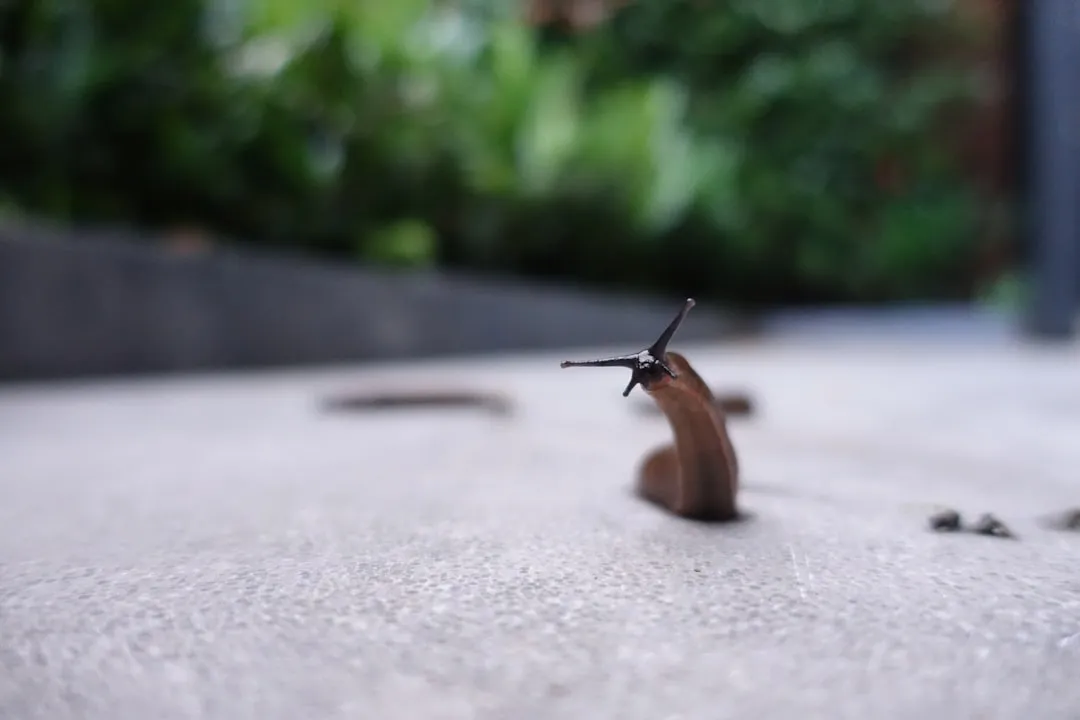
Slug problems in home gardens rarely emerge from a single catastrophic failure. They build quietly, night by night, fed by habits that feel perfectly innocent – an evening hose-down, a thick layer of leaf mulch, a shaded wooden bed that never quite dries out. The core mistake is not a lack of care, but care delivered at exactly the wrong time.
Instead of watering in the evening, opt to water your plants in the morning. This way, the plants and the soil will have absorbed most of the water by evening. It’s the kind of adjustment that costs nothing and changes everything about how hospitable your garden is after dark.
Shifting when you water is the simplest, most research-backed step you can take. Everything else – barriers, traps, plant choice, predator support – builds on that foundation. Get the timing right, and you stop working against yourself every single night.
AI Disclaimer: This article was created with the assistance of AI tools and reviewed by a human editor.